
- Stone14
- Reports3


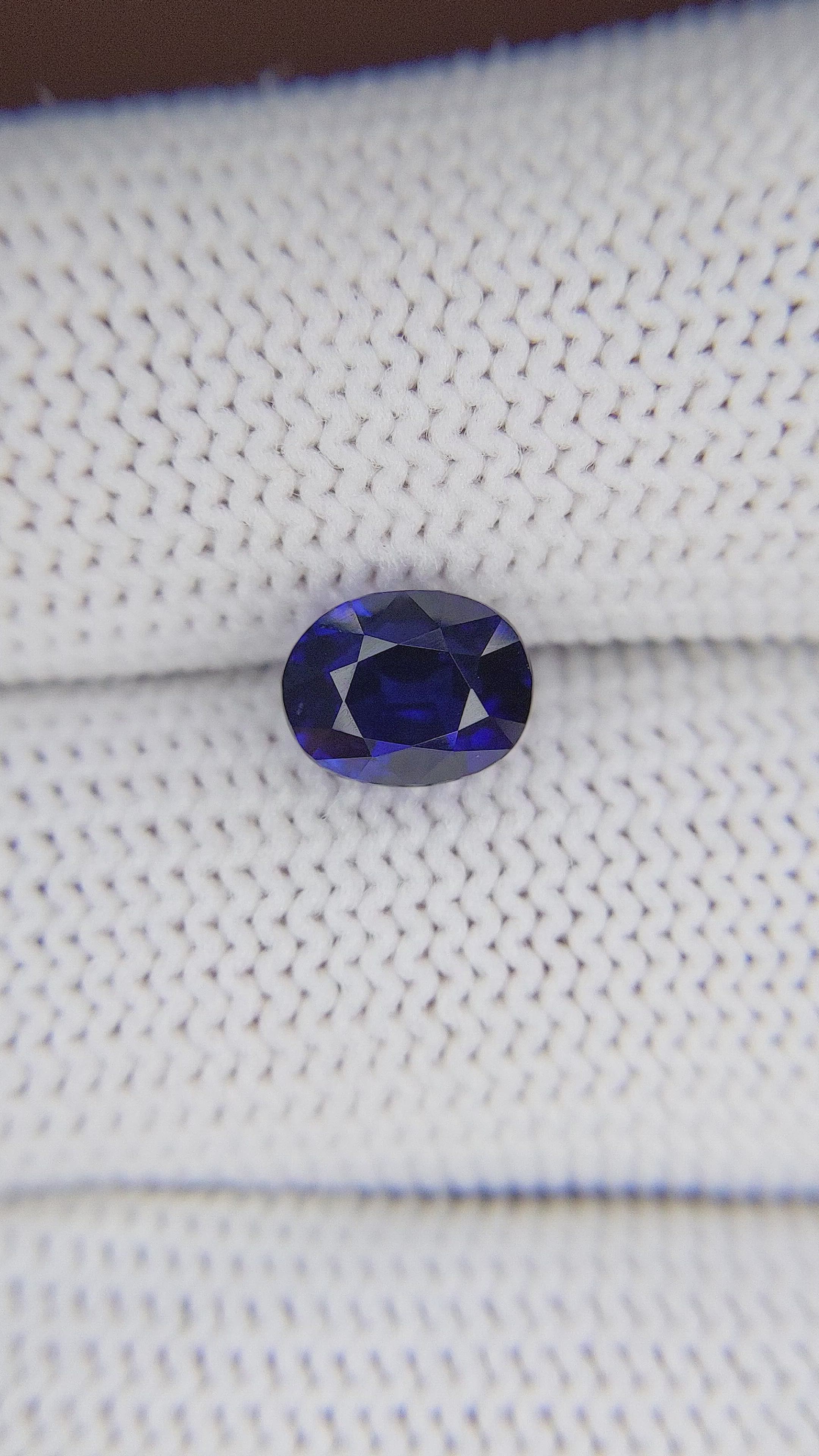
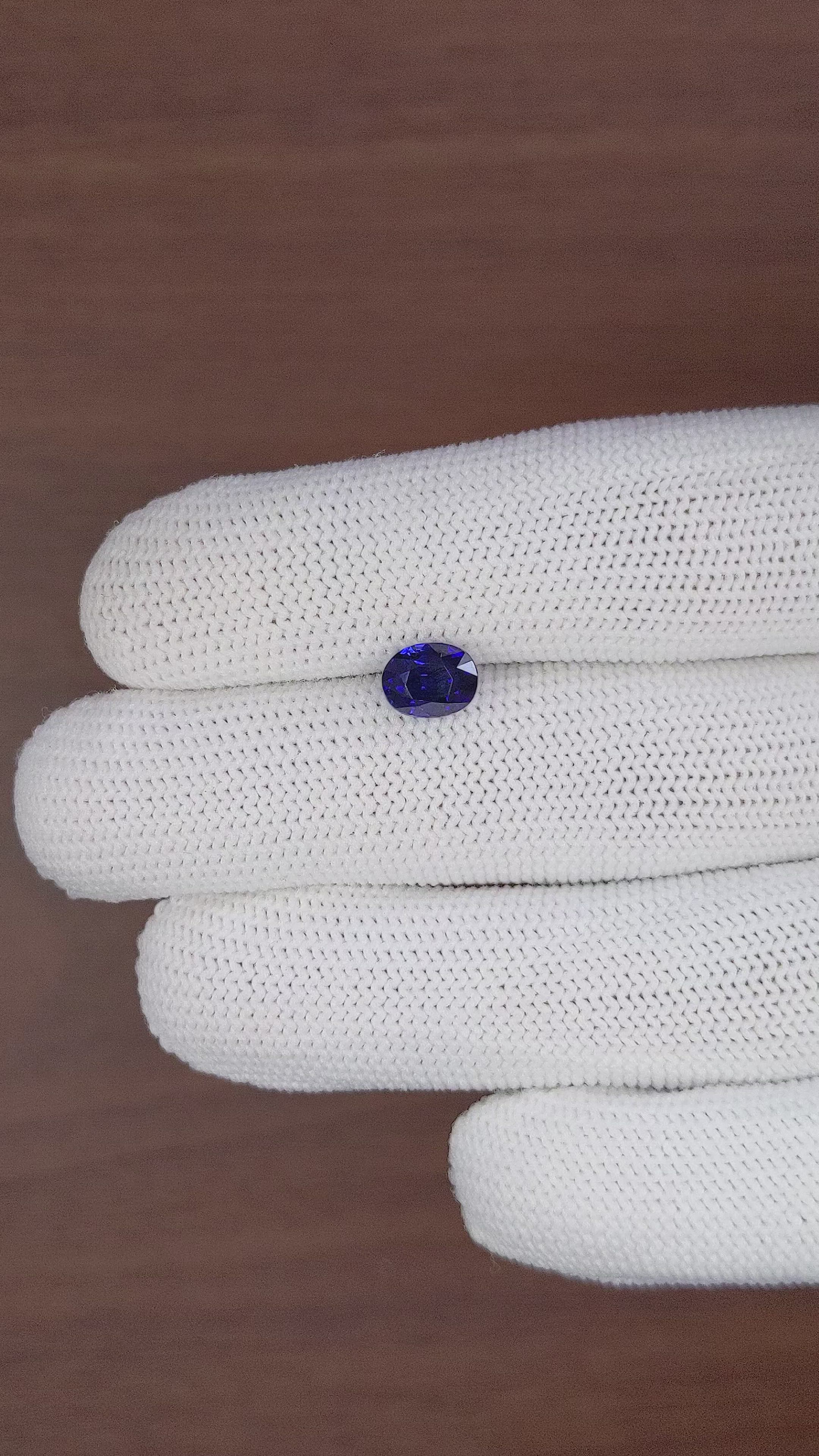
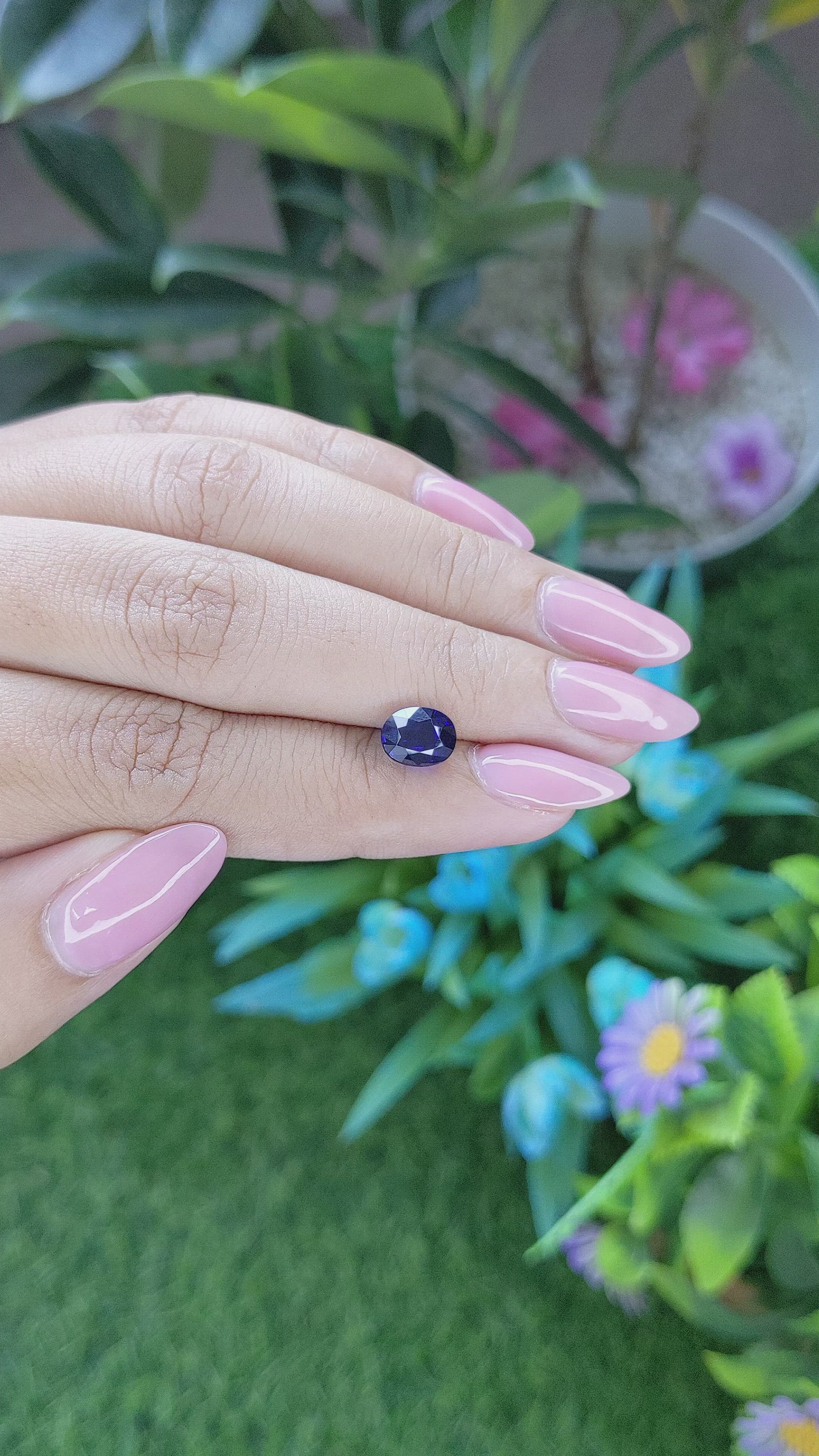
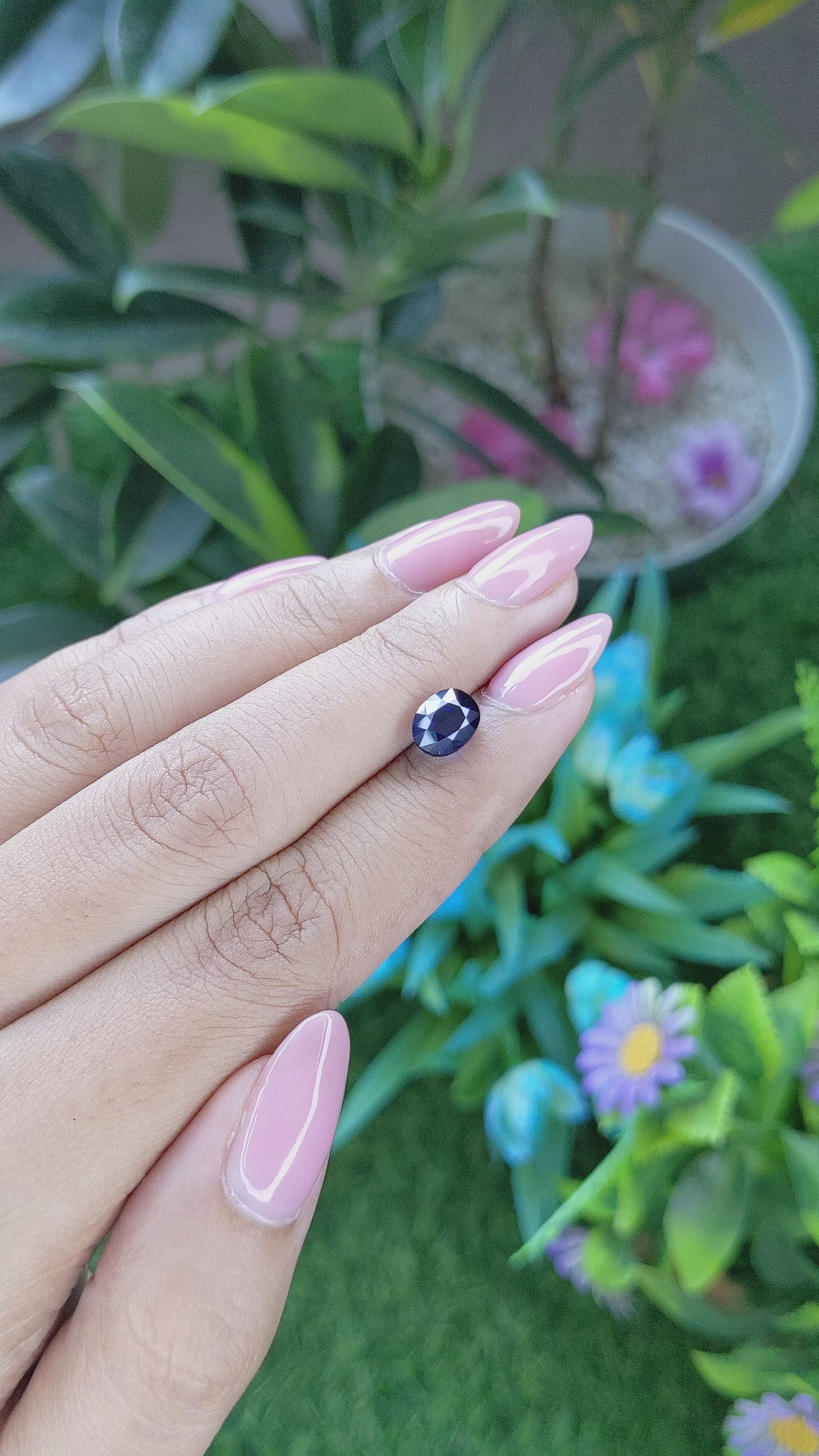
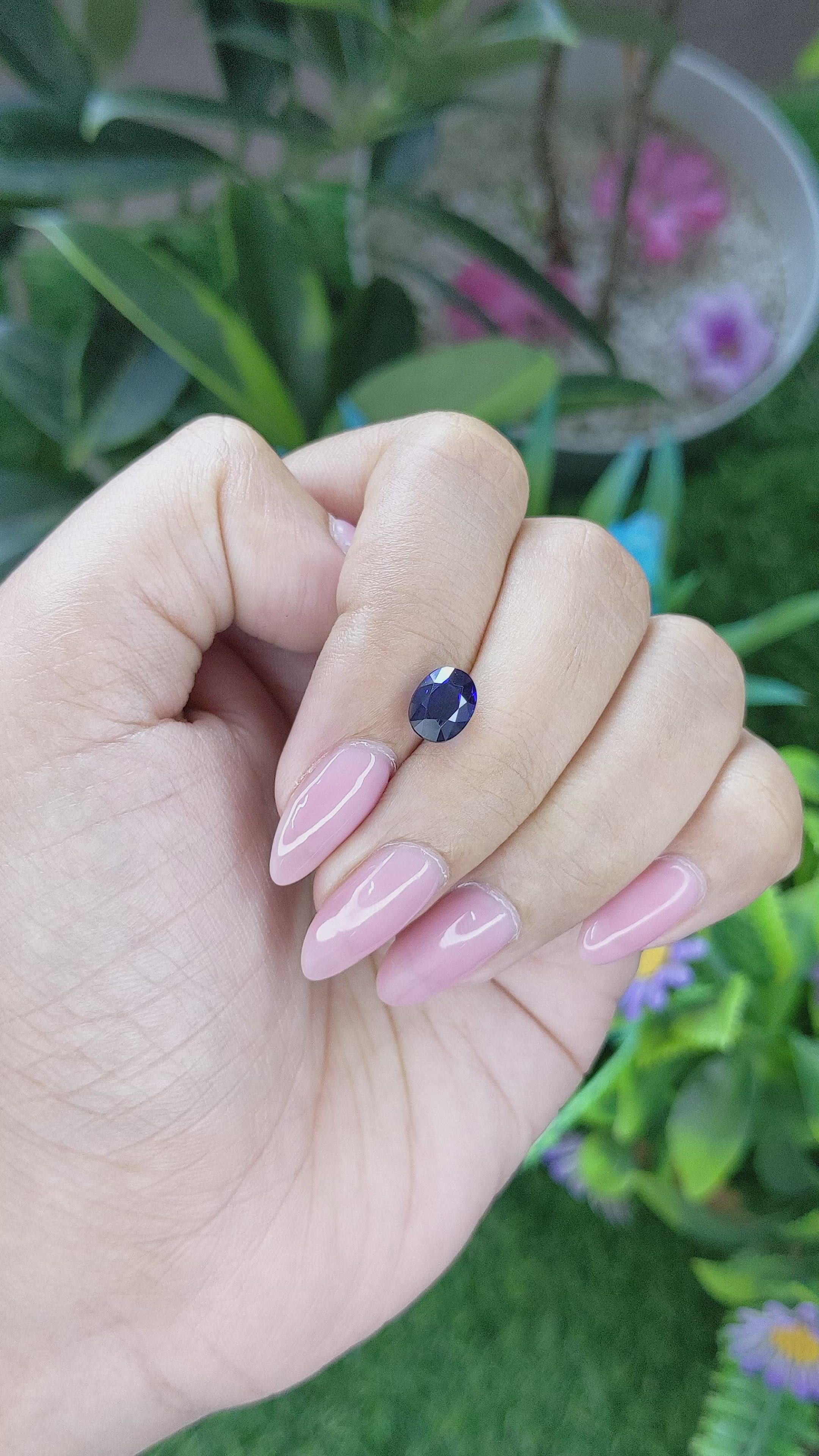


2.30 Ct. Blue Sapphire from Madagascar
This loose stone ships by Apr 20
Item ID: | S38238 |
|---|---|
Dimensions (MM): help | Length: 7.62 Width: 5.96 Height: 5.51 |
Weight: | 2.30 Ct. |
Color: help | Blue |
Color intensity: help | Vivid |
Clarity: help | Very Slightly Included |
Shape: help | Oval |
Cut: | Mixed Brilliant |
Cutting style: | Faceted |
Enhancements: help | No Enhancement |
Origin: help | Madagascar |
Per carat price: help | $4,927 |
If you are searching for a blue sapphire that resolves the tension between breathtaking color, lively sparkle, and unquestionable natural origin, this 2.30 carat oval sapphire from Madagascar is the answer. At The Natural Sapphire Company we understand that whether you seek an engagement ring that will be cherished for generations, or a museum quality stone for a collector who recognizes rarity, the right gem must satisfy both the eye and the heart. This sapphire measures 7.62 x 5.96 x 5.51 millimeters, it is transparent, it features a mixed brilliant cut, it has a clarity grade of very slightly included when evaluated at eye level, it displays vivid color intensity, it is finished with an excellent polish, and it has not undergone any enhancement. Those attributes come together to create a gem that looks effortless on the finger, and that will continue to reward close inspection year after year.
The mixed brilliant cut of this oval sapphire is a deliberate and highly effective choice, combining a faceting scheme that prioritizes both face up color and scintillation. The crown facets capture and break light into dancing flashes, while the pavilion facets are shaped to return light with depth and saturation, so that the blue reads as vivid and alive from many angles. With its excellent polish the facets are crisp and mirror like, allowing bright pinpoint reflections and clean flashes that contrast with the stone body color to produce both sparkle and contrast. The clarity grade of very slightly included at eye level means the inclusions are minimal and do not interrupt the gem aesthetic, they often serve to add character without sacrificing brilliance. Because this sapphire is untreated, the color and clarity are genuine expressions of its Madagascar origin, a provenance that many collectors prize for producing stones with intense blue hues and a lively visual presence.
When you compare the reflective qualities of this sapphire to other gemstones in its category, the differences are instructive and favorable. Within the world of natural corundum, sapphires present a range of looks that depend on source, cut, and treatment. Kashmir sapphires are famous for a soft, velvety blue that appears to glow from within, due to a combination of fine silk inclusions and saturated color, producing a more diffuse, almost ethereal sheen rather than the bright pinpoint scintillation of a mixed brilliant cut. Sri Lankan sapphires can be lighter and more transparent, showing brisk reflections and lively sparkle but often with a paler face up color. Burmese sapphires often sit between these examples, rich and saturated with lively reflections. This Madagascar sapphire strikes a compelling balance, offering vivid saturation like the finest sources, while the mixed brilliant cut and excellent polish create a crisp reflective behaviour that yields both strong face up color and lively scintillation. Compared to heat treated sapphires, which can show very even color but sometimes lack the layered depth of an untreated stone, this gem presents a natural interplay of light and color that reads as complex and authentic.
Compared to other gemstones that buyers sometimes consider alongside sapphires, this stone holds distinct advantages in reflectivity and durability. Spinel can show excellent luster and pure colors, but its refractive properties and facet response are slightly less lively than corundum, so it tends not to flash as crisply under the same faceting. Tanzanite is prized for its dramatic pleochroism, shifting from blue to violet as the stone moves, yet its lower hardness means that a high polish is more vulnerable to surface wear, and its reflections can soften with use. Tourmaline and aquamarine produce beautiful face up colors, however their refractive index and typical cutting styles often yield a gentler, watery brilliance rather than the vivid mirror like facet contrast you see in this sapphire. Sapphires are second only to diamond in hardness, enabling cutters to achieve extraordinarily sharp facet junctions and enduring polish, which in turn enhances the quality and longevity of the stone reflections. In practical terms this means that your investment will retain its lively face up sparkle and crisp reflections through daily wear, especially when set securely in a well designed mounting.
For those whose search ends with both beauty and integrity the attributes of this Madagascar sapphire are especially reassuring. Being untreated and of natural origin, this gem is rare in a market where many stones have been enhanced to improve color. The vivid color intensity and excellent polish speak to a stone that will command attention in any setting, while its 2.30 carat weight and oval proportions make it versatile for both classic solitaire engagement designs and more elaborate collector pieces. At The Natural Sapphire Company we place this sapphire in a category of its own, a stone that answers the needs of customers who want natural origin, visual impact, and wearability. If you would like personalized guidance on settings that will maximize the face up color and the mixed brilliant cut reflections, or if you want to see how this stone compares in person to alternatives, we are here to help you choose with confidence, because when the right gem is found, the search is over.


