
- Stone12
- Reports3
-pear-blue-sapphire-2.3700-cts-s37667-1.jpg?d=200x200&v=20260212163236)
-pear-blue-sapphire-2.3700-cts-s37667-lifestyleimage-1.jpg?d=200x200&v=20260216021046)
-pear-blue-sapphire-2.3700-cts-s37667-lifestyleimage-2.jpg?d=200x200&v=20260216021046)


-pear-blue-sapphire-2.3700-cts-s37667-1.jpg?d=750x750&s=nsc&v=20260212163236)
-pear-blue-sapphire-2.3700-cts-s37667-lifestyleimage-1.jpg?d=750x750&s=nsc&v=20260216021046)
-pear-blue-sapphire-2.3700-cts-s37667-lifestyleimage-2.jpg?d=750x750&s=nsc&v=20260216021046)

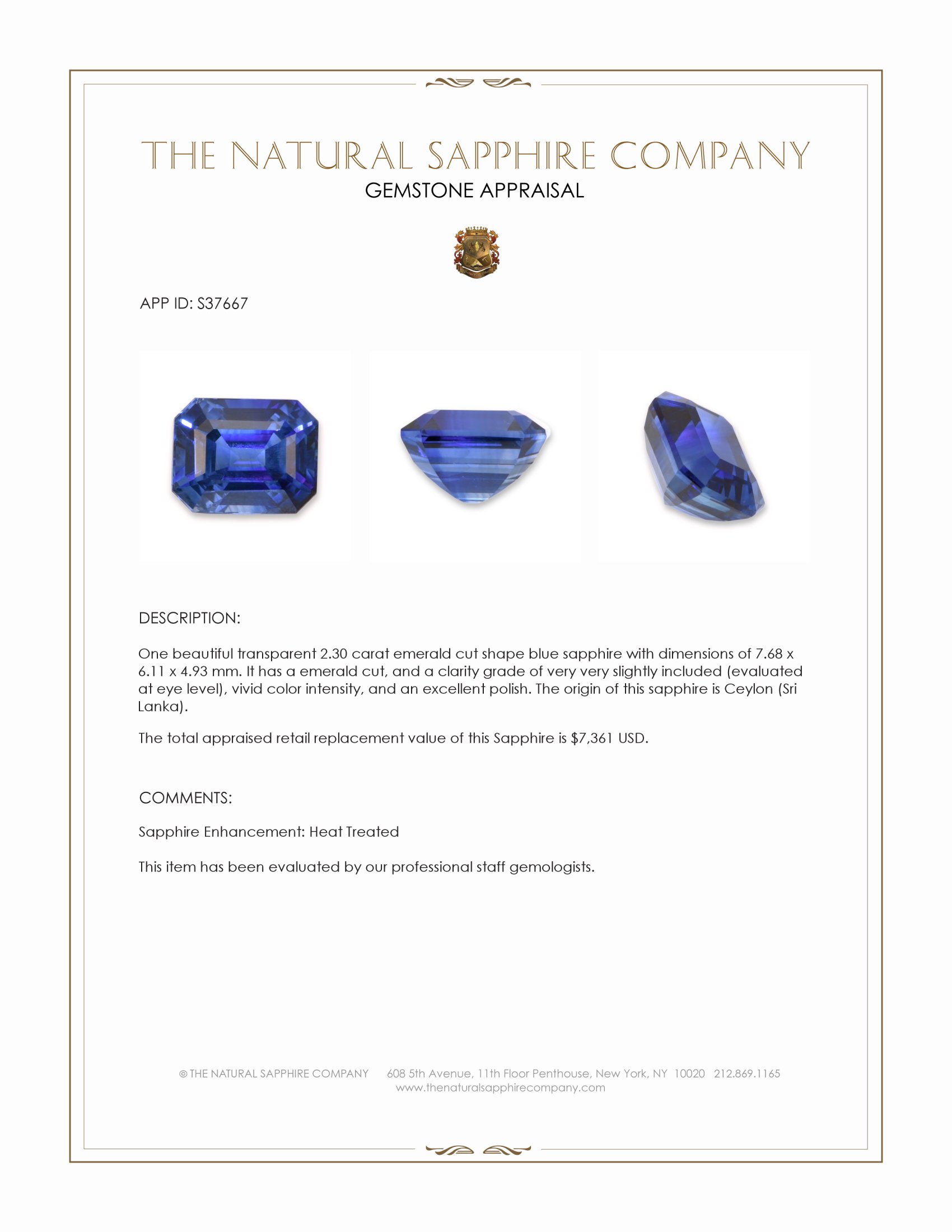
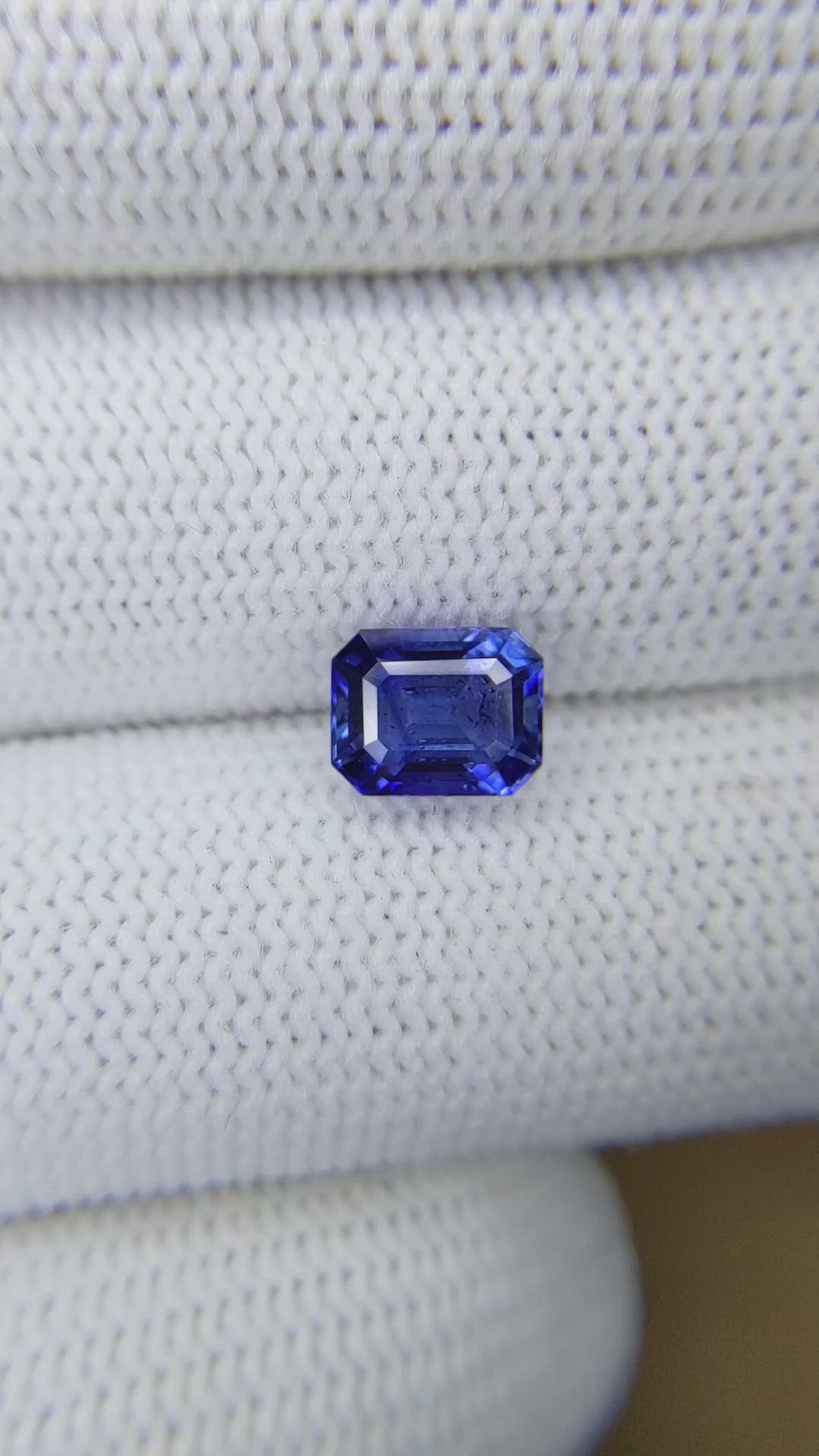
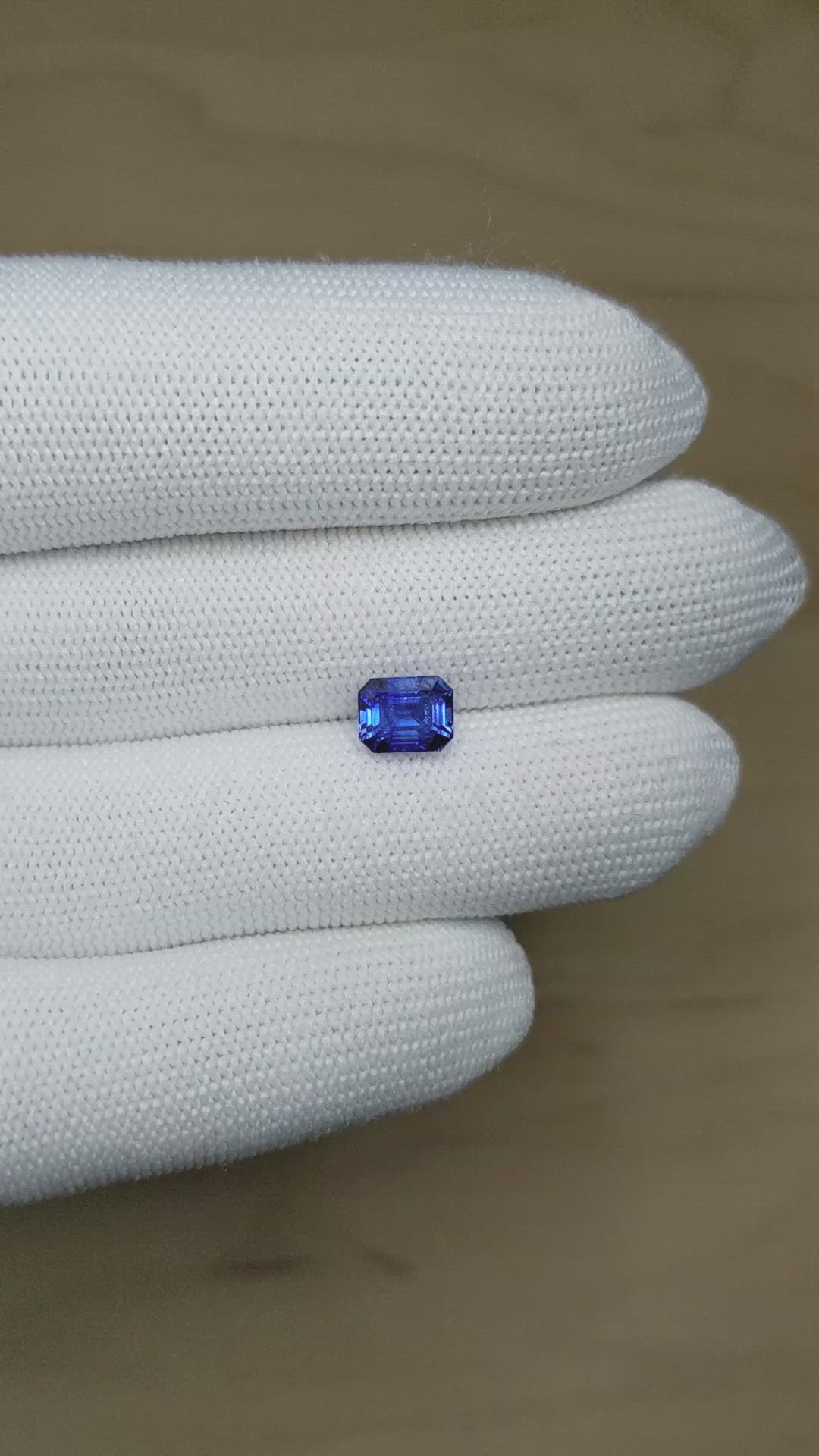
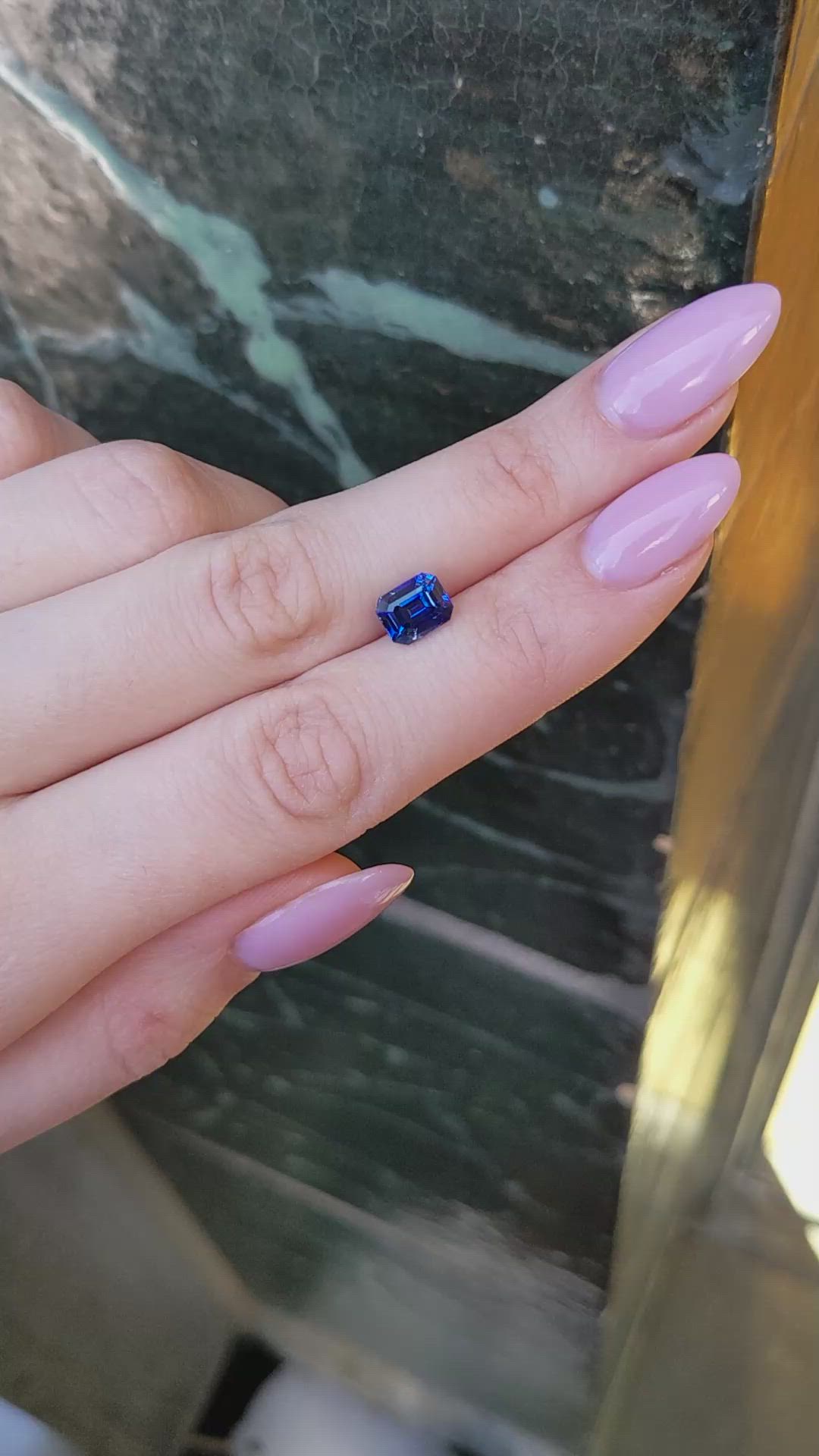
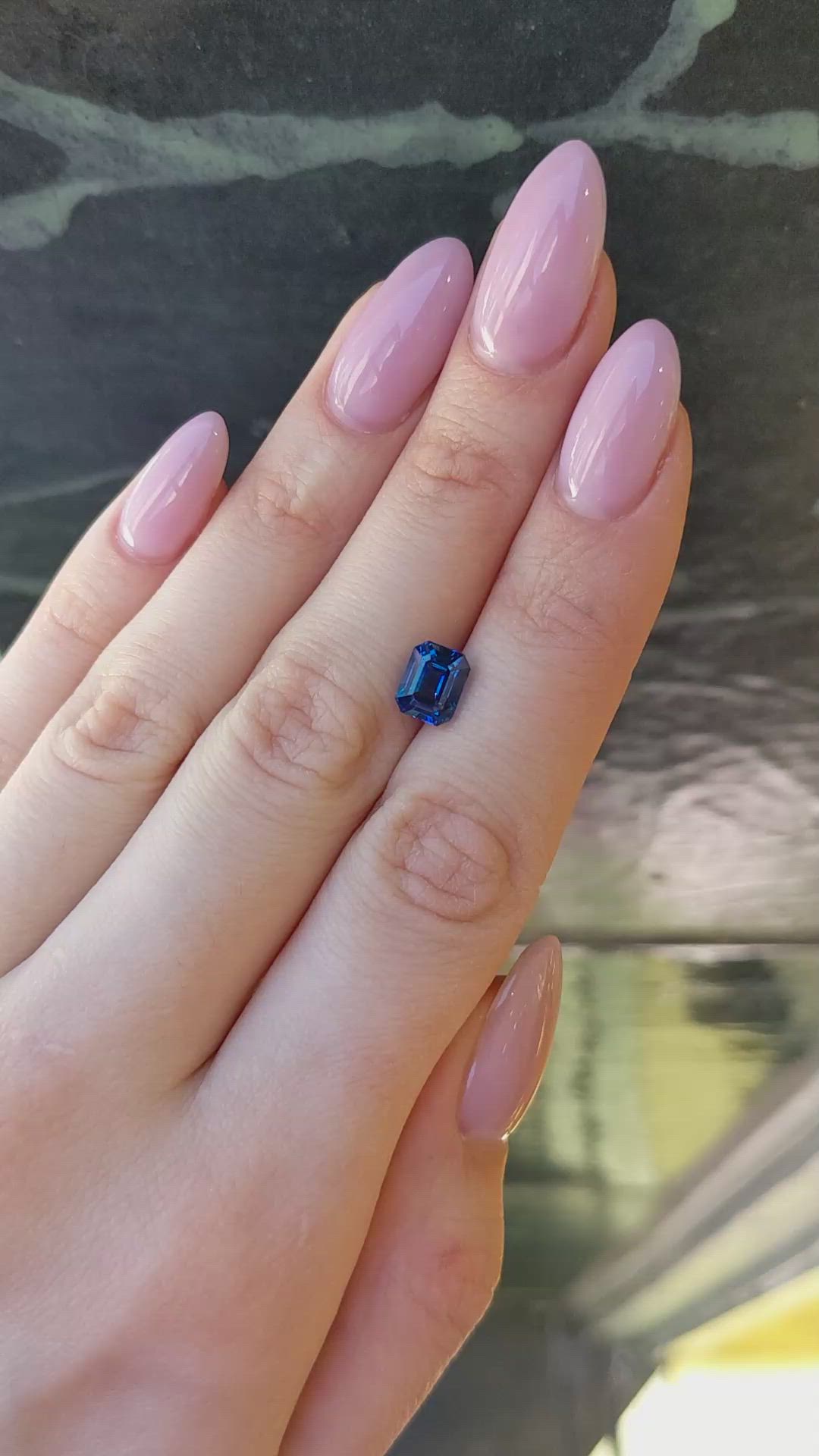
2.30 Ct. Blue Sapphire from Ceylon (Sri Lanka)
This loose stone ships by Mar 14
Item ID: | S37667 |
|---|---|
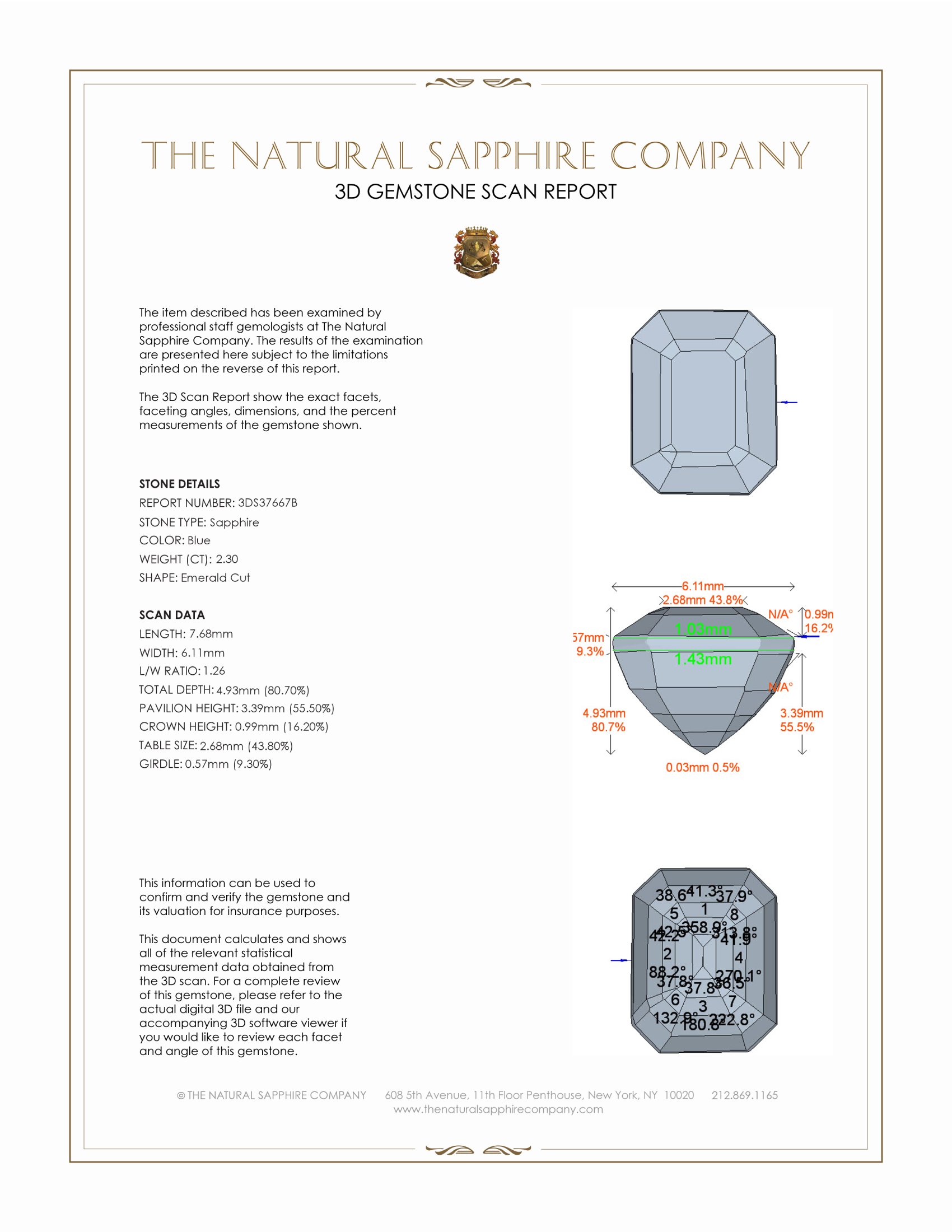
Dimensions (MM): help | Length: 7.68 Width: 6.11 Height: 4.93 |
Weight: | 2.30 Ct. |
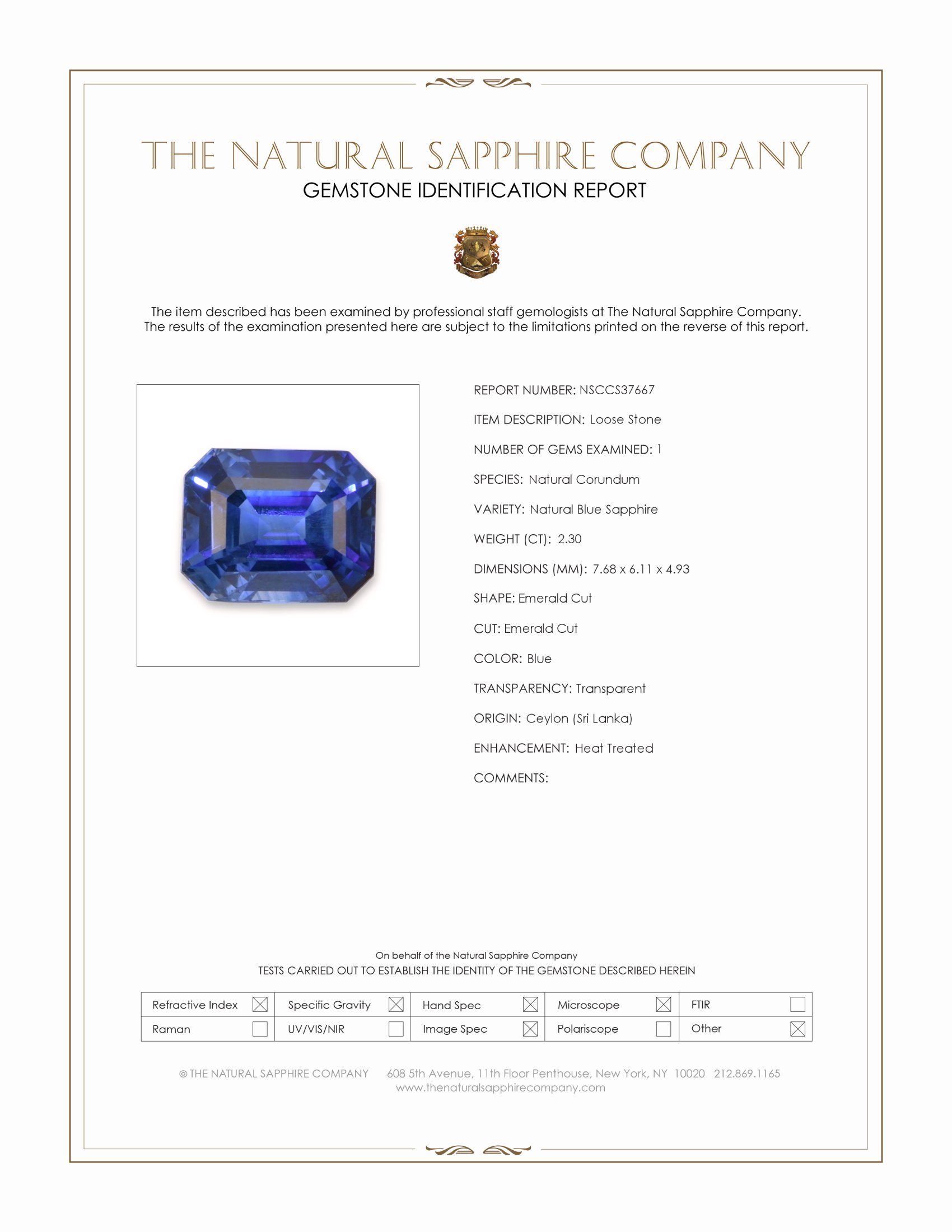
Color: help | Blue |
Color intensity: help | Vivid |
Clarity: help | Very Very Slightly Included |
Shape: help | Emerald Cut |
Cut: | Emerald Cut |
Cutting style: | Faceted |
Enhancements: help | Heat Treated |
Origin: help | Ceylon (Sri Lanka) |
Per carat price: help | $3,200 |
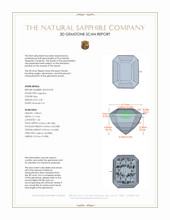
This 2.30 carat emerald cut blue sapphire presents a technically refined example of Ceylon material, with exact dimensions of 7.68 x 6.11 x 4.93 mm. The stone is fashioned in a classical emerald cut format, employing long, parallel step facets on both the crown and the pavilion, with truncated corners to soften stress points and to produce uniform light return. The cutter has preserved a broad table facet which favors even color distribution while the stepped pavilion planes modulate the saturation, producing broad, mirror like flashes rather than the pinpoint scintillation associated with brilliant cuts. The measured depth relative to the average of the length and width yields approximately 71 percent, a slightly deeper proportion that intensifies the hue without compromising the stone volume, creating a visual weight that belies the 2.30 carat weight. The overall symmetry of facet junctions is precise, and the facet planes meet with crisp edges, indicating meticulous lap work and consistent pavilion angles, which are essential for the controlled light performance expected from a premium emerald cut sapphire.
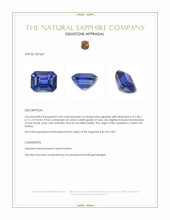
Color evaluation places this sapphire in the vivid intensity range, a characteristic that is both visually arresting and technically noteworthy for Ceylon origin material. The primary hue reads as a pure blue with subtle secondary violet undertones that become more apparent at steep viewing angles, a manifestation of pleochroism typical in corundum. The saturation is concentrated and uniform across the table, with only minimal color zoning apparent near the girdle where step facets can expose natural color banding. Under standard daylight equivalent illumination the stone displays a lively, saturated blue, while under incandescent light the violet component gains presence, enriching the perceived depth of color. This dynamic color behavior is a direct result of the cut proportions and the natural crystal orientation set by the cutter to maximize the intrinsic color of the Ceylon rough, an approach that balances brilliance and color saturation in service of a stone that performs consistently across different lighting environments.
Clarity is graded as very very slightly included as evaluated at eye level, meaning that the stone appears essentially eye clean to a practiced observer under typical viewing conditions, while minute inclusions are detectable under magnification. The internal features consist of fine silk and occasional pinpoint crystals that have been well oriented and largely confined to areas that do not interrupt the clean planes of the pavilion. These inclusions have been carefully considered during the cutting process, and the cutter positioned key facets to either mask or frame them in a manner that minimizes their visual impact. The stone has undergone a controlled heat treatment, a widely accepted enhancement that is stable and permanent, used to reduce the visual prominence of silk and to promote homogenization of the blue color. The polish is rated excellent, with facet surfaces rendered to a high luster, ensuring minimal light diffusion and maximum contrast between the broad step facets, a finish that contributes to the stone feeling glass like to the touch and optically crisp in hand.
Provenance and heritage form an important part of this sapphire narrative, the piece originating from Ceylon Sri Lanka, a source that has been revered for centuries for producing some of the most sought after blue sapphires. Historically Ceylon sapphires have been selected for sovereign jewels, for devotional objects in regional temples, and for traditional navaratna settings, where blue sapphire occupies a central role. The cutting style of this emerald cut sapphire echoes classical lapidary traditions that prioritize color depth and structural integrity, qualities prized in signet rings and heritage pieces that require a combination of wearability and visual presence. The Natural Sapphire Company presents this gem as a bridge between historical pedigree and modern gemological standards, suitable for a collar style ring, a statement pendant, or a refined gentleman ring where the step cut geometry complements architectural settings. For collectors and connoisseurs who value traceable origin, stable enhancement practices, rigorous cutting, and a clear link to traditional use, this 2.30 carat emerald cut Ceylon sapphire offers a technically sophisticated and culturally resonant choice.


