
- Stone12
- Reports3
-oval-blue-sapphire-2.1400-cts-s40587-1.jpg?d=200x200&v=20260409162146)
-oval-blue-sapphire-2.1400-cts-s40587-lifestyleimage-1.jpg?d=200x200&v=20260416025401)
-oval-blue-sapphire-2.1400-cts-s40587-lifestyleimage-2.jpg?d=200x200&v=20260416025401)


-oval-blue-sapphire-2.1400-cts-s40587-1.jpg?d=750x750&s=nsc&v=20260409162146)
-oval-blue-sapphire-2.1400-cts-s40587-lifestyleimage-1.jpg?d=750x750&s=nsc&v=20260416025401)
-oval-blue-sapphire-2.1400-cts-s40587-lifestyleimage-2.jpg?d=750x750&s=nsc&v=20260416025401)


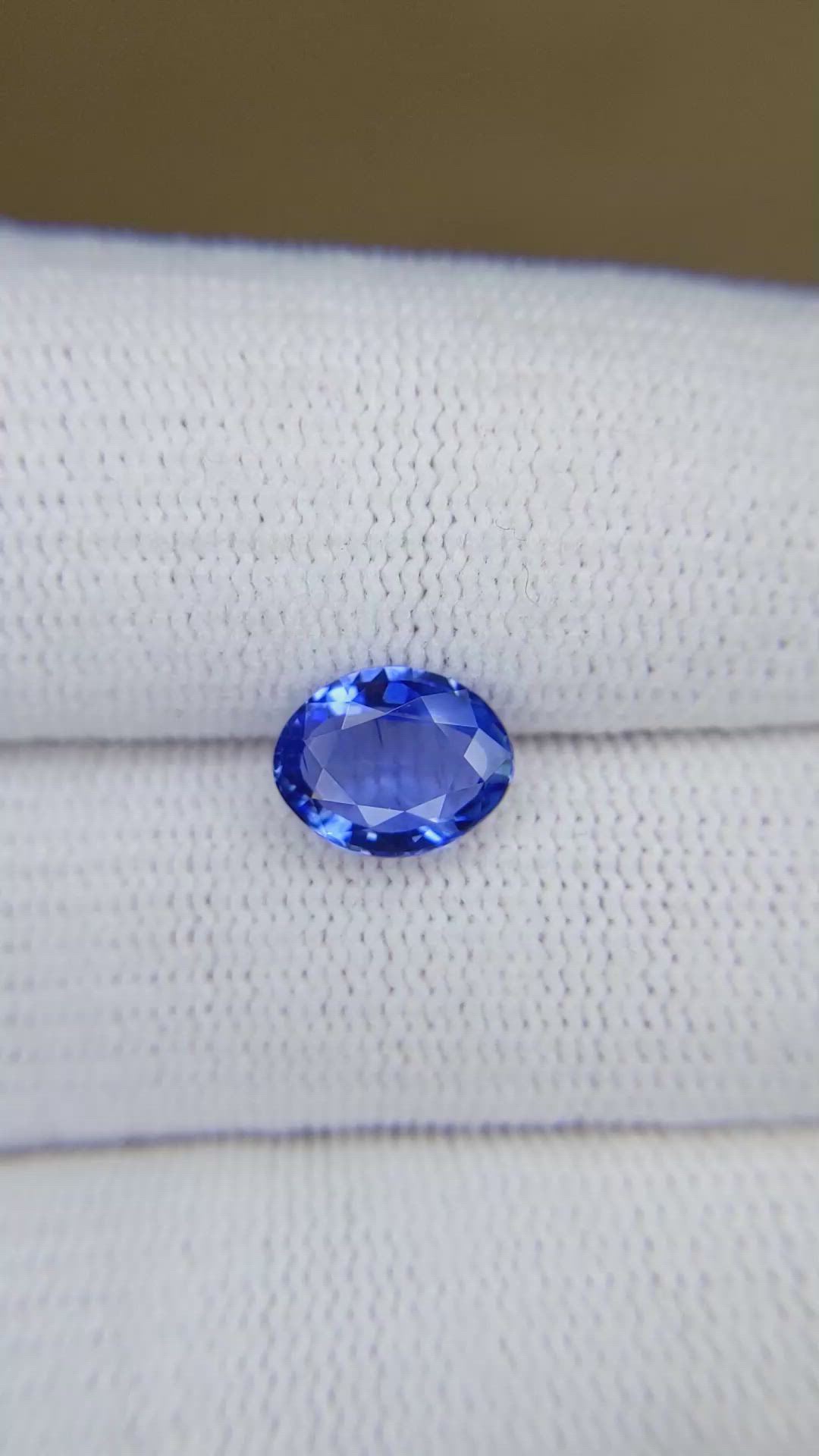
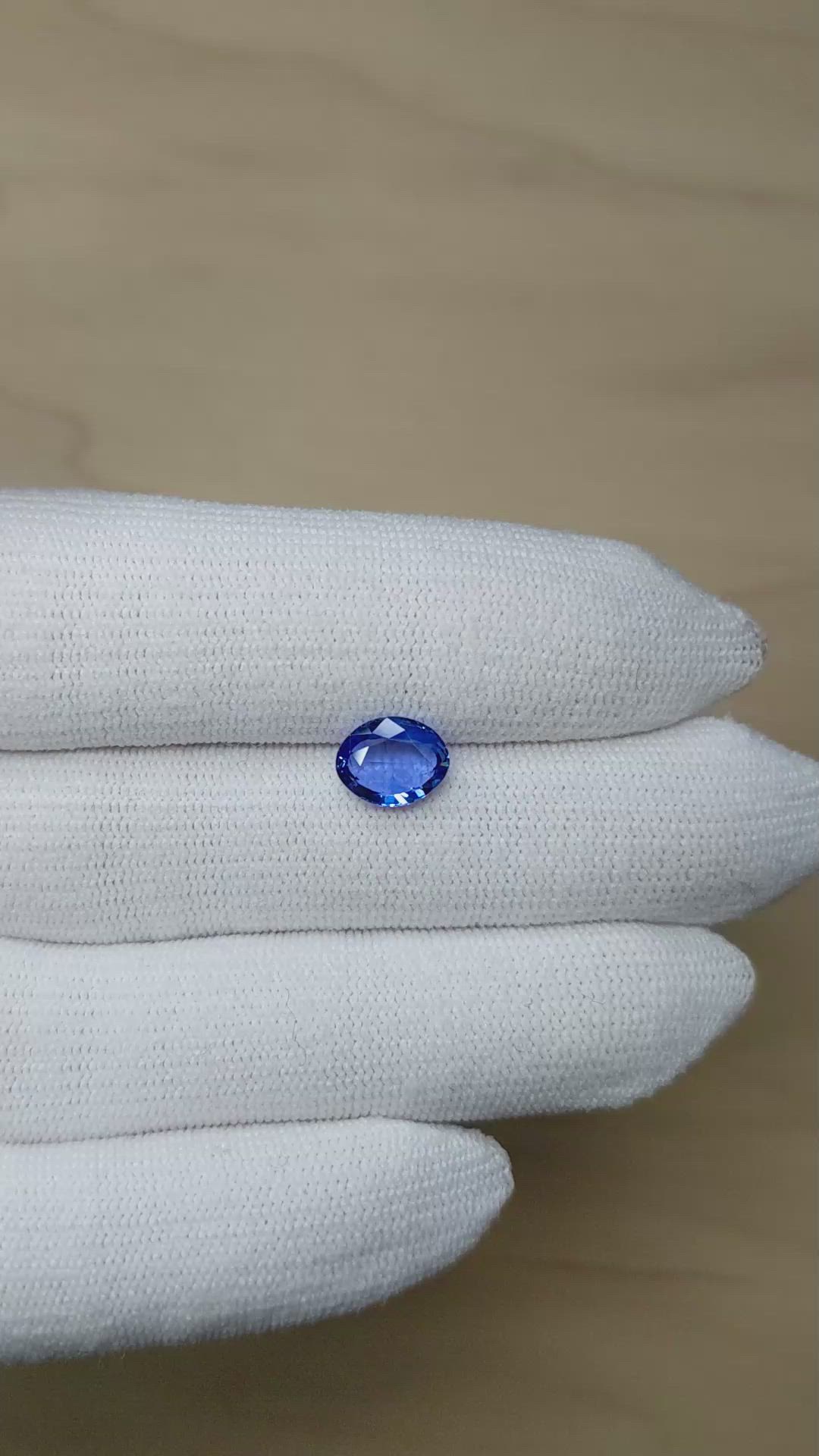
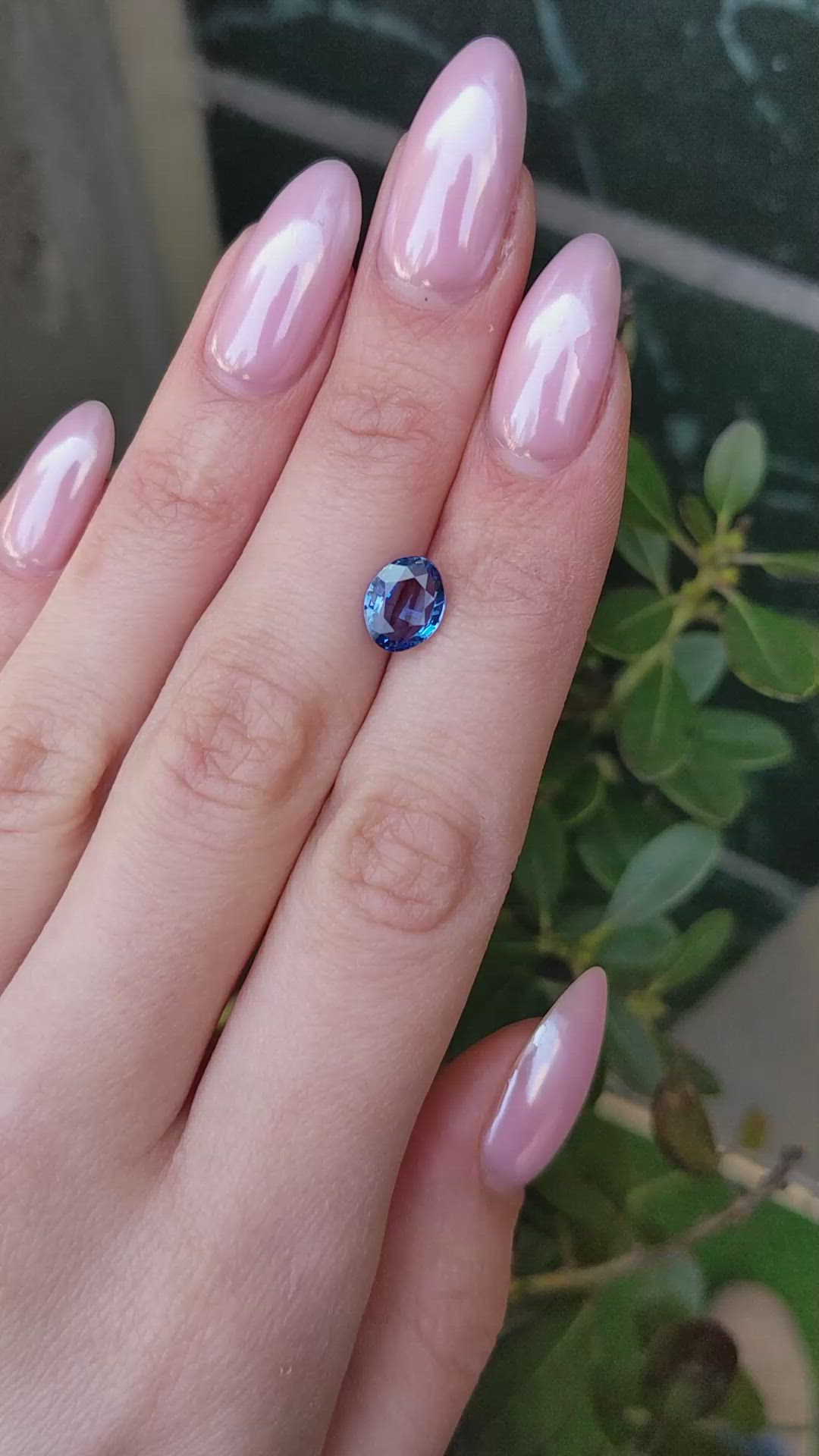
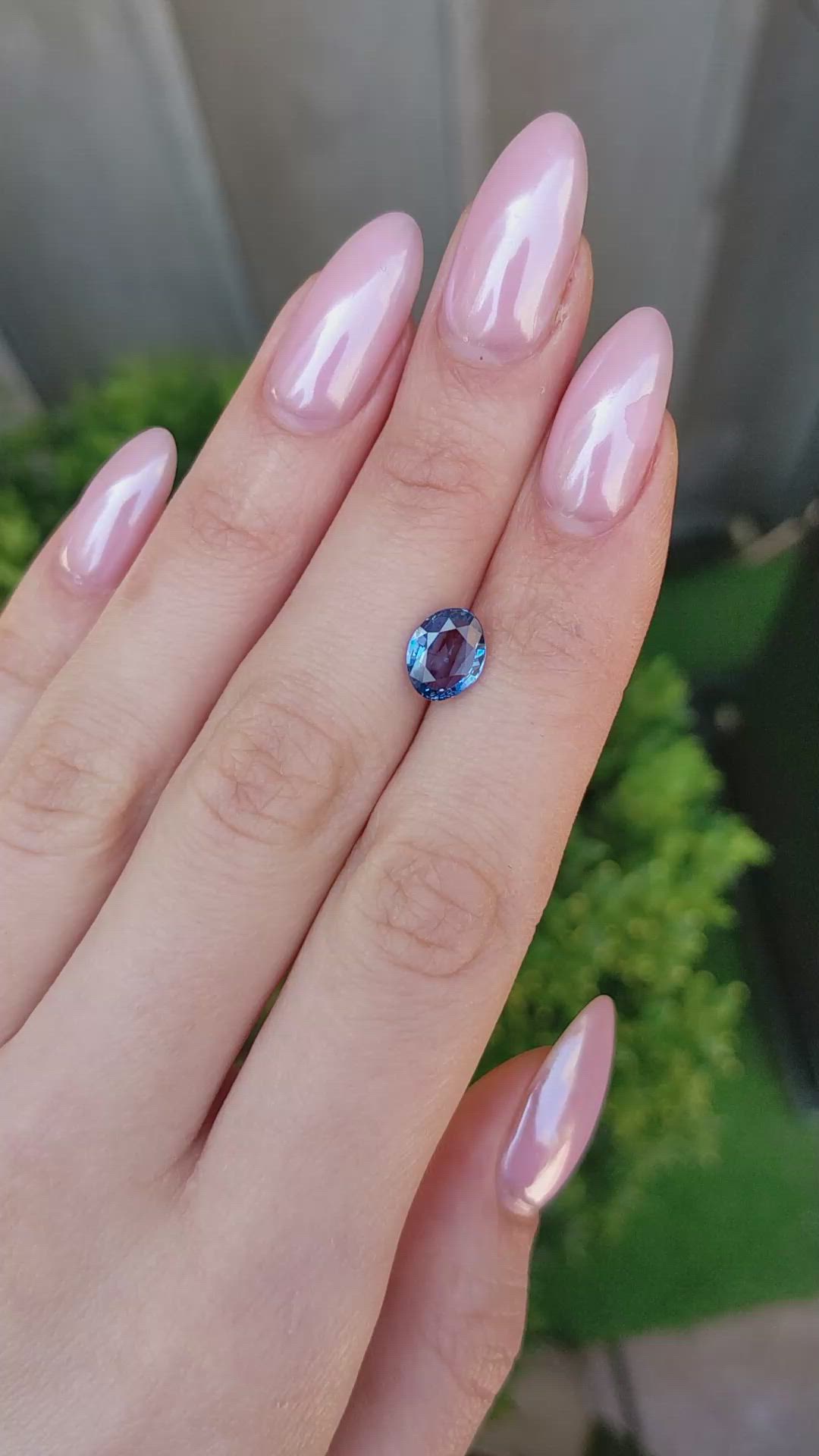
2.14 Ct. Blue Sapphire from Ceylon (Sri Lanka)
This loose stone is available to ship now
Item ID: | S40587 |
|---|---|
Dimensions (MM): help | Length: 8.96 Width: 7.08 Height: 3.53 |
Weight: | 2.14 Ct. |
Color: help | Blue |
Color intensity: help | Intense |
Clarity: help | Very Very Slightly Included |
Shape: help | Oval |
Cut: | Mixed Brilliant Cut |
Cutting style: | Faceted |
Enhancements: help | Heat Treated |
Origin: help | Ceylon (Sri Lanka) |
Per carat price: help | $1,100 |
This 2.14 carat oval blue sapphire from Ceylon, Sri Lanka presented by The Natural Sapphire Company is a study in proportion and color control, with measured dimensions of 8.96 by 7.08 by 3.53 millimeters, a mixed brilliant cut, and a clarity grading described as very very slightly included when evaluated at eye level. The gem exhibits intense color intensity with a saturated yet pure blue body color, a tone and saturation that read as vivid when viewed table up, and an excellent polish that allows clean facet reflections and crisp facet junctions. The treatment history is standard and fully disclosed, the stone having been heat treated, an established enhancement method that optimizes color saturation and clarity without compromising long term stability. The oval outline and the current proportions create a large face up appearance relative to the carat weight, making this sapphire perform visually larger and more commanding on the finger than many stones of comparable mass.
From a cutting and optical engineering perspective this sapphire demonstrates deliberate decisions to balance color and light performance, the mixed brilliant style utilizing a brilliant facet arrangement on the crown to generate strong scintillation and a more architectural pavilion plan to manage light return and color saturation. The shallow to medium depth profile measured at approximately forty four percent of the average diameter maximizes spread and delivers a broad table plane that presents the rich blue consistently across the face, while the pavilion facet geometry reduces light leakage that can wash out color in stones with the same refractive index. Corundum has an index of refraction in the range of 1.762 to 1.770, a figure that favors a cutting approach which emphasizes internal reflection and contrast rather than trying to emulate the extreme fire seen in higher index gem materials. The cutter has used crisp facet angles and an excellent polish to improve contrast and to create sharp white flashes and blue flashes that animate the surface during movement, and the very very slightly included clarity status means the inclusions are unobtrusive to unaided vision, preserving the gem s visual purity and making the stone effectively eye clean to most observers while still retaining natural cartographic signatures that authenticate origin and identity.
When compared to more commonly encountered blue gemstones this sapphire distinguishes itself in three critical ways, optical character, durability, and intrinsic color stability. Optically, diamonds sit at the top for brilliance because of their high refractive index of about 2.42 and higher dispersion, however sapphires like this Ceylon example achieve a different, equally desirable type of brilliance that depends on contrast and color saturation rather than spectral fire. The corundum refractive index and low dispersion produce strong, controlled flashes and a depth of color that reads as velvety and deep rather than fiery, a quality that many connoisseurs prefer for a classical blue look. Compared to common alternatives such as blue topaz and aquamarine, which have lower refractive indices and generally paler hues, this sapphire delivers markedly greater color saturation and a denser visual impact. Compared to tanzanite, which can show strong pleochroism and a more violet leaning blue, the Ceylon sapphire offers greater toughness with a Mohs hardness of nine, superior everyday wearability, and a color that remains consistent under varying lighting without the pronounced color shifts that can complicate matching and setting. For buyers who value both technical excellence and the sensory qualities of color and light, this mixed brilliant oval from Ceylon represents a finely balanced choice, and The Natural Sapphire Company stands behind its provenance and craftsmanship, welcoming enquiries about mounting options and viewing under different lighting conditions.


