
- Stone14
- Reports3
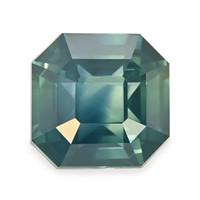
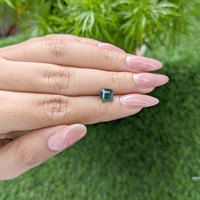
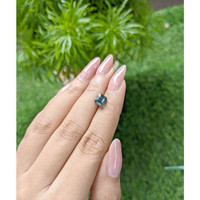
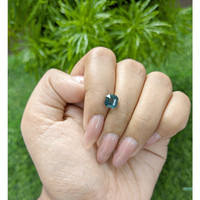
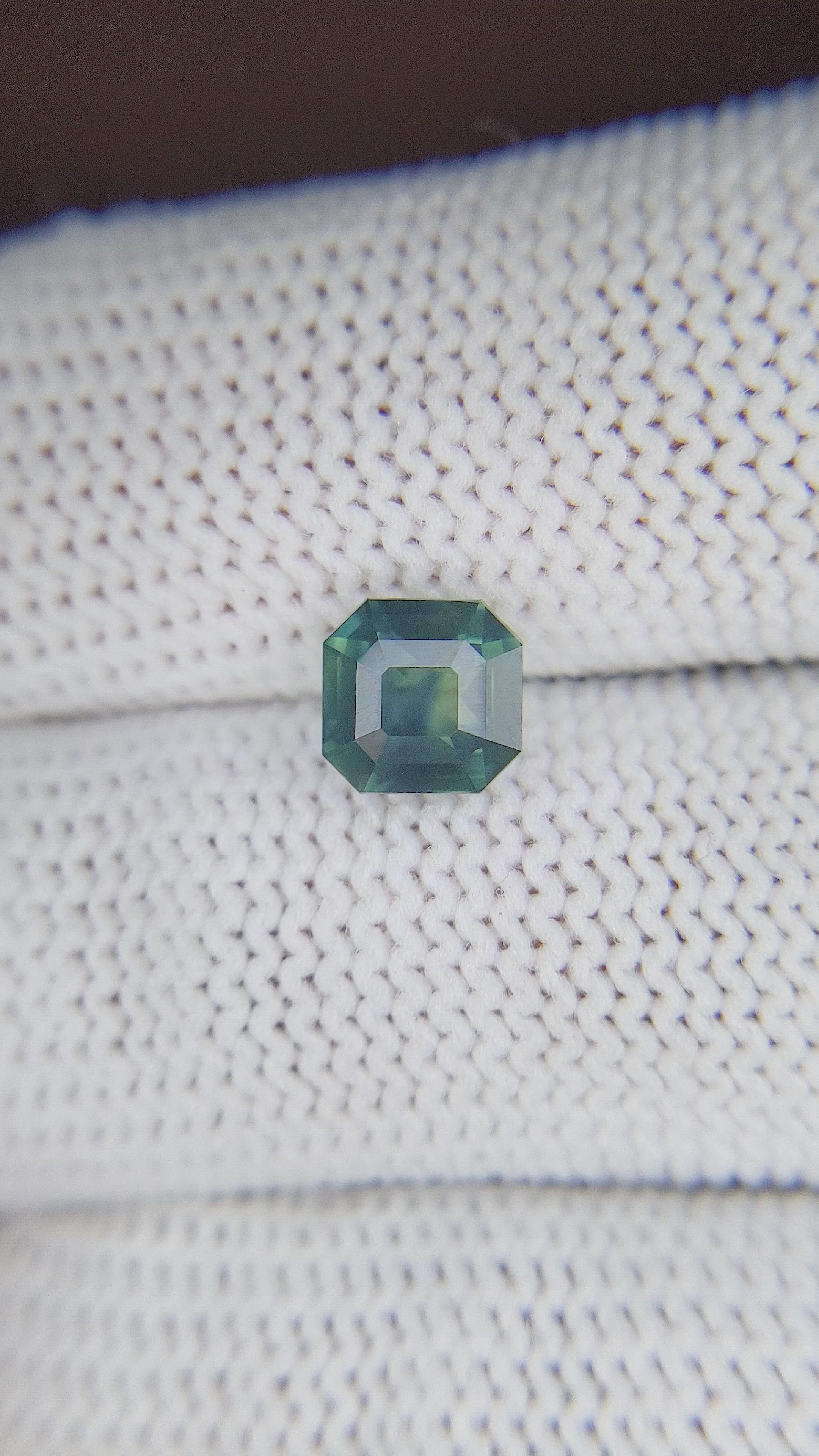
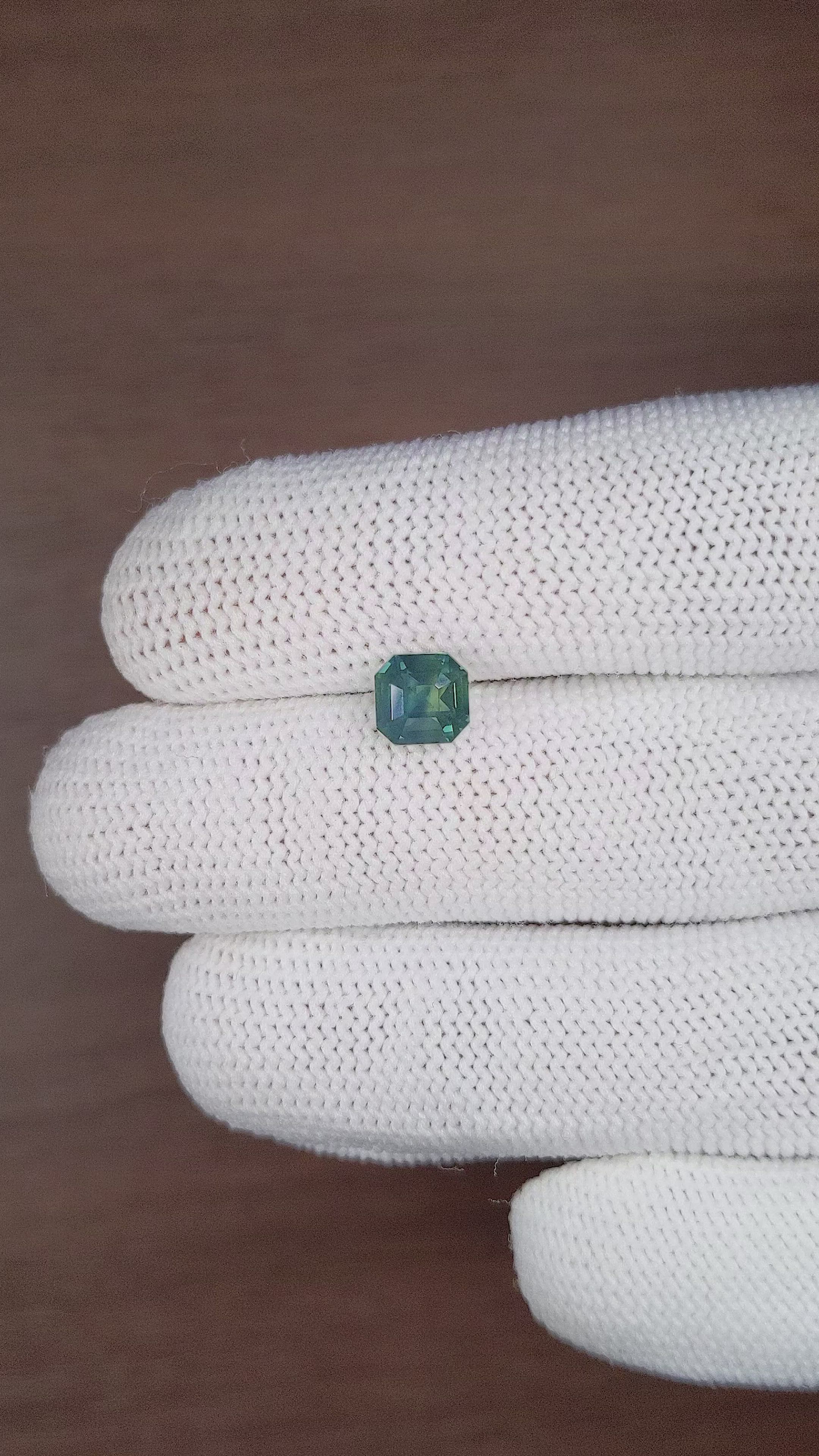
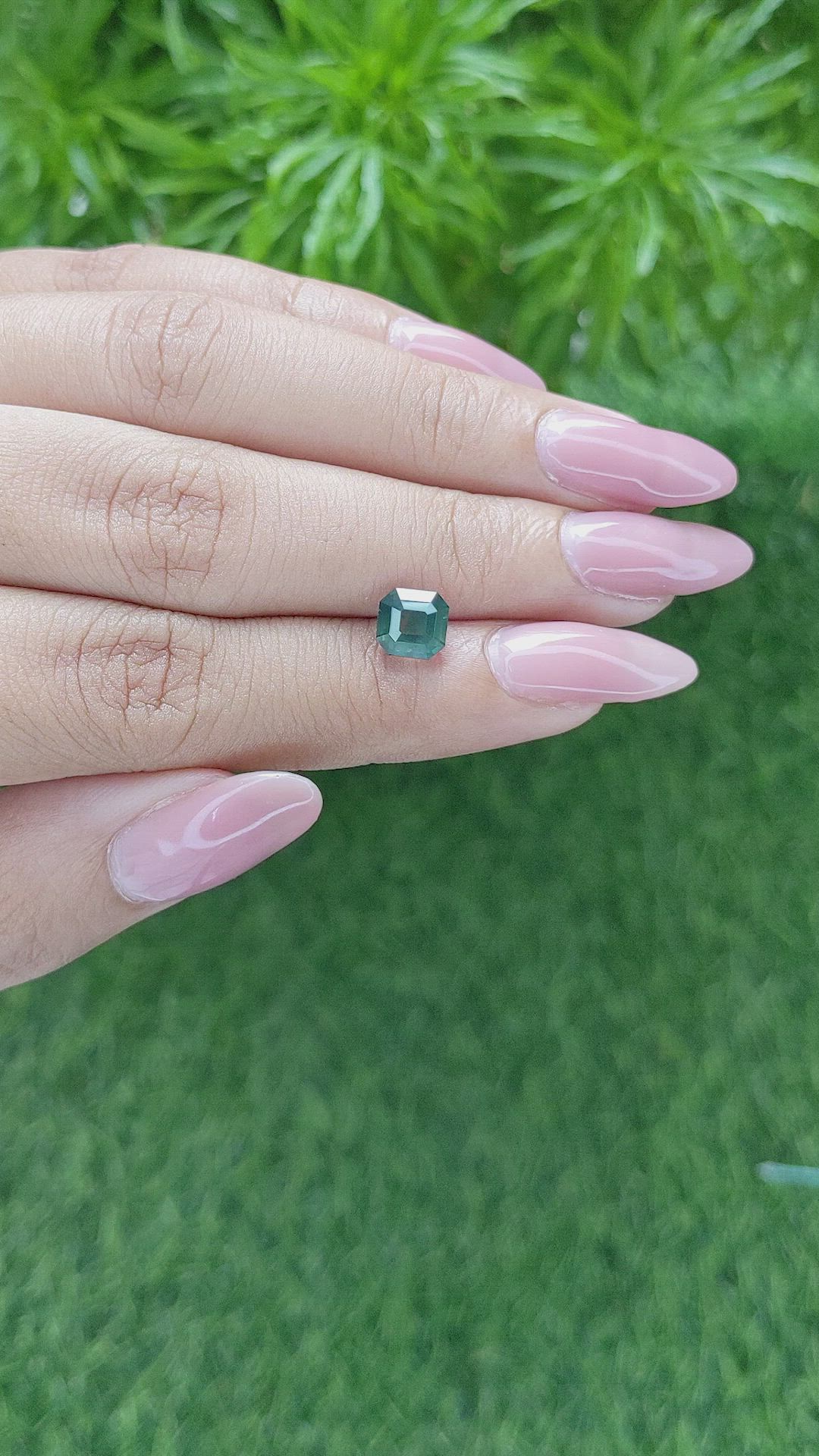
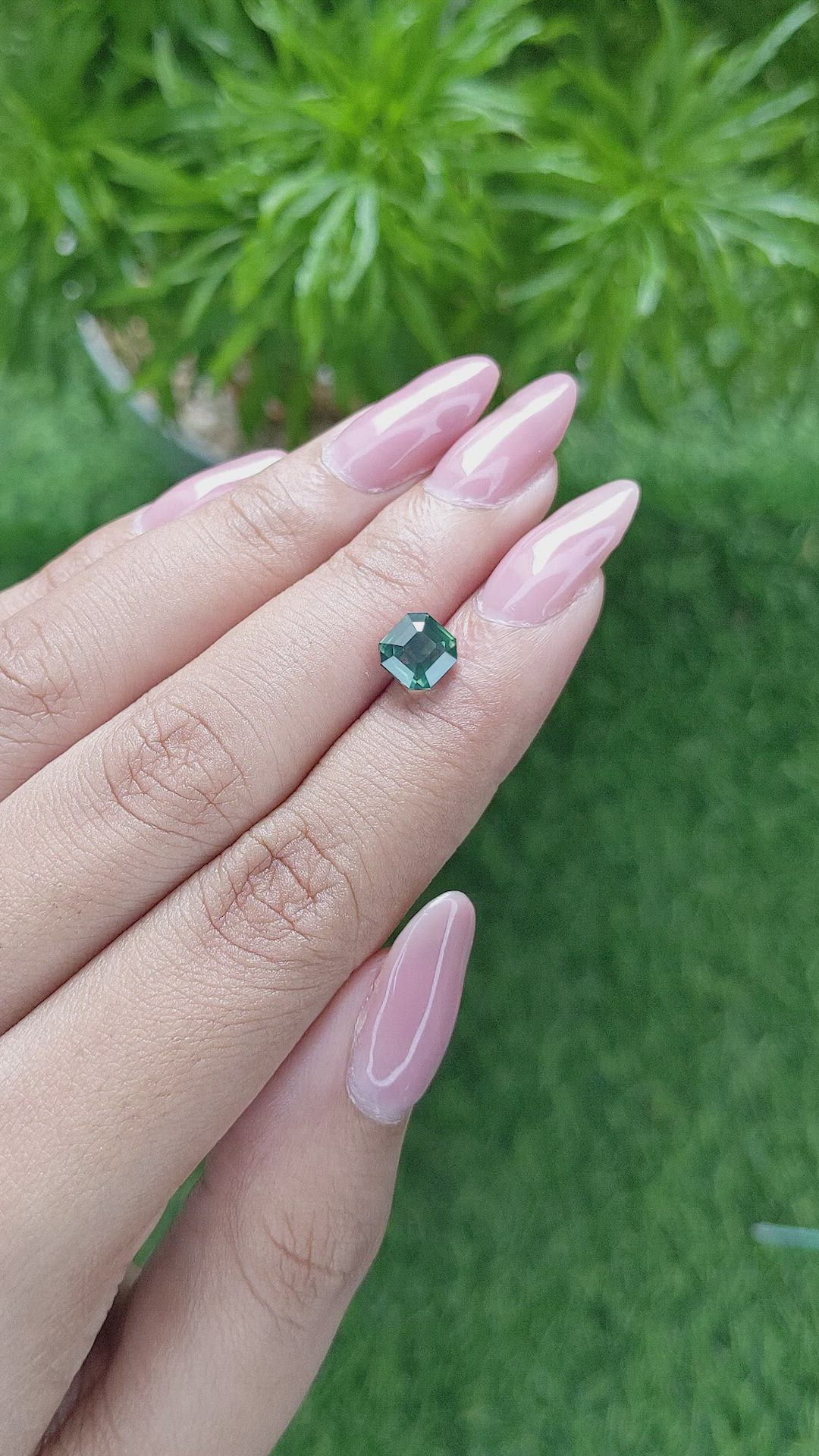
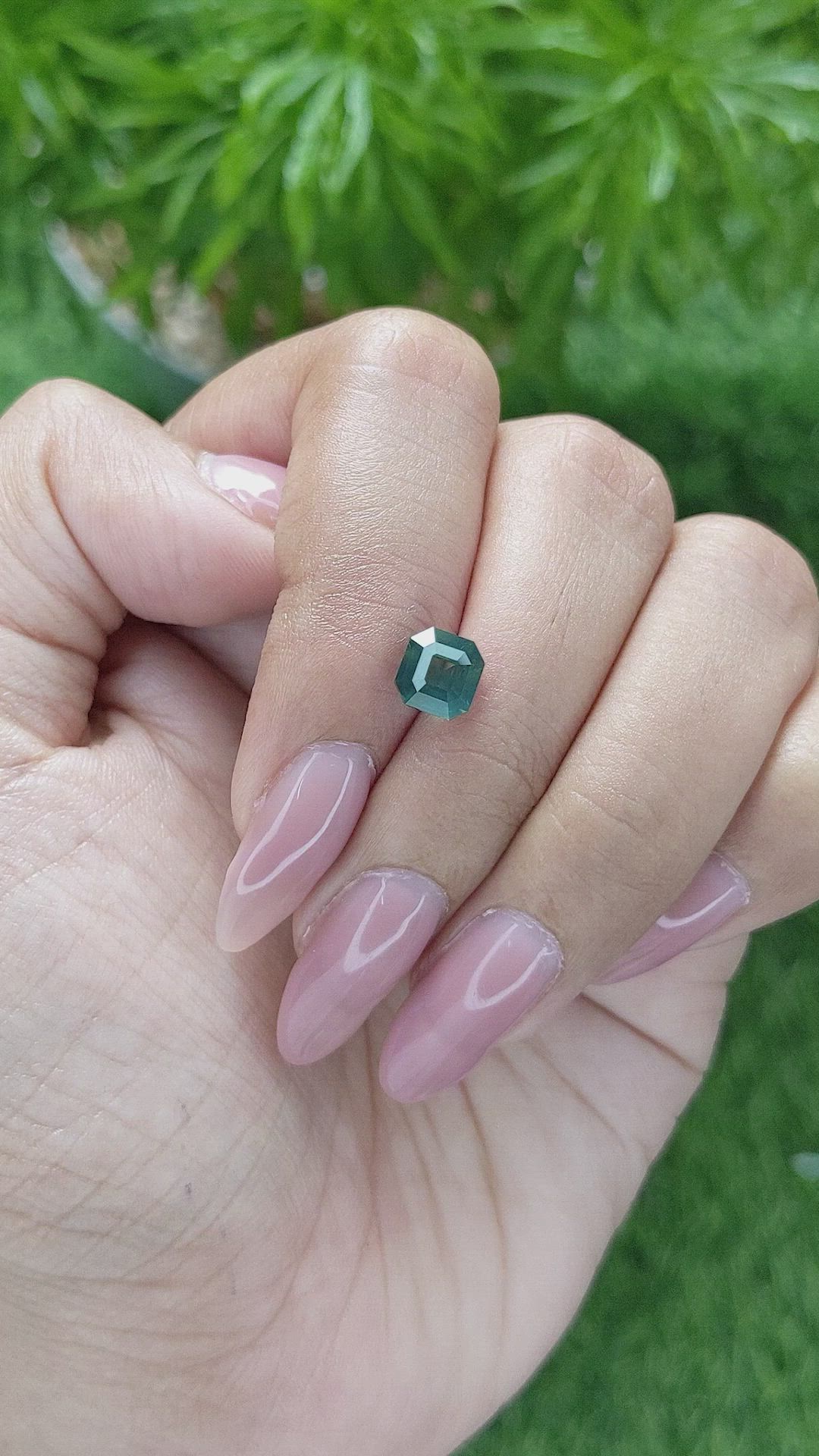

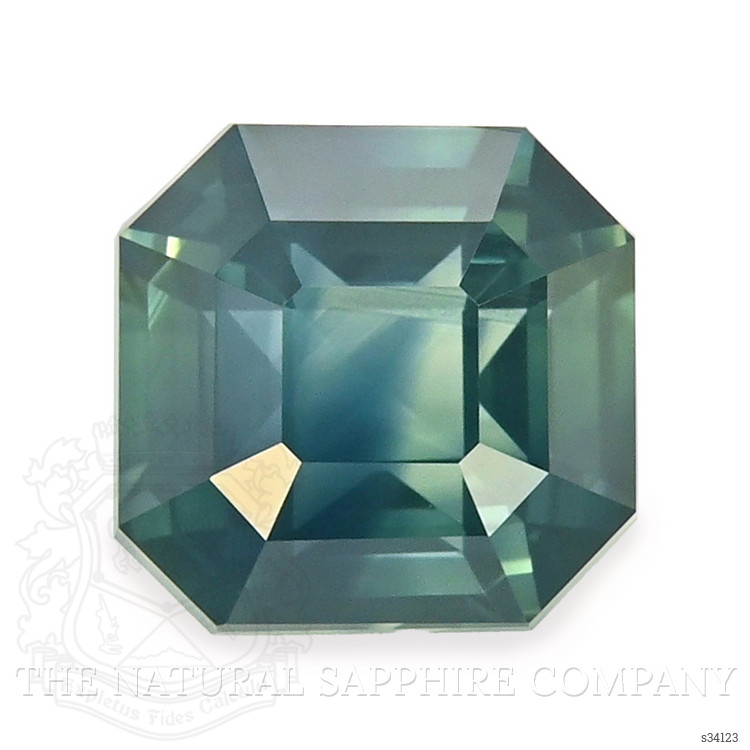
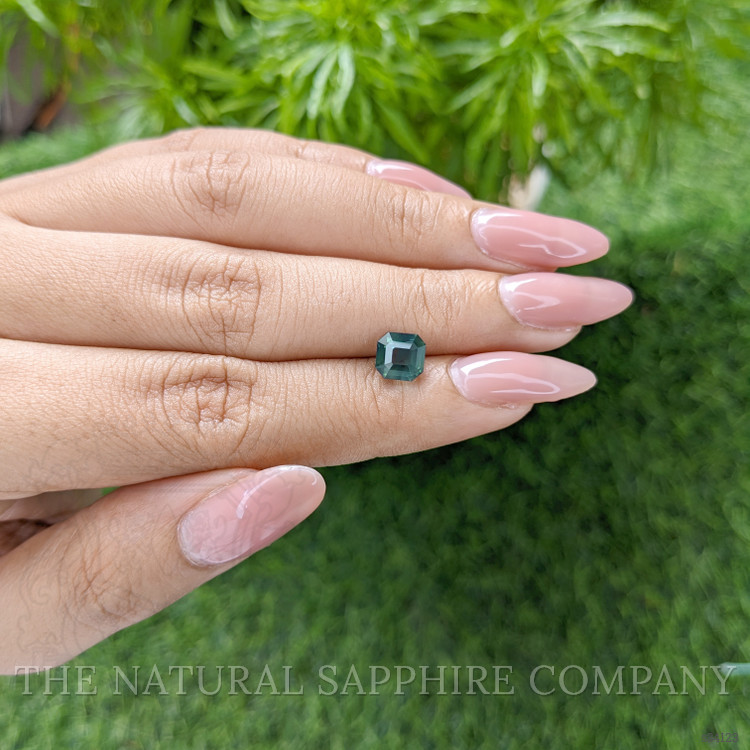
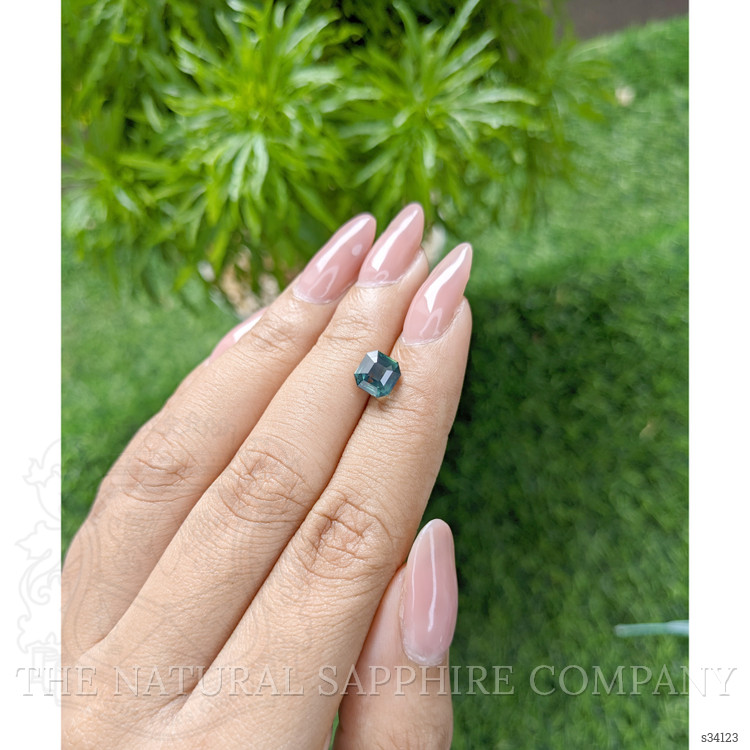
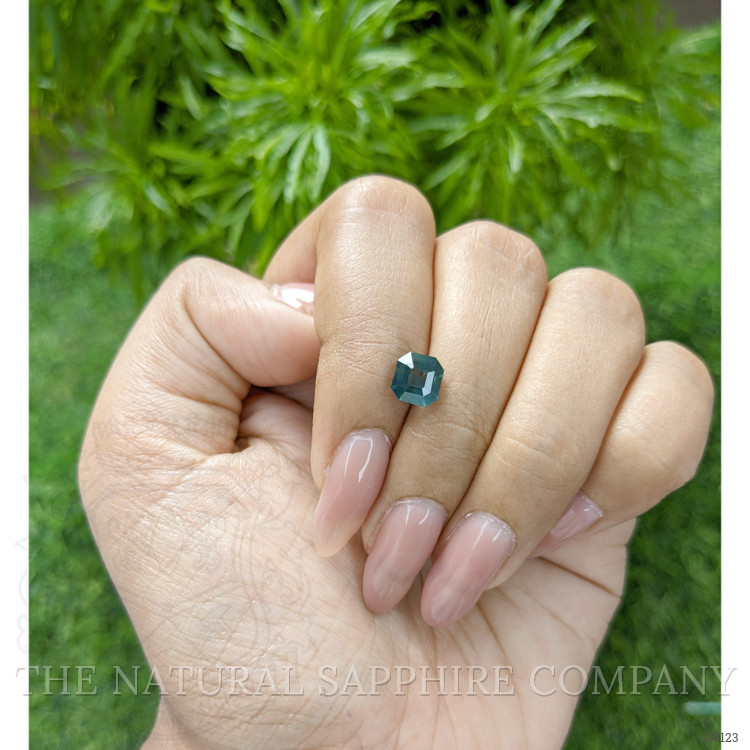

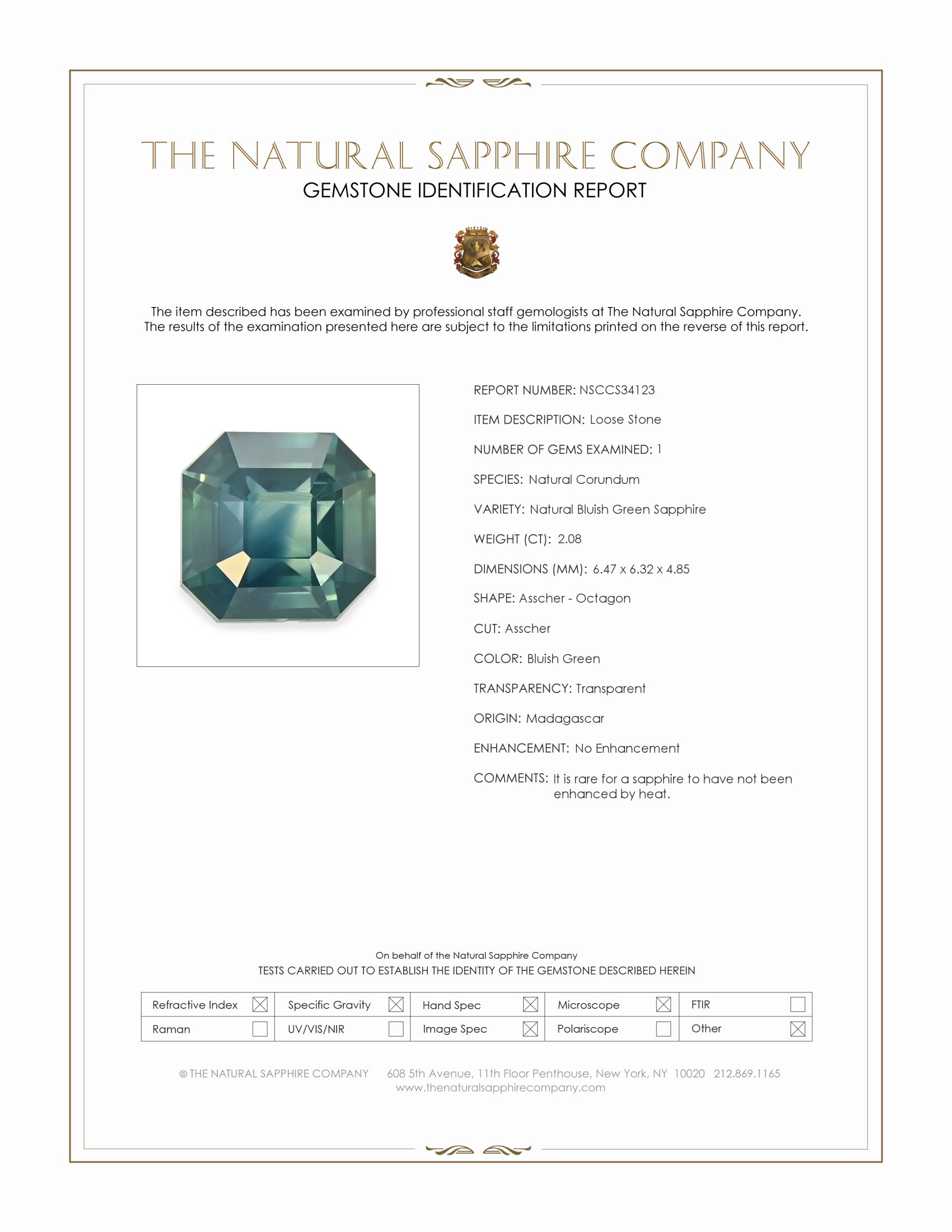
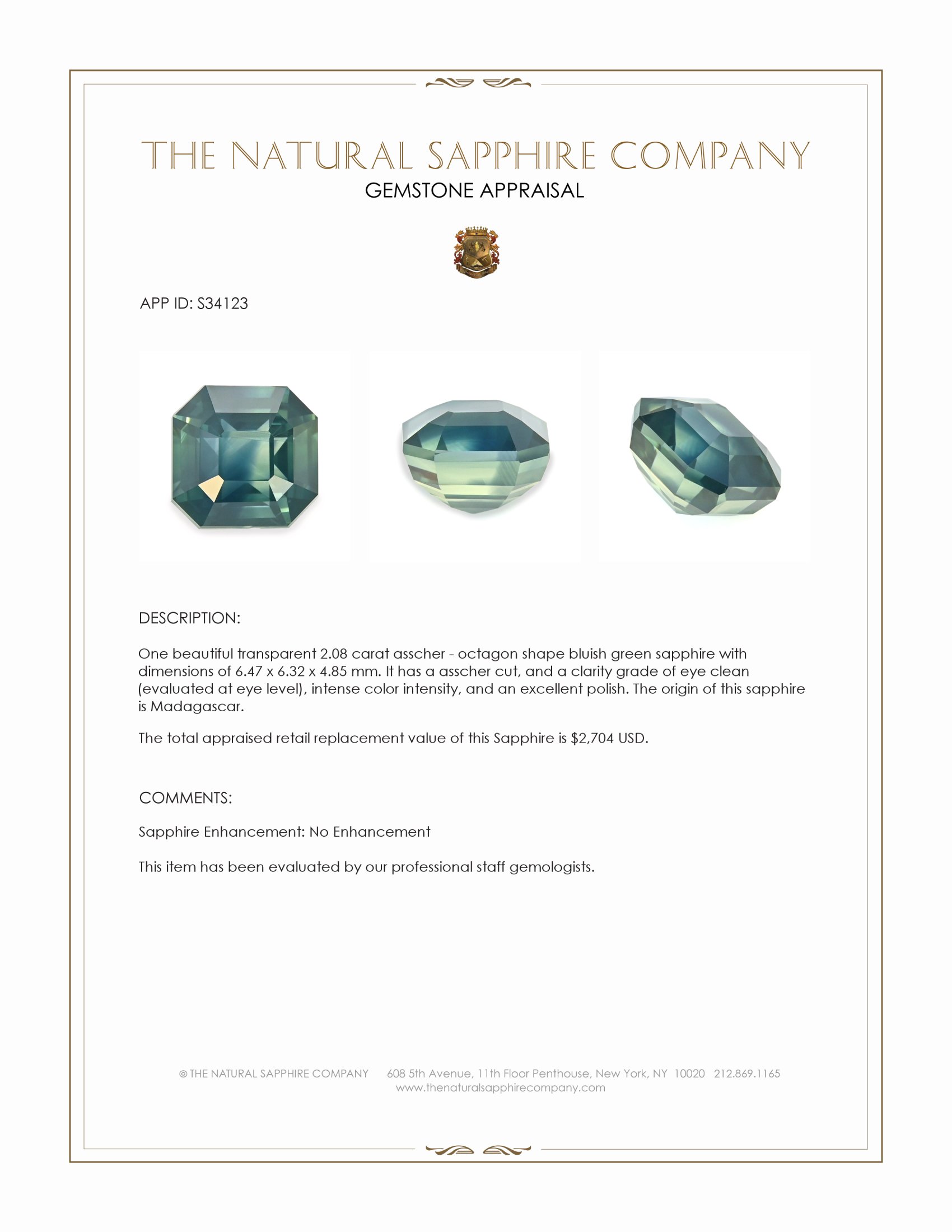
2.08 Ct. Bluish Green Sapphire from Madagascar
This loose stone ships by Mar 25
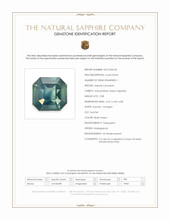
Item ID: | S34123 |
|---|---|
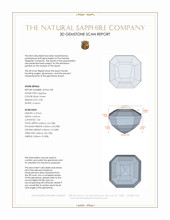
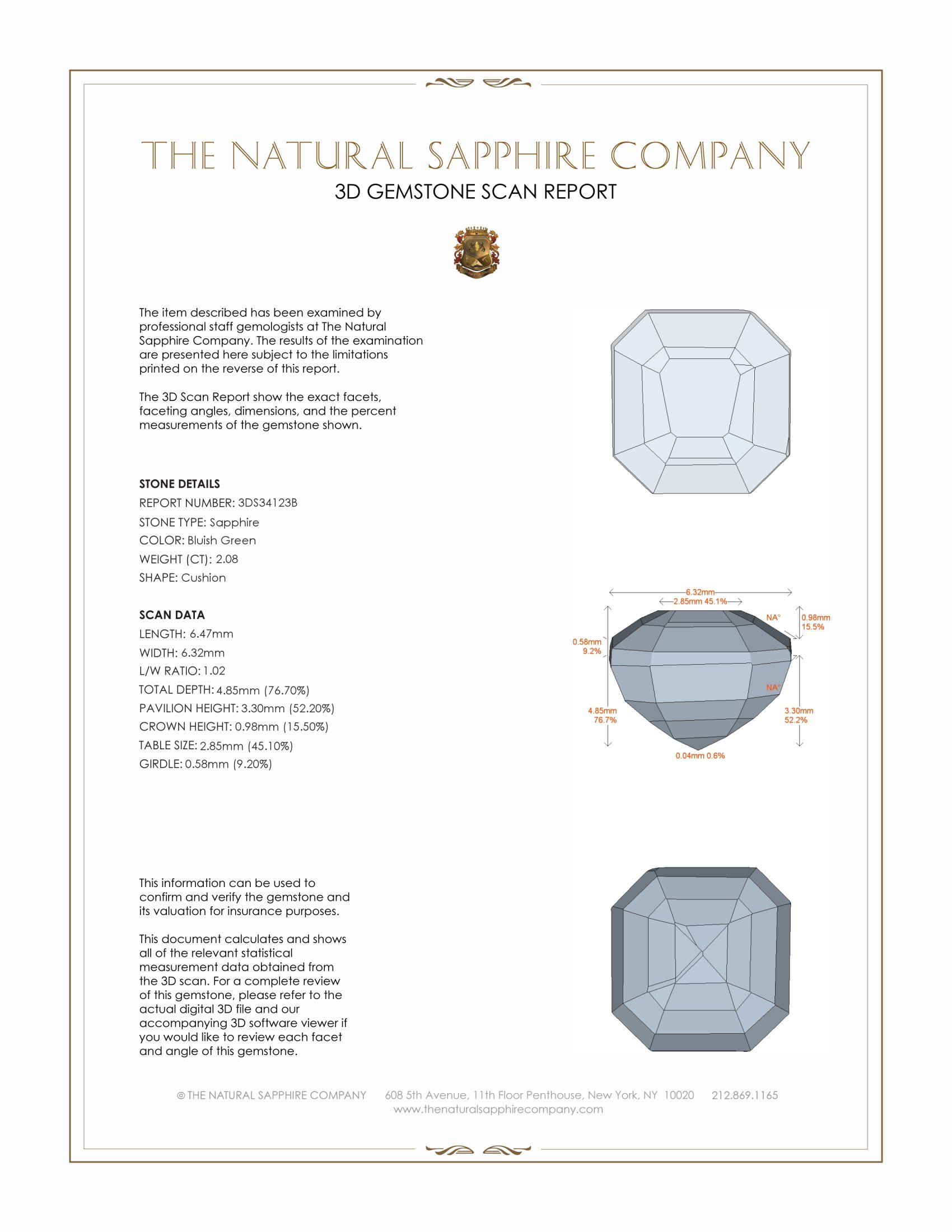
Dimensions (MM): help | Length: 6.47 Width: 6.32 Height: 4.85 |
Weight: | 2.08 Ct. |
Color: help | Bluish Green |
Color intensity: help | Intense |
Clarity: help | Eye Clean |
Shape: help | Asscher - Octagon |
Cut: | Asscher |
Cutting style: | Faceted |
Enhancements: help | No Enhancement |
Origin: help | Madagascar |
Per carat price: help | $1,300 |
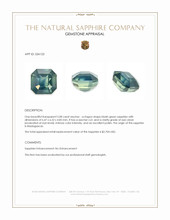
This gem is a transparent, natural bluish green sapphire weighing 2.08 carats, cut into an asscher octagon shape with dimensions 6.47 by 6.32 by 4.85 millimeters. The stone exhibits intense color intensity, and was evaluated as eye clean at eye level, indicating no inclusions visible without magnification. The cut is an asscher style, characterized by concentric, squared step facets and cropped corners, executed with excellent polish and precise facet junctions. The measured depth of 4.85 millimeters produces an overall depth ratio of approximately 75.8 percent when compared to the average table dimension, a proportion that amplifies internal light return and deepens perceived color saturation while modestly reducing apparent spread on the finger. This sapphire is untreated, enhancement none, and its provenance is Madagascar, a locality known for producing sapphires with complex hue variation and robust saturation. The Natural Sapphire Company provides this stone with full disclosure of treatment status and origin, enabling technical buyers to assess it within a clear provenance framework.
From a faceting and optical performance perspective, the asscher cut on this sapphire emphasizes broad, dramatic flashes and a hall of mirrors effect rather than the pinpoint scintillation typical of brilliant cuts. The step facets on the crown form concentric terraces that produce large, even light and dark areas, which make color distribution and clarity critically important. With an eye clean clarity grade, this material allows the asscher geometry to read with clean facet contrast and uninterrupted color planes. The excellent polish enhances the stone by minimizing surface scatter, preserving facet crispness at junctions, and maximizing mirror like reflection from the table and crown facets. The relatively deep pavilion accentuates the stone s pleochroic behavior, permitting the observer to see bluish green to greenish blue shifts with changes in viewing angle, an optical property that natural corundum commonly exhibits due to anisotropic absorption. The net effect is a controlled, intense color presentation that reads as sophisticated and architectural, qualities that are especially valued by connoisseurs who prioritize form and color integrity.
When comparing this natural Madagascar sapphire to lab grown equivalents, there are several technical distinctions to consider. Lab grown sapphires are produced under controlled conditions, which can yield very high levels of clarity and homogeneity, and they can be engineered for specific color saturation. However, natural sapphires like this example possess multi scale zoning, trace element variations, and inclusion suites that record geological formation conditions, creating optical complexity that is difficult to replicate in the laboratory. The asscher cut accentuates these characteristics, so the subtle color zoning and pleochroism in a natural piece translate into dynamic internal contrasts and a depth of tone that changes with light and wear. From a gemological standpoint, the untreated status of this sapphire means its color and stability are intrinsic, without post extraction alteration, which is a decisive factor for buyers who value natural state authenticity and long term collectability.
For practical use and setting considerations, the asscher octagon geometry provides clean lines suited to classic four prong or bezel mounting, and the dimensions 6.47 by 6.32 millimeters make it an excellent candidate for a center stone in a refined engagement ring or a statement pendant. The depth ratio and intense color favor settings that expose the table to the viewer, allowing the step facets to display the hall of mirrors effect. The Natural Sapphire Company recommends settings that protect the girdle and corners while allowing light entry through the crown, to balance protection and optical performance. From a long term perspective, natural sapphires retain desirability and market interest due to their geological rarity, provenance documentation, and the tactile narrative of formation over geologic time. While lab grown stones have their place for budget conscious or experimental designs, a natural, untreated Madagascar sapphire with asscher cutting and excellent polish offers a combination of technical precision, optical complexity, and provenance that discerning buyers and collectors value.


