
- Stone14
- Reports3


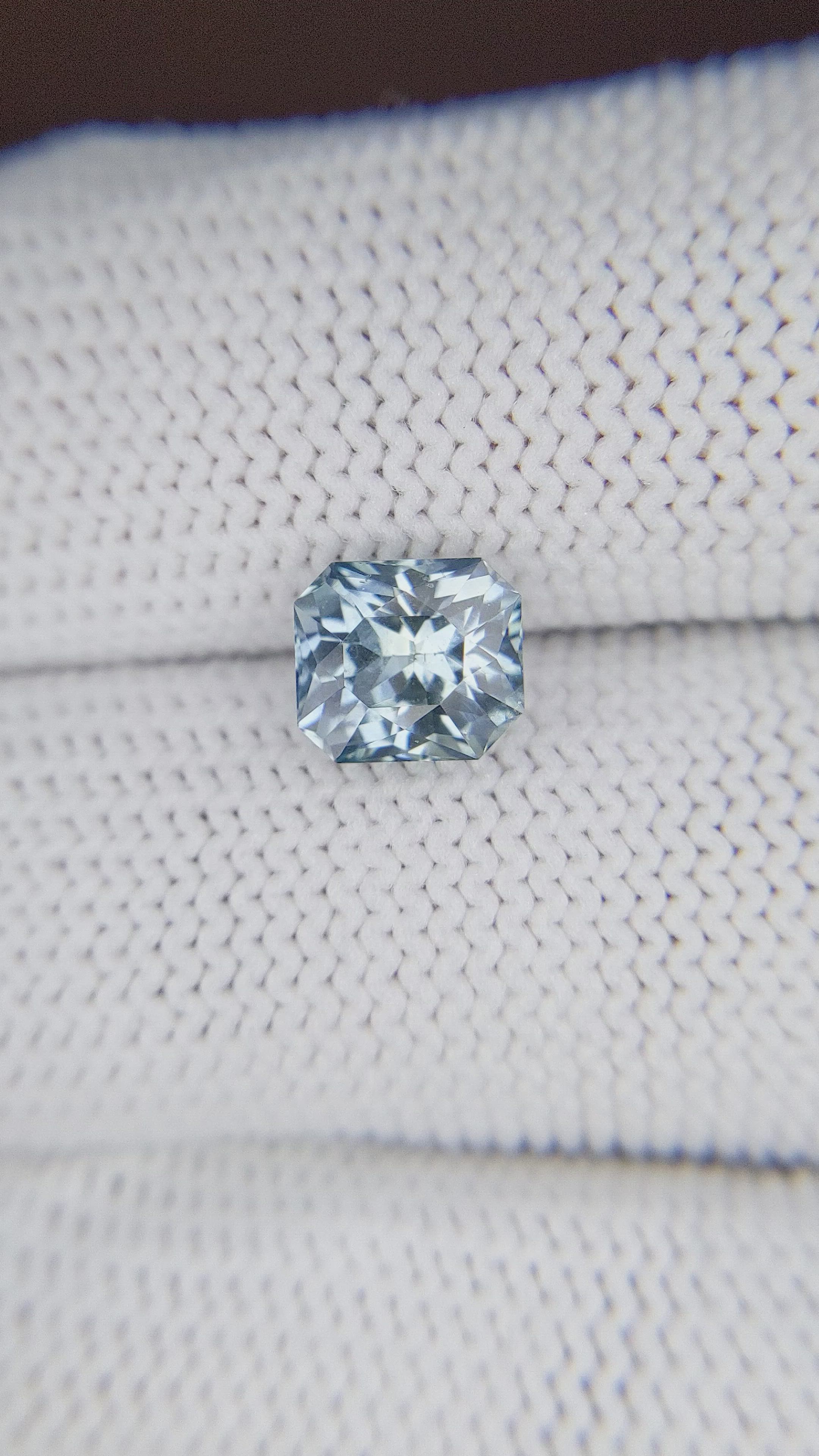
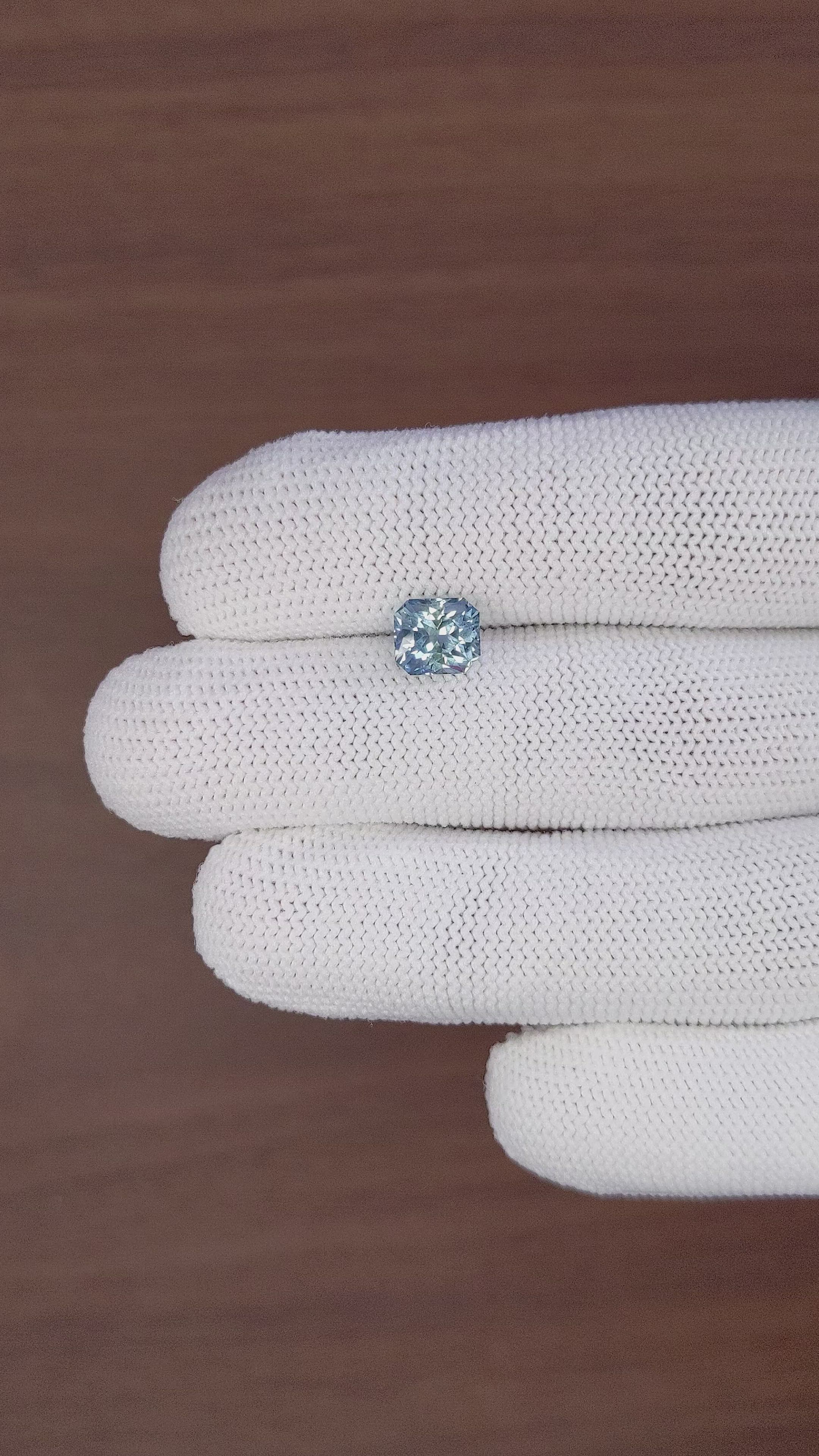
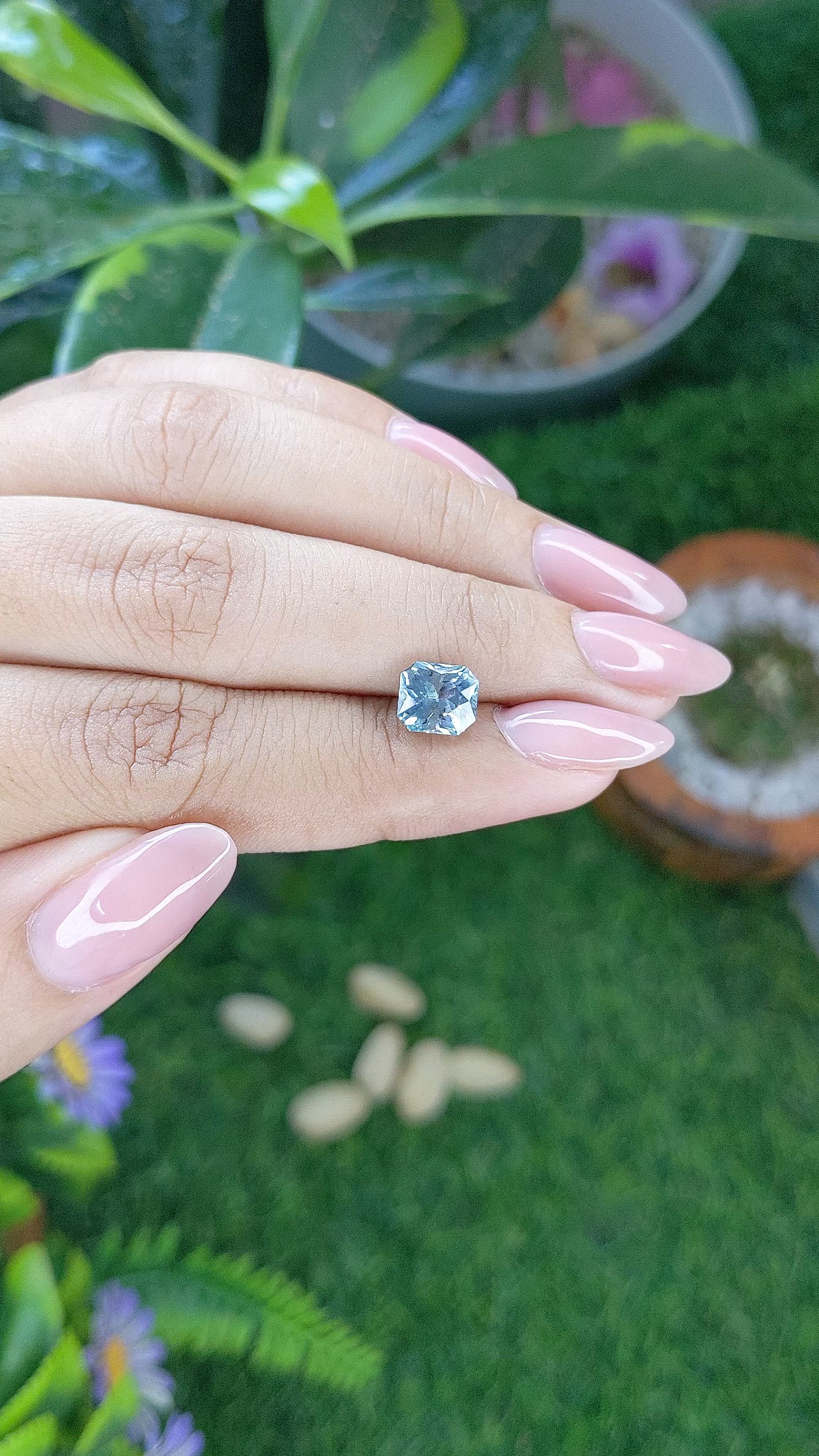
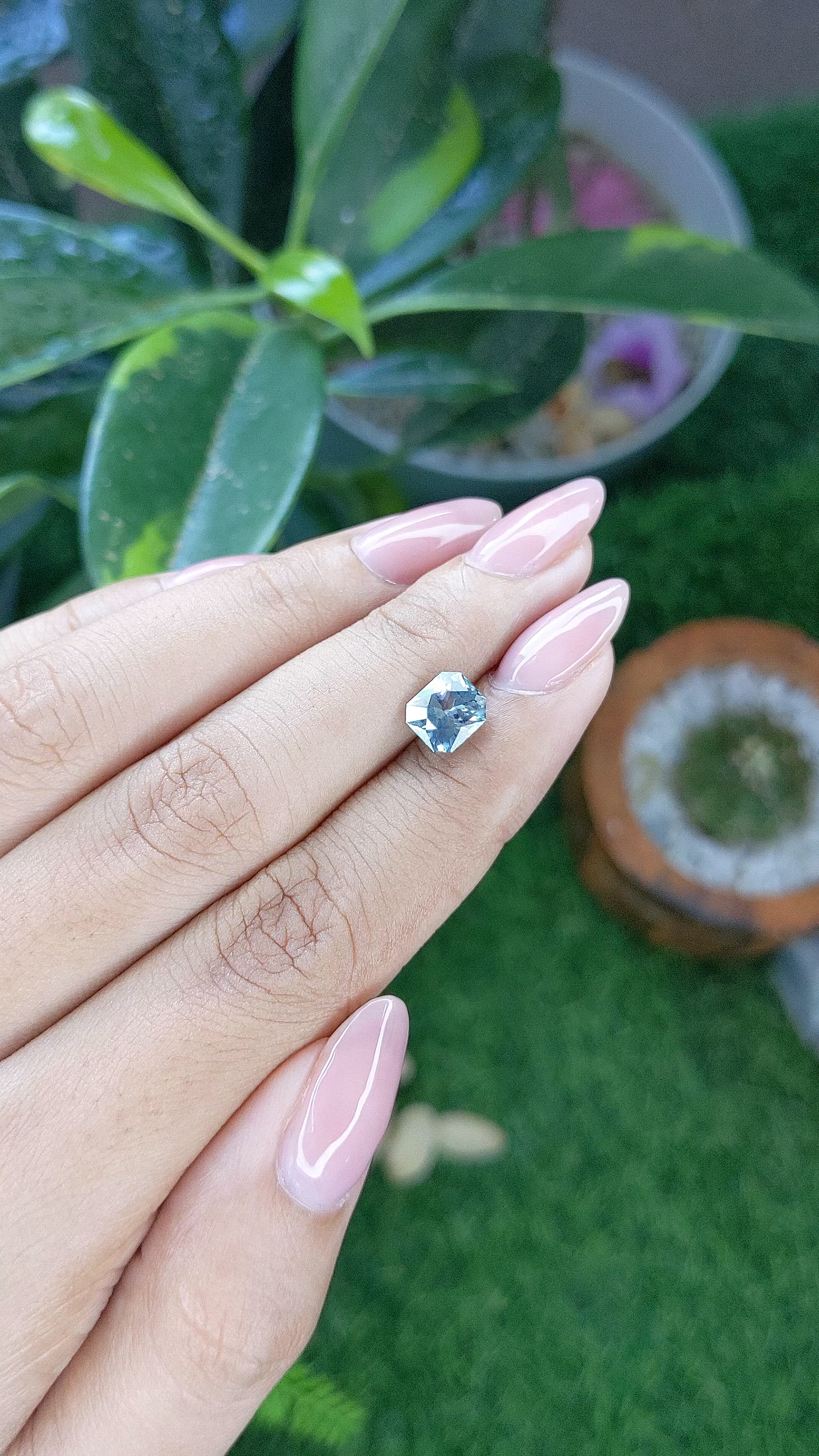
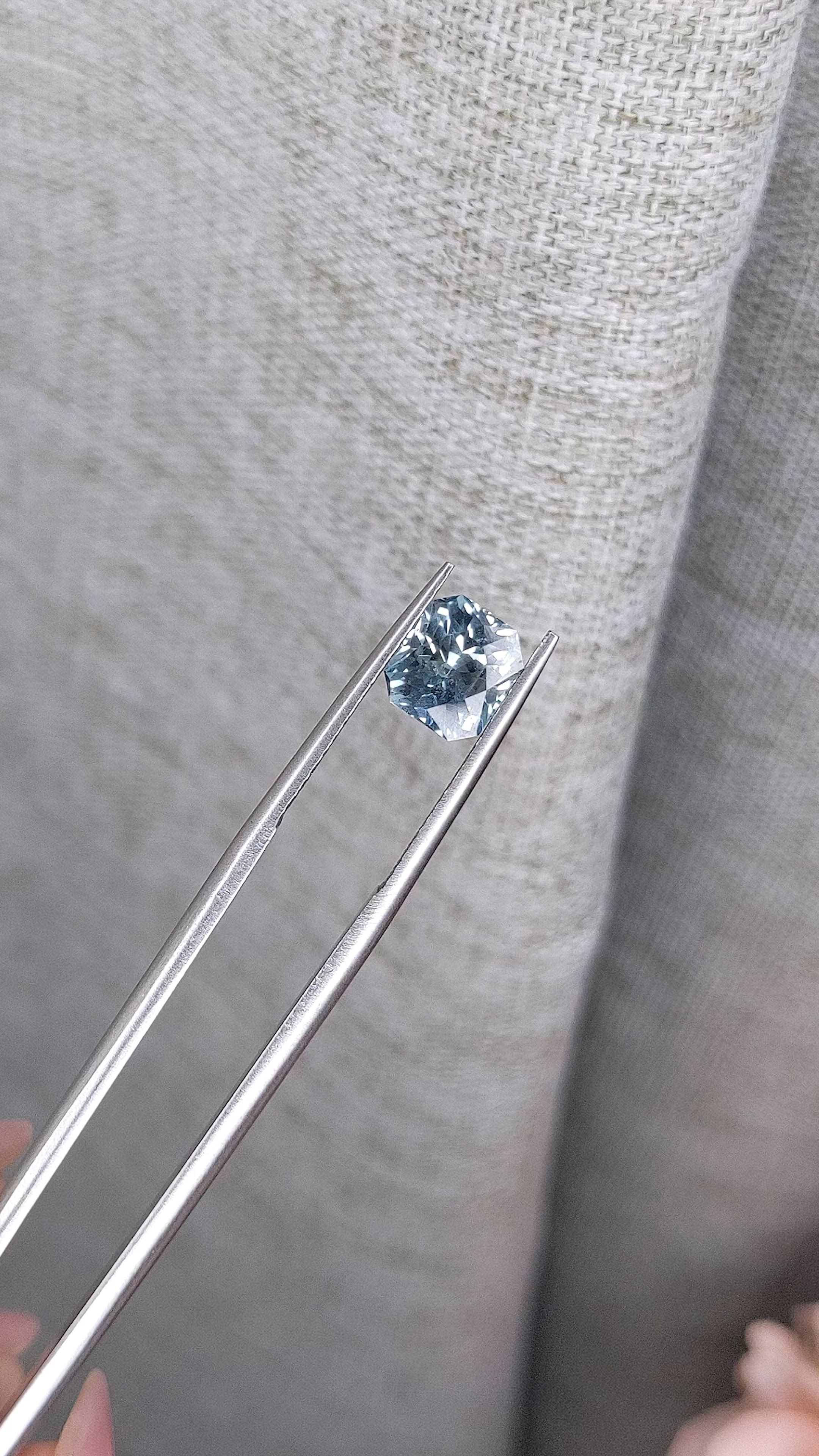




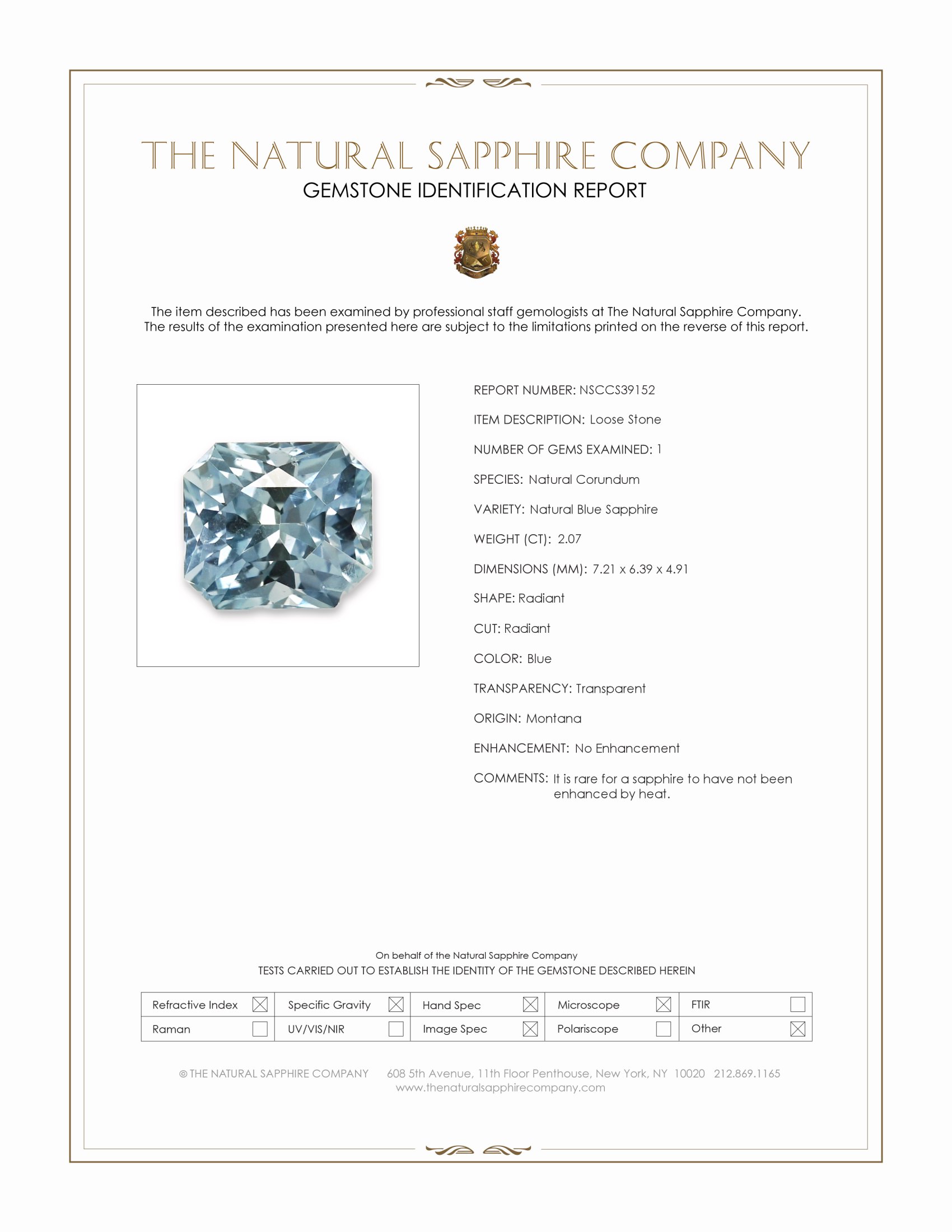

2.07 Ct. Greenish Blue Sapphire from Montana
This loose stone is available to ship now
Item ID: | S39152 |
|---|---|
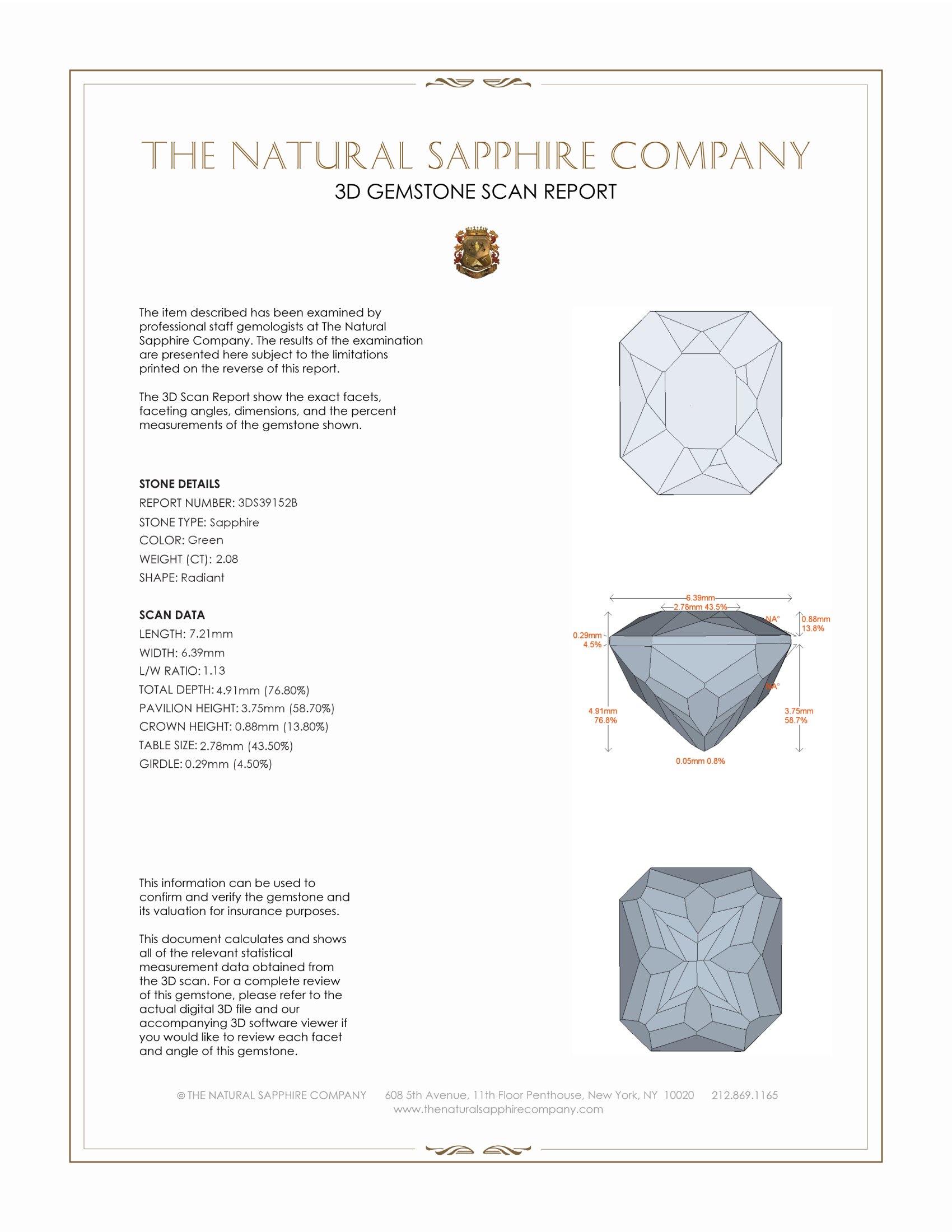
Dimensions (MM): help | Length: 7.21 Width: 6.39 Height: 4.91 |
Weight: | 2.07 Ct. |
Color: help | Greenish Blue |
Color intensity: help | Medium |
Clarity: help | Very Slightly Included |
Shape: help | Radiant |
Cut: | Radiant |
Cutting style: | Faceted |
Enhancements: help | No Enhancement |
Origin: help | Montana |
Per carat price: help | $1,800 |
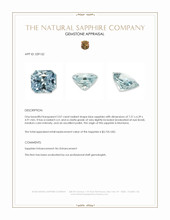
This sapphire is a transparent, radiant shaped greenish blue stone weighing 2.07 carats, with dimensions of 7.21 x 6.39 x 4.91 mm. The cut is a classic radiant, combining trimmed corners with a brilliant facet arrangement to optimize both color and scintillation. The clarity is graded as very slightly included when evaluated at eye level, indicating only minor natural internal features that do not materially detract from the face up appearance. Color intensity is medium, presenting a balance between saturation and brightness that makes the greenish blue tone immediately attractive without appearing overly dark. The polish is excellent, and there has been no enhancement applied to alter the color or clarity. The stated origin for this sapphire is Montana, and this provenance is an important part of its character and market distinction, available from The Natural Sapphire Company.
From a gemological perspective this stone is corundum, with the blue and greenish blue hues resulting from trace amounts of iron and titanium interacting with the crystal structure during natural formation. The radiant cut is well suited to this material because its mixed facet pattern enhances both color and sparkle, while the rectangular proportions present the color consistently across the table. The depth of the stone relative to its length and width produces a sturdy profile and contributes to the overall face up color show, with proportions that support a lively return of light. At 2.07 carats the sapphire is substantial enough to be a focal point in a ring or pendant while remaining practical for daily wear, given corundum is a nine on the Mohs hardness scale, second in durability only to diamond in common gem materials.
The clarity grade very slightly included indicates the presence of small natural inclusions, observed by an experienced viewer at eye level during examination, rather than requiring high magnification. These inclusions are typical of natural stones and serve as internal fingerprints that confirm the gem s natural origin and growth history. Because this sapphire has received no enhancement, the color you see is the product of natural geological processes, rather than heat treatments or diffusion techniques that are commonly used in the trade to alter appearance. Unenhanced stones are less common than treated equivalents, and their untreated status is a meaningful attribute for collectors and buyers seeking natural material. The excellent polish contributes to the stone s visual performance by maximizing surface luster and ensuring that light interacts cleanly with the facet planes.
When compared with laboratory grown sapphires, several distinctions are relevant and measurable. Lab grown sapphires are chemically identical to natural corundum and will share hardness, refractive behavior, and the ability to be cut and polished to the same standards. They are typically produced with fewer inclusions and with very consistent color, which can be advantageous for manufacturing and cost sensitive applications. However, natural sapphires possess a geological history that cannot be replicated in a growth chamber, and this history often manifests as unique inclusions, subtle color zoning, and trace element signatures that can be used to verify origin. A natural, unenhanced Montana sapphire such as this one carries provenance value, and for many buyers provenance and natural formation are important attributes that contribute to ongoing desirability and, in many cases, a stronger long term market position. In short, lab grown material offers uniformity and cost efficiency, while natural stones offer uniqueness, geological provenance, and potential for greater long term collectability.
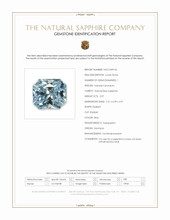
For practical considerations this radiant greenish blue sapphire is well suited to a variety of fine jewelry settings where its rectangular silhouette and medium color intensity can be shown to best effect. The robustness of corundum makes it appropriate for rings intended for regular wear, while the stone s natural inclusions and untreated status warrant sensible cleaning and occasional professional inspection to preserve the polish and mounting integrity. Documentation of origin and treatment status can be provided by The Natural Sapphire Company upon request, and photographic or short video views are available to assist in evaluation prior to purchase. For clients prioritizing geological rarity, the documented Montana origin and the absence of enhancement are key attributes that distinguish this stone from laboratory grown alternatives and treated natural examples, and they form part of the measured, verifiable profile of this sapphire.


