
- Stone12
- Reports4
-oval-blue-sapphire-15.2100-cts-s12605-1.jpg?d=200x200&v=20240410153953)
-oval-blue-sapphire-15.2100-cts-s12605-lifestyleimage-1.jpg?d=200x200&v=20240411064113)
-oval-blue-sapphire-15.2100-cts-s12605-lifestyleimage-2.jpg?d=200x200&v=20240411064113)

-oval-blue-sapphire-15.2100-cts-s12605-1.jpg?d=750x750&s=nsc&v=20240410153953)
-oval-blue-sapphire-15.2100-cts-s12605-lifestyleimage-1.jpg?d=750x750&s=nsc&v=20240411064113)
-oval-blue-sapphire-15.2100-cts-s12605-lifestyleimage-2.jpg?d=750x750&s=nsc&v=20240411064113)

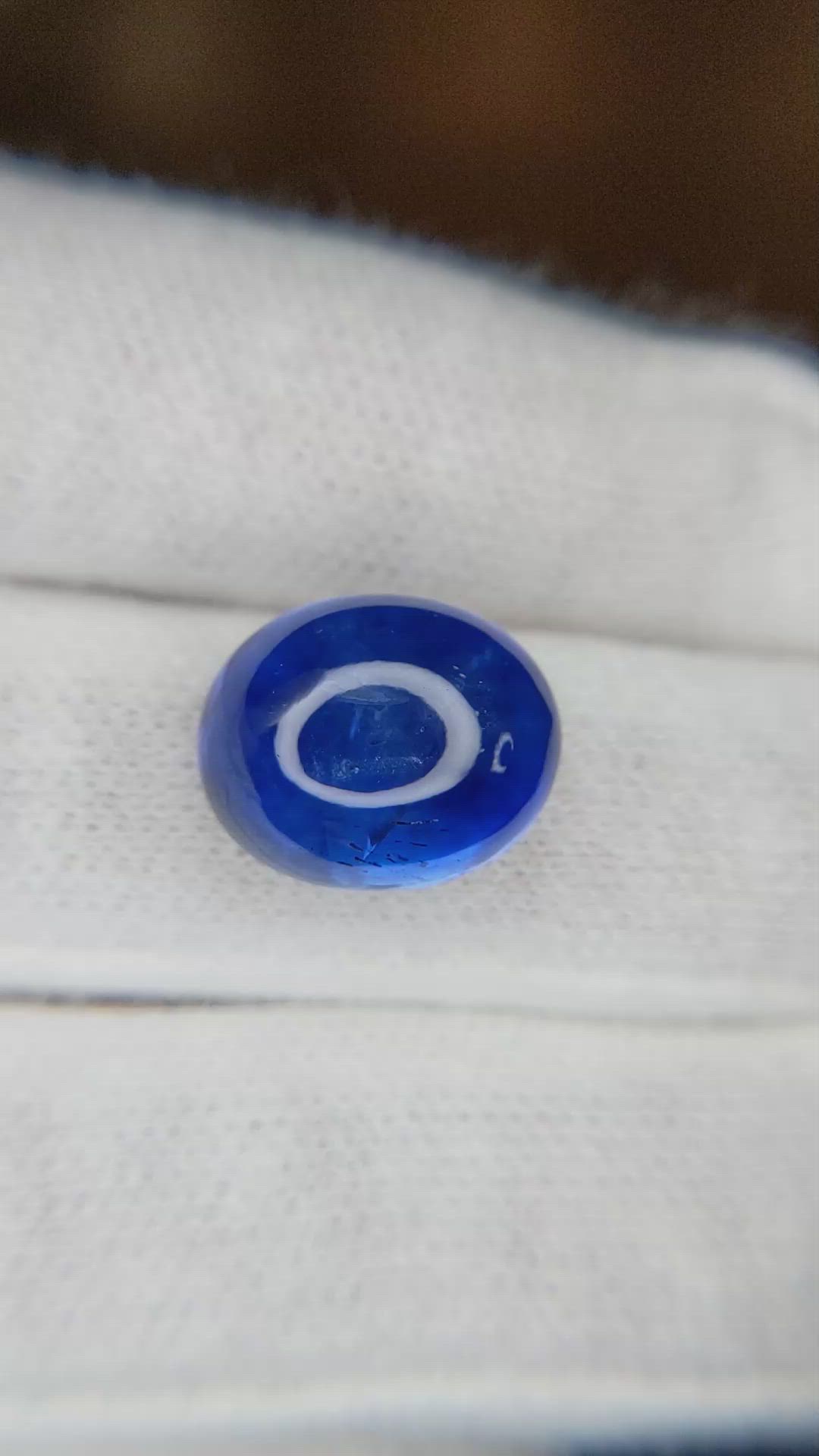
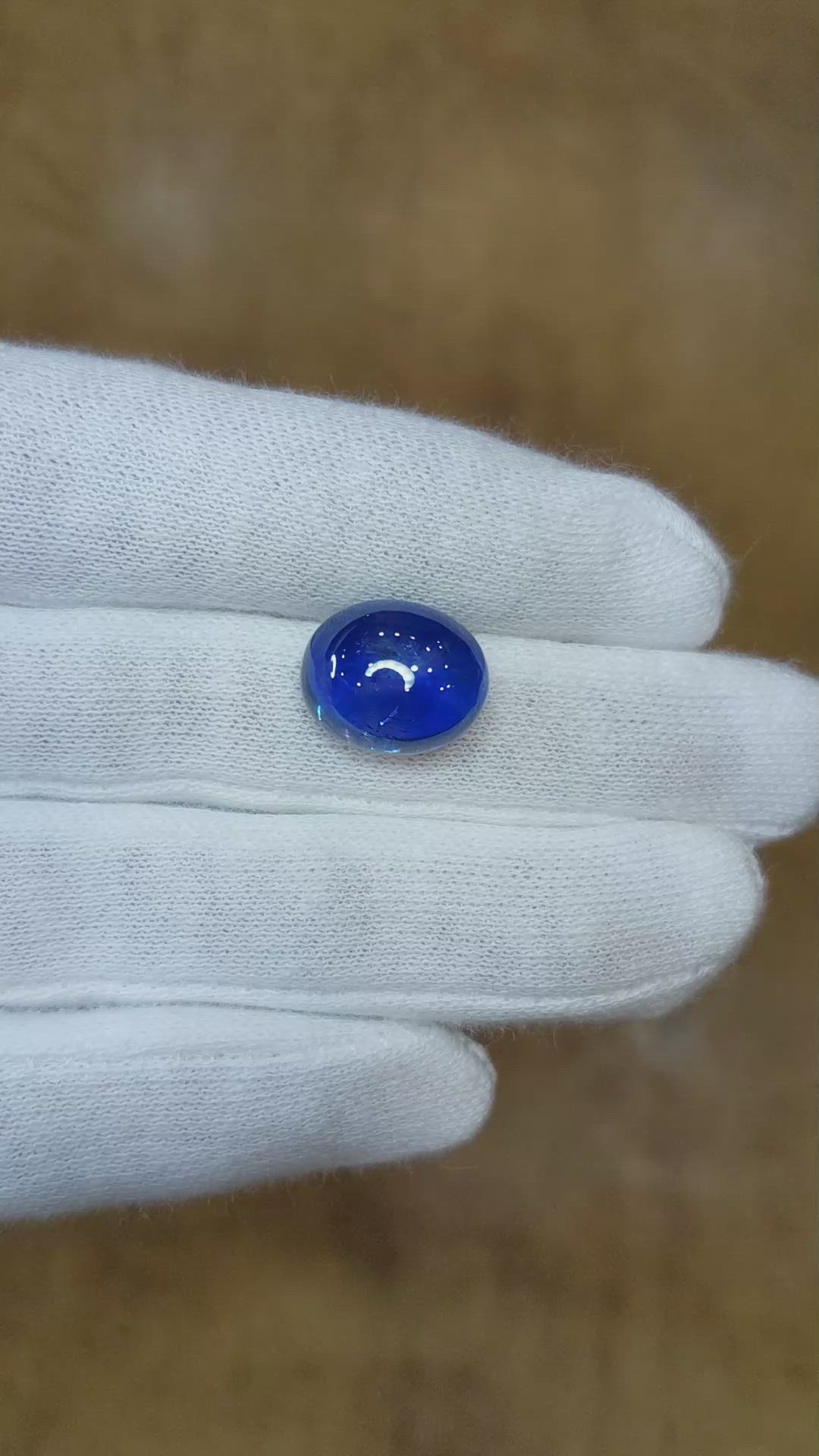
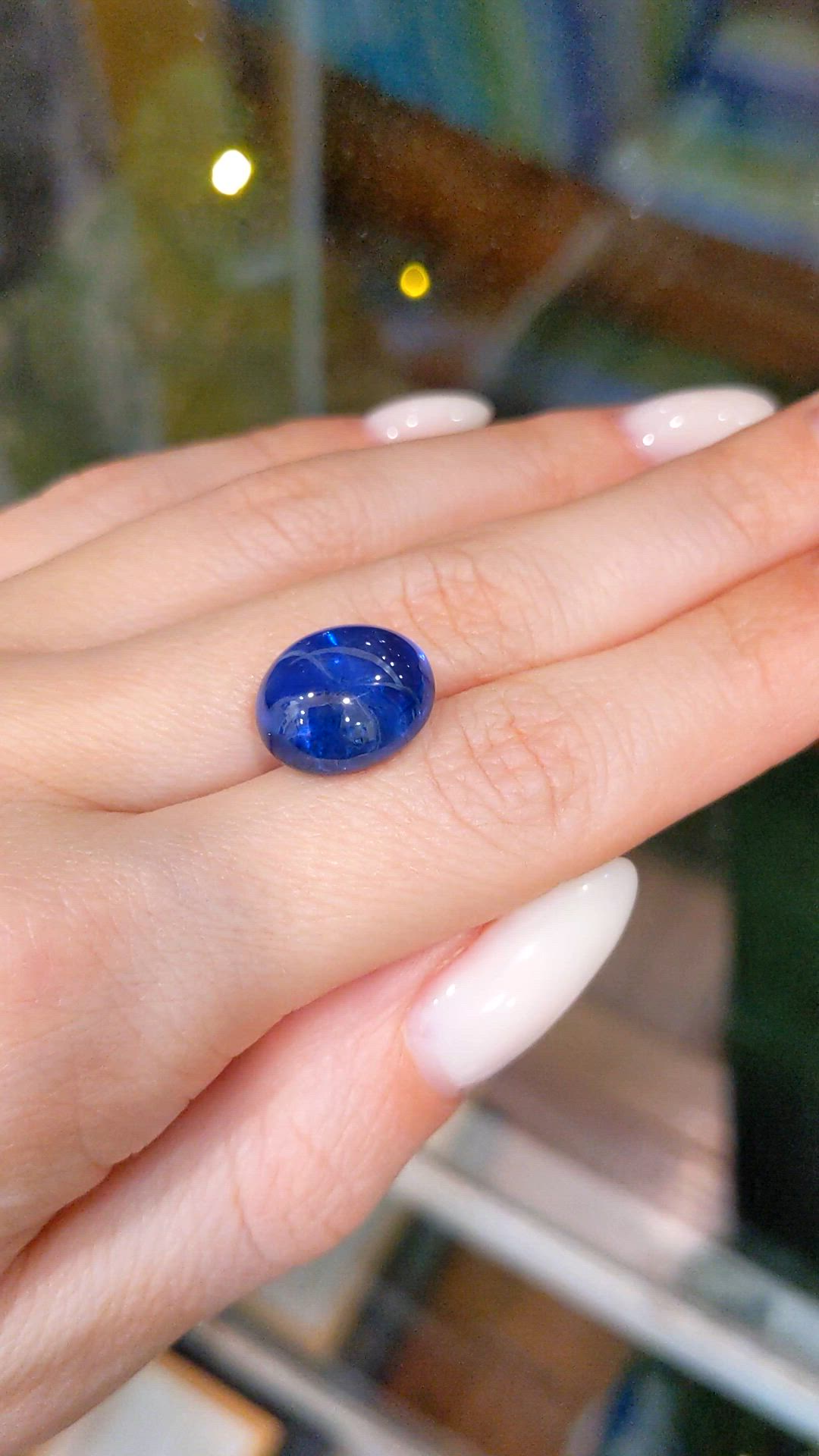
15.21 Ct. Blue Cabochon Sapphire from Ceylon (Sri Lanka)
This loose stone is available to ship now
Item ID: | S12605 |
|---|---|
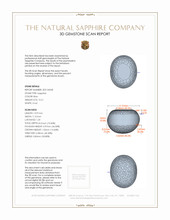
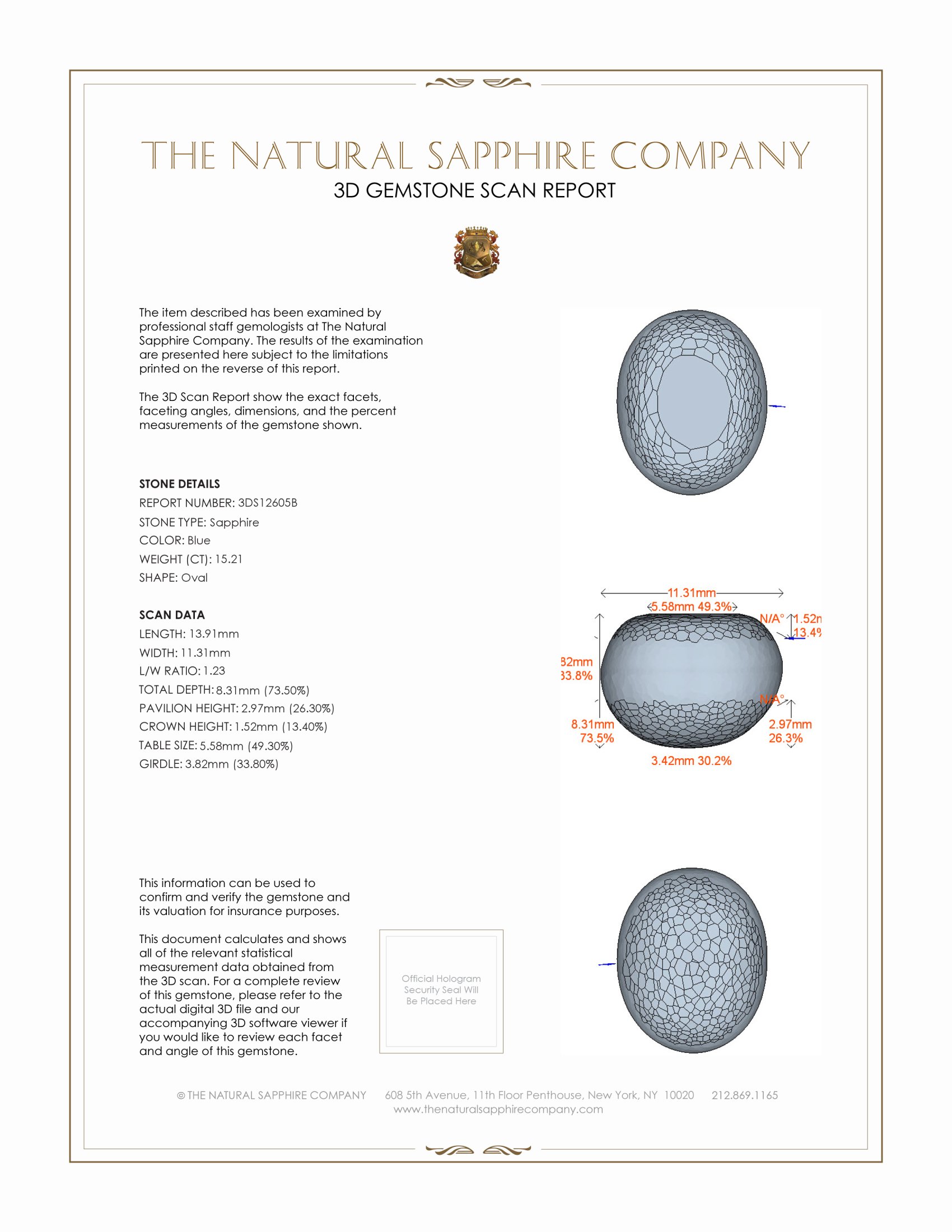
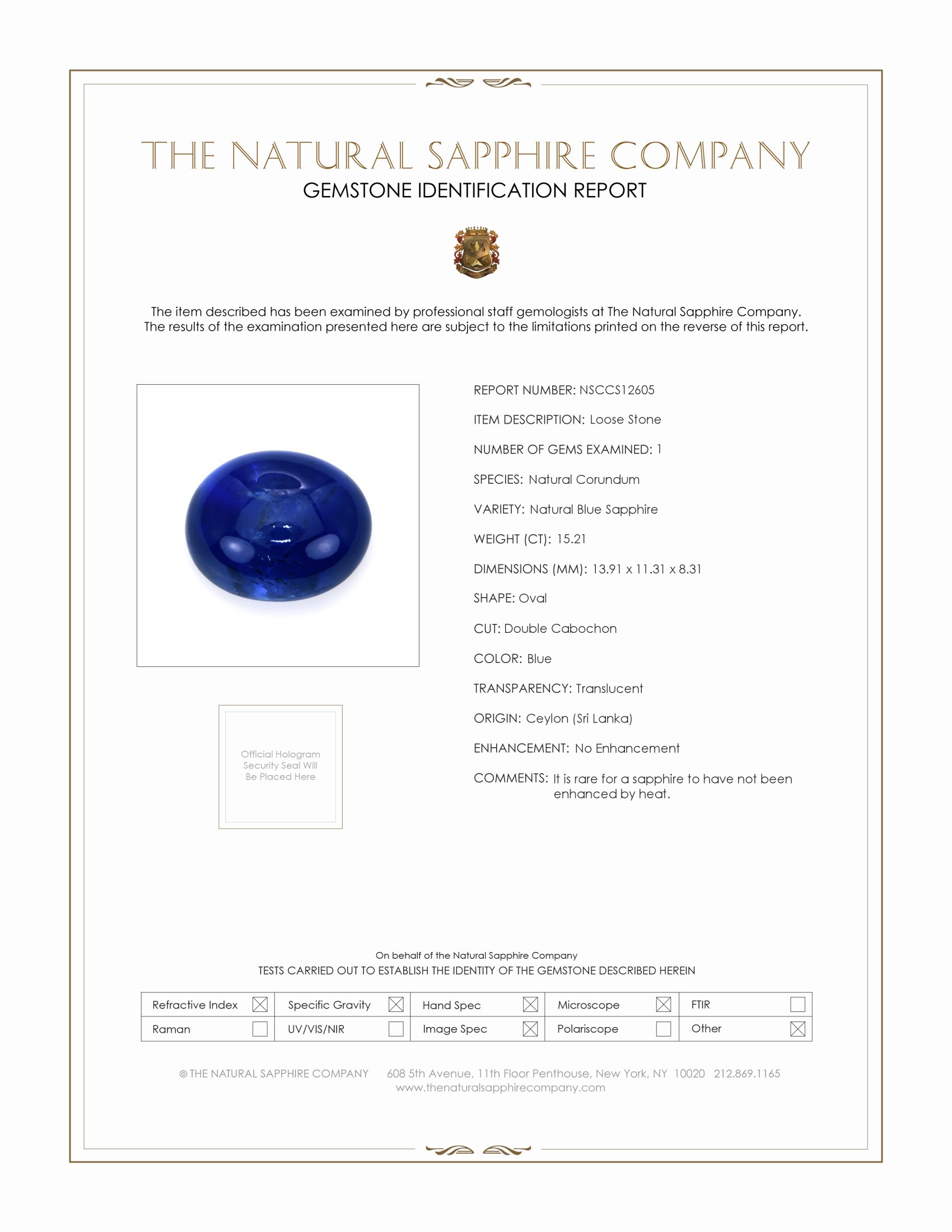
Dimensions (MM): help | Length: 13.91 Width: 11.31 Height: 8.31 |
Weight: | 15.21 Ct. |
Color: help | Blue |
Color intensity: help | Vivid |
Clarity: help | Slightly Included |
Shape: help | Oval |
Cut: | Double Cabochon |
Cutting style: | Cabochon |
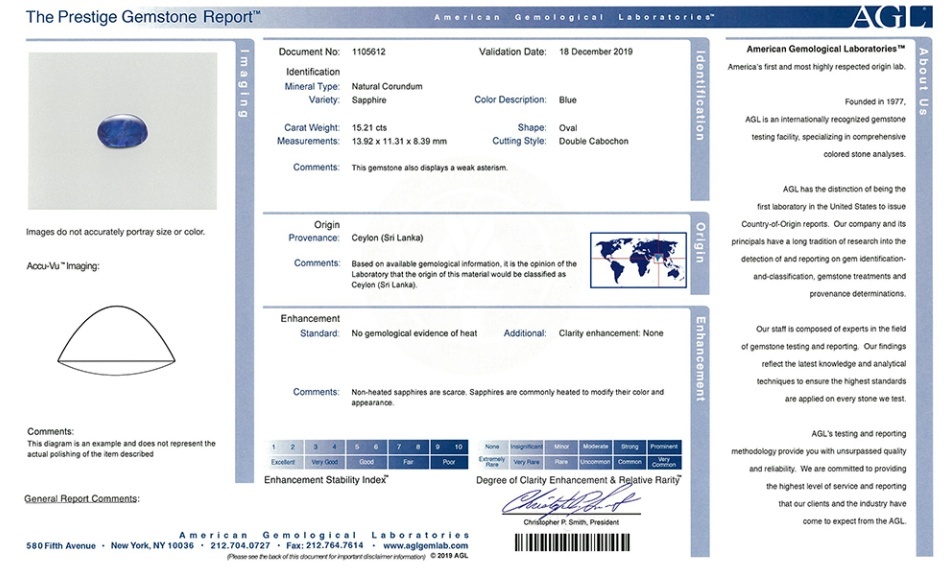
Enhancements: help | No Enhancement |
Origin: help | Ceylon (Sri Lanka) |
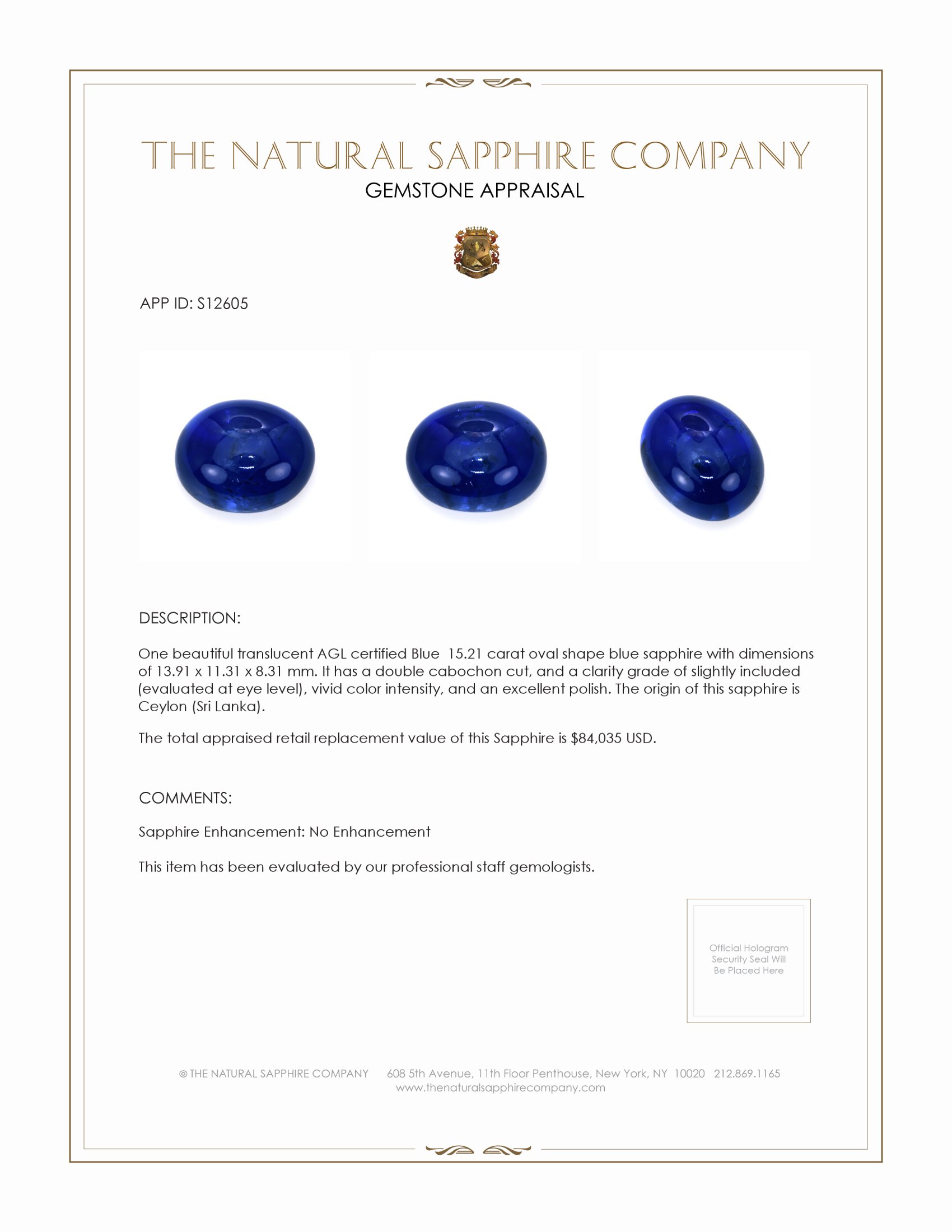
Per carat price: help | $5,525 |
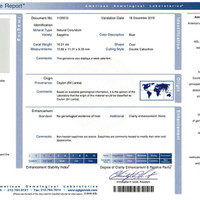
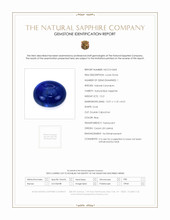
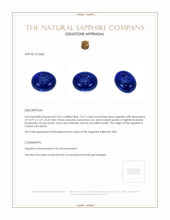
This is a beautifully proportioned, translucent, AGL certified blue sapphire, weighing 15.21 carat, with precise dimensions of 13.91 by 11.31 by 8.31 millimeters. The gem is cut as an oval with a double cabochon form, a style that presents two smooth domes that enhance the stone when viewed face up and when light passes through from the side. The lab color classification is Blue, and the origin is Ceylon, Sri Lanka, which is noted on the AGL certificate. The clarity is graded as slightly included when evaluated at eye level, the color intensity is vivid, the polish is excellent, and there has been no enhancement. At this size and with a double cabochon profile, this sapphire presents a rare combination of scale and natural, untreated color that will appeal to a knowledgeable buyer, and The Natural Sapphire Company is pleased to offer it with full documentation.
When assessing this sapphire from a gemological perspective, several attributes contribute to its desirability. The vivid blue color, confirmed by AGL, indicates strong saturation and a hue that reads clearly as blue across varying light conditions. Ceylon sapphires are often sought for their clean, lively blues, and this stone exhibits those regional characteristics while maintaining depth because of its substantial weight and dome. The slightly included clarity grade, assessed at eye level, means that internal features are present and can be seen without magnification in certain viewing positions, but they do not compromise the stone structurally. In cabochon cuts, inclusions can sometimes serve to accentuate the gem character, creating visual interest, and they give an honest indication of natural origin. The excellent polish maximizes surface luster and contributes to the overall visual impact, helping to show the vivid color and internal character to best advantage.
The fact that this sapphire has no enhancement increases its rarity and market value relative to more commonly treated material. Heat treatment is a widely accepted practice to improve color and clarity in sapphires, and many stones on the market are heat treated or subject to other enhancements. An untreated, natural Ceylon sapphire of 15.21 carat with vivid color is uncommon, and collectors as well as connoisseurs often prize such examples for their natural state. From an investment viewpoint, provenance, laboratory certification, and transparent treatment disclosure are essential, and the AGL report provides independent verification of color, origin, and the absence of enhancement. Over time, well documented, untreated gems from historic localities such as Ceylon tend to retain collector interest, and a specimen of this size and visual quality can form the centerpiece of an important collection or a high end bespoke commission.
For practical use and design considerations, the double cabochon shape opens attractive possibilities. The substantial dome and translucency will display color best in a setting that allows light to enter and interact with the body of the stone, such as a semi open back or a carefully designed bezel with side light windows, and a pendant or a ring with a secure mounting will showcase the gem while protecting the surface. Given the stone is corundum, it has a hardness of nine on the Mohs scale, so it is very durable, though the curving surfaces of a cabochon can still be scratched if not cared for. Cleaning recommendations are simple and conservative, use warm soapy water and a soft brush, rinse thoroughly and dry with a soft cloth, avoid harsh chemicals and prolonged exposure to high heat, and do not use ultrasonic cleaners if significant inclusions are present that could trap gas or fluid. The Natural Sapphire Company stands behind the AGL certification and can provide high resolution imagery, condition notes, and consultation on setting options and insurance appraisals to ensure the stone is treated with the care its rarity deserves.


