
- Stone9
- Reports4
-oval-blue-sapphire-1.3100-cts-s35991-1.jpg?d=200x200&v=20260112222259)



-oval-blue-sapphire-1.3100-cts-s35991-1.jpg?d=750x750&s=nsc&v=20260112222259)

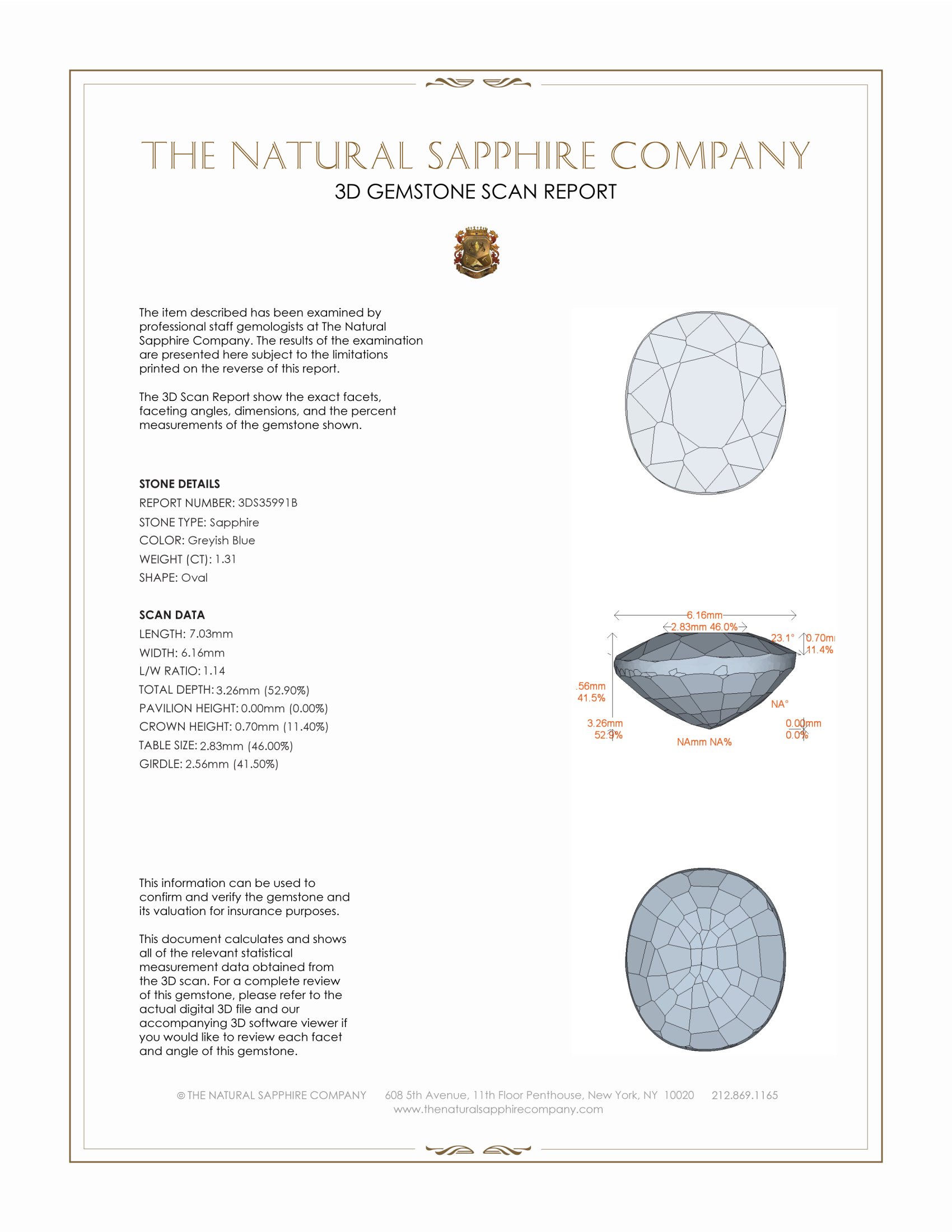


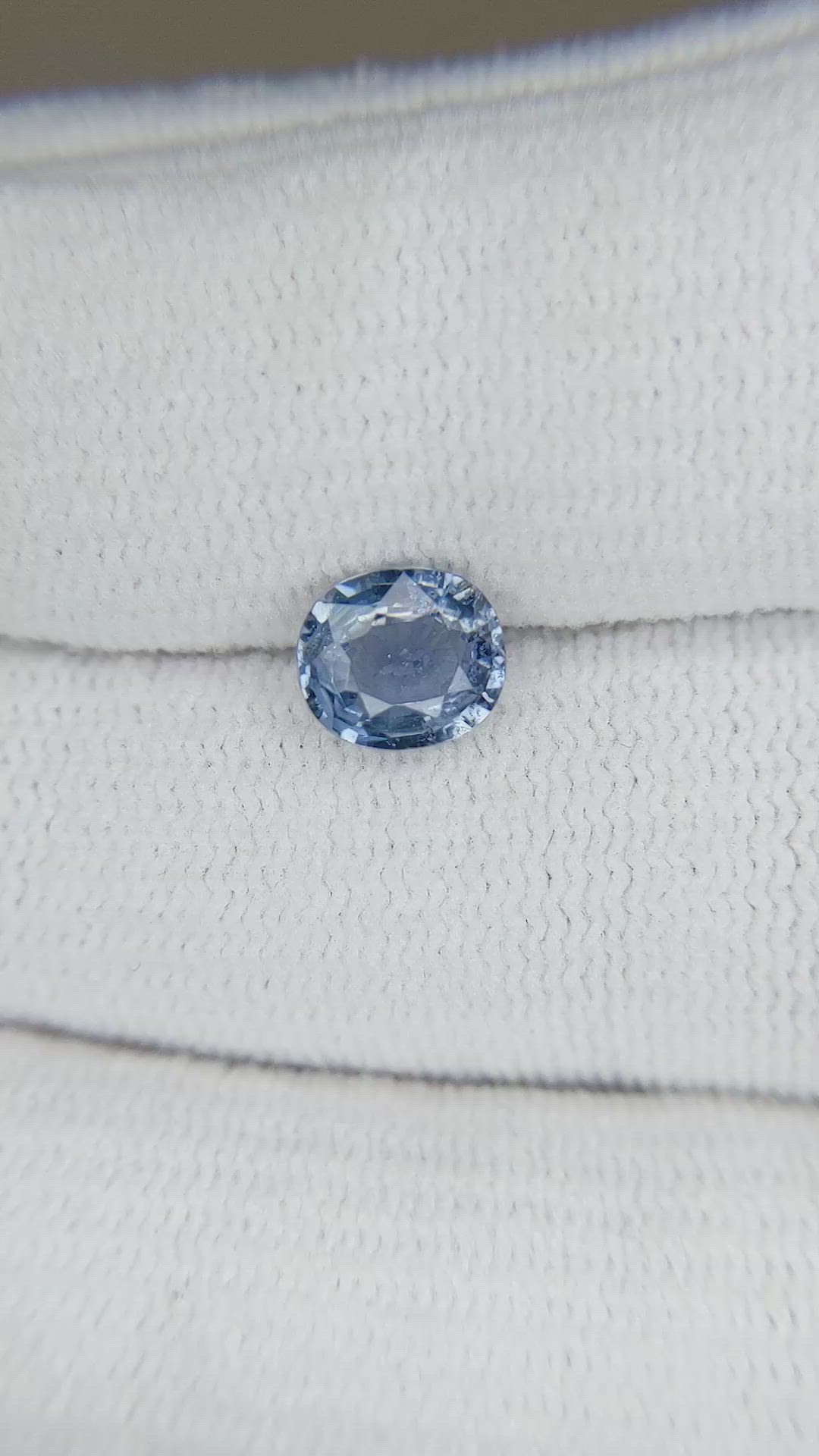
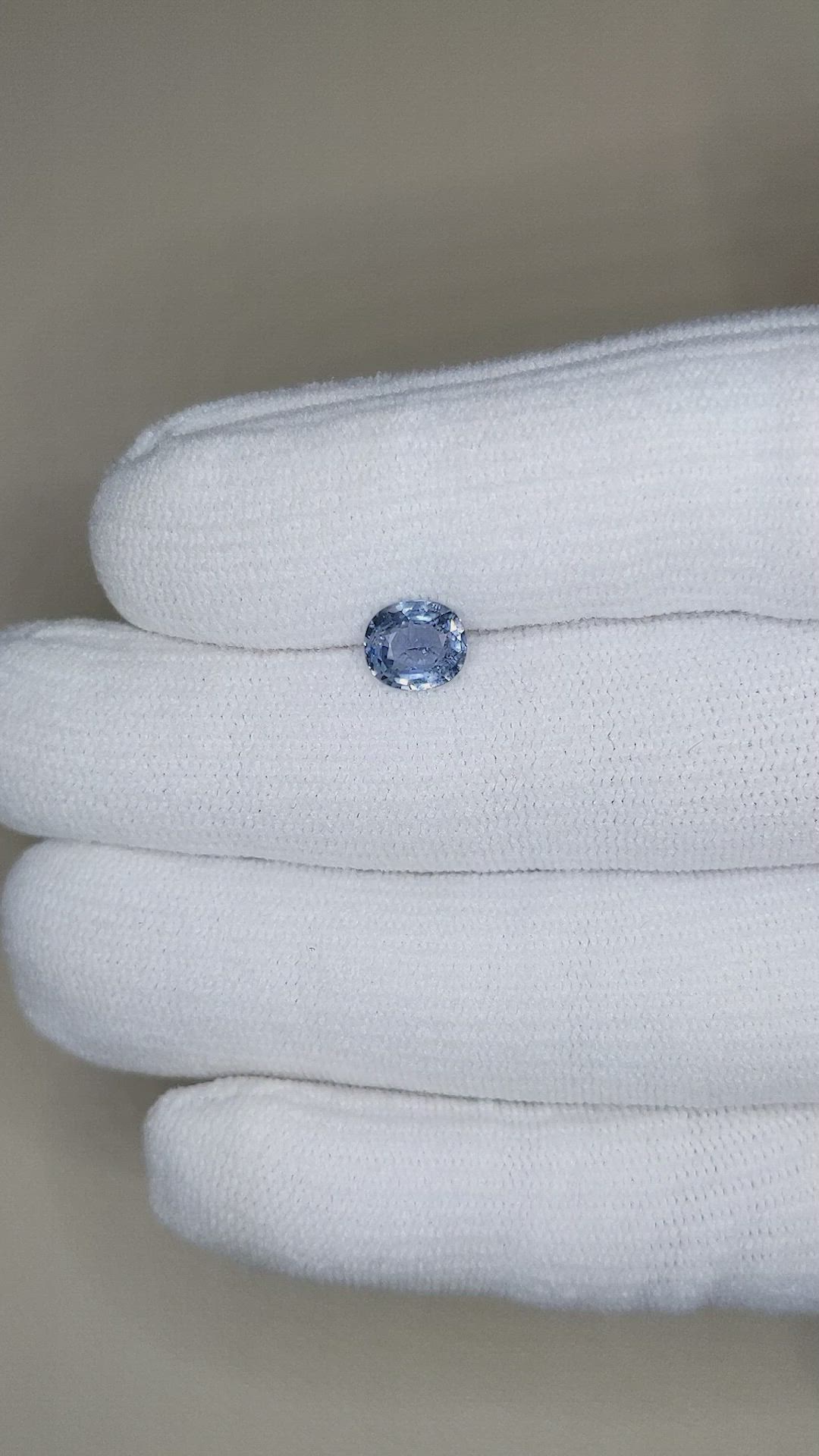
1.31 Ct. Greyish Blue Sapphire from Ceylon (Sri Lanka)
This loose stone ships by Feb 19
Item ID: | S35991 |
|---|---|
Dimensions (MM): help | Length: 7.03 Width: 6.16 Height: 3.26 |
Weight: | 1.31 Ct. |
Color: help | Greyish Blue |
Color intensity: help | Medium Intense |
Clarity: help | Slightly Included |
Shape: help | Oval |
Cut: | Mixed Brilliant |
Cutting style: | Faceted |
Enhancements: help | No Enhancement |
Origin: help | Ceylon (Sri Lanka) |
Per carat price: help | $427 |
One beautiful transparent 1.31 carat oval greyish blue sapphire from Ceylon, measuring 7.03 by 6.16 by 3.26 millimeters, offers a rare blend of natural character and wearable size. This gem is fashioned in an oval shape with a mixed brilliant cut, and it carries a clarity grade of slightly included as evaluated at eye level, a medium intense color intensity, and an excellent polish. Crucially for the discerning buyer, this sapphire shows no enhancement; it is unheated and natural, attributes that collectors and connoisseurs increasingly prize. The Sri Lankan origin is significant: Ceylon sapphires are prized for their typically brighter, lighter, and more luminous blues compared with deeper, more saturated sources, and this stone exemplifies that lineage with its elegant greyish-blue tone that reads as sophisticated rather than overtly vivid. Presented by The Natural Sapphire Company, this sapphire appeals to educated buyers who value documented origin and natural state as key elements of long-term desirability and potential appreciation.
Examining the gem’s cutting, clarity, and polish reveals why it performs well in everyday light. The mixed brilliant cut combines a brilliant-style crown with a pavilion designed to maximize return and scintillation, delivering a lively play of light across the table and facets while maintaining good depth and face-up size for its carat weight. With dimensions of 7.03 x 6.16 mm for 1.31 carats, the stone has an efficient weight distribution that gives a pleasing presence in a ring or pendant without appearing undersized. Slightly included at eye level means there are minor natural features visible without magnification, typical of many natural corundums and not uncommon for Ceylon material; these inclusions do not significantly detract from transparency or overall beauty, and they often serve as telltale indicators of natural origin. The excellent polish is an important asset because well-executed facet surfaces are essential for unimpeded light return; a superior polish reduces surface scattering and accentuates the sapphire’s vitreous luster, making the medium intense color appear more saturated and lively in most lighting conditions.
When comparing reflective qualities to other gemstones in its category, it helps to consider refractive index, dispersion, pleochroism, and how cutting decisions influence perceived brilliance. Corundum, the species that includes sapphires, has a refractive index near 1.76 to 1.77 and a relatively low dispersion, so it does not display the prismatic fire of a diamond. Instead, sapphire’s optical appeal derives from strong facet reflections, depth of tone, and color saturation. Within the sapphire family, material from Ceylon often yields a brighter, more luminous face-up appearance compared with very dark, highly saturated sapphires from some other locales. Compared with heated Ceylon or other heated sapphires, an unenhanced stone like this can show more subtle color zoning and natural inclusions that scatter light slightly differently, producing a velvety or lively sheen that many collectors prefer. Against other blue-hued gem classes, such as spinel, tanzanite, aquamarine, or blue topaz, this sapphire generally returns more intense, crisp facet reflections due to corundum’s higher refractive index. Spinel, with a lower RI around 1.71, and aquamarine, with an RI near 1.58, tend to present a softer, more subdued brilliance. Tanzanite is notable for strong pleochroism—color changing from blue to violet depending on orientation—which can be dramatic but may also require careful orientation in a setting to show its best color. In contrast, this Sri Lankan sapphire offers consistent greyish-blue faceting across orientations with moderate pleochroic character, so it displays reliably attractive color without the need for constant repositioning. Star sapphires within the same species emphasize asterism rather than facet scintillation, so they present a different optical appeal; this oval mixed brilliant focuses on facet-driven sparkle and clean light return rather than asterism.
For buyers considering practical wear and long-term value, several technical points are worth noting. The hardness of sapphire is 9 on the Mohs scale, second only to diamond, making it highly suitable for daily wear in rings and bracelets. The excellent polish and mixed brilliant cutting elevate durability and visual performance, while the slightly included clarity indicates natural formation with no fracture-filling or heat-induced clarity enhancements. Because the stone is unheated and from Sri Lanka, it meets a premium niche in the market: many educated buyers pay a premium for stones with verifiable natural origins and no treatments, since such gems retain original internal features and a provenance that is attractive to collectors and investors. In terms of mounting, settings that protect the girdle and allow light to enter from multiple angles will best showcase the mixed brilliant cut; classic solitaire, halo, or three-stone settings work well, and a bezel may be chosen where wear resistance and protection are prioritized. Routine care is straightforward—gentle cleaning with warm soapy water and a soft brush keeps the sapphire at peak brightness, and professional checks of the setting will ensure long-term security.
In summary, this 1.31 carat, oval greyish blue Ceylon sapphire from The Natural Sapphire Company represents a thoughtful combination of natural origin, conservative clarity grading, intelligent cutting, and excellent polish. Its unenhanced status and Sri Lankan provenance make it particularly appealing to the educated buyer seeking authenticity and enduring beauty. Reflective qualities favor crisp facet return and a luminous, refined face-up appearance, especially when compared to lower refractive index blues like aquamarine or spinel, and it offers a different, often preferred aesthetic from star sapphires or heavily treated stones. If you are selecting a stone that balances day-to-day wearability with collector value, this sapphire’s medium intense greyish-blue color, efficient dimensions, and mixed brilliant cut make it a strong candidate for a distinguished piece of jewelry that will age gracefully and retain desirability.


