
- Stone12
- Reports3
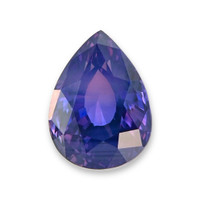
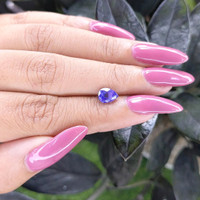
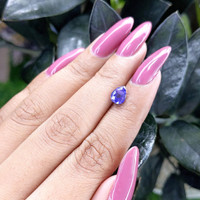
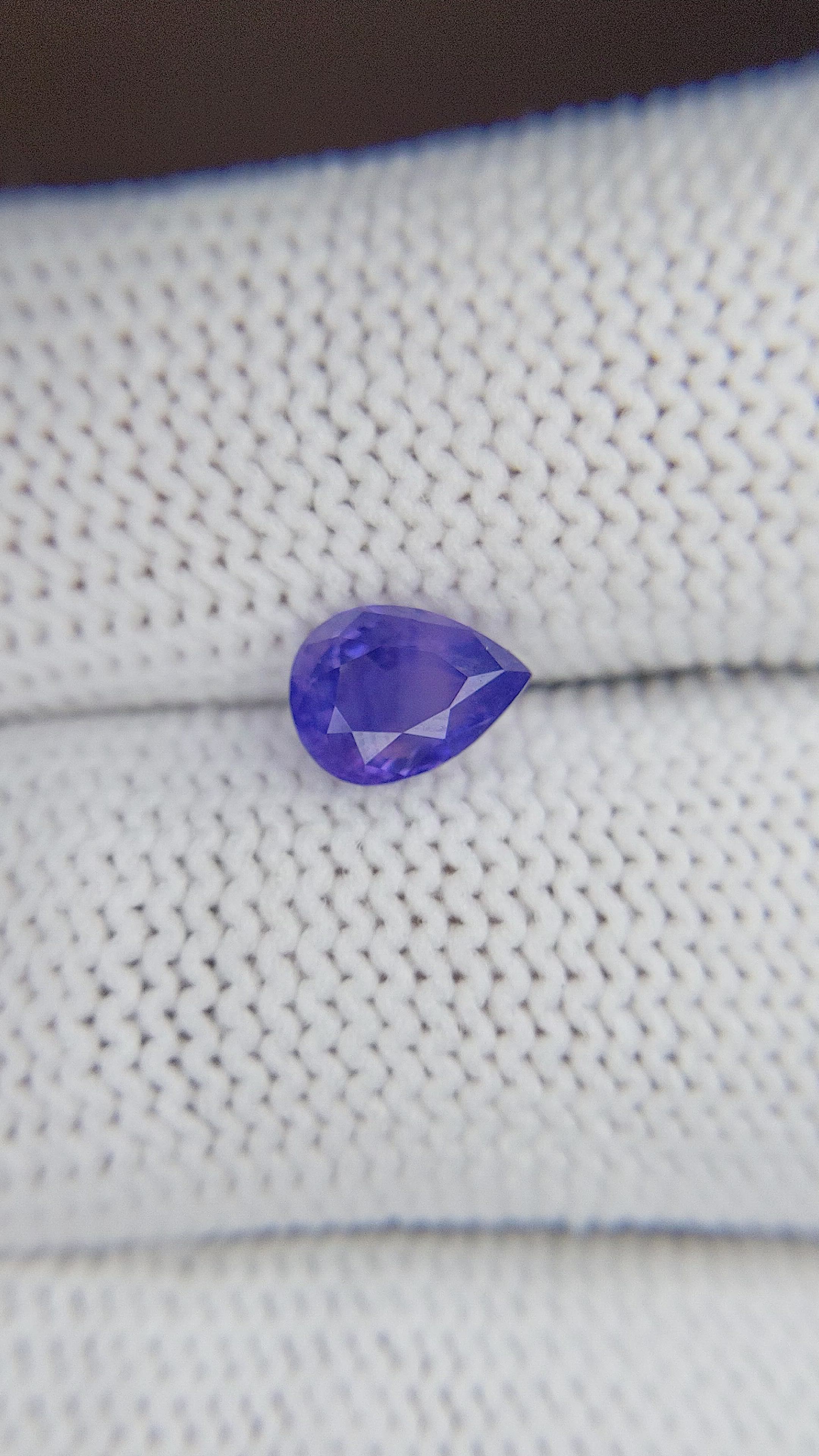
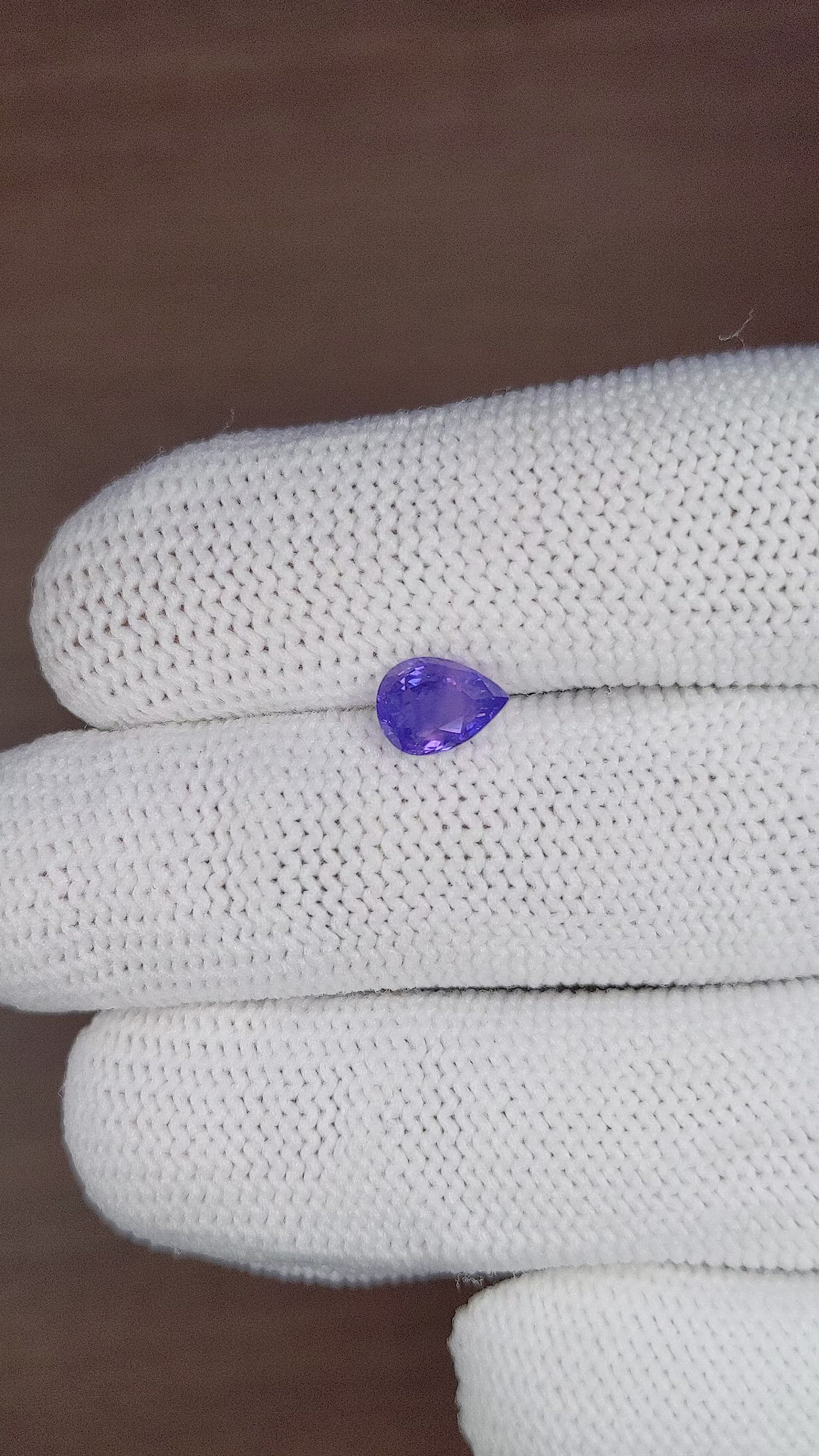
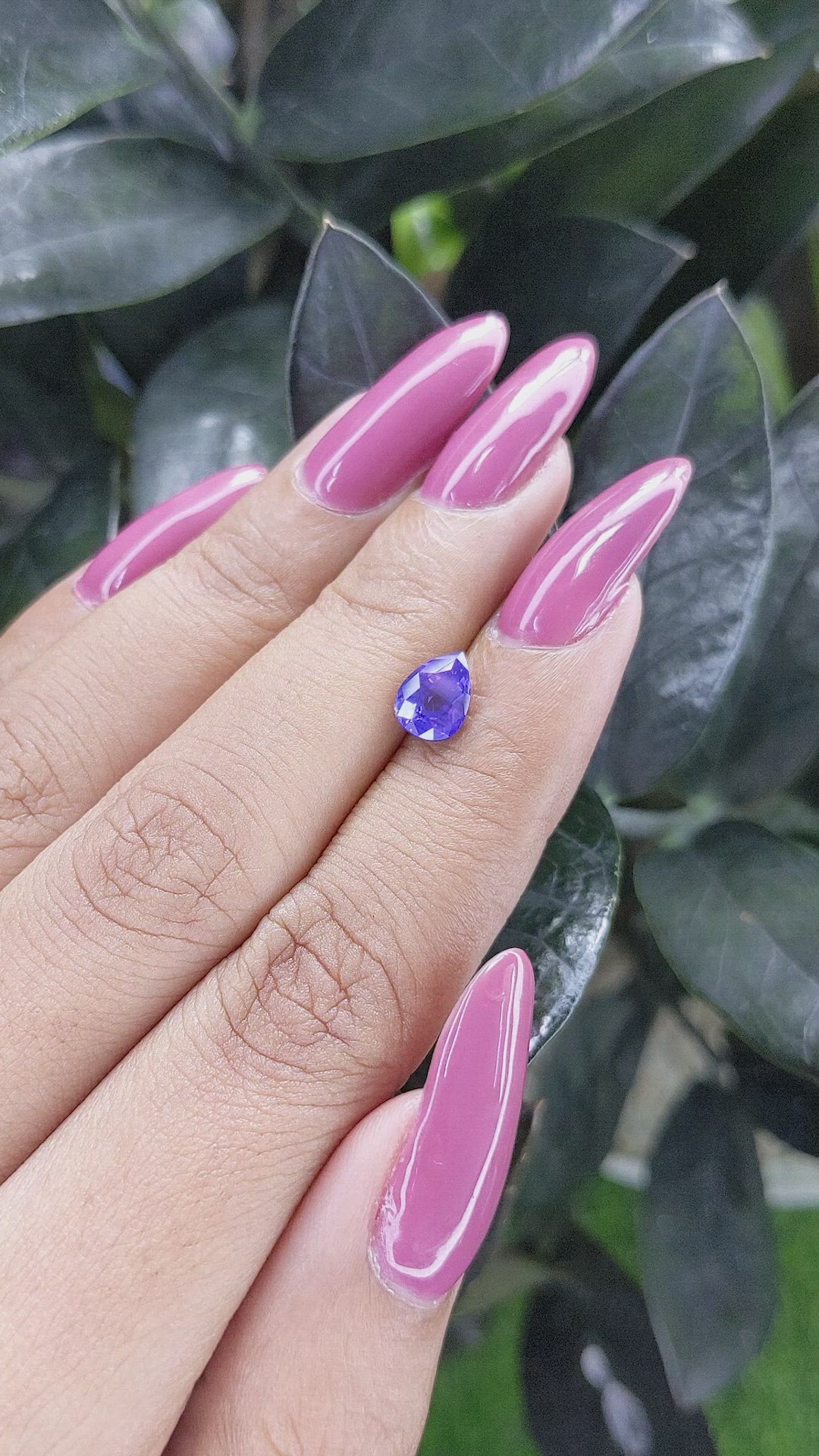
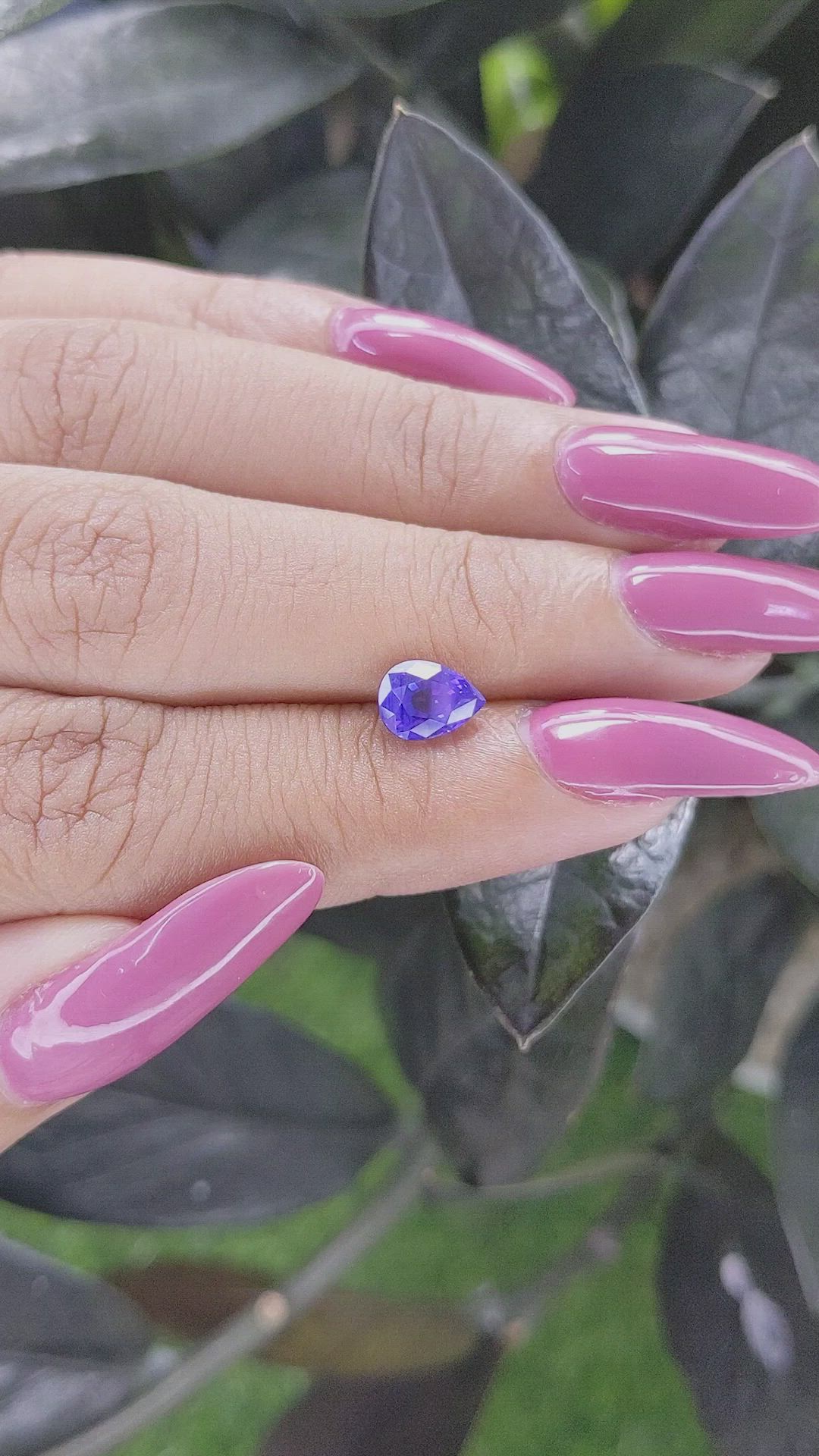


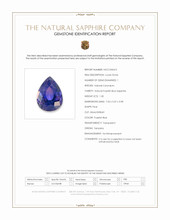
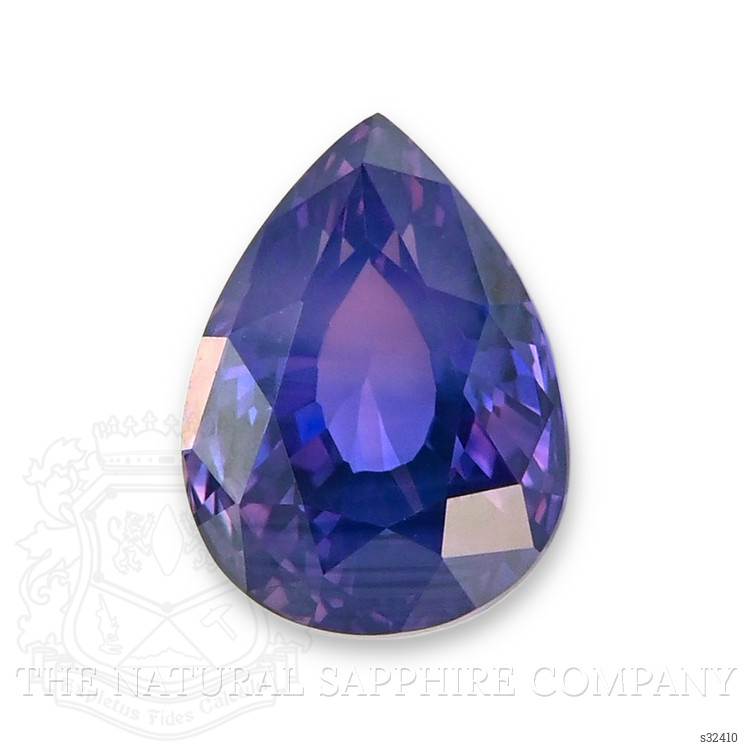
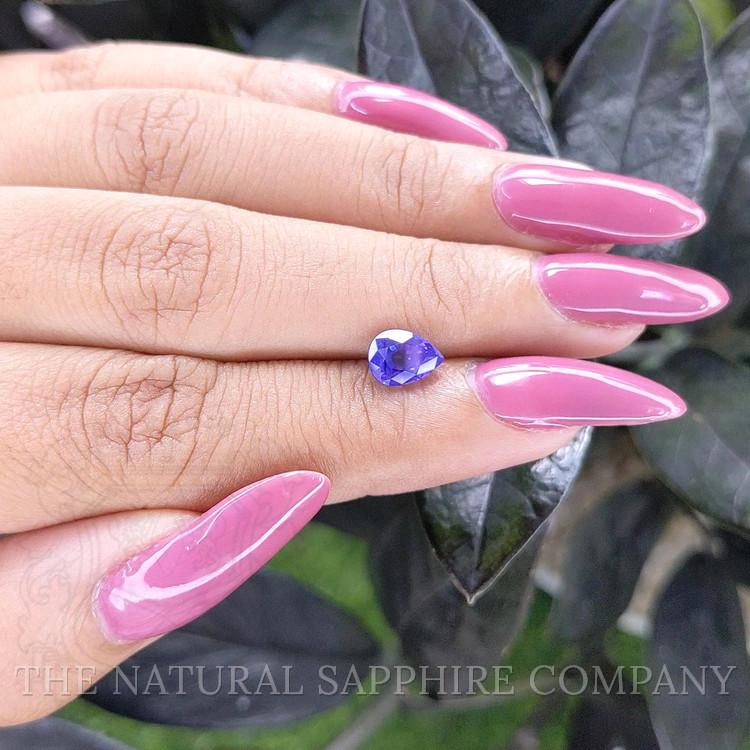
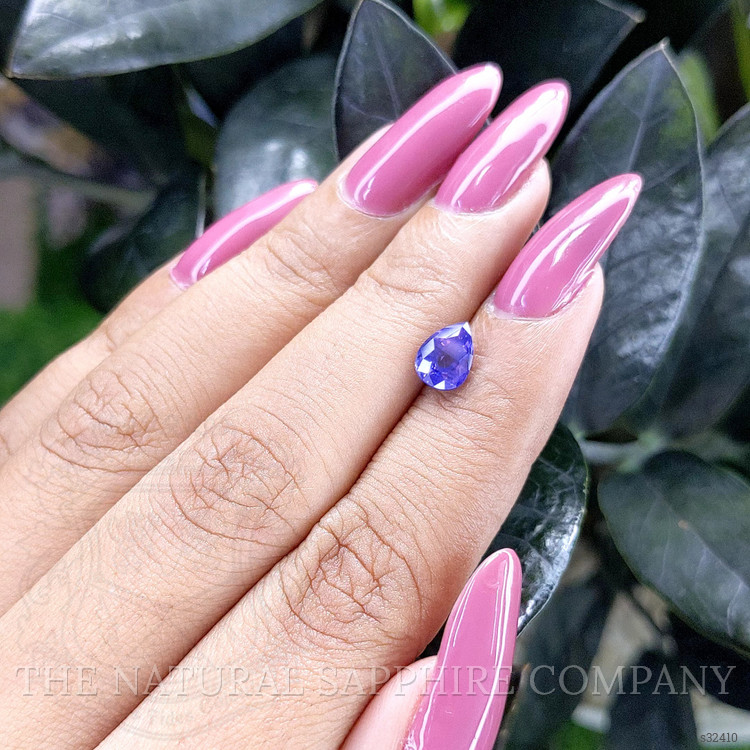


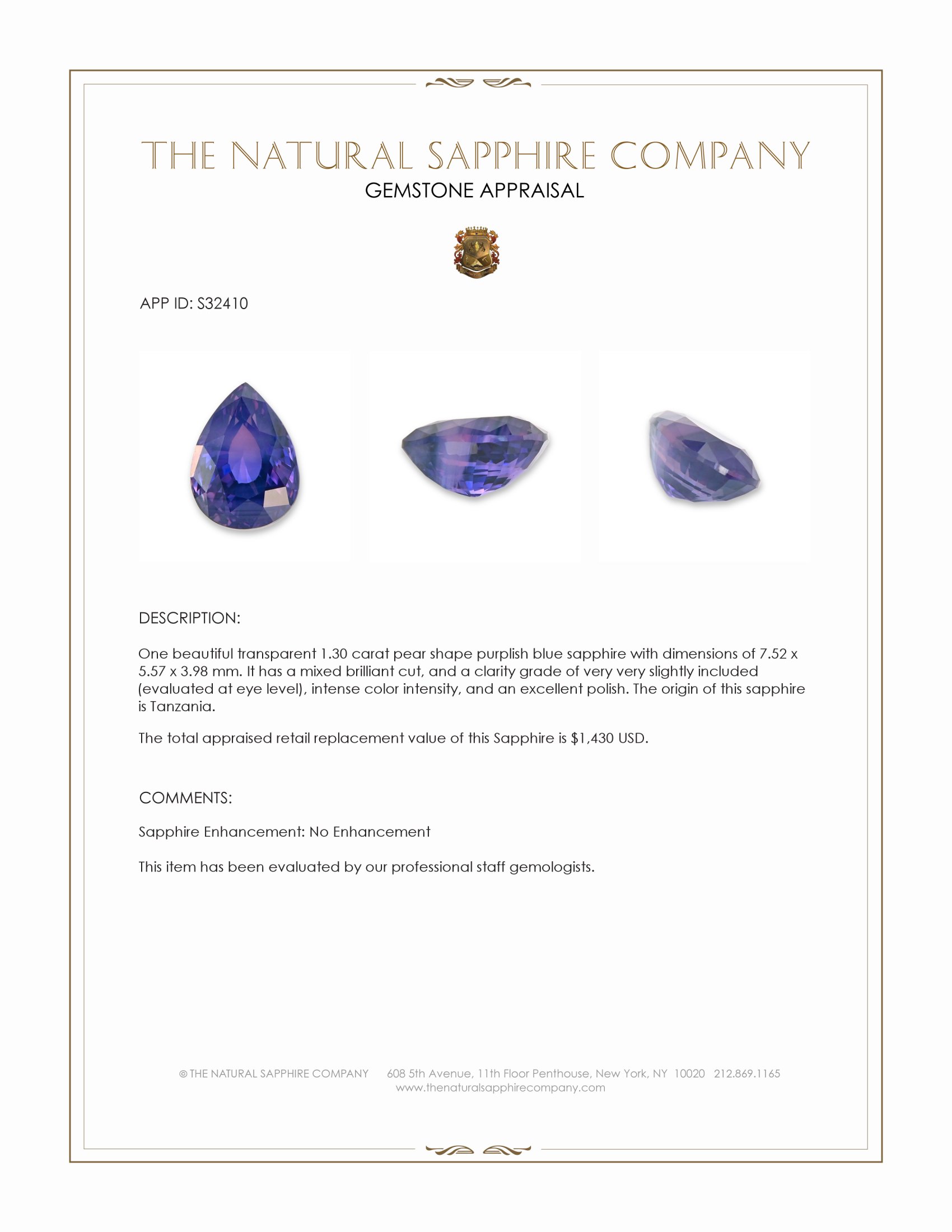
1.30 Ct. Purplish Blue Sapphire from Tanzania
This loose stone ships by Mar 6
Item ID: | S32410 |
|---|---|
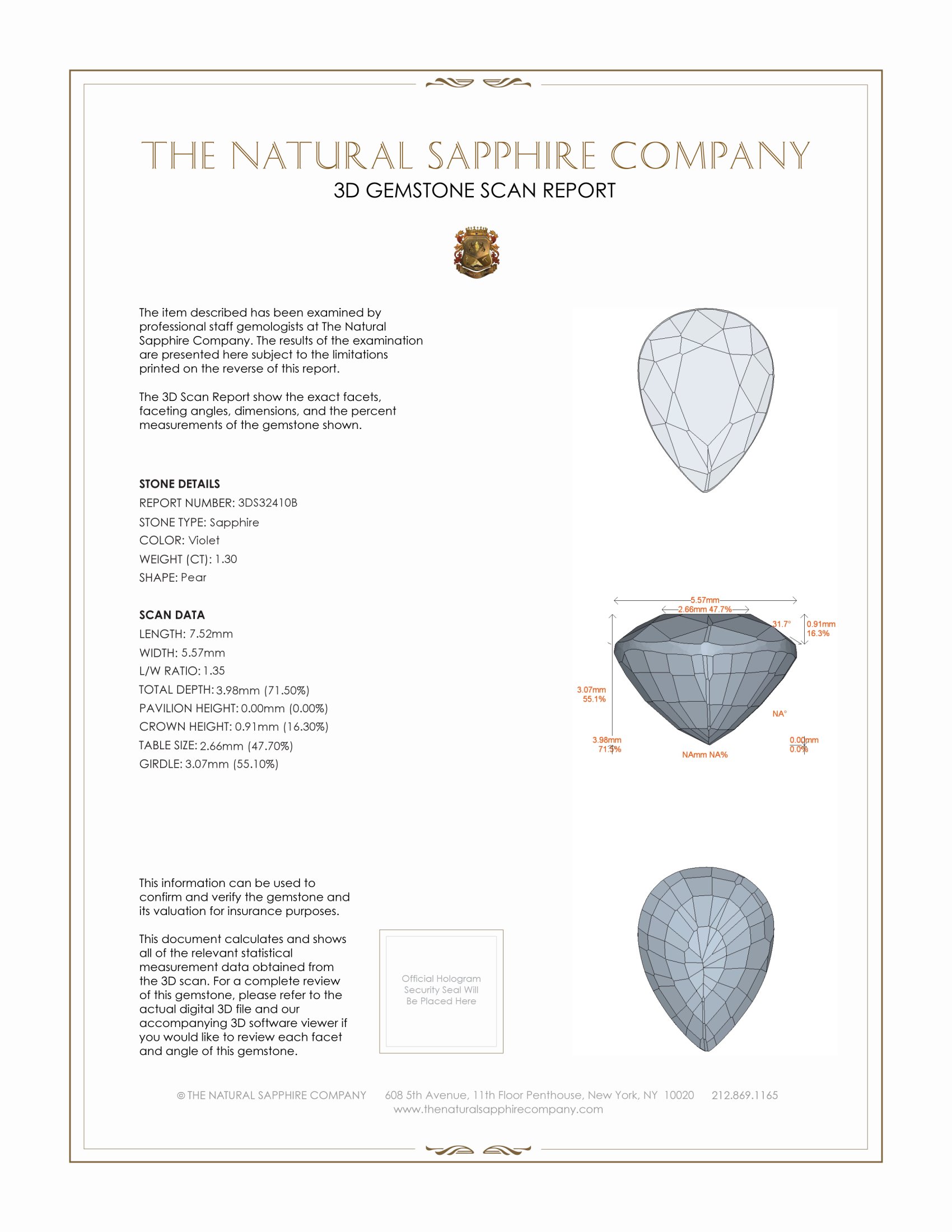
Dimensions (MM): help | Length: 7.52 Width: 5.57 Height: 3.98 |
Weight: | 1.30 Ct. |
Color: help | Purplish Blue |
Color intensity: help | Intense |
Clarity: help | Very Very Slightly Included |
Shape: help | Pear |
Cut: | Mixed Brilliant |
Cutting style: | Faceted |
Enhancements: help | No Enhancement |
Origin: help | Tanzania |
Per carat price: help | $1,100 |
One beautiful transparent 1.30 carat pear shape purplish blue sapphire, measuring 7.52 x 5.57 x 3.98 mm, offers a meticulous balance of proportion and brilliance. The mixed brilliant cut has been executed to maximize both table sparkle and pavilion depth, producing a lively scintillation while preserving the stone's intense color intensity. Evaluated at eye level with a clarity grade of very very slightly included, the sapphire presents exceptional transparency to the unaided eye, and an excellent polish enhances facet definition and light return. This example is free of enhancement, natural in every respect, and is documented as originating from Tanzania. The Natural Sapphire Company provides this gem with full disclosure of its specifications and provenance.
The internal characteristics of this sapphire form an unmistakable signature that is both diagnostic and aesthetically discreet. Under magnification the stone reveals a field of extremely fine silk, composed of rutile needles, that is so delicately dispersed that it softens light without obscuring clarity. Scattered within this very fine silk are a few isolated mineral crystal inclusions and minute negative crystals, each small and well seated, contributing to a subtle three dimensional texture that reads as depth rather than clutter. Growth zoning and faint oriented color banding, visible only with magnification and directional light, reflect the sapphire's natural crystallization environment in Tanzania and align with the stone's intense purplish blue hue. These features, together with rare microscopic healed fissures and straight growth lines, create a pattern that gemmologists and experienced observers recognize as characteristic of certain East African sapphires. Because the stone is unheated and unenhanced, these inclusions serve as reliable markers of natural formation rather than treatment artifacts. When faceted in a mixed brilliant style, the inclusions interact with facet geometry to produce a restrained internal shimmer and a sense of depth that enriches the face up appearance without compromising visual purity. For collectors and connoisseurs seeking an identifiable natural signature combined with superior cutting and polish, this Tanzanian sapphire presents a clear, verifiable profile that aligns with the standards upheld by The Natural Sapphire Company.


