
- Stone14
- Reports3

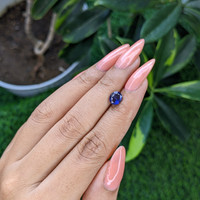


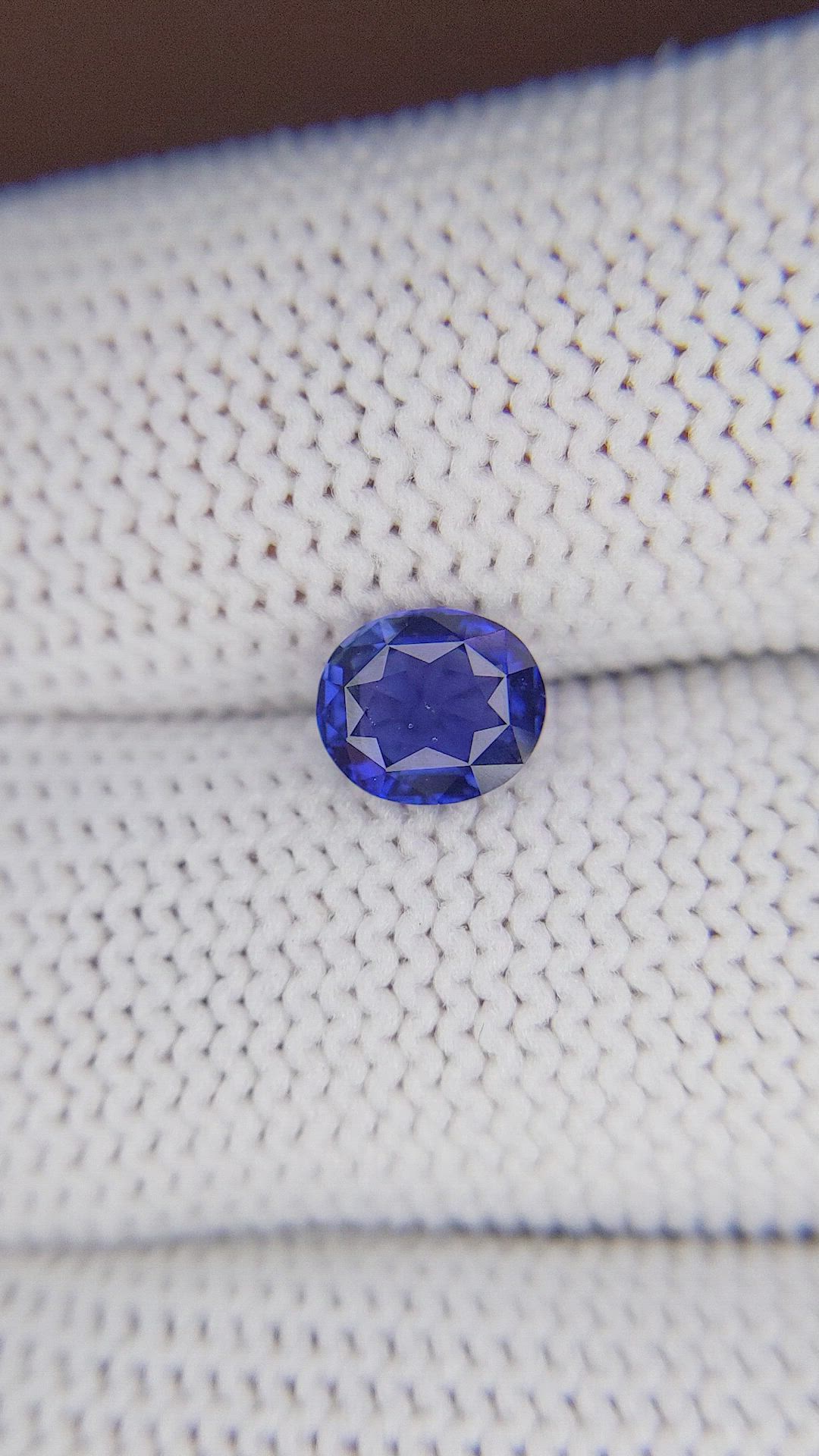
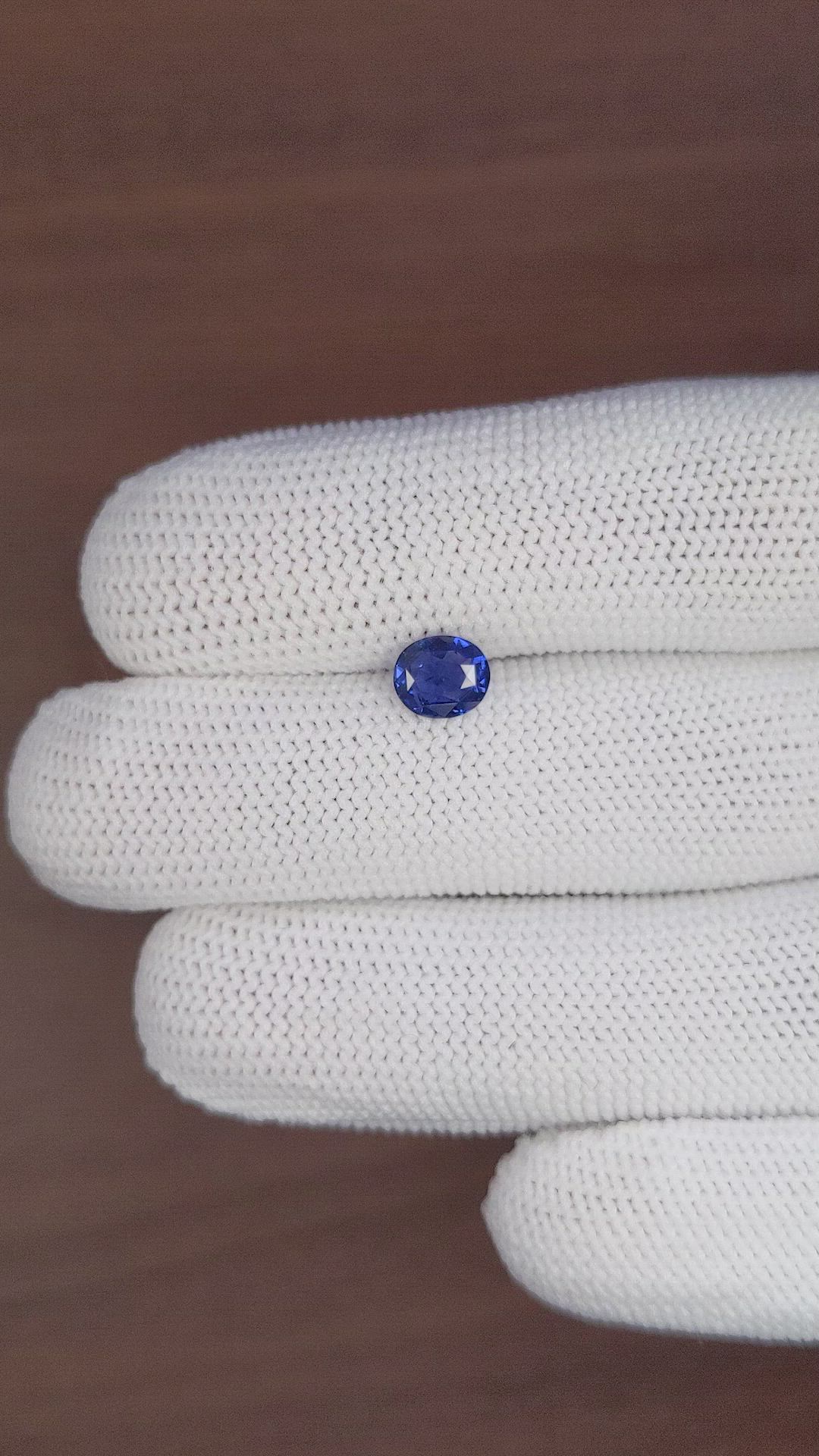
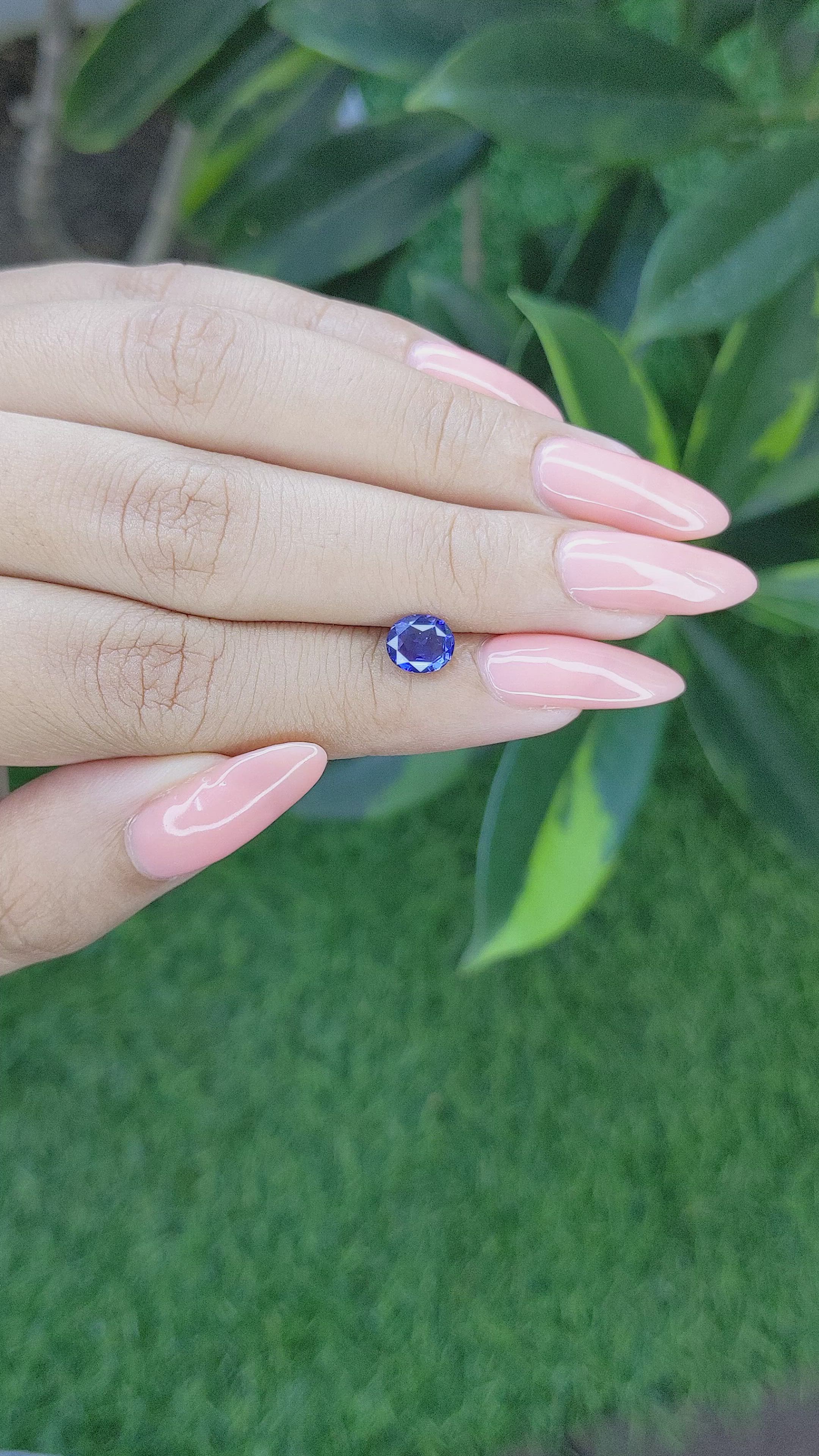
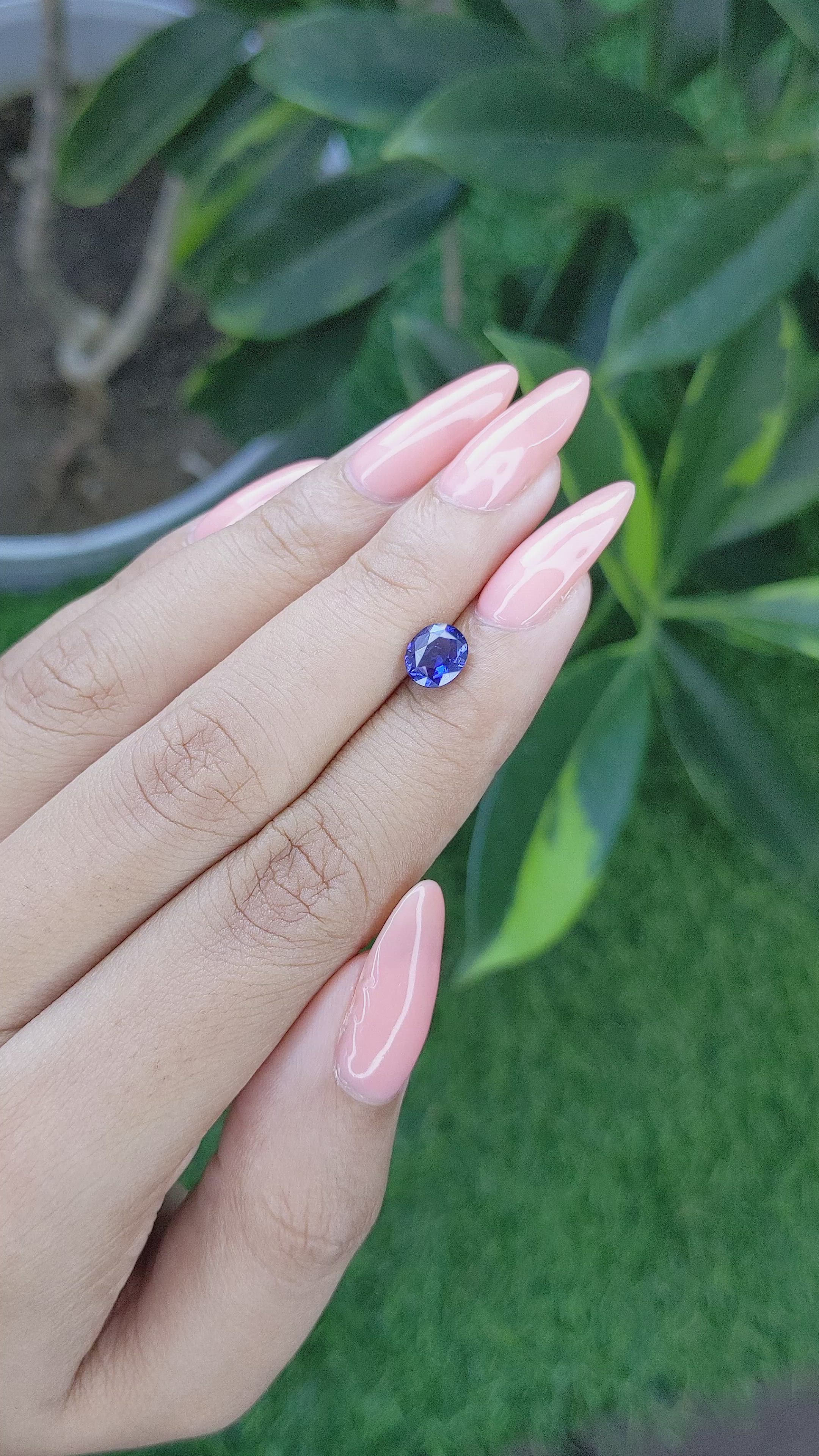
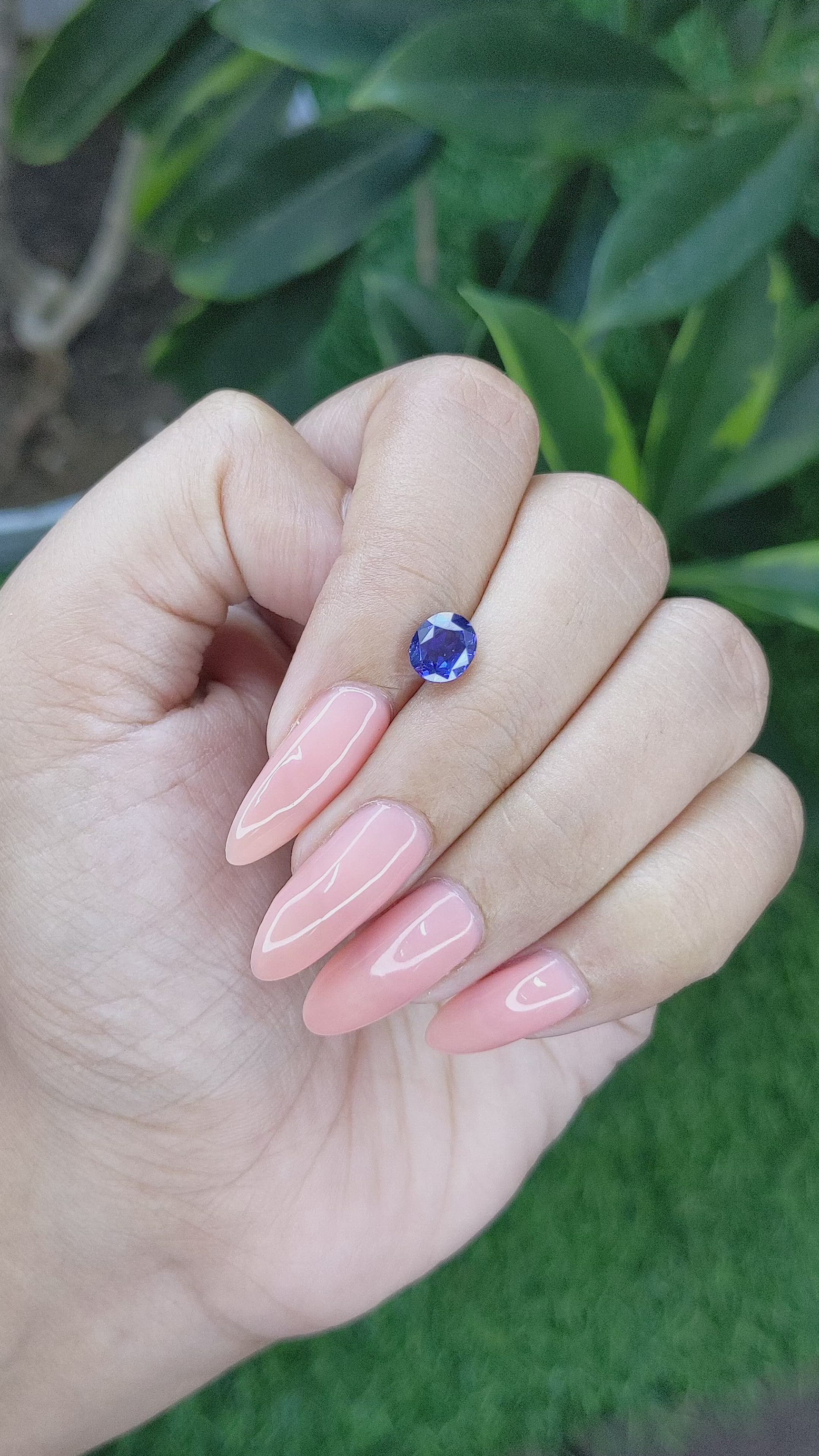


1.24 Ct. Blue Sapphire from Tanzania
This loose stone ships by May 14
Item ID: | S35001 |
|---|---|
Dimensions (MM): help | Length: 6.76 Width: 5.8 Height: 3.49 |
Weight: | 1.24 Ct. |
Color: help | Blue |
Color intensity: help | Vivid |
Clarity: help | Slightly Included |
Shape: help | Oval |
Cut: | Mixed Brilliant Cut |
Cutting style: | Faceted |
Enhancements: help | No Enhancement |
Origin: help | Tanzania |
Per carat price: help | $2,000 |
This is a beautiful transparent 1.24 carat oval shape blue sapphire, with dimensions of 6.76 x 5.80 x 3.49 mm, presented in a mixed brilliant cut that optimizes both scintillation and face up color. The oval proportions create a pleasing balance between spread and depth, the slightly elongated outline offering an elegant visual presence on a variety of mounting styles. The gem’s vivid color intensity is immediately compelling, a saturated blue that reads lively and deep under natural light, while the excellent polish allows for crisp facet junctions and superior light return. Importantly this sapphire has received a clarity grade of slightly included, evaluated at eye level, and is transparent to the unaided eye, so the overall appearance remains clean and bright. There has been no enhancement, the gem is untreated, and it is sourced from Tanzania, a locale known for producing sapphires with appealing tonal richness and character. At The Natural Sapphire Company we present this sapphire with full disclosure of its physical attributes so you can assess its aesthetic and gemological merits with confidence.
Clarity, cut, and polish are key determinants of how a sapphire performs visually, and this stone’s combination of mixed brilliant faceting and excellent polish translates to lively sparkle and strong face up color. The clarity grade slightly included evaluated at eye level means inclusions are minor and do not substantially distract from the gem’s appearance to the naked eye, while they can be useful indicators under magnification that the material is naturally formed. Slight inclusions often act as internal signatures of the crystal growth environment, and when few and well located they can actually help to moderate light transmission just enough to intensify perceived color. The mixed brilliant cut strategy blends the depth and fire characteristics of brilliant faceting with the color retention often associated with step influenced pavilion architecture, yielding a stone that looks vibrant from the table view and scintillates attractively in motion. Because the polish is excellent, facet surfaces are smooth and reflective, maximizing brilliance and allowing the vivid blue to read consistently across the crown.
Origin and treatment history matter greatly to educated buyers, and this sapphire’s Tanzanian origin contributes to its story and market appeal. Tanzanian sapphires are formed in a geologic context that yields stones with appealing color zoning and trace element profiles that produce rich blue tones, and when a sapphire is offered without enhancement, it preserves the intrinsic material characteristics that collectors prize. An untreated sapphire communicates rarity and authenticity, it means the intense blue is a product of the crystal’s natural chemistry and formation conditions, not the result of heat or diffusion manipulations. For buyers who value provenance The Natural Sapphire Company can provide transparency about source and can assist with independent gemological verification when desired, so you can see the corroborating details behind the stated origin and treatment. The combination of a clear treatment history, a recognized sourcing region, and documented physical measurements provides the factual foundation that sophisticated purchasers expect when evaluating a significant sapphire.
When comparing natural sapphires to lab grown alternatives it is important to separate practical considerations from long term value and rarity factors. Lab grown sapphires offer consistent color, lower price points, and clean clarity which make them attractive for fashion oriented uses and for those who prioritize cost efficiency. Natural sapphires such as this Tanzanian 1.24 carat oval, untreated, vivid blue example offer attributes that lab grown material cannot replicate, namely natural formation history, unique internal features that attest to geologic provenance, and the scarcity that supports ongoing collector and investor interest. Slight inclusions and natural zoning patterns act as verifiable fingerprints of a natural origin, they are not defects in the same sense as a durability issue, but rather proof of nature’s complex processes. For the educated buyer who values rarity, traceable origin, and the preservation of natural material without enhancement, natural untreated sapphires typically command a premium and can retain desirability in secondary markets where origin and treatment disclosures are increasingly important. At The Natural Sapphire Company we focus on sourcing and presenting natural sapphires with clear documentation and ethical provenance, because for many purchasers the story behind the stone is as important as the stone itself, and because a well chosen natural sapphire can be both a personal treasure and a responsibly considered asset.


