
- Stone6
- Reports3
-pear-blue-sapphire-1.1800-cts-s39459-1.jpg?d=200x200&v=20260326112231)


-pear-blue-sapphire-1.1800-cts-s39459-1.jpg?d=750x750&s=nsc&v=20260326112231)


1.18 Ct. Blue Sapphire from Ceylon (Sri Lanka)
This loose stone ships by Apr 24
Item ID: | S39459 |
|---|---|
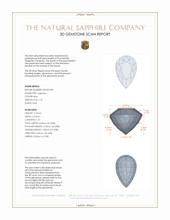
Dimensions (MM): help | Length: 7.74 Width: 4.94 Height: 4.02 |
Weight: | 1.18 Ct. |
Color: help | Blue |
Color intensity: help | Light |
Clarity: help | Very Slightly Included |
Shape: help | Pear |
Cut: | Mixed Brilliant |
Cutting style: | Faceted |
Enhancements: help | No Enhancement |
Origin: help | Ceylon (Sri Lanka) |
Per carat price: help | $600 |
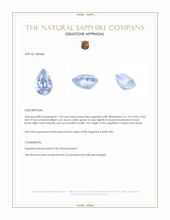
One transparent 1.18 carat pear shape blue sapphire from Ceylon, Sri Lanka, offers a refined balance of size and presence, measuring 7.74 x 4.94 x 4.02 millimeters, cut in a mixed brilliant style, with a clarity described as very slightly included when evaluated at eye level, a light color intensity, and an excellent polish. This sapphire is entirely natural and untreated, no enhancement, which immediately sets it apart from the majority of material on the market that has received heat treatment to alter color or clarity. At The Natural Sapphire Company we select stones where the intrinsic beauty is revealed by expert cutting and finishing, and this stone demonstrates that philosophy in every facet. The pear shape creates an elegant silhouette that flatters many mounting styles, and the mixed brilliant cut is designed to maximize the gem to catch light and return lively scintillation, making the light blue hue appear both clear and vibrant under most lighting conditions. For buyers who seek authenticity and refined craftsmanship, this Ceylon sapphire offers a rare combination of natural origin, precise cutting, and a light tone that reads as graceful and modern rather than heavy or traditional.
When comparing the hue and tone of this Ceylon sapphire to gemstones from other famous locations, the contrasts help define its appeal and personality. Classic Kashmir sapphires are legendary for a deep cornflower blue with a soft velvety tone that seems to glow from within, a look produced by characteristic silk inclusions and exceptional blue saturation, and those stones often sit at the high end of the market. Burmese, or Myanmar, sapphires tend to show a richer, more saturated royal blue that leans toward medium to dark tones, which command strong desirability for their intensity. Madagascar sapphires present a wide range of hues and can mimic either Ceylon or Burmese color profiles depending on the deposit, but many Madagascar stones are medium in tone with a brisk brightness. Montana sapphires from the United States exhibit a cooler, often steelier blue, sometimes with teal undertones, and Australian sapphires are known for deeper inky blue and greenish tones. Against these well known sources, the Ceylon stone here reveals a lighter, airier blue, where the hue sits cleanly on the cerulean to cornflower side, and the tone is light enough to feel luminous and delicate. That difference matters because it defines how the stone wears, how it pairs with different metals and gemstones, and what aesthetic it communicates, and for buyers who prefer a softer, more ethereal blue, this Ceylon sapphire offers a distinctive alternative to the denser blues of Kashmir and Burma.
A direct comparison of hue and tone reveals practical implications for value and design choices that often get overlooked. The very slightly included clarity grade of this gem when viewed at eye level is a positive attribute for everyday jewelry because it means the gem looks clean to the unaided eye while retaining natural inclusions that attest to its authenticity and origin. Many stones on the market are heat treated to improve both hue and tone and to reduce the apparent visibility of inclusions, but that process changes the stone from its natural state and can affect long term value. An unenhanced Ceylon sapphire like this one typically offers superior provenance and rarity compared to treated material, and it allows connoisseurs to acquire genuine color character that originates in the earth rather than in a laboratory. In practical comparison, a deep Burmese sapphire may show more initial pop and command a higher price per carat because of its saturation, yet that intensity can make the gem read as heavier or more formal. Conversely, the light tone of this Ceylon sapphire provides versatility for contemporary settings where subtlety and brightness are desired, and the mixed brilliant cut enhances return of light so that the stone maintains a lively face up appearance rather than appearing washed out. The excellent polish contributes to crisp facet junctions and maximum brilliance, which in many cases translates to perceived value that exceeds the simple carat weight.
For a discerning buyer seeking a balance of rarity, beauty, and practical wearability, this pear shaped Ceylon sapphire represents a compelling choice and a strong value proposition compared to many market alternatives. The size is substantial enough to serve as a centerpiece for an engagement ring or pendant, while the measurements make it adaptable for bespoke design work that emphasizes elongation or teardrop silhouettes. Compared with stones from other famous localities the key differentiator is natural, untreated color. Collectors who prize Kashmir or Burmese material often do so for saturation and historical prestige, but those pieces are rare and command premium pricing. Madagascar and Australian sapphires offer variety, and Montana stones offer unique North American provenance, yet many of those stones are found with different tones that may not suit every design. Our sapphire brings a fresh, light filled blue that is both timeless and modern, and at The Natural Sapphire Company we can provide guidance on settings and pairings that will highlight the gem without overpowering it. Provenance documentation accompanies the stone to assure buyers of its Ceylon origin and treatment status. For those who prefer a stone that reads as naturally beautiful, finely cut, and competitively valued against the more saturated and highly priced material from other famous sources, this Ceylon pear shape blue sapphire is an exceptional and immediately wearable option.


