
- Stone14
- Reports3
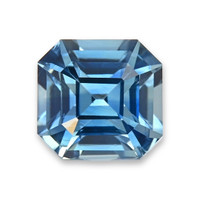
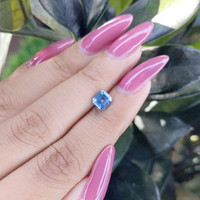
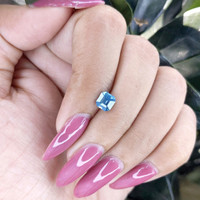
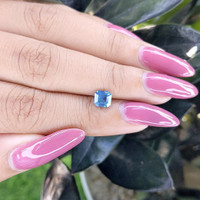
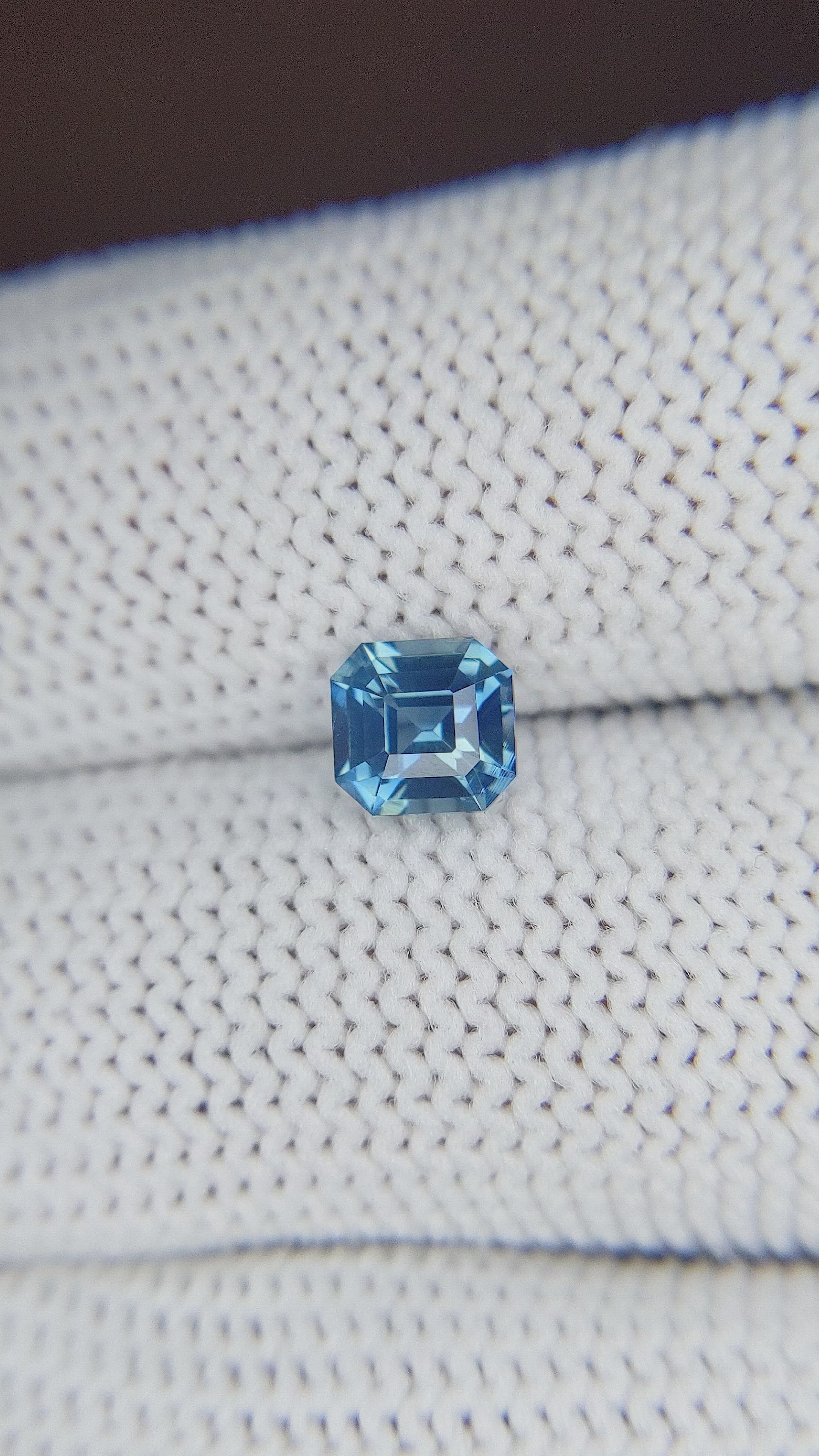
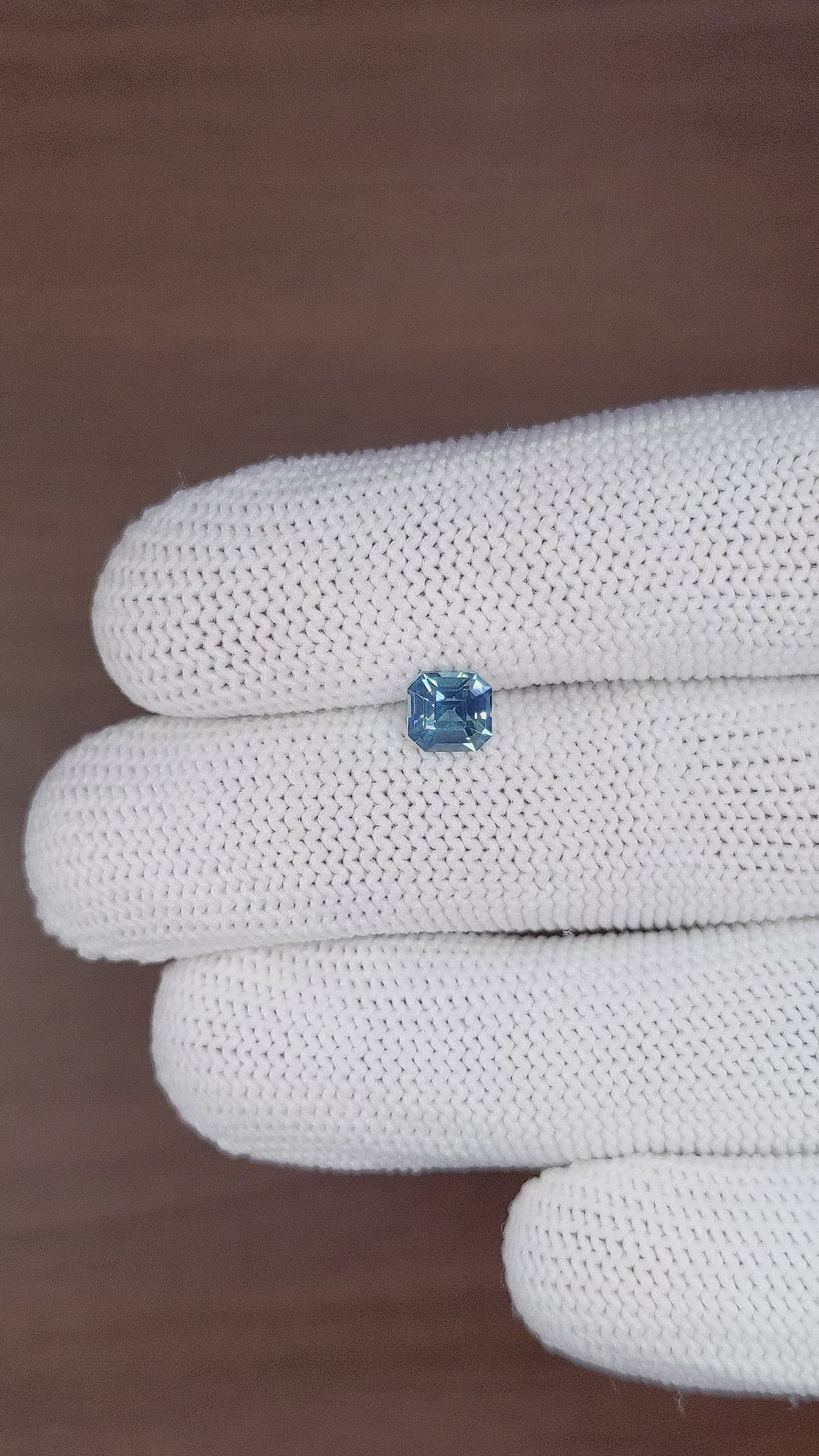
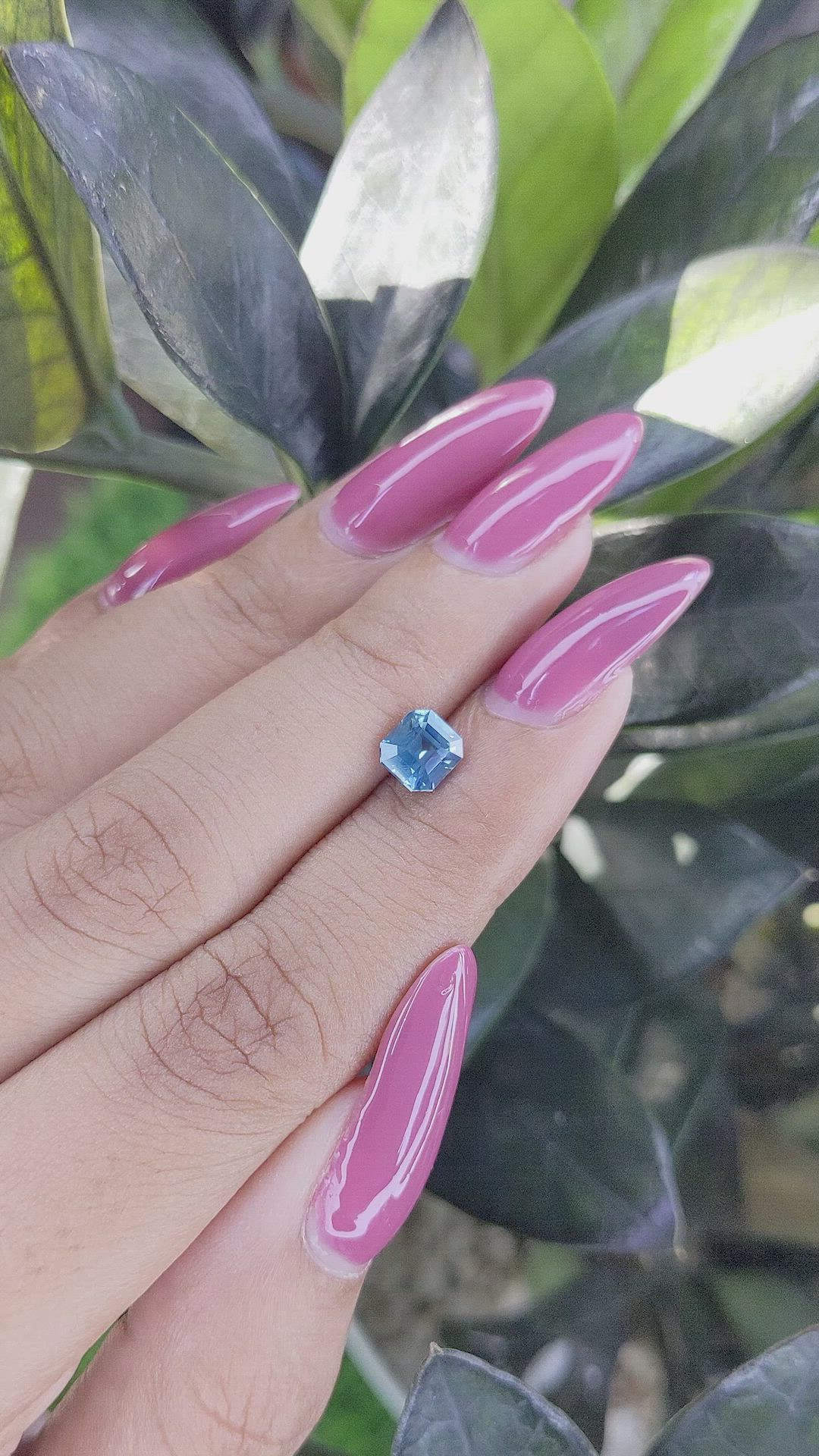
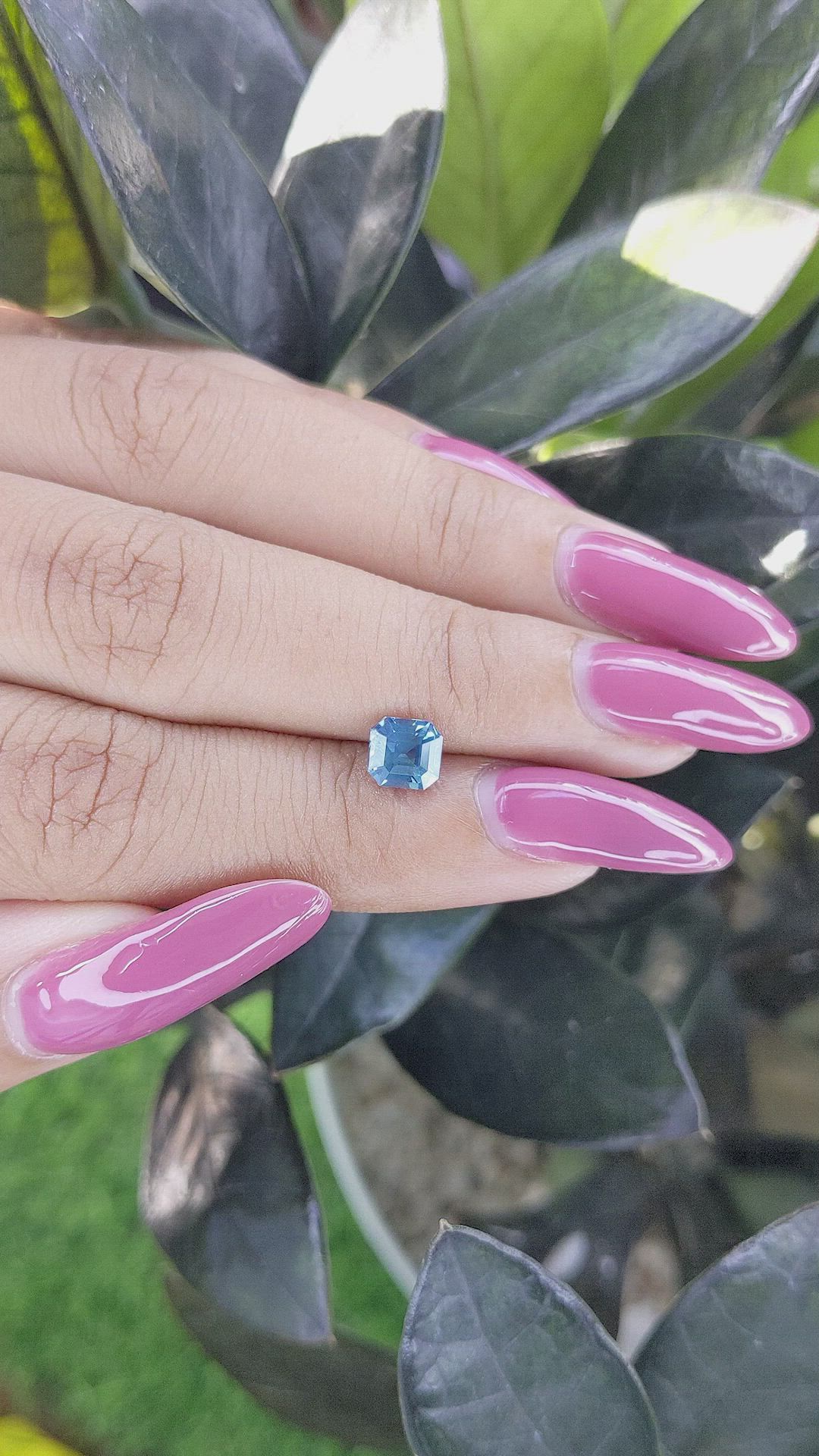
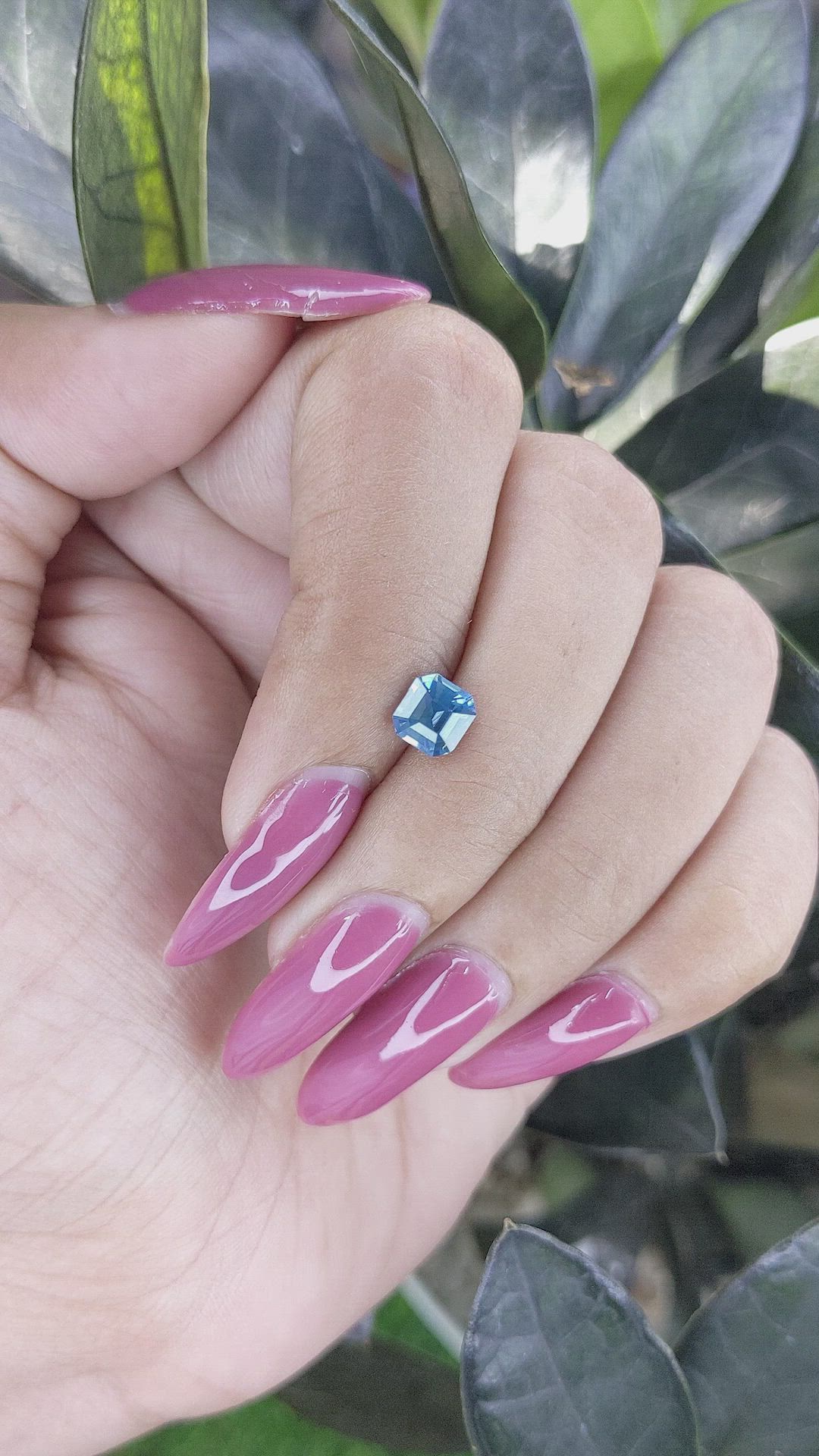



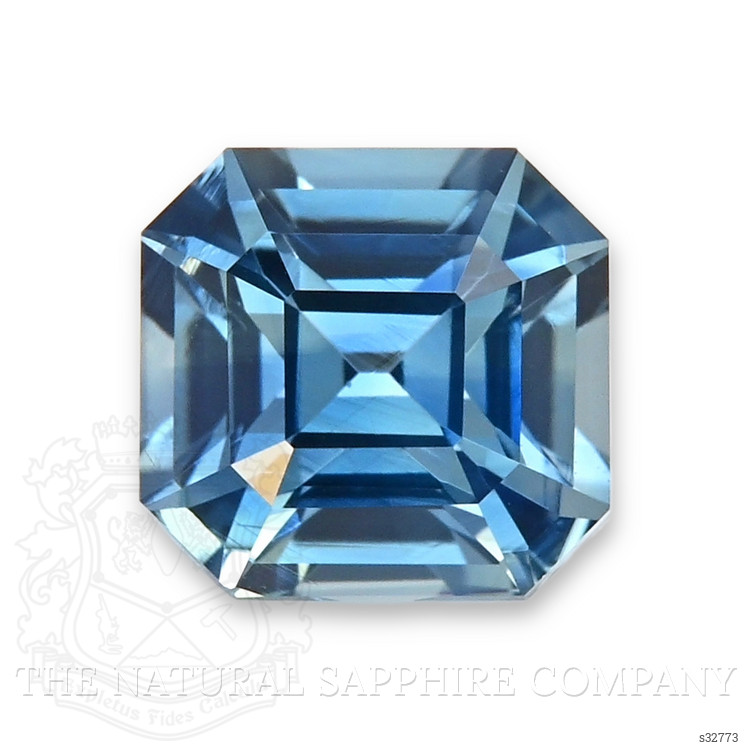
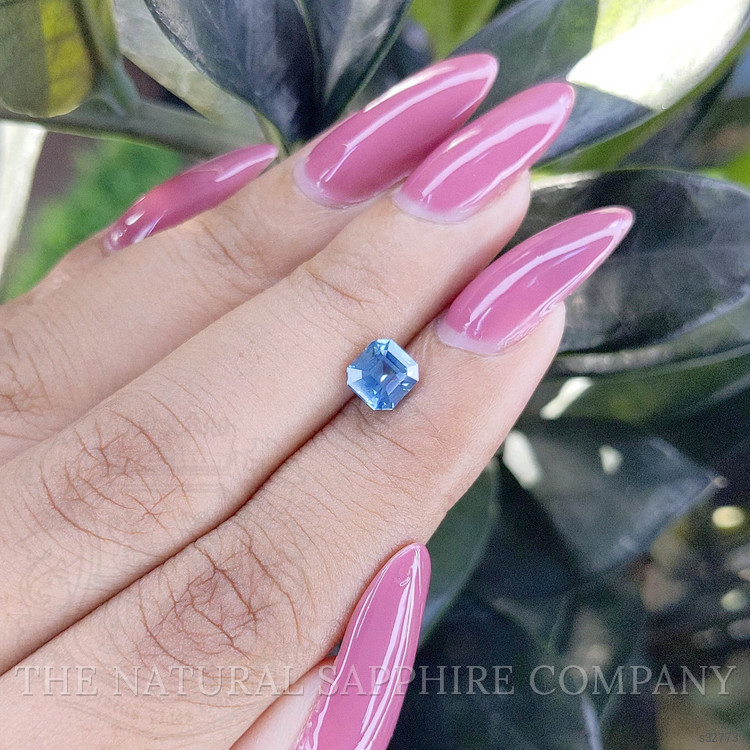
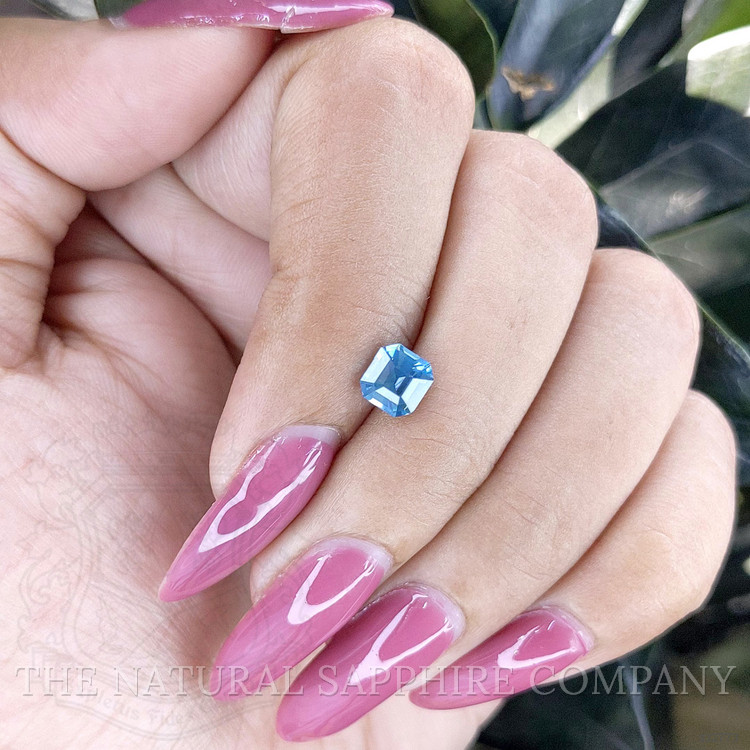
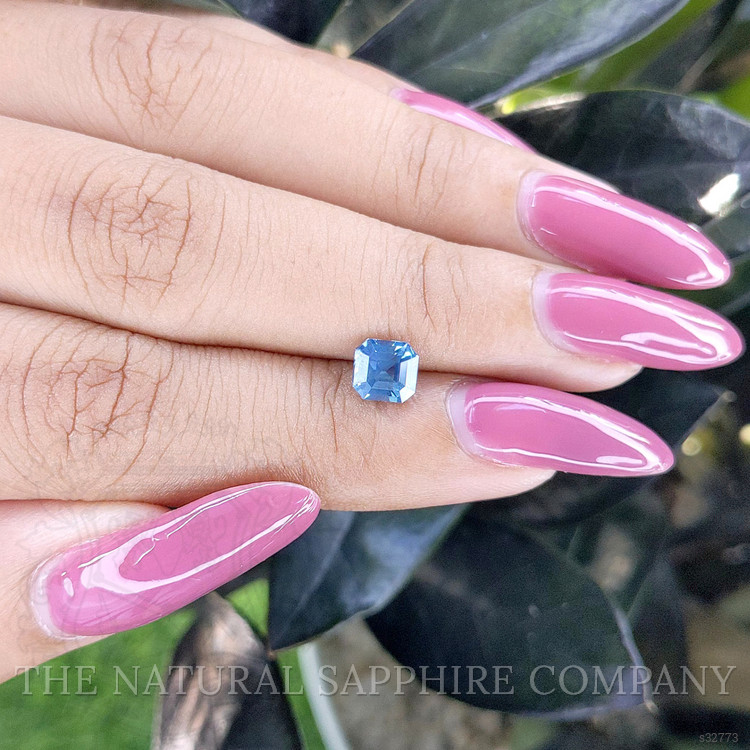



1.17 Ct. Blue Sapphire from Madagascar
This loose stone ships by Apr 19
Item ID: | S32773 |
|---|---|
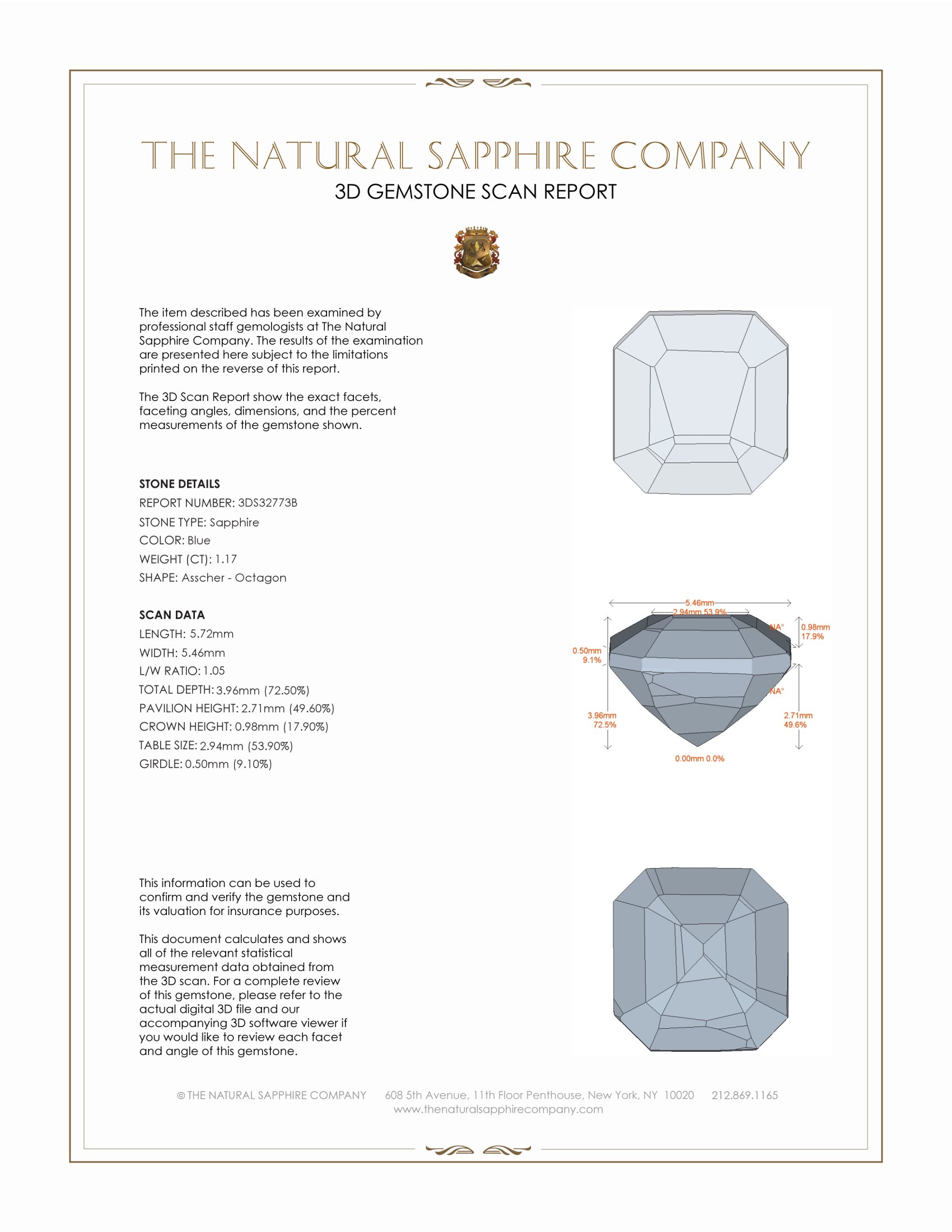
Dimensions (MM): help | Length: 5.72 Width: 5.46 Height: 3.96 |
Weight: | 1.17 Ct. |
Color: help | Blue |
Color intensity: help | Intense |
Clarity: help | Eye Clean |
Shape: help | Asscher - Octagon |
Cut: | Asscher |
Cutting style: | Faceted |
Enhancements: help | No Enhancement |
Origin: help | Madagascar |
Per carat price: help | $1,000 |
This 1.17 carat asscher-octagon blue sapphire from Madagascar presents a balanced combination of precision cutting and natural color. The stone measures 5.72 by 5.46 by 3.96 millimeters, and its asscher cut, with step facets and cropped corners, produces a disciplined, geometric light pattern that favors clarity and color depth. Evaluated as eye clean at normal viewing distance, the gem displays no visible inclusions to the naked eye, an attribute particularly important for step-cut stones where inclusions can be more apparent. The color intensity is described as intense, indicating strong saturation and medium to deep tone, which gives the sapphire a vivid, rich blue that maintains presence even under varied lighting. The polish is excellent, ensuring smooth facet junctions and a crisp optical finish. Importantly, this sapphire has no enhancement, remaining in its natural state, and its provenance is Madagascar, a source known for producing vivid, high-quality blue sapphires. As with all corundum, its hardness of nine on the Mohs scale makes it well suited to daily-wear designs such as rings, pendants, and bracelets, provided standard protective mounting practices are applied.
In a custom piece the asscher-octagon form reads as both contemporary and subtly vintage, and it pairs most naturally with accent stones that complement the step-cut geometry or introduce contrast through brilliant facets. For a classic engagement ring, a twin-shoulder design using tapered baguette diamonds or step-cut trapezoids on each side emphasizes the linear facet architecture and preserves the asscher’s clean visual planes. Two tapered baguettes approximately 0.10 to 0.20 carat each, set in a low-profile transition from the center stone, will maintain the focal weight of the sapphire while adding measured white light return. A thin halo of small brilliant round diamonds, if desired, can be used instead to increase scintillation without competing with the asscher’s internal color. For prong configurations, a four- or eight-prong setting with well-placed corner prongs that follow the cropped corners of the octagon will protect the stone while allowing light entry to sustain color saturation. Platinum or 18 karat white gold provides a neutral, cool backdrop that intensifies the sapphire’s blue, while 18 karat yellow or rose gold will warm the overall presentation, introducing a classic, heirloom tone.
For designs that explore color harmony rather than purely accenting with diamonds, consider pairing the Madagascar blue with green or pink stones to create lively complementary palettes. A row of small tsavorite garnets or emeralds in round or baguette cuts produces a vivid blue-green contrast, which reads particularly well in a three-stone layout or as tapered side stones. Pink sapphires or well-matched spinels in soft rose tones offer a refined, feminine gradient when set as melee or as small shoulder stones, and they are durable enough for everyday wear when properly mounted. When choosing sizes, keep the center proportions in mind; for example, two side stones of 0.20 to 0.40 carat total weight each will give a balanced visual mass against a 1.17 carat center without overpowering the asscher’s stepped planes. For a pendant, a bezel with an open gallery will secure the octagonal profile and allow the depth of color to read strongly when suspended, while a halo of mixed cut accent stones can add a modern texture contrast between step and brilliant facets.
The Natural Sapphire Company frequently works with clients to tailor these combinations to personal taste and lifestyle, taking into account finger size, setting height, and metal preference to achieve an enduring result. Given the asscher cut’s emphasis on internal clarity and color, settings that allow light to enter through the crown and pavilion are recommended to showcase the stone’s intense hue. For clients seeking a more restrained aesthetic, a solitaire with a delicate rail or knife-edge shank will convey architectural simplicity and place the sapphire at center stage. For a bolder statement, consider channel-set shoulders with alternating small diamonds and colored sapphires for a rhythmic, jewel-like band. Each of these approaches respects the gem’s natural attributes, your design intent, and practical considerations for wear, producing a custom piece that highlights the clarity, intense color, and untreated origin of this Madagascar asscher-octagon sapphire.


