
- Stone14
- Reports3


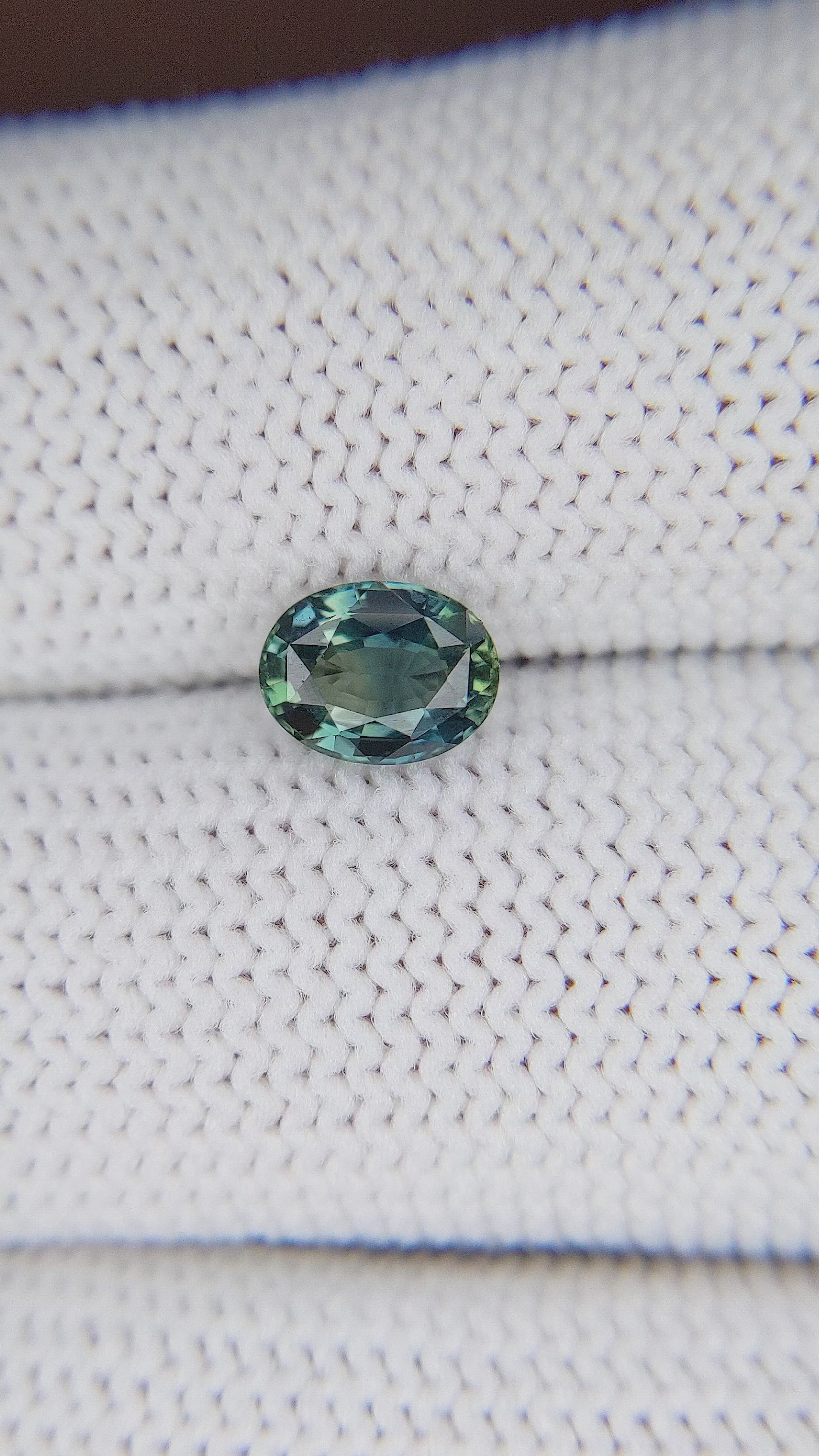
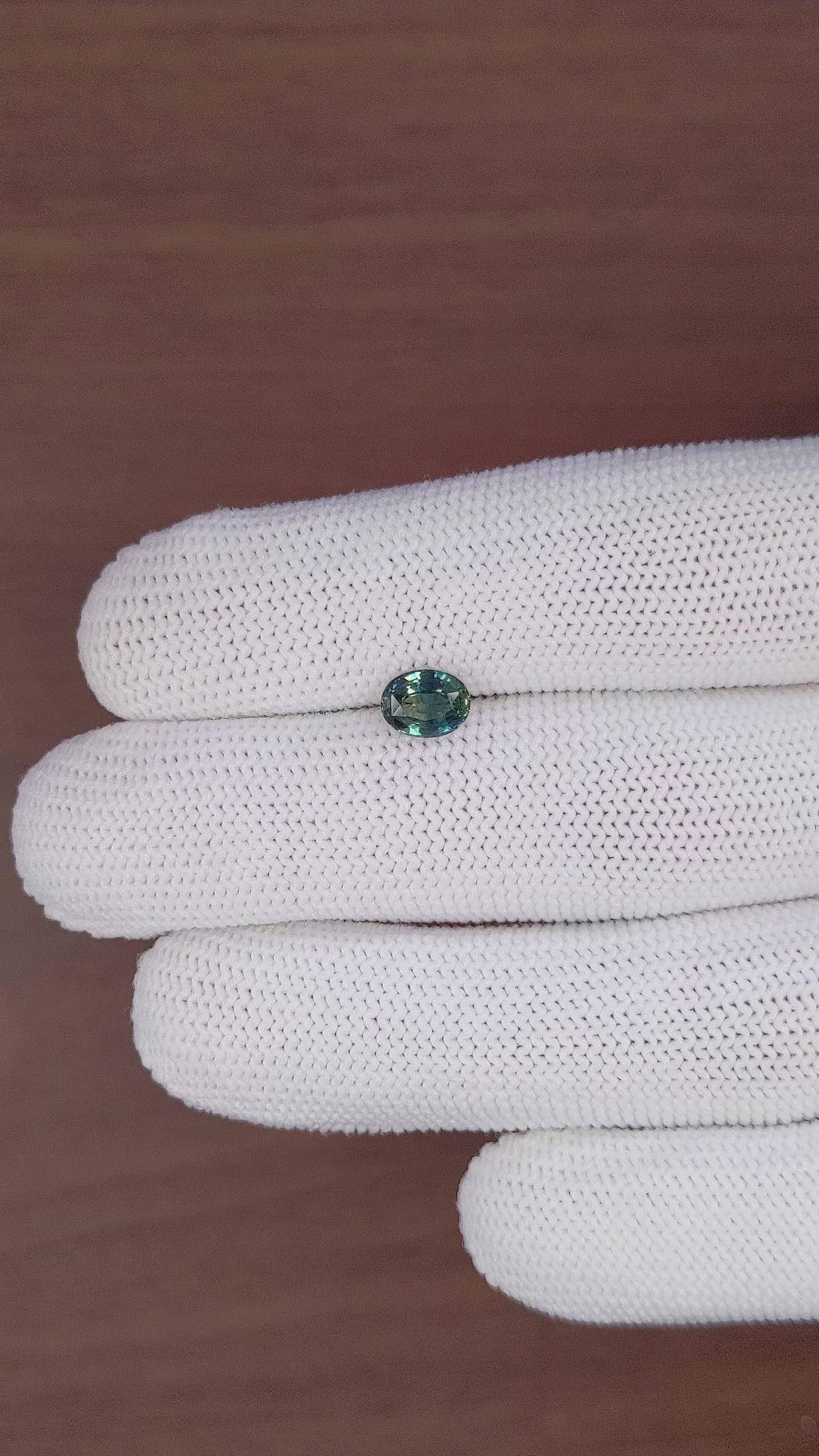
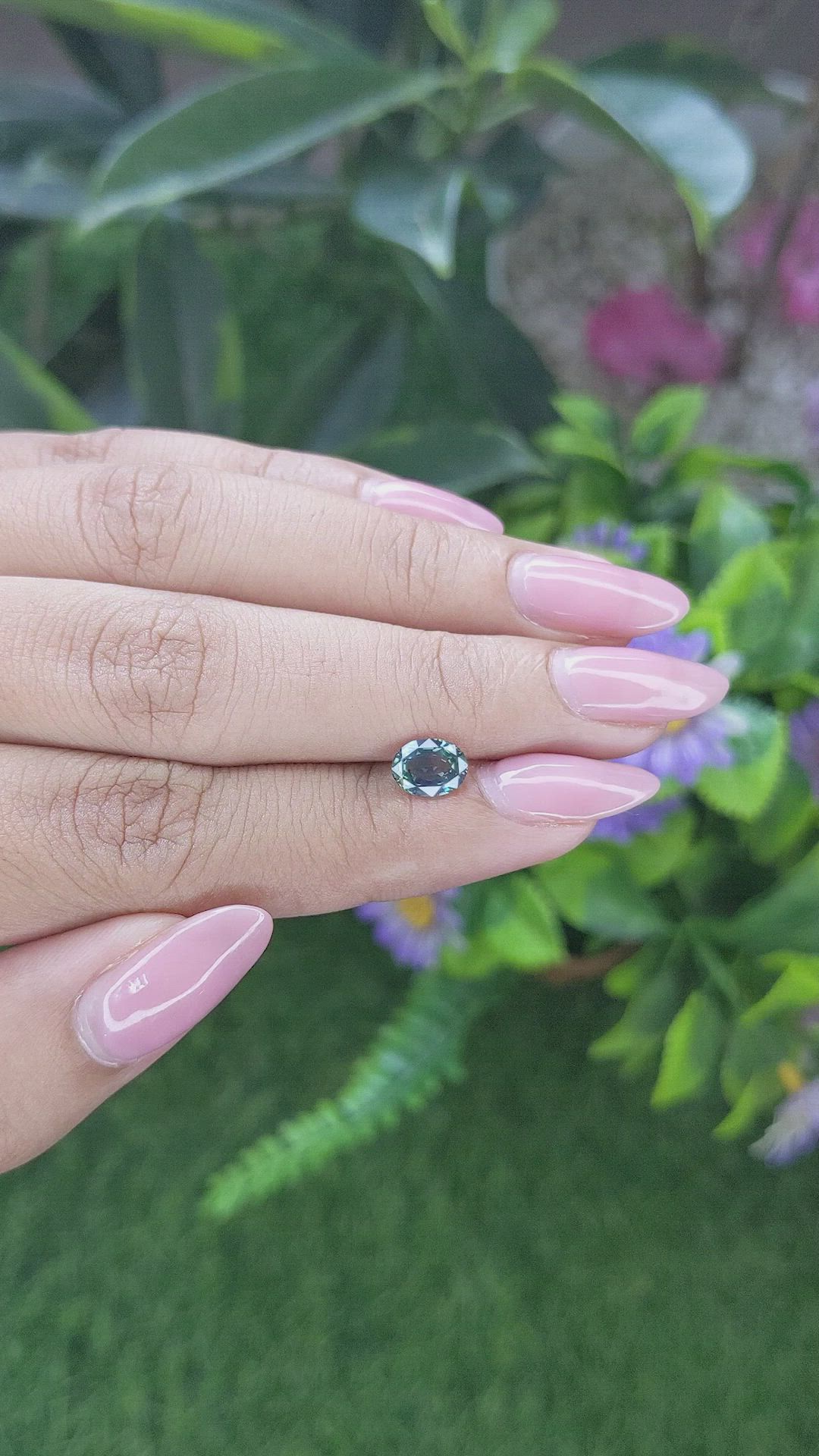
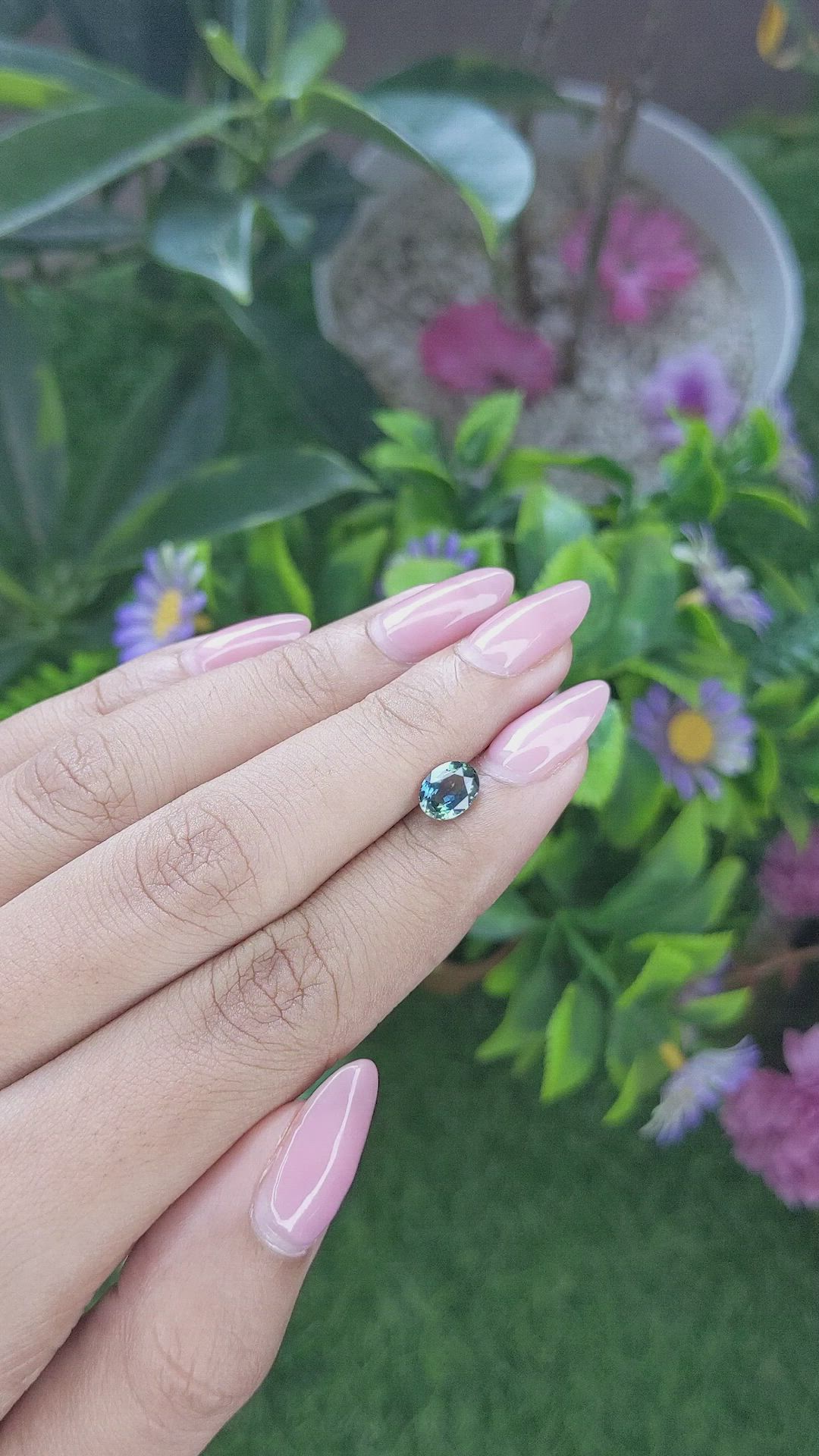
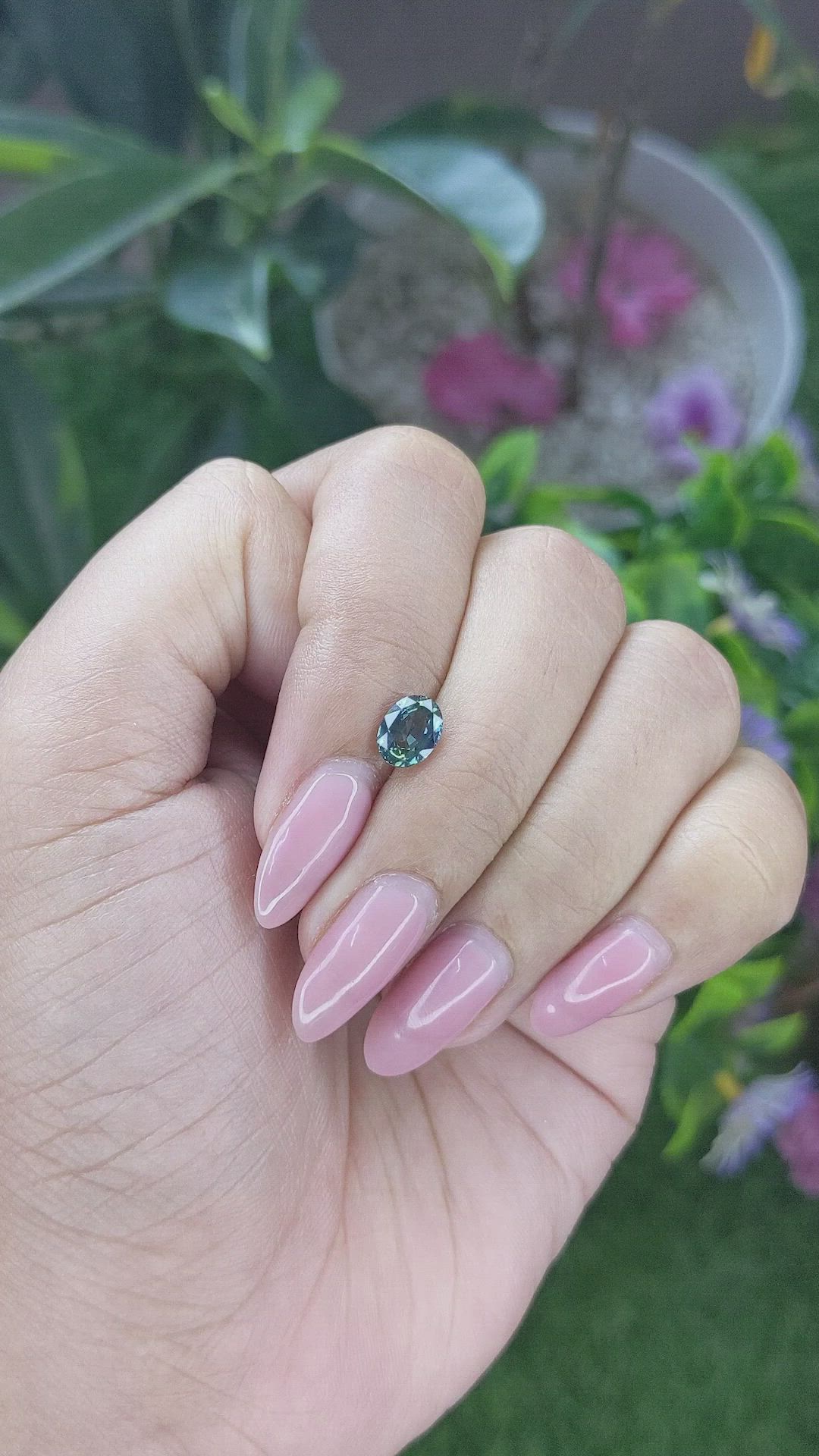




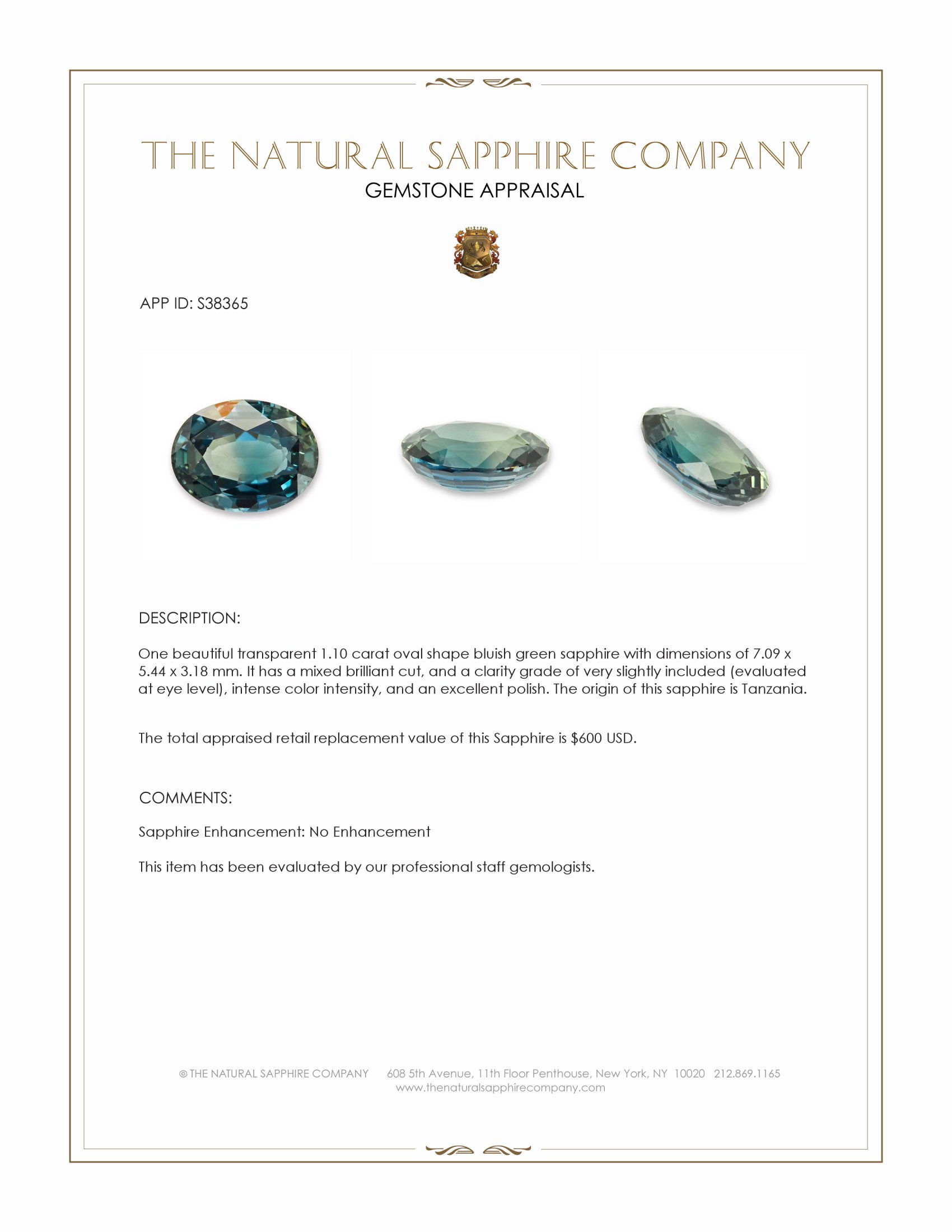
1.10 Ct. Bluish Green Sapphire from Tanzania
This loose stone ships by Apr 21
Item ID: | S38365 |
|---|---|
Dimensions (MM): help | Length: 7.09 Width: 5.44 Height: 3.18 |
Weight: | 1.10 Ct. |
Color: help | Bluish Green |
Color intensity: help | Intense |
Clarity: help | Very Slightly Included |
Shape: help | Oval |
Cut: | Mixed Brilliant |
Cutting style: | Faceted |
Enhancements: help | No Enhancement |
Origin: help | Tanzania |
Per carat price: help | $545 |
This parcel presents a single, transparent 1.10 carat oval sapphire, with exact dimensions of 7.09 x 5.44 x 3.18 millimeters, cut in a mixed brilliant style and originating from Tanzania. The mixed brilliant cut combines a brilliant faceted crown with a pavilion that emphasizes controlled light return through a combination of step and modified facets, producing a balance between broad face up color and lively scintillation. With a depth of approximately 3.18 millimeters relative to an average diameter of 6.27 millimeters, the stone displays a depth percentage near 50.7 percent, a proportion that yields a generous spread across the table while maintaining optimal internal light performance. The clarity is graded as very slightly included when evaluated at eye level, indicating inclusions that are minor in effect, positioned and sized so they do not materially interfere with the gem s overall transparency or with its brilliance and fire. The polish is excellent, with facet junctions and facet planes finished to a degree that maximizes reflectance and minimizes surface diffusion, and critically, there has been no enhancement performed on this material.
Color is described as a bluish green with intense saturation, a tone and chroma combination that is particularly attractive in natural sapphire material, and one that responds well to the mixed brilliant faceting. The crown facets disperse and break incoming light into lively scintillation, while the pavilion architecture returns deeper blue and green flashes depending on viewing angle, a manifestation of pleochroism that is typical of corundum in this color range. The intense color intensity noted in the gem report reflects a well balanced combination of tone and saturation, strong enough to read clearly through the table yet balanced enough to maintain brightness across the face up view. The very slightly included clarity grade further contributes to the gem s presence, because the minor internal features serve as natural identifiers without compromising optical performance. The excellent polish and careful symmetry achieved during cutting contribute to consistent facet reflectivity, crisp facet junctions, and even light distribution, all of which are essential when presenting an intensely colored sapphire that is untreated, and that therefore displays its native color without artificial modification.
When comparing this natural, untreated Tanzanian sapphire to laboratory grown sapphires, there are several technical and market relevant distinctions to consider. Lab grown corundum can offer homogenous color saturation, controlled clarity, and often a lower cost basis, because growth conditions can be engineered to reduce inclusions and produce predictable hues. However, the natural sapphire carries unique crystallographic growth features and inclusion signatures that act as a geological fingerprint, information which can be verified by standard gemological testing and used to establish provenance. The absence of enhancement in this piece enhances its rarity profile, because many natural sapphires undergo diffusion or heat treatments to intensify color, and an intense unenhanced stone represents a smaller percentage of supply. From a value and custodial perspective, natural, untreated stones historically demonstrate greater resilience in secondary market pricing due to scarcity, documented origin, and the aesthetic complexity that natural growth produces, such as natural zoning, subtle pleochroic shifts, and internal growth patterns that interact with faceting to produce dynamic color responses. Physically, natural corundum and high quality lab grown corundum are equivalent in hardness and durability, but the provenance, geological story, and individual crystal morphology of a natural Tanzanian sapphire are attributes that collectors and connoisseurs prize.
At The Natural Sapphire Company we emphasize transparent sourcing, rigorous evaluation, and precision cutting that preserves each sapphire s natural character while optimizing optical performance. This 1.10 carat bluish green oval is an example of material selected for its combination of intense native color, eye level clarity that is very slightly included, and expert cutting and finishing that accentuate both color and light return. For clients seeking an unenhanced natural sapphire with verifiable origin and a balance of face up brilliance and saturated color, this stone represents a technically refined choice, and we can provide further gemological documentation, facet mapping, and bespoke setting options to realize its full potential.


