
- Stone13
- Reports4
-cushion-blue-sapphire-1.0400-cts-s40874-1.jpg?d=200x200&v=20260420160631)




-cushion-blue-sapphire-1.0400-cts-s40874-1.jpg?d=750x750&s=nsc&v=20260420160631)


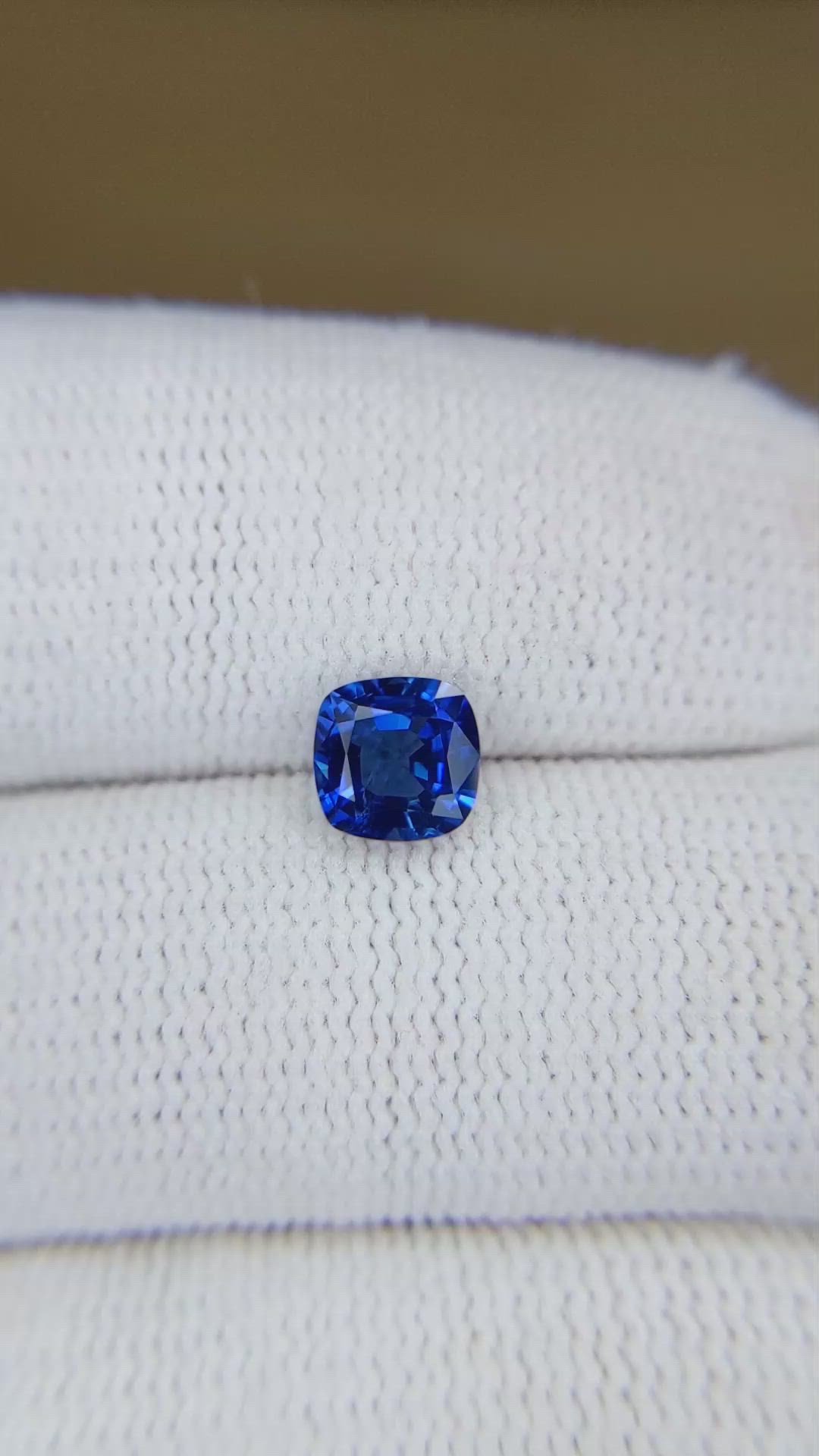
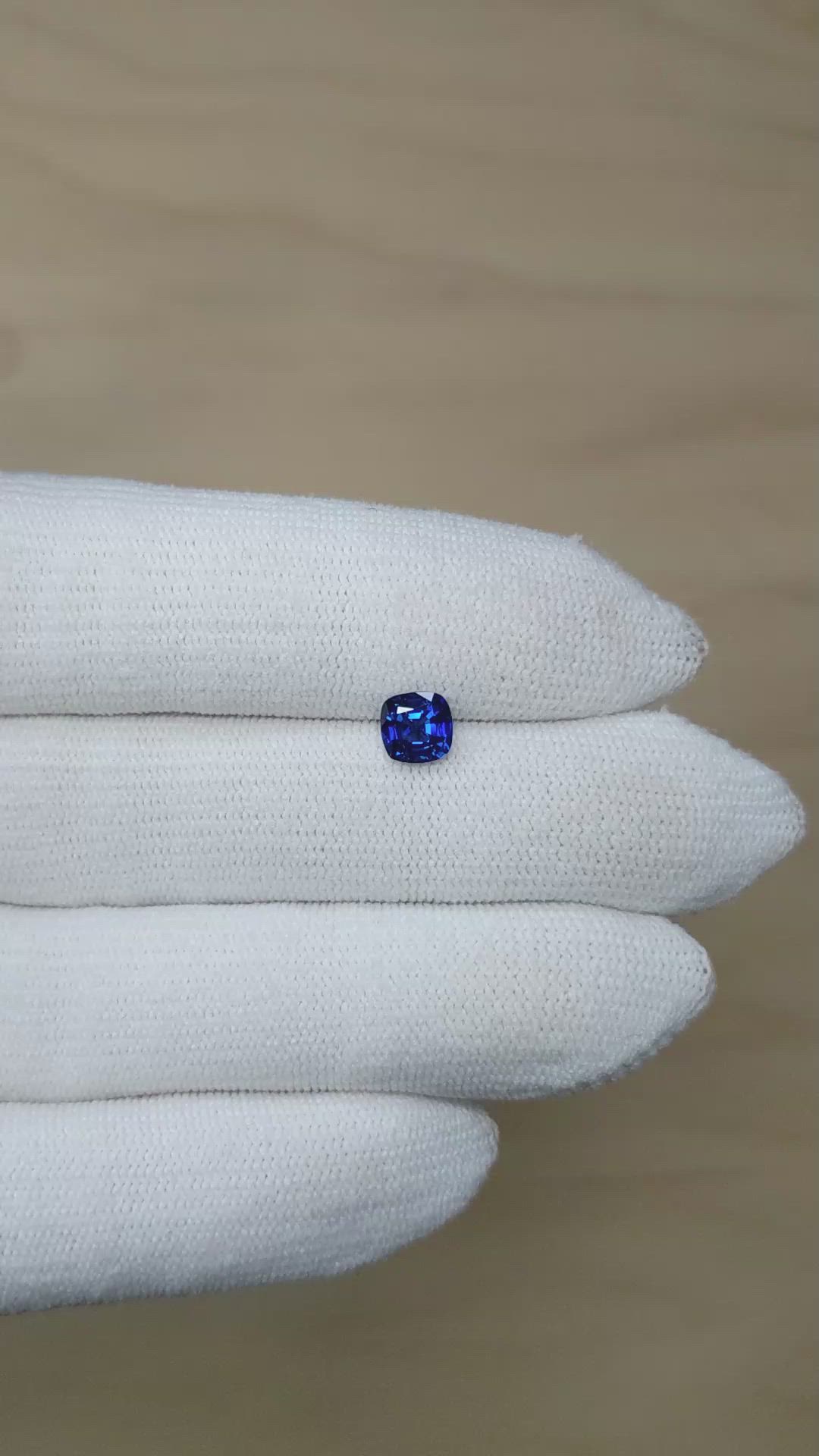
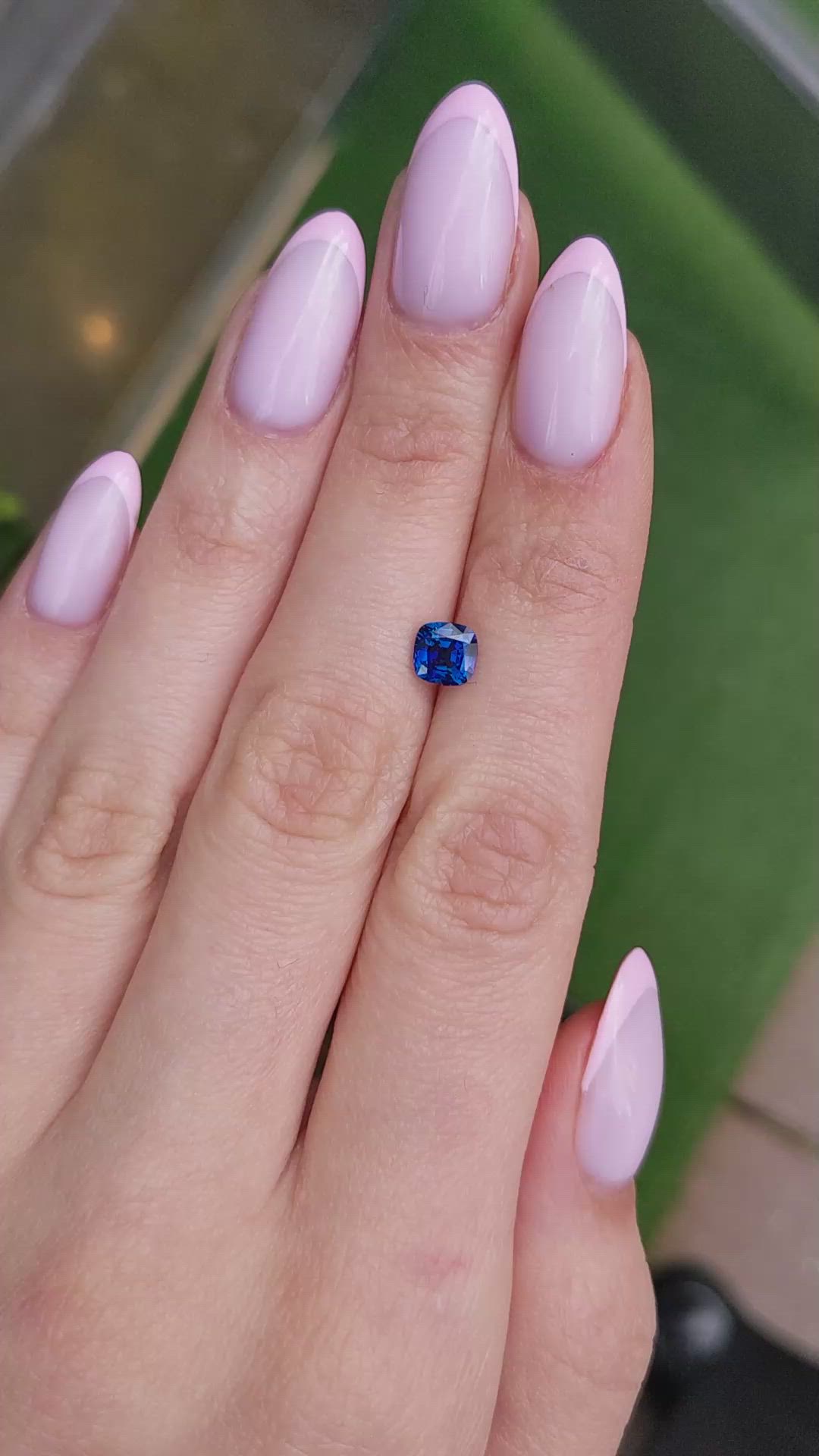
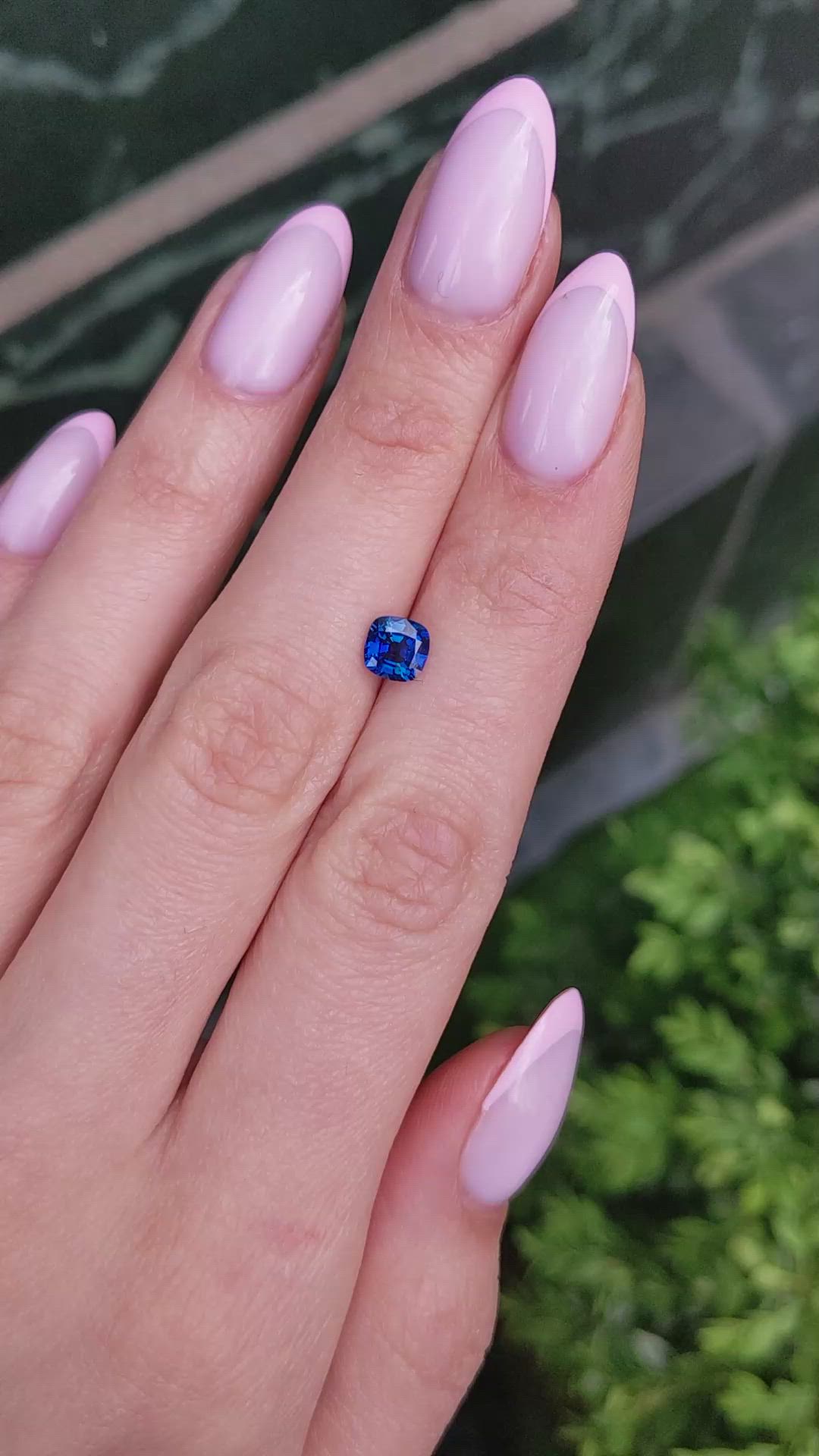
1.04 Ct. Blue Sapphire from Thailand
This loose stone is available to ship now
Item ID: | S40874 |
|---|---|
Dimensions (MM): help | Length: 5.8 Width: 5.73 Height: 3.46 |
Weight: | 1.04 Ct. |
Color: help | Blue |
Color intensity: help | Vivid |
Clarity: help | Slightly Included |
Shape: help | Cushion |
Cut: | Mixed Brilliant Cut |
Cutting style: | Faceted |
Enhancements: help | No Enhancement |
Origin: help | Thailand |
Per carat price: help | $2,400 |
This cushion shape blue sapphire weighs 1.04 carat, and measures 5.80 by 5.73 by 3.46 millimeters, presenting a compact and well balanced face up size for its weight. The cutting style is a mixed brilliant cut, with a brilliant facet arrangement on the crown married to a more pavilion oriented cutting schema that emphasises depth of color while preserving scintillation. The measured depth of the stone is roughly sixty percent of its average girdle diameter, a proportion that supports rich saturation without producing a heavy or blocked face up appearance. Clarity is evaluated as slightly included at eye level, and the gem remains transparent, allowing strong light return through the table. The color intensity is described as vivid, the polish is excellent, and the stone is unenhanced, with origin recorded as Thailand. These objective parameters define this sapphire as a technically fine natural material, one in which the cutter chose proportions that favour color saturation and presence, rather than extreme lightness or edge to edge dispersion.
From a chromatic and tonal perspective this Thai sapphire sits in a deep, vivid blue field, with a primary hue that reads as pure blue and a secondary component that leans marginally toward a cool violet in certain light angles. The vivid color intensity indicates high chroma, and the tone is in the medium dark range, producing a face up that is both saturated and lively. Compared to classic Kashmir sapphires, which are renowned for a plush cornflower blue with a velvety diffusion caused by fine silk inclusions, this Thai example is cleaner faced and more electric in saturation, offering a clearer window and stronger crystalline brilliancy. Versus Ceylon sapphires from Sri Lanka, which typically present a lighter to medium tone with a brighter, more open cornflower blue hue, the Thai stone is distinctly deeper and more saturated. Compared to Burmese examples that can show a warmer or more purplish register, this sapphire is bluer and less overtly violet. Madagascar material can approach the vividness of this stone, but often with slightly different zoning patterns, and Montana sapphires generally occupy a cooler greenish blue domain, making this Thai example more purely blue and more saturated in chroma.
Clarity and fine finishing speak to the craftsmanship decisions that shaped this gem. The slightly included clarity grade indicates small internal features that are visible when the stone is examined without magnification, yet these inclusions do not interrupt the overall transparency or create significant dead zones when the gem is tilted. In many cases inclusions in natural sapphires contribute to the perceived velvety character, however the cutter here preserved a clean table and crisp facet junctions to maximise brilliance. The excellent polish ensures that facet planes are smooth and reflective, allowing facet to facet light transfer to occur with minimal surface diffusion, which enhances both fire and the perception of depth. The mixed brilliant strategy employed balances broad crown facets that produce lively flashes with stepped pavilion geometry that concentrates light into the body color, amplifying the vivid tone without creating excessive windowing or loss of return.
When considering origin specific comparisons a number of practical implications become relevant for design and valuation. Unheated Thai sapphires of vivid tone and clean transparency are less common than heat treated material, making this unenhanced stone noteworthy to the informed buyer, and the origin and treatment status are important for appraised value. Compared to Kashmir, the tone here is darker and more saturated, which can translate to a stronger face up presence in smaller carat weights. Compared to Ceylon, the stone reads richer and more regal, with less tendency to appear pastel or open faced. Compared to Burmese material the Thai sapphire shows less purple bias, making it an excellent choice for settings that require a pure deep blue without warm overtones. For jewellery considerations the stone benefits from settings that protect the pavilion while presenting the table, given the slightly included nature and the medium dark tone, and metal choice can be used to influence perceived saturation with white metals maintaining crispness and yellow metals warming the appearance slightly. The Natural Sapphire Company stands behind the origin and enhancement disclosure of this gem, offering the technical provenance and exact measurements that collectors and designers rely on when specifying natural, unenhanced sapphires.


