
- Stone14
- Reports3
-oval-blue-sapphire-0.8800-cts-s35555-1.jpg?d=200x200&v=20260113114201)
-oval-blue-sapphire-0.8800-cts-s35555-lifestyleimage-1.jpg?d=200x200&v=20260114060903)
-oval-blue-sapphire-0.8800-cts-s35555-lifestyleimage-2.jpg?d=200x200&v=20260114060903)
-oval-blue-sapphire-0.8800-cts-s35555-lifestyleimage-3.jpg?d=200x200&v=20260114060903)

-oval-blue-sapphire-0.8800-cts-s35555-1.jpg?d=750x750&s=nsc&v=20260113114201)
-oval-blue-sapphire-0.8800-cts-s35555-lifestyleimage-1.jpg?d=750x750&s=nsc&v=20260114060903)
-oval-blue-sapphire-0.8800-cts-s35555-lifestyleimage-2.jpg?d=750x750&s=nsc&v=20260114060903)
-oval-blue-sapphire-0.8800-cts-s35555-lifestyleimage-3.jpg?d=750x750&s=nsc&v=20260114060903)


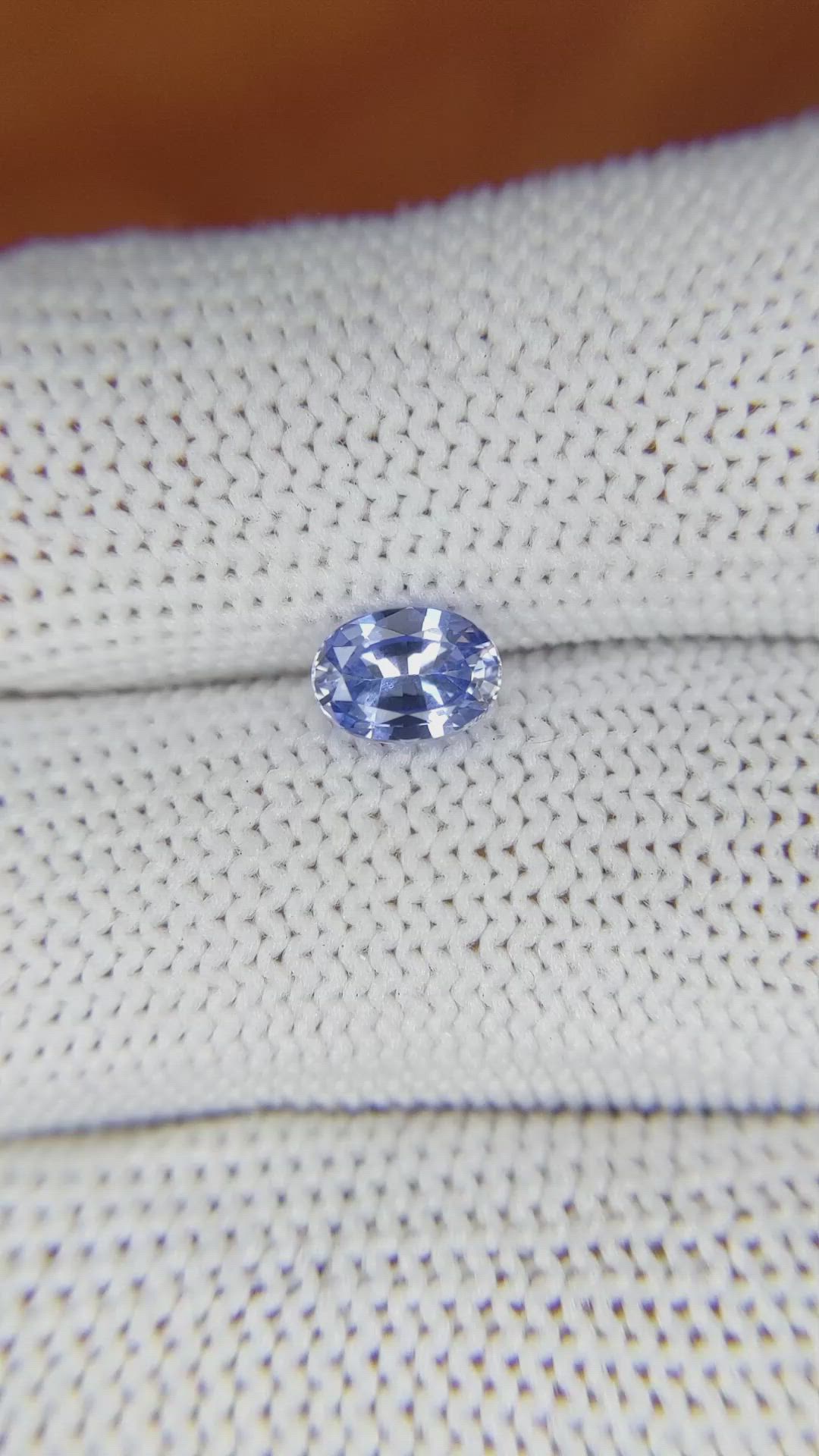
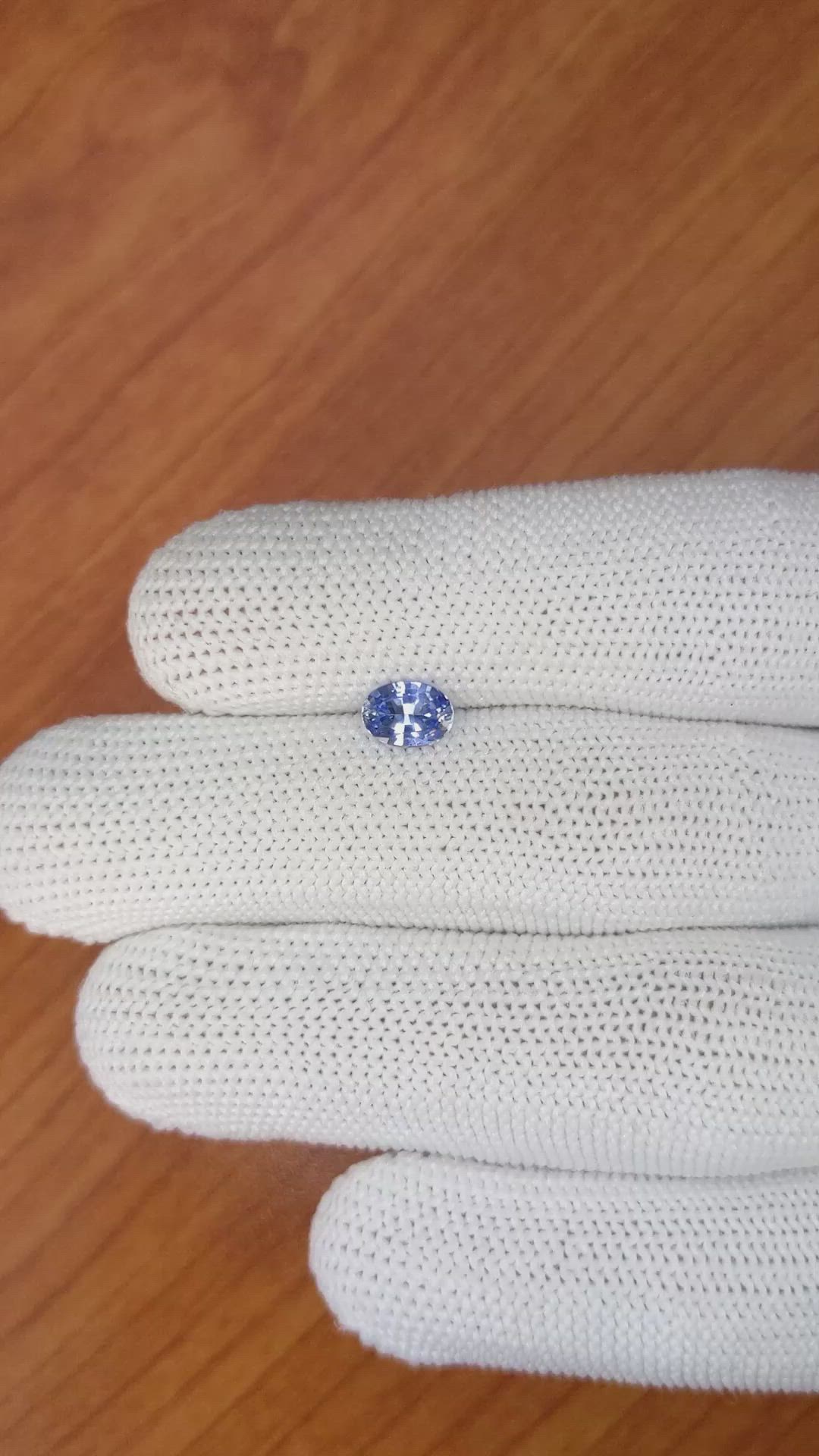
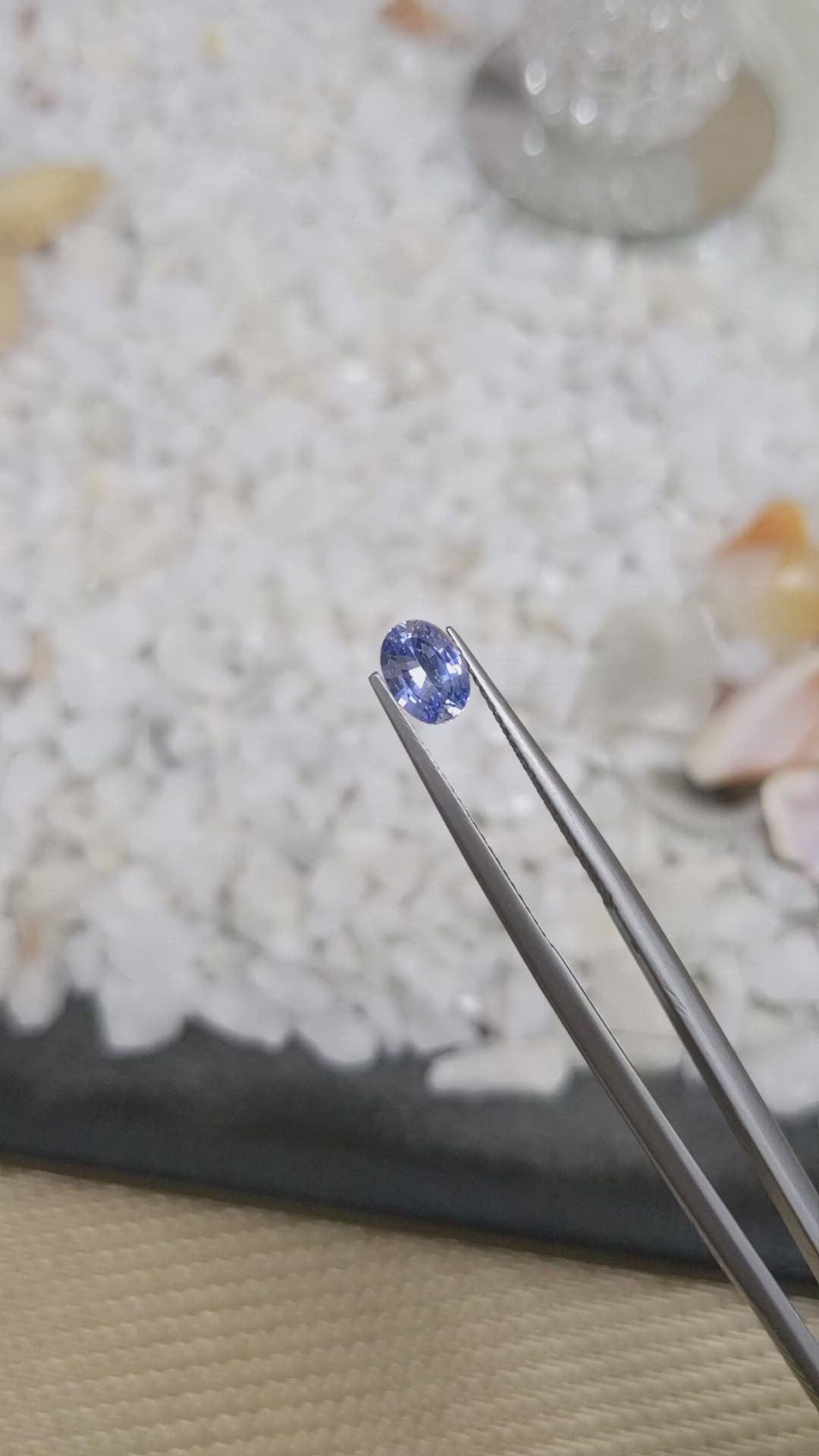
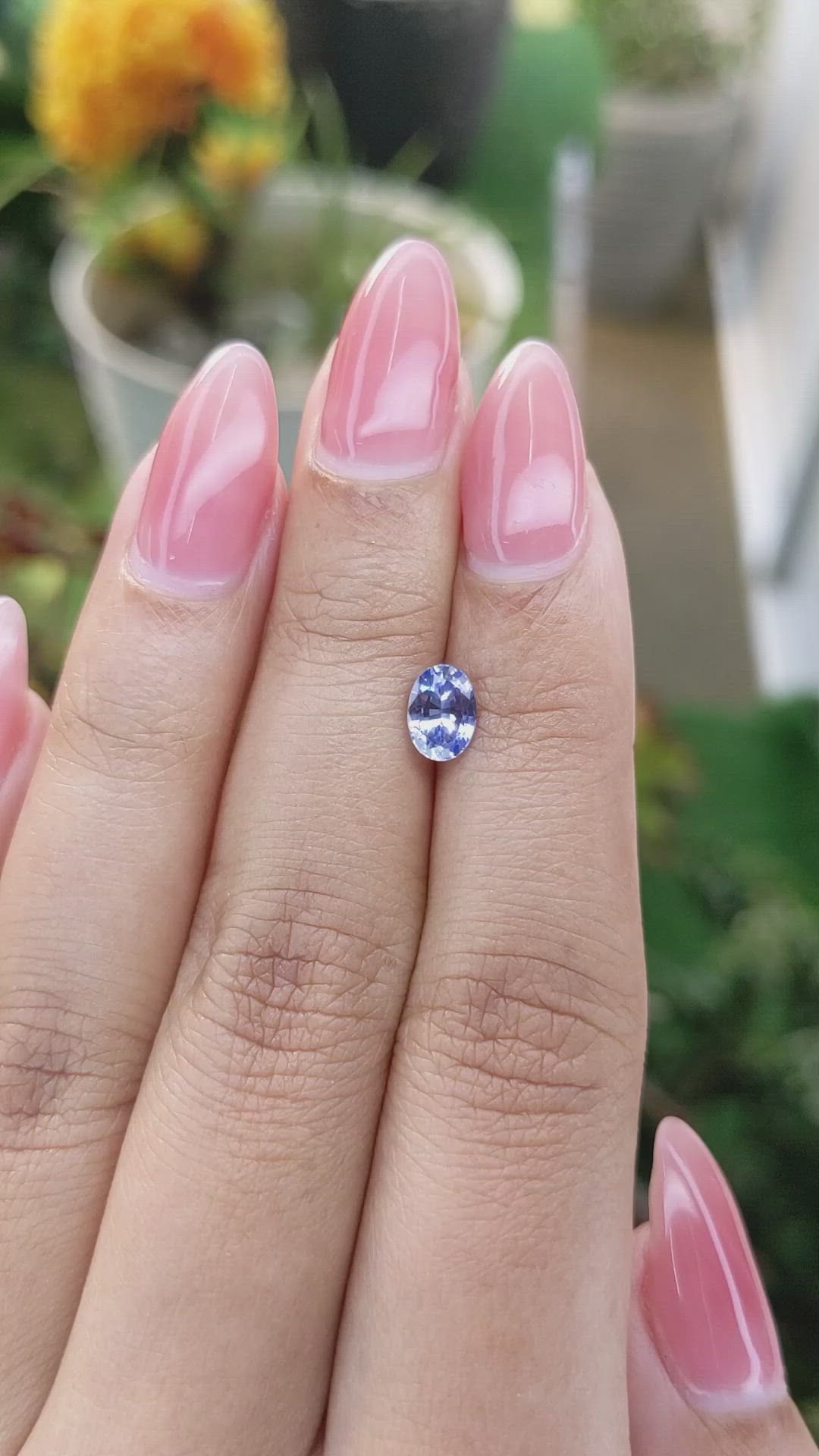
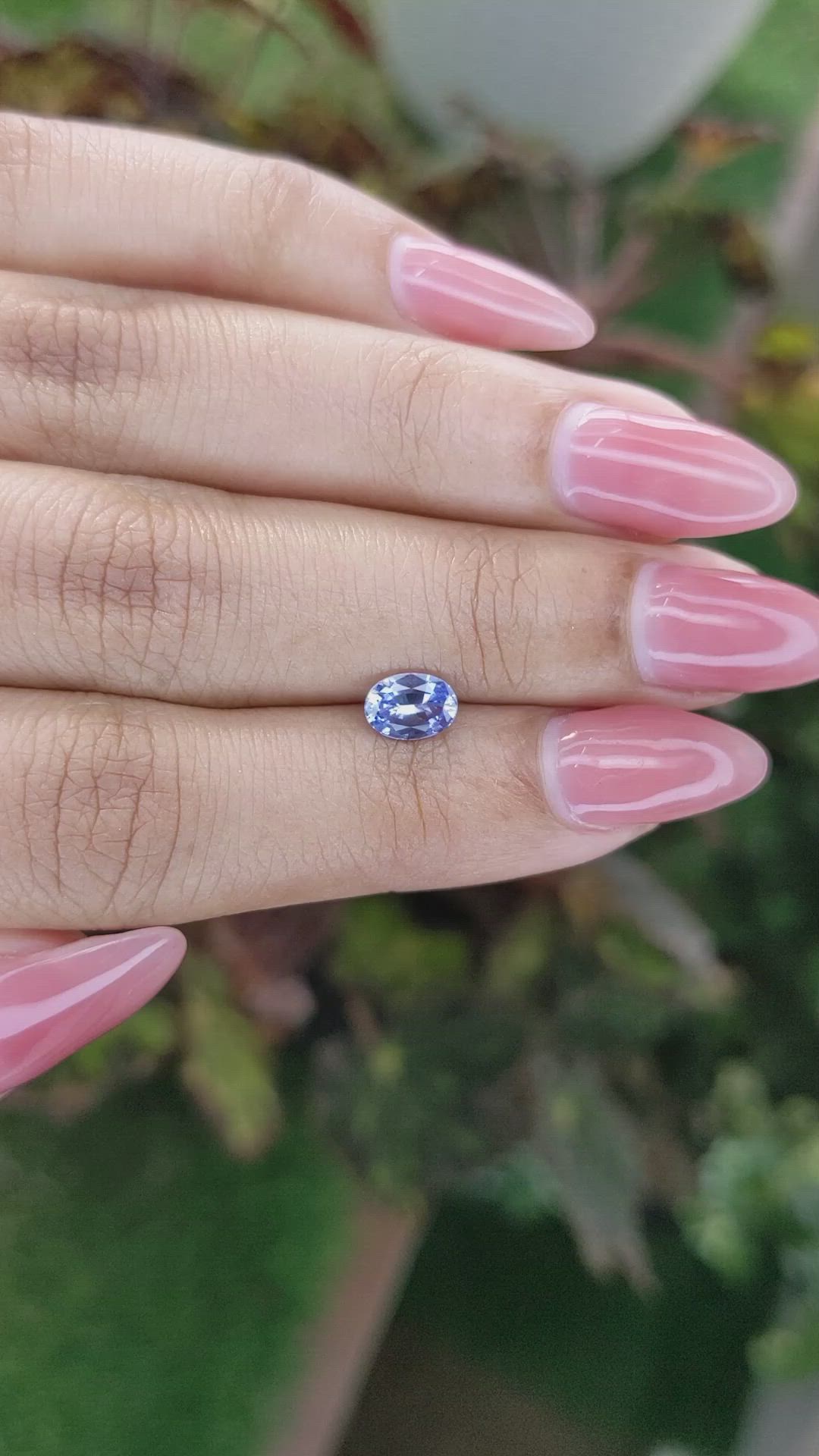
0.88 Ct. Blue Sapphire from Ceylon (Sri Lanka)
This loose stone ships by Feb 19
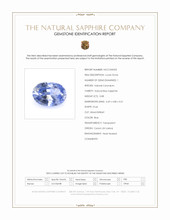
Item ID: | S35555 |
|---|---|
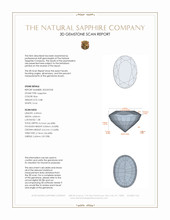
Dimensions (MM): help | Length: 6.69 Width: 4.84 Height: 3.21 |
Weight: | 0.88 Ct. |
Color: help | Blue |
Color intensity: help | Medium Light |
Clarity: help | Very Very Slightly Included |
Shape: help | Oval |
Cut: | Mixed Brilliant |
Cutting style: | Faceted |
Enhancements: help | Heat Treated |
Origin: help | Ceylon (Sri Lanka) |
Per carat price: help | $223 |
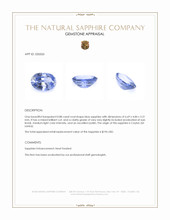
This transparent 0.88 carat oval blue sapphire, offered by The Natural Sapphire Company, is described with precision to inform discerning buyers. The finished dimensions are 6.69 by 4.84 by 3.21 millimeters, an elegant oval that balances spread and depth. The cutting style is a mixed brilliant cut, combining a brilliant facet arrangement on the crown with a precision modified pavilion, executed to optimize both scintillation and color saturation. Clarity is assessed as very very slightly included at eye level, indicating only minimal internal features that do not detract from face up transparency or brilliance. Color is graded as medium light in intensity, presenting an even distribution of blue with slight variation under different angles, and the polish is evaluated as excellent, producing high luster and sharp facet junctions. The sapphire has been heat treated, a standard enhancement that stabilizes and enhances blue tones through controlled thermal diffusion of trace elements. The stated provenance is Ceylon Sri Lanka, a source known for a wide spectrum of blue sapphire characters, and this stone exemplifies the island origin through its combination of clarity, tone, and hue.
From a lapidary and optical engineering perspective, the mixed brilliant execution on this 0.88 carat oval is purposeful and technically informed. The crown reveals a well proportioned table, calibrated to allow optimal light entry and to reduce windowing given the medium light color intensity. Crown facets are arranged in a modified brilliant geometry to create localized areas of bright return while maintaining larger facet faces that emphasize color rather than excessive dispersion. The pavilion is cut with a controlled depth and facet layout that reflects light back through the crown without creating dark extinction or broad windows. Girdle thickness has been maintained to enable secure setting options without unnecessary weight loss, and facet junctions have been polished to a crisp finish to maximize contrast. The minimal inclusions detected at eye level are consistent with high quality Ceylon material, and they are oriented such that they do not interrupt the primary light paths. Optical phenomena such as pleochroism are modest in this piece, manifesting as slight directional shifts between a cooler and a slightly warmer blue, which the cutter accounted for when orienting the rough to produce the most attractive face up color. The excellent polish contributes to high surface reflection and saturation, and the heat treatment has been applied conservatively to preserve the natural corundum crystal lattice while enhancing chromophore distribution.
The geological history that produced this sapphire spans deep time and precise conditions, a narrative that explains both material character and origin. Corundum formed within high grade metamorphic lithologies of the Ceylon terrain, where aluminum rich protoliths experienced regional metamorphism under elevated temperature and pressure conditions many millions of years ago. During prograde metamorphism, aluminum oxide mobilized and crystallized into corundum as a stable phase, trapping trace quantities of titanium and iron within the crystal structure. These trace elements, in the unique geochemical environment of Sri Lankan metamorphic belts, produced the blue chroma seen in the finished stone, through selective absorption bands in the visible spectrum. Primary growth occurred within gneissic and shear zone pockets, sometimes in association with silica undersaturated melts or late stage pegmatitic fluids, which provided loci for larger crystal development. Subsequent tectonic uplift and surface weathering liberated sapphire crystals from their host rock, transporting them into alluvial systems where mechanical rounding and sorting concentrated the gem quality material. The rough for this particular oval was selected for its clean crystalline habit, favorable color zoning, and minimal internal disturbance, then oriented and cut to preserve weight while achieving ideal optical performance. The Natural Sapphire Company employed precise thermal enhancement to refine color uniformity, followed by disciplined cutting and polishing to retain the sapphire structural integrity and maximize face up appeal. The result is a technically refined, historically grounded gemstone, whose formation and fabrication are both legible to a buyer who values mineralogical provenance and lapidary craftsmanship.


