
- Stone16
- Reports3
-pear-blue-sapphire-0.7000-cts-s39718-1.jpg?d=200x200&v=20260401092129)
-pear-blue-sapphire-0.7000-cts-s39718-lifestyleimage-1.jpg?d=200x200&v=20260330064306)
-pear-blue-sapphire-0.7000-cts-s39718-lifestyleimage-2.jpg?d=200x200&v=20260330064306)
-pear-blue-sapphire-0.7000-cts-s39718-lifestyleimage-3.jpg?d=200x200&v=20260330064306)
-pear-blue-sapphire-0.7000-cts-s39718-lifestyleimage-4.jpg?d=200x200&v=20260330064307)


-pear-blue-sapphire-0.7000-cts-s39718-1.jpg?d=750x750&s=nsc&v=20260401092129)
-pear-blue-sapphire-0.7000-cts-s39718-lifestyleimage-1.jpg?d=750x750&s=nsc&v=20260330064306)
-pear-blue-sapphire-0.7000-cts-s39718-lifestyleimage-2.jpg?d=750x750&s=nsc&v=20260330064306)
-pear-blue-sapphire-0.7000-cts-s39718-lifestyleimage-3.jpg?d=750x750&s=nsc&v=20260330064306)
-pear-blue-sapphire-0.7000-cts-s39718-lifestyleimage-4.jpg?d=750x750&s=nsc&v=20260330064307)


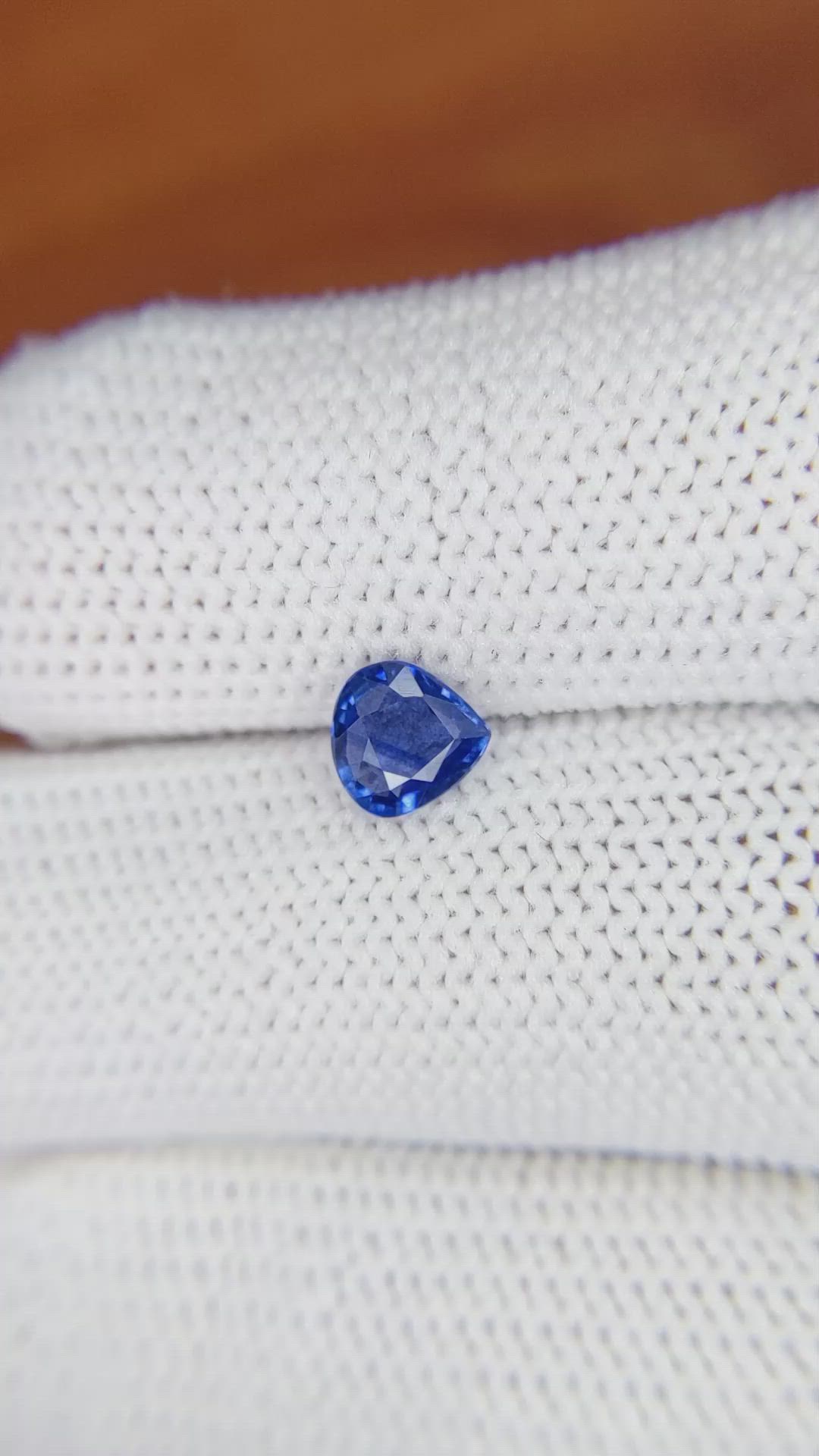
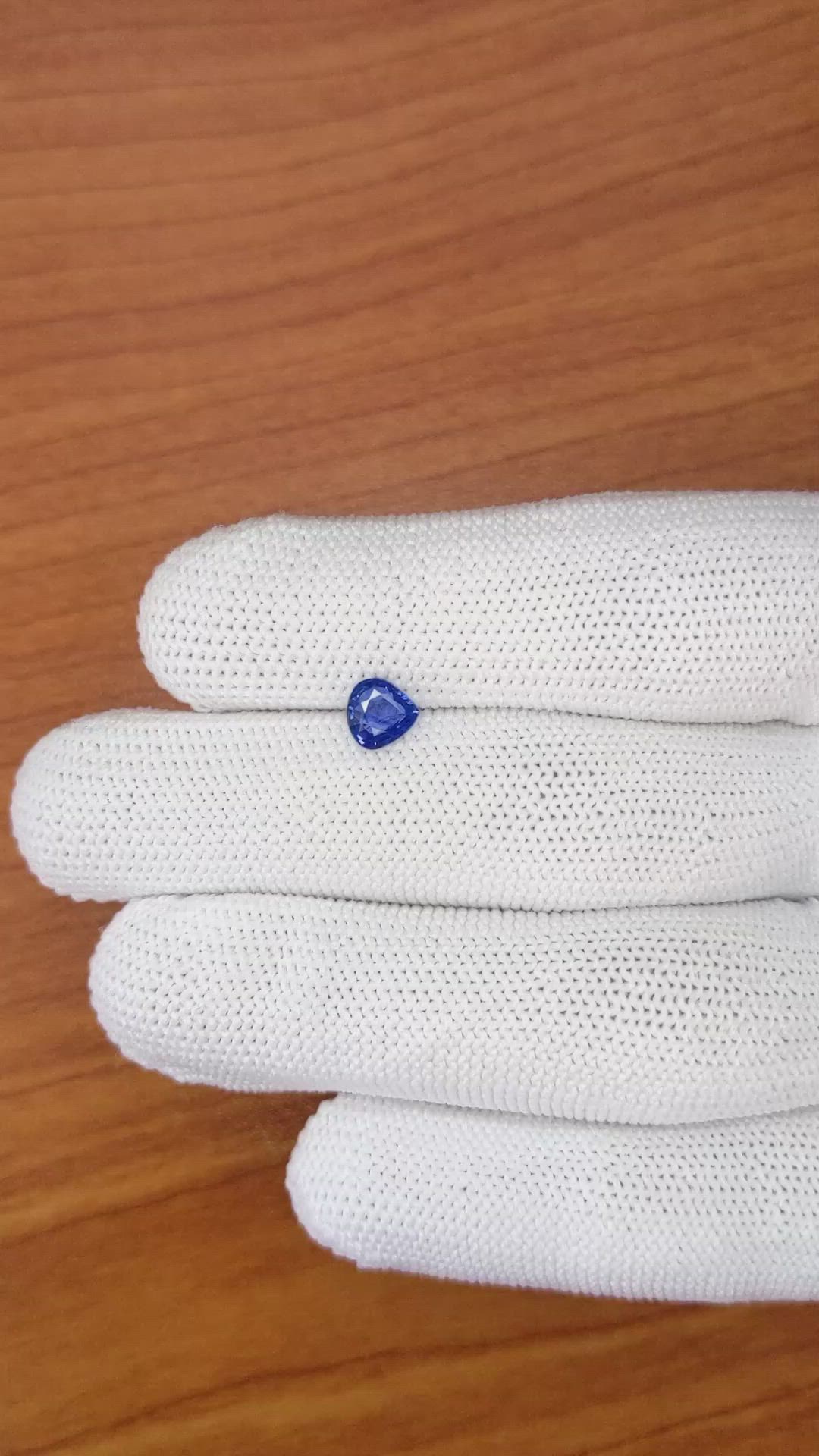
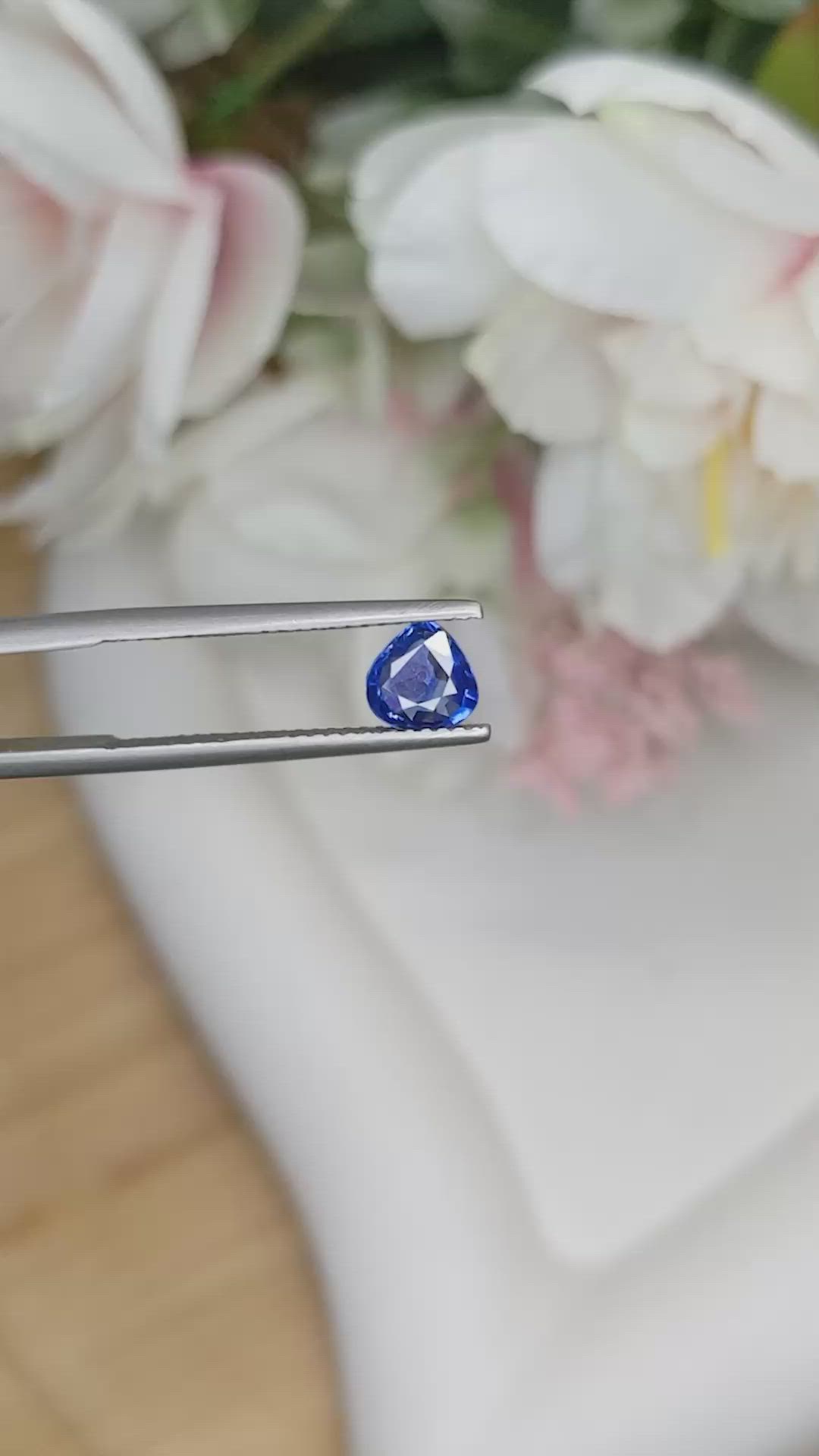
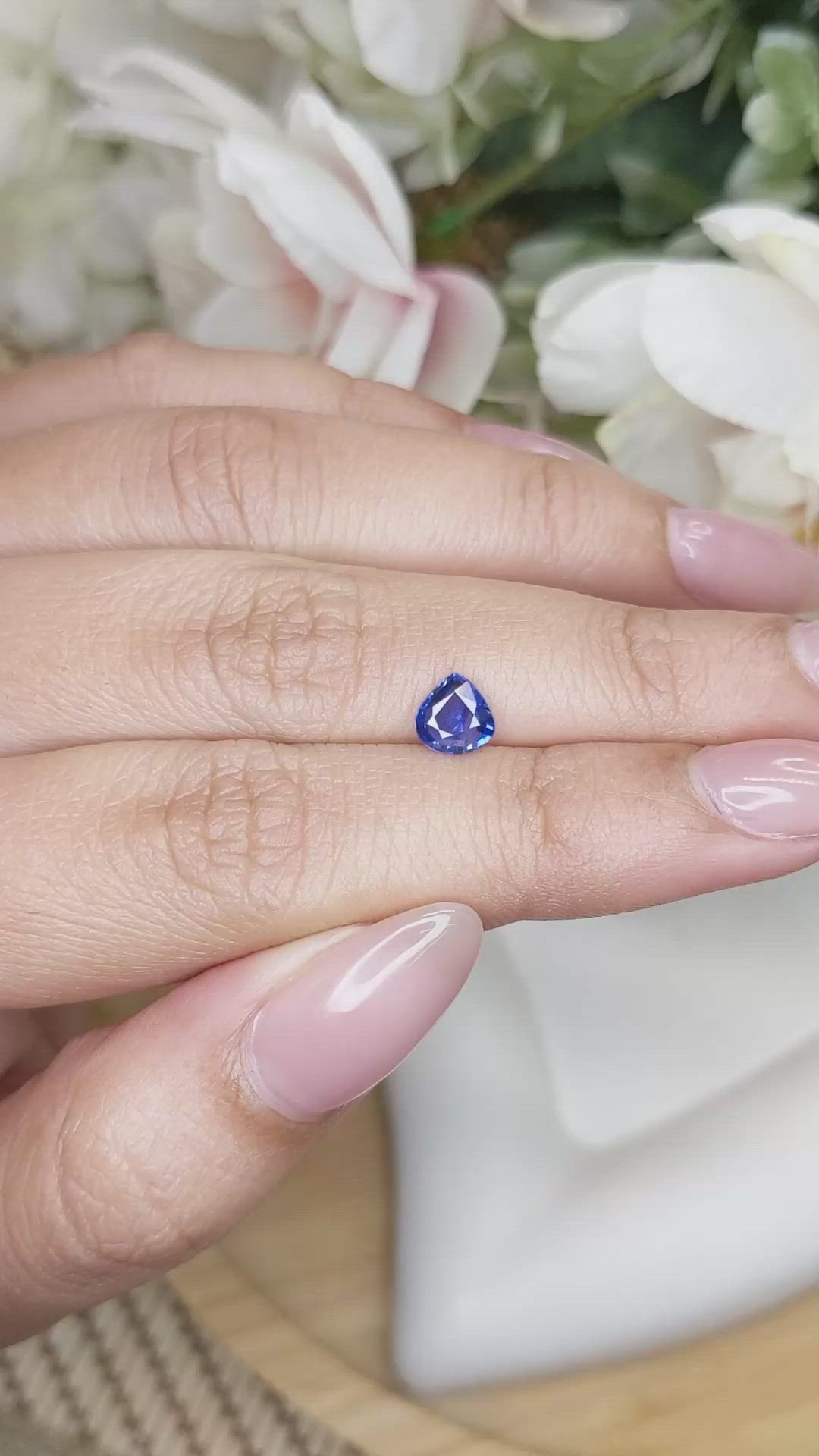
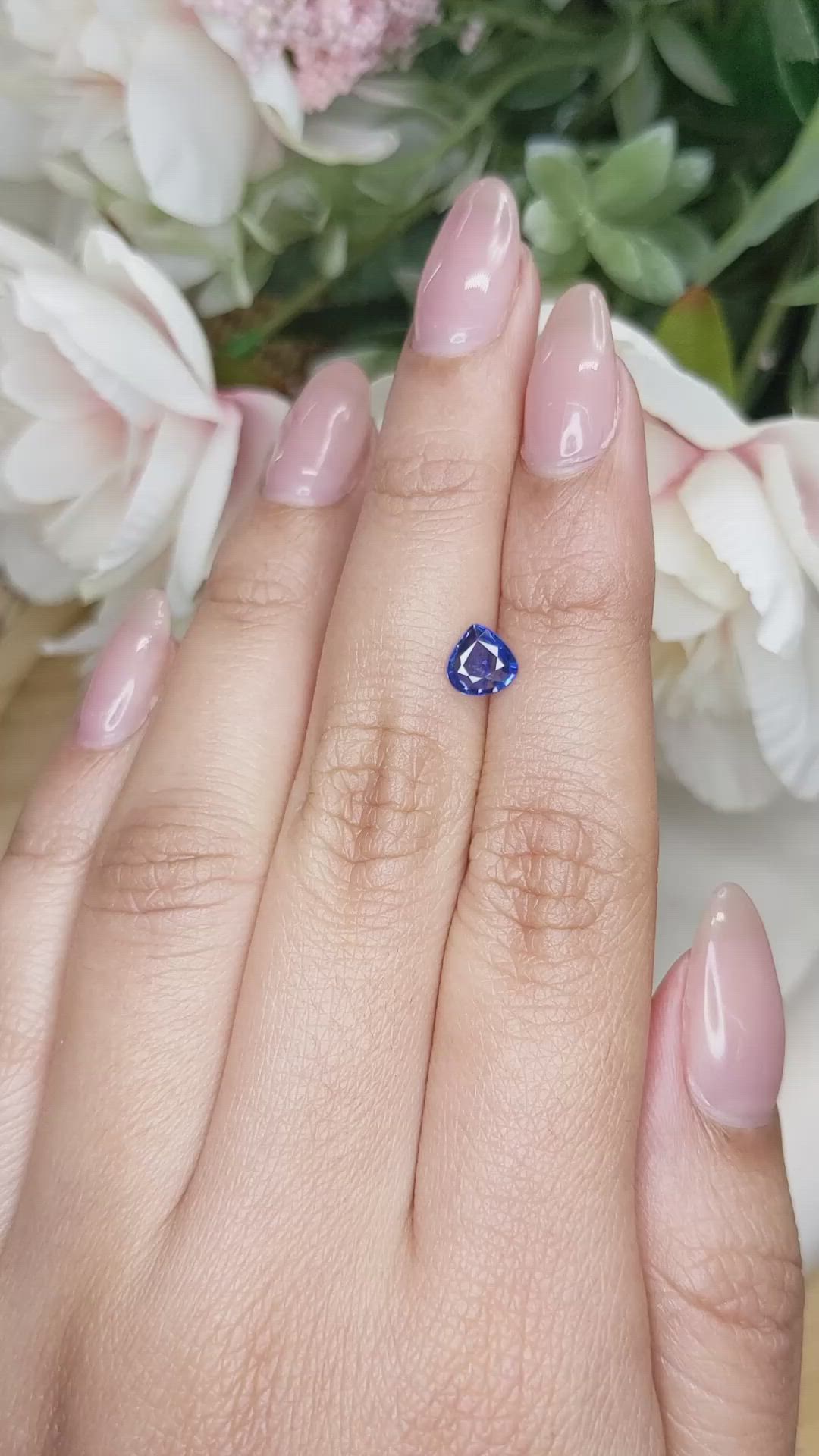
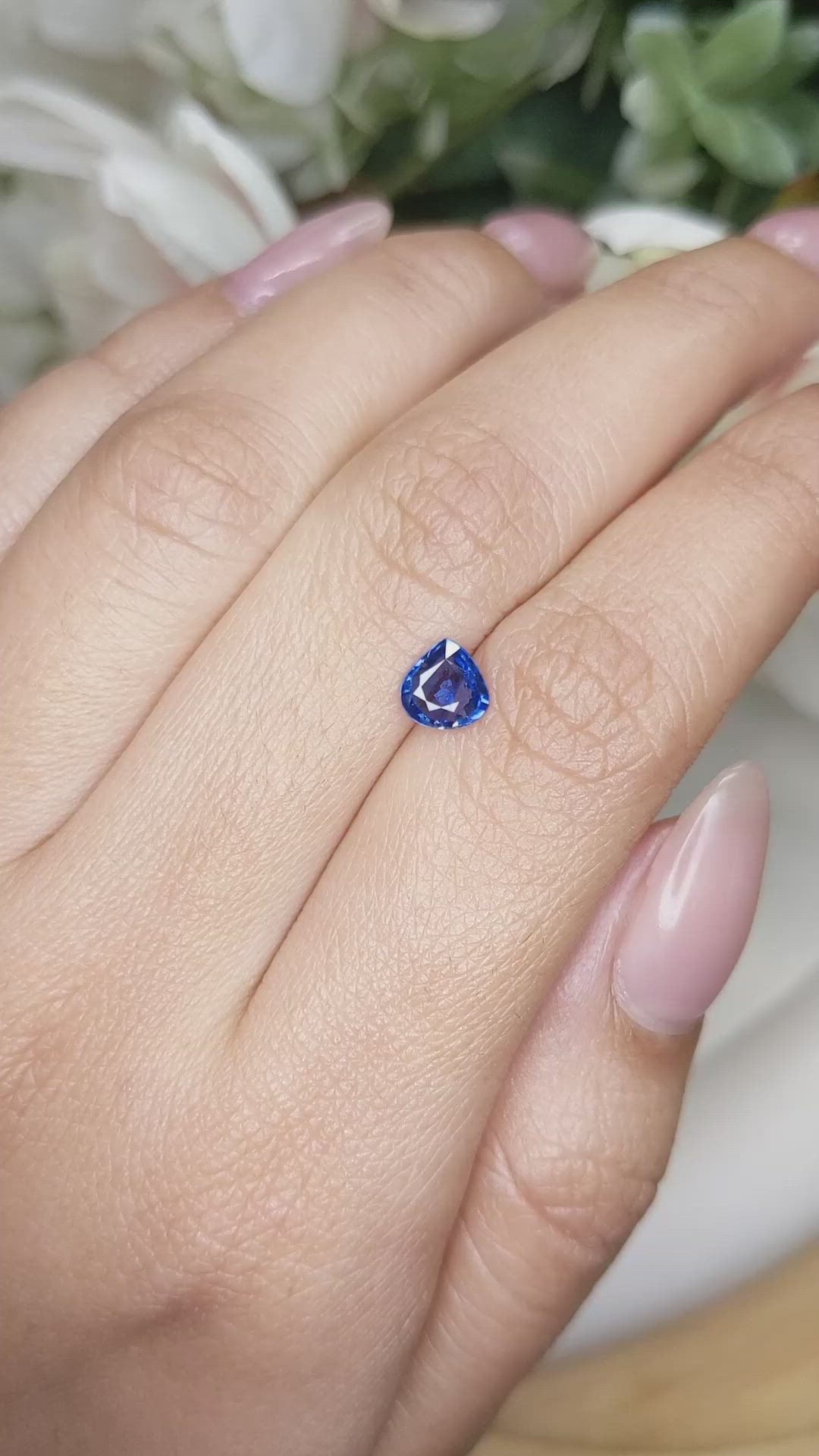
0.70 Ct. Blue Sapphire from Ceylon (Sri Lanka)
This loose stone ships by May 12
Item ID: | S39718 |
|---|---|
Dimensions (MM): help | Length: 5.99 Width: 5.89 Height: 2.38 |
Weight: | 0.70 Ct. |
Color: help | Blue |
Color intensity: help | Intense |
Clarity: help | Very Slightly Included |
Shape: help | Pear |
Cut: | Mixed Brilliant Cut |
Cutting style: | Faceted |
Enhancements: help | Heat Treated |
Origin: help | Ceylon (Sri Lanka) |
Per carat price: help | $600 |
This pear shape blue sapphire weighs 0.70 carat and measures 5.99 x 5.89 x 2.38 mm, with a mixed brilliant cut, intense color, transparent body, and a clarity grade of very slightly included, evaluated at eye level, finished with an excellent polish. Originating from Ceylon in Sri Lanka, this gem displays the deep, saturated blue that has made Ceylon sapphires prized for centuries. The stone has been enhanced by heat treatment to optimize its color and clarity, a stable and widely accepted practice for sapphires of this type. Presented by The Natural Sapphire Company, the gem combines measured specifications and graded attributes that allow a confident understanding of its material quality and aesthetic character.
The story of this sapphire begins deep within the earth, in environments of high pressure and temperature where aluminum rich rocks underwent transformation over geological time. Corundum, the mineral species that includes sapphire, forms when aluminum oxide crystallizes under conditions that exclude silica and allow heat and fluid activity to concentrate the necessary elements. In Sri Lanka, this process often took place within metamorphic terranes, where ancient sediments and igneous intrusions were folded and heated during tectonic events. Over millions of years, localized zones of aluminum enrichment provided sites for corundum crystals to nucleate and slowly grow, layer by layer, in the presence of trace elements that would impart color.
The deep blue hue of this particular sapphire reflects the controlled contribution of trace elements such as iron and titanium during crystal formation. These elements substitute into the corundum crystal lattice in very small amounts, and their interaction with the crystal structure governs the absorption and transmission of light, producing the blue tones observed. The intense color observed in this 0.70 carat stone indicates a favorable balance of these trace elements, combined with a degree of transparency that allows light to penetrate and interact with the internal structure. Natural growth features and minor inclusions remain, consistent with a clarity grade of very slightly included, evaluated at eye level, and these features provide a geological fingerprint that confirms natural origin.
The physical journey from the subterranean environment to the faceter’s bench is equally significant. Weathering and erosion liberated corundum crystals from their host rock, and in Sri Lanka many gems found their way into alluvial deposits, where water and gravity concentrated them in river gravels and sedimentary basins. Collectors and miners recover these stones from primary and secondary deposits, after which they undergo sorting, preliminary assessment, and preparation for cutting. The mixed brilliant cut chosen for this pear shaped example was selected to balance the stone’s proportions, to maximize face up brilliance, and to preserve weight while accentuating the blue color. The resulting dimensions of 5.99 x 5.89 x 2.38 mm reflect careful planning to achieve symmetry and optimal light performance, while the excellent polish enhances the gem’s surface luster and light return.
Lastly, the treatment and final evaluation of the stone ensure predictable performance when set in a finished design. Heat treatment has adjusted internal color zoning and reduced certain inclusions, contributing to the intense, even color and clarity noted in the grading assessment. The enhancement is stable under normal wear, heat, and cleaning, and the stone’s transparent nature allows the mixed brilliant faceting to reveal depth and lively contrast. As presented by The Natural Sapphire Company, this Ceylon sapphire offers a documented combination of natural origin, measured proportions, and established enhancement, making it a piece whose geological history and gemological attributes can be clearly communicated and confidently appreciated.


