
- Stone12
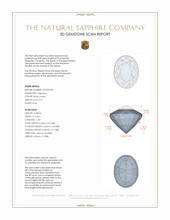
- Reports3
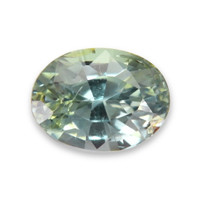
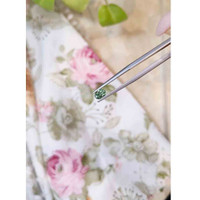
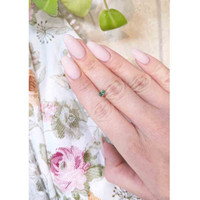
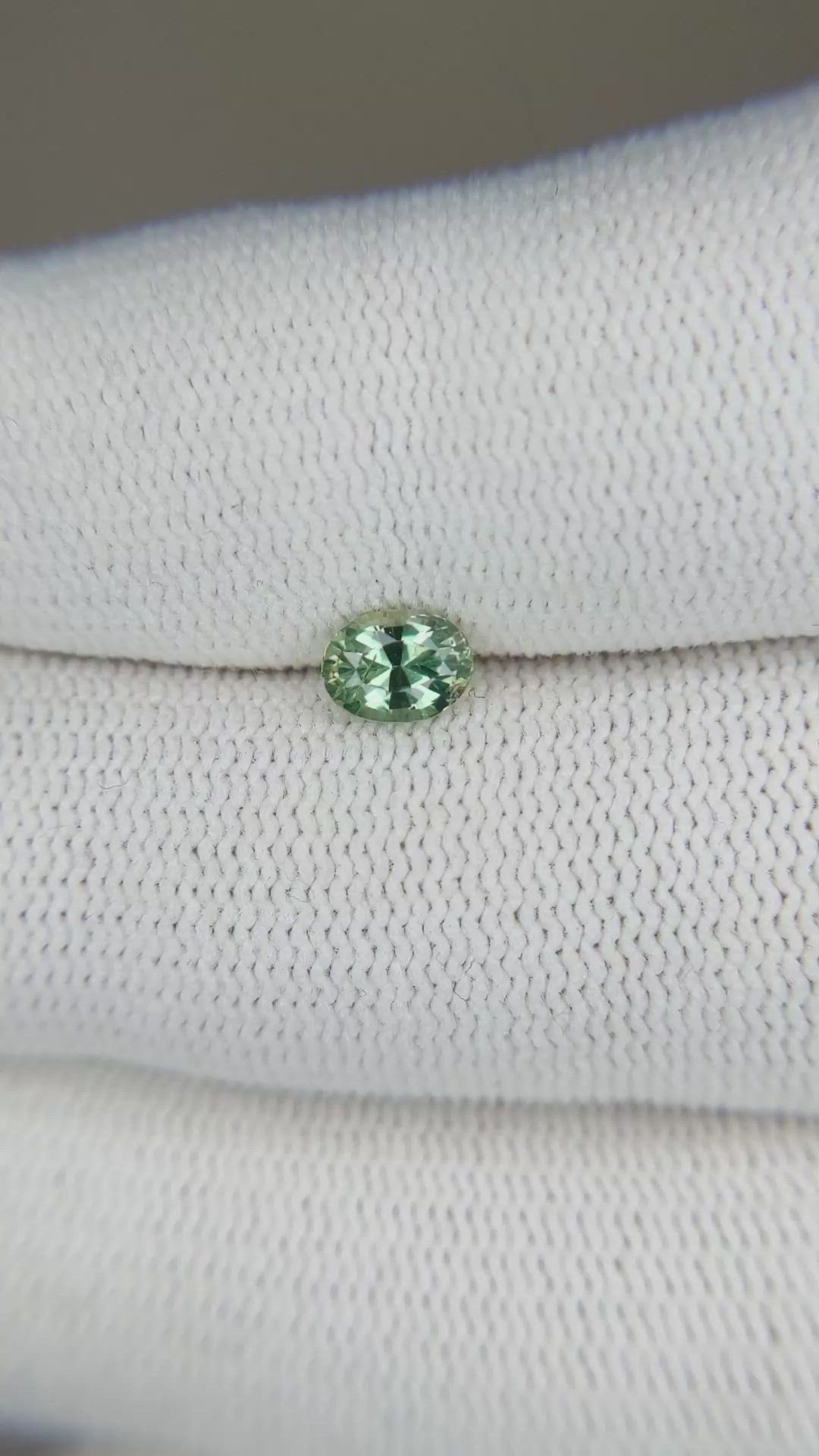
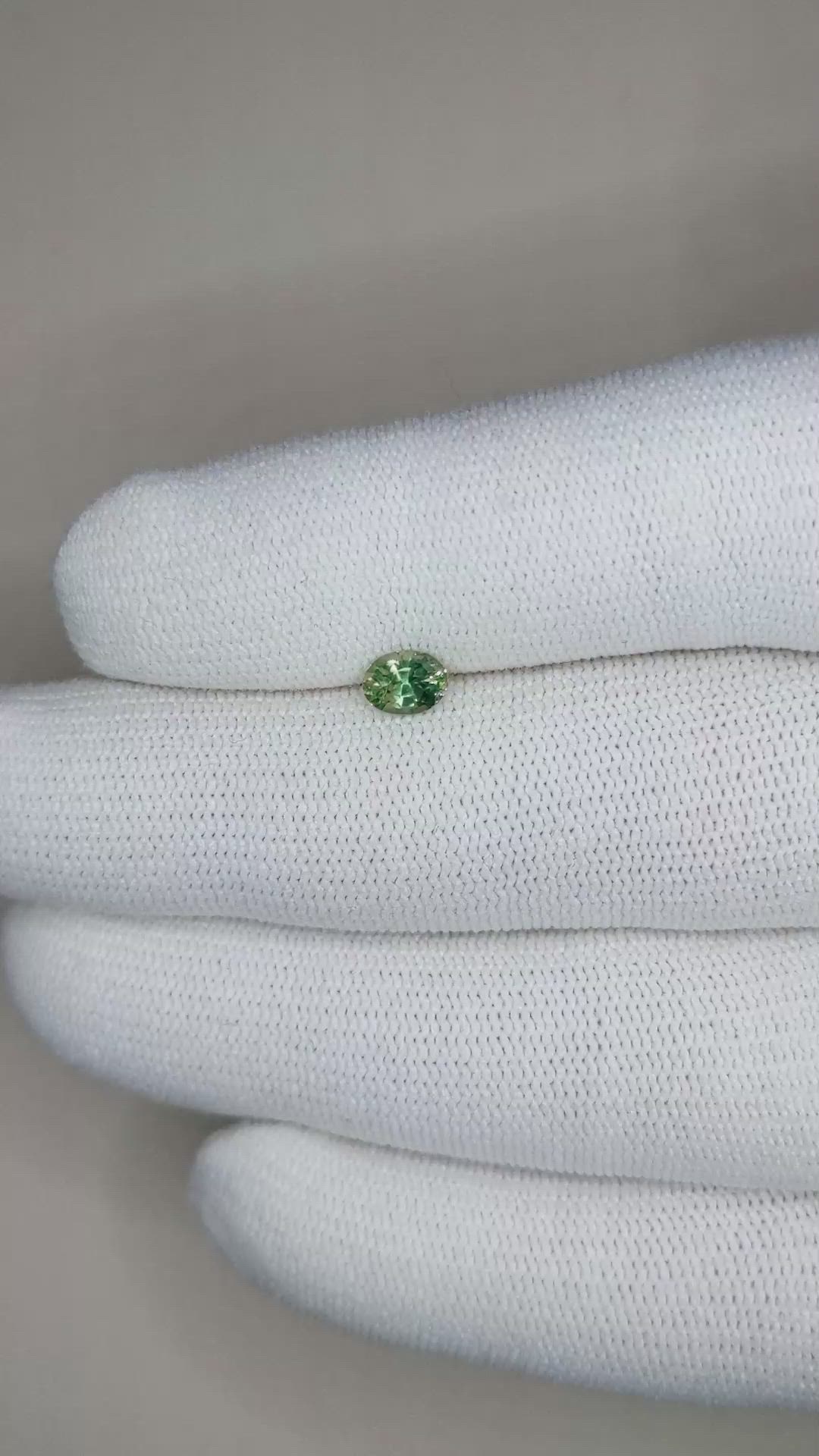
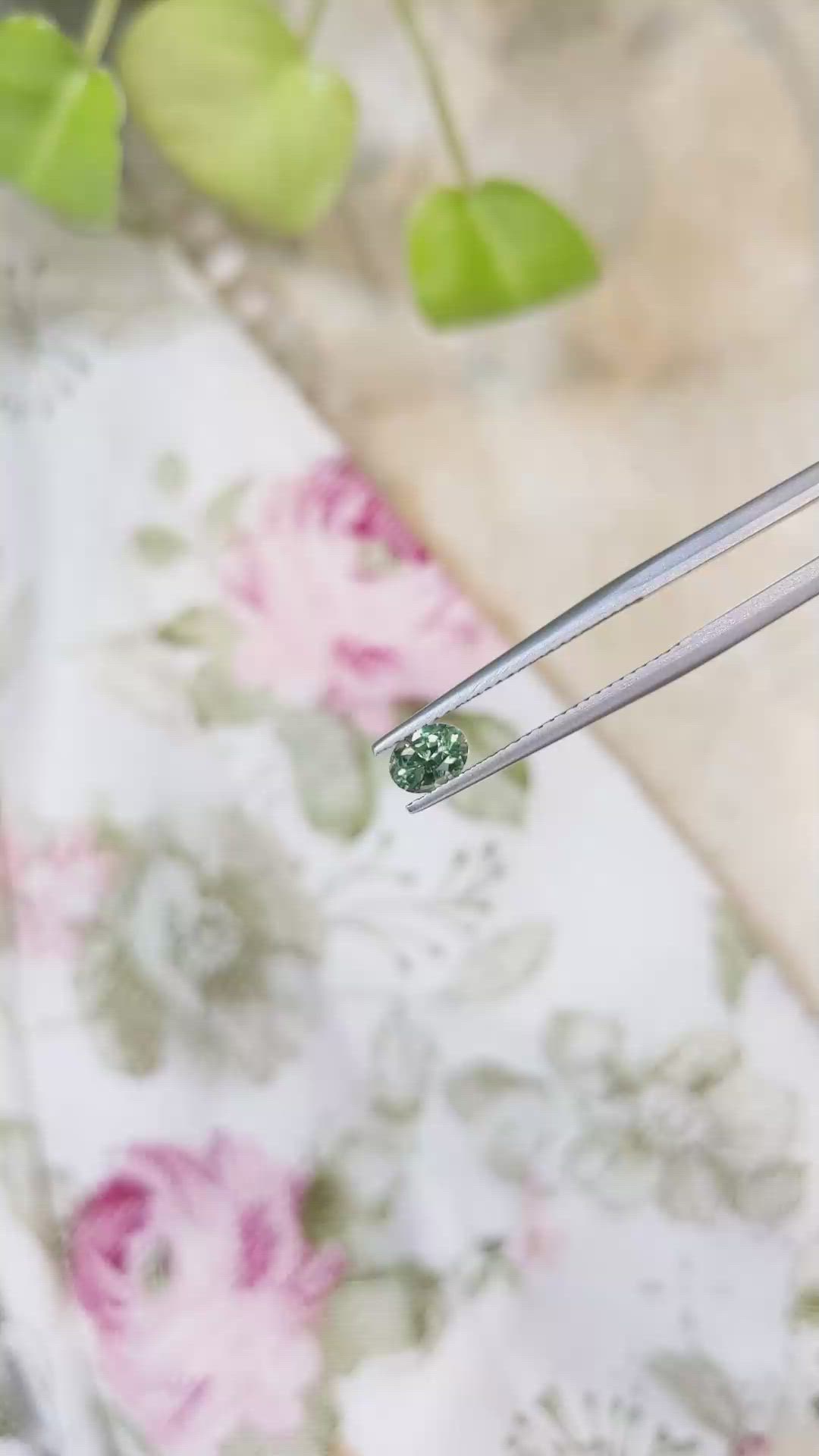
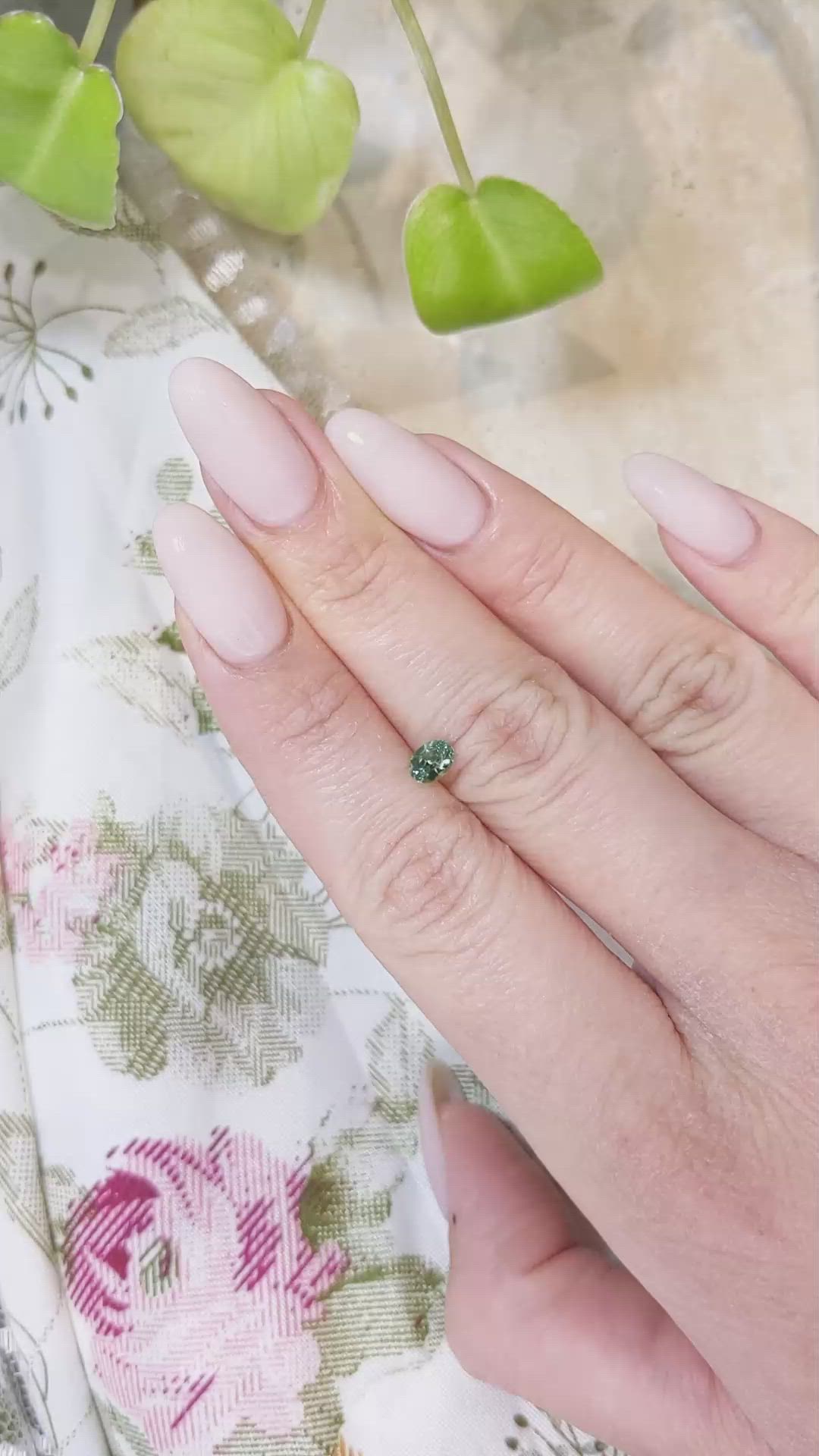

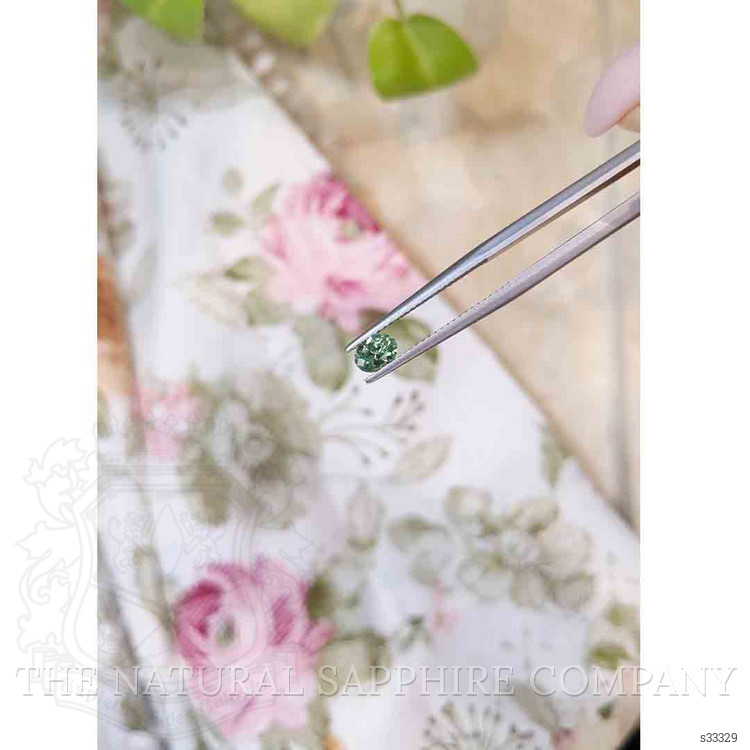
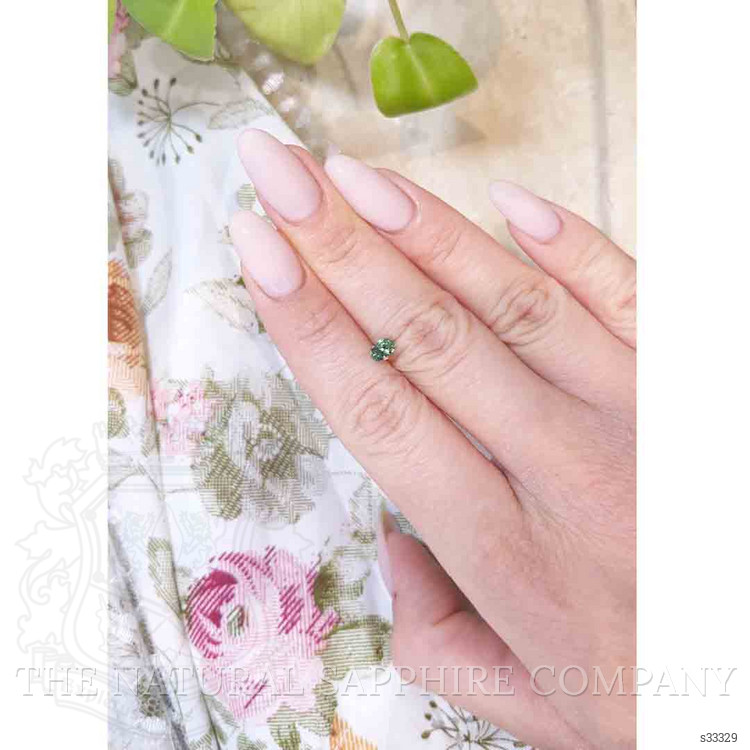

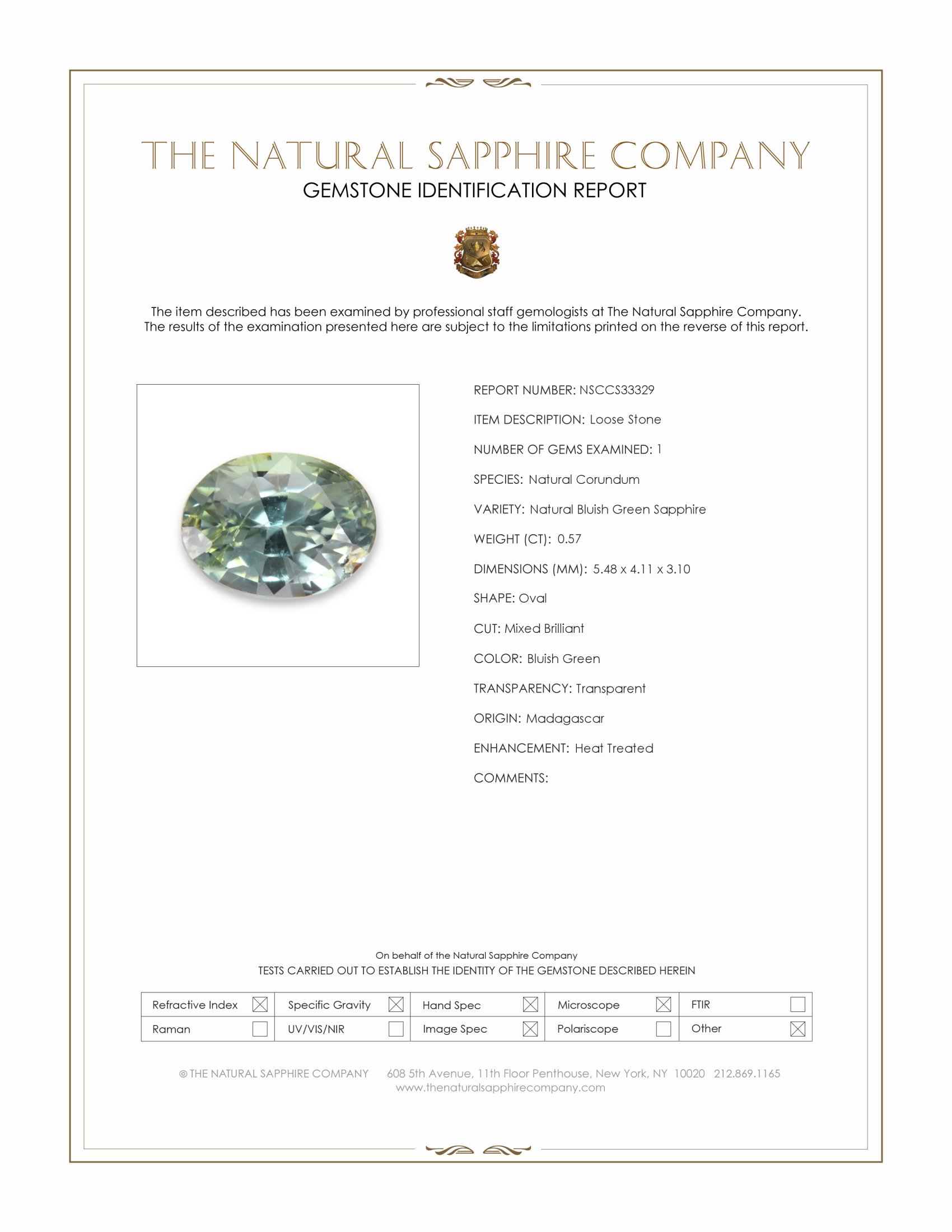
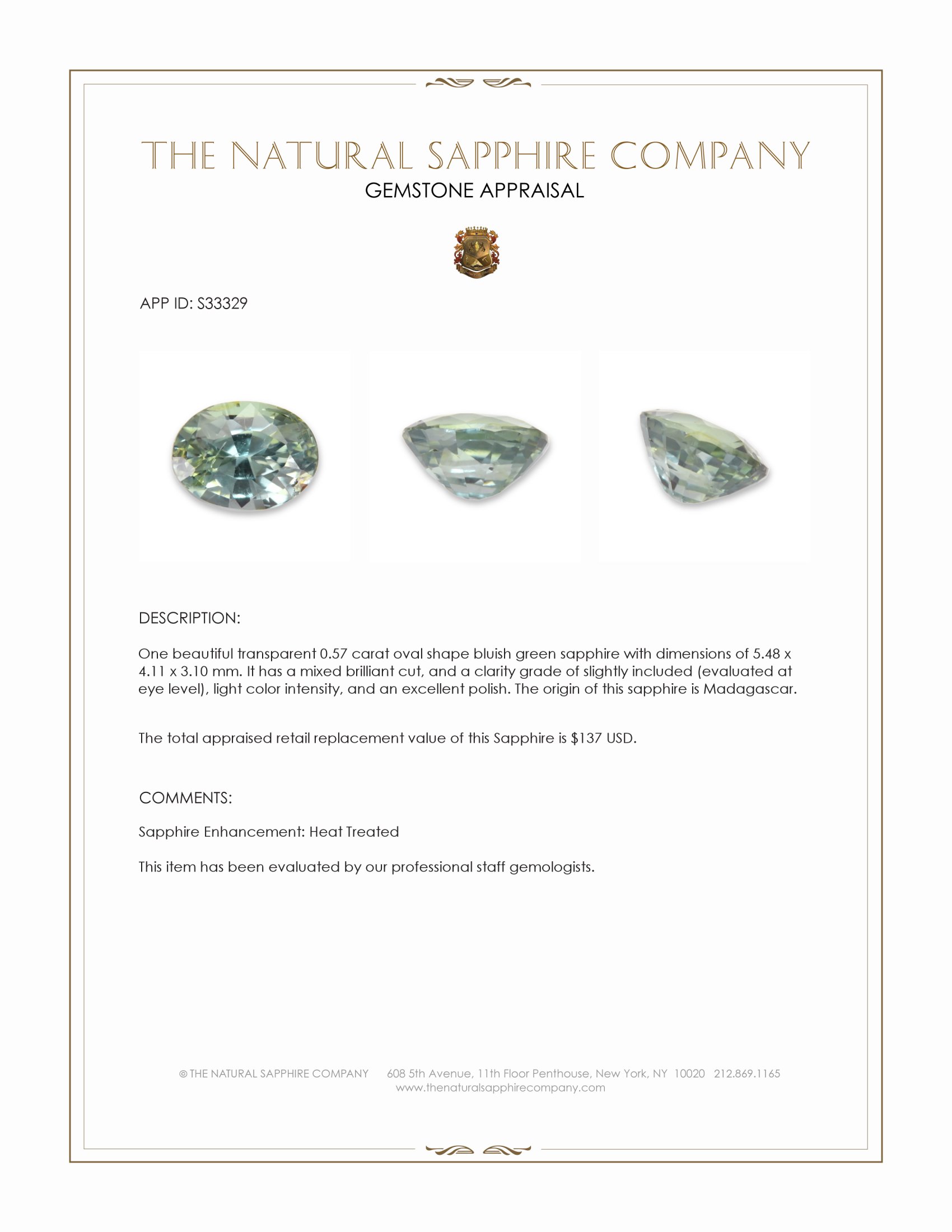
0.57 Ct. Bluish Green Sapphire from Madagascar
This loose stone is available to ship now
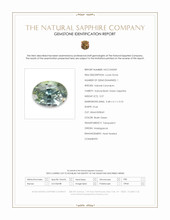
Item ID: | S33329 |
|---|---|
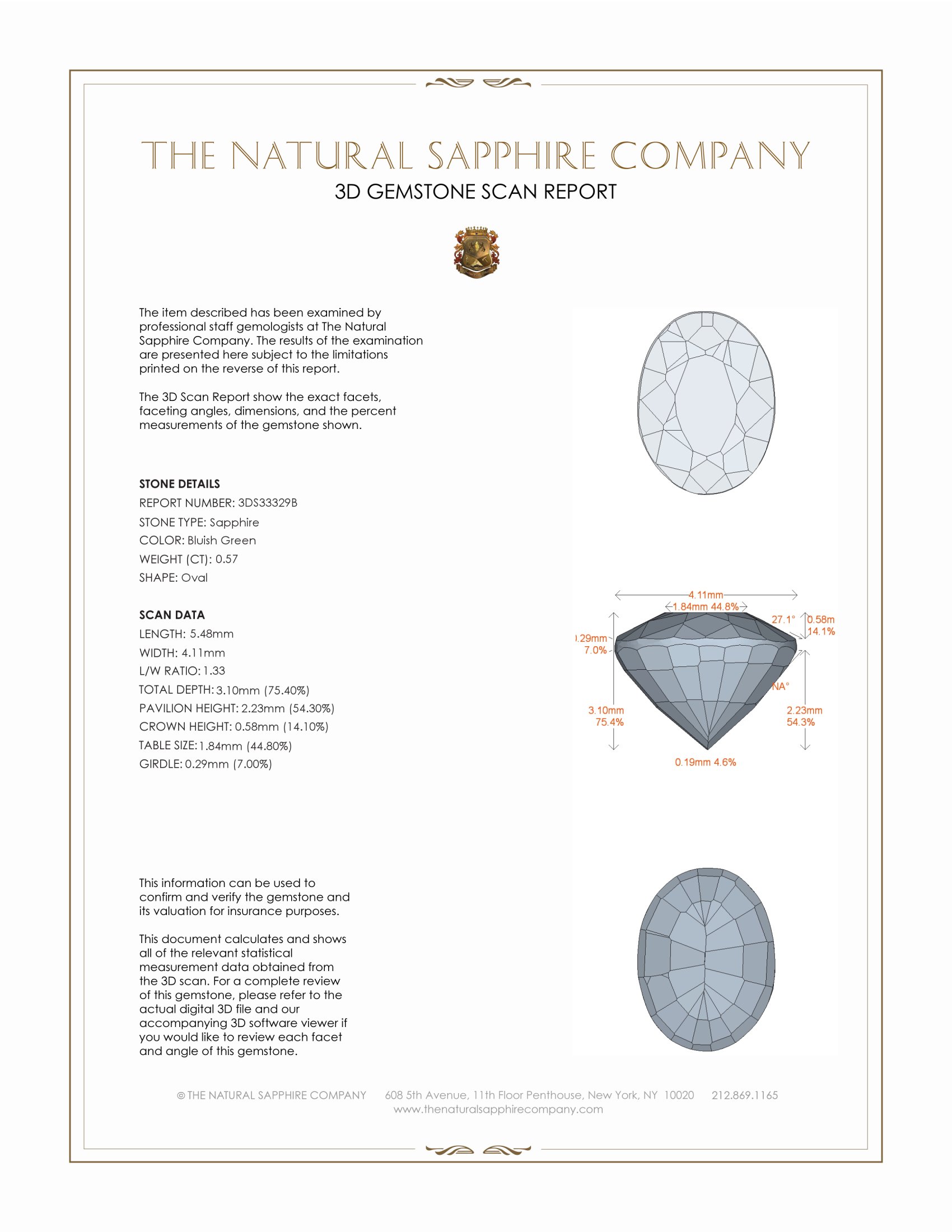
Dimensions (MM): help | Length: 5.48 Width: 4.11 Height: 3.1 |
Weight: | 0.57 Ct. |
Color: help | Bluish Green |
Color intensity: help | Light |
Clarity: help | Slightly Included |
Shape: help | Oval |
Cut: | Mixed Brilliant |
Cutting style: | Faceted |
Enhancements: help | Heat Treated |
Origin: help | Madagascar |
Per carat price: help | $240 |
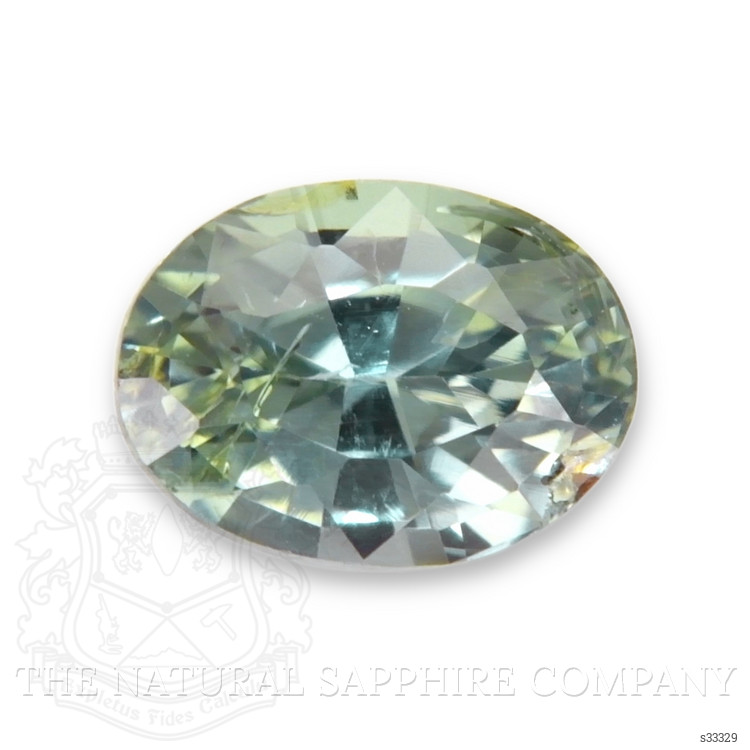
This transparent 0.57 carat oval bluish green sapphire measures 5.48 by 4.11 by 3.10 millimeters, and it is an elegant example of corundum that balances color and brilliance with refined proportions. The gem has been fashioned in an oval shape with a mixed brilliant cut and an excellent polish, attributes that enhance both its brilliance and optical cleanliness. Clarity has been evaluated at slightly included at eye level, which means that while small natural features are present, they do not dominate the gem or prevent attractive light performance when set. Color intensity is described as medium light, giving a delicate bluish green appearance that reads as sophisticated and wearable in a wide range of jewelry designs. The stone has been heat treated, a common and stable enhancement that improves color and clarity, and its documented origin is Madagascar, a source known for producing a wide range of attractive sapphire hues. The Natural Sapphire Company is pleased to present this stone to collectors and connoisseurs who appreciate well documented natural gem material.
From a gemological perspective the bluish green hue in this sapphire results from trace element chemistry, primarily iron with variable contributions from titanium and other elements that influence tone and hue. The medium light intensity places this gem in a category that is often favored for finely crafted rings and pendants because it displays color without appearing too dark in smaller sizes. Slightly included clarity at eye level means inclusions are detectable to a trained viewer under normal viewing conditions, yet the transparency remains high and the inclusions do not significantly interrupt light passage or reduce the overall visual appeal. The excellent polish on the pavilion and crown facets is important, because polish quality directly affects surface luster and the crispness of reflected light. In practical terms the combination of transparency, modest inclusions, and superior polish creates a gem that appears lively and clean when looked at without magnification.
The mixed brilliant cut plays a central role in the sapphire strong reflective qualities. A mixed brilliant typically pairs a brilliant style crown that maximizes scintillation and fire with a pavilion that may use step or modified facets to control depth of color and return light evenly. In this 0.57 carat stone the cutter has balanced facet proportions to create an appealing play of light across the table and crown facets, producing bright flashes and a pleasing pattern of brilliance that animates the stone when it moves. Compared to sapphires cut as cabochons or as classic step cuts, this mixed brilliant cut yields more dynamic sparkle and a greater sense of liveliness. When set in jewelry the cut will emphasize scintillation under spot lighting while maintaining even color tone in ambient lighting, a quality that is especially desirable in sapphires where both color and light return contribute to overall beauty.
When comparing the reflective qualities of this sapphire to other gemstones in its category it is useful to consider refractive index, dispersion, pleochroism, and hardness. Sapphire typically has a refractive index in the range that produces a bright vitreous luster and a strong sense of internal light return that is more pronounced than that of beryl family gems such as aquamarine. Aquamarine has a lower refractive index and therefore appears less brilliant and more glassy, making a sapphire of comparable cut appear livelier. Emeralds are usually cut to preserve color and clarity and frequently use step cuts that emphasize tone rather than brilliance, so emeralds often show less sparkle than a mixed brilliant sapphire. Spinel can show lively brilliance similar to sapphire, but spinel typically lacks the pleochroic behavior seen in some sapphires, and color saturation differences can make a sapphire appear more complex in changing light. Tanzanite exhibits strong pleochroism and can show dramatic color shifts, however its lower hardness reduces its suitability for everyday wear compared with sapphire, which rates nine on the Mohs scale and is highly resistant to abrasion and chips. Overall, this sapphires mixed brilliant cut and high polish deliver a level of dynamic reflection and everyday durability that outperforms many other attractive gemstones in practical jewelry use.
For the educated buyer value is determined by a combination of documented origin, treatment disclosure, color, clarity, cut, and durability. Madagascar has become an important modern source for sapphires, offering a range of colors and appealing clarity profiles, and specimens from this island are widely respected in the trade. Heat treatment is an industry standard for improving color and removing silk and other inclusions, and it is stable and widely accepted when fully disclosed. The medium light bluish green tone of this sapphire is somewhat rare relative to the more common pure blue or padparadscha colors, giving it a distinctive character that appeals to collectors who seek unusual but wearable colors. The gem size and precise dimensions make it ideal for settings where fine proportion and light performance matter, and the mixed brilliant cut maximizes visual impact for its weight. Buyers considering this sapphire should weigh the slightly included clarity against the excellent polish and transparent appearance, and consider certification to verify origin and treatment if desired. The Natural Sapphire Company provides full disclosure and detailed imagery to assist in that evaluation, and this gem represents a compelling balance of natural origin, skilled cutting, and reliable durability that makes it well suited for both bespoke jewelry and long term ownership.


