
- Stone10
- Reports3

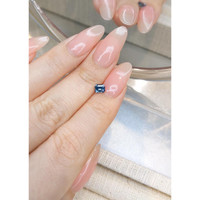
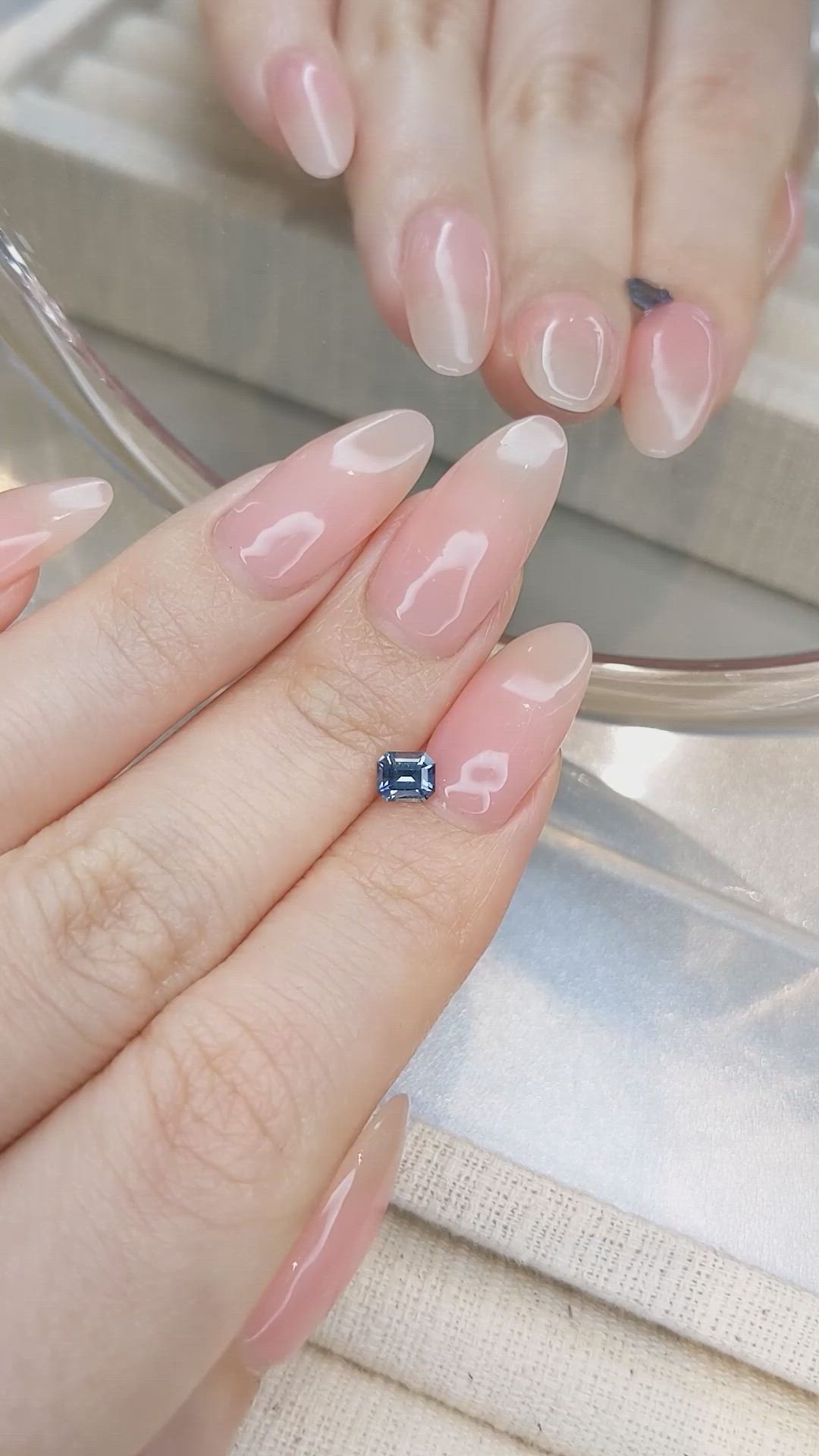
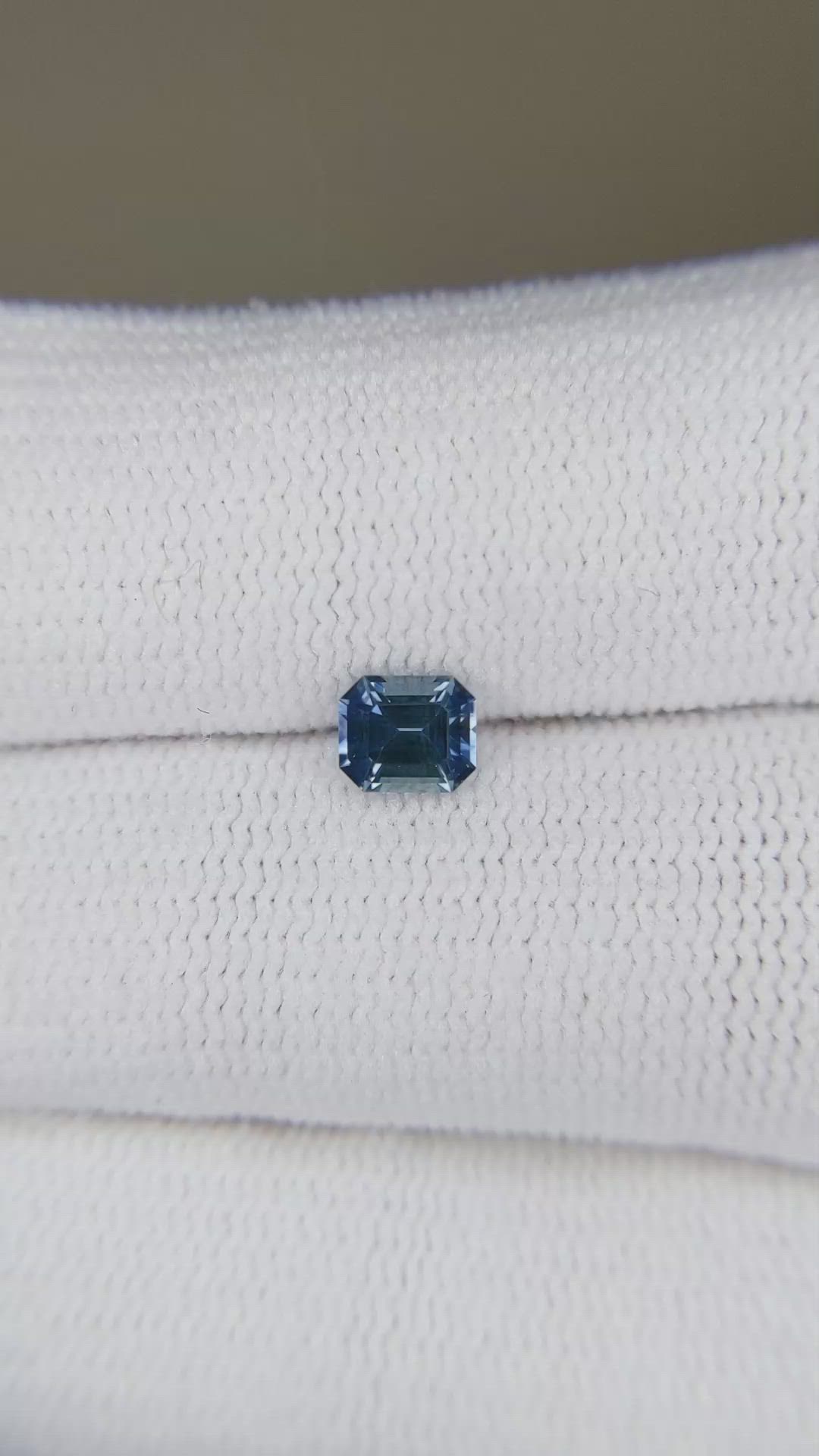
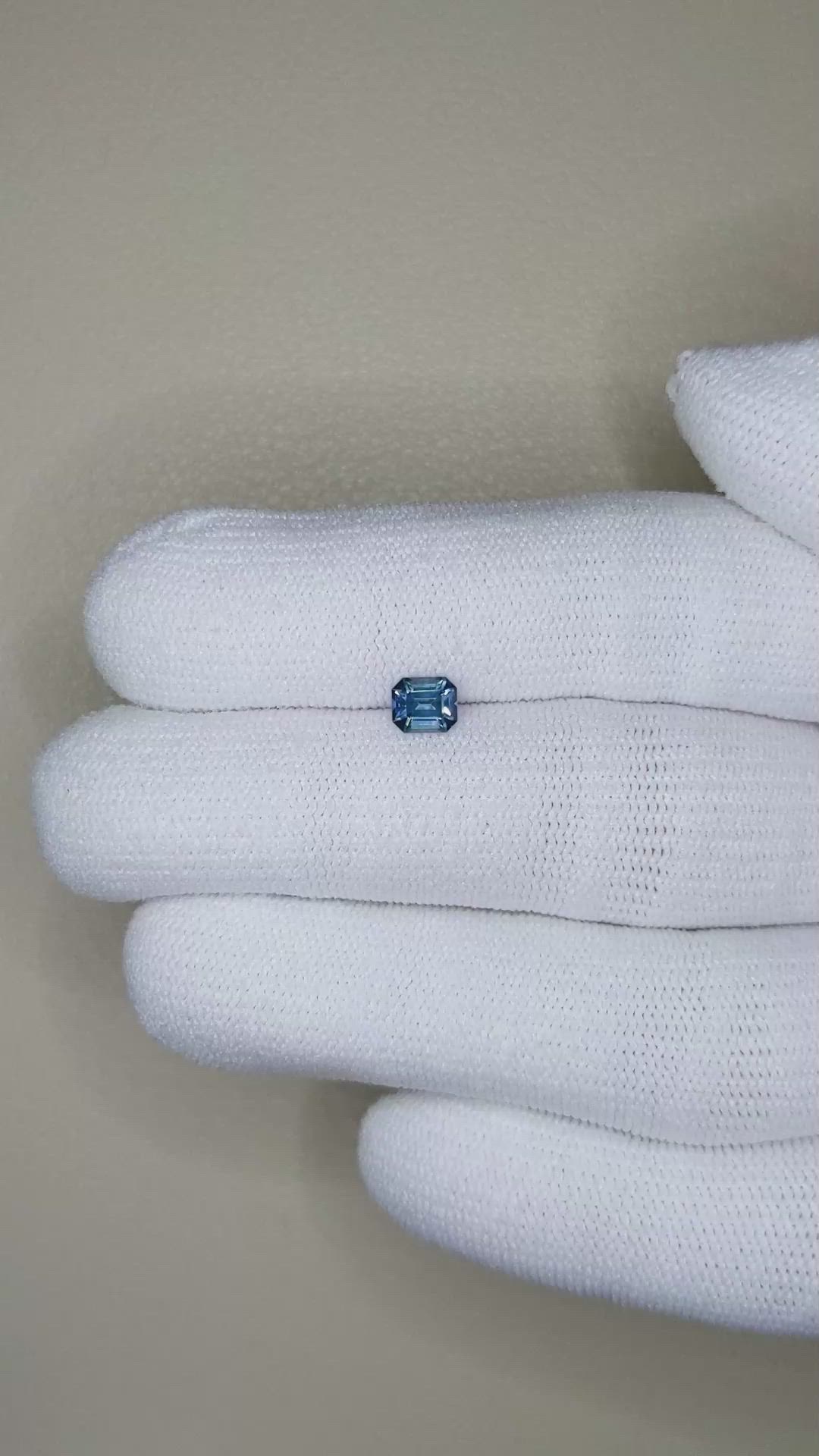




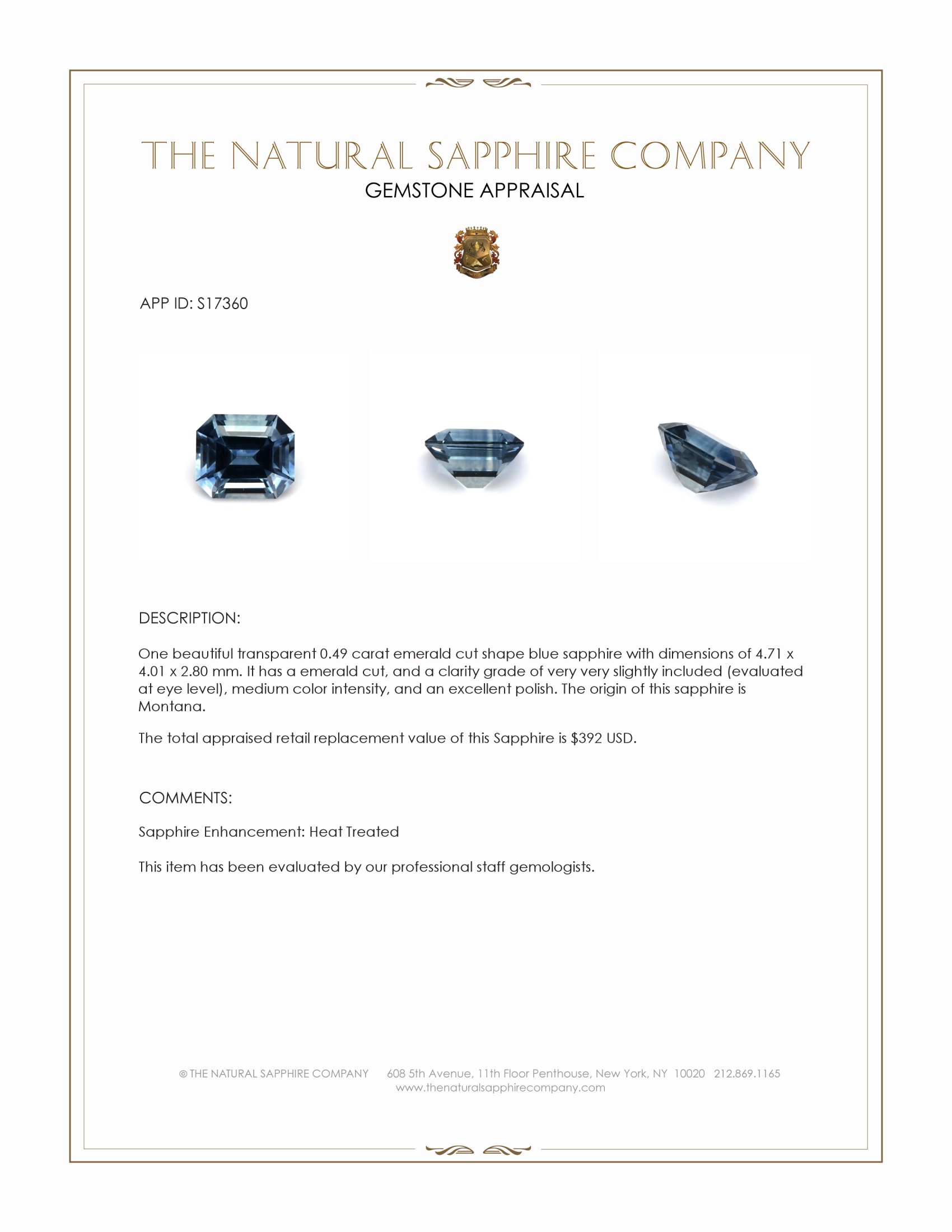
0.49 Ct. Blue Sapphire from Montana
This loose stone is available to ship now
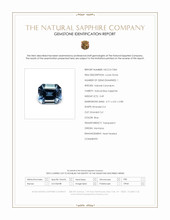
Item ID: | S17360 |
|---|---|
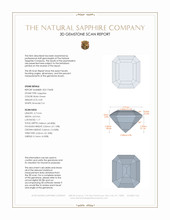
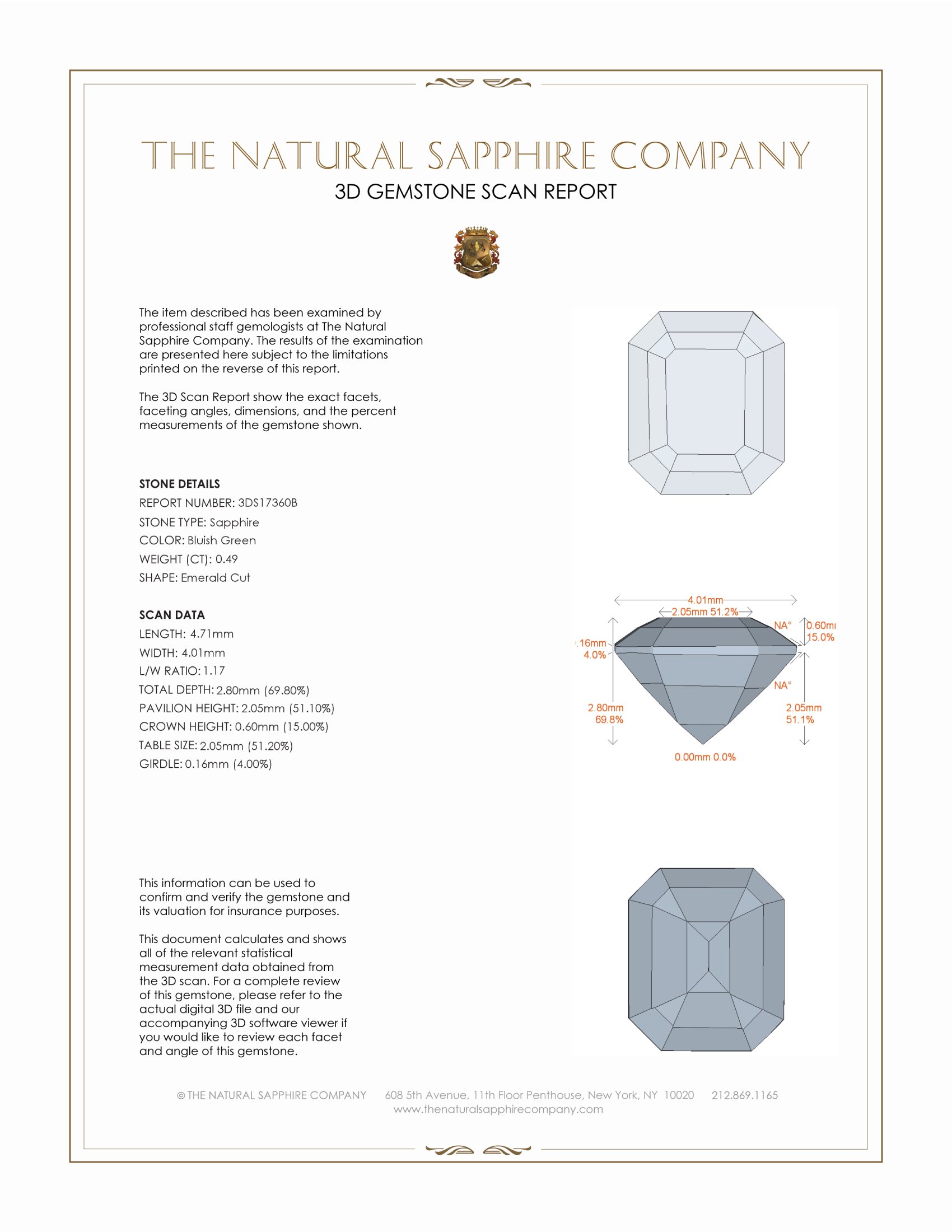
Dimensions (MM): help | Length: 4.71 Width: 4.01 Height: 2.8 |
Weight: | 0.49 Ct. |
Color: help | Blue |
Color intensity: help | Medium |
Clarity: help | Very Very Slightly Included |
Shape: help | Emerald Cut |
Cut: | Emerald |
Cutting style: | Faceted |
Enhancements: help | Heat Treated |
Origin: help | Montana |
Per carat price: help | $800 |
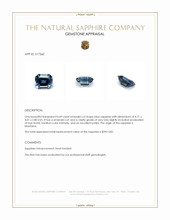
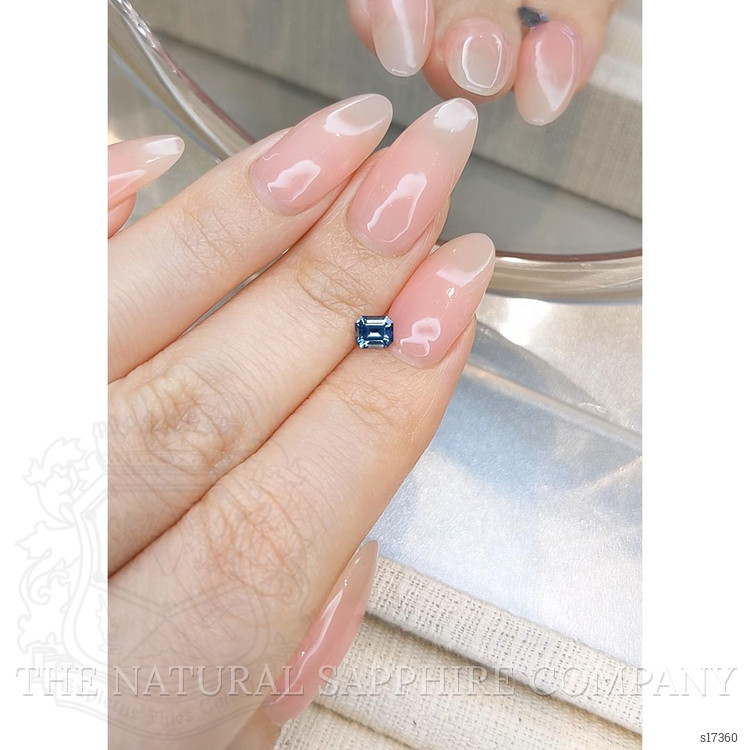
This transparent 0.49 carat blue sapphire, cut in an emerald shape, presents precise proportions and a refined presence for bespoke jewelry design. The stone measures 4.71 x 4.01 x 2.80 mm, and the emerald cut emphasizes linear symmetry and controlled light return. Clarity is graded as very very slightly included, evaluated at eye level, which indicates exceptionally small internal characteristics that do not detract from the gem when mounted. The color displays a medium intense blue saturation, offering a balanced depth that reads richly without appearing overly dark under typical lighting. Polish is excellent, producing crisp, mirror like facet junctions and clean reflection of light across the broad table, enhancing both luster and facet contrast. Enhancement is heat treated, a stable and widely accepted treatment to accentuate tone and clarity, and the rough origin of this sapphire is Montana, a provenance known for cool, often nuanced blue tones and a distinct natural character.
The emerald cut shape for this sapphire is particularly well suited to designs that prioritize clarity and architectural form, thanks to its step cut faceting and an expansive table. The broad, flat surface plane of the emerald cut provides a clear view into the stone, making the very very slightly included clarity grade an asset, by allowing internal features to be minimal and unobtrusive. The measured depth of 2.80 mm together with the 4.71 by 4.01 mm footprint yields proportions that sit comfortably in both low profile and classic head settings, offering good stability and predictable light behavior. The medium intense color responds well to different mounting metals, with cooler metals tending to emphasize the sapphires blue tone, while warmer metals can impart a subtle contrast that softens the apparent saturation. Excellent polish ensures that facet edges remain sharp when set, and the transparent nature of the stone contributes to bright, even color distribution, making the gem versatile for both solitary presentations and multi stone arrangements.
Customization options for a sapphire of these specifications are extensive, and the stone adapts to a wide range of jewelry typologies. In engagement rings the emerald cut is elegant as a solitaire with four or six prongs, where its elongated facets create a sophisticated, understated look, or it can be secured in a bezel setting for enhanced protection and a contemporary low profile. For designers seeking to increase apparent size and brilliance, a diamond halo or contrasting melee can frame the emerald cut and introduce scintillation around the softer, step cut flashes. Side stone pairings such as tapered baguettes or straight baguette shoulders harmonize with the step cut geometry, reinforcing linearity and creating a cohesive visual flow. Three stone and trilogy settings work well when paired with round brilliants or emerald cut diamonds, offering balance and narrative to the piece. The dimensions here allow the gem to function as a center stone in pendants and drop earrings, and matched pairs or complementary stones can be arranged for asymmetrical modern designs, cluster pieces, or classic stud applications.
Practical considerations for customization and long term wear are straightforward, and they support a wide array of stylistic choices. The heat treated enhancement is stable under normal wear and professional jewelry maintenance, and it does not limit setting options or the ability to resize in the future. Given the emerald cut corners, settings that protect those corners, such as bezel walls or corner prongs, are recommended for pieces intended for daily wear. The modest footprint and moderate depth make the stone suitable for both low profile and raised gallery designs, and the gem can be set without extensive modification to standard mounting cups that accommodate a 4.7 by 4.0 mm rectangular stone. Metal selection will alter the visual temperature of the sapphire, with platinum or white gold accentuating cooler, steel blue notes, and yellow or rose gold providing a warm contrast that can soften the overall appearance. At The Natural Sapphire Company, our bench team can provide technical guidance on prong placement, bezel specifications, and side stone pairing, and we offer bespoke design consultation with CAD imagery to visualize the final setting before production, ensuring the sapphire is showcased according to both aesthetic intent and structural best practice.


