
- Stone14
- Reports3
-pear-blue-sapphire-0.2600-cts-s34695-1.jpg?d=200x200&v=20251212124758)
-pear-blue-sapphire-0.2600-cts-s34695-lifestyleimage-1.jpg?d=200x200&v=20251216001922)
-pear-blue-sapphire-0.2600-cts-s34695-lifestyleimage-2.jpg?d=200x200&v=20251216001922)
-pear-blue-sapphire-0.2600-cts-s34695-lifestyleimage-3.jpg?d=200x200&v=20251216001922)

-pear-blue-sapphire-0.2600-cts-s34695-1.jpg?d=750x750&s=nsc&v=20251212124758)
-pear-blue-sapphire-0.2600-cts-s34695-lifestyleimage-1.jpg?d=750x750&s=nsc&v=20251216001922)
-pear-blue-sapphire-0.2600-cts-s34695-lifestyleimage-2.jpg?d=750x750&s=nsc&v=20251216001922)
-pear-blue-sapphire-0.2600-cts-s34695-lifestyleimage-3.jpg?d=750x750&s=nsc&v=20251216001922)

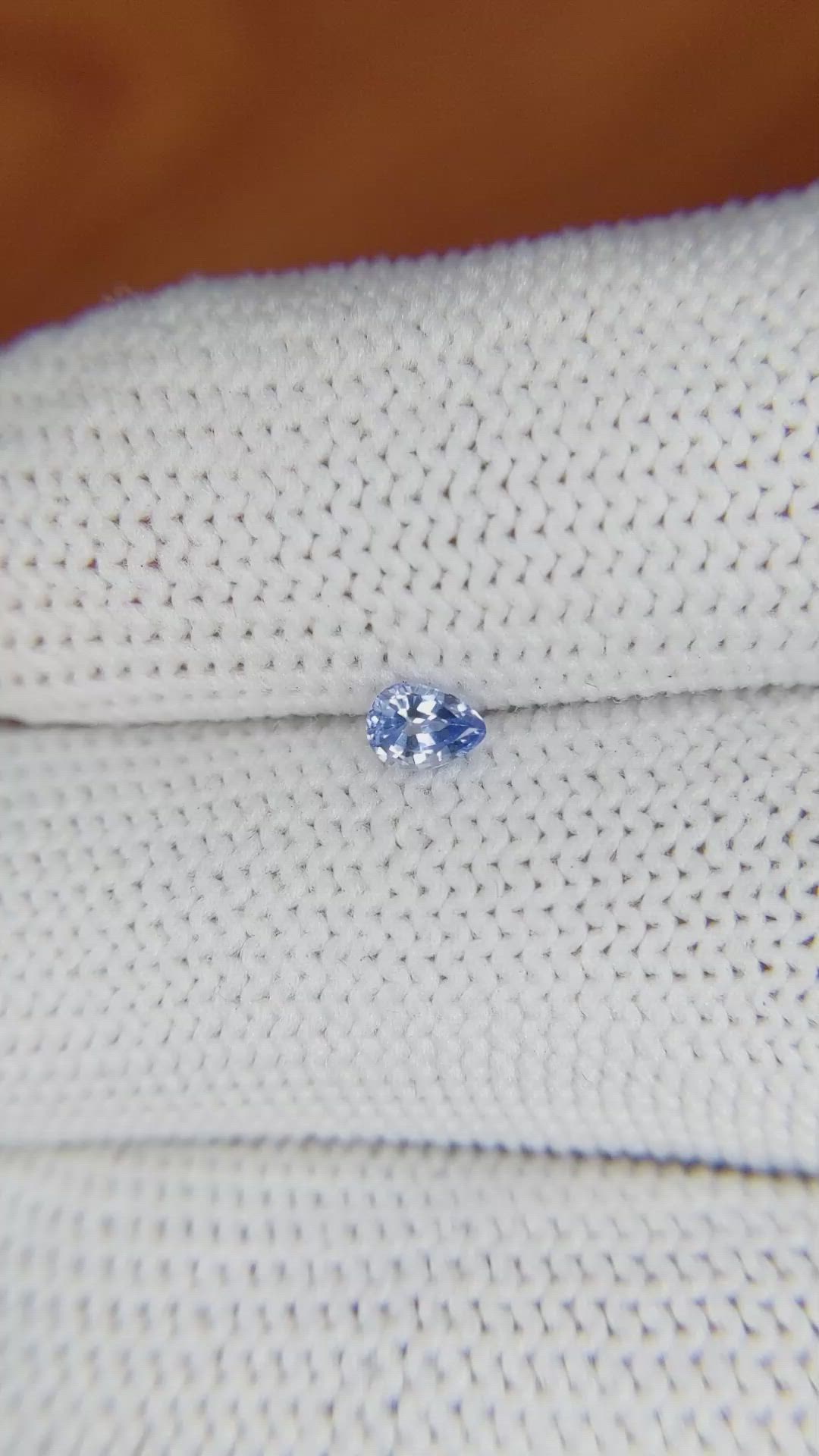
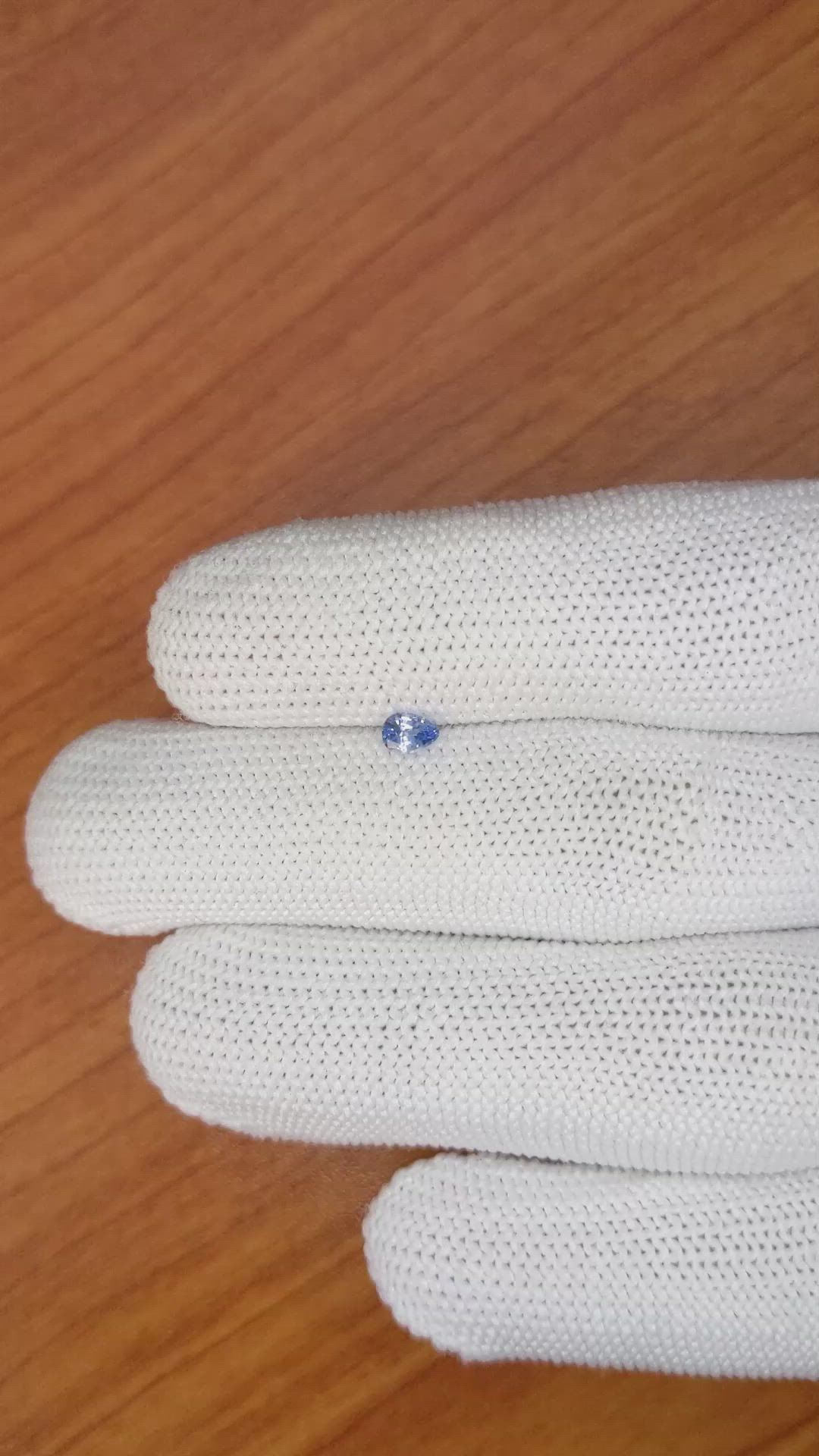
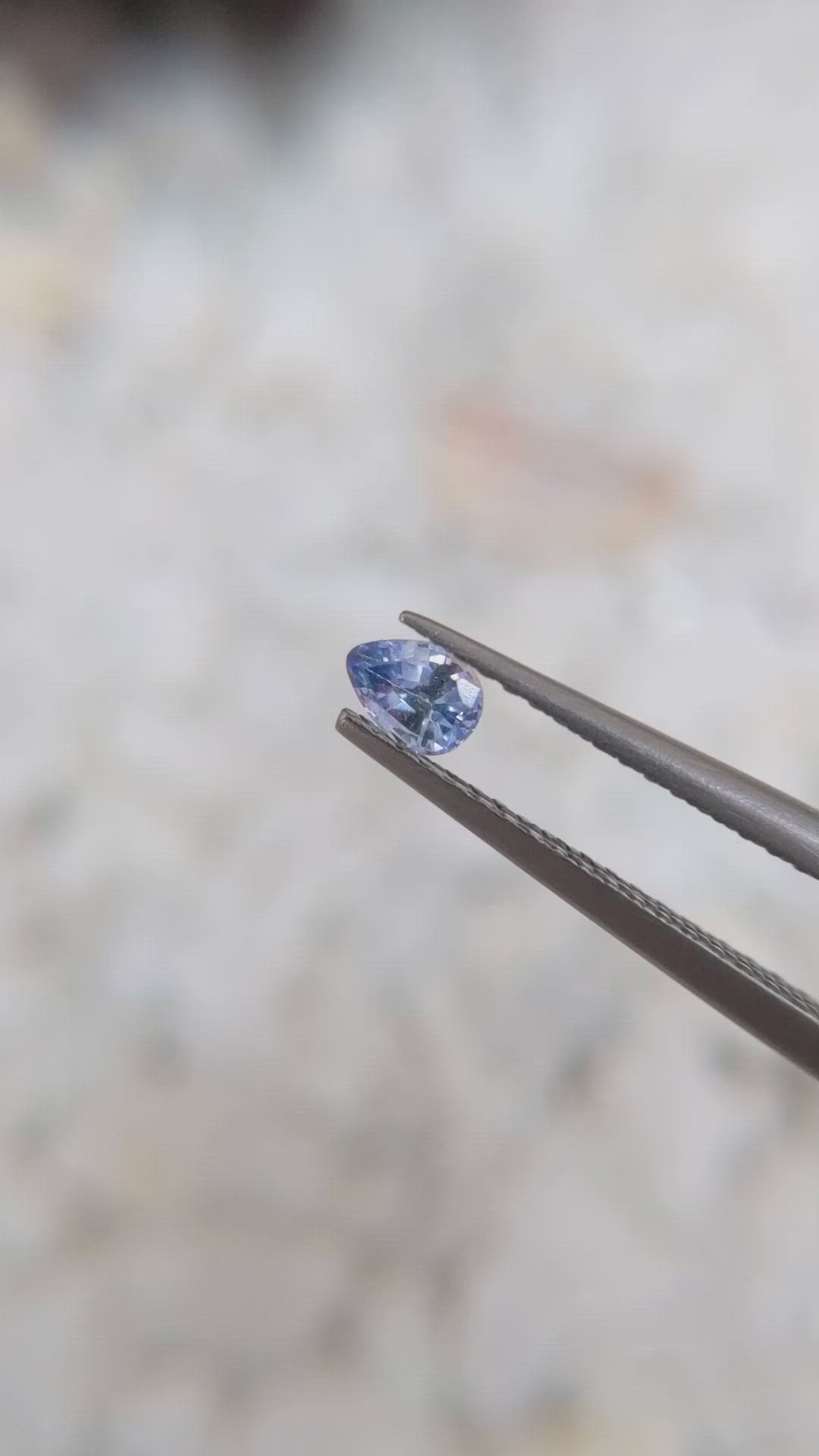
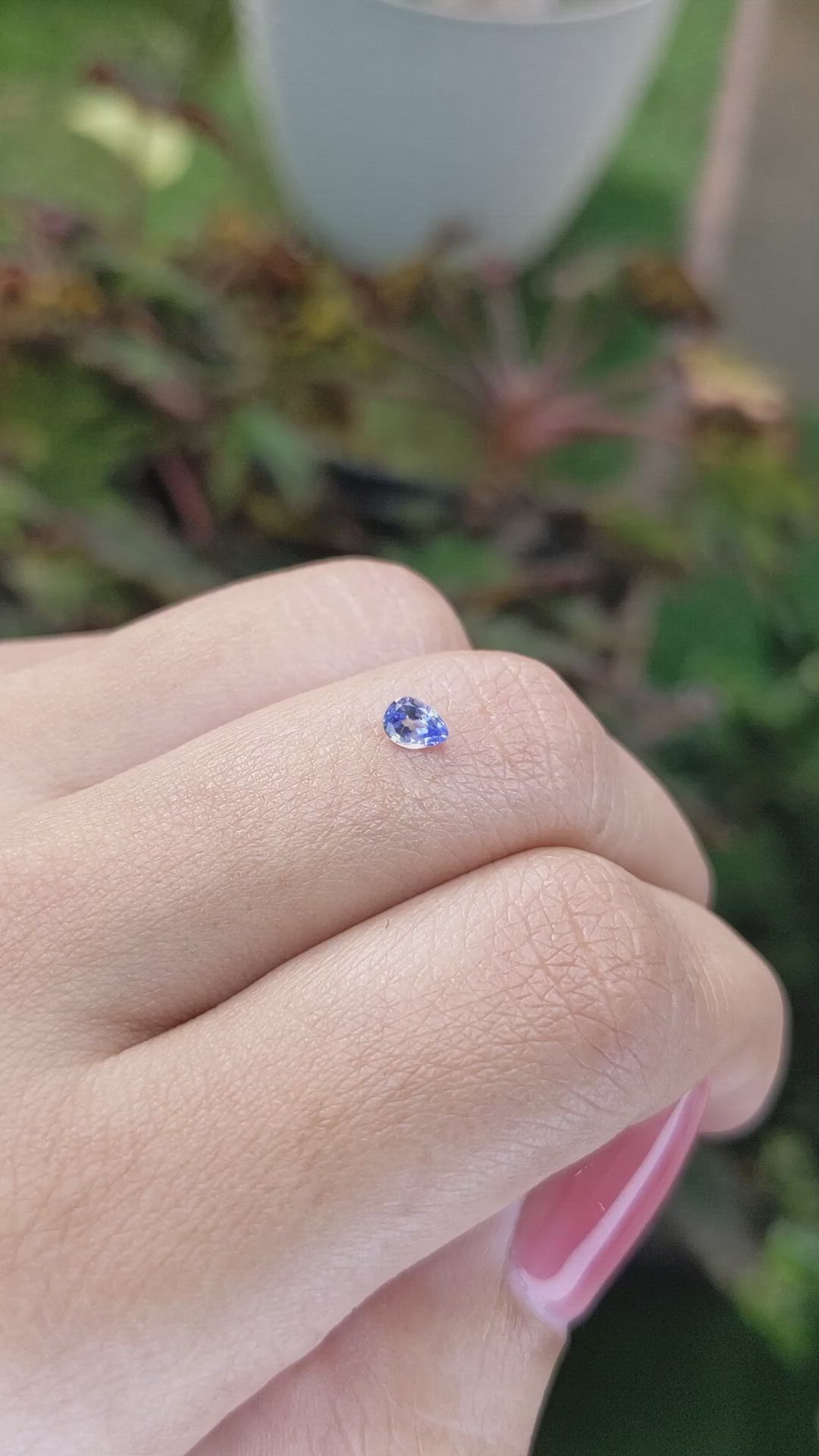
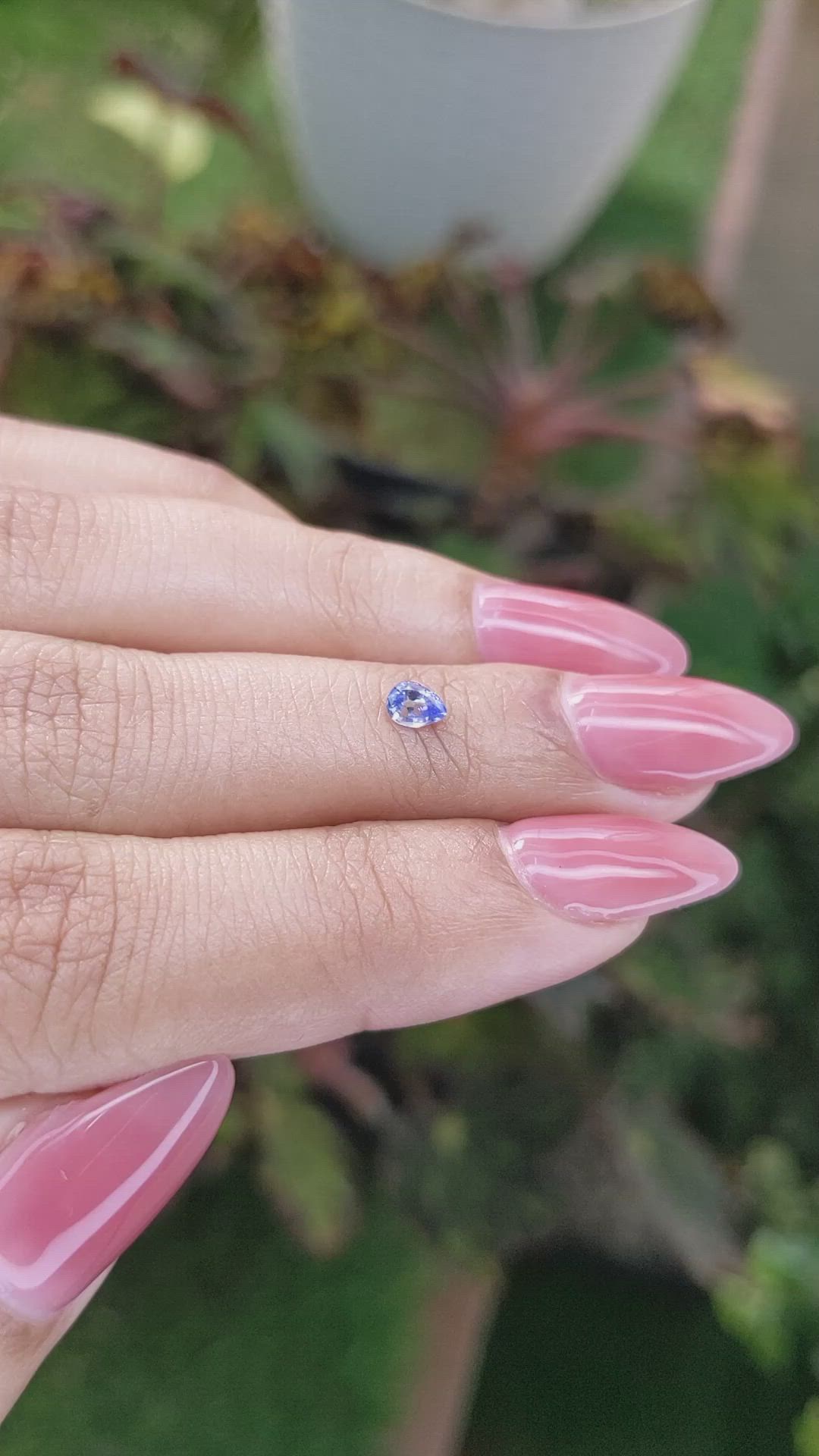
0.26 Ct. Blue Sapphire from Ceylon (Sri Lanka)
This loose stone is available to ship now
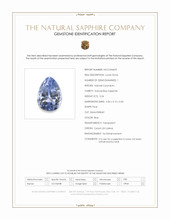
Item ID: | S34695 |
|---|---|
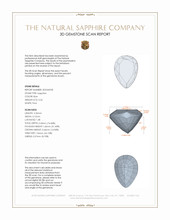
Dimensions (MM): help | Length: 4.36 Width: 3.15 Height: 2.33 |
Weight: | 0.26 Ct. |
Color: help | Blue |
Color intensity: help | Medium Light |
Clarity: help | Very Very Slightly Included |
Shape: help | Pear |
Cut: | Mixed Brilliant |
Cutting style: | Faceted |
Enhancements: help | No Enhancement |
Origin: help | Ceylon (Sri Lanka) |
Per carat price: help | $200 |
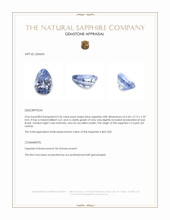
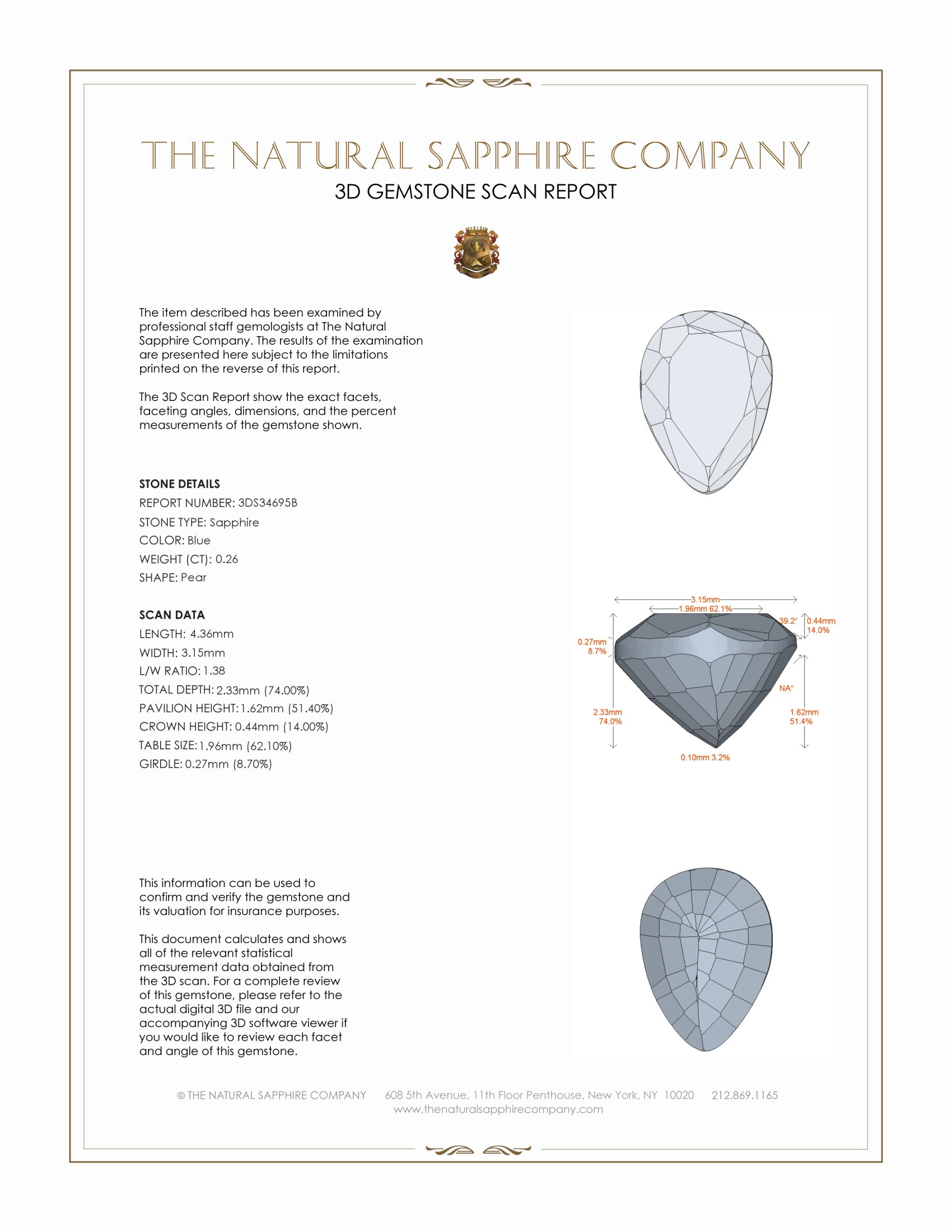
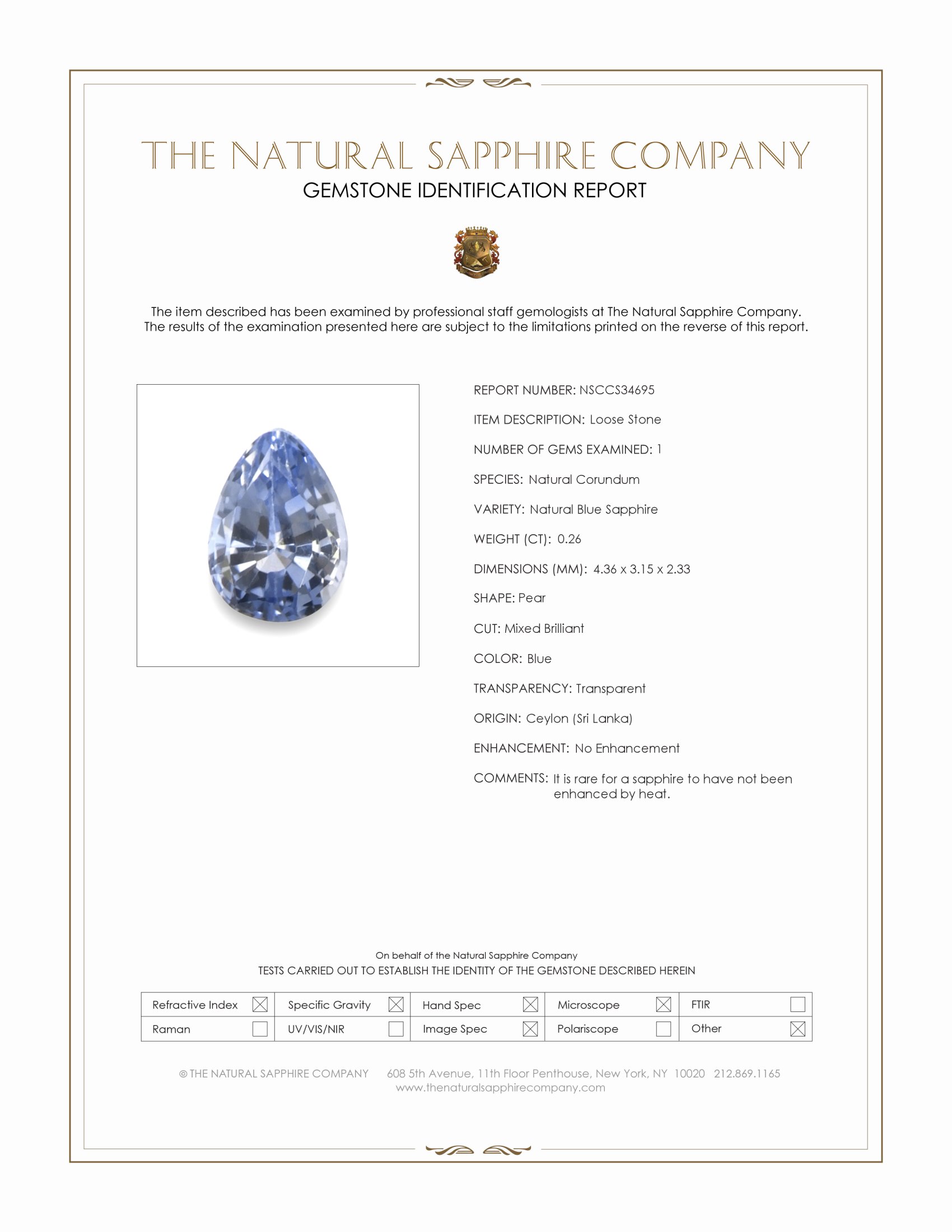
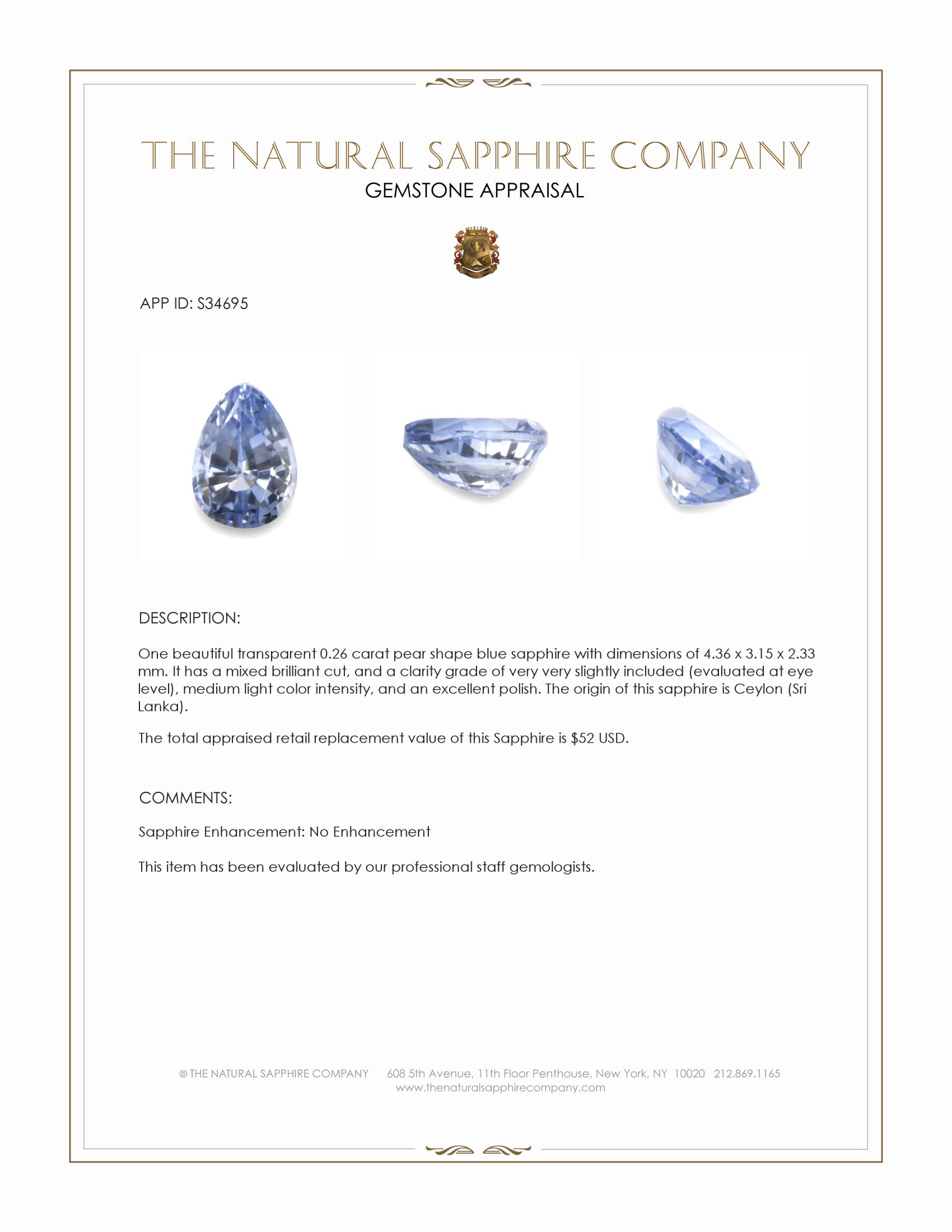
This pear shape blue sapphire from The Natural Sapphire Company is a precisely measured specimen, weighing 0.26 carat, with dimensions 4.36 by 3.15 by 2.33 millimeters. The gem is transparent, with a medium light color intensity that presents a delicate but distinctly Ceylon blue, and it carries a clarity grade described as very very slightly included evaluated at eye level. The cutter employed a mixed brilliant cut to balance scintillation and color retention, and the stone exhibits an excellent polish that sharpens facet junctions and enhances light return. There is no enhancement, the material is natural, and the origin is Ceylon, Sri Lanka, an important provenance that is associated with fine, clean blue tones. These baseline measurements and grading notes establish the sapphire as a small, well cut gem intended for precise jewelry applications where optical performance and natural origin are priorities.
At the structural level the sparkle of this sapphire is rooted in the classic optical properties of corundum. Sapphire displays a refractive index ranging from about 1.762 to 1.770, and a modest dispersion near 0.018, which together govern how white light is bent, separated, and recombined within the crystal. Corundum is also anisotropic, producing weak pleochroism that can reveal slightly different blue tones depending on the viewing axis, and a small birefringence typically around 0.008 to 0.010 that influences facet contrast at high magnification. In this stone the mixed brilliant faceting scheme aligns critical crown and pavilion facets with the crystallographic axes to optimize internal reflection cycles. The net result is a pattern of concentrated white flashes and localized blue flashes, generated by effective total internal reflection at facet interfaces and controlled leakage through the pavilion. Because there has been no heat or diffusion enhancement, the observed color and the interaction of light with natural inclusions remain authentic, and the sparkle originates from native optical behavior rather than treatment induced uniformity.
The cutter’s decisions in faceting geometry amplify these material properties, and they are evident in the gemology of the pear outline. The length to width ratio is approximately 1.38, a proportion that preserves a graceful pear profile while maintaining a balanced spread. The girdle and pavilion shaping produce a depth proportion that is approximately sixty two percent relative to the average diameter, a depth that supports multiple internal reflections without creating pronounced windowing or dead zones. The mixed brilliant cut combines a brilliant style crown, with numerous kite and star facets around a well centered table, and a pavilion that is modified to control return angles and color saturation. Fine facet cutting and an excellent polish ensure crisp facet intersections, which is critical for producing sharp scintillation. The clarity grade of very very slightly included evaluated at eye level indicates that inclusions are minimal and do not interrupt the macroscopic flow of light. In practice these minute inclusions can act as fine scatterers that increase scintillation by reflecting light locally, but they do not cause any visible detriment to transparency or color. The overall craftsmanship shows intentional preservation of weight without sacrificing optical performance, an approach consistent with high quality Ceylon sapphires.
For setting and wear, this sapphire’s optical characteristics suggest several practical recommendations to maximize its unique sparkle. Because the color is medium light, an open setting or a thin bezel that permits light into the pavilion will enhance perceived saturation and depth, and a prong setting that secures the point and the base allows light to enter from multiple angles to stimulate the mixed brilliant facet pattern. Orientation of the pear with the point either toward or away from the hand can subtly change how pleochroic color is presented, and a three or four prong basket with minimal cover over the pavilion is technically ideal for maintaining brilliance. Metal choice will affect perceived warmth, and white metals such as platinum or white gold will emphasize the cool, silvery blue characteristics of the stone, while yellow gold will add a slight contrast that can intensify blue perception at small sizes. As with all natural gems, precise mounting and skilled polishing of the setting are required to avoid overshadowing the sapphire’s optical behavior. The Natural Sapphire Company stands ready to advise on bespoke settings that respect the gem’s measurements, the mixed brilliant geometry, and the natural Ceylon color, ensuring the stone is presented in a way that fully showcases its unmatched sparkle and intrinsic provenance.


