
- Stone14
- Reports3


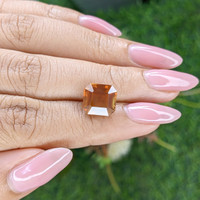
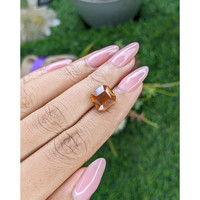
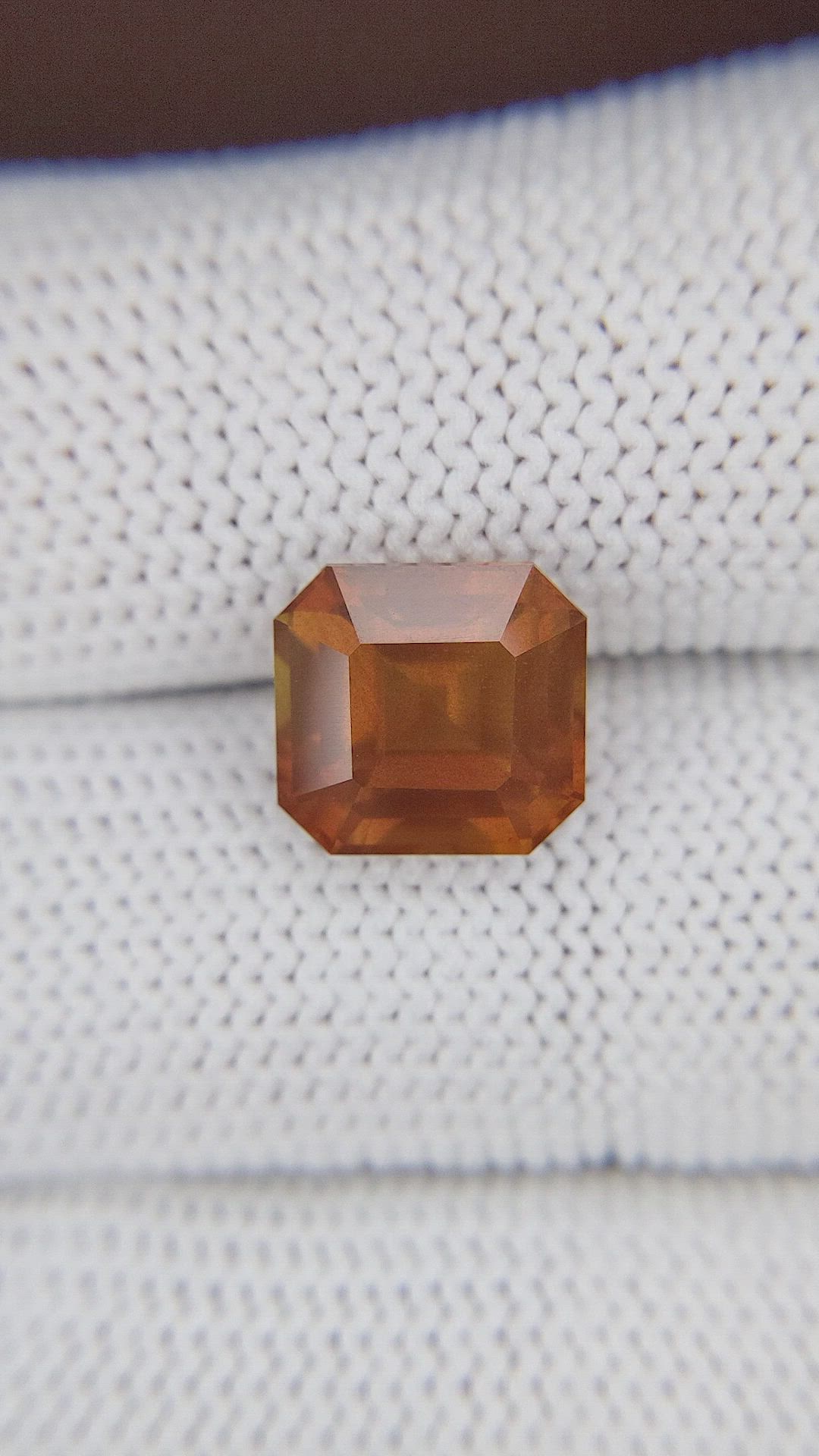
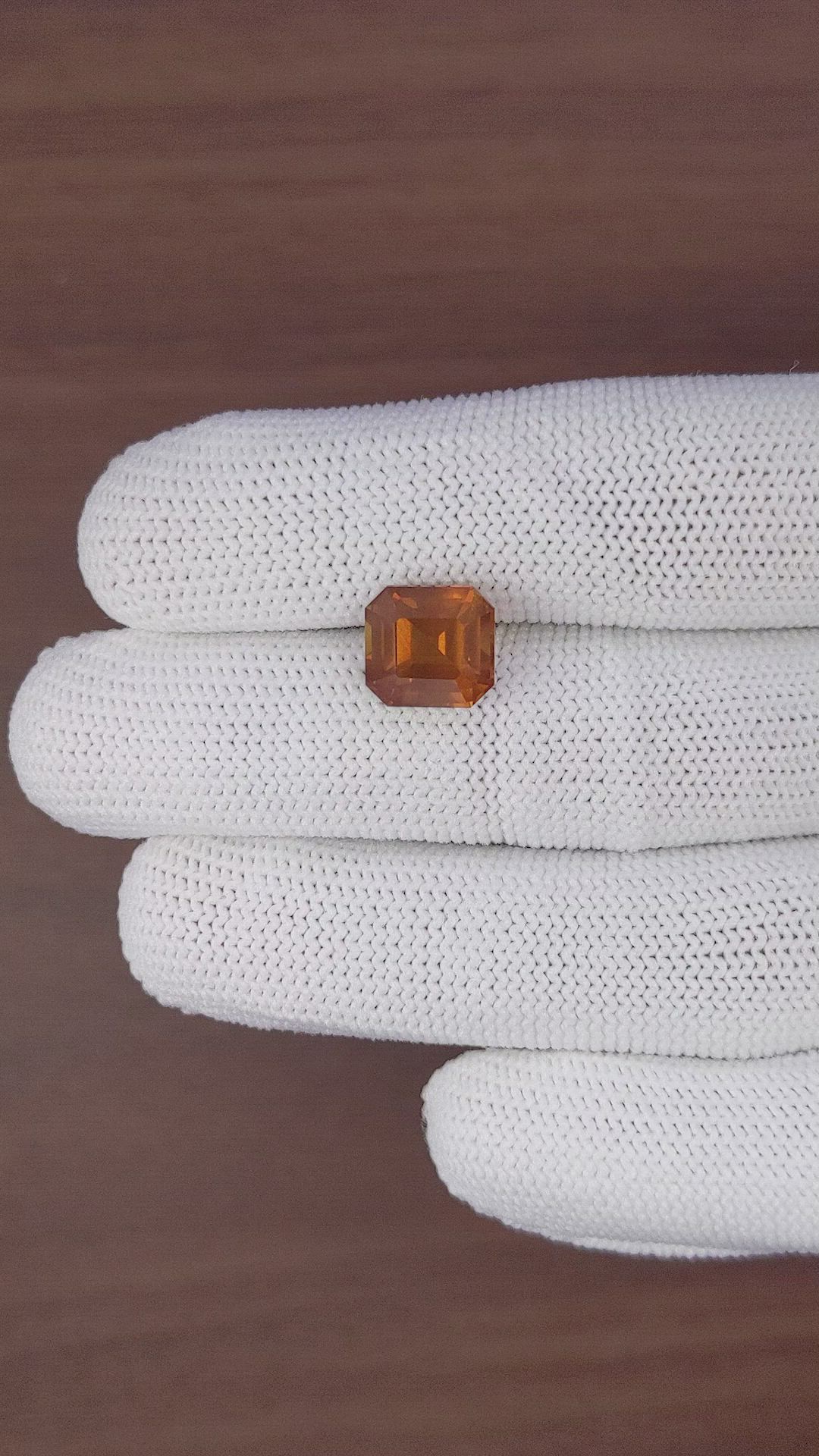
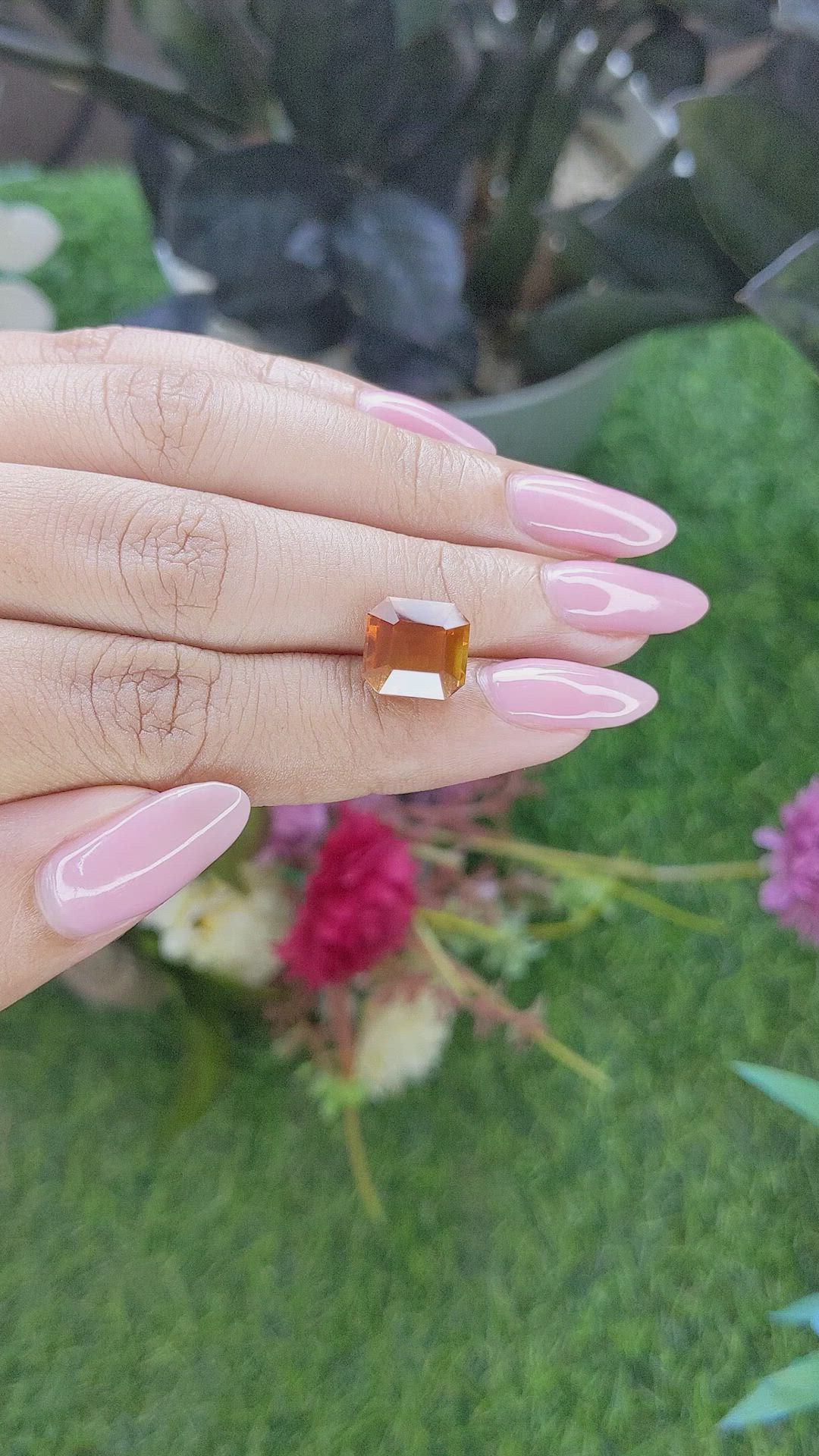
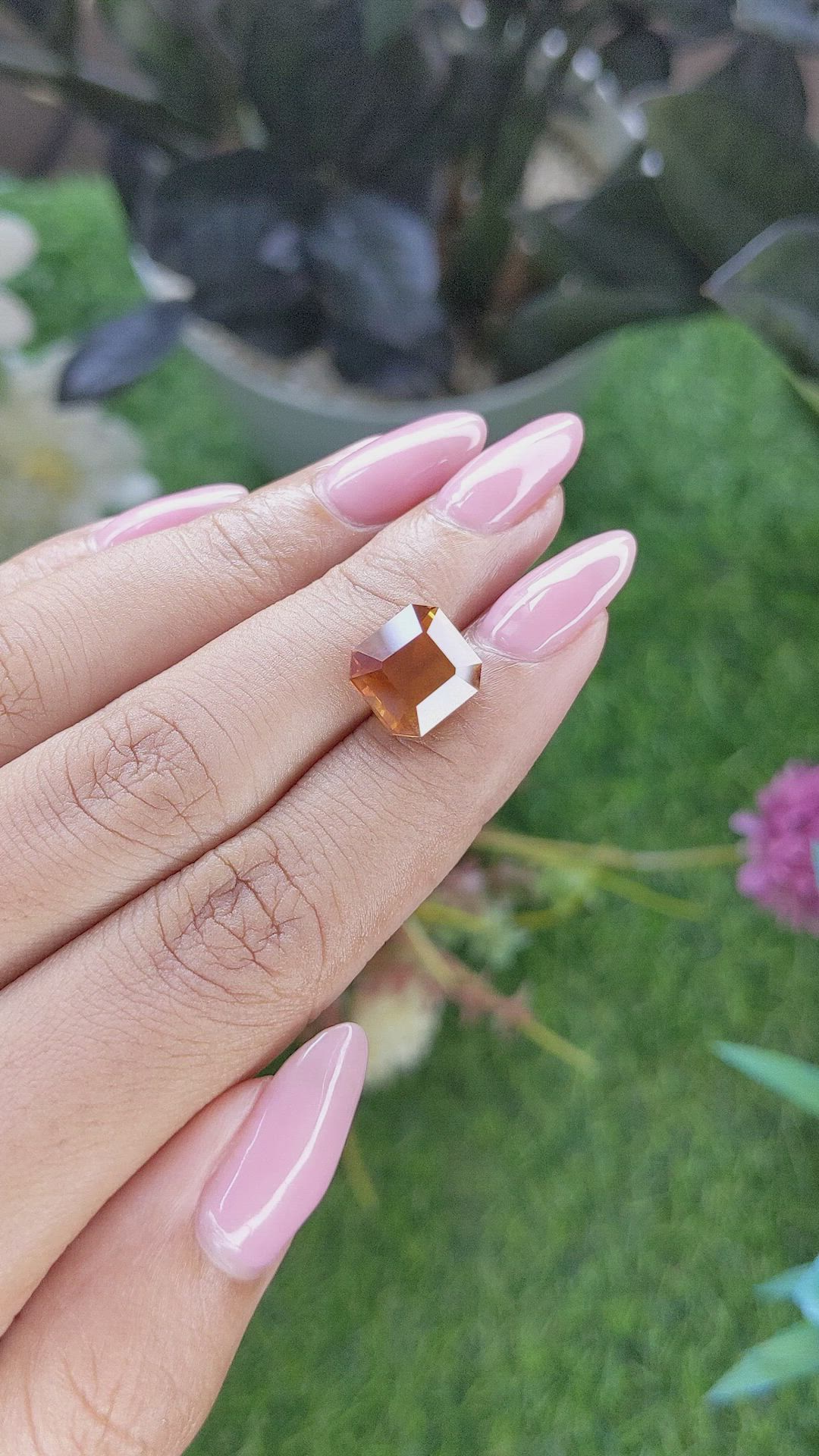
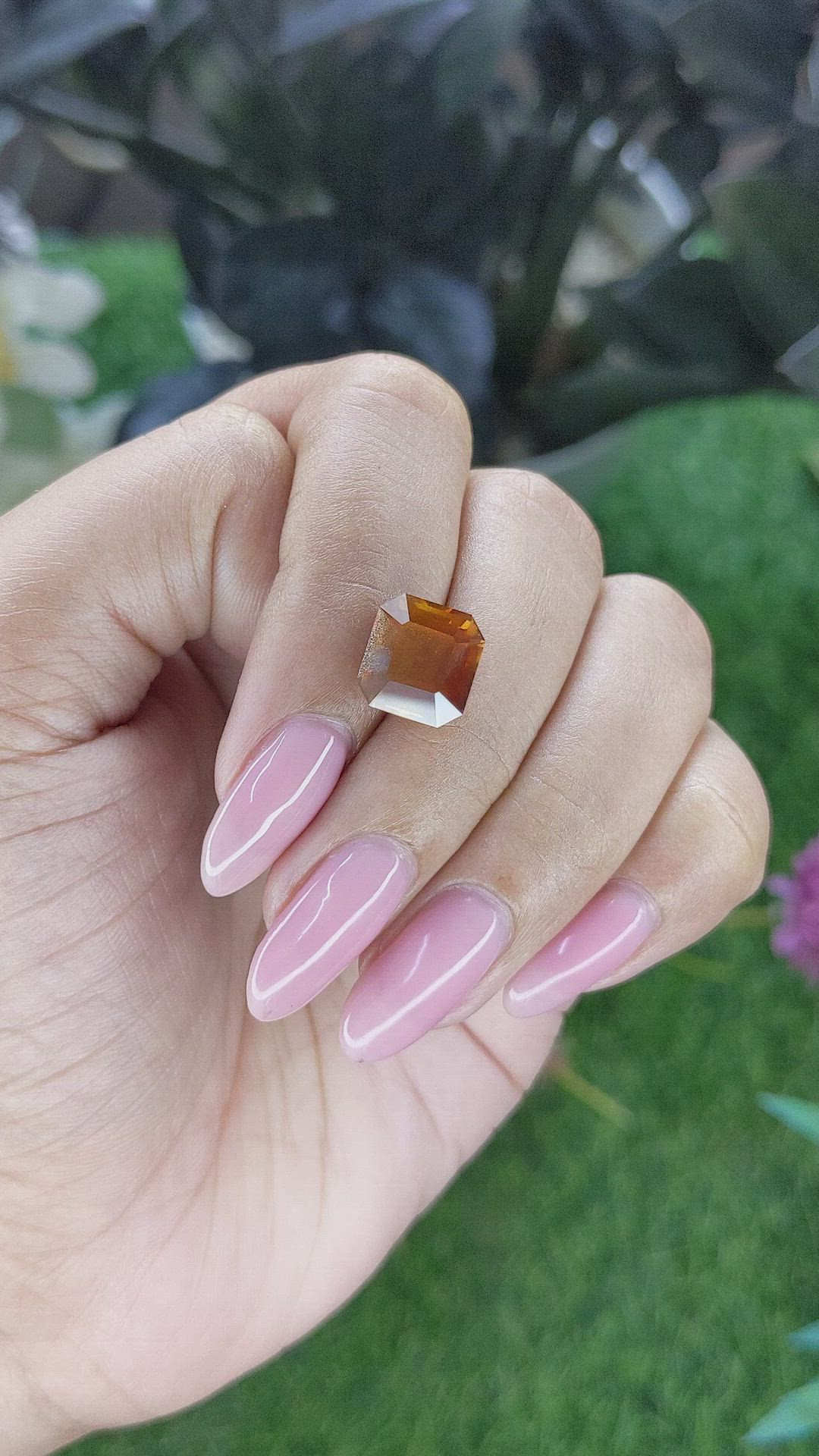


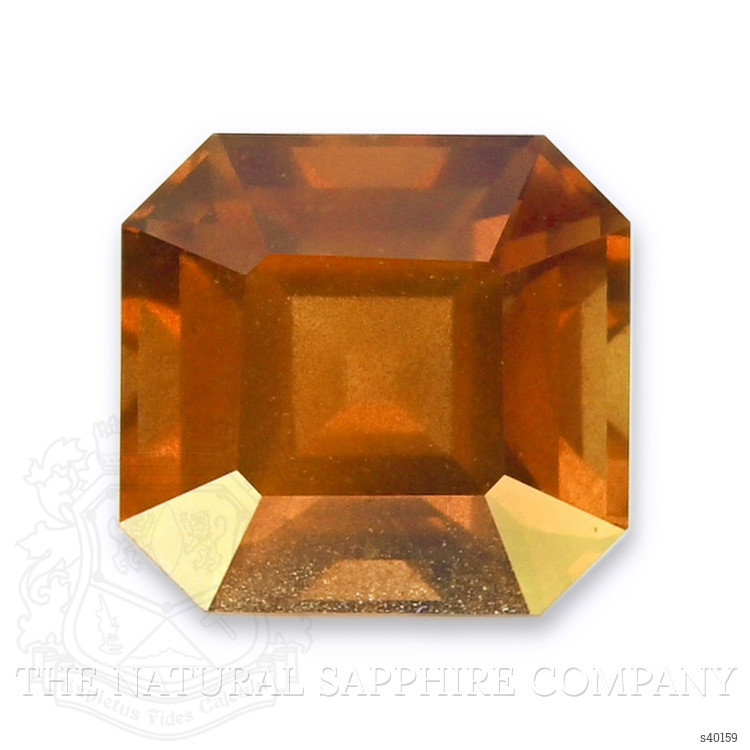


6.00 Ct. Yellowish Orange Sapphire from Tanzania
This loose stone ships by Oct 28
Item ID: | S40159 |
|---|---|
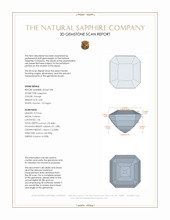
Dimensions (MM): help | Length: 9.97 Width: 9.4 Height: 6.61 |
Weight: | 6.00 Ct. |
Color: help | Yellowish Orange |
Color intensity: help | Intense |
Clarity: help | Very Slightly Included |
Shape: help | Asscher - Octagon |
Cut: | Asscher Cut |
Cutting style: | Faceted |
Enhancements: help | No Enhancement |
Origin: help | Tanzania |
Per carat price: help | $1,018 |
As a gemstone specialist at The Natural Sapphire Company, I am pleased to introduce this striking 6.00 carat asscher octagon yellowish orange sapphire, a stone that combines substantial size with exceptional natural characteristics. Measuring 9.97 by 9.40 by 6.61 millimeters, the proportions of this gemstone were carefully evaluated to achieve an asscher cut that emphasizes even color distribution and a refined step-facet geometry. The asscher cut, with its octagonal outline and parallel facets, is an ideal choice for sapphires that possess intense body color, because it allows light to travel through broader planes, deepening the perceived hue while maintaining a controlled, elegant brilliance. This sapphire is transparent, exhibiting intense color intensity, and it has been given an excellent polish, which enhances surface luster and the clarity of facet junctions. The clarity is graded as very slightly included when evaluated at eye level, meaning that any inclusions are minimal and do not detract from the stone’s visual appeal to a naked eye, a notable quality in a gem of this size.
From a gemological perspective, the intrinsic value of this sapphire arises from a combination of its weight, natural color, lack of enhancement, and origin. At 6.00 carats, this sapphire sits well above average for colored stones that retain both transparency and saturation, making it particularly desirable to educated buyers who understand the rarity of larger, untreated material. This stone is confirmed to have undergone no enhancement, which significantly increases collector value, because treatments such as heat or diffusion are commonly used to modify sapphire color and clarity. Its Tanzanian origin places it among a respected group of East African sapphires, regions that are known to produce a wide spectrum of hues. Tanzanian sapphires, whether sourced from the Umba Valley, Tunduru, or other deposits, often display unique and saturated colors due to the specific geological history and trace element chemistry in the host rocks. For a buyer seeking provenance, natural color, and transparency without treatment, this sapphire represents an investment in both beauty and authenticity.
To understand why the color is such a distinctive yellowish orange, it helps to consider the chemistry and crystallization process of corundum, the mineral family to which sapphire belongs. Corundum is aluminum oxide, Al2O3, and it is colorless in pure form. The yellow to orange range is produced by trace elements incorporated into the crystal lattice during formation, most commonly iron and in some cases small amounts of chromium or vanadium, depending on local geology. Over geological time scales, likely millions of years, aluminum-rich fluids and melts ascended into host rocks under high temperature and pressure conditions. In metamorphic environments such as gneiss and schist, or in basalt-related settings, pockets and cavities provided sites where corundum could nucleate and grow slowly. This slow growth allows well-formed crystals to develop transparency and uniform color. Subsequent tectonic uplift and erosion liberated the crystals, concentrating them in primary pegmatites or secondary alluvial deposits. The story of this particular sapphire began deep in the Earth, where temperature, pressure, and the right cocktail of trace elements conspired to create its warm, sunlit hue, and concluded in Tanzania, where miners recovered the rough and skilled cutters realized its potential.
When considering this sapphire for a piece of jewelry, buyers should note how the asscher cut and excellent polish work together to showcase the gem’s intense coloration and clean appearance. The step facets create elegant flashes and a subtle hall-of-mirrors effect that emphasizes depth of color rather than scintillation, making the stone an exceptional choice for centerpieces in rings, pendants, or bespoke settings that prioritize color presence. The dimensions, with a slightly greater length to width ratio and a depth of 6.61 millimeters, offer a balanced profile that sits well in both bezel and prong settings, though an open setting can maximize light interaction and bring forward the stone’s natural brilliance. As specialists, we at The Natural Sapphire Company can advise on mounting options that protect the gem while accentuating its unique attributes. For collectors and connoisseurs who value geological provenance, untreated material, and expert cutting, this Tanzanian yellowish orange asscher sapphire is a rare and compelling offering, combining the ancient processes of Earth with refined modern lapidary craftsmanship.


