
- Stone8
- Reports3
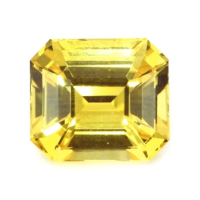






2.07 Ct. Yellow Sapphire from Ceylon (Sri Lanka)
This loose stone is available to ship now
Item ID: | Y4655 |
|---|---|
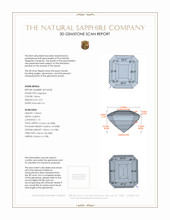
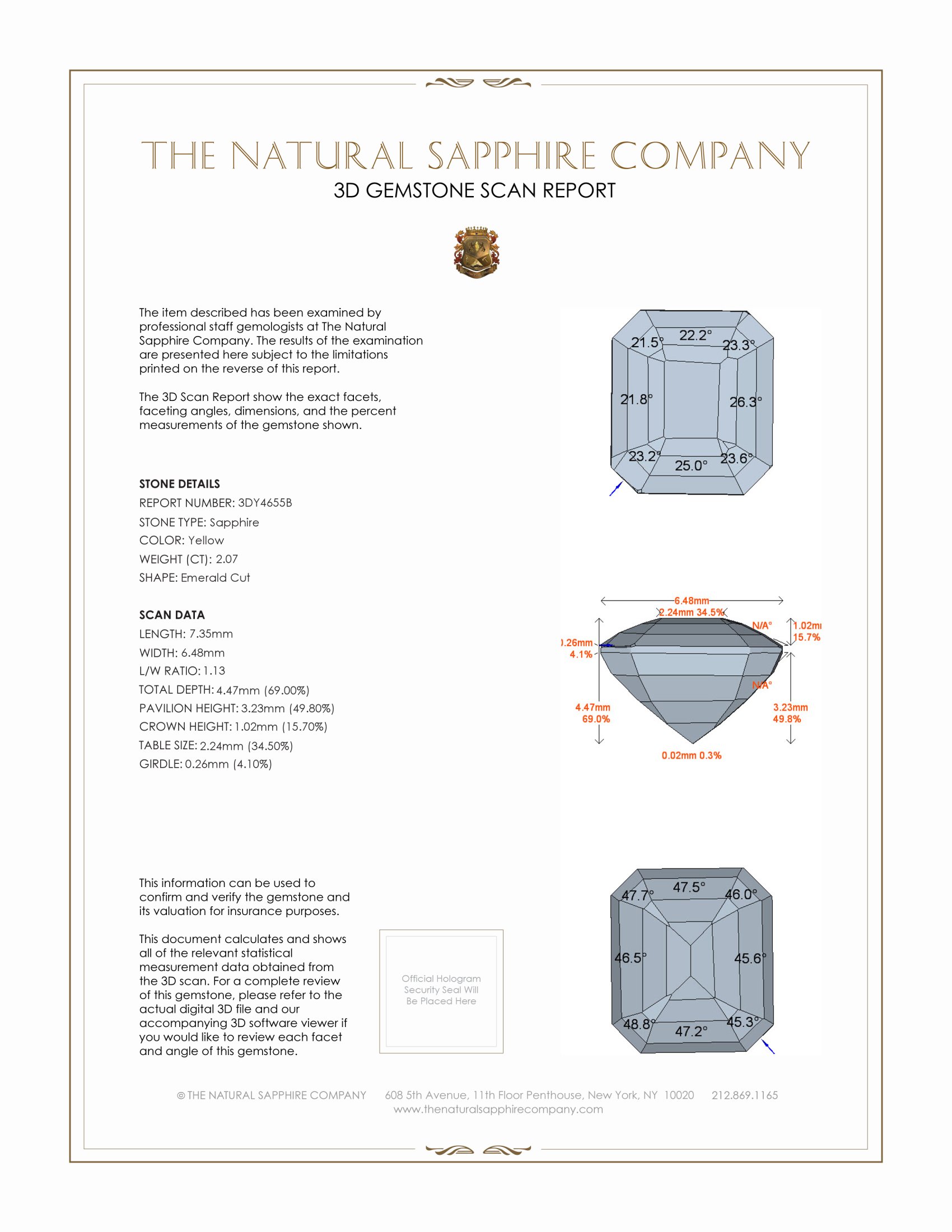
Dimensions (MM): help | Length: 7.35 Width: 6.48 Height: 4.47 |
Weight: | 2.07 Ct. |
Color: help | Yellow |
Color intensity: help | Vivid |
Clarity: help | Very Very Slightly Included |
Shape: help | Asscher - Octagon |
Cut: | Asscher Cut |
Cutting style: | Faceted |
Enhancements: help | Heat Treated |
Origin: help | Ceylon (Sri Lanka) |
Per carat price: help | $1,300 |
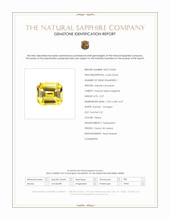
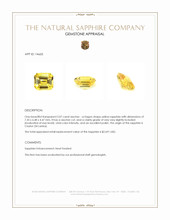
This transparent yellow sapphire weighs 2.07 carats, and it is fashioned in an asscher octagon shape, with exact dimensions of 7.35 x 6.48 x 4.47 mm. The cutting style is faceted, executed as an asscher cut to emphasize symmetry and step facet depth, the clarity grade is very very slightly included as evaluated at eye level, and the color presents a vivid intensity that reads as a pure, luminous yellow. The gem has undergone professional heat treatment, a standard and permanent enhancement that optimizes color uniformity and clarity, and the polish is rated excellent, yielding crisp facet junctions and a mirror like surface. The rough material was sourced from Ceylon, Sri Lanka, a storied origin for sapphires, and this specific stone is offered through The Natural Sapphire Company. The description that follows focuses on geological origins, material characteristics, and the human refinement that converted a mineral crystal into a precisely cut jewel.
Millions of years ago this sapphire began as aluminum and oxygen bearing material deep within the Earths crust, in a setting of high pressure and elevated temperature where metamorphic processes reshaped pre existing rocks. In Sri Lanka, gem quality corundum typically forms in aluminum rich layers within high grade metamorphic rocks such as gneiss and calc silicate skarns, where differential stress and fluid activity promote the recrystallization of minerals. Under those conditions, aluminum and oxygen combine to produce corundum, and trace elements present in the local rock chemistry, most notably iron, become incorporated into the growing crystal lattice. The presence of iron, and its interaction with other elements under high temperature conditions, is the primary factor producing the yellow coloration in this sapphire. Crystal growth occurred slowly, crystal faces developed according to the underlying crystallography of corundum, and minor inclusions were trapped as small mineral grains, healed fractures, or oriented growth features, leading to the very very slightly included clarity grade observed today. Over geological time, tectonic uplift and weathering liberated crystals from their host rock, and rivers and soils concentrated gem quality material in secondary deposits, where human hands ultimately recovered the specific rough that produced this stone.
When the rough sapphire entered the lapidary workshop, the cutter assessed orientation, crystal habit, and internal features to determine how best to realize color and minimize the visual effect of inclusions. The choice of an asscher cut in an octagonal outline is deliberate, because the step facets and truncated corners emphasize color saturation and produce controlled flashes of light that enhance the stone's vivid yellow character, while preserving weight and depth. The faceted cutting style balances pavilion depth, table size, and crown angles to yield optimal return of light and consistent color distribution across the table. The final dimensions, 7.35 x 6.48 x 4.47 mm, reflect a mindful compromise between retaining carat weight and achieving pleasing proportions. The excellent polish produces crisp facet planes that support brilliance and surface luster, and the asscher cut's symmetry ensures that reflections remain orderly and refined. Heat treatment was applied with expertise to adjust tone and remove residual color zoning, a practice that is well documented and accepted within the trade, and that produces a stable, long lasting enhancement in this sapphire. The clarity grade of very very slightly included indicates that inclusions are minimal at eye level, and that the stone reads as transparent and clean to the naked observer, while microscopic features tell the geological history of growth and healing.
The provenance from Ceylon, Sri Lanka contributes to the gemological context, because Ceylon sapphires are known for their bright, lively hues and excellent crystalline quality, and the combination of origin, cut, and optical attributes defines the stone's character. The Natural Sapphire Company provides documentation of origin and treatment where available, supporting an informed understanding of the gem. For a buyer or connoisseur evaluating this sapphire, the key facts are clear, weight 2.07 carats, asscher octagon shape, faceted cutting style, dimensions 7.35 x 6.48 x 4.47 mm, clarity very very slightly included at eye level, vivid color intensity, excellent polish, heat treated enhancement, origin Ceylon Sri Lanka. Proper care involves avoiding harsh chemicals and extreme thermal shock, and routine professional inspection will preserve the integrity of the polish and the stability of any settings over time. This sapphire represents a convergence of deep time geological processes and modern lapidary skill, a single crystal that began forming millions of years ago and now presents a precise, enduring expression of color and structure.


