
- Stone10
- Reports3
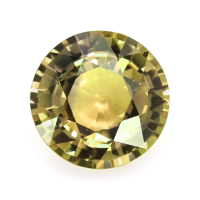
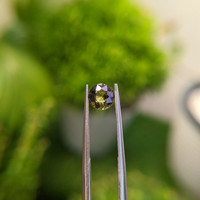




1.12 Ct. Greenish Yellow Sapphire from Madagascar
This loose stone ships by Oct 29
Item ID: | S17312 |
|---|---|
Dimensions (MM): help | Length: 6.12 Width: 6.18 Height: 3.67 |
Weight: | 1.12 Ct. |
Color: help | Greenish Yellow |
Color intensity: help | Intense |
Clarity: help | Very Very Slightly Included |
Shape: help | Round |
Cut: | Mixed Brilliant Cut |
Cutting style: | Faceted |
Enhancements: help | No Enhancement |
Origin: help | Madagascar |
Per carat price: help | $1,500 |
This is a rare, museum quality natural sapphire offered exclusively by The Natural Sapphire Company, one exceptionally transparent round greenish yellow sapphire weighing 1.12 carat, with exact dimensions of 6.12 x 6.18 x 3.67 mm, presented in a refined mixed brilliant cut that balances scintillation and fire. The gem displays an intense color intensity that is both vivid and nuanced, a hue that catches and holds the light in a way that only a natural crystal can achieve. Clarity is graded very very slightly included, evaluated at eye level, which in practical terms means the stone appears clean to the unaided eye, allowing its color and brilliance to remain uninterrupted. The polish is excellent, the faceting is precise, and the stone is untreated, with no enhancement, a detail that elevates its desirability and investment value. Origin is Madagascar, a source renowned for producing sapphires with distinct personality and provenance, and this particular specimen carries the silent signatures of its geological formation, making it a singular treasure for the collector who demands authenticity.
When compared to lab grown alternatives, this natural sapphire offers advantages that extend beyond aesthetics and into the realms of rarity, history, and intrinsic value. Lab grown stones may match color and clarity under controlled conditions, yet they cannot replicate the particular growth history recorded within the crystal lattice of a natural stone, inclusions and growth patterns that serve as natural fingerprints and evidence of origin. The very very slightly included clarity of this Madagascar sapphire is not a defect, it is proof of an unaltered, natural genesis, and it contributes to the stone s individuality, a subtle reminder that no two natural sapphires are identical. Color in natural stones often shows complex zoning, undertones, and a depth that changes with viewing angle and light source, characteristics that are difficult to reproduce in the uniform saturation typical of lab grown pieces. The absence of enhancement in this gem means you are acquiring the stone as nature perfected it, with color and clarity as found in the field, not modified by heat treatments or diffusion processes that can mask origin and reduce long term scarcity. For those who value provenance and potential long term appreciation, natural sapphires from recognized sources like Madagascar have a historical market preference, and they offer a story and a connection to place that lab grown stones simply cannot provide.
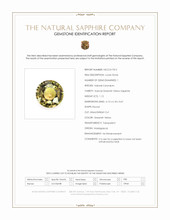
Ownership of this sapphire is an invitation into an exclusive circle of collectors and connoisseurs, a chance to possess a natural work of Earth that is both wearable and rare. The mixed brilliant cut and excellent polish maximize light return, ensuring that the intense greenish yellow radiance of this 1.12 carat gem will command attention in any setting, while the very very slightly included clarity preserves the authenticity collectors prize. At The Natural Sapphire Company we curate each stone with meticulous care, documenting origin, treatment status, and gemological attributes so that your purchase is supported by transparent, expert provenance. Because truly exceptional natural sapphires are finite, we offer bespoke setting consultations, secure certification assistance, and private viewing options for discerning clients who wish to commission a setting that complements the stone s unique personality. Contact us to reserve this Madagascar sapphire, and join an exclusive group who recognizes that a natural, untreated gem carries with it a provenance, a history, and an uncompromising rarity that lab grown alternatives cannot reproduce.


