
- Stone6
- Reports2
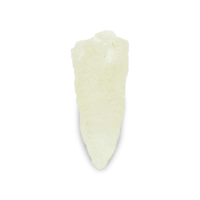


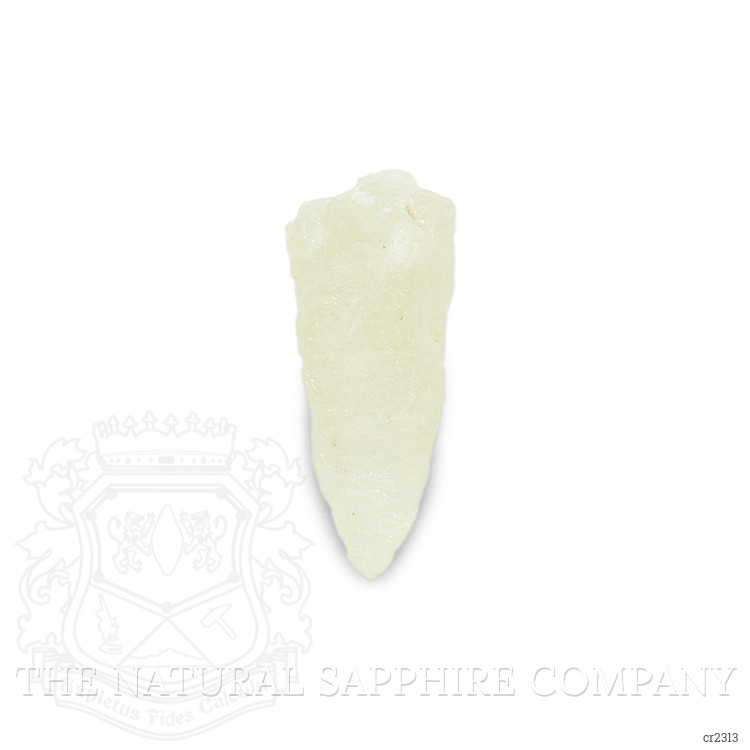
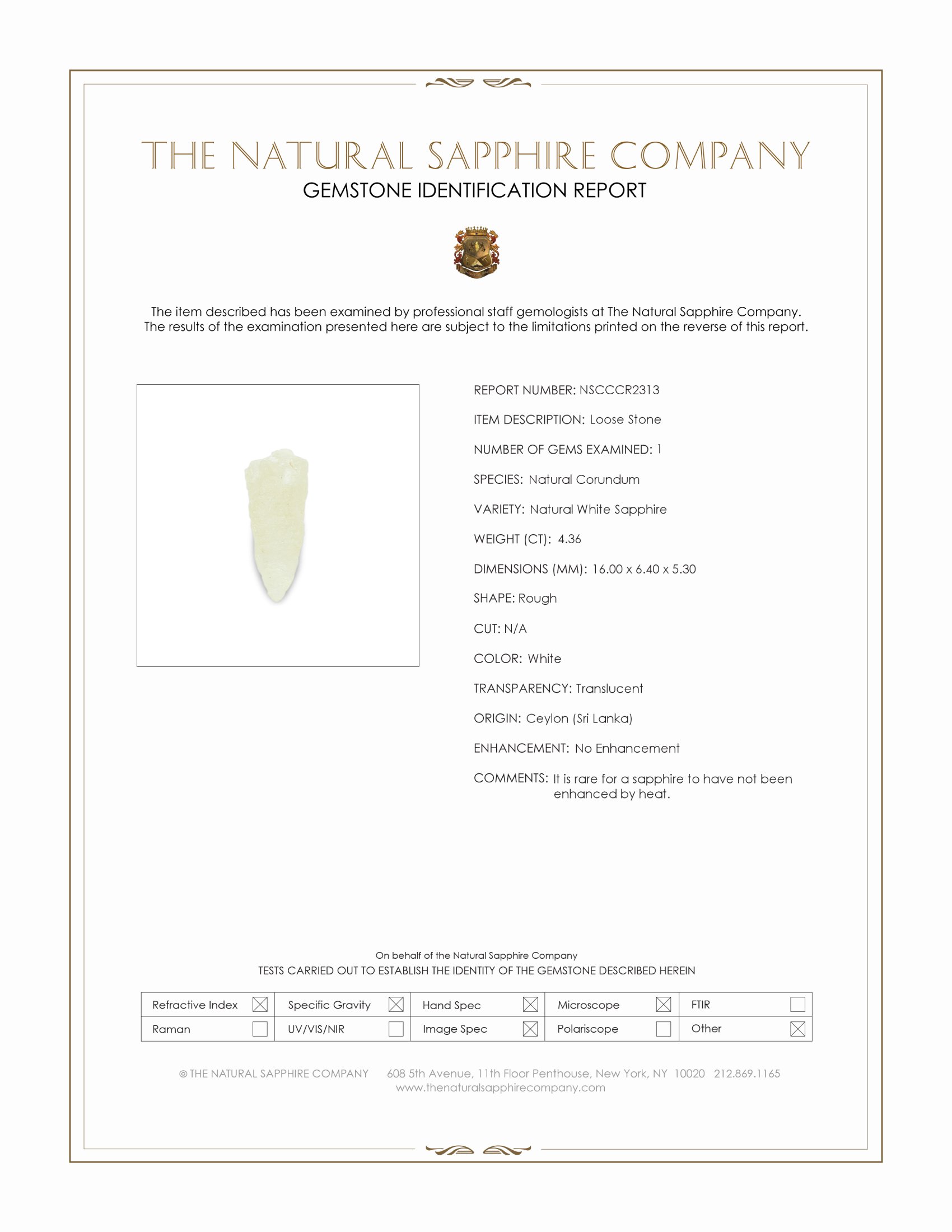

4.36 Ct. White Rough Sapphire from Ceylon (Sri Lanka)
This loose stone is available to ship now
Item ID: | CR2313 |
|---|---|
Dimensions (MM): help | Length: 16 Width: 6.4 Height: 5.3 |
Weight: | 4.36 Ct. |
Color: help | White |
Color intensity: help | Colorless |
Clarity: help | Included |
Shape: help | Rough |
Cut: | N/A |
Cutting style: | N/A |
Enhancements: help | No Enhancement |
Origin: help | Ceylon (Sri Lanka) |
Per carat price: help | $12 |
This specimen is a translucent white sapphire in a rough shape, weighing 4.36 carats, with dimensions 16.00 by 6.40 by 5.30 millimeters, presenting a colorless color intensity and a clarity graded as included when evaluated at eye level, with no enhancement and an excellent polish on the visible facets and natural faces. The material is corundum, and its intrinsic hardness of Mohs 9 makes it technically demanding but rewarding to lapidate, with the rough exhibiting an elongated prismatic habit that suggests a single crystallographic orientation from which optimal faceting yield can be derived. The absence of heat treatment or other enhancements preserves the natural diffusion of trace elements and the original growth zoning, which for a white sapphire means that color distribution is native and stable, a factor that collectors and connoisseurs recognize as a premium attribute. The current surface state includes remnants of the original crystal faces and minor surface-reaching inclusions, elements that inform the cutting plan more than they detract from value, because strategic orientation and modern lapidary technique can retain size while mitigating the visual impact of internal features.
From a technical lapidary perspective this piece offers multiple finished gemstone pathways, each with predictable trade offs between weight retention, optical performance, and the exhibition of natural character. For example a step cut or emerald cut approach would conform to the elongated geometry and maximize apparent table size while emphasizing the stone s colorless clarity, at the likely cost of revealing internal inclusions as linear windowing, so careful pavilion depth and crown angle selection are essential to balance brightness against window effects. A mixed brilliant or brilliant cut option, such as a modified oval or cushion with a deep pavilion, will increase return of light and sparkle, masking small inclusions through scintillation, but this can reduce finished weight relative to a shallower step cut. If the cutter prefers to celebrate the rough aesthetic, a high domed cabochon or a rose cut can retain more carat weight and accentuate translucency and surface polish, producing a softly luminous result that reads as white sapphire rather than as a faceted diamond substitute. All cutting options will require diamond abrasives across sequential grits, with final polish achieved on tin or pitch laps using diamond paste or oxide suspensions appropriate to corundum, and precise girdle planning to avoid thin points given the narrow cross section of the original crystal.
The origin of this sapphire, Ceylon, Sri Lanka, materially enhances its provenance and market desirability, because Sri Lankan corundum is historically associated with fine crystallization, predictable optical behavior, and a provenance that collectors and jewelers prize for both aesthetic and historical reasons. Ceylon white sapphires often show excellent clarity potential and a crystalline quality that translates to clean facets and high polish, which in turn supports higher per carat valuations for untreated material. In the context of investment and bespoke jewelry, a natural, unenhanced sapphire from Sri Lanka carries additional narrative value that complements its measurable gemological properties, and The Natural Sapphire Company documents and certifies origin details when available, which supports ethical sourcing claims and provides traceability that is increasingly important to informed buyers. For designers and bench setters the stone s colorless nature allows flexibility in metal choice and setting style, from platinum prong mountings that emphasize bright white light return, to bezel or channel settings that protect the elongated profile while showcasing the sapphire s natural shape. Whether retained as a collector grade rough, fashioned into a weight efficient step cut for a statement piece, or interpreted as a luminous cabochon for a heritage design, this Sri Lankan white sapphire presents a technically interesting and provenance rich option that aligns with the standards of The Natural Sapphire Company, and it will respond well to meticulous lapidary planning and skilled finishing to realize its full potential.


