
- Stone17
- Reports3
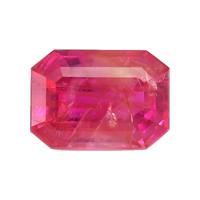
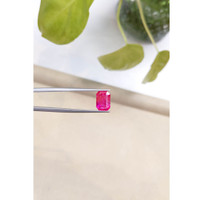
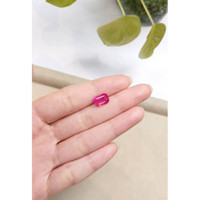
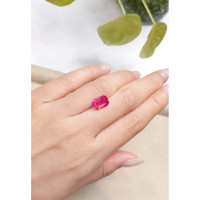
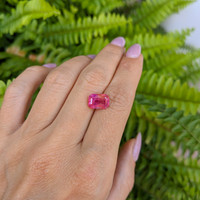
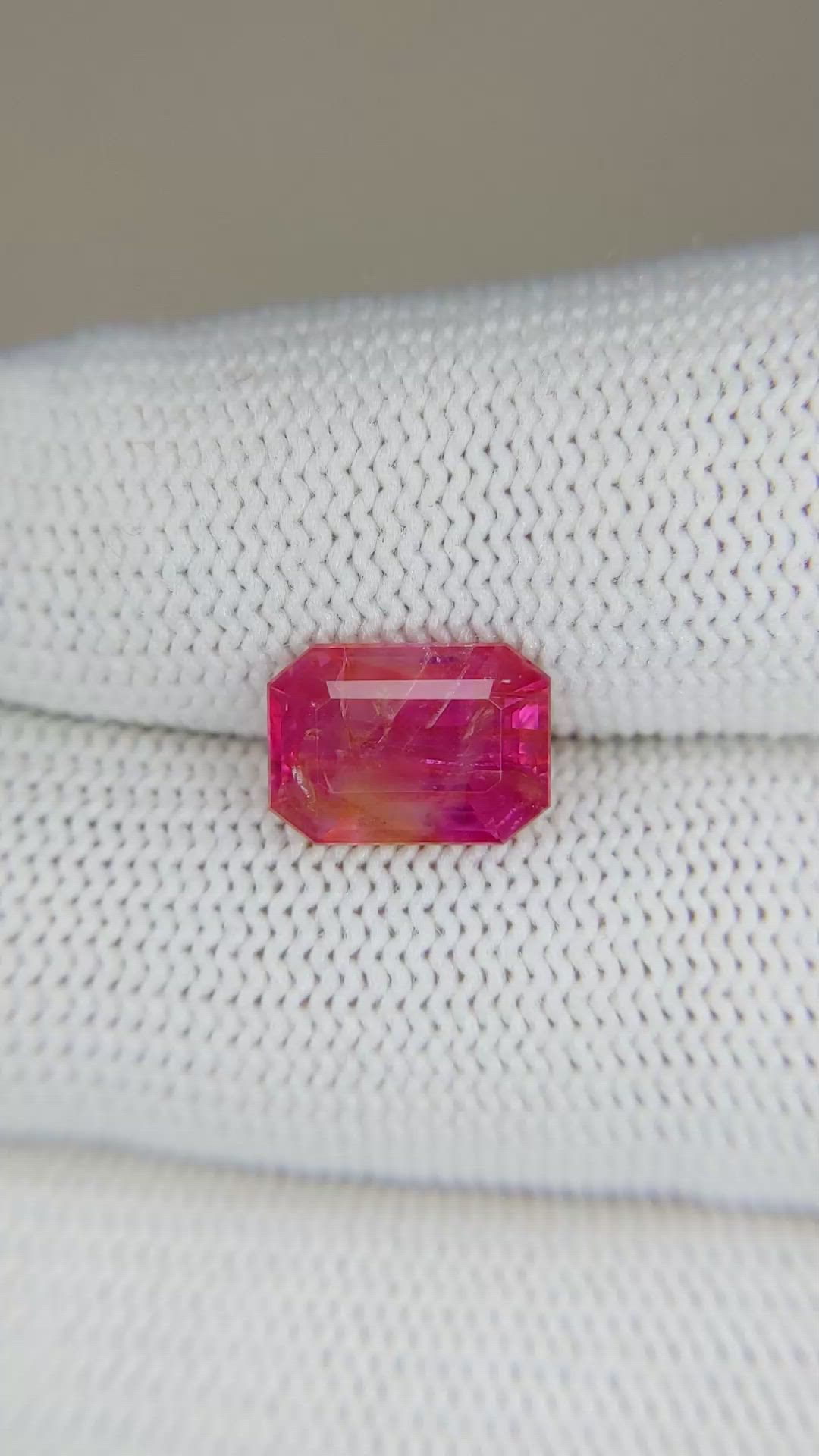
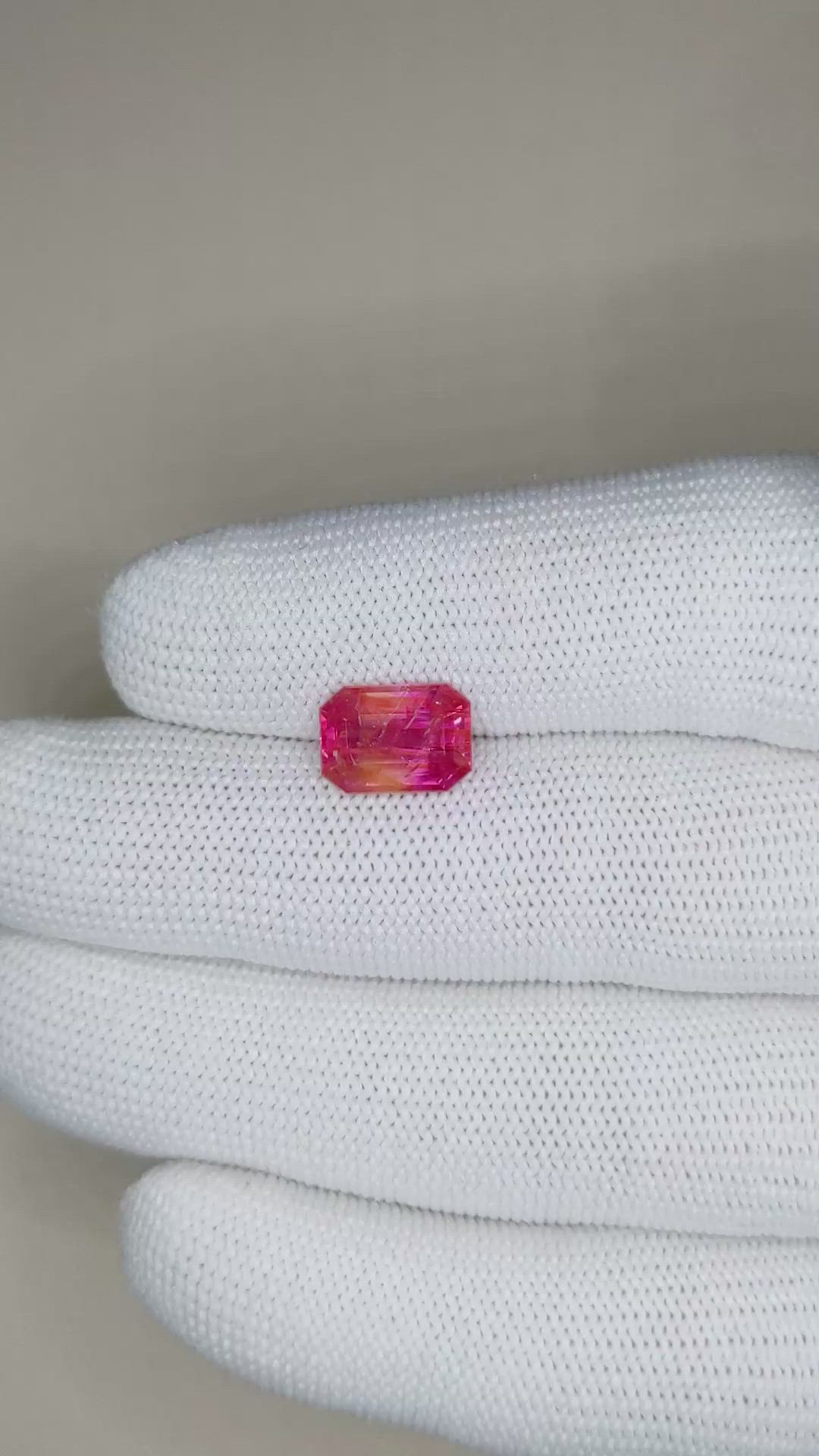
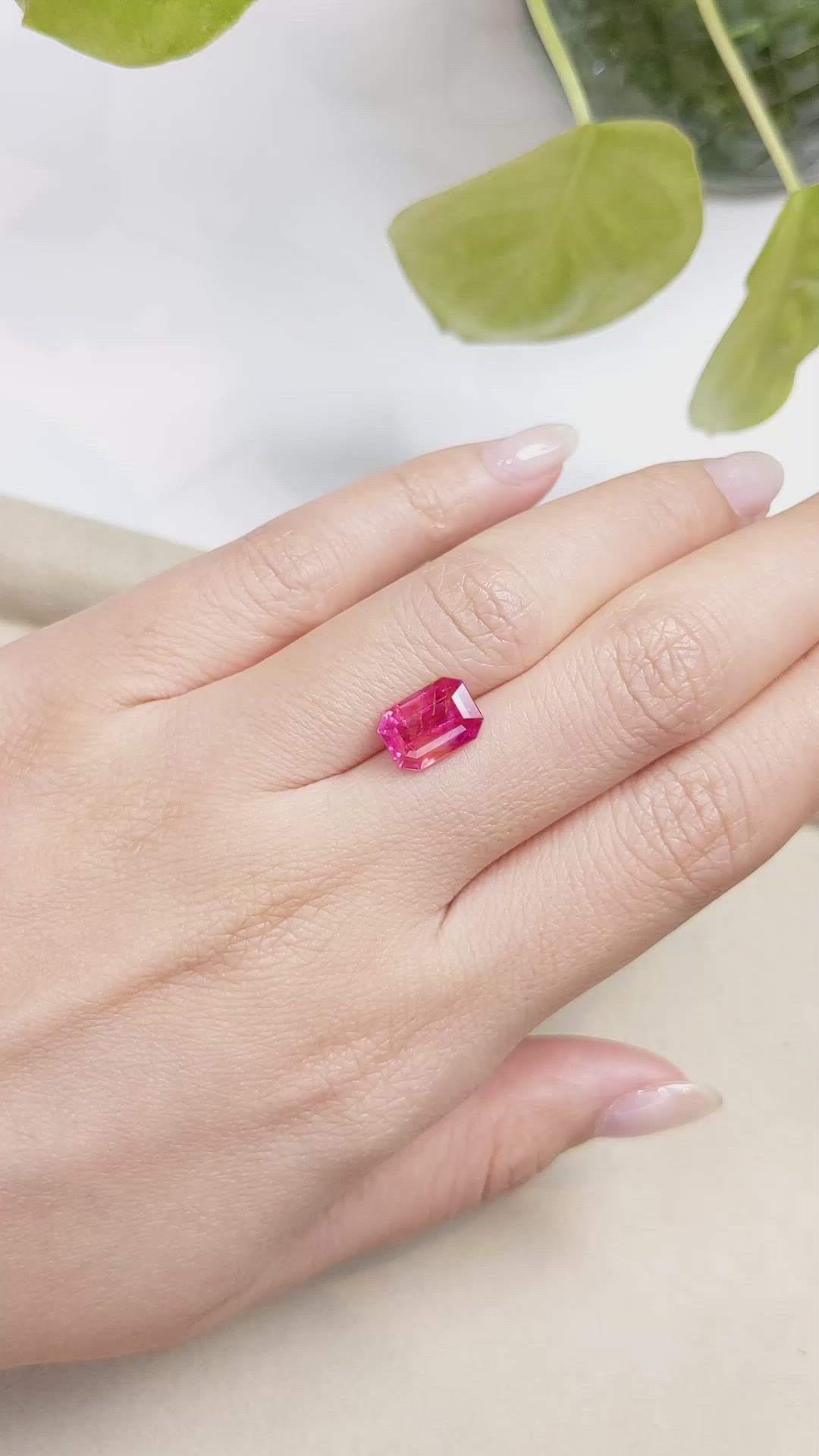
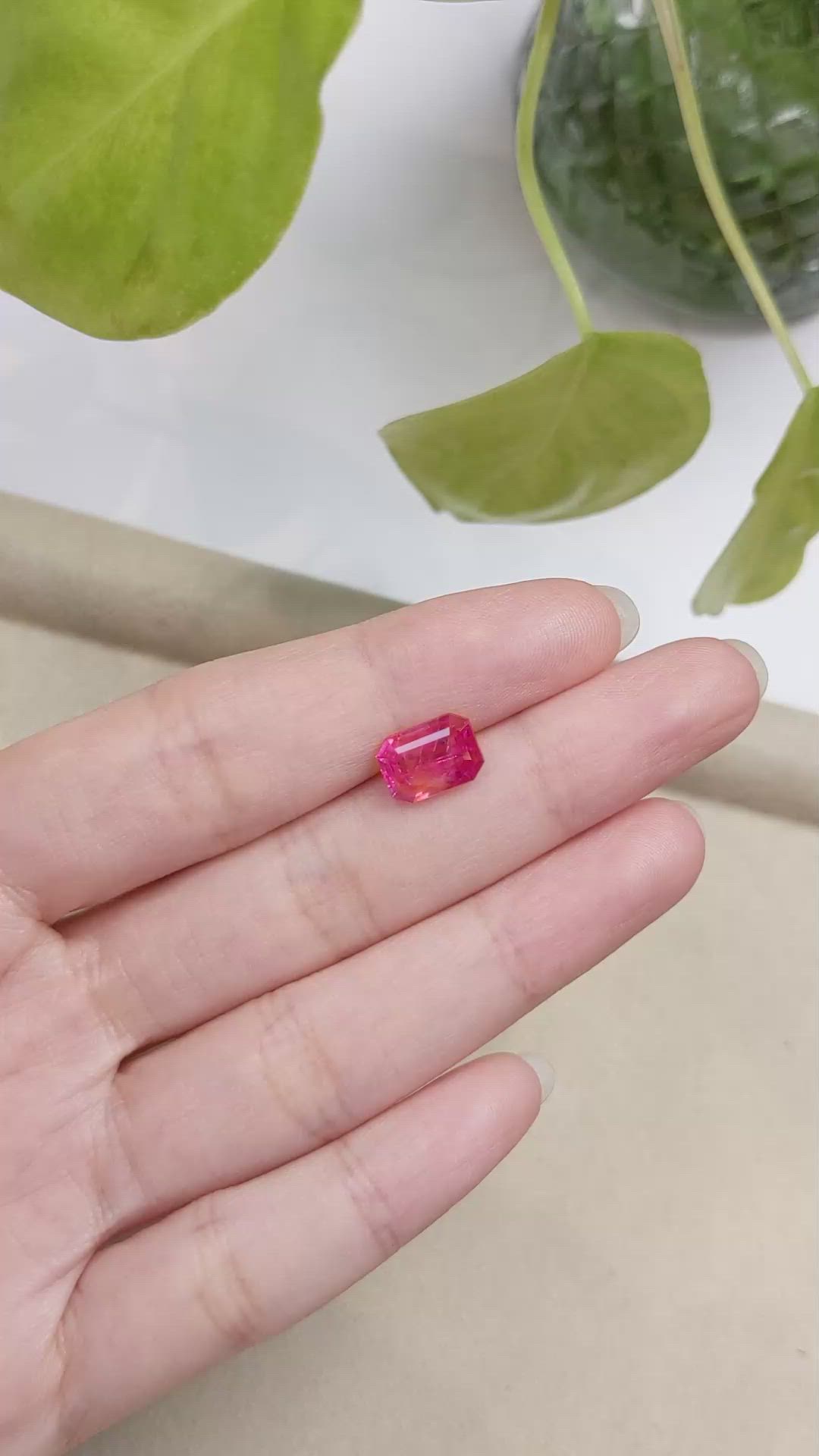
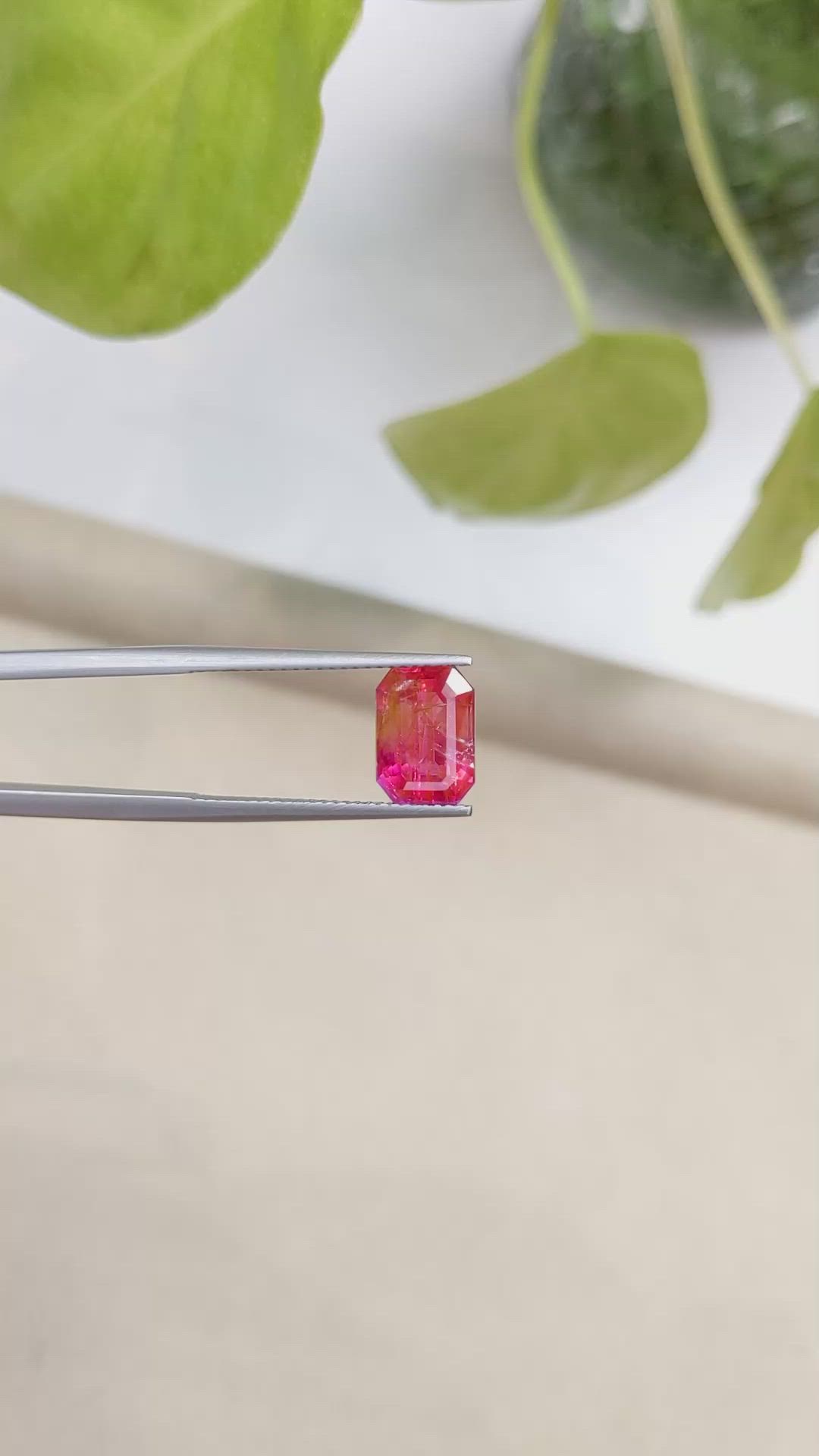
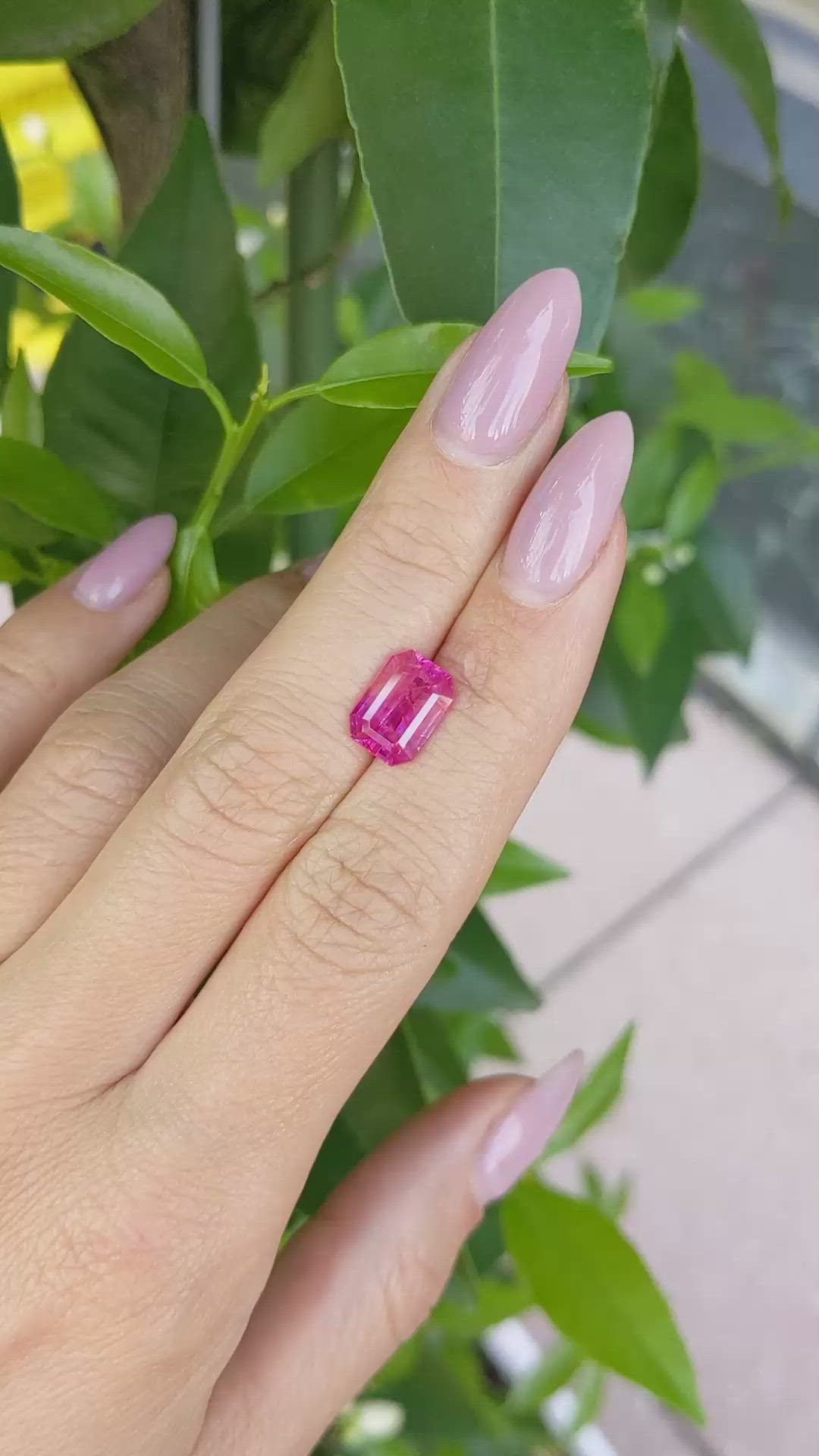
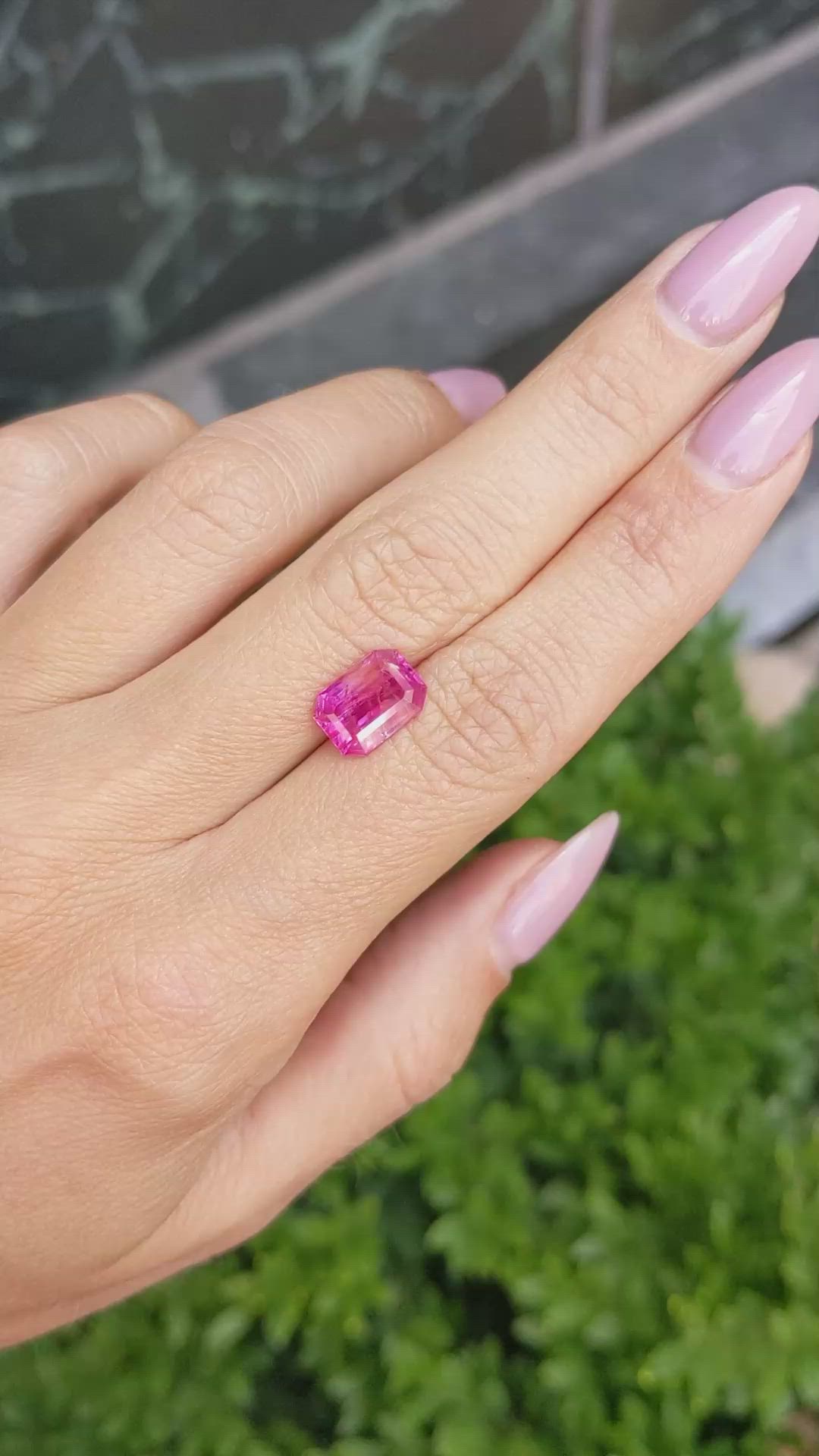

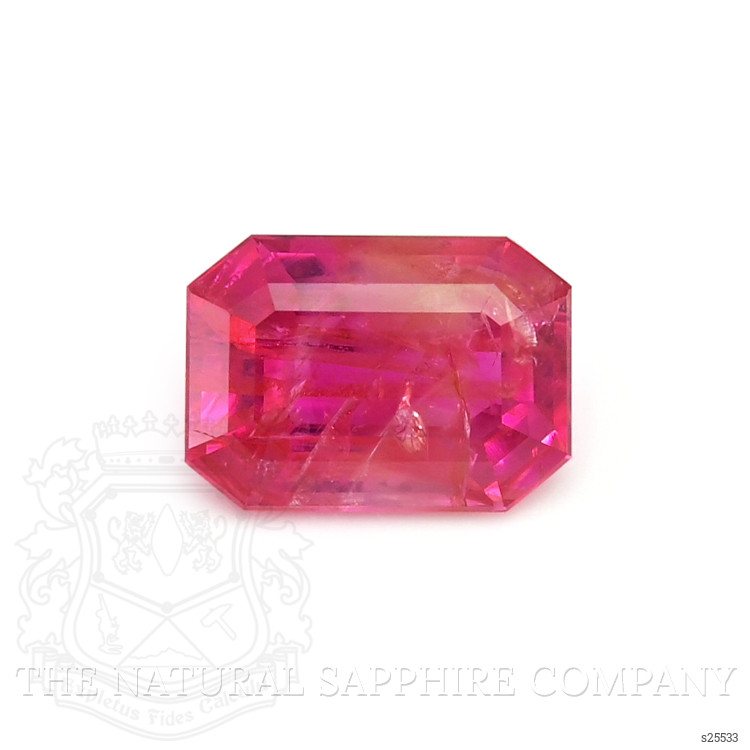
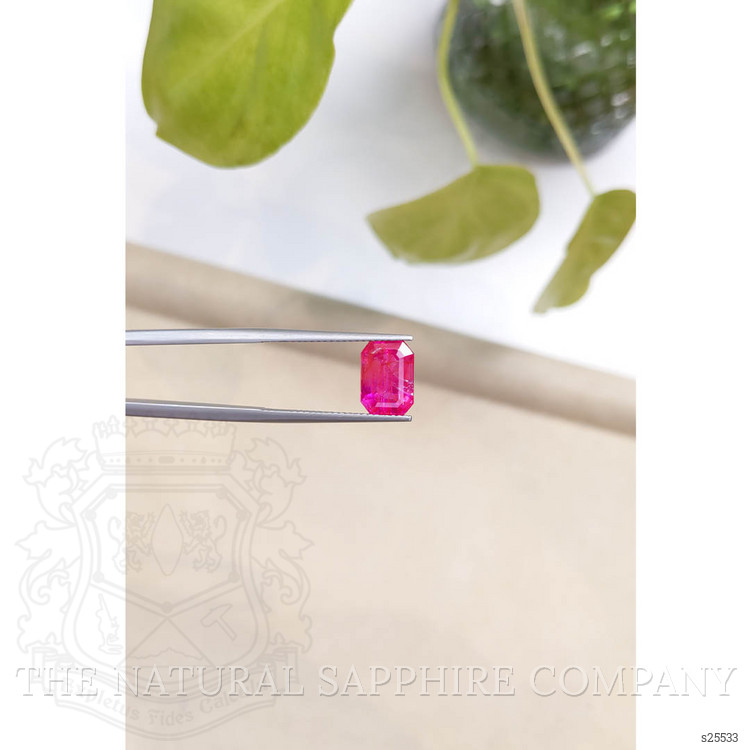
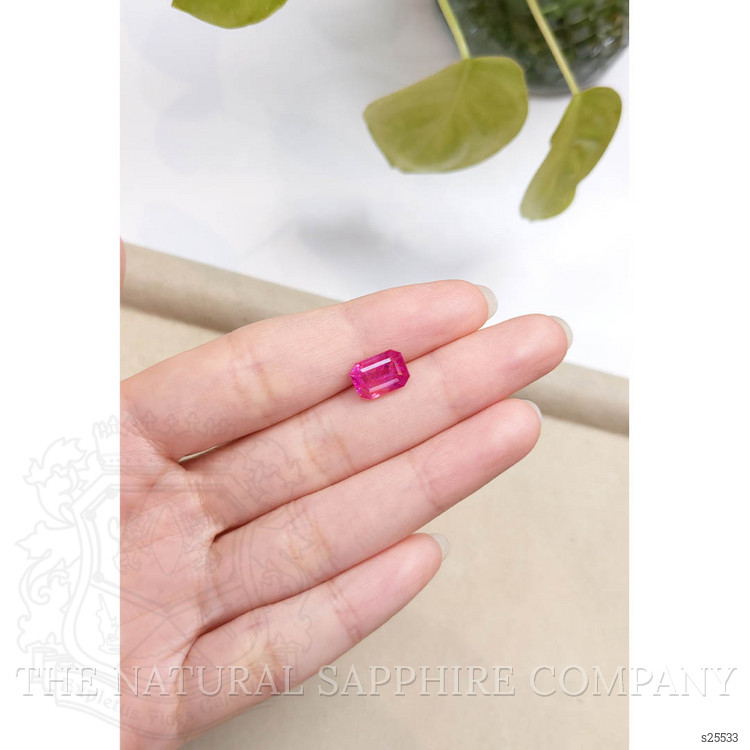
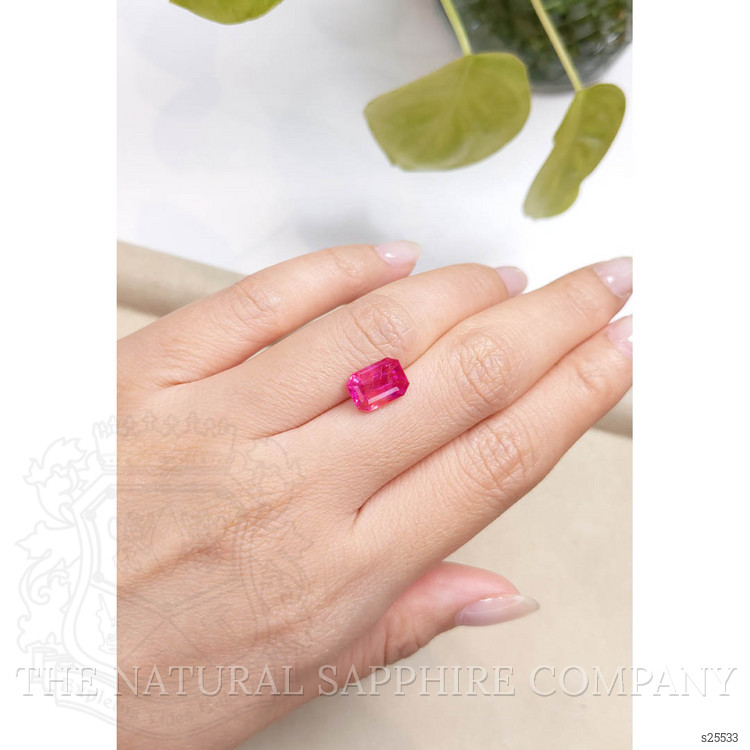
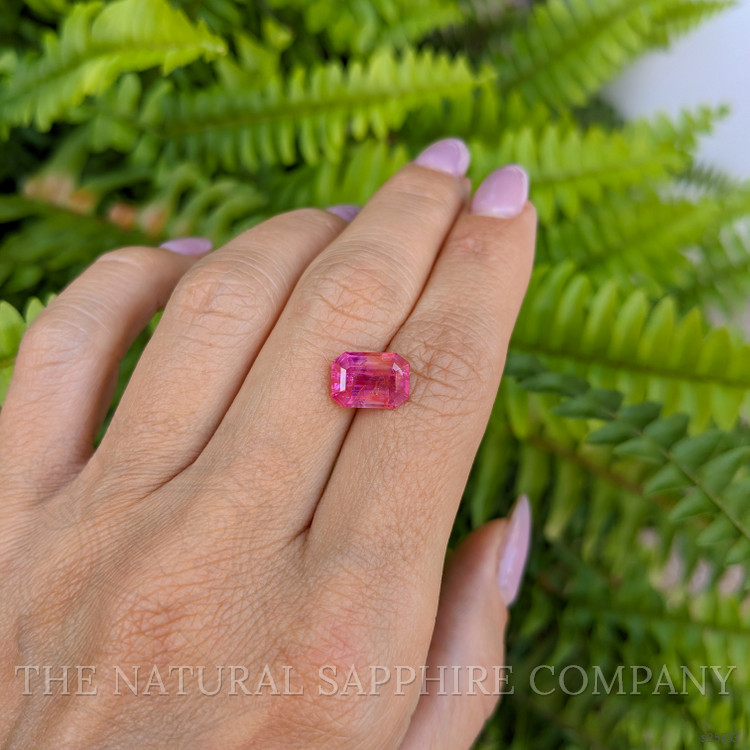

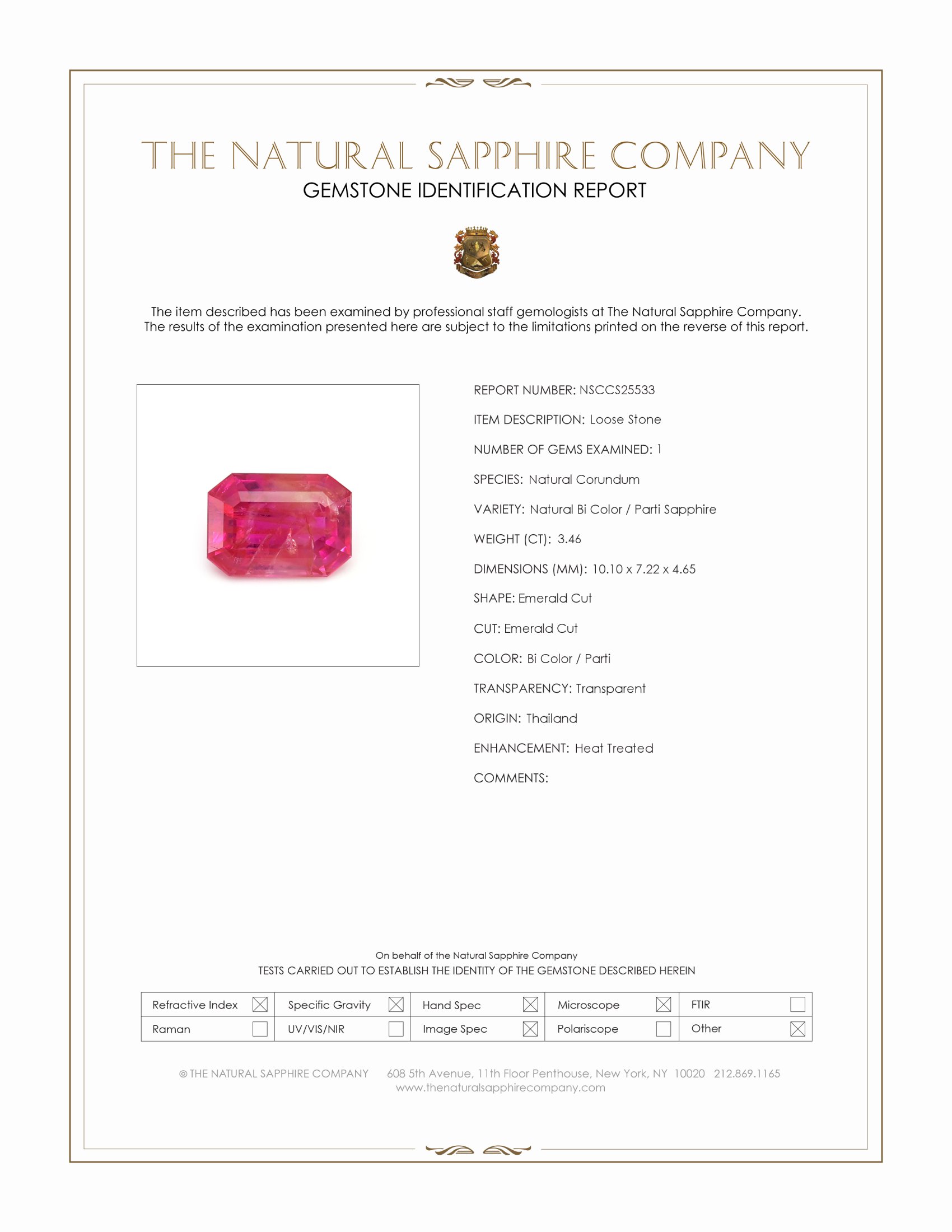
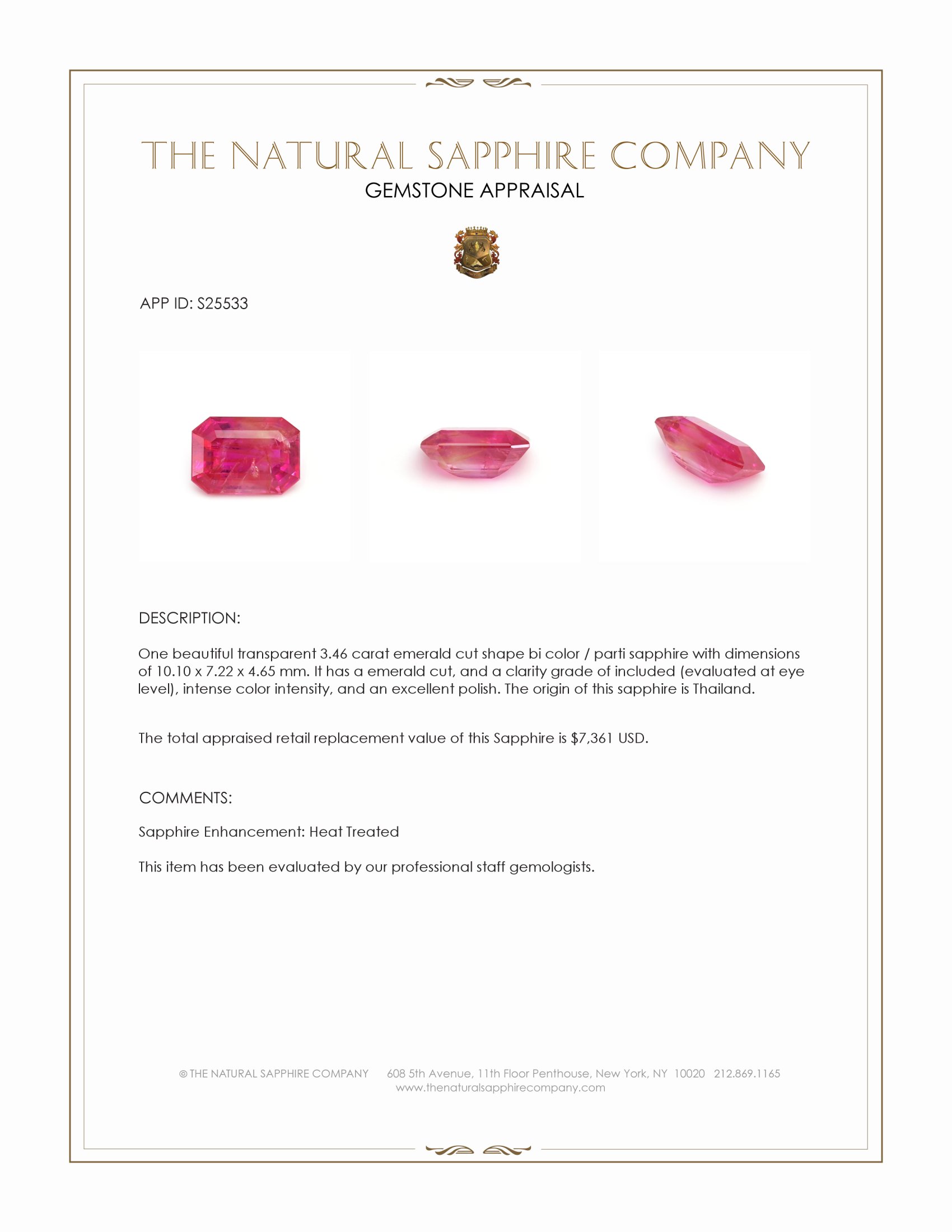
3.46 Ct. Bi Color / Parti Sapphire from Thailand
This loose stone is available to ship now
Item ID: | S25533 |
|---|---|
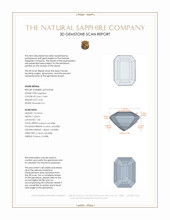
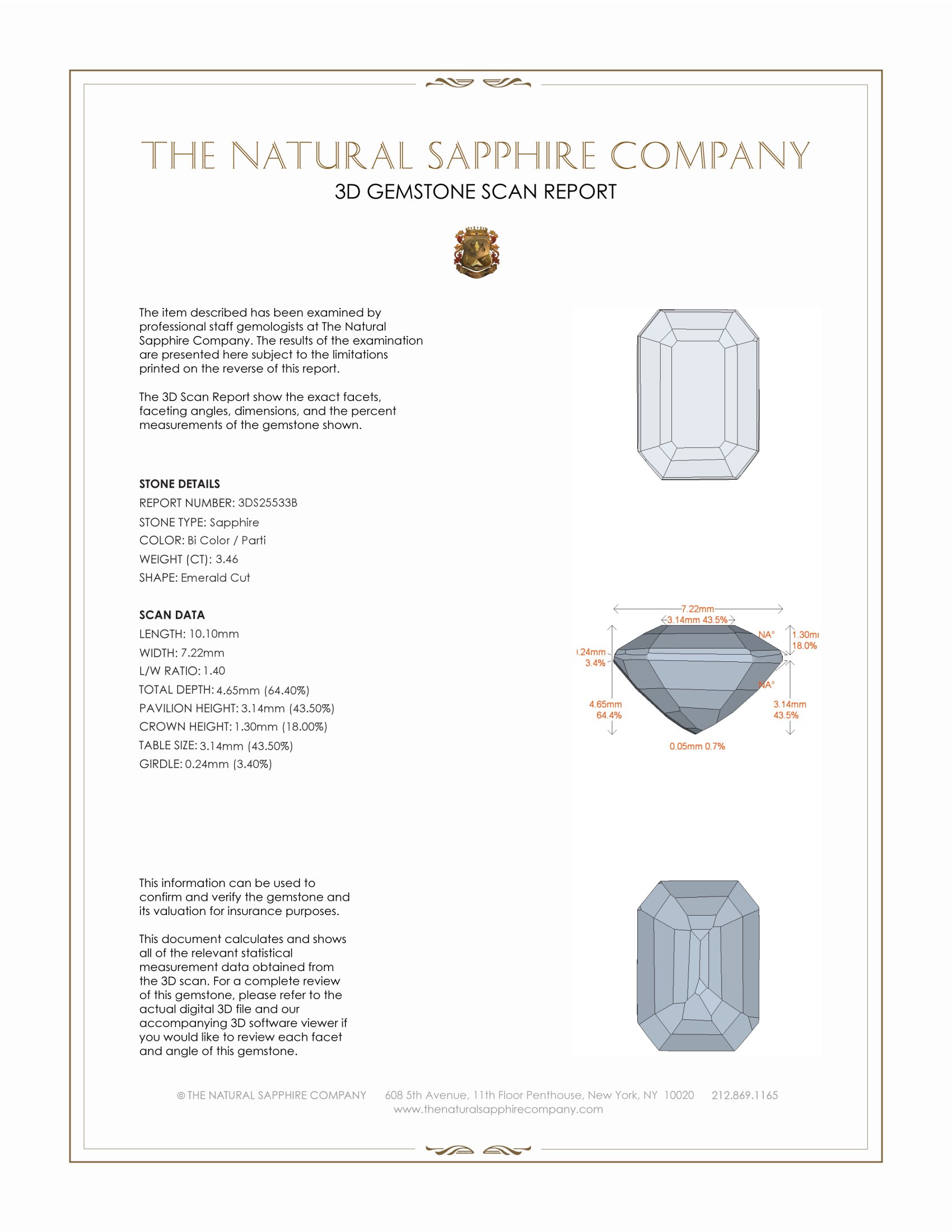
Dimensions (MM): help | Length: 10.1 Width: 7.22 Height: 4.65 |
Weight: | 3.46 Ct. |
Color: help | Bi Color / Parti |
Color intensity: help | Intense |
Clarity: help | Included |
Shape: help | Emerald Cut |
Cut: | Emerald Cut |
Cutting style: | Faceted |
Enhancements: help | Heat Treated |
Origin: help | Thailand |
Per carat price: help | $2,127 |
This emerald cut bi color parti sapphire offered by The Natural Sapphire Company is a precisely fashioned, transparent gemstone weighing 3.46 carats, with finished dimensions of 10.10 millimeters by 7.22 millimeters by 4.65 millimeters. The stone is faceted in a classic step cut, the emerald cut geometry producing broad rectangular facets on the crown and parallel staircase facets on the pavilion that emphasize color plane and directional light return. The stone exhibits an approximate depth of 4.65 millimeters relative to its mean face dimensions, yielding a depth percentage of approximately fifty four percent, and it has a length to width ratio of approximately one point four, an elegant proportion for finger elongation in rings. Clarity is graded included at eye level, indicating visible internal characteristics that sit within the transparent material without materially disrupting table transparency, and the finish quality is described as excellent polish, with crisp facet junctions and well defined facet planes that enhance scintillation at facet edges despite the step cut geometry. The sapphire is heat treated, a stable enhancement commonly applied to corundum to intensify hue and saturation, and its origin is Thailand, a source known for producing vivid saturated material with strong zoning. These objective parameters define the material behavior under standard gemological evaluation and provide a clear basis for setting and design decisions.
Optically this bi color parti sapphire displays intense color intensity with distinct dual tone distribution that can manifest as a dominant pinkal hue with secondary warm modulation depending on viewing angle and light source. The emerald cut, with its wide table and long facets, concentrates and showcases color planes rather than dispersive sparkle, so color zoning and pleochroic tendencies become an integral part of the gem personality. Corundum optics, including a refractive index in the range expected for sapphire and low birefringence, contribute to strong color saturation and crisp facet contrast when the stone is well proportioned and well polished. In practice the step facets of the crown create broad flash zones that allow the primary and secondary hues to be read as contiguous color fields, rather than as discrete flashes, making this shape ideal for displaying parti color without fragmenting the visual effect. The included clarity grade indicates that internal features are present and visible at normal viewing distance, and those internal structures can add character to the color presentation by acting as micro reflectors or absorbers that subtly modulate light transmission, a quality often appreciated by collectors who prefer natural inclusions to surgical clarity. Craftsmanship considerations taken by The Natural Sapphire Company include accurate facet alignment and table centering to minimize windowing and to preserve color saturation across the stone face, and the excellent polish ensures clean light flow across facet planes, maximizing the legible duality of the parti coloration.
When set in jewelry the color behavior of this intense bi color sapphire interacts with skin tone and metal choice in predictable, technically describable ways, enabling informed design choices to achieve specific visual effects. For clients with cool undertones, white metals such as platinum or white gold increase visual contrast, which tends to cool the perceived hue and emphasize the saturated pinkal component, producing a cleaner, more vivid appearance against porcelain to ivory skin. For warmer skin undertones, yellow gold complements the warm secondary component and can warm the overall impression of the stone, integrating the orange or golden modulation with the wearer s natural warmth to yield a cohesive, luminous result. Rose gold performs exceptionally well with pink dominant parti material, the copper content of the alloy reinforcing pink saturation and creating a tonal continuity between metal and gem that reads as harmonious and intimate. Neutral undertones have the latitude to choose contrast or harmony based on aesthetic objective, white metal for crisp modern contrast, yellow or rose gold for warmth and integration. Beyond metal selection, setting architecture alters perceived color intensity, a thin bezel will protect the corners and slightly mute edge contrast, versus a four prong open head that permits maximum light ingress and back illumination to intensify saturation. Orientation of the emerald cut along the finger axis will elongate the visual line and present the dominant hue in a single plane, whereas a transverse orientation can emphasize the parti transition. Accent strategies, such as a halo of near colorless diamonds for contrast, or warm colored melee to echo the secondary tone, will further tune how the sapphire reads on the skin. Finally, the heat treatment applied is standard and stable for corundum, a fact that informs long term care and setting choices, and The Natural Sapphire Company can advise on metal selection and protective mounting to preserve both optical performance and structural security of the stone in finished jewelry.


