
- Stone12
- Reports3
-emeraldcut-bicolor-sapphire-2.3200-cts-s5933-1.jpg?d=200x200&v=20230529050938)
-emeraldcut-bicolor-sapphire-2.3200-cts-s5933-lifestyleimage-1.jpg?d=200x200&v=20260723084006)
-emeraldcut-bicolor-sapphire-2.3200-cts-s5933-lifestyleimage-2.jpg?d=200x200&v=20260723084006)



-emeraldcut-bicolor-sapphire-2.3200-cts-s5933-1.jpg?d=750x750&s=nsc&v=20230529050938)
-emeraldcut-bicolor-sapphire-2.3200-cts-s5933-lifestyleimage-1.jpg?d=750x750&s=nsc&v=20260723084006)
-emeraldcut-bicolor-sapphire-2.3200-cts-s5933-lifestyleimage-2.jpg?d=750x750&s=nsc&v=20260723084006)



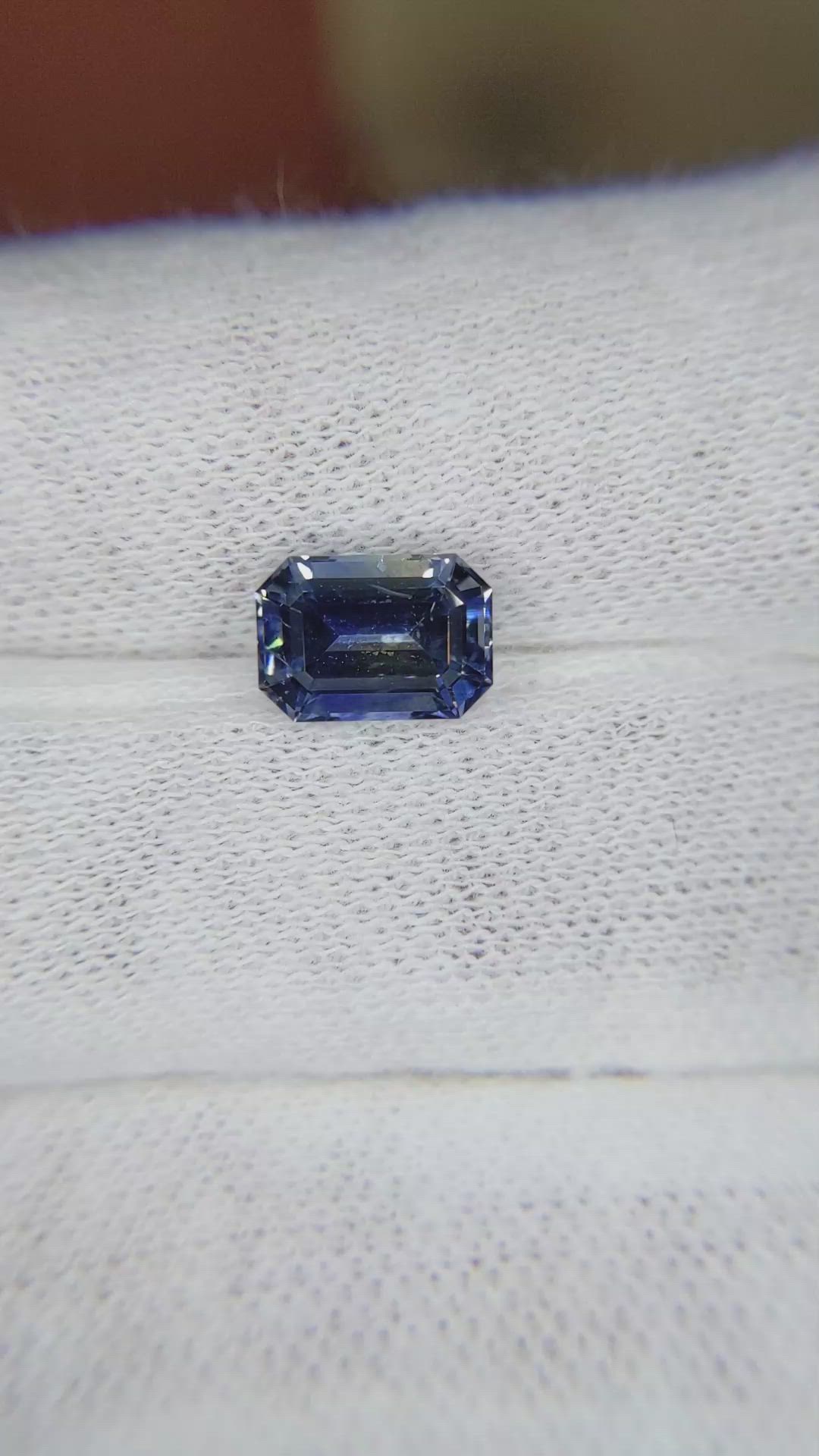
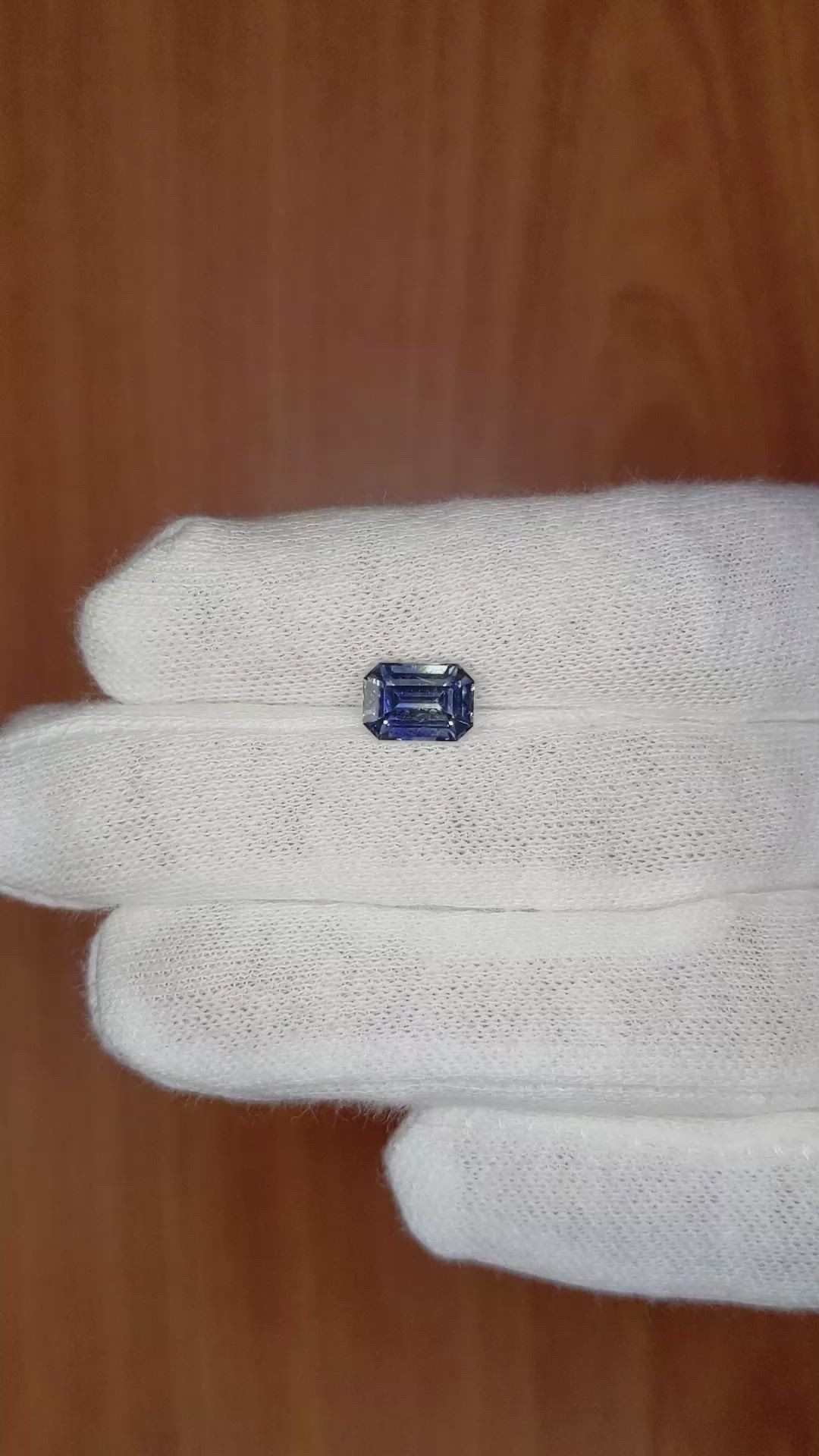
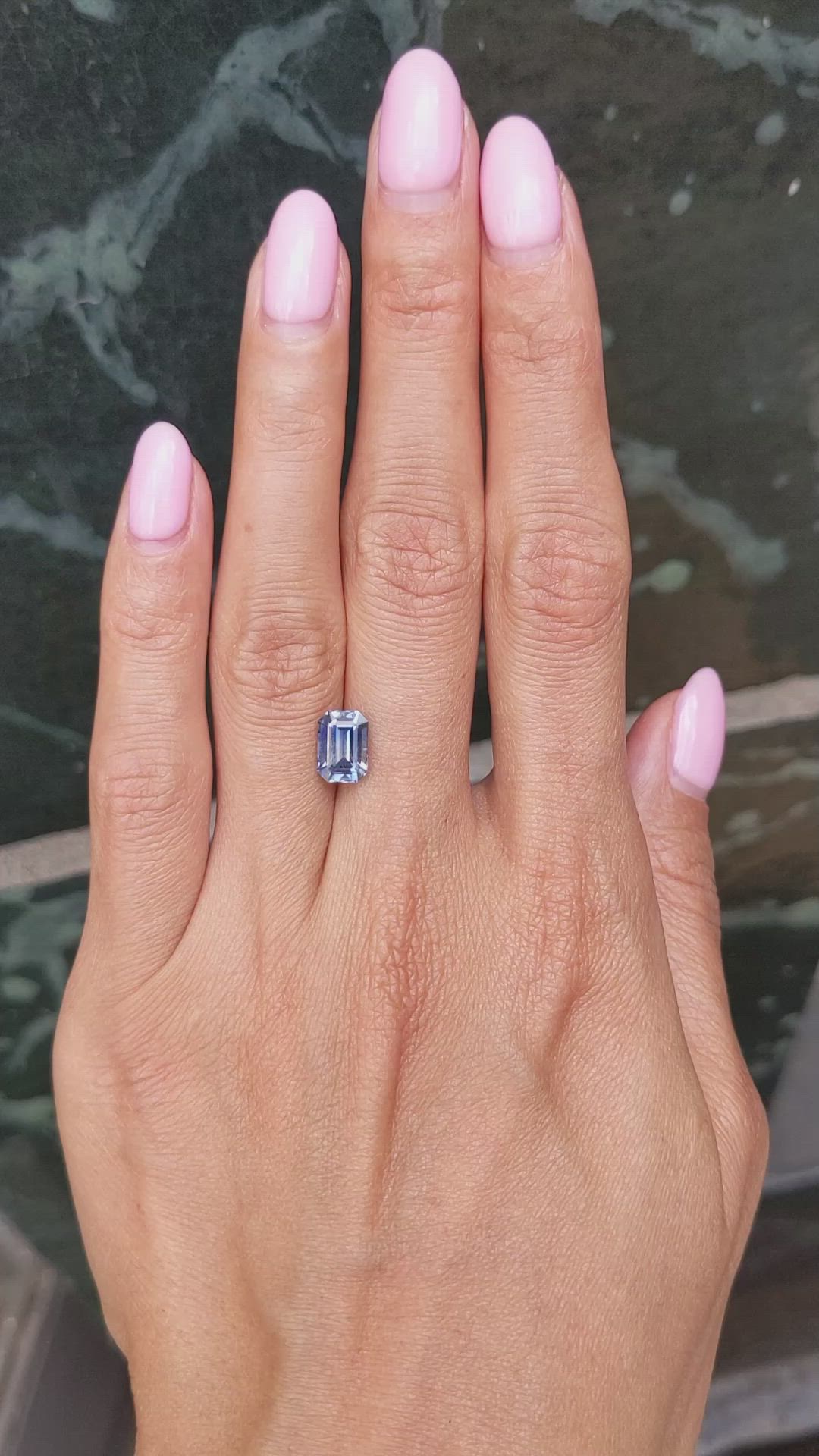
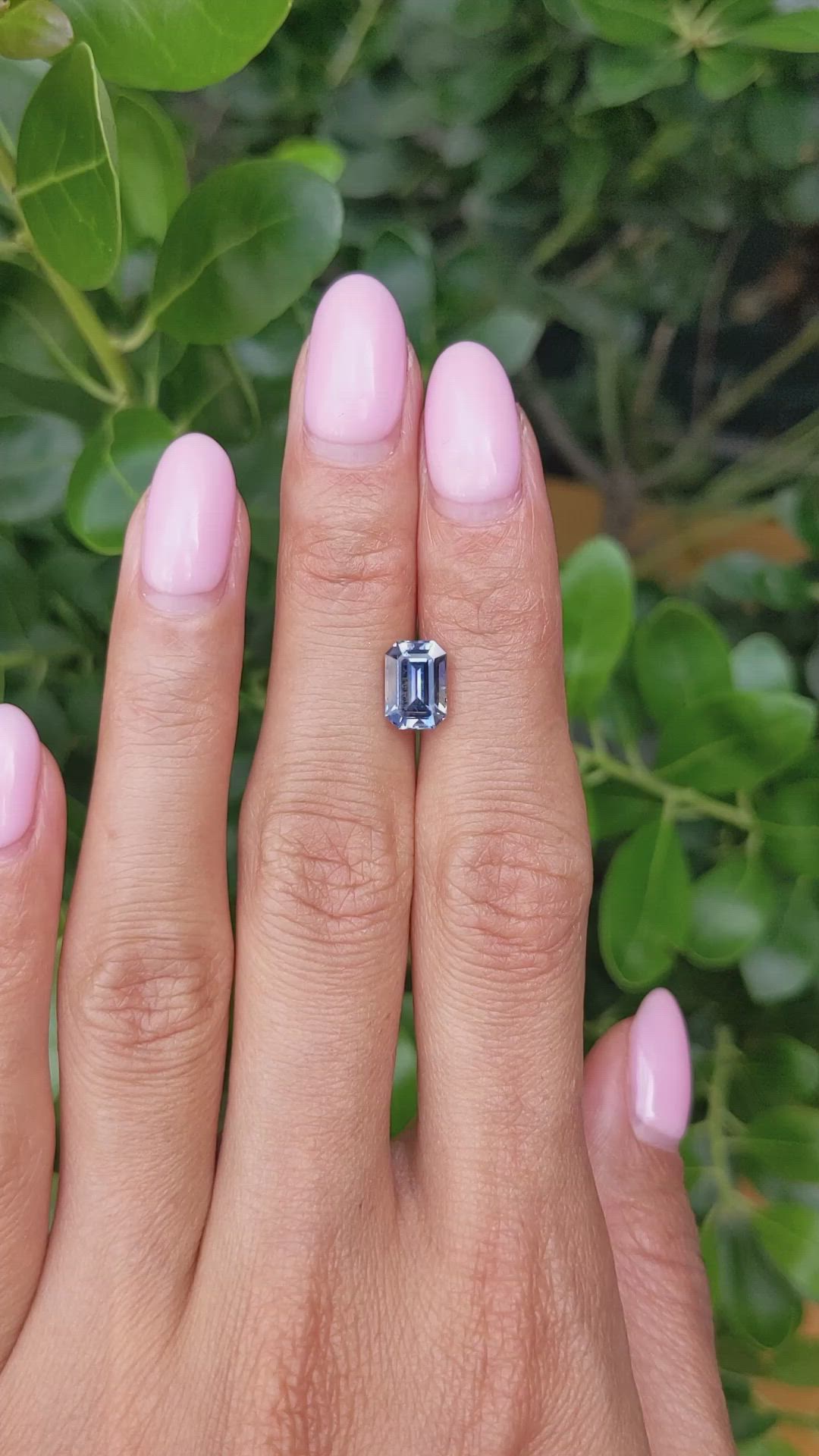
2.32 Ct. Bi Color / Parti Sapphire from Ceylon (Sri Lanka)
This loose stone is available to ship now
Item ID: | S5933 |
|---|---|
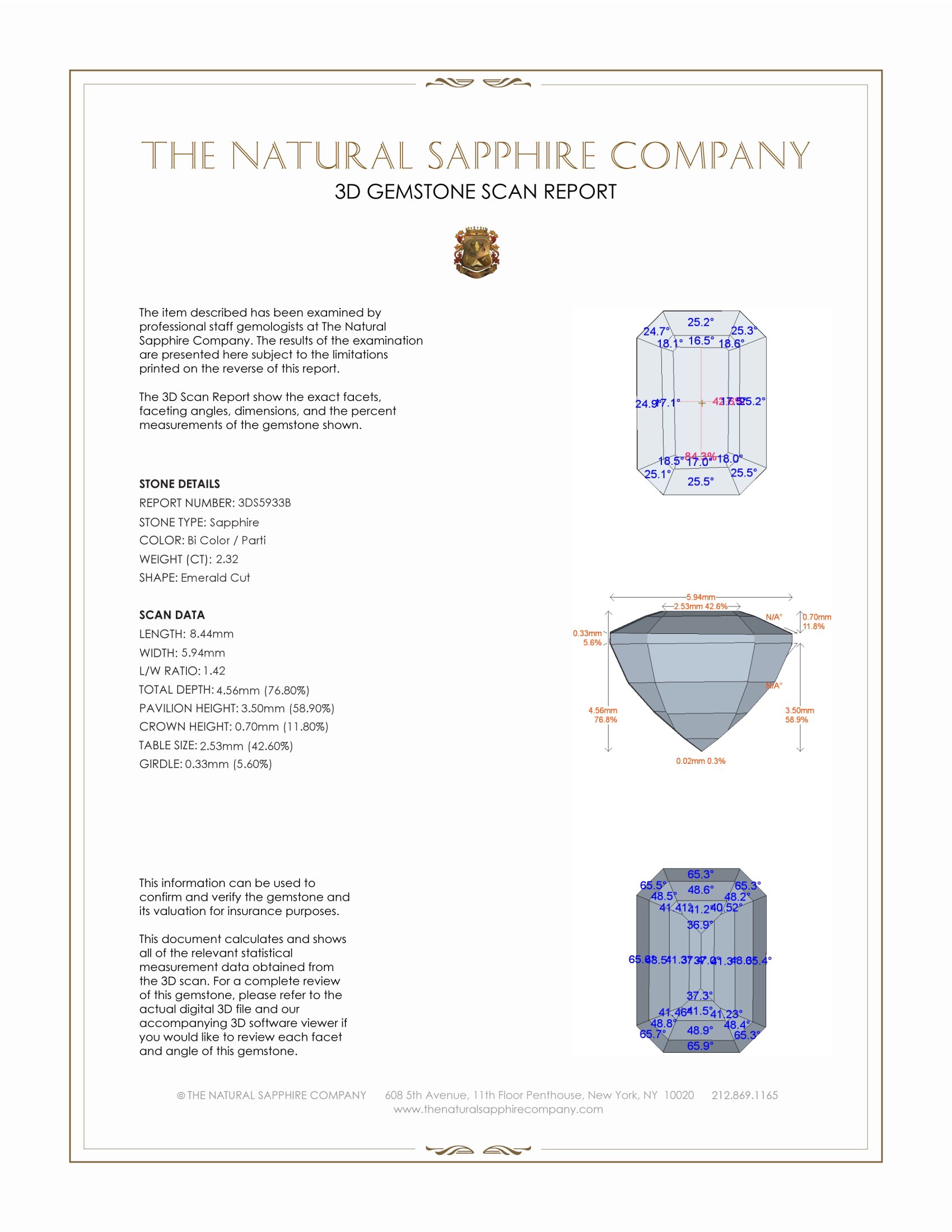
Dimensions (MM): help | Length: 8.44 Width: 5.94 Height: 4.56 |
Weight: | 2.32 Ct. |
Color: help | Bi Color / Parti |
Color intensity: help | Medium |
Clarity: help | Very Slightly Included |
Shape: help | Emerald Cut |
Cut: | Emerald Cut |
Cutting style: | Faceted |
Enhancements: help | No Enhancement |
Origin: help | Ceylon (Sri Lanka) |
Per carat price: help | $600 |
This 2.32 carat bi color sapphire from Ceylon is presented as a transparent emerald cut, with precise dimensions of 8.44 by 5.94 by 4.56 millimeters, faceted with the intention of maximizing both color separation and light return. The cutting style is classic step cut, executed with an emerald cut pavilion and crown geometry that emphasizes linear facets and planar reflections. Clarity is graded as very slightly included when evaluated at eye level, a level that preserves open visual fields while still reflecting a natural origin. Color intensity is medium, and the stone displays a parti or bi color distribution that moves between a saturated cornflower to medium blue and a warm yellow green depending on face up orientation. The polish has been assessed as excellent, with facet surfaces rendered to optical smoothness, and the piece has undergone no enhancement, making it an untreated natural sapphire. The Natural Sapphire Company is proud to offer this gem as an example of traditional craftsmanship combined with desirable Sri Lankan color and transparency.
The facet architecture of this emerald cut sapphire is a study in controlled geometry, designed to produce an ordered sequence of light returns rather than the kaleidoscopic scintillation common to brilliant cuts. The crown is structured with a broad rectangular table, encircled by concentric step facets that are parallel to the girdle and terminate in truncated corners typical of the emerald shape. On the pavilion, a corresponding set of descending rectangular facets creates a hall of mirrors effect, generating broad flashes of color and contrast along the length of the stone. Symmetry is precise, with facet junctions meeting cleanly and angles calibrated to maintain parallelism between opposing facets, which enhances the stone most notably when viewed along its longitudinal axis. Proportions are balanced, yielding a calculated depth that translates to approximately 63.5 percent when measured relative to the mean of the length and width, a depth that favors controlled brilliance and visible color zoning while avoiding excessive windowing or darkness.
Color behavior in this sapphire is technically interesting, and is central to its appeal as a parti stone. The medium color intensity allows both constituent hues to remain distinct while maintaining saturation sufficient for face up presence. The stone demonstrates pleochroic tendencies, revealing different dominant wavelengths when rotated between the planes of the crystal. Along one axis the stone exhibits a cooler blue hue, and along an orthogonal axis a warmer yellow green becomes pronounced. This dichroism is reinforced by the step cutting strategy, which aligns facets to present broad color planes rather than fragmented flashes, preserving banding and enabling a viewer to perceive color transitions with clarity. Color zoning is evident yet harmonious, with the cutter having oriented the stone to maximize the pleasing juxtaposition of blue and yellow green across the table. Because the sapphire is untreated, the color comes directly from trace element chemistry and crystal growth conditions, factors that collectors and connoisseurs recognize as materially important.
From a clarity and craftsmanship perspective, the sapphire meets a demanding standard. The very slightly included grade at eye level indicates that inclusions are present but do not detract from visual appeal under normal viewing distances. Inclusions are minor and typically oriented as fine needles or pinpoint crystals aligned with the crystal lattice, making them less obtrusive within the parallel step facets and less visible when the stone is set. The excellent polish yields crisp facet borders and high optical transmission, which together enhance the hall of mirrors reflections and provide clean windows through which the bi color phenomenon is best appreciated. The fact that the stone has received no enhancement increases its rarity and desirability, particularly for buyers who prioritise natural provenance and minimal treatment. Origin from Ceylon suggests a geological context that often produces sapphires with lively cornflower blues and delicate secondary hues, and this specimen is a textbook example of that typology. For secure mounting, the emerald cut is well suited to bezel, four prong, or channel settings, all of which can stabilize the stone while showcasing its linear geometry. Routine care involves gentle ultrasonic cleaning only after consultation with a professional if inclusions of a particular type are present, and avoidance of harsh thermal shocks even though the piece is untreated. The Natural Sapphire Company invites interested buyers to request additional imaging, exact measurement scans, and certification documentation to evaluate this sapphire further.


