
- Stone12
- Reports2
-various-blue-sapphire-10.4600-cts-s37928-1.jpg?d=200x200&v=20260224053123)
-various-blue-sapphire-10.4600-cts-s37928-lifestyleimage-1.jpg?d=200x200&v=20260225035053)
-various-blue-sapphire-10.4600-cts-s37928-lifestyleimage-2.jpg?d=200x200&v=20260225035053)
-various-blue-sapphire-10.4600-cts-s37928-lifestyleimage-3.jpg?d=200x200&v=20260225035053)


-various-blue-sapphire-10.4600-cts-s37928-1.jpg?d=750x750&s=nsc&v=20260224053123)
-various-blue-sapphire-10.4600-cts-s37928-lifestyleimage-1.jpg?d=750x750&s=nsc&v=20260225035053)
-various-blue-sapphire-10.4600-cts-s37928-lifestyleimage-2.jpg?d=750x750&s=nsc&v=20260225035053)
-various-blue-sapphire-10.4600-cts-s37928-lifestyleimage-3.jpg?d=750x750&s=nsc&v=20260225035053)


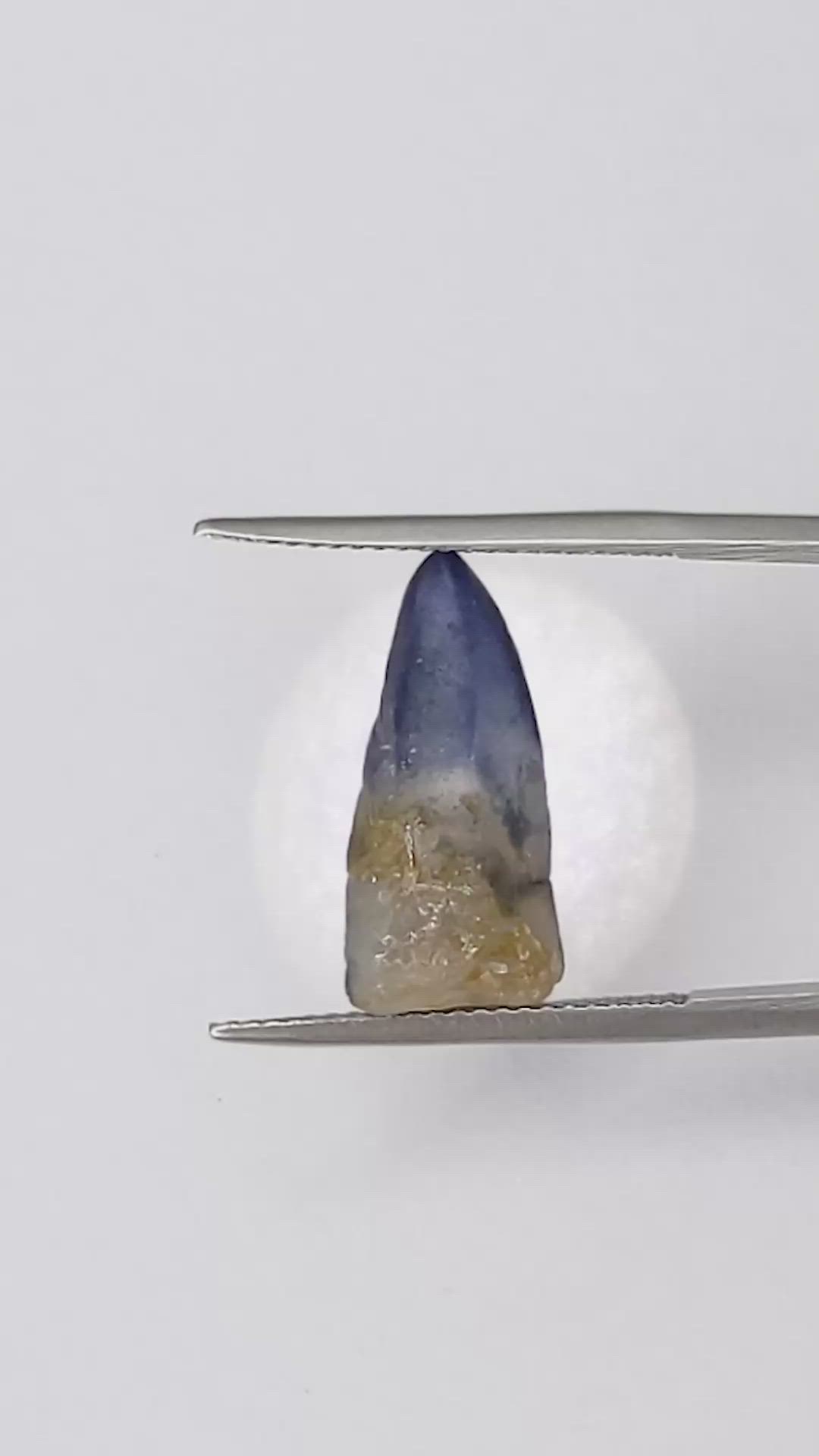
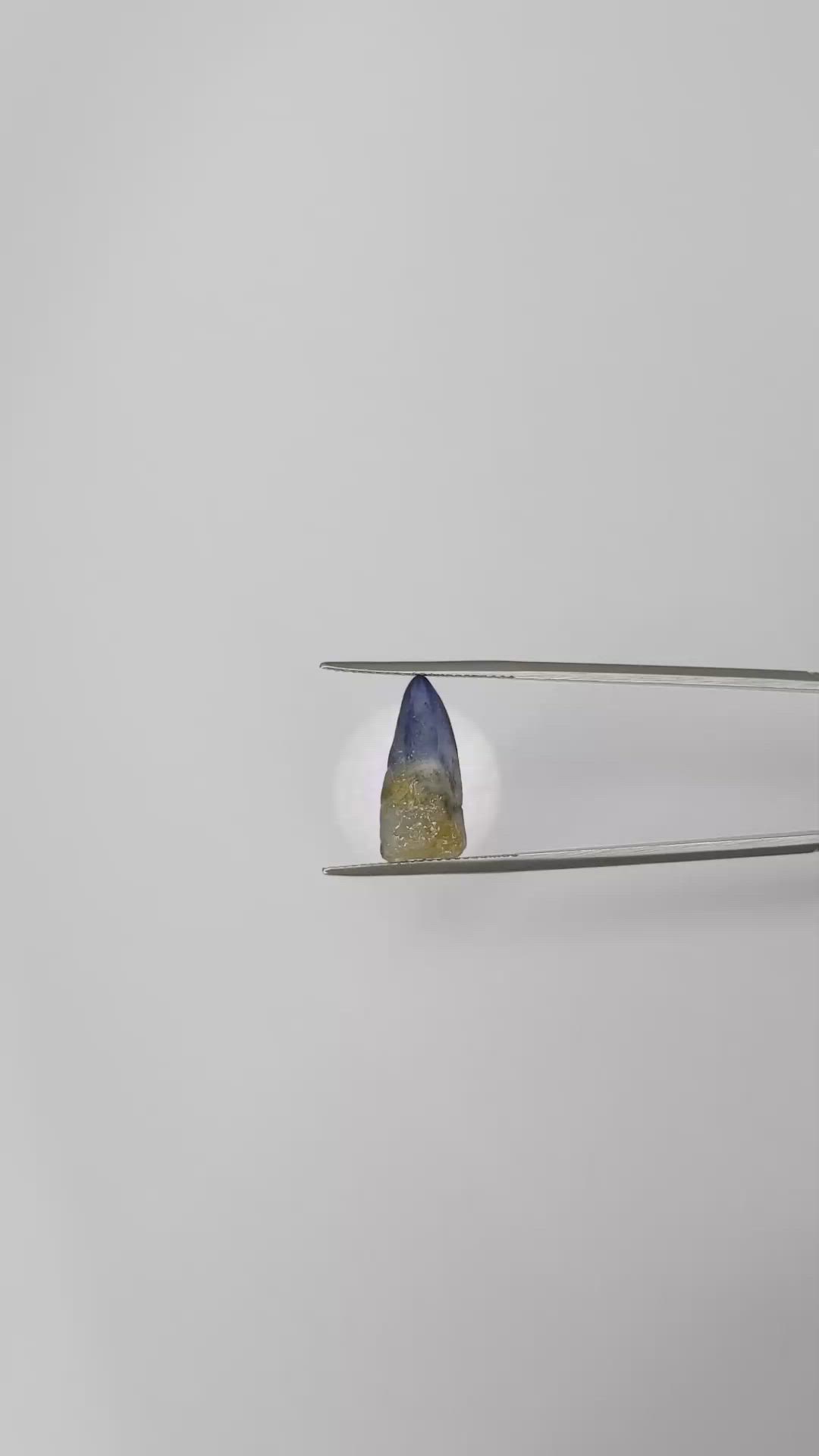
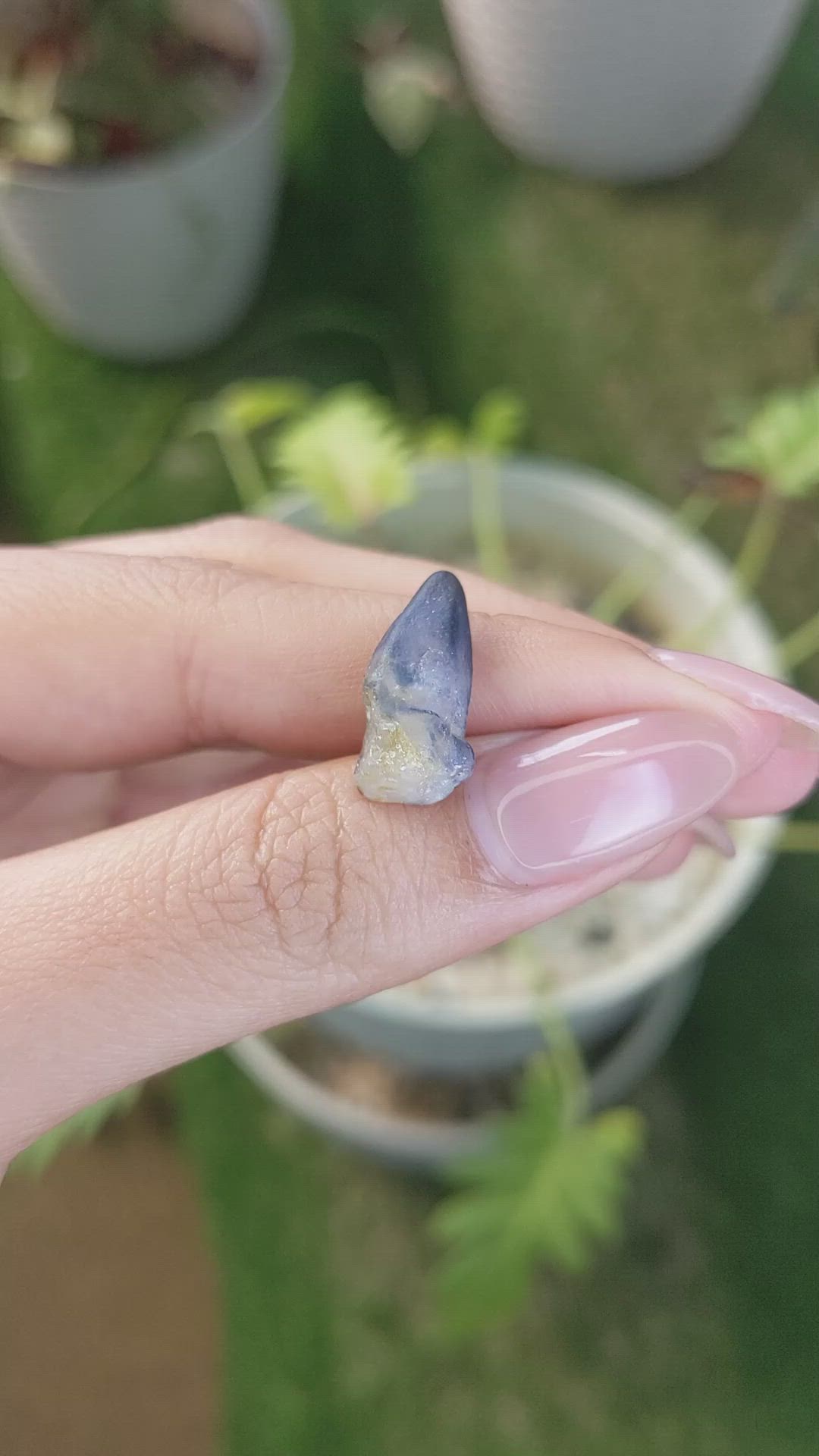
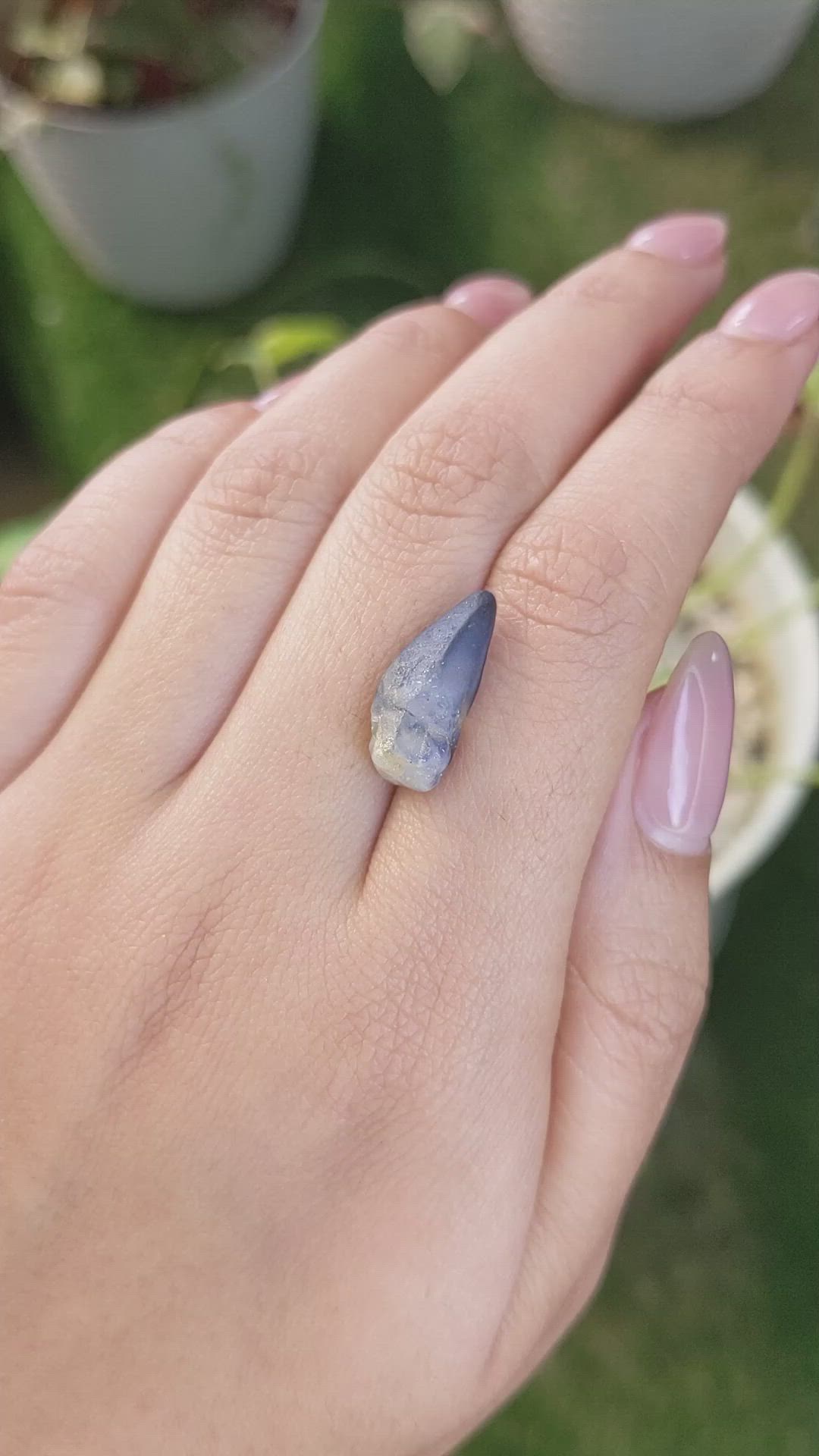
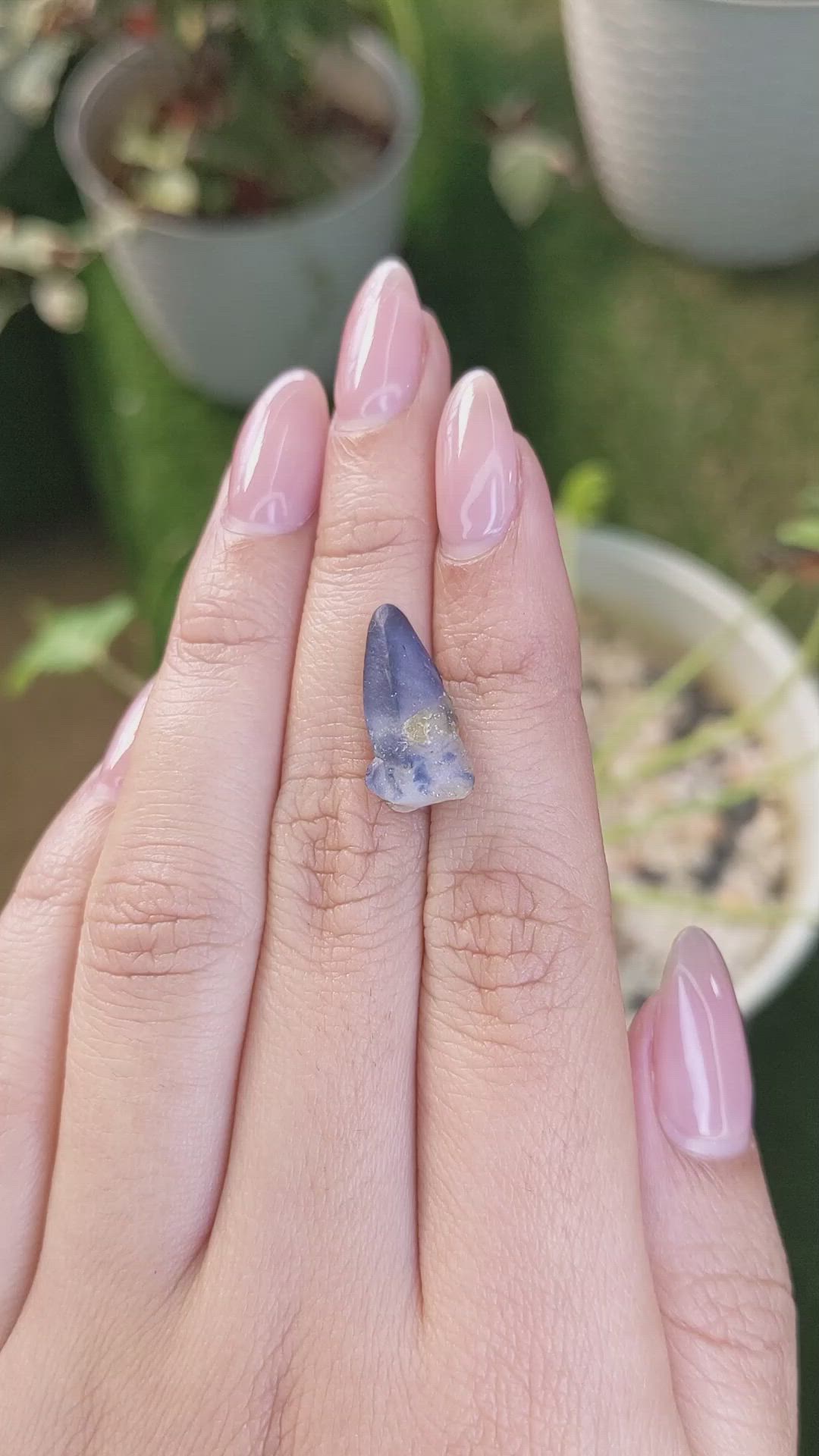
10.46 Ct. Bi Color / Parti Sapphire Crystal from Ceylon (Sri Lanka)
This loose stone ships by Oct 16
Item ID: | S37928 |
|---|---|
Dimensions (MM): help | Length: 17.79 Width: 8.25 Height: 7.8 |
Weight: | 10.46 Ct. |
Color: help | Bi Color / Parti |
Color intensity: help | Medium |
Clarity: help | Slightly Included |
Shape: help | Various |
Cut: | Rough Crystal |
Cutting style: | Crystal |
Enhancements: help | No Enhancement |
Origin: help | Ceylon (Sri Lanka) |
Per carat price: help | $19 |
One translucent, 10.46 carat, various shape, bi color parti sapphire is presented by The Natural Sapphire Company, with dimensions of 17.79 x 8.25 x 7.80 mm. The stone is a Crystal cutting style, executed as a rough crystal cut to retain the natural contours of the original crystal, and it displays a clarity grade of slightly included when evaluated at eye level. Color intensity is graded as medium, and the surface finish has an excellent polish. The sapphire is of natural origin, Ceylon, Sri Lanka, and is unenhanced, preserving the stone in its natural state without heat treatment or other modifications. For designs that incorporate complementary materials, consider pairing with White Opal as an accent to emphasize tonal contrast and optical interplay.
The Crystal cutting style in this example follows the crystallographic habit, retaining elongated and tapered planes rather than imposing a conventional brilliant or step faceting schema, and this approach materially influences light performance. Facet junctions and plane orientations have been left in a manner consistent with the host crystal morphology, producing angular reflections and directional translucency rather than full internal brilliance. The rough crystal cut maintains thicker crown and pavilion masses in areas, which moderates light return and enhances the stone’s intrinsic depth of tone. The excellent polish ensures that surface scattering is minimized, so that observed diffusion arises primarily from the stone’s internal characteristics, including microscopic growth tubes and fine feathering that are consistent with the slightly included clarity grade. When mounted, orienting the stone so that its long axis aligns with the primary viewing plane will maximize the apparent color separation and preserve the natural interplay of light and internal structure.
The bi color parti character of this sapphire is a defining optical attribute, presenting distinct color zones that transit across the stone. With medium color intensity, the parti nature typically manifests as a cool blue field grading toward warmer yellow or pale champagne tones within the same crystal, and the degree of color zoning is sufficiently pronounced to offer deliberate design choices. The sapphire exhibits pleochroic tendencies, where viewing direction alters the dominant hue, and this behavior can be leveraged by setting artisans to emphasize either the blue or the golden component. Because the stone is unenhanced, its color tones are stable and predictable under normal wear conditions, and the natural partitioning can be accentuated by cut orientation and setting depth. If paired with a White Opal, the opal’s diffuse play and milky body tone will provide a soft backdrop that amplifies the sapphire’s duality, the opal reflecting light to support both the cooler and warmer facets without competing for chromatic dominance.
When considering how the sapphire’s color will complement skin tones, the parti sapphire offers versatile possibilities through deliberate metal selection and setting strategy. For cooler skin undertones, the blue component reads as crisp and radiant, and a white metal mounting will preserve that cool clarity, enhancing contrast and creating a modern, high contrast aesthetic. For warmer skin undertones, the yellow or champagne zones provide a subtle resonance, and selecting yellow gold or warm rose gold will warm the perceived hue, integrating the golden areas with the wearer’s complexion for a harmonious effect. On neutral or olive skin tones, the parti sapphire’s mid spectrum color balance affords flexibility, with either white or yellow metal producing pleasing results depending on whether the aim is contrast or complement. The moderate translucency means that the stone will transmit some skin tone influence through its body, so designers can choose to expose a greater surface area of one color zone to tune the gem visually toward the wearer’s undertone, or conversely, to mask skin tone influence with a bezel that frames the most desirable color.
From a craftsmanship and setting perspective, the stone’s dimensions and rough crystal cut suggest certain practical choices to preserve the integrity of the crystal and to display its bi color nature optimally. The elongated profile and pointed termination lend themselves to tapered bezel settings, custom prong arrangements that protect acute angles, or bespoke designs that cradle the stone so as to reveal the partitioned color plane. Given the slightly included clarity grade, setting techniques that reduce exposure to knocks and abrade stress concentrations are advisable, such as low profile bezels with internal cushioning or a bezel with integrated support at the narrow point. For accenting the parti sapphire, small melee or single White Opal cabochons can be employed to create color transition zones that visually bridge the cooler and warmer fields, the opal supplying a soft diffusion that mitigates stark contrast while enhancing overall color complexity. The Natural Sapphire Company recommends that the final design preserve the stone’s natural cut lines and maintain orientation control during fabrication to ensure that light interacts with the crystal in the intended manner, delivering the refined, technical interplay of hue, transparency, and surface finish that knowledgeable buyers seek.


