
- Stone10
- Reports3


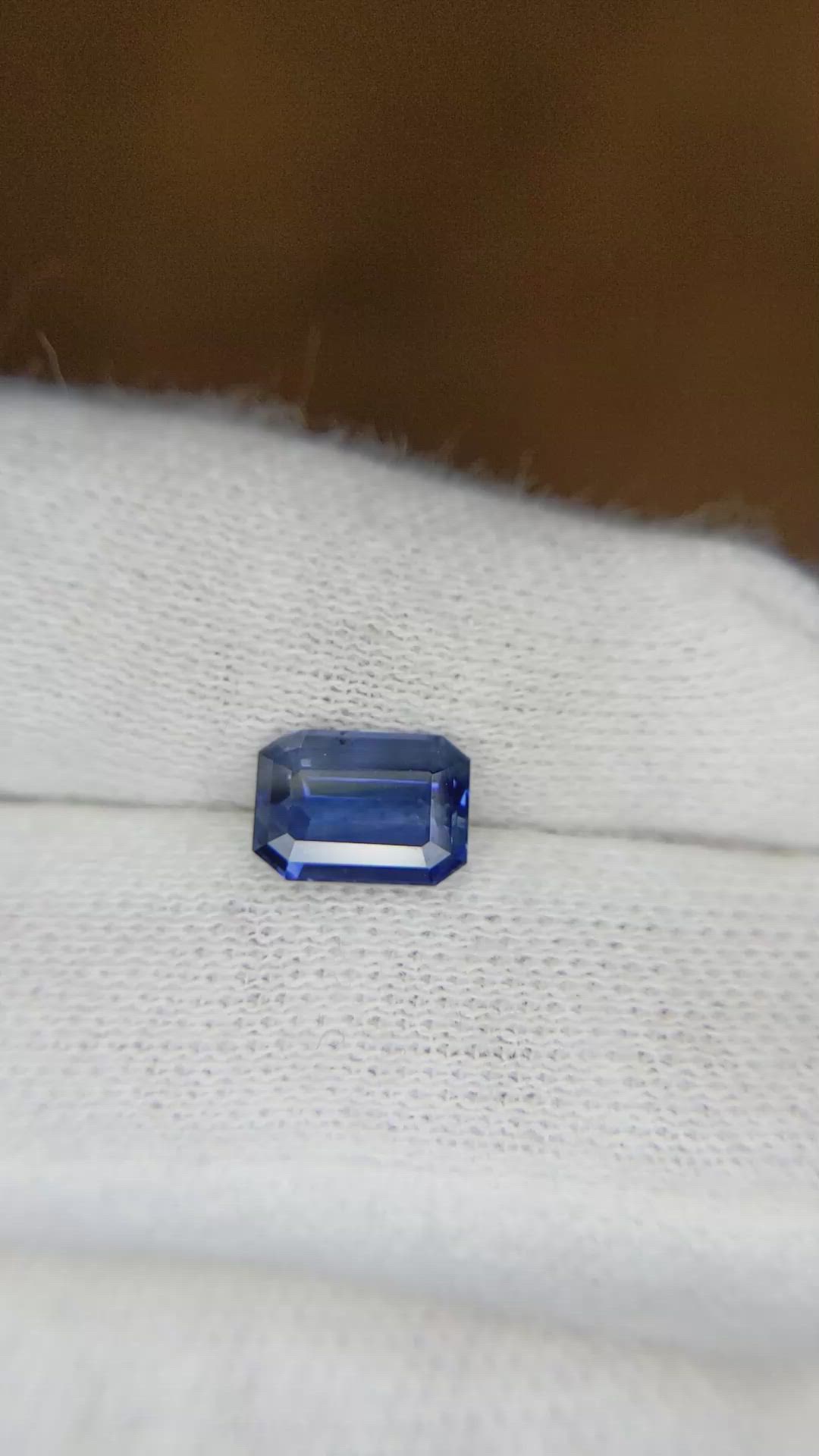
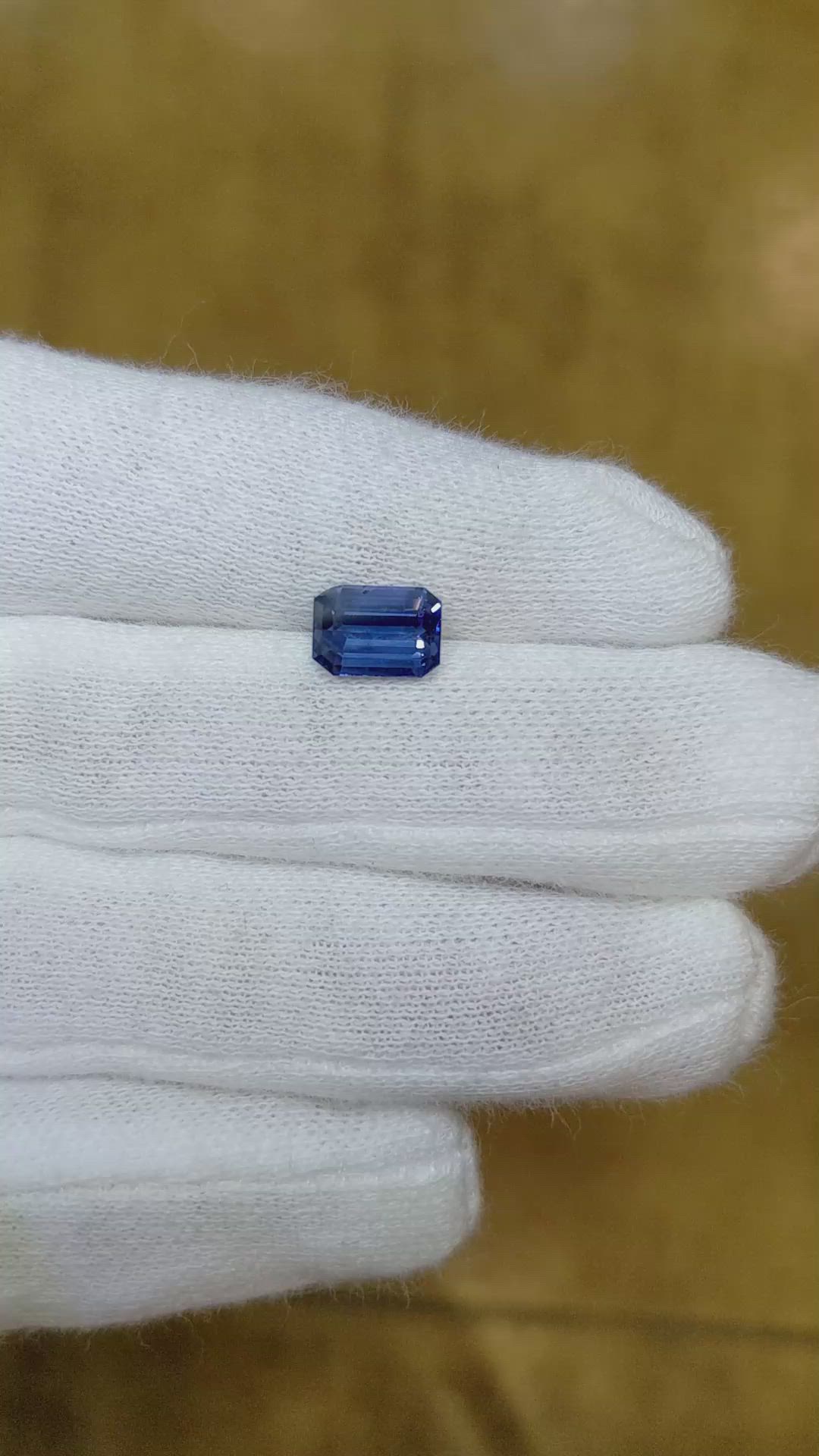
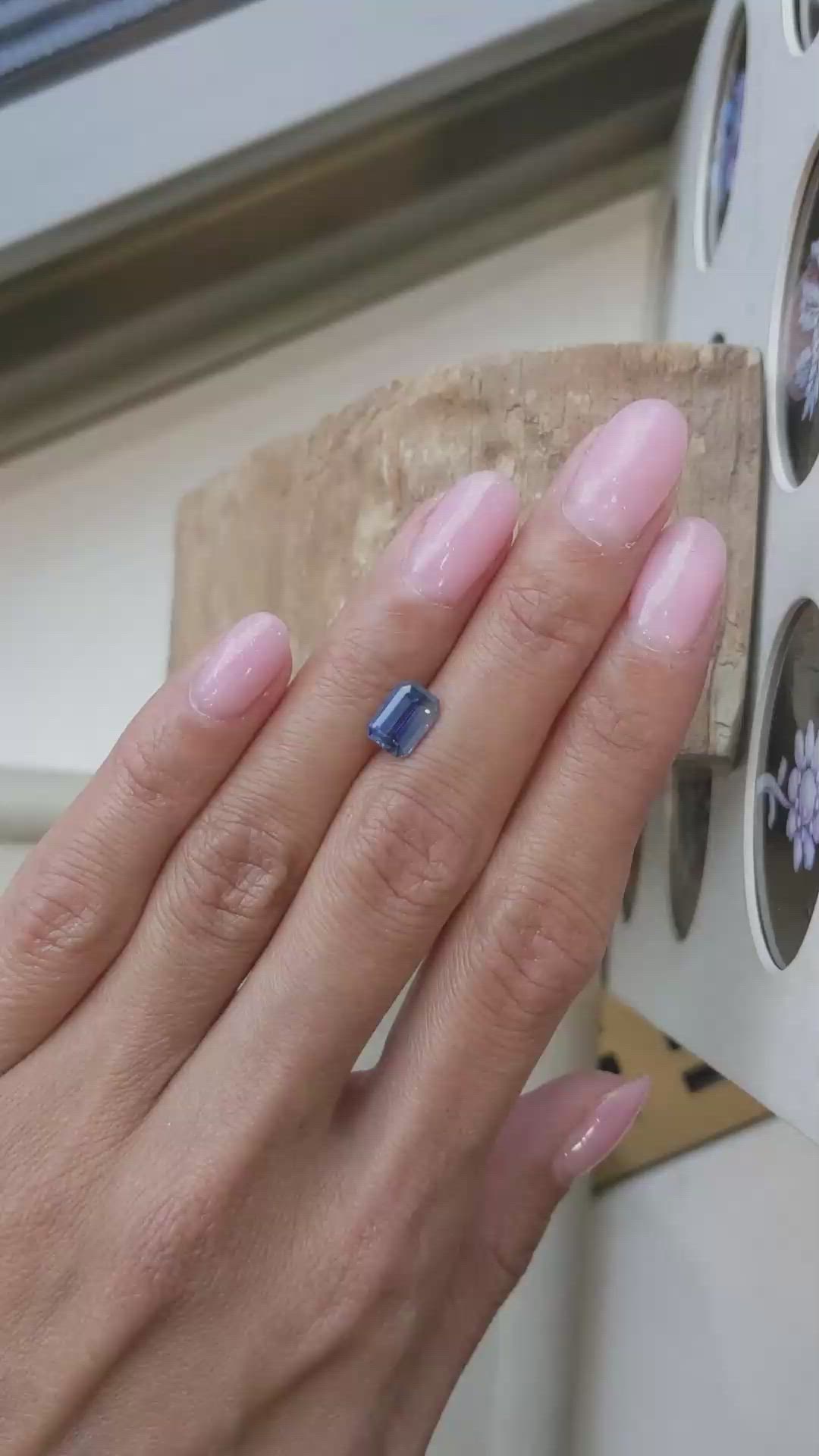

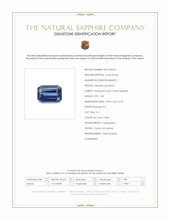



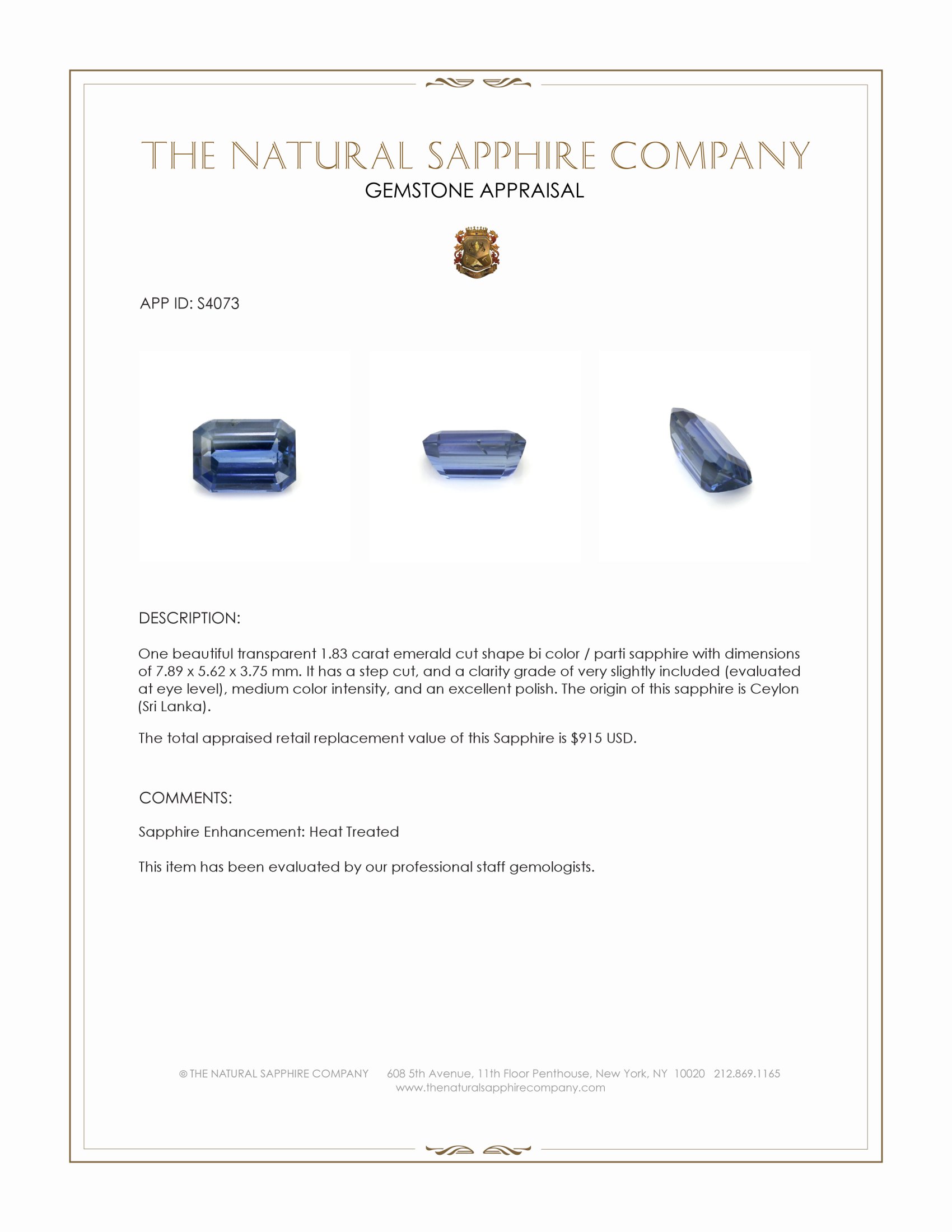
1.83 Ct. Bi Color / Parti Sapphire from Ceylon (Sri Lanka)
This loose stone is available to ship now
Item ID: | S4073 |
|---|---|
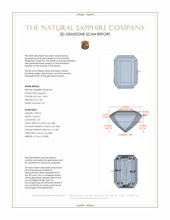
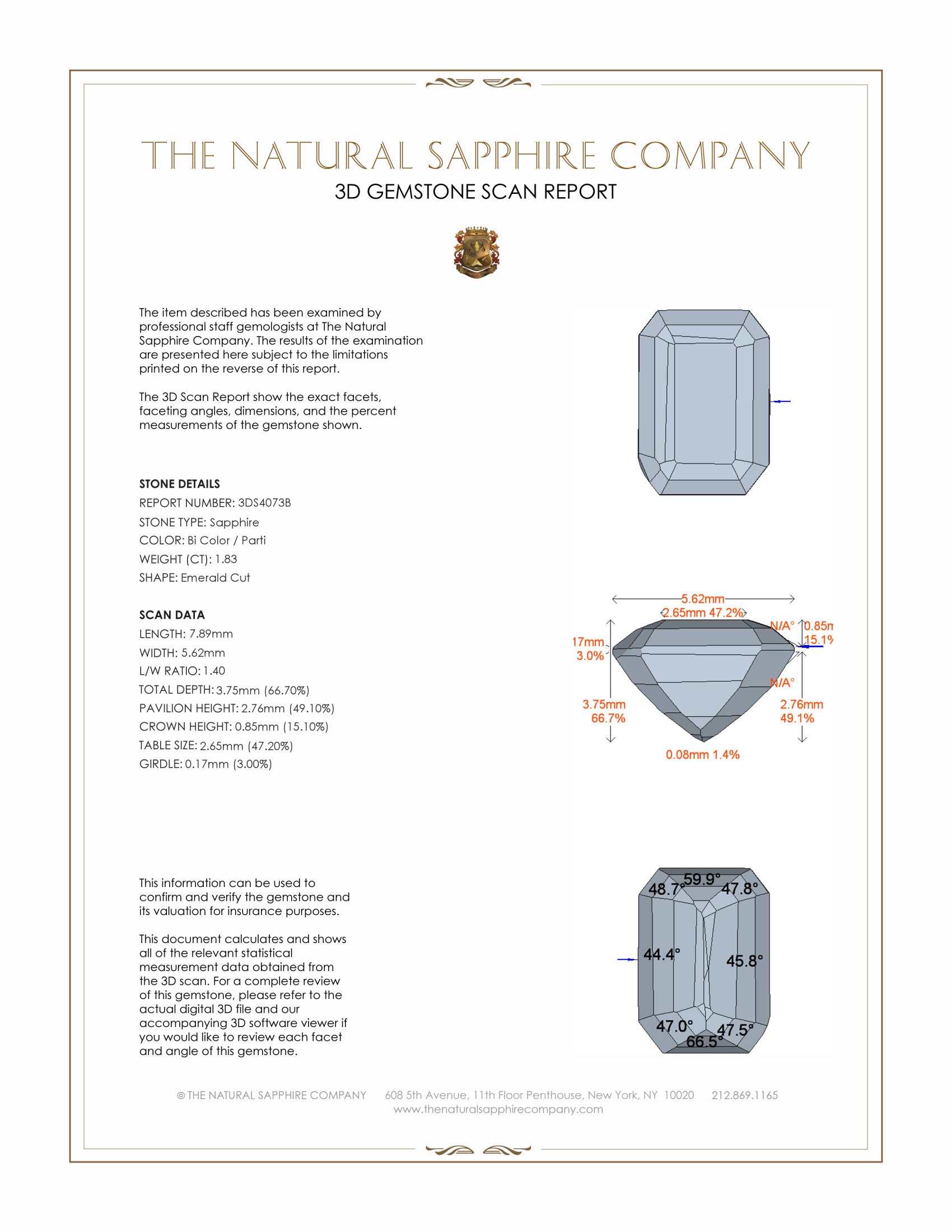
Dimensions (MM): help | Length: 7.89 Width: 5.62 Height: 3.75 |
Weight: | 1.83 Ct. |
Color: help | Bi Color / Parti |
Color intensity: help | Medium |
Clarity: help | Very Slightly Included |
Shape: help | Emerald Cut |
Cut: | Step Cut |
Cutting style: | Faceted |
Enhancements: help | Heat Treated |
Origin: help | Ceylon (Sri Lanka) |
Per carat price: help | $500 |
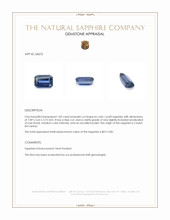
One transparent 1.83 carat emerald cut shape bi color, parti sapphire is presented with dimensions of 7.89 by 5.62 by 3.75 millimeters. The gem is faceted and cut in a classic step cut, which emphasizes broad, flat planes and linear facet arrangement. The clarity is described as very slightly included as evaluated at eye level, indicating minor internal characteristics that do not significantly impede light transmission or overall visual appeal. The color intensity is medium, and the polish is graded excellent, yielding crisp facet junctions and a clean table surface. The stone has been heat treated, a common and stable enhancement in the trade, and its reported origin is Ceylon, Sri Lanka. These objective attributes define the sapphire as a high quality, transparent specimen that is suitable for a variety of fine jewelry applications where precise proportions and refined optical behavior are desired.
The emerald cut and step facet style influence the sapphire appearance by promoting color zoning and directional light return rather than scintillation. The step cut produces broad flashes of color across the table and crown, which can reveal the parti nature of the stone, showing distinct areas of differing hue within a single crystal. With medium color intensity, the stone displays nuanced shifts in saturation as viewing angle and light source change, an effect that can be described as lively yet controlled. The very slightly included clarity grade means that inclusions are present but typically not visible from standard viewing distances, and these features can in some cases contribute to the character of the gem without compromising durability. The excellent polish ensures that light flows smoothly across the facets, supporting clean color transitions and maintaining the visual integrity of the parti sapphire following routine wear.
When set in jewelry, the sapphire color and parti character interact with skin tone and metal choice to produce different aesthetic outcomes. On fair skin with cool undertones, the cooler components of the sapphire will read as crisp and refined, providing a subtle contrast that highlights the stone without overwhelming the complexion. In such cases, metals with a cooler appearance, such as platinum or white gold, will reinforce the sapphire coolness, creating a modern and restrained presentation. For fair skin with warm undertones, pairing the sapphire with yellow gold will introduce a warm counterpoint that accentuates any warmer zones in the stone, producing a balanced visual harmony. On medium skin tones and olive undertones, the sapphire tends to sit comfortably within the natural color range of the wearer, neither blending nor starkly contrasting. This middle range is well suited to mixed metal treatments or settings that allow the parti nature to read clearly, such as an open gallery prong setting or a low profile bezel that preserves crown exposure. On deeper skin tones, the sapphire provides an elegant contrast, the medium intensity offering sufficient presence without appearing overly saturated. Yellow gold and rose gold settings will emphasize the warmth of darker complexions, while white metals will give a crisp, high contrast look that highlights the gem edges and step cut geometry.
Practical considerations for setting and care reflect the stable nature of corundum and the specific attributes of this specimen. The emerald cut proportions of 7.89 by 5.62 by 3.75 millimeters work well for classic ring, pendant, and small brooch designs, where the step cut can be shown off with minimal surrounding distraction. A prong setting will maximize light interaction and display the parti color zoning, while a bezel may offer greater protection to the girdle and lower profile wear for active use. Heat treatment is a standard and enduring enhancement, disclosed here for clarity, and routine care involves avoiding extreme temperature shocks and abrasive chemicals, cleaning with warm soapy water and a soft brush. The Natural Sapphire Company documents the origin and treatment status of its material, offering provenance information to support informed design decisions and long term care. This sapphire presents a measured combination of clarity, cut, and medium color intensity, and it is suitable for refined settings that capitalize on its step cut structure and parti color character.


