
- Stone10
- Reports3

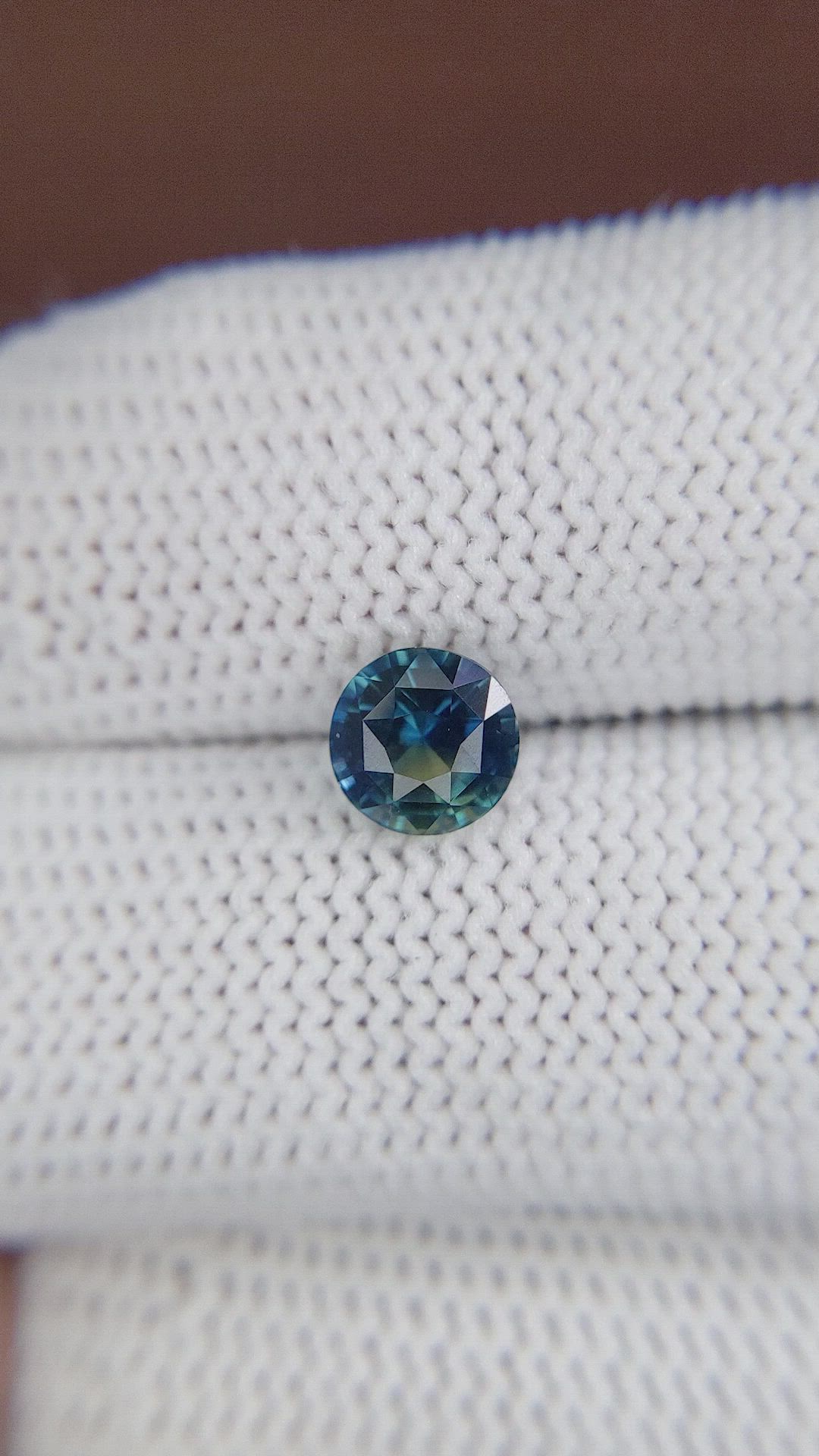
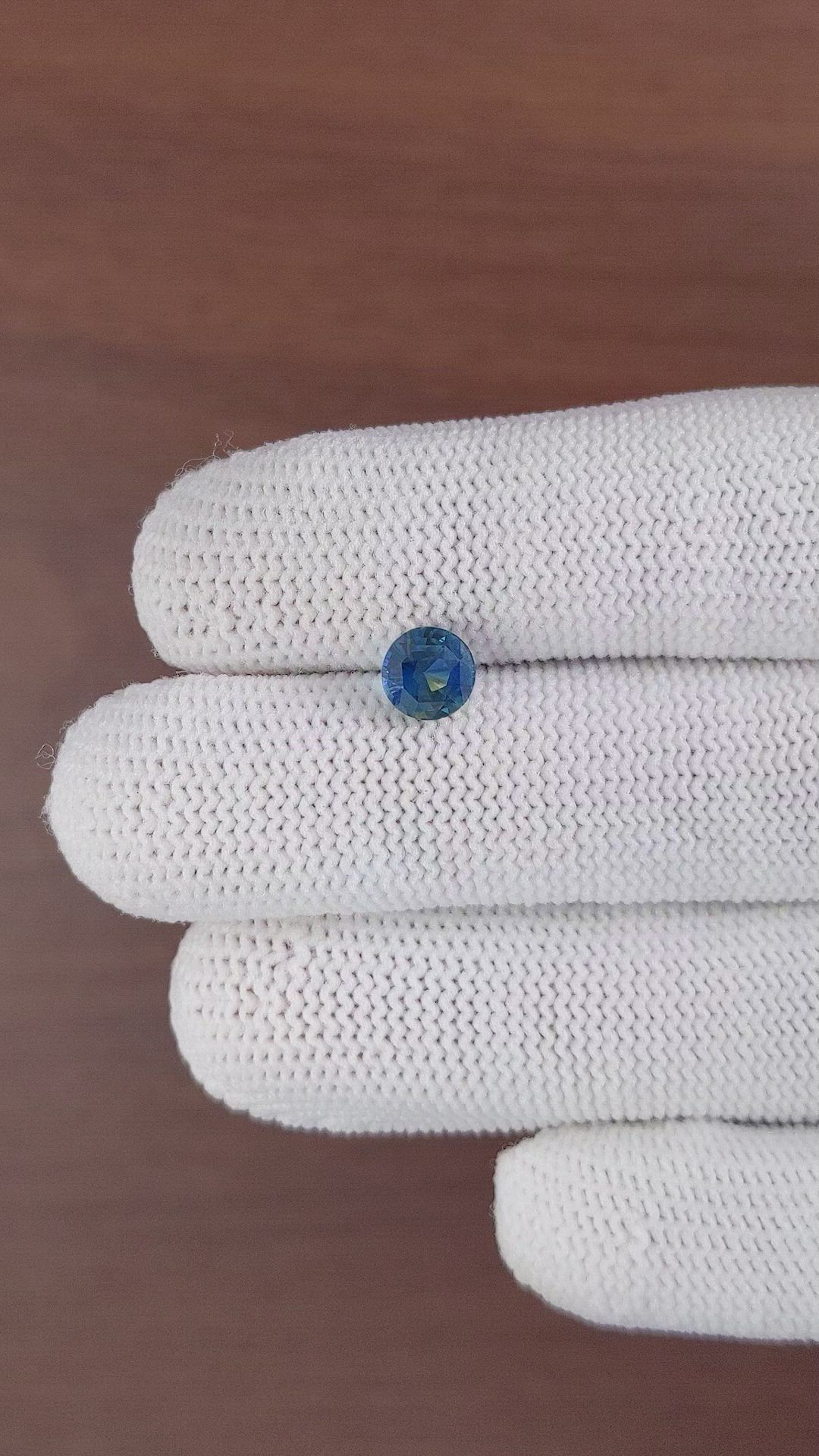
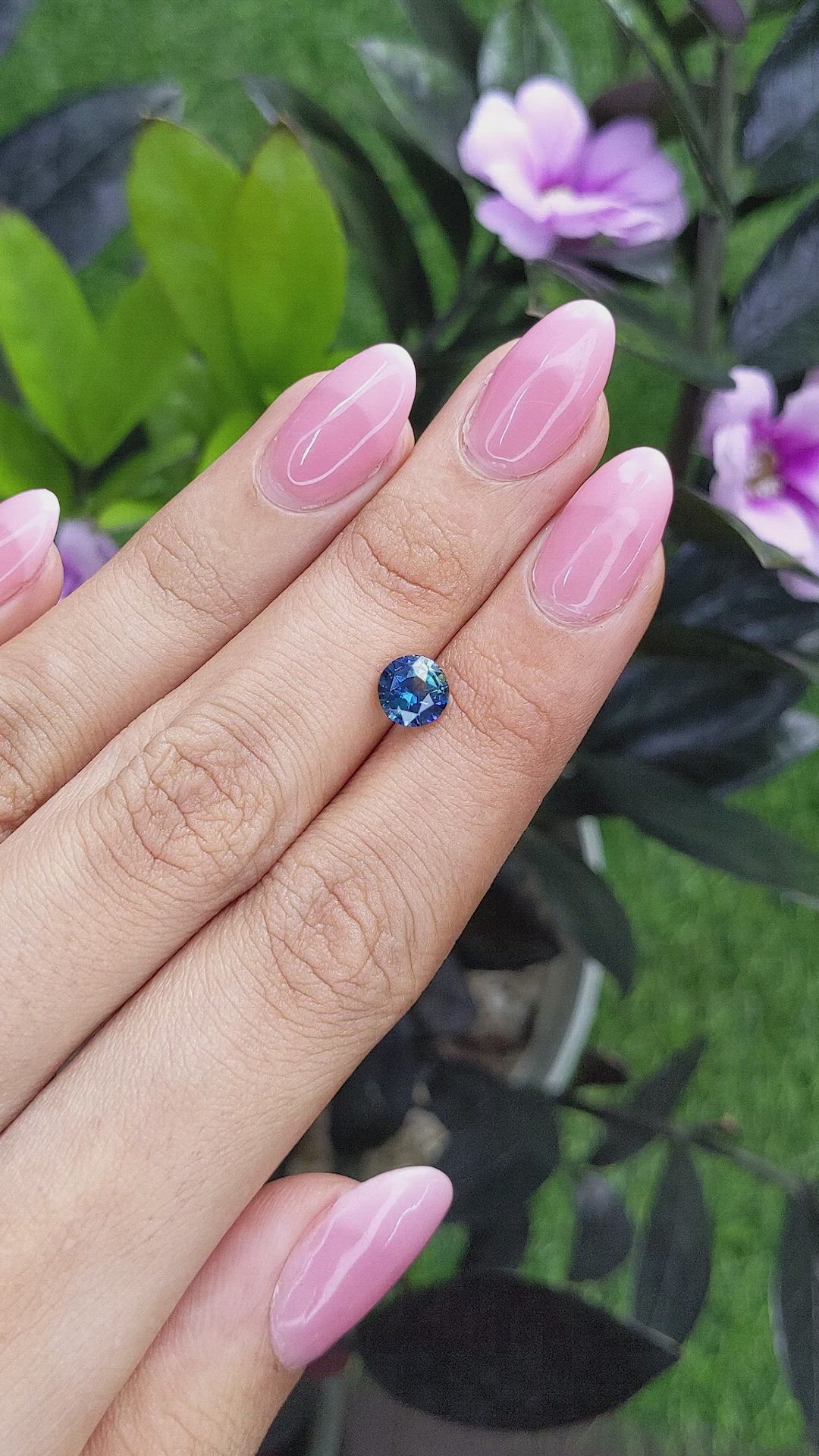
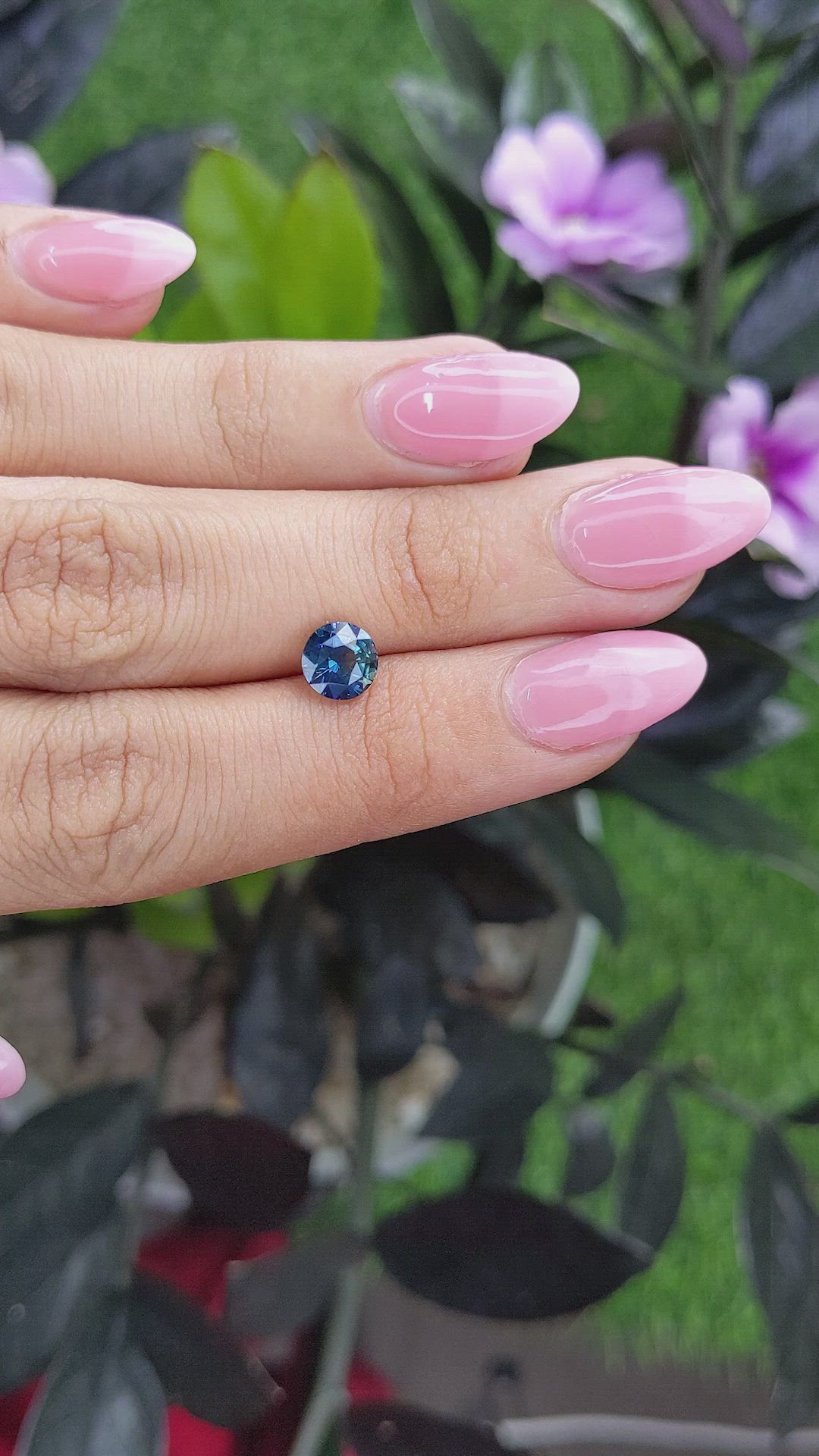




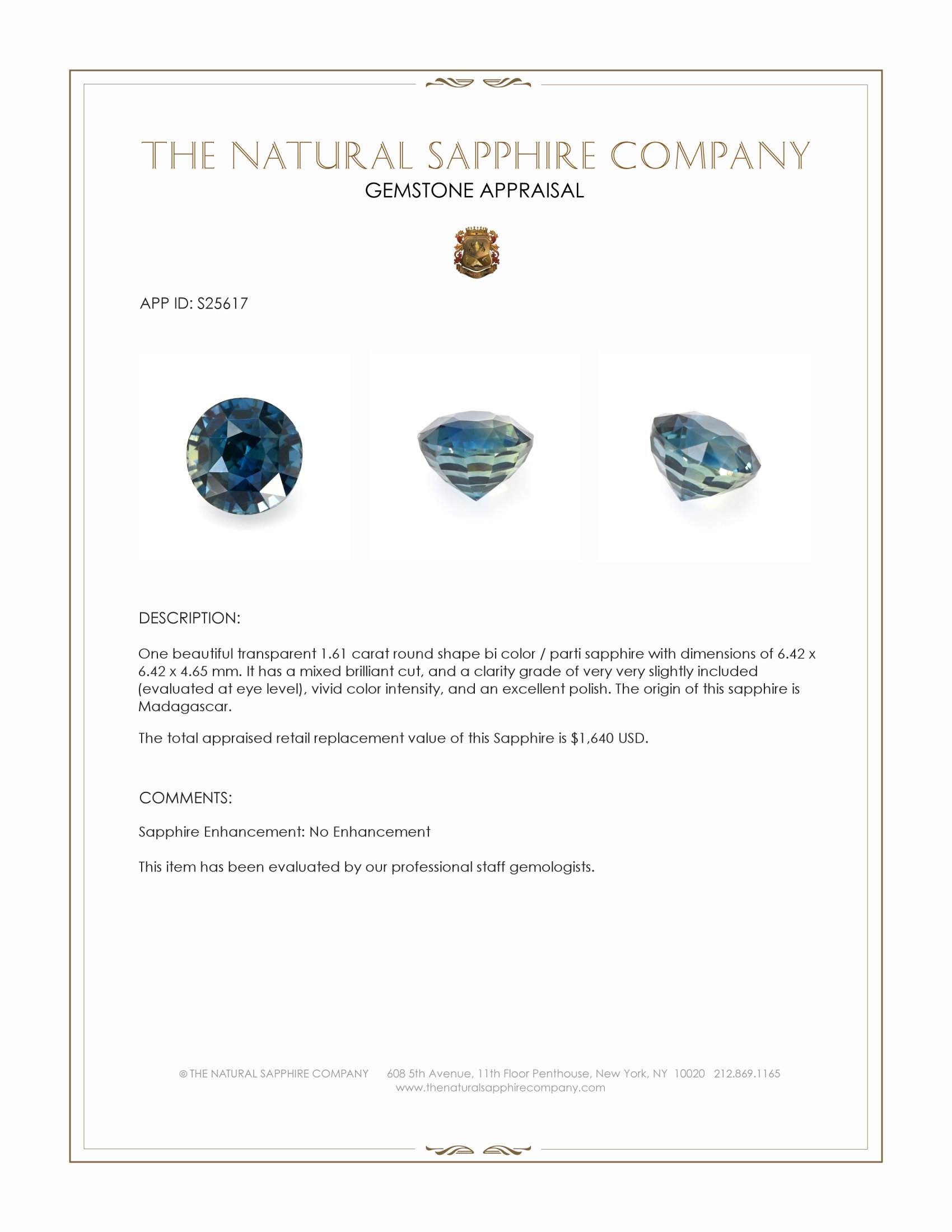
1.61 Ct. Bi Color / Parti Sapphire from Madagascar
This loose stone ships by Sep 18
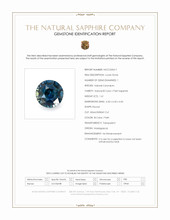
Item ID: | S25617 |
|---|---|
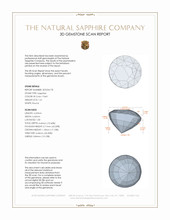
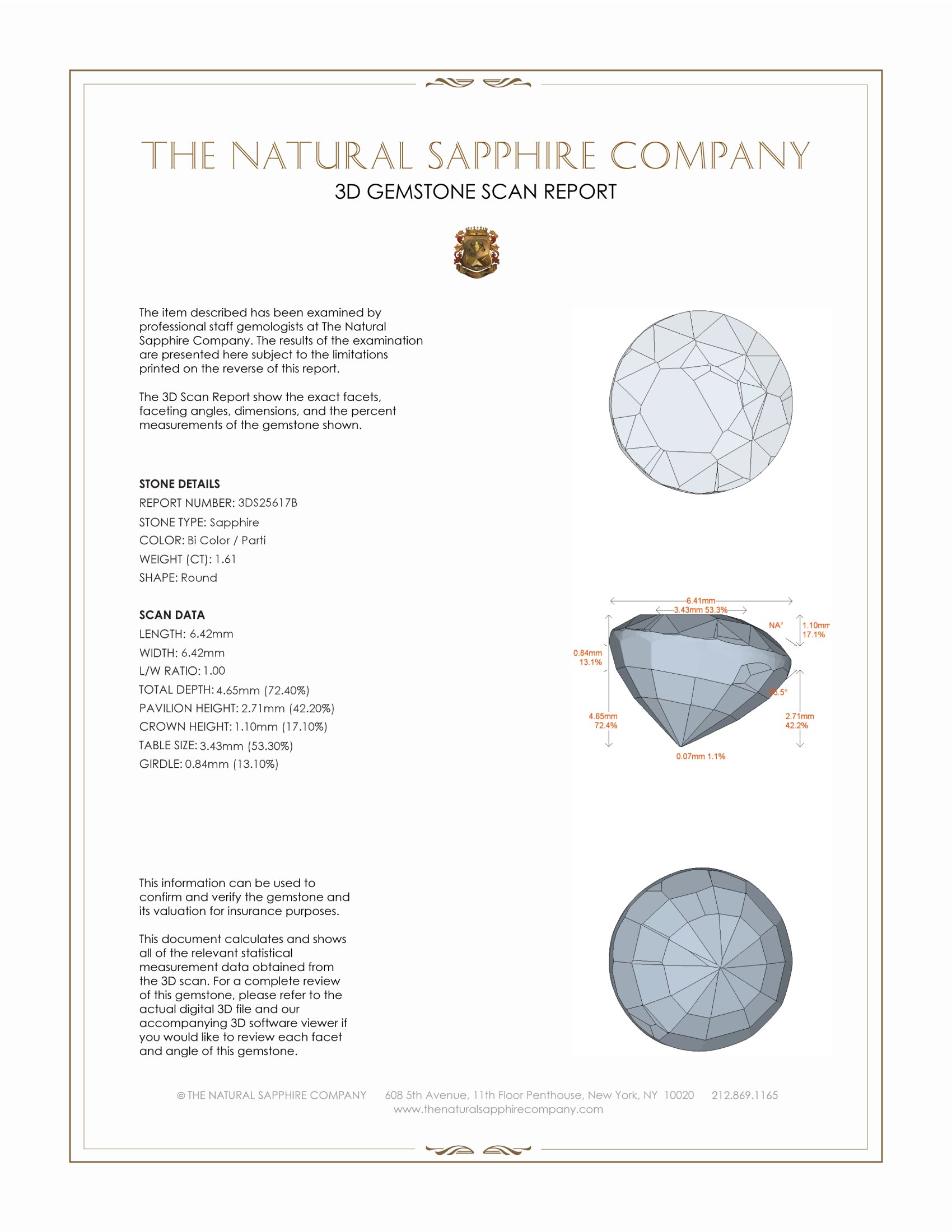
Dimensions (MM): help | Length: 6.42 Width: 6.42 Height: 4.65 |
Weight: | 1.61 Ct. |
Color: help | Bi Color / Parti |
Color intensity: help | Vivid |
Clarity: help | Very Very Slightly Included |
Shape: help | Round |
Cut: | Mixed Brilliant Cut |
Cutting style: | Faceted |
Enhancements: help | No Enhancement |
Origin: help | Madagascar |
Per carat price: help | $1,019 |
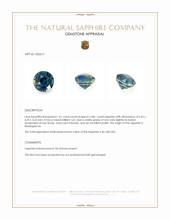
This 1.61 carat round bi color parti sapphire from Madagascar presents a precise balance of weight, symmetry, and natural color, and it is offered by The Natural Sapphire Company. The stone measures 6.42 by 6.42 by 4.65 millimeters, and it has been faceted in a mixed brilliant style to reconcile scintillation and color retention. The clarity is described as very very slightly included when evaluated at eye level, a level of internal cleanliness that preserves strong light return while still confirming natural crystal growth features. The color intensity is vivid across its bi color range, and the polish is judged excellent, a finish that produces crisp facet junctions and minimal surface diffusion. There has been no enhancement to the stone, a status that preserves the intrinsic optical properties of Madagascan corundum and that is particularly important for collectors and connoisseurs who prioritize untreated material.
The cutter elected a mixed brilliant design, combining a brilliant faceted crown with a pavilion morphology that moderates lower angle facets to conserve color and depth. The crown presents star and kite facets oriented to break incident light into controlled scintillation, while the pavilion shows stepped or modified pavilion facets that increase the optical path length without sacrificing controlled light return. The result is a balance between pinpoint scintillation on movement and broad flashes of color when viewed along the table. The recorded depth of 4.65 millimeters on a 6.42 millimeter diameter yields a depth ratio of approximately 72.4 percent, a deliberately deeper proportion than typical table centric gem cutting, chosen to intensify color saturation and to accommodate color zoning inherent to parti material. Excellent polish and meticulous facet alignment produce tight facet junctions, which reduces light leakage and enhances contrast, allowing the stone to display crisp dark and light areas instead of a washed or milky appearance.
From an optical physics perspective this sapphire benefits from the high refractive index of corundum, which normally ranges around 1.762 to 1.770, and from a low birefringence near 0.008. These properties mean that light is strongly refracted at each facet interface, giving corundum a distinct, sharp brilliance and well defined facet contrast compared with lower index gems. In a bi color or parti sapphire pleochroism is often pronounced, and this example demonstrates that effect as distinct greenish yellow and teal to deep blue zones depending on the viewing angle and illumination. The mixed brilliant cut amplifies this pleochroic behavior, producing area contrast that alternates between vivid color windows and deep, saturated passages. Because the stone is very very slightly included at eye level, internal features do not interrupt the dominant light paths significantly, allowing the corundum to render both broad, even color fields and faceted scintillation without internal diffusion. The excellent polish contributes measurable improvement to apparent brightness, because even small surface roughness can scatter light and reduce color saturation in richly colored stones.
When compared to other gemstones in the same marketplace category, this untreated Madagascan parti sapphire shows distinct reflective qualities. Compared with single color blue sapphires from classic sources, a parti sapphire trades uniform bodycolor for dynamic color play and localized color contrast, so its reflective character is experienced as alternating windows of color flash and deeper, velvet like areas that appear almost to absorb light. Against spinel, which has a slightly lower refractive index near 1.718 and typically exhibits very clean, even light return, this sapphire gives a sharper edge to facet reflections and greater retention of color under steeper pavilion angles. Tourmaline and tourmaline varieties that display bi color behavior will often show stronger pleochroism but have a lower refractive index around 1.62 to 1.66, which yields softer facet contrast and less aggressive brightness than corundum. Garnet species can sometimes exhibit higher refractive indices and strong brilliance, but garnets lack the same durable hardness and luster profile that sapphire provides, and garnets do not commonly show the same vivid parti color zoning. Compared with heat treated or diffusion enhanced sapphires, an untreated parti sapphire from Madagascar retains natural color distribution and microscopic features that can scatter and reflect light in complex ways. Heat enhancement often homogenizes color and can increase apparent clarity, which produces a different kind of evenness in reflection, whereas the untreated parti stone displays more individualized, characterful light behavior that experienced buyers often prize.
For practical use and setting considerations, the optical behaviour of this mixed brilliant parti sapphire suggests specific approaches to maximize its reflective and color qualities. Because the stone exhibits vivid pleochroic zones, orienting the table and crown during setting will control which color dominates when the piece is worn, so designers often orient the stone to showcase the deeper blue field in formal jewelry and to reveal the greener yellow flash as a highlight for contrast. A four or six prong mounting with minimal bezel material will allow side light to enter the pavilion and activate internal color shifts, while a low profile bezel can mute those effects and concentrate the color into a single appearance. The excellent polish and tight facet geometry mean the stone benefits from high contrast metal choices, such as platinum or white gold for cool presentation and yellow gold for warmer, more luminous contrast. Because the gem is untreated and of vivid intensity, it also responds well to designs that incorporate light apertures behind the pavilion to increase back reflection when more brilliance is desired. At The Natural Sapphire Company we recommend viewing the gem under both daylight and incandescent lighting to confirm the desired balance of color and sparkle before finalizing a setting, and our team can provide mounting suggestions that respect the cutter s proportions and the inherent parti character.
This piece exemplifies the combination of natural origin, precise cutting, and unenhanced color that many advanced collectors and designers seek. The dimensions, mixed brilliant faceting, very very slightly included clarity at eye level, vivid color intensity, excellent polish, and Madagascan provenance make it a technically interesting and visually engaging sapphire, and The Natural Sapphire Company is available to provide additional measured imagery, facet diagrams, and setting guidance for buyers who wish to assess the stone s reflective behavior in situ.


