
- Stone14
- Reports3
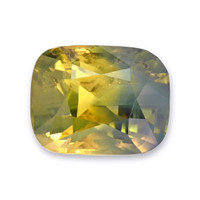
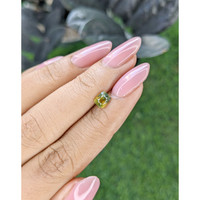
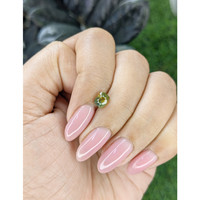
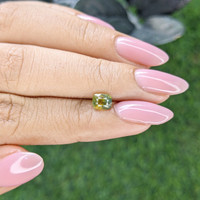
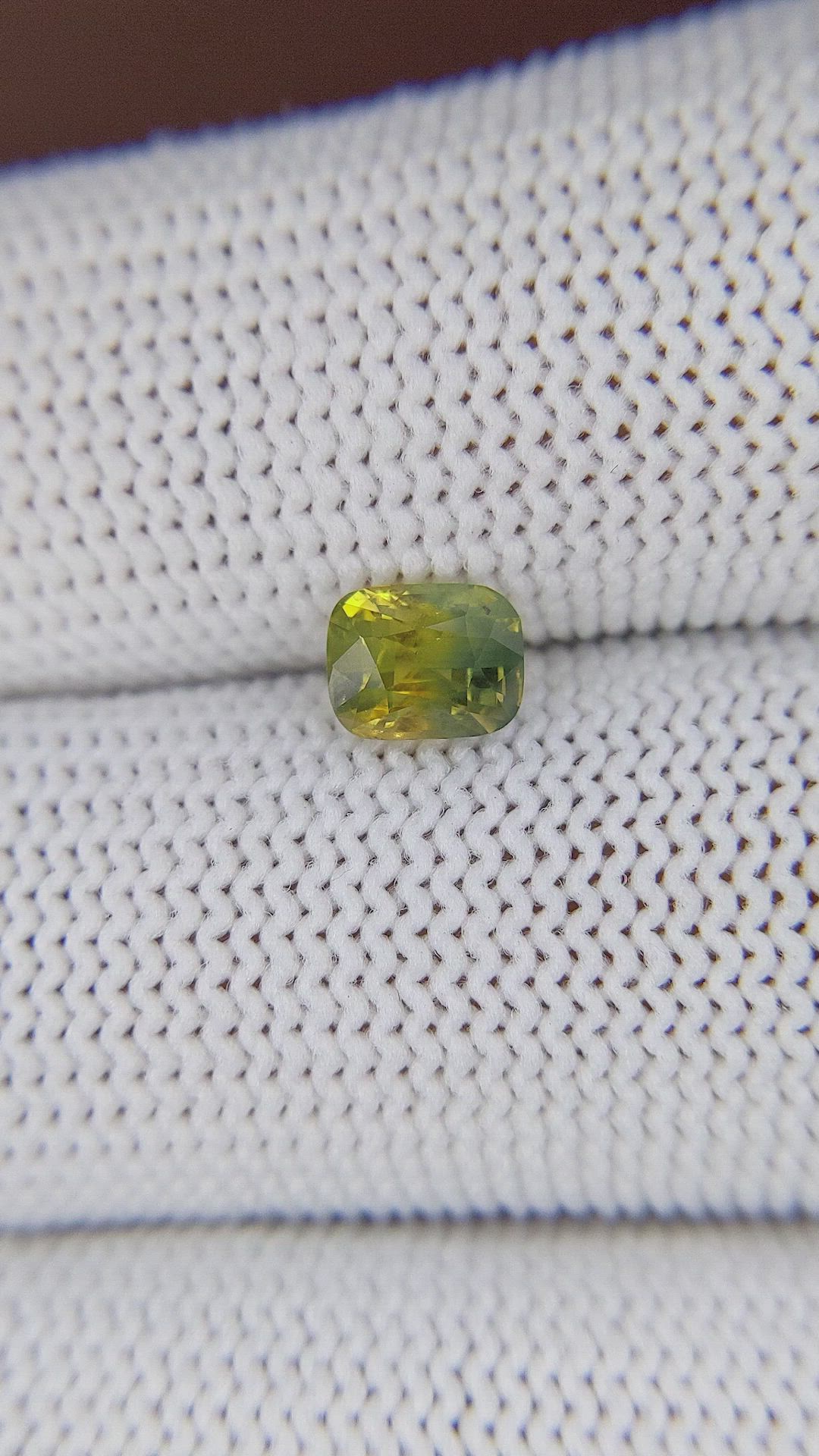
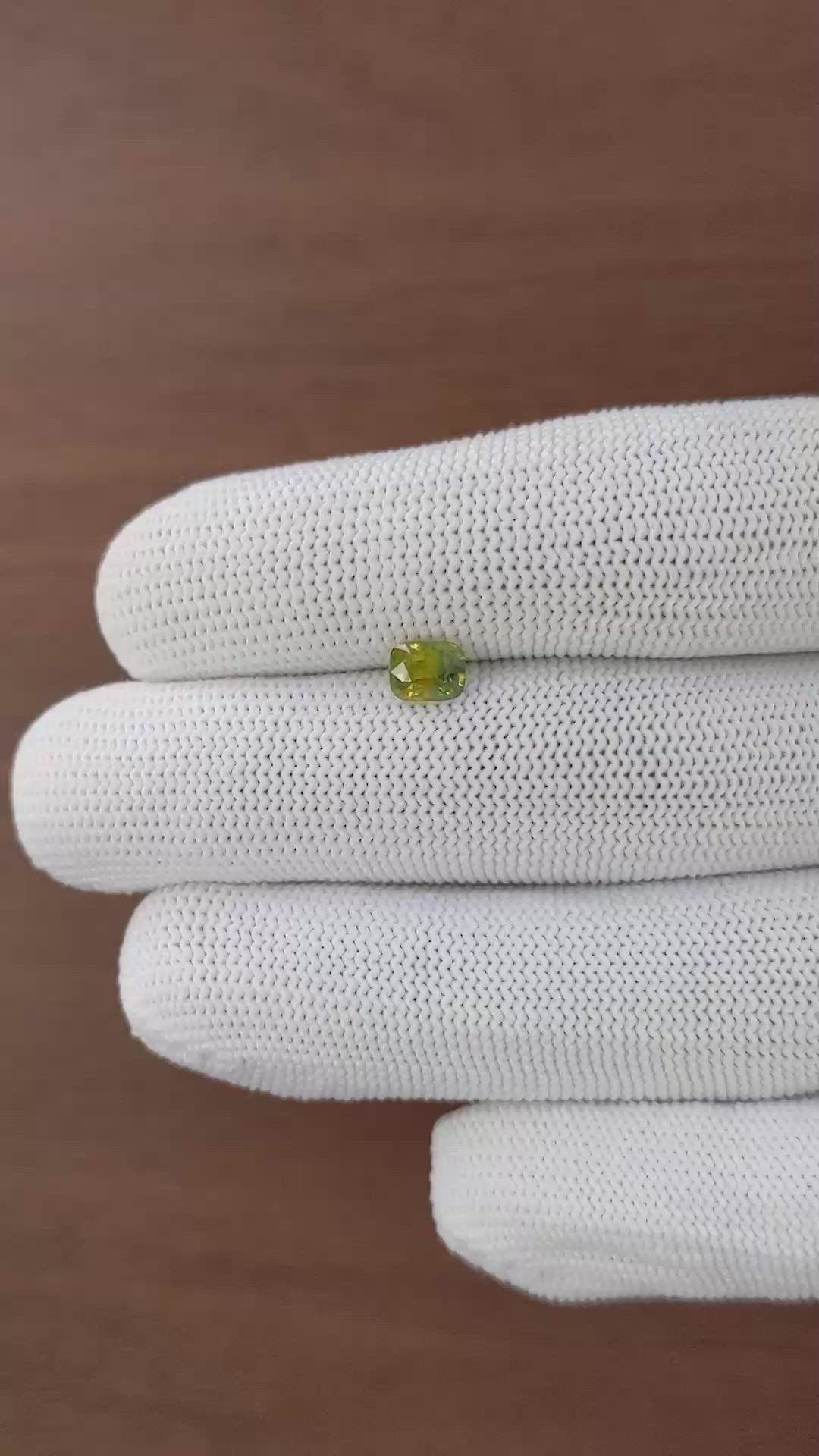
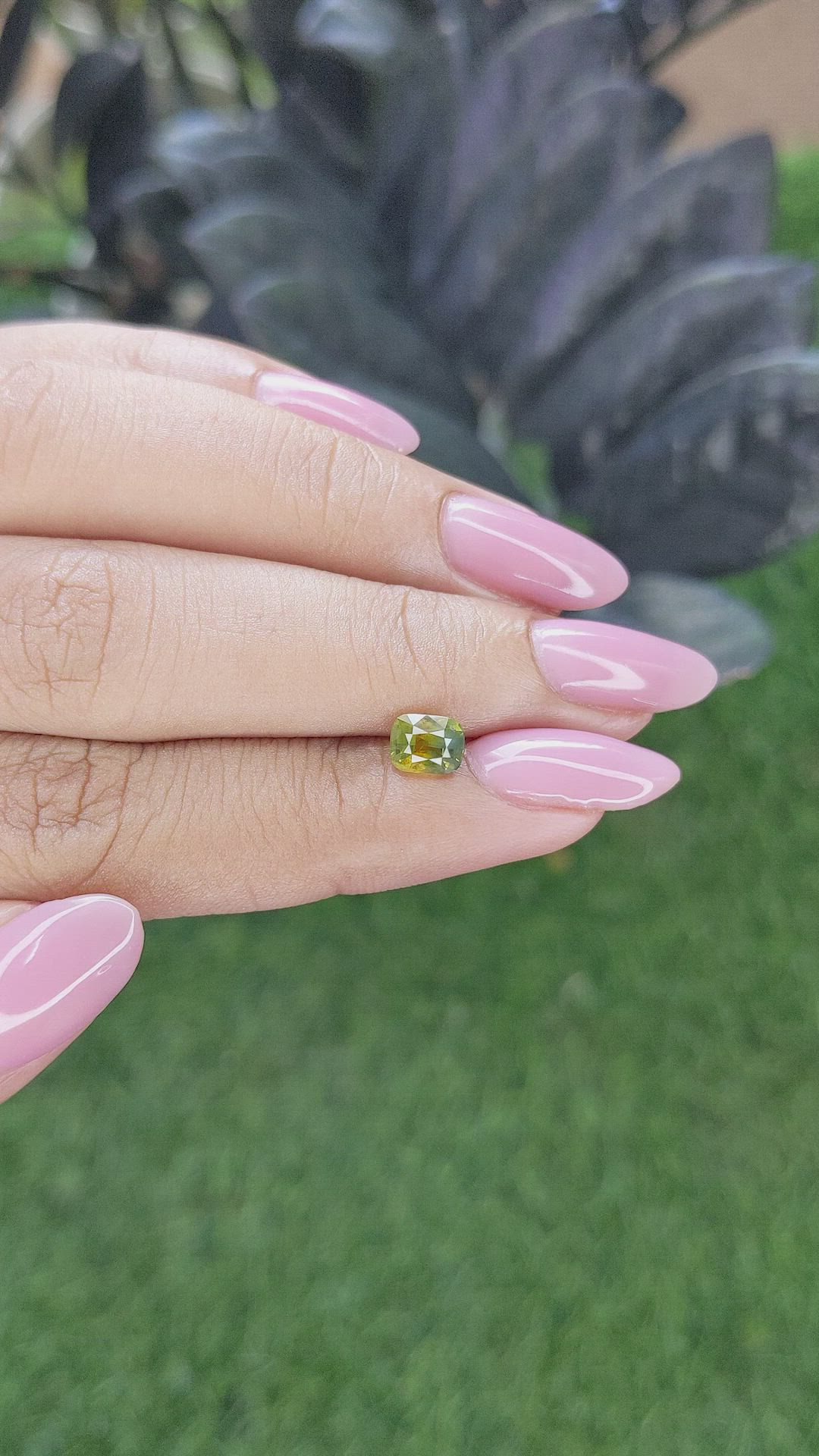
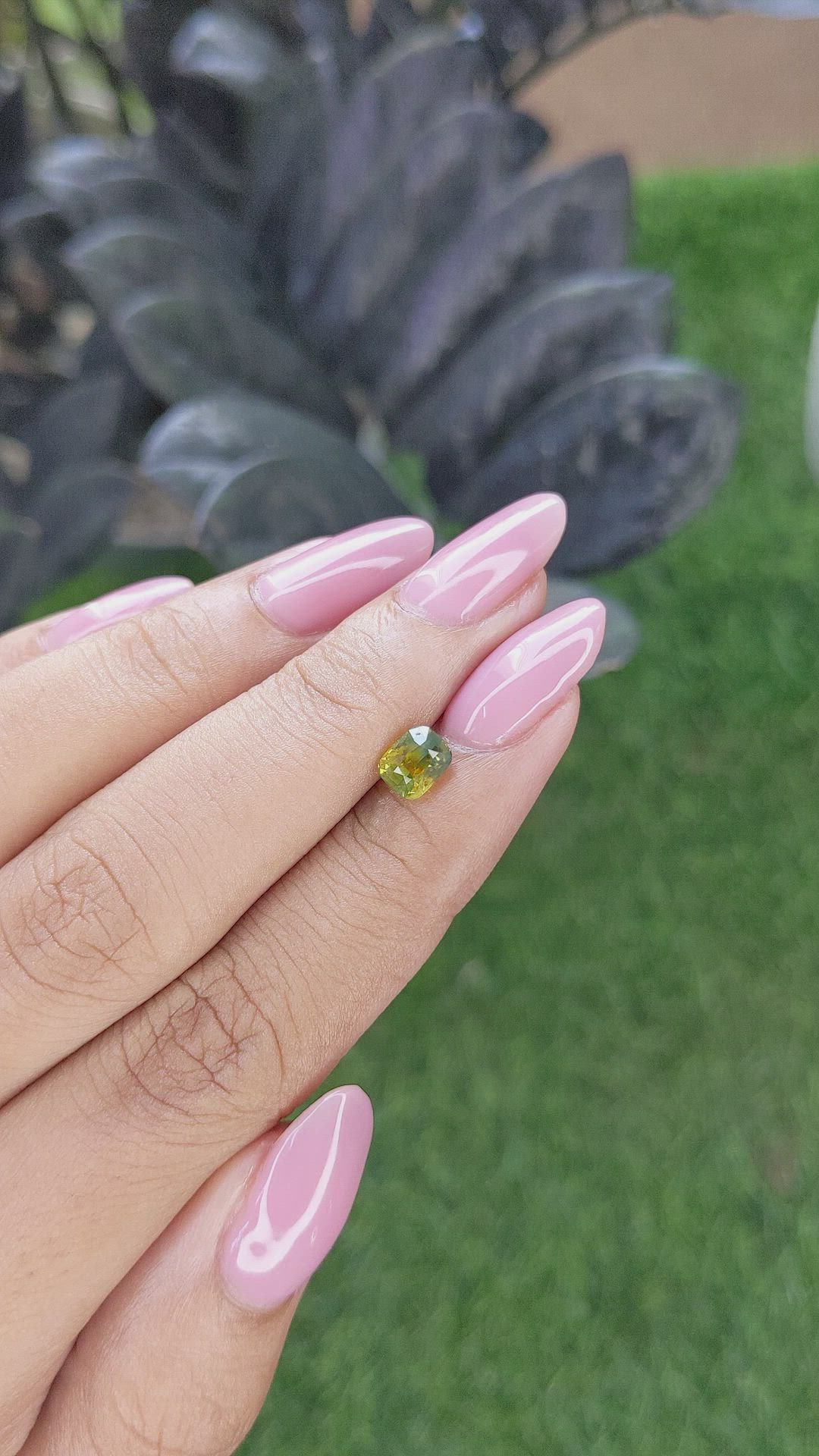


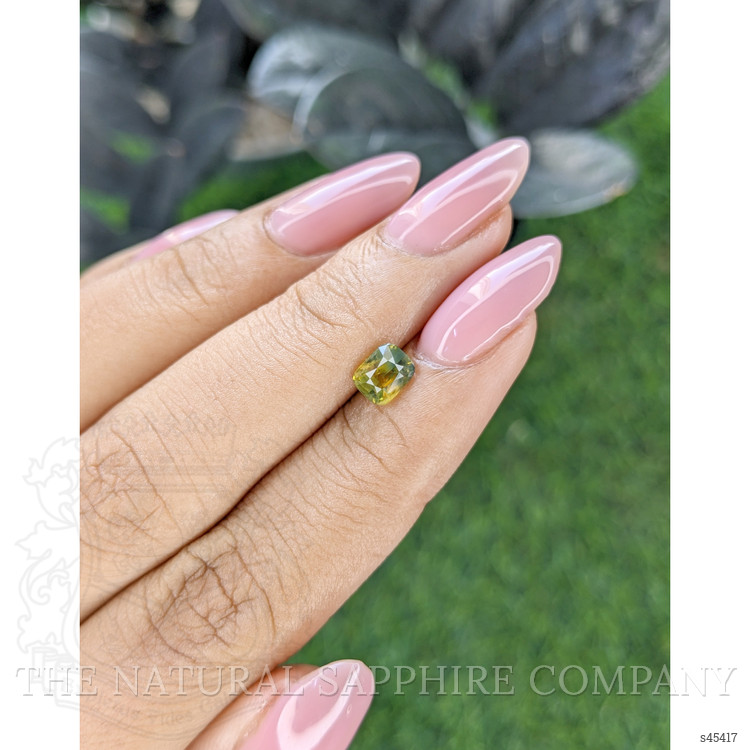
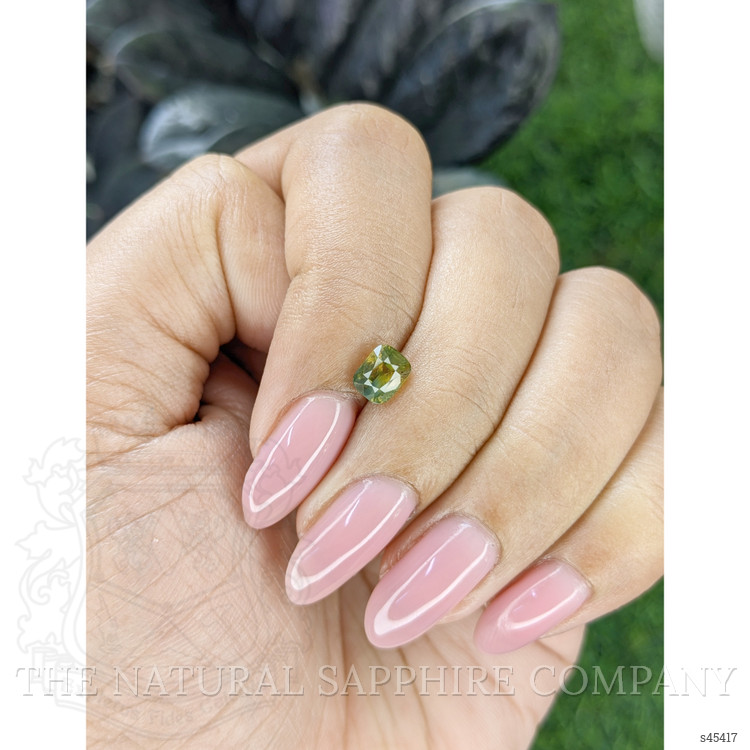
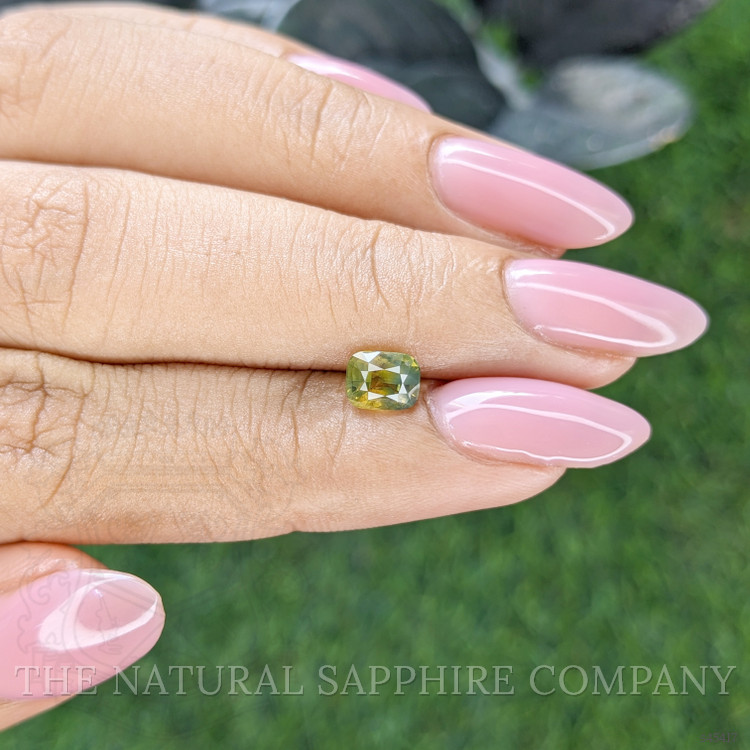

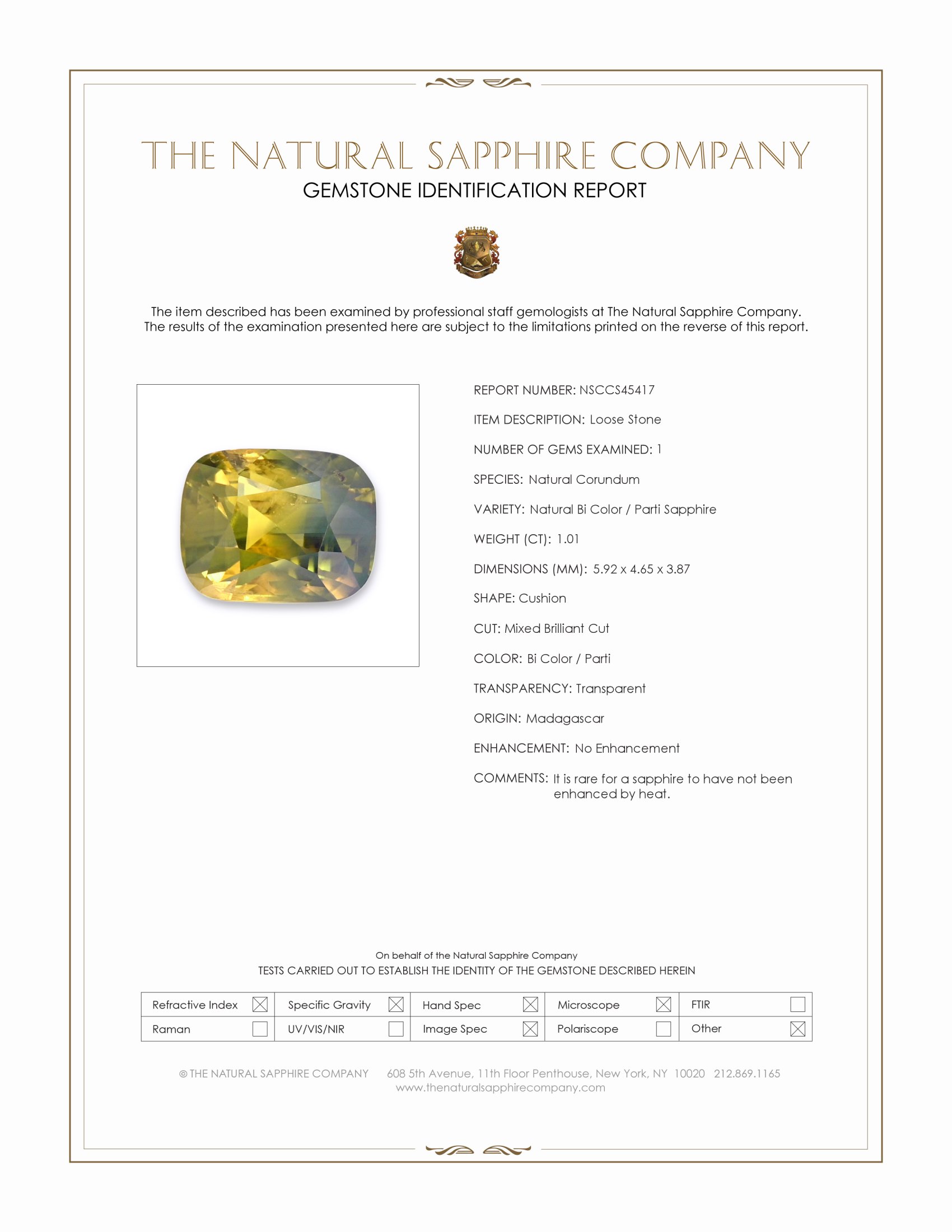
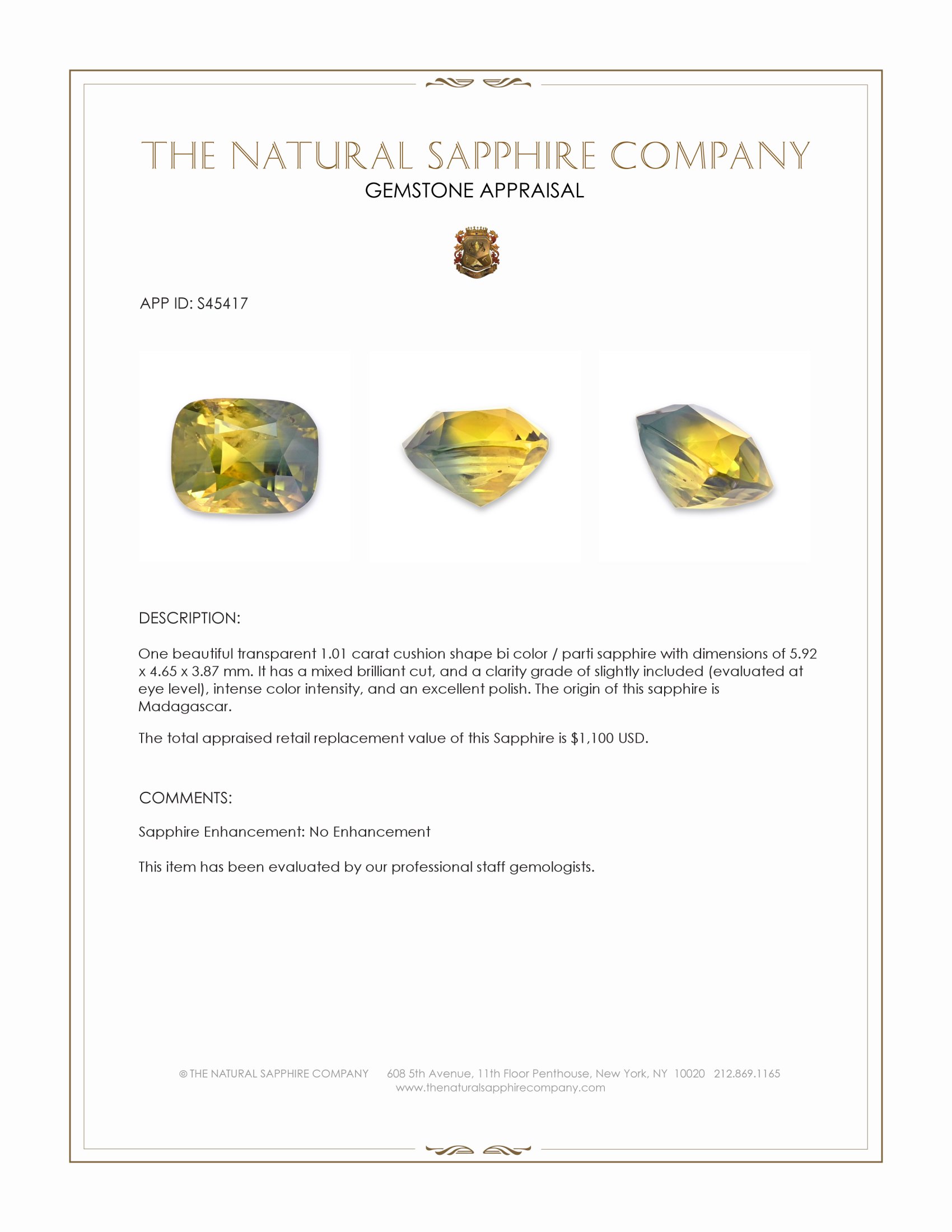
1.01 Ct. Bi Color / Parti Sapphire from Madagascar
This loose stone ships by Oct 18
Item ID: | S45417 |
|---|---|
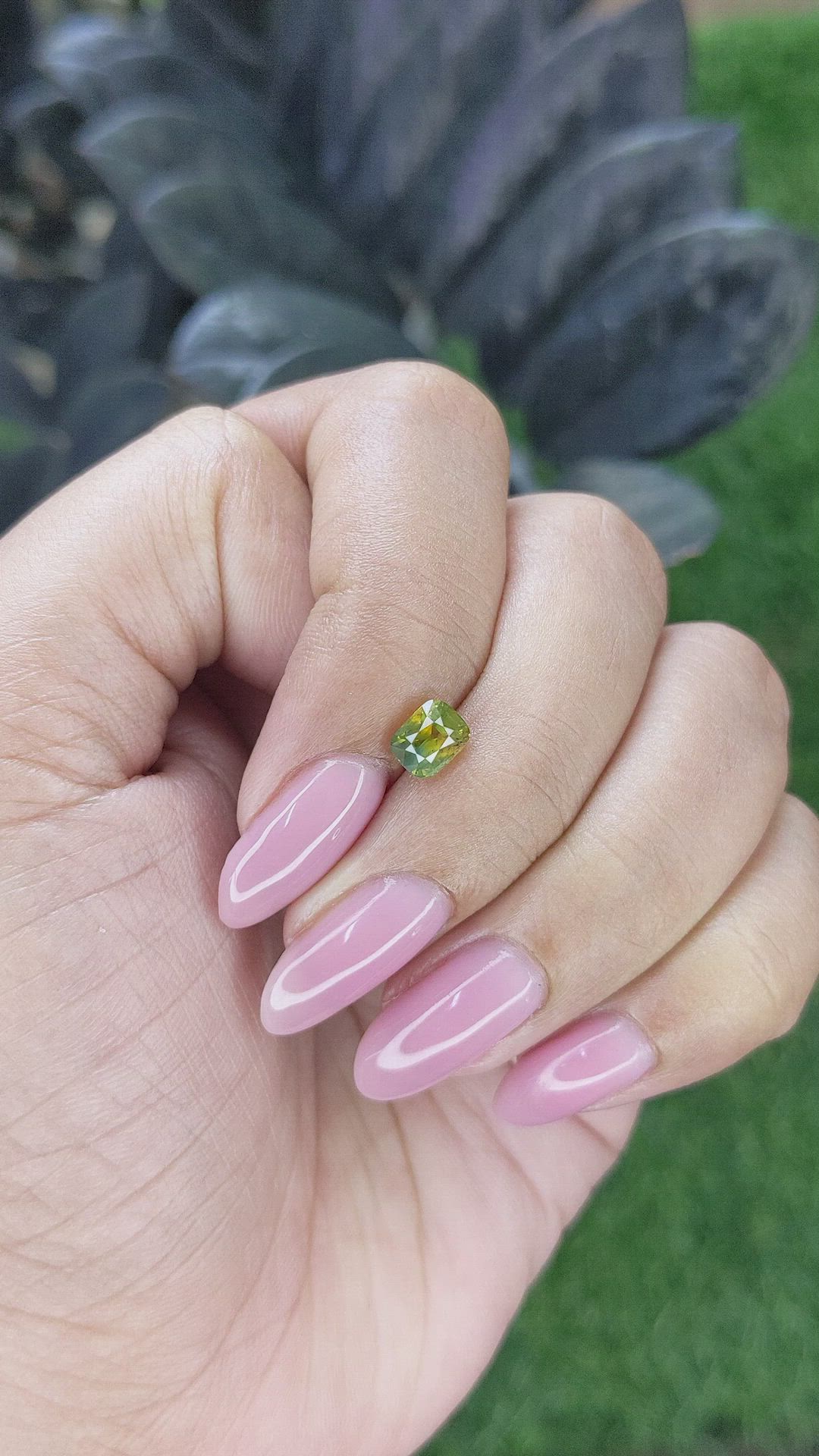
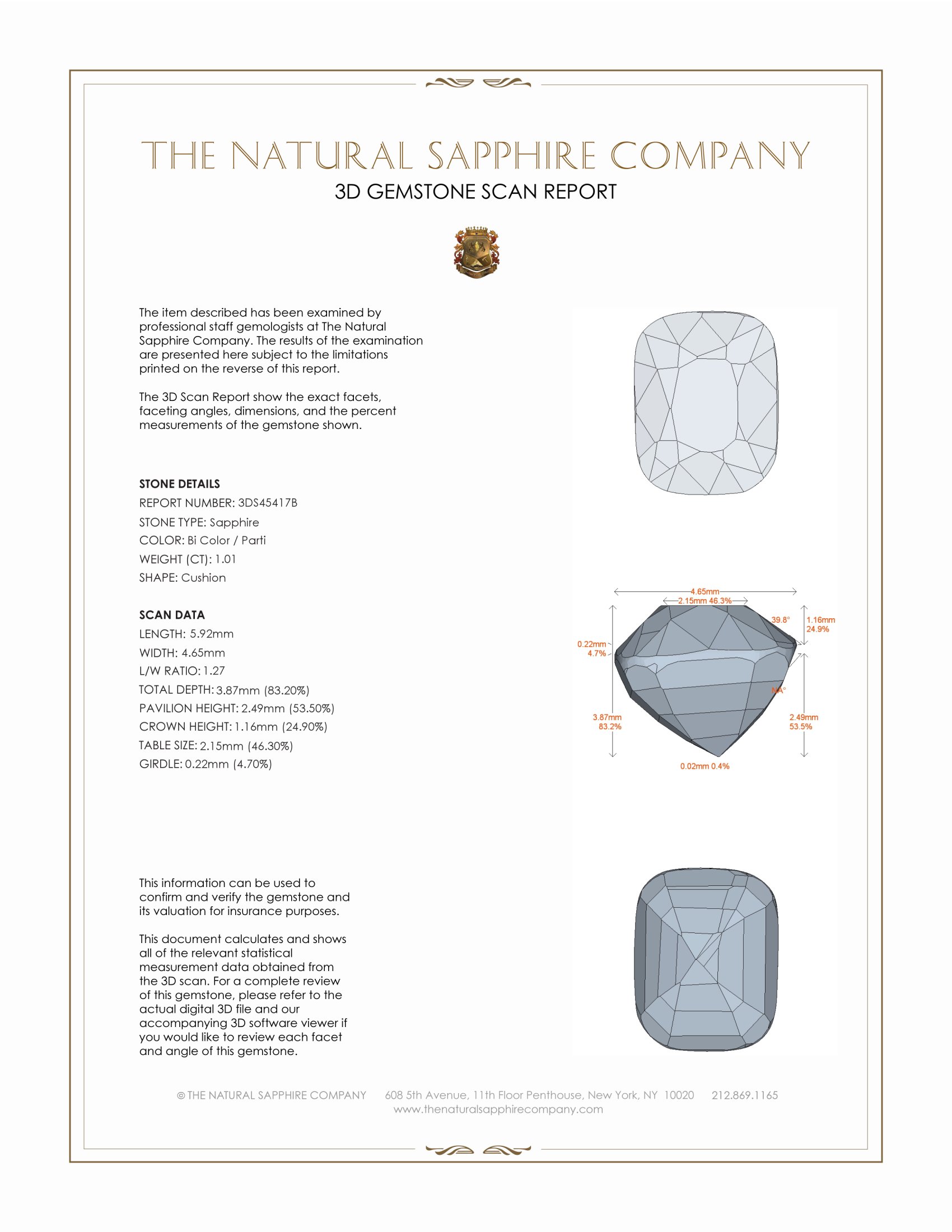
Dimensions (MM): help | Length: 5.92 Width: 4.65 Height: 3.87 |
Weight: | 1.01 Ct. |
Color: help | Bi Color / Parti |
Color intensity: help | Intense |
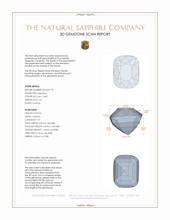
Clarity: help | Slightly Included |
Shape: help | Cushion |
Cut: | Mixed Brilliant Cut |
Cutting style: | Faceted |
Enhancements: help | No Enhancement |
Origin: help | Madagascar |
Per carat price: help | $1,089 |
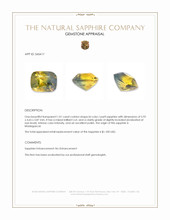
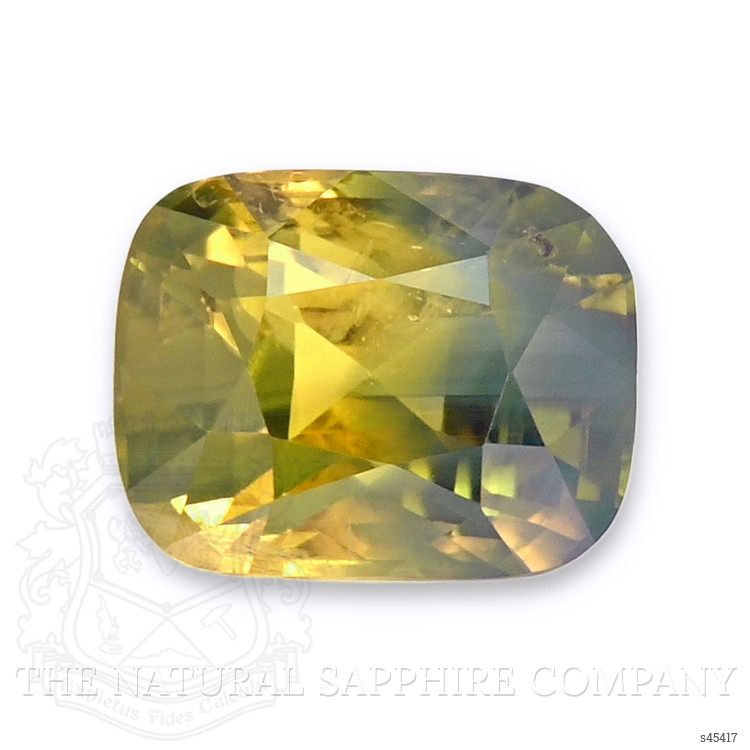
This listing describes one transparent cushion shaped bi color or parti sapphire weighing 1.01 carat, with dimensions of 5.92 x 4.65 x 3.87 mm. The stone has been faceted with a mixed brilliant cutting style that combines pavilion brilliant facets with a modified crown to optimize return of light and scintillation. The mixed brilliant faceting complements the cushion silhouette, producing broad flash and compartmentalized color zones when viewed face up. Clarity is graded as slightly included at eye level, indicating the presence of small natural inclusions that do not materially interfere with overall transparency or the gem face up appearance. The cut has been executed with an excellent polish, resulting in crisp facet junctions and smooth facet planes that enhance brilliance and apparent clarity. Enhancement status is none, and the origin is Madagascar, a region known for producing an extensive variety of natural sapphire colors and parti specimens.
The most immediately notable attribute of this sapphire is its bi color or parti character, presenting a mix of yellow and green hues that shift subtly with viewing angle and light source. Face up, the dominant hue reads as a warm yellow with olive nuances toward the girdle, while pavilion reflections introduce cooler green to blue green tones that provide depth and a dynamic color interplay. Color intensity is assessed as intense, meaning saturation is strong and the hues remain vivid rather than pale, and the overall tone sits in a medium to medium dark range depending on orientation. The combination of intense saturation and moderate tone gives the stone a lively presence without appearing overly dark, and the mixed brilliant cut distributes color so that small flashes of brighter yellow and deeper green alternate as the gem moves. Because the gem is transparent and not heavily included, light transmission is high, and the slight inclusions that define the clarity grade are generally noticeable only to trained observers or under magnification.
When compared with sapphires from established sources, this Madagascar example demonstrates distinct differences in both hue and tone. Compared with Kashmir sapphires, which characteristically exhibit a deep velvety cornflower blue with a soft, evenly diffused tone, this specimen is entirely different in hue and presents no blue dominance. Compared with classic Sri Lankan or Ceylon sapphires, which often display lighter, brighter blue tones and sometimes pastel lavenders or pinks, the Madagascar parti sapphire shows warmer yellow green and olive hues with more intense saturation in its own color range. Australian sapphires, especially those from central Queensland and New South Wales, frequently produce strong blue green and teal tones that can be darker in tone and more inky, and Australian parti examples may lean toward stronger blue dominance when present. Montana sapphires from the United States tend to show clean cornflower or teal hues in generally lighter to medium tones, and they often have a different pleochroic character than Malagasy parti stones. The Umba Valley in Tanzania can yield multi colored sapphires that exhibit unusual combinations of yellow, green, and brown, but Umba parti pieces often have a more brownish or golden component under certain lighting. In this context, the Madagascar origin of this sapphire is consistent with the lively, evenly saturated yellow to green parti color that is emblematic of many Madagascan finds, and the stone’s intense color intensity distinguishes it from the typically lighter tone seen in many Ceylon and Montana gems.
From a practical and design standpoint this 1.01 carat cushion mixed brilliant parti sapphire is well suited for fine jewelry where color play and intact transparency are desirable. The cushion proportions and pavilion depth indicated by the dimensions support stable setability in bezel or claw settings that show face up color, and the mixed brilliant cut helps preserve brilliance while emphasizing the parti color zones. The slightly included clarity grade should be considered when choosing setting style and mounting metal, as open settings that allow light penetration will showcase the color and brilliance, and closed back treatments are not applicable since the stone is untreated. Documentation of origin and treatment status is available from The Natural Sapphire Company, and the untreated nature of the gem is a material attribute for collectors and designers who prioritize natural color and minimal human modification. Routine care should follow standard practices for corundum, avoiding harsh chemicals and extreme thermal shock, and professional cleaning and inspection are recommended to maintain polish and secure mounting. In summary, this Madagascar parti sapphire combines an intense yellow green hue, precise mixed brilliant faceting, and an excellent polish into a transparent 1.01 carat cushion that presents a distinctive color profile compared with sapphires from Kashmir, Sri Lanka, Australia, Montana, and Tanzania, and it is offered with provenance and treatment information through The Natural Sapphire Company.


