
- Stone11
- Reports3
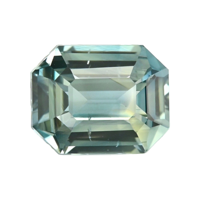
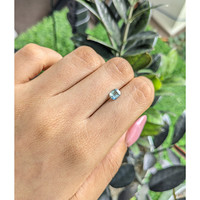
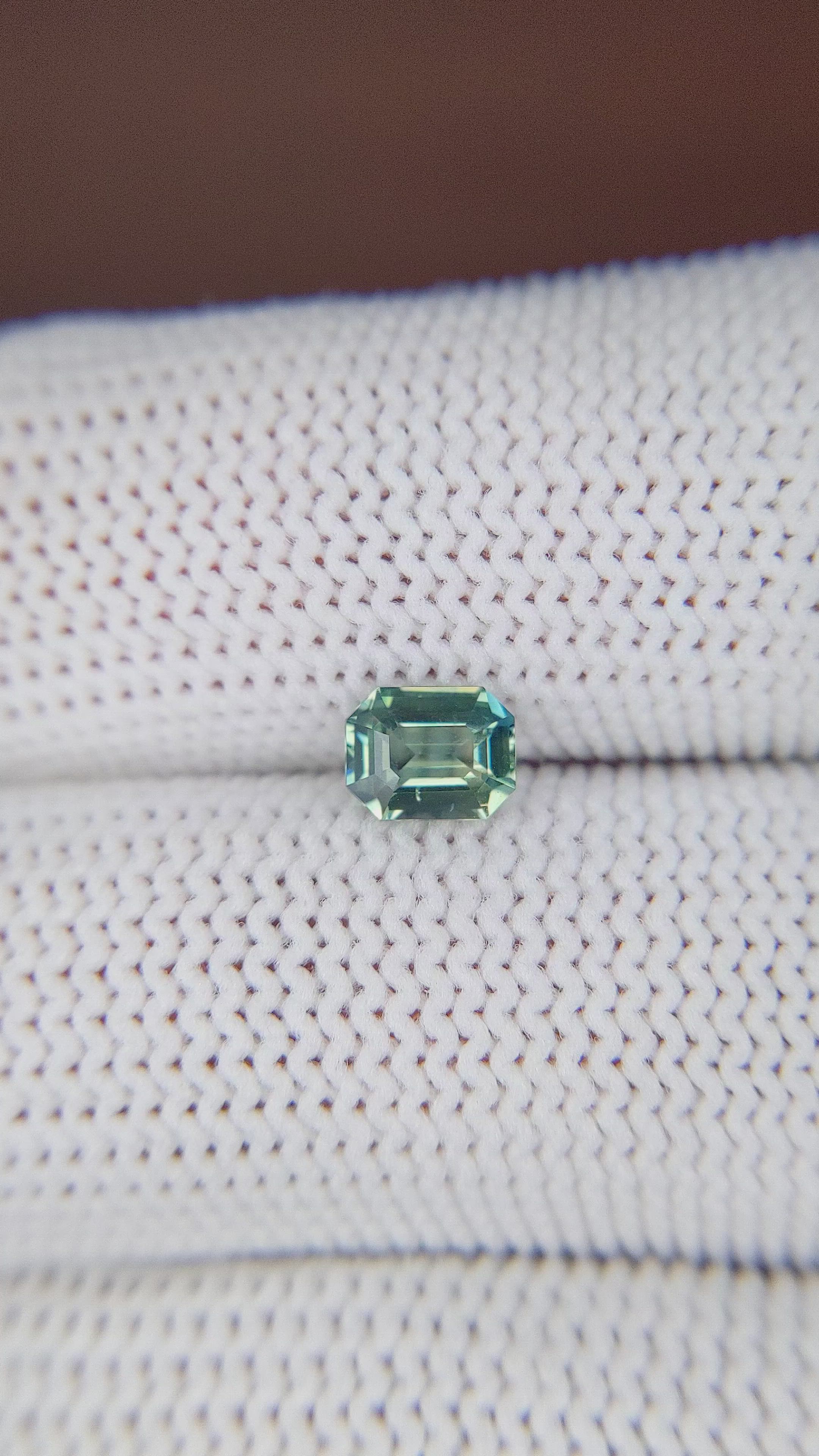
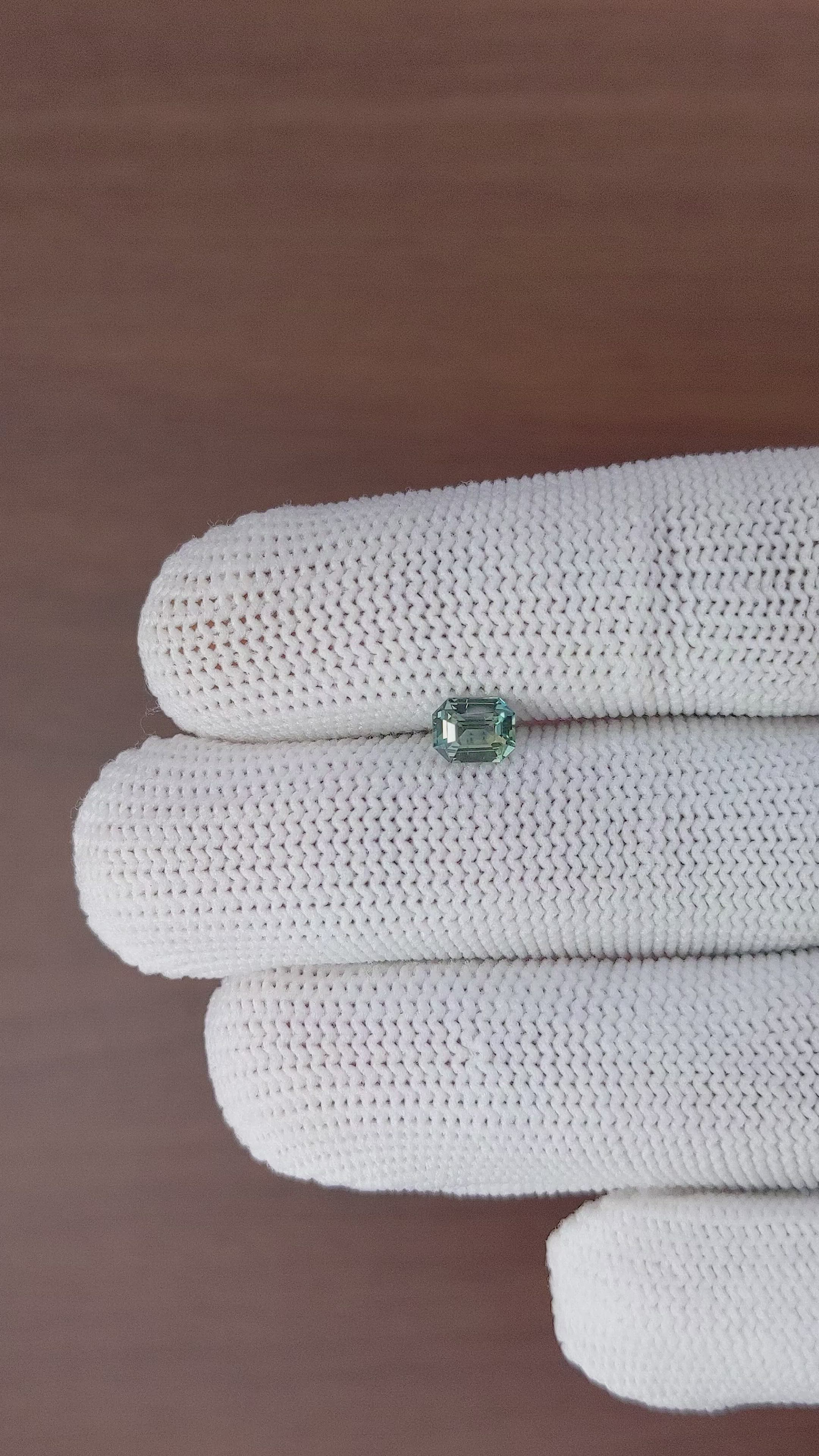
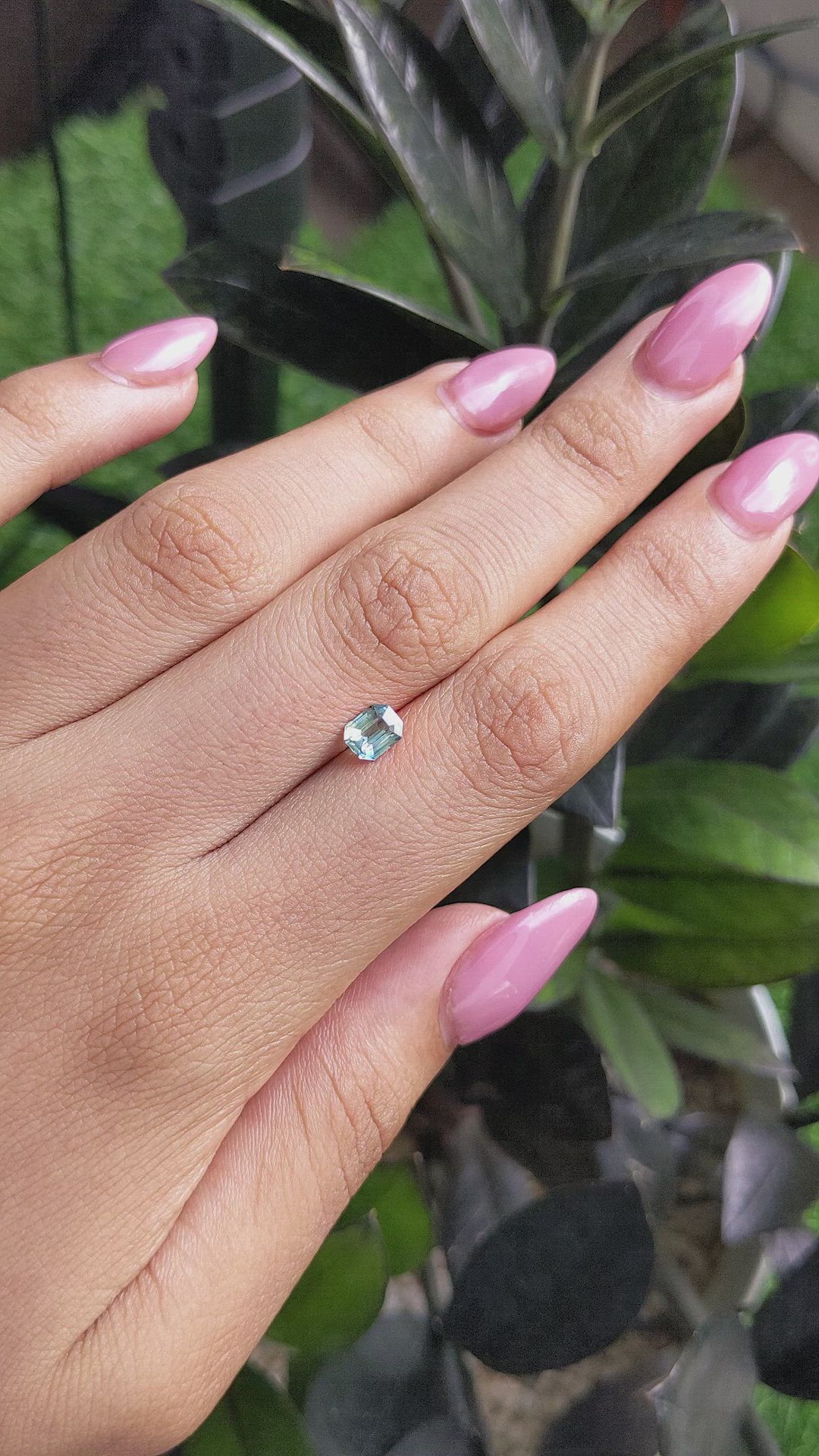
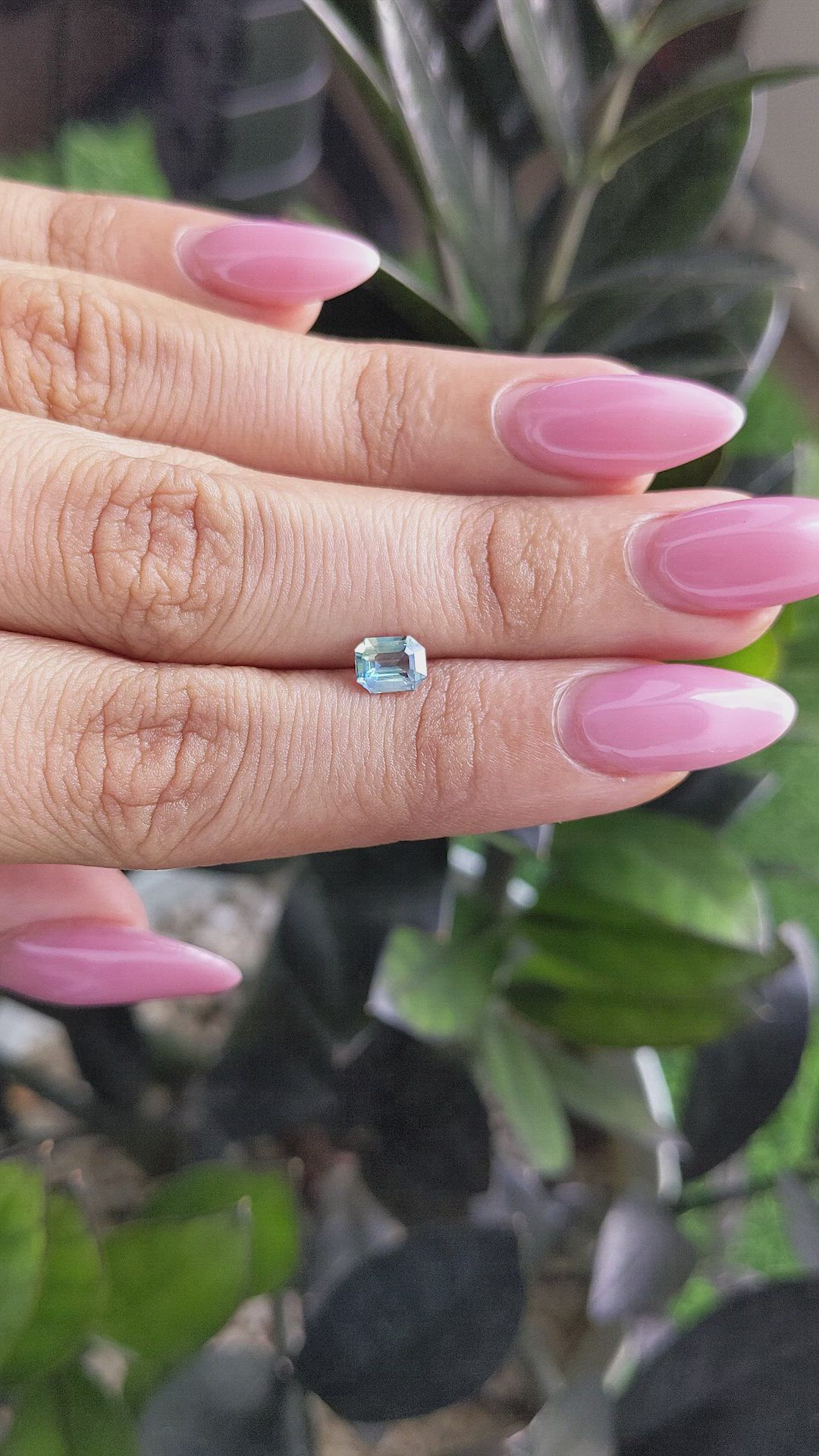


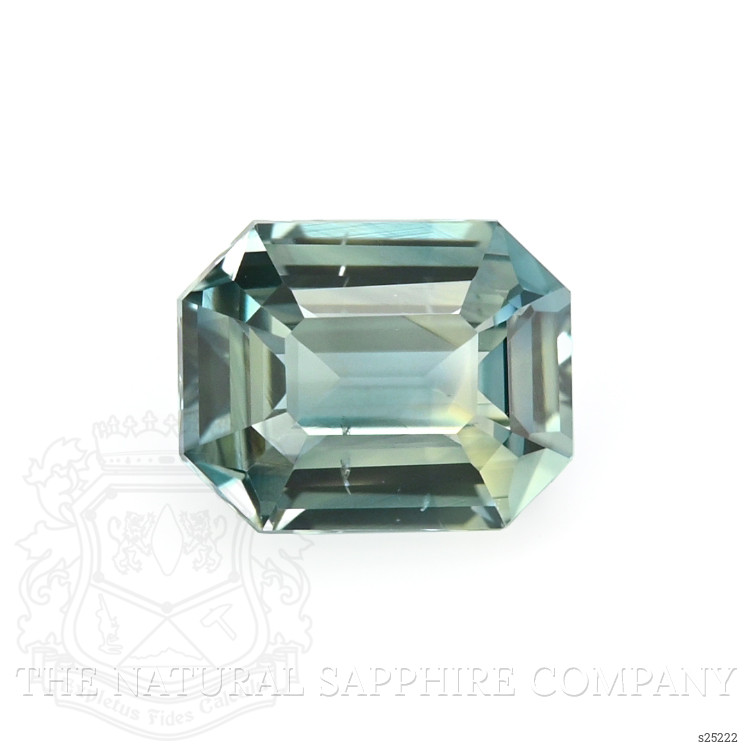
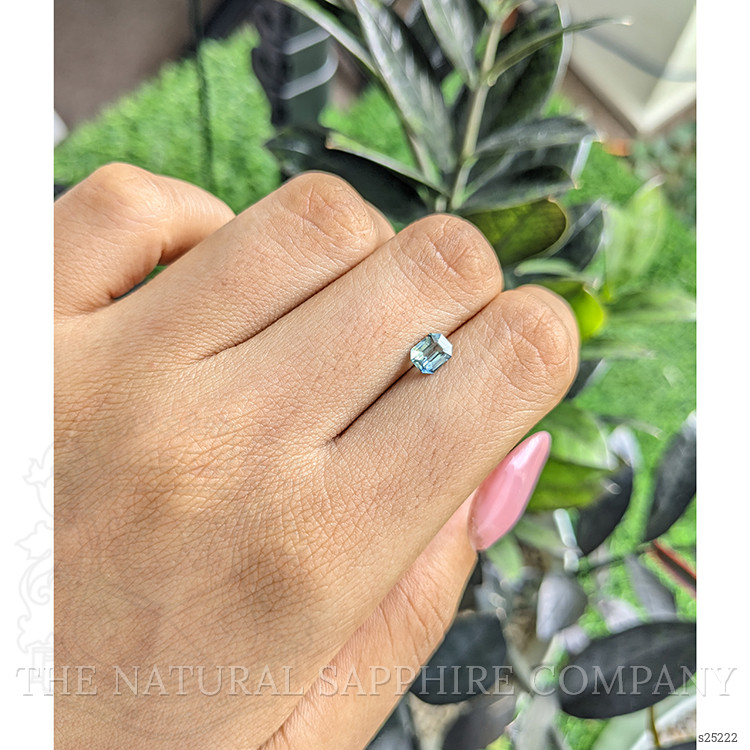


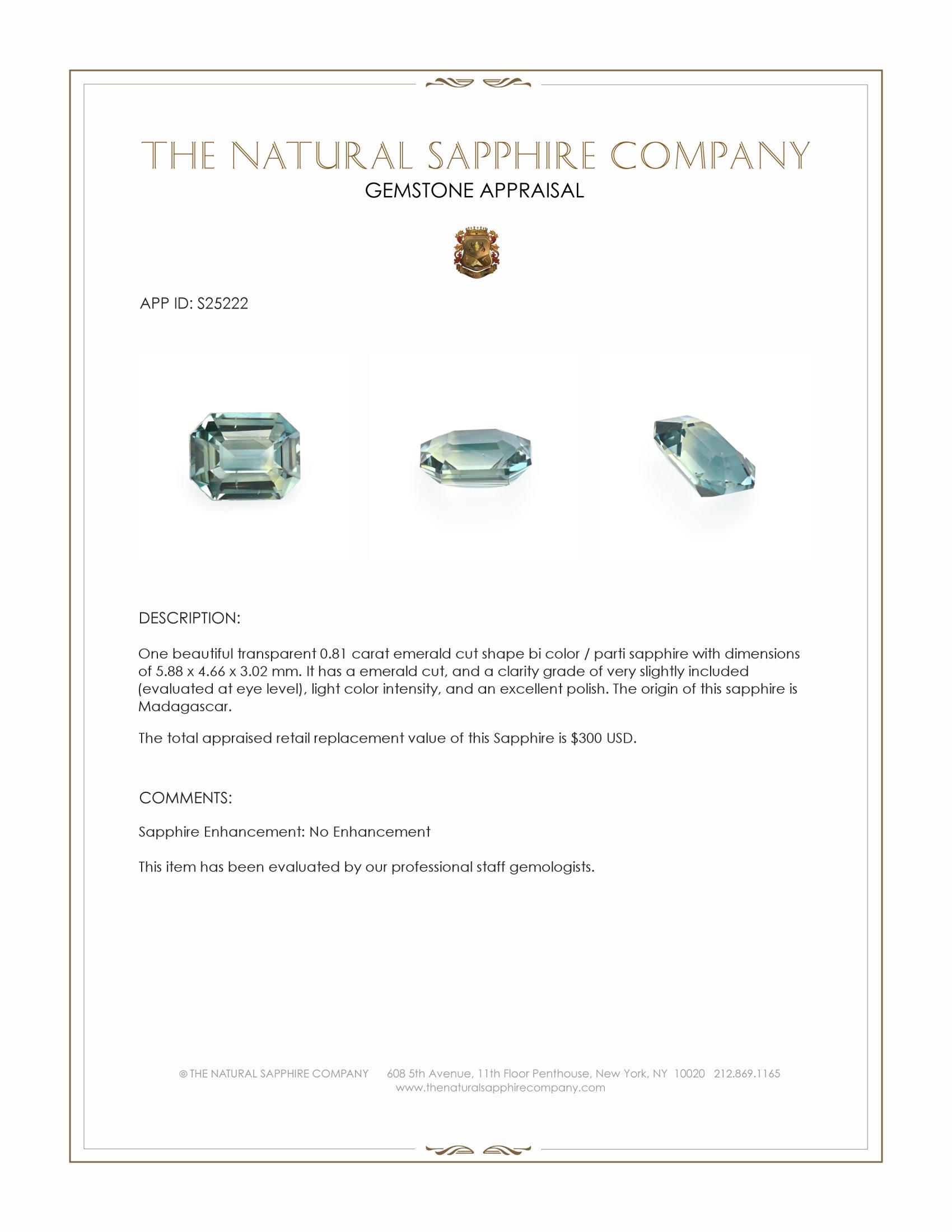
0.81 Ct. Bi Color / Parti Sapphire from Madagascar
This loose stone ships by Sep 18
Item ID: | S25222 |
|---|---|
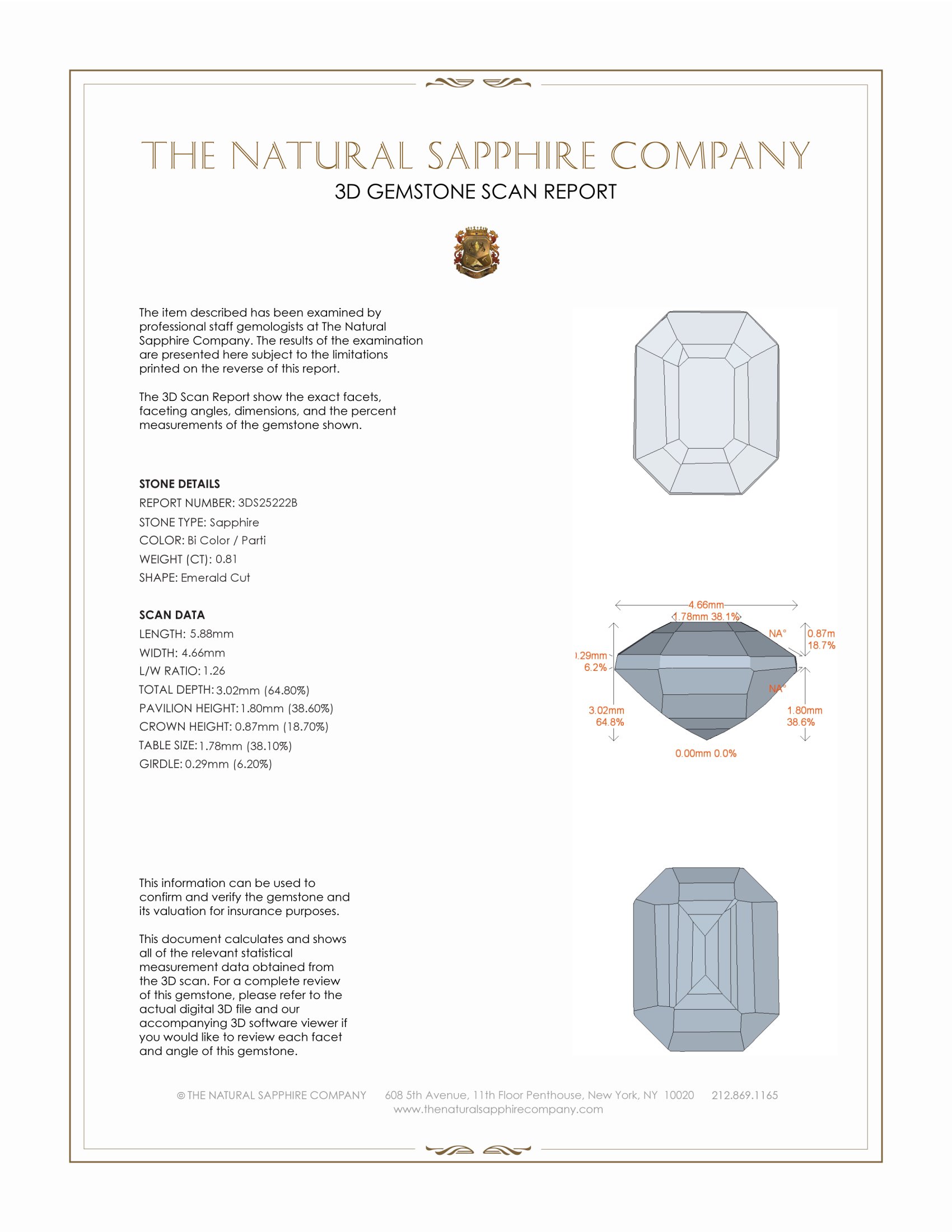
Dimensions (MM): help | Length: 5.88 Width: 4.66 Height: 3.02 |
Weight: | 0.81 Ct. |
Color: help | Bi Color / Parti |
Color intensity: help | Light |
Clarity: help | Very Slightly Included |
Shape: help | Emerald Cut |
Cut: | Emerald Cut |
Cutting style: | Faceted |
Enhancements: help | No Enhancement |
Origin: help | Madagascar |
Per carat price: help | $370 |
This is a transparent 0.81 carat emerald cut bi color sapphire from Madagascar, presented by The Natural Sapphire Company. The stone measures 5.88 x 4.66 x 3.02 mm, yielding a depth of approximately 3.02 divided by the mean of length and width or about 57.3 percent, a proportional depth that supports strong light return for an emerald cut while retaining a sleek profile for secure mounting. The cutting style is traditional step faceting, with long rectangular table and concentric gradations of bezel and pavilion facets, selected to emphasize broad color planes rather than aggressive scintillation. The emerald cut reduces internal reflections compared to brilliant cuts, producing a hall of mirrors effect that displays the distinctive bi color zoning as defined bands and soft transitions, this geometry also minimizes windowing when cut to the proportions shown. The polish is excellent, facet junctions are crisp, and the girdle and facet symmetry were executed to industry best practices, resulting in clean facet meeting lines that maximize the optical clarity indicated by the clarity grade.
Optical and material parameters are consistent with natural corundum, with refractive index typically in the range 1.762 to 1.770 and birefringence approximately 0.008 to 0.010, properties that contribute to stable facet contrast and the subdued dispersion expected in sapphires. The stone exhibits light color intensity, with a distinct parti character showing an interplay of greenish blue and yellow green zones, this dichroic behavior is further expressed through pleochroism when the table is tilted, revealing shifts in hue and tone rather than abrupt color change. Clarity is graded very slightly included evaluated at eye level, meaning inclusions are minor and generally only affect appearance under magnification or in extreme lighting, the emerald cut by design makes inclusions more observable at face up view compared to brilliant cuts, however in this specimen the inclusions do not detract from the linear color planes or from the overall transparency. The sapphire is untreated with no enhancement, a critical factor for collectors and quality oriented buyers, untreated Madagascar sapphires with natural parti coloration are increasingly sought after due to their geological specificity and rarity relative to heat treated material. Durability is excellent owing to corundum hardness of 9 on the Mohs scale and the robust pavilion and crown executions, making the stone suitable for daily wear in rings as well as for detailed, custom jewelry settings.
When compared to famous gemstones of history this sapphire occupies a distinct niche that complements rather than competes with the classic examples. Where the Logan Sapphire and other historically renowned deep blue sapphires are celebrated for their intense single hue saturation and museum scale presence, this bi color emerald cut offers a different kind of appeal, its value lies in the controlled interplay of two hues and the precision of step faceting that renders color in broad, geometric planes. Compared to star sapphires such as the Star of India that derive their fame from asterism and large size, this stone instead emphasizes cutting finesse and color zoning, qualities that appeal to connoisseurs who prize optical subtlety and untreated provenance. Historically, parti colored sapphires were often cut as cushions or ovals to mask zoning while maximizing carat yield, the decision to employ an emerald cut here is intentional and technically informed, it preserves clean color transition, highlights the integrity of the crystal orientation, and demonstrates a lapidary approach that prioritizes optical architecture over mere weight retention. For the knowledgeable buyer this sapphire represents a convergence of factors that collectors often prioritize, natural origin from Madagascar, absence of enhancement, precise step cutting with excellent polish, transparent material with very slightly included clarity, and a rare bi color presentation that offers versatile use in high end jewelry design. The Natural Sapphire Company presents this gem for those who value technical provenance and elegant optical character, a piece that reads as both a study in facet engineering and a wearable example of natural corundum diversity.


