
- Stone13
- Reports2
-various-blue-sapphire-3.1900-cts-s39267-1.jpg?d=200x200&v=20260325143012)
-various-blue-sapphire-3.1900-cts-s39267-lifestyleimage-1.jpg?d=200x200&v=20260325031834)
-various-blue-sapphire-3.1900-cts-s39267-lifestyleimage-2.jpg?d=200x200&v=20260325031834)
-various-blue-sapphire-3.1900-cts-s39267-lifestyleimage-3.jpg?d=200x200&v=20260325031834)
-various-blue-sapphire-3.1900-cts-s39267-1.jpg?d=750x750&s=nsc&v=20260325143012)
-various-blue-sapphire-3.1900-cts-s39267-lifestyleimage-1.jpg?d=750x750&s=nsc&v=20260325031834)
-various-blue-sapphire-3.1900-cts-s39267-lifestyleimage-2.jpg?d=750x750&s=nsc&v=20260325031834)
-various-blue-sapphire-3.1900-cts-s39267-lifestyleimage-3.jpg?d=750x750&s=nsc&v=20260325031834)
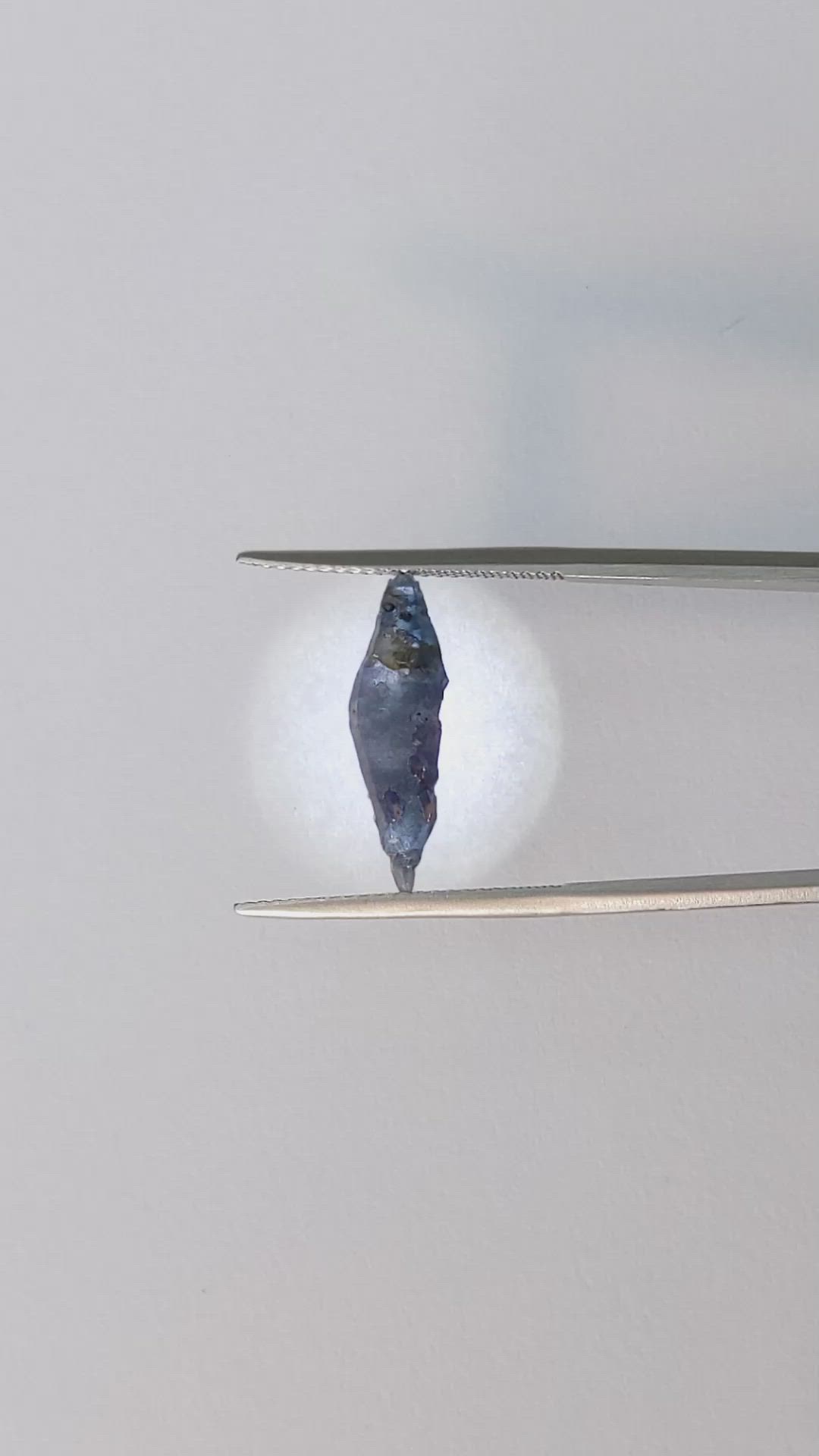
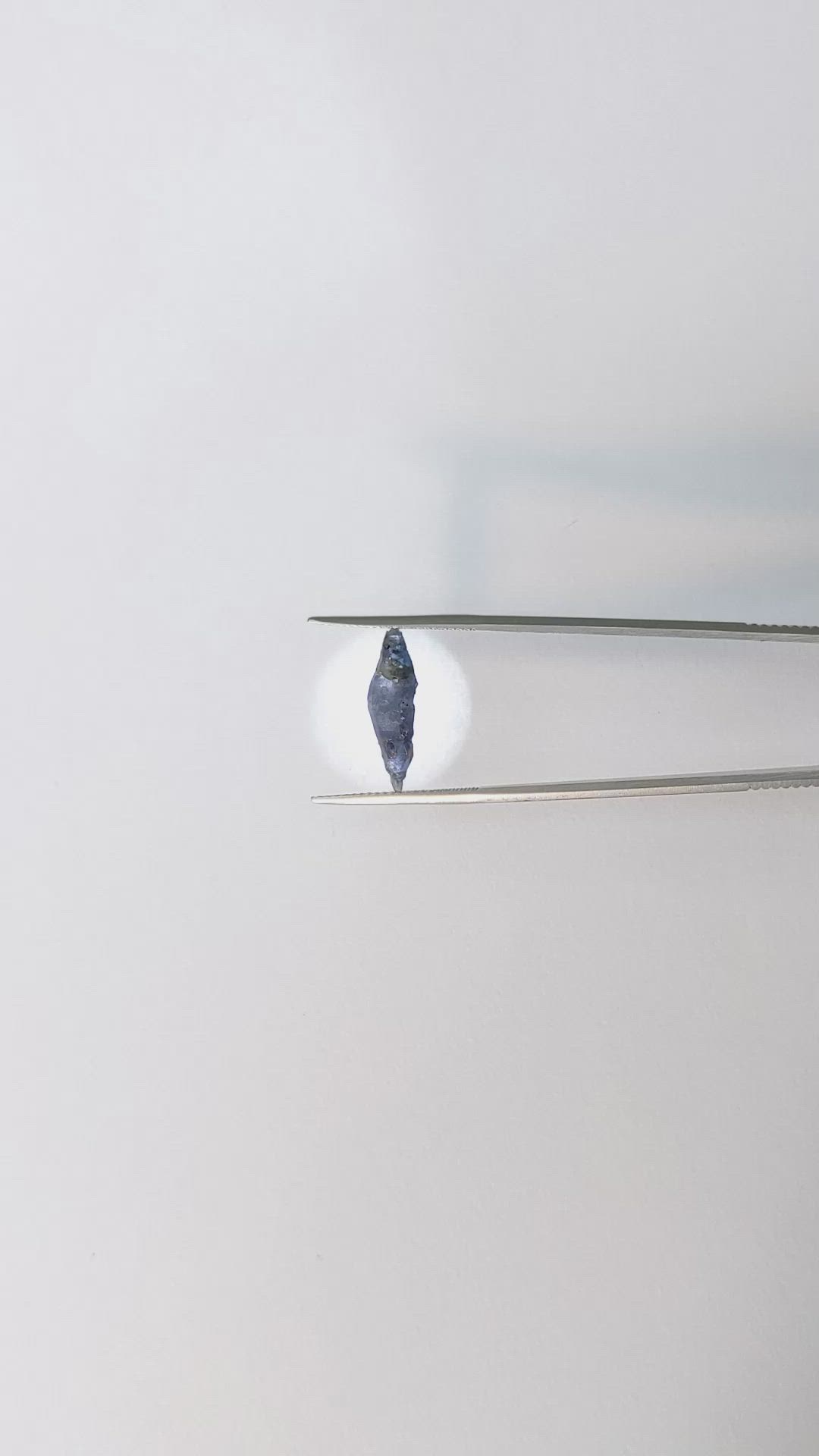
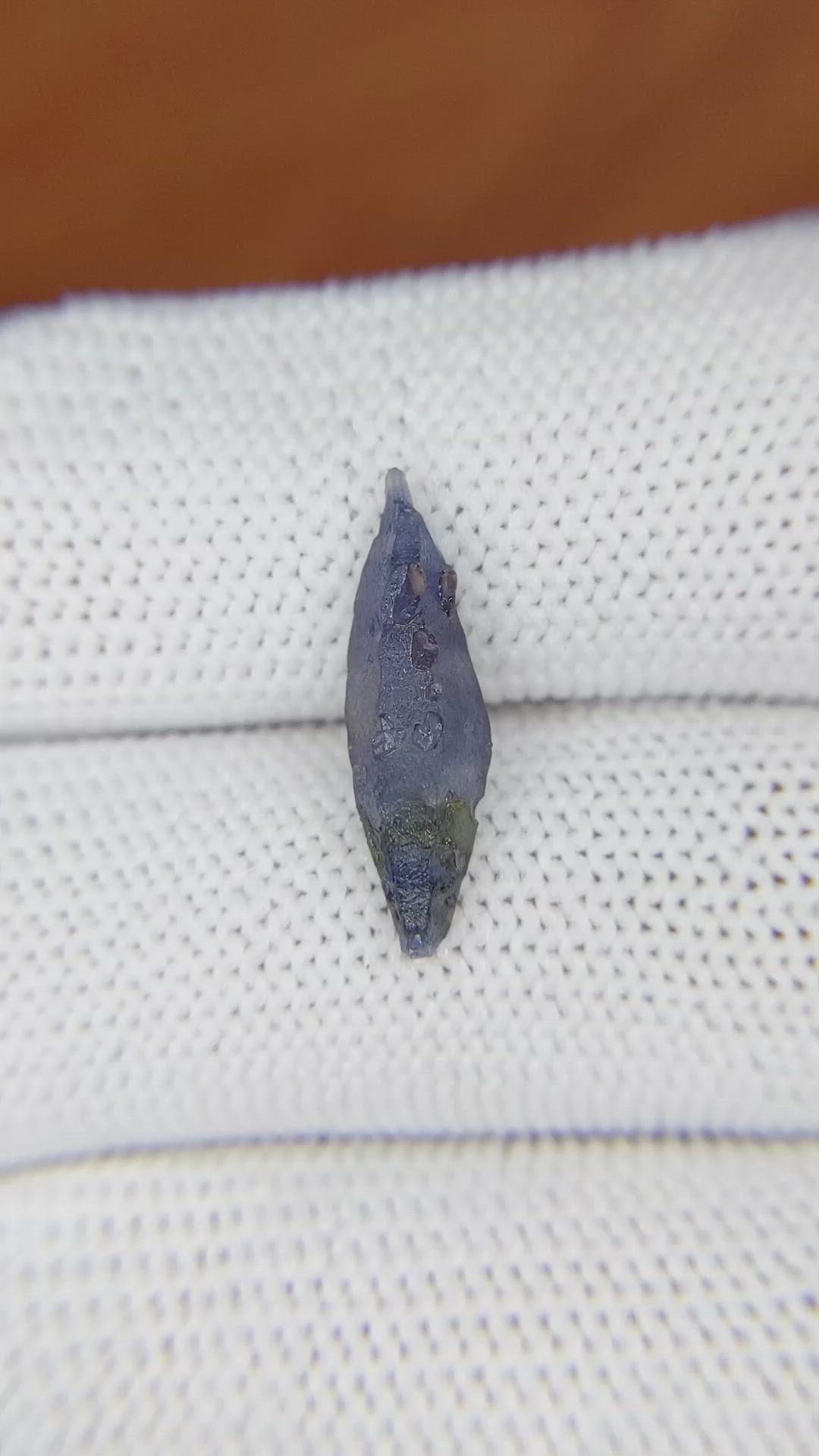
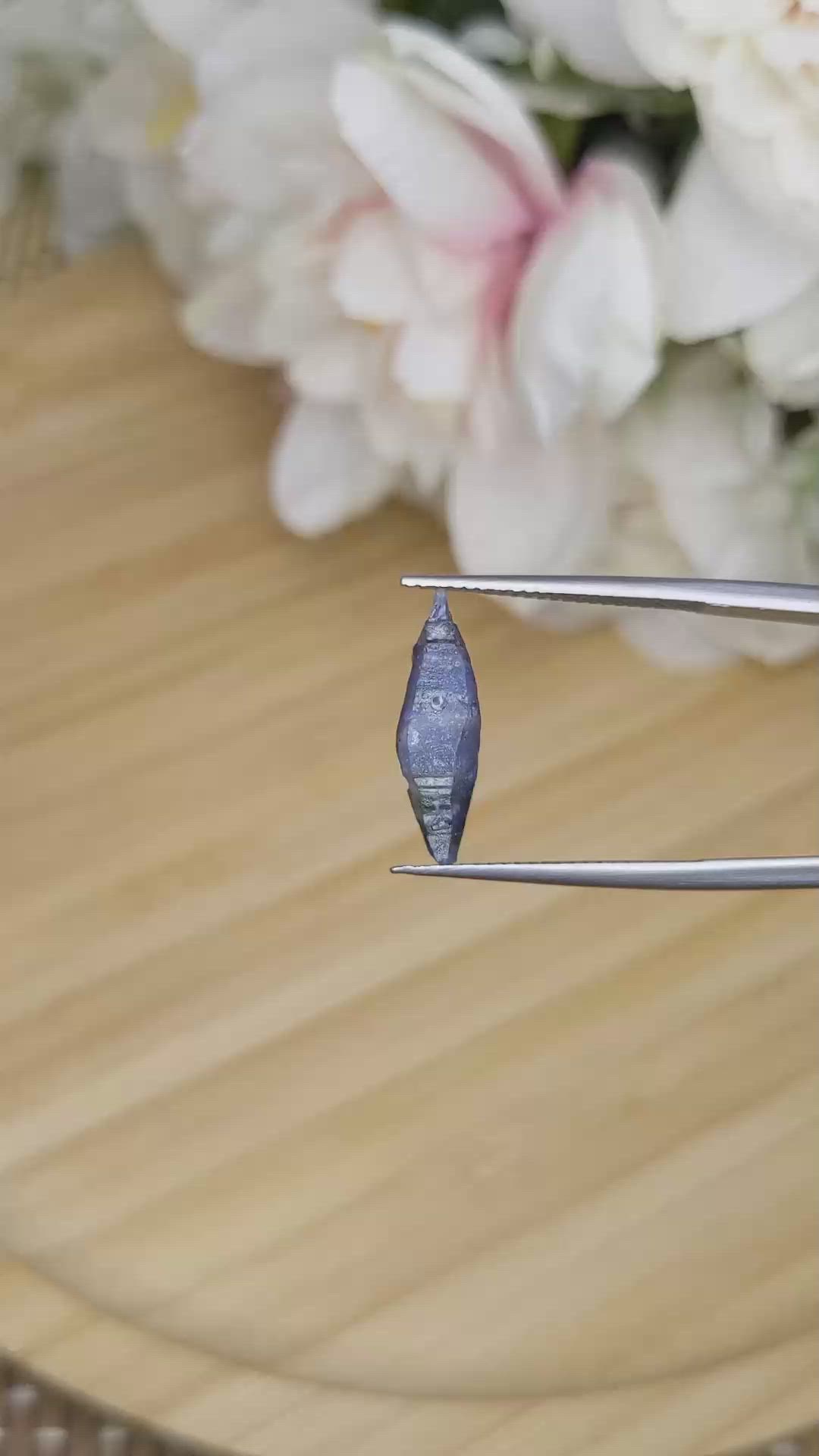
3.19 Ct. Blue Sapphire Crystal from Ceylon (Sri Lanka)
This loose stone is available to ship now
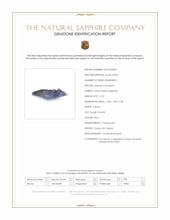
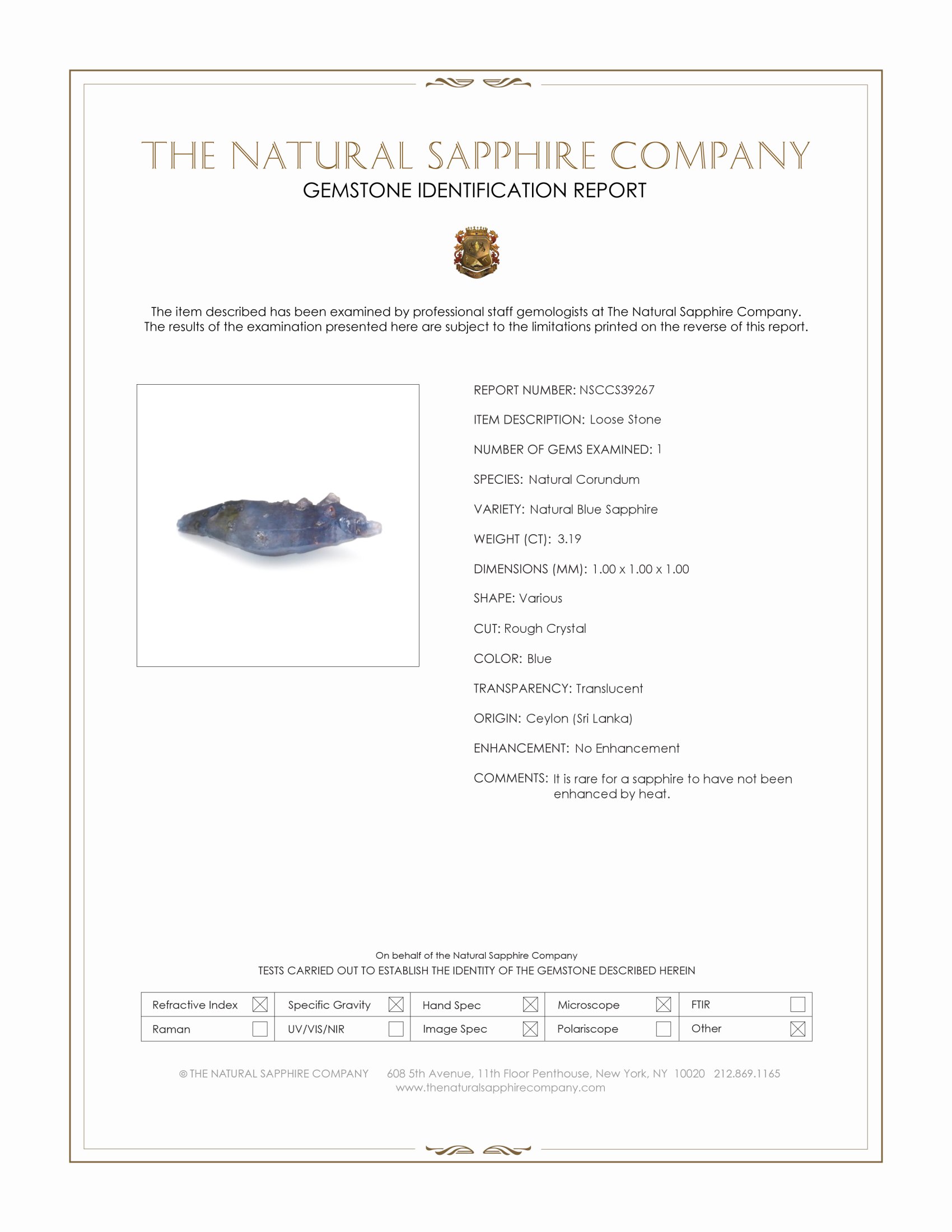
Item ID: | S39267 |
|---|---|
Dimensions (MM): help | Length: 17.92 Width: 5.5 Height: 4.9 |
Weight: | 3.19 Ct. |
Color: help | Blue |
Color intensity: help | Vivid |
Clarity: help | Slightly Included |
Shape: help | Various |
Cut: | Rough Crystal |
Cutting style: | Crystal |
Enhancements: help | No Enhancement |
Origin: help | Ceylon (Sri Lanka) |
Per carat price: help | $25 |
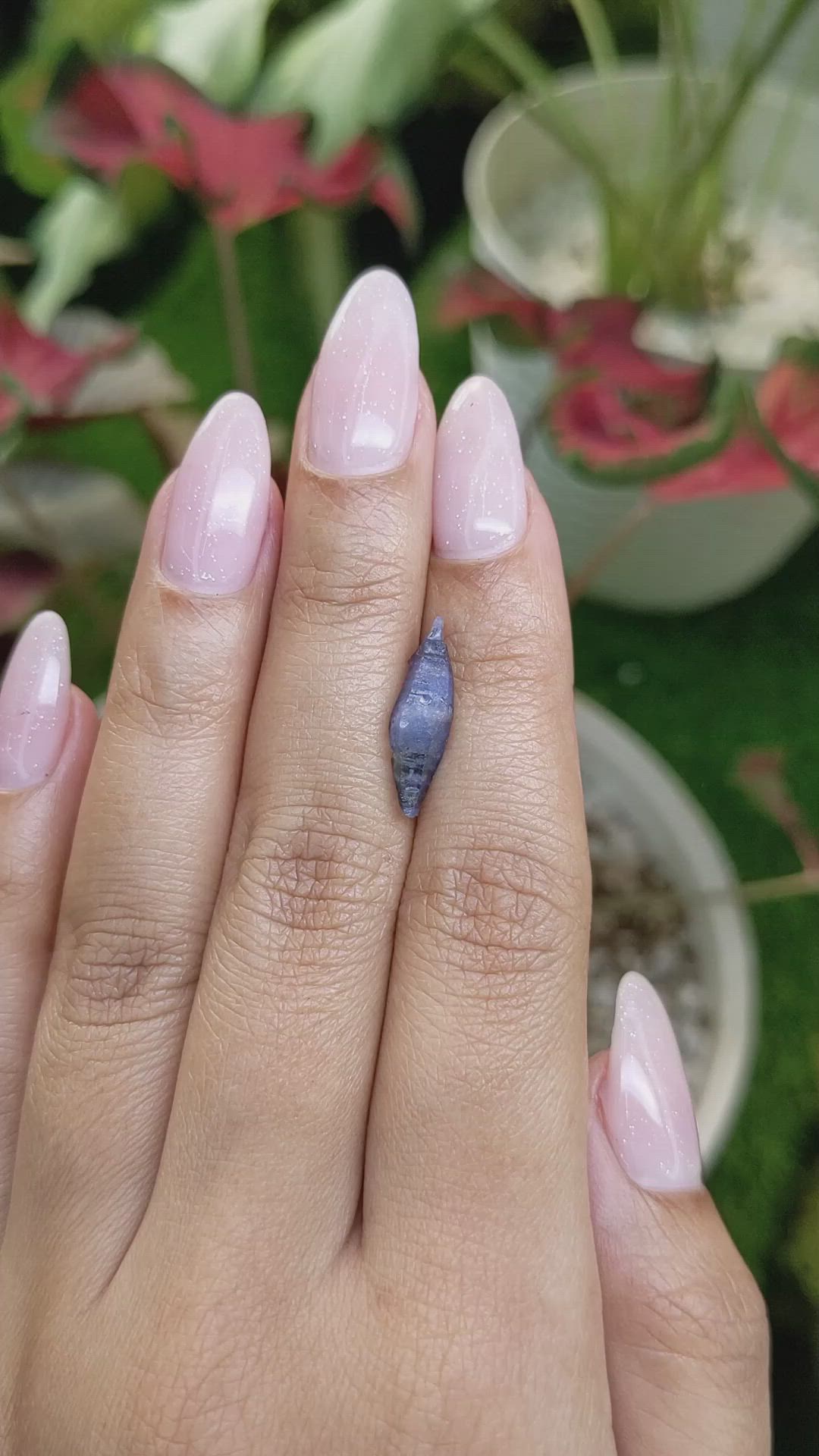
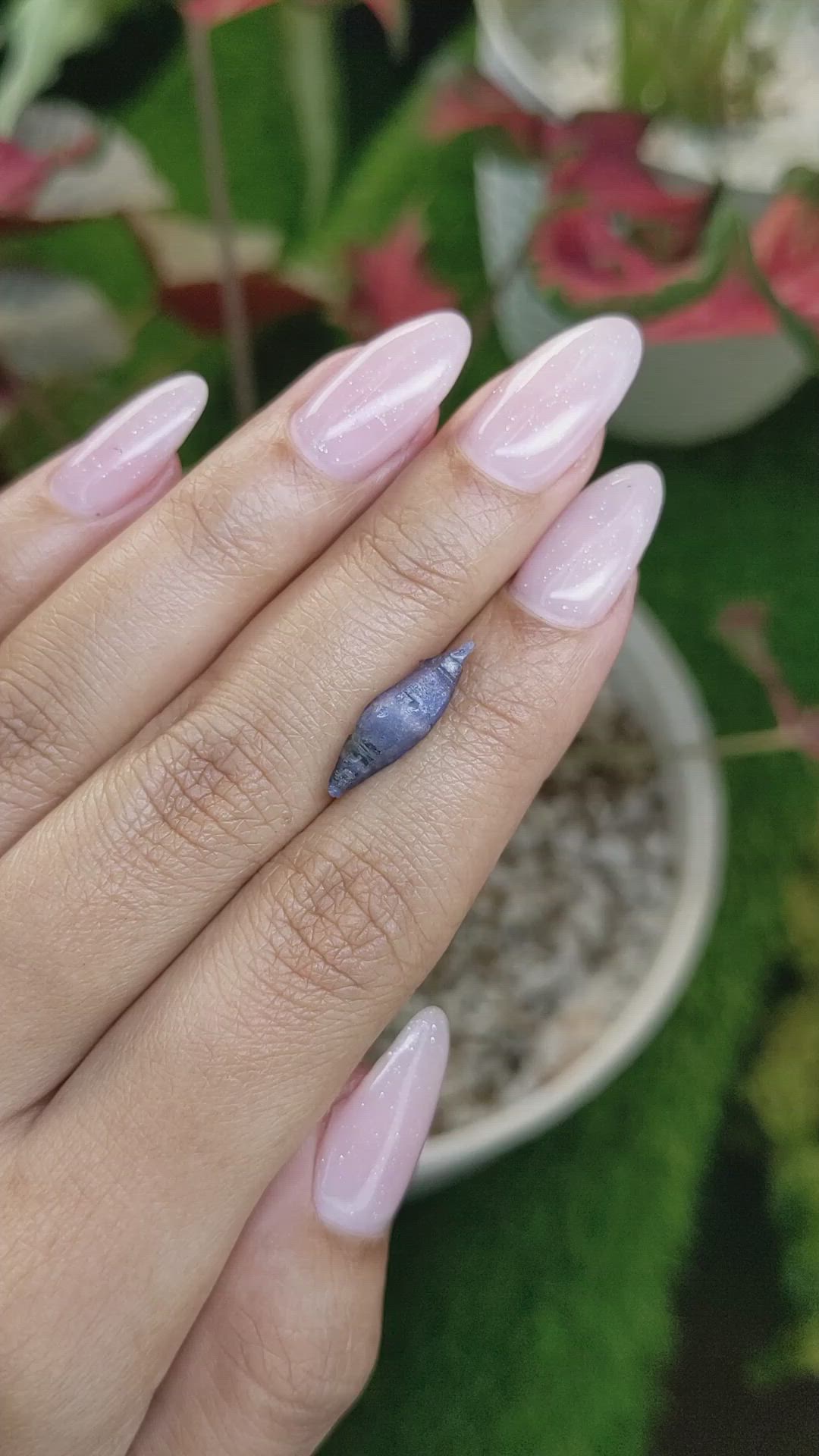
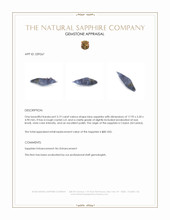
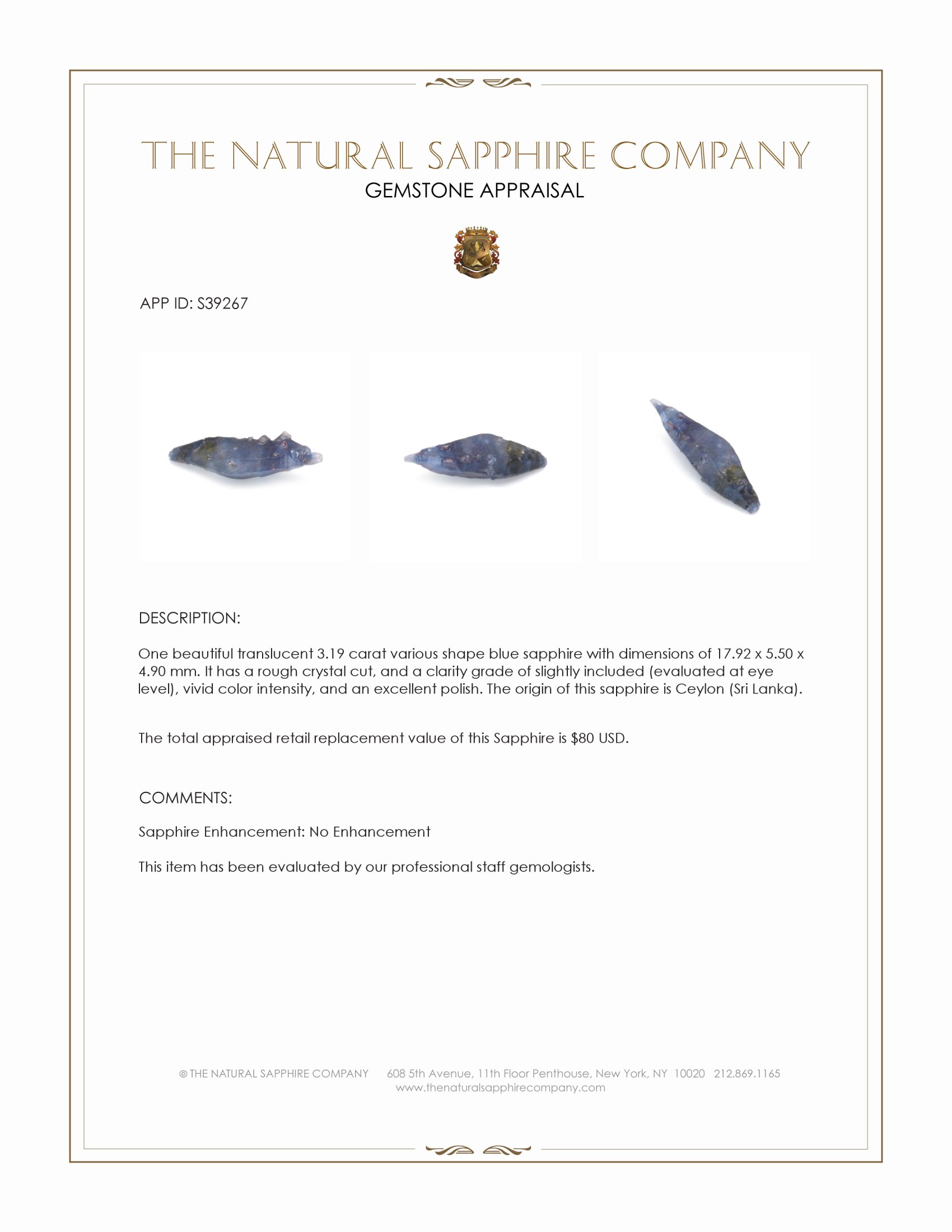
This specimen is a translucent, various shape blue sapphire, weighing 3.19 carats, with overall dimensions of 17.92 by 5.50 by 4.90 millimeters. The stone retains a rough crystal cut, presenting an elongated, natural profile that emphasizes the gem’s original crystal habit rather than a conventional faceted outline. Color is described as vivid in intensity, producing a strong, saturated blue across the body of the stone. Clarity has been graded as slightly included when evaluated at eye level, and the surface shows an excellent polish that accentuates the sapphire’s natural translucency and hue. There has been no enhancement applied to this material, the color and clarity reflect the stone’s natural condition. The origin is Ceylon, Sri Lanka, a historical source for blue sapphires known for producing a range of saturated and velvety blue material. The Natural Sapphire Company has evaluated this piece using standard gemological observation, and the combination of weight, dimensions, and untreated origin make this a noteworthy example of Ceylon sapphire in a deliberately organic, rough crystal presentation.
Physically the stone reads as translucent rather than transparent, allowing light to pass through while maintaining a degree of internal diffusion that softens reflections and gives the color a diffuse depth. The vivid color intensity indicates strong saturation, and in this particular crystal the blue appears evenly distributed along the length of the stone, with subtle variations that are characteristic of natural zoning rather than treatment. Slight inclusions are visible to the naked eye, consistent with the clarity grade, and are part of the stone’s natural character. These inclusions do not materially diminish the overall color presentation, and in many instances they provide internal features that add interest under magnification. The rough crystal cut preserves facets of the original crystal or has been minimally shaped to follow the natural outline, which results in a unique silhouette that responds differently to direct light than a classic faceted cut would. The excellent polish applied to the surfaces enhances tactile quality and gives the piece a refined finish suitable for contemporary or bespoke jewelry designs that emphasize natural form.
On the subject of durability this sapphire benefits from corundum’s well established hardness, rating nine on the Mohs scale. To put that in context, diamond, the hardest natural material, rates ten on the Mohs scale, while commonly encountered gem materials such as topaz and quartz rate eight and seven respectively, this sapphire’s hardness places it among the most scratch resistant gem varieties suitable for everyday wear. Corundum shows no true cleavage, which reduces the risk of the crystal splitting along defined planes, though like all gemstones it can chip or fracture under severe localized impact, particularly at thin points or sharply terminated edges that are present in elongated or rough crystal forms. Given this stone’s elongated profile, care in mounting is advisable to protect the tapered ends, and settings that provide support such as bezels or protective prongs are recommended to minimize exposure to knocks. While corundum is generally stable to common cleaning methods, because this piece is slightly included and retains a rough crystal outline, we recommend consulting with a professional prior to ultrasonic or steam cleaning, to avoid potential stress on inclusions or trapped surface material.
From a design and provenance perspective this untreated Ceylon sapphire presents distinct possibilities for both collectors and jewelers. The untreated nature of the stone means the vivid blue is natural, a factor often considered significant in valuation and provenance assessment. Its elongated form and rough crystal aesthetic lend themselves to modern, artisanal settings where the stone’s natural silhouette can be showcased as a focal compositional element, or to pieces where protective mounting can combine functionality with design, such as tapered bezels in rings, bespoke pendants, or secure settings for designer bracelets. The slightly included clarity grade invites a thoughtful approach to metalwork, to balance protection with visibility of the stone’s internal features. The Natural Sapphire Company documents the stone’s characteristics as part of our standard appraisal information, and our gemological team can provide additional guidance on suitable settings and handling. This sapphire’s combination of size, vivid natural color, untreated origin, and corundum’s inherent hardness make it a durable and distinctive choice for jewelry that seeks to emphasize authenticity and natural character.


