
- Stone11
- Reports2
-various-blue-sapphire-2.5900-cts-s36018-1.jpg?d=200x200&v=20260123010636)
-various-blue-sapphire-2.5900-cts-s36018-lifestyleimage-1.jpg?d=200x200&v=20260127031322)
-various-blue-sapphire-2.5900-cts-s36018-lifestyleimage-2.jpg?d=200x200&v=20260127031322)
-various-blue-sapphire-2.5900-cts-s36018-lifestyleimage-3.jpg?d=200x200&v=20260127031322)


-various-blue-sapphire-2.5900-cts-s36018-1.jpg?d=750x750&s=nsc&v=20260123010636)
-various-blue-sapphire-2.5900-cts-s36018-lifestyleimage-1.jpg?d=750x750&s=nsc&v=20260127031322)
-various-blue-sapphire-2.5900-cts-s36018-lifestyleimage-2.jpg?d=750x750&s=nsc&v=20260127031322)
-various-blue-sapphire-2.5900-cts-s36018-lifestyleimage-3.jpg?d=750x750&s=nsc&v=20260127031322)


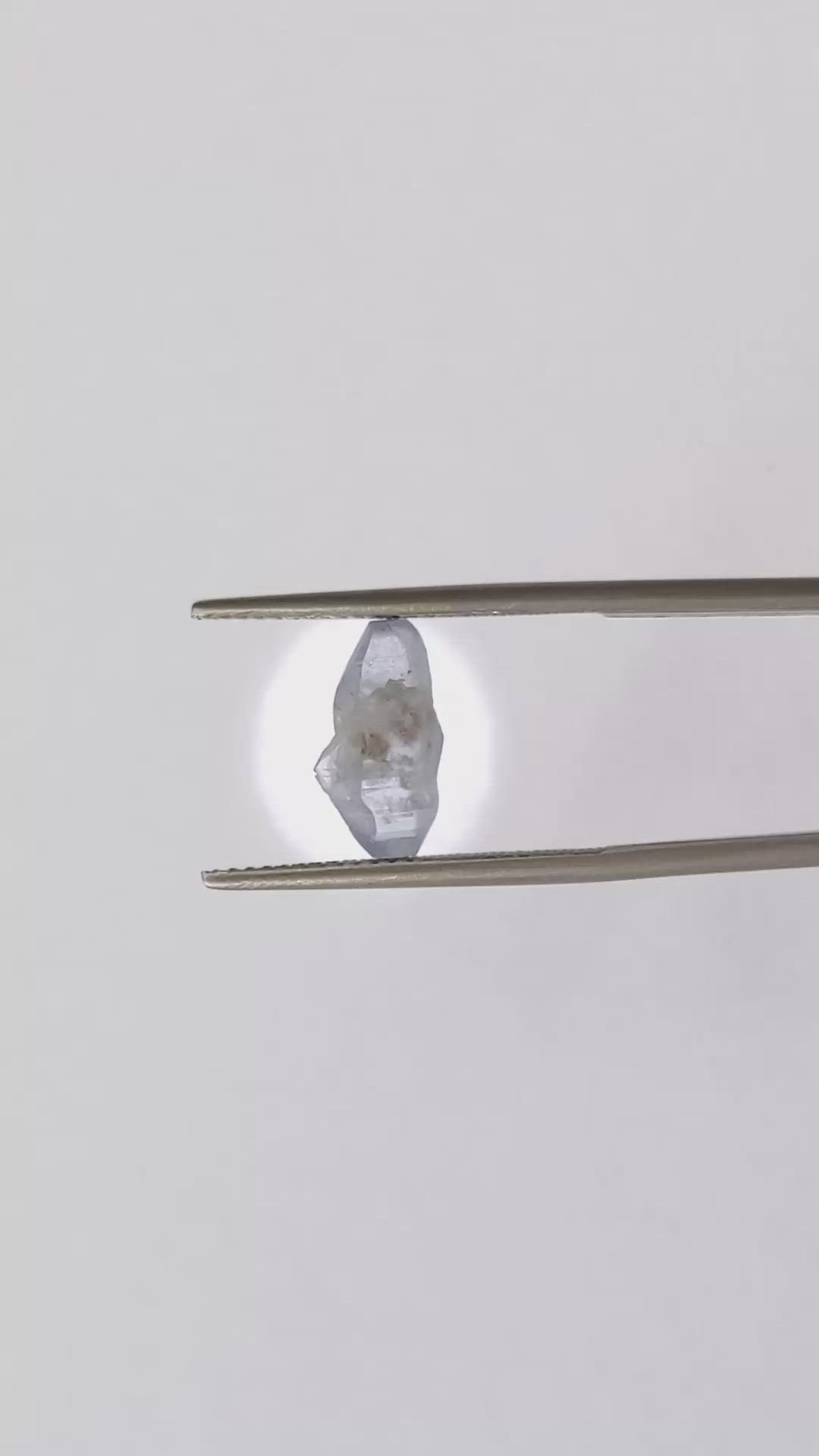
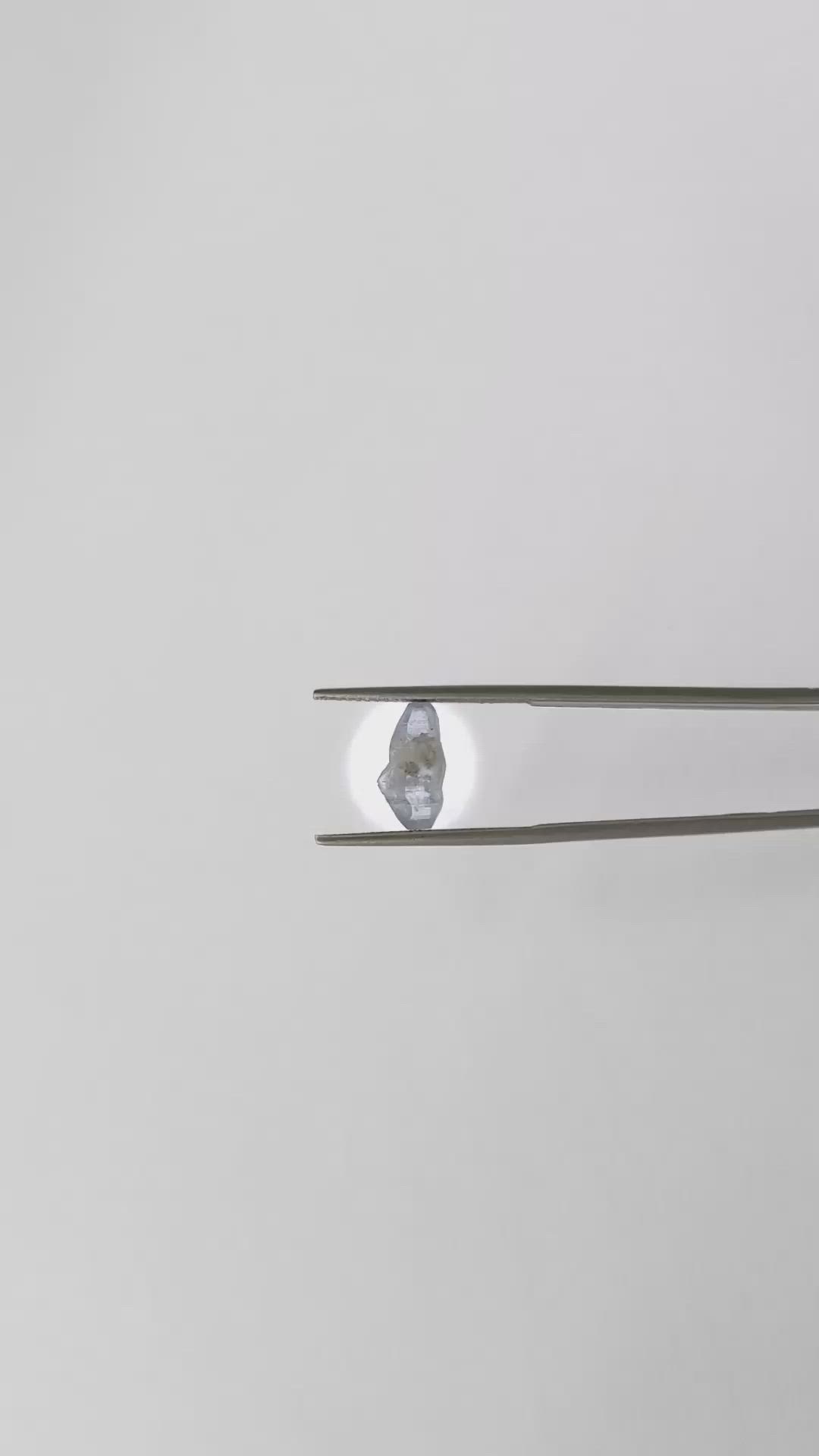
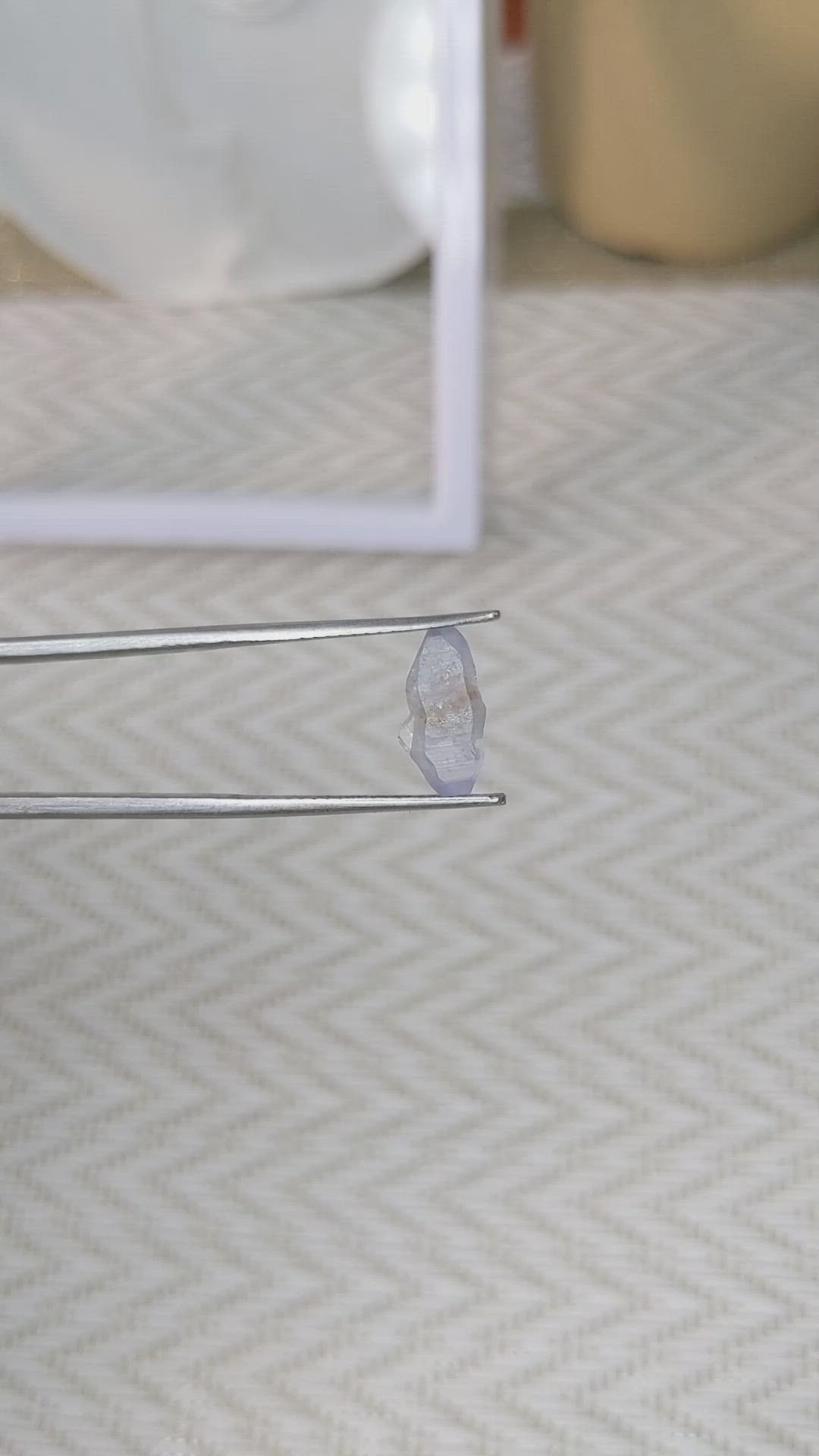
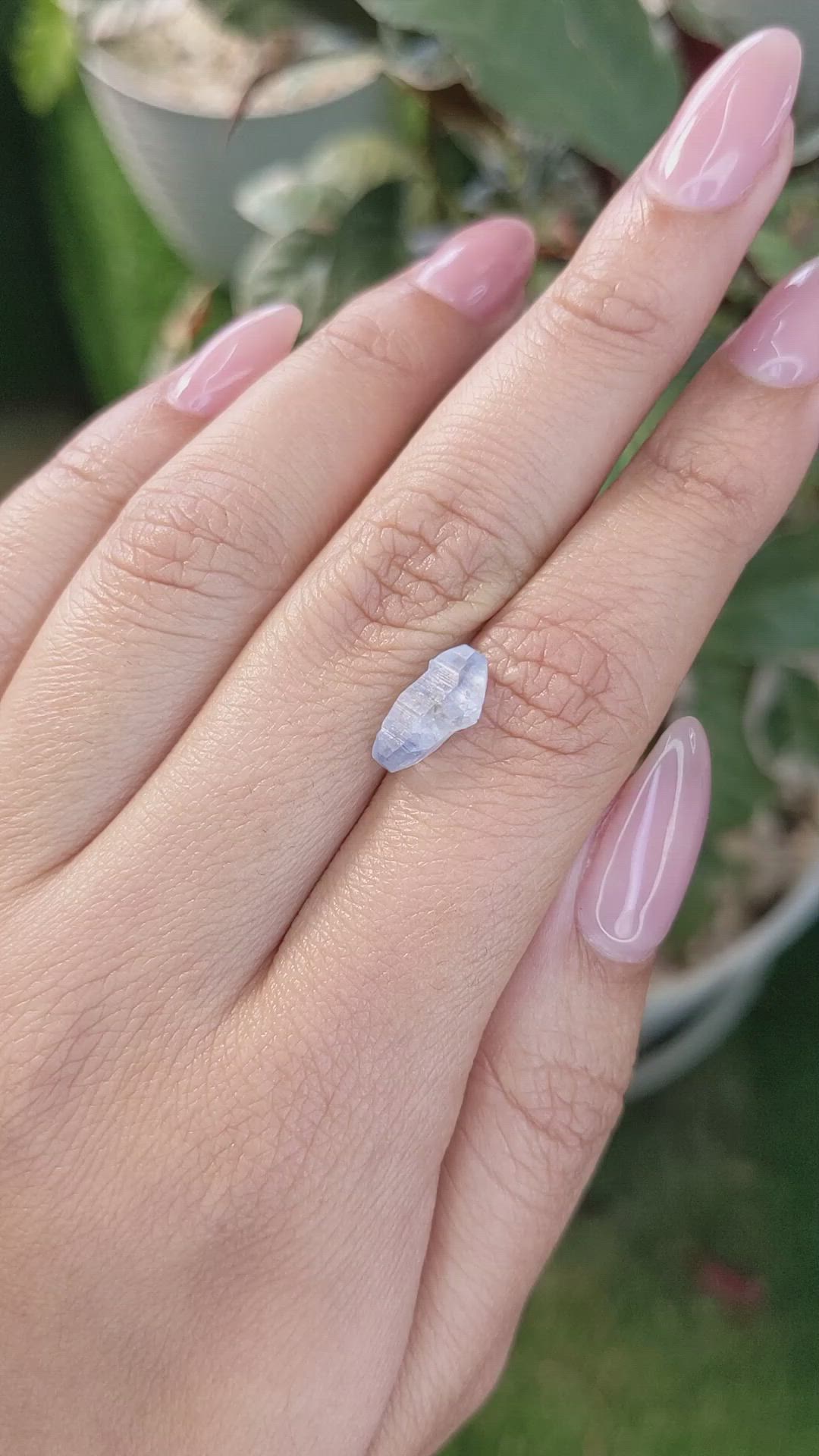
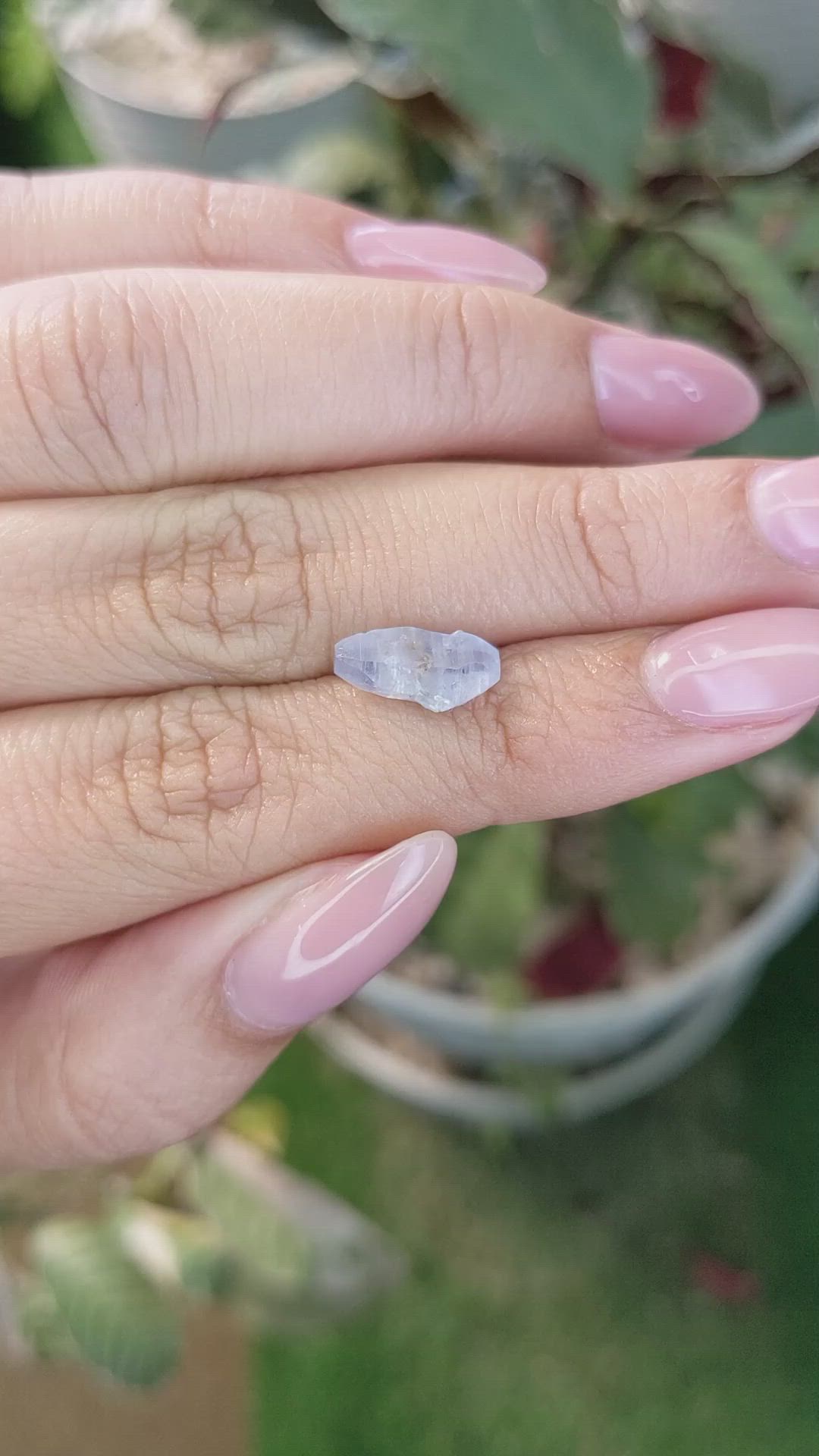
2.59 Ct. Blue Rough Sapphire Crystal from Ceylon (Sri Lanka)
This loose stone ships by Oct 16
Item ID: | S36018 |
|---|---|
Dimensions (MM): help | Length: 11.71 Width: 6.57 Height: 4.14 |
Weight: | 2.59 Ct. |
Color: help | Blue |
Color intensity: help | Light |
Clarity: help | Very Slightly Included |
Shape: help | Rough |
Cut: | Rough Crystal |
Cutting style: | Crystal |
Enhancements: help | No Enhancement |
Origin: help | Ceylon (Sri Lanka) |
Per carat price: help | $38 |
This specimen is a translucent, rough shaped blue sapphire weighing 2.59 carat, with precise measured dimensions of 11.71 by 6.57 by 4.14 millimeters, exhibiting a rough crystal cut and an excellent polish. The piece originates from Ceylon Sri Lanka, a provenance noted for producing light to medium blue corundum with a delicate pastel character. Clarity is assessed as very slightly included at eye level, which indicates the presence of fine internal features that are visible on close inspection but do not dominate the stone. Color intensity is graded as light, a characteristic typical of many fine Ceylon sapphires where iron content yields a bright, clean blue with a lighter saturation than stones from other sources. Enhancement status is none, this sapphire is unheated and untreated, a factor that significantly influences rarity and collector interest. From a material perspective, corundum typically registers a refractive index in the range of 1.76 to 1.77 and a specific gravity near 4.00, properties that inform lapidary cutting angles and the way light will be returned to the viewer.
Weight plays a central role in the valuation and rarity profile of this sapphire, and at 2.59 carat this piece occupies an important threshold in the market where per carat prices begin to escalate more steeply. The carat weight is not merely a measure of size, it is a quantifier of available material, and for a translucent unenhanced Ceylon sapphire of this weight, scarcity is appreciable. When considering cutting yield and potential finished proportions, maintaining weight while optimizing color saturation is often a primary objective for cutters, especially with material that already demonstrates attractive light blue hue. A 2.59 carat rough offers the option to produce a single finished stone of comparable weight with well considered pavilion depth and crown angles, or to preserve more of the natural crystal form to retain distinctive character. In market terms, buyers and collectors often apply a weight premium around this size class, reflecting the relative shortage of untreated sapphires above two carat with clean eye visibility and attractive polish.
The clarity and surface condition of this specimen are important technical attributes that guide both valuation and practical handling. Very slightly included at eye level indicates internal features that may serve as identifying fingerprints, but because the stone is translucent and well polished, light transmission remains lively and the inclusions do not materially obstruct brilliance. The rough crystal cut presents natural or intentionally preserved faces rather than fully faceted geometry, and the excellent polish maximizes light reflection from those planes. For a lapidary approach that seeks to facet this piece further, orientation should be dictated by the strongest color planes and by the stones pleochroic behavior, aligning the table and pavilion to favor the axis that yields the deepest blue impression. Given the refractive index of corundum, crown and pavilion angles should be calibrated to standard corundum cutting models to optimize scintillation and color face up, while taking into account the goal of preserving as much weight as possible. The lack of enhancement meaning unheated status enhances desirability for collectors who prioritize natural state provenance.
For design and pairing considerations, note the presence of White Opal as a complementary opal type within our offering, and the technical differences that inform mounting and care. White Opal typically displays a light body tone with a translucent to opaque base and potential play of color dependent on internal silica sphere structure, its hardness is substantially lower than sapphire and it requires protective settings and gentle maintenance. When combining a 2.59 carat Ceylon blue sapphire with White Opal in a single jewel, design should place the sapphire as the structural and wear resilient focal point, given corundums hardness near 9 on the Mohs scale, while the White Opal should be secured in a bezel or protective halo to mitigate impact and moisture exposure. The contrasting materials offer a compelling aesthetic and an engineered balance between durability and optical interest. At The Natural Sapphire Company we recommend custom mountings that respect the technical needs of each gem, preserving the untouched character of this unenhanced Ceylon sapphire and the delicate nature of White Opal, while delivering a finished piece that leverages the notable 2.59 carat weight to its fullest effect.


