
- Stone14
- Reports3
-oval-blue-sapphire-1.2300-cts-s48799-1.jpg?d=200x200&v=20260917072907)
-oval-blue-sapphire-1.2300-cts-s48799-lifestyleimage-1.jpg?d=200x200&v=20260924054424)
-oval-blue-sapphire-1.2300-cts-s48799-lifestyleimage-2.jpg?d=200x200&v=20260924054424)
-oval-blue-sapphire-1.2300-cts-s48799-lifestyleimage-3.jpg?d=200x200&v=20260924054425)


-oval-blue-sapphire-1.2300-cts-s48799-1.jpg?d=750x750&s=nsc&v=20260917072907)
-oval-blue-sapphire-1.2300-cts-s48799-lifestyleimage-1.jpg?d=750x750&s=nsc&v=20260924054424)
-oval-blue-sapphire-1.2300-cts-s48799-lifestyleimage-2.jpg?d=750x750&s=nsc&v=20260924054424)
-oval-blue-sapphire-1.2300-cts-s48799-lifestyleimage-3.jpg?d=750x750&s=nsc&v=20260924054425)


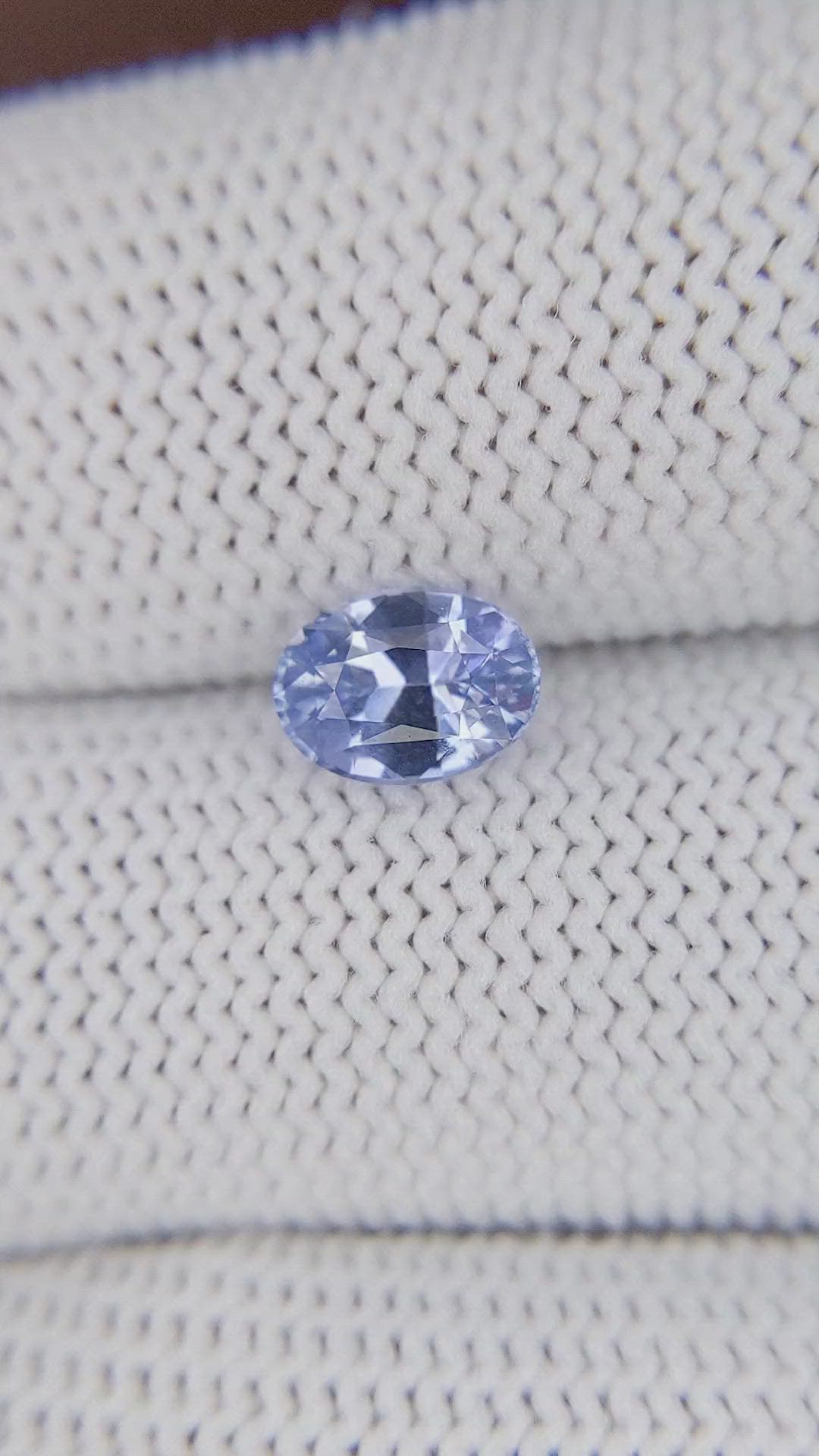
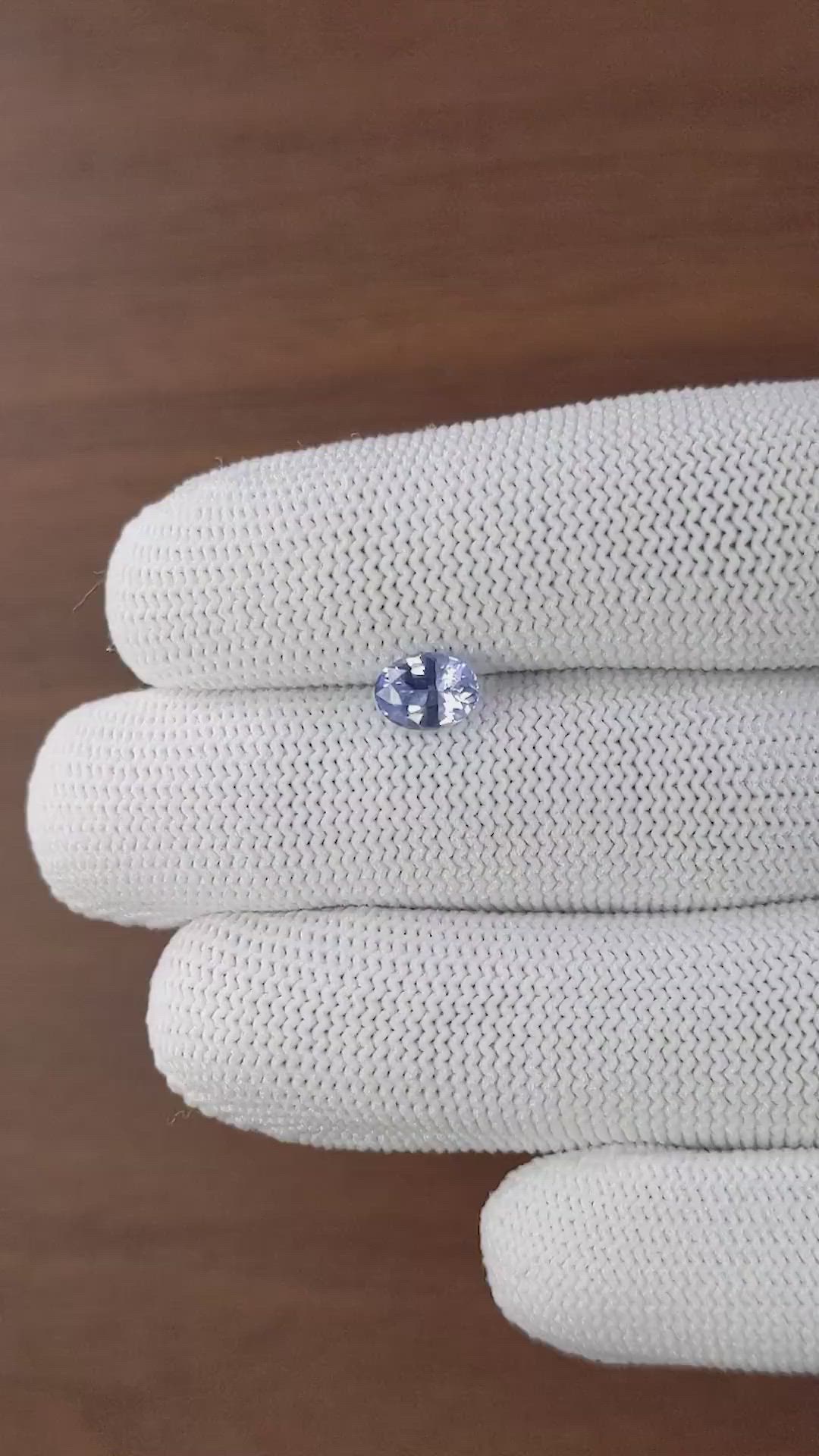
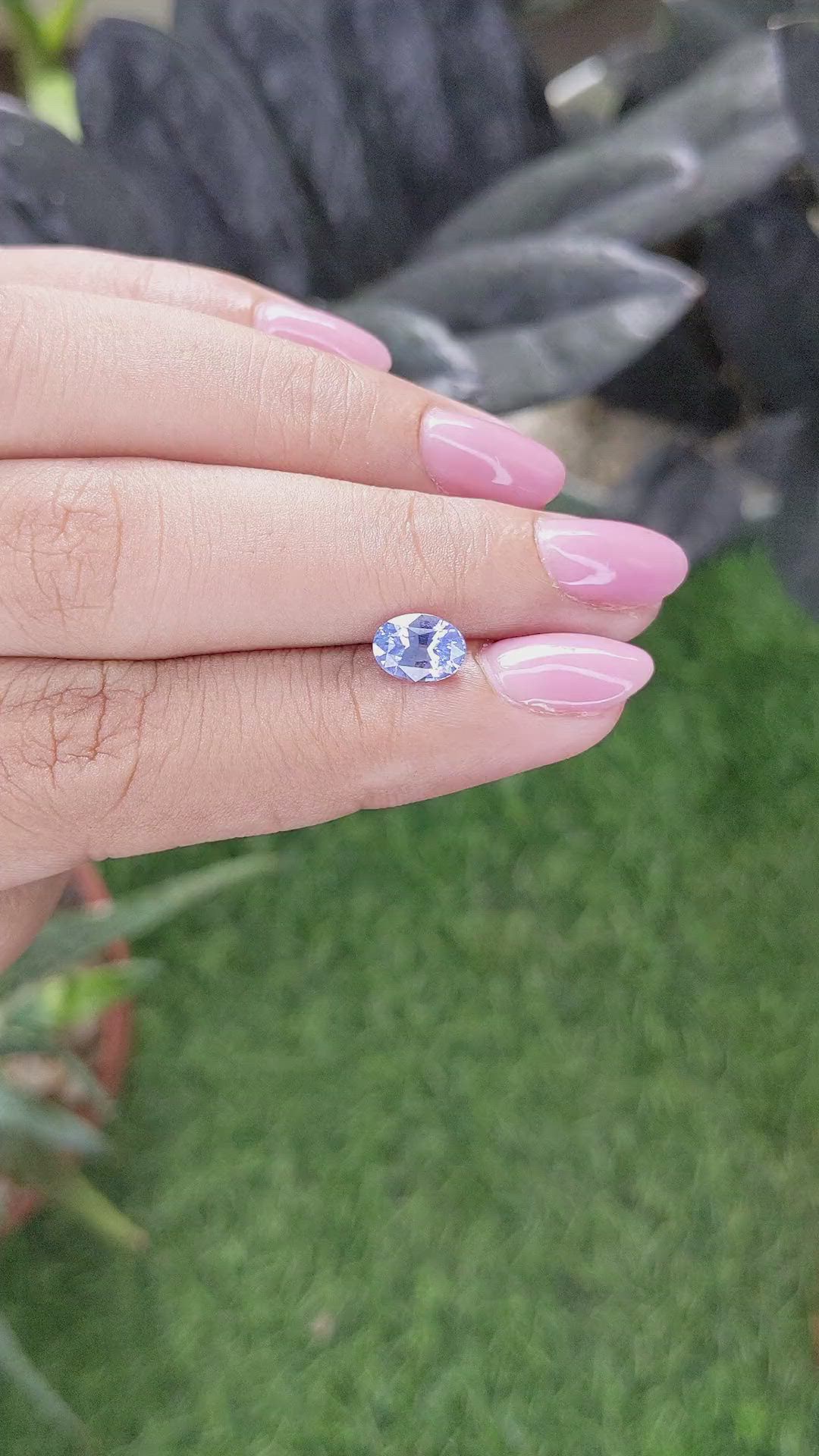
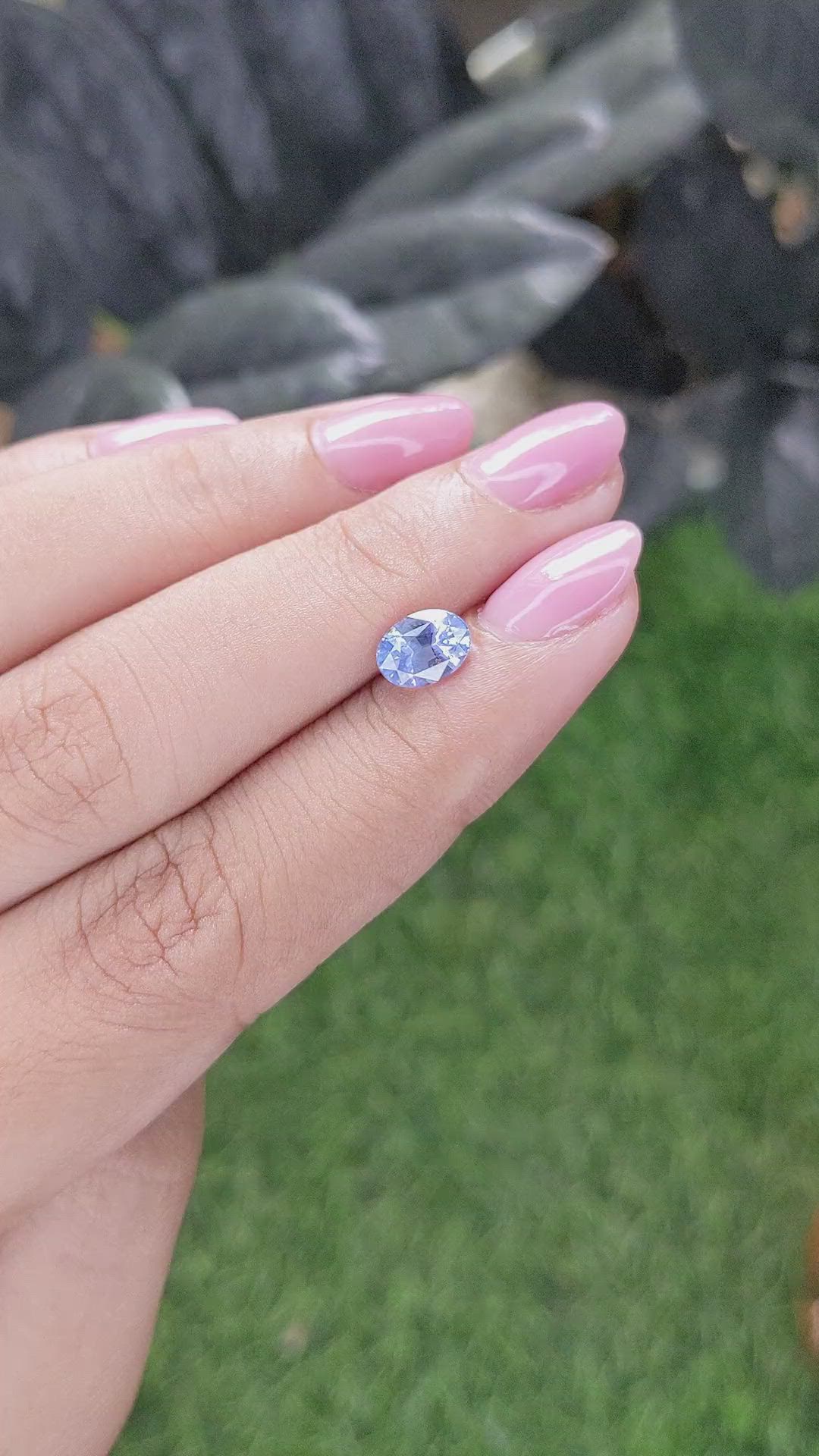
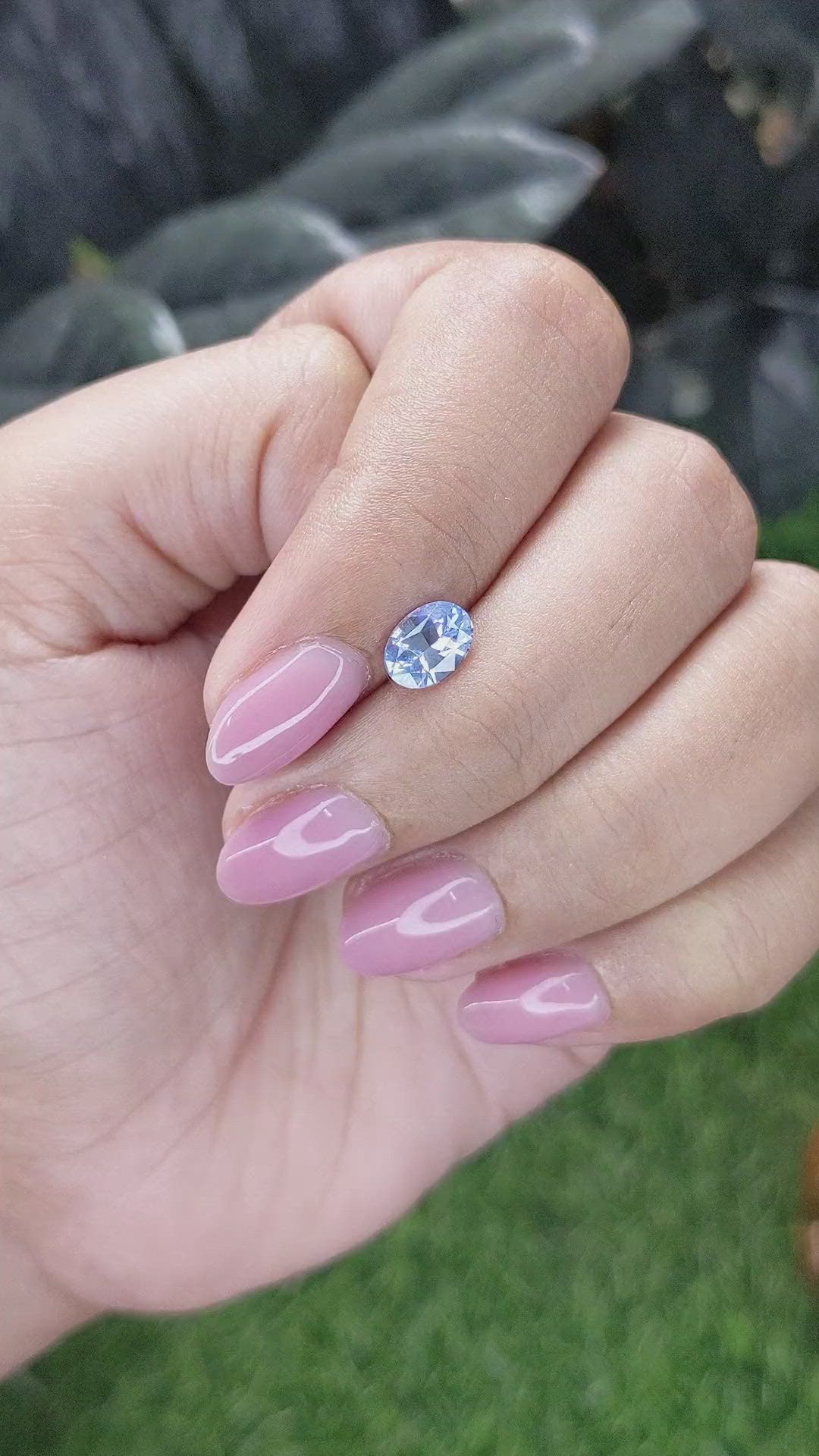
1.23 Ct. Purplish Blue Sapphire from Ceylon (Sri Lanka)
This loose stone ships by Nov 2
Item ID: | S48799 |
|---|---|
Dimensions (MM): help | Length: 7.4 Width: 5.47 Height: 3.73 |
Weight: | 1.23 Ct. |
Color: help | Purplish Blue |
Color intensity: help | Medium |
Clarity: help | Very Slightly Included |
Shape: help | Oval |
Cut: | Mixed Brilliant Cut |
Cutting style: | Faceted |
Enhancements: help | No Enhancement |
Origin: help | Ceylon (Sri Lanka) |
Per carat price: help | $570 |
This listing describes a natural, transparent oval sapphire weighing 1.23 carat, with dimensions of 7.40 x 5.47 x 3.73 mm. The color presents as purplish blue with medium color intensity, a tone that reflects the distinctive color profile associated with Ceylon sapphires. The facet arrangement is a mixed brilliant cut, combining step facets and brilliant facet patterns to balance color saturation with scintillation. The polish of the stone is graded excellent, and the clarity is described as very slightly included when evaluated at eye level, indicating subtle inclusions that do not detract from the overall appearance. No enhancement has been applied to this sapphire, and its documented origin is Ceylon, Sri Lanka. The Natural Sapphire Company stands behind the gem details and provenance information provided for this stone.
The faceting style and proportions have been selected to optimize the interplay between brilliance and color. The mixed brilliant cut retains a faceted crown and pavilion geometry that encourages internal light return while preserving the natural color characteristics of the sapphire material. At 7.40 x 5.47 x 3.73 mm, the stone offers a pleasing oval outline for a 1.23 carat weight, suitable for a range of jewelry settings that favor a balance of presence and wearability. The very slightly included clarity grade reflects small internal features that are typical of natural corundum formed in primary pegmatitic and metamorphic environments. Under close inspection these features may be observed, yet they do not materially affect durability or the gem s overall visual performance. Excellent polish contributes to surface luster and aids in delivering crisp facet junctions and clean light return.
Compared with lab grown sapphires, natural stones offer several intrinsic attributes that influence their aesthetic, historical, and market characteristics. Natural sapphires are products of geological processes spanning millions of years, and they commonly exhibit unique internal characteristics and growth signatures that are absent in synthetics. These natural formation markers assist gemological laboratories and independent appraisers in establishing origin and treatment history, which is particularly relevant for collectors and for provenance documentation. Natural sapphires without enhancement, such as this Ceylon example, are comparatively rare relative to routinely treated or grown material, and that rarity can affect long term market perception and value retention. From a visual standpoint, natural sapphires may present subtle color zoning, silk, and mineral inclusions that interact with cut and light to create individualized appearance and depth. In contrast, lab grown stones often display more uniform color and very low inclusion sets, which while technically impressive, yield a different aesthetic that some gem connoisseurs find less complex.
There are additional considerations beyond appearance that distinguish natural sapphires from lab grown alternatives. Provenance and untreated status are traceable attributes that support grading reports and establish a documented history for the gem. Because untreated natural material is less common, it may attract interest from buyers seeking original natural stones that require no enhancement disclosures. The Ceylon origin of this sapphire provides a recognizable geographic identity, as sapphires from Sri Lanka are noted for their particular balance of lightness and saturation in blue and purplish blue hues. When assessing gems for investment, heirloom potential, or specialized collections, many professionals place value on natural formation, documented origin, and the absence of treatments. That said, lab grown material can serve well for applications where cost parity and uniformity of color are the priority, but those differences are factual distinctions rather than qualitative judgments about beauty.
This sapphire is presented with full disclosure of weight, dimensions, cut, clarity, color intensity, polish, enhancement status, and origin, consistent with the standards practiced by The Natural Sapphire Company. Prospective owners are encouraged to evaluate the stone in person or through high resolution imagery to appreciate the subtleties of hue and the interplay of light with the mixed brilliant faceting. Routine care for corundum involves protecting the gem from hard knocks and avoiding exposure to extreme heat and chemical agents, while standard cleaning with warm soapy water and a soft brush will maintain surface luster. For additional information about provenance documentation, independent gemological reports, or setting recommendations, consult The Natural Sapphire Company for assistance grounded in gemological knowledge and experience.


