
- Stone12
- Reports3
-oval-blue-sapphire-0.8100-cts-s41299-1.jpg?d=200x200&v=20260519000421)

-oval-blue-sapphire-0.8100-cts-s41299-1.jpg?d=750x750&s=nsc&v=20260519000421)
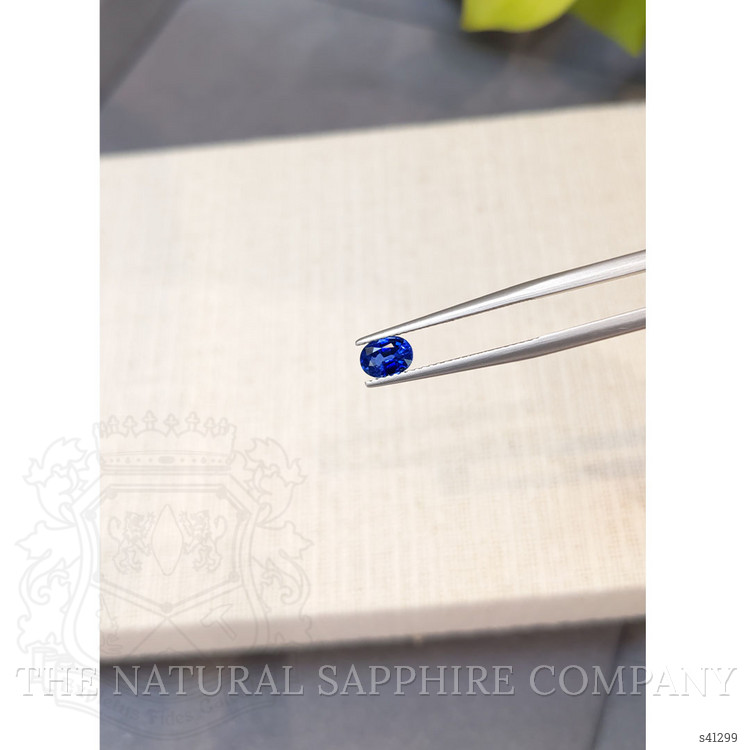
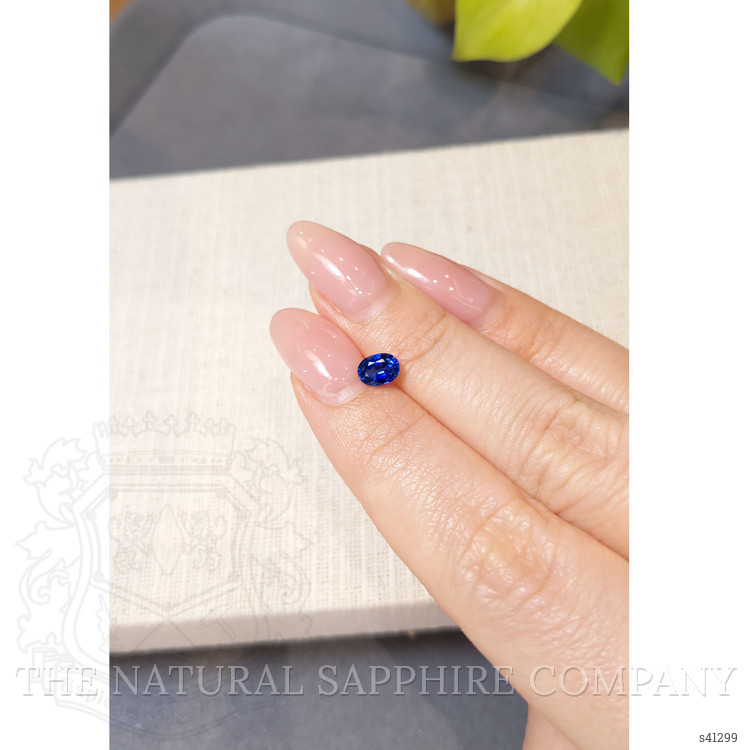


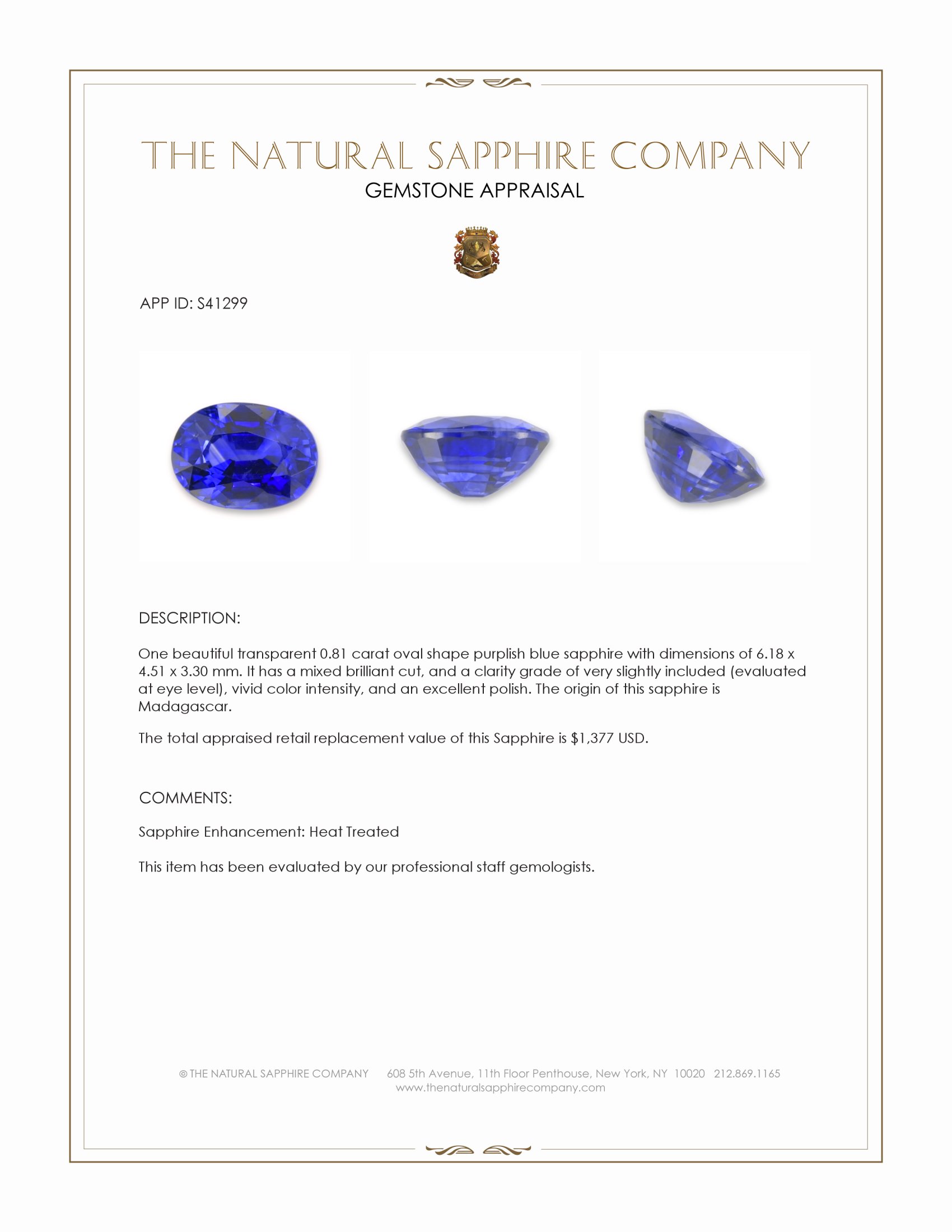
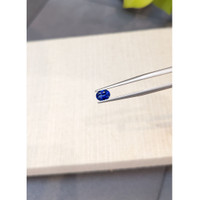
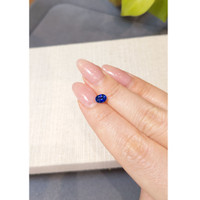
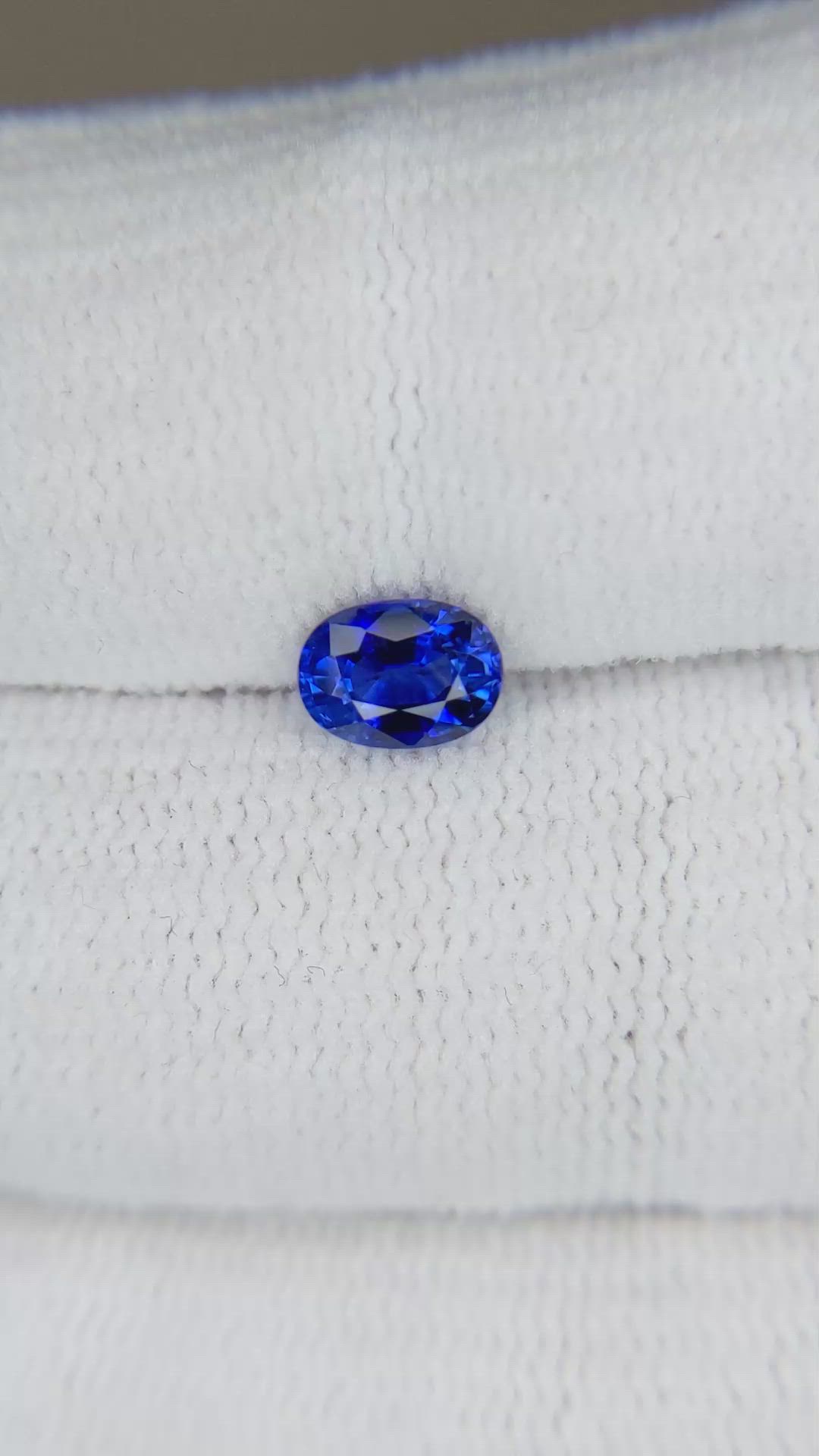
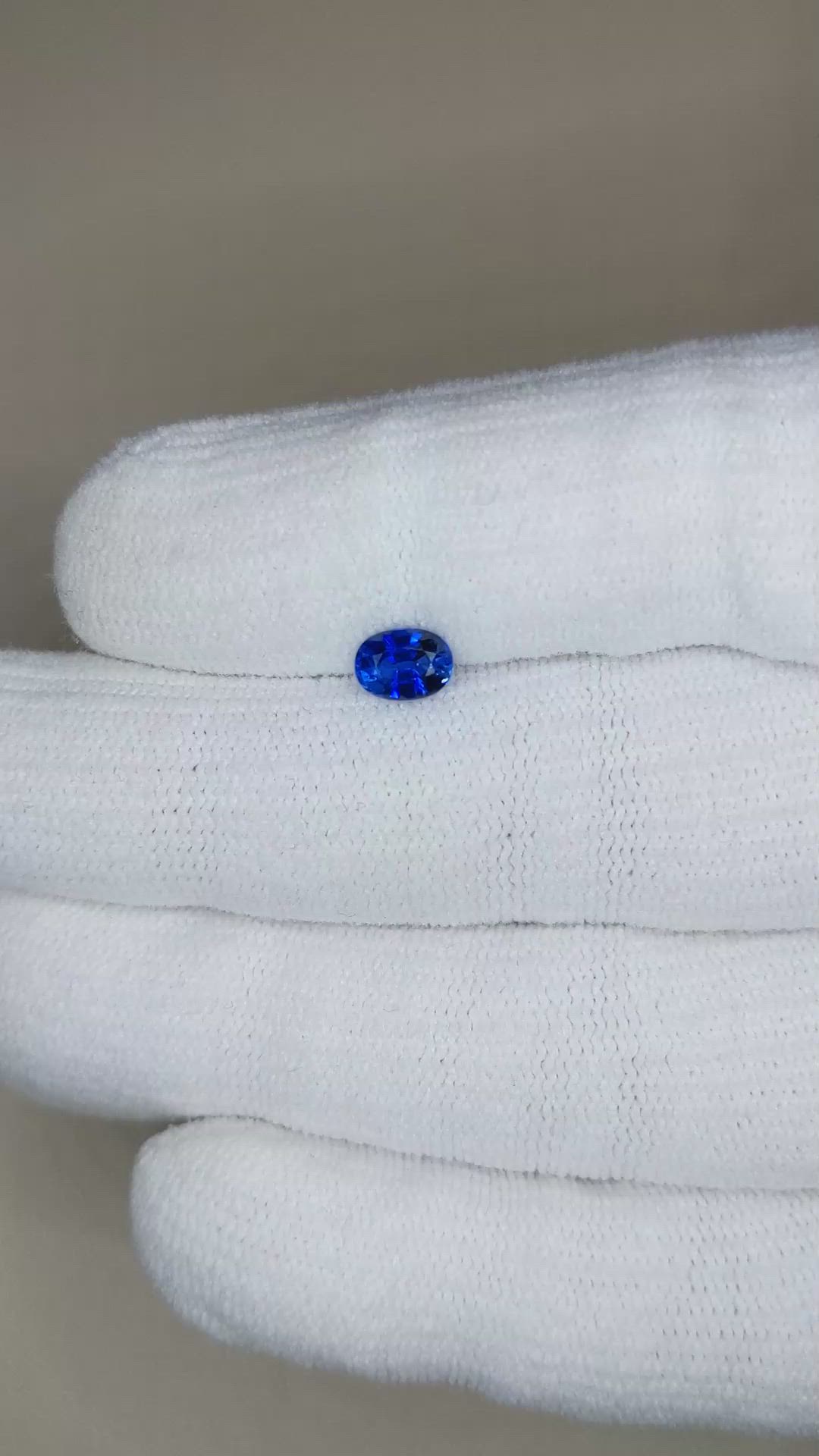
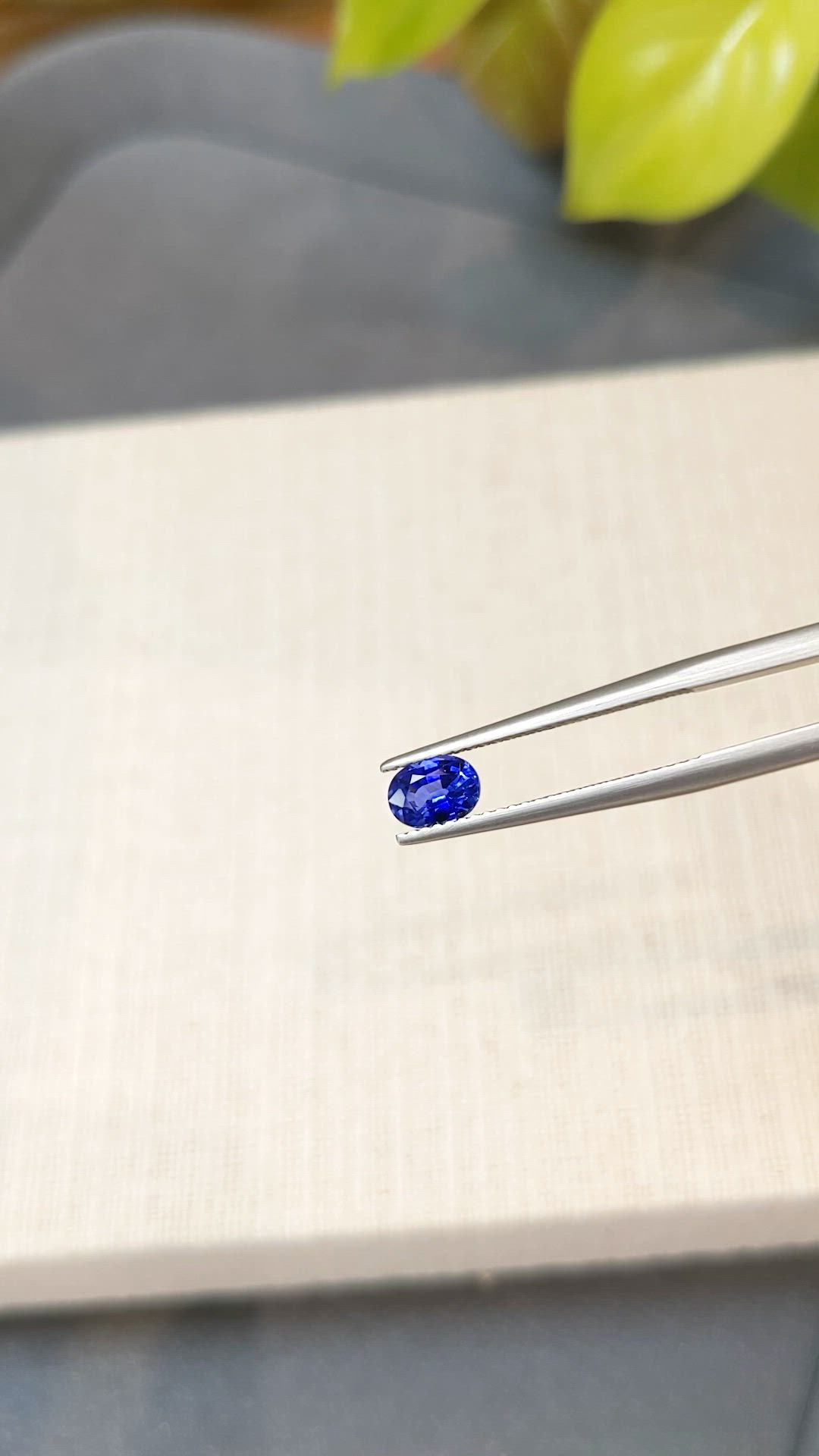
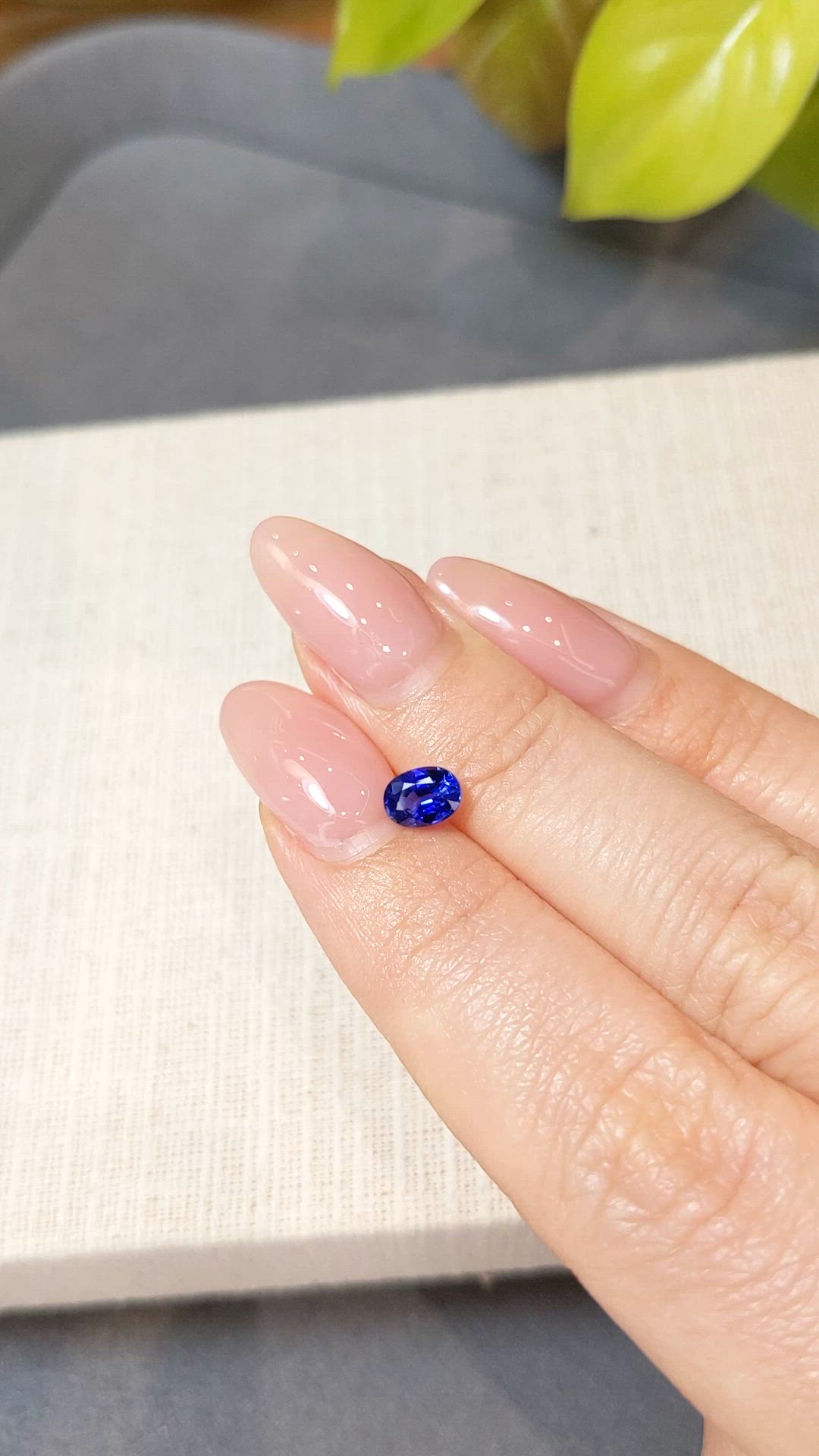
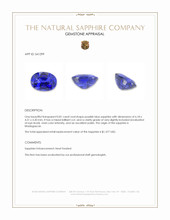
0.81 Ct. Purplish Blue Sapphire from Madagascar
This loose stone ships by Nov 2
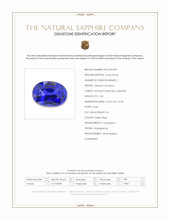
Item ID: | S41299 |
|---|---|
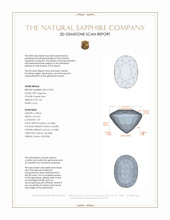
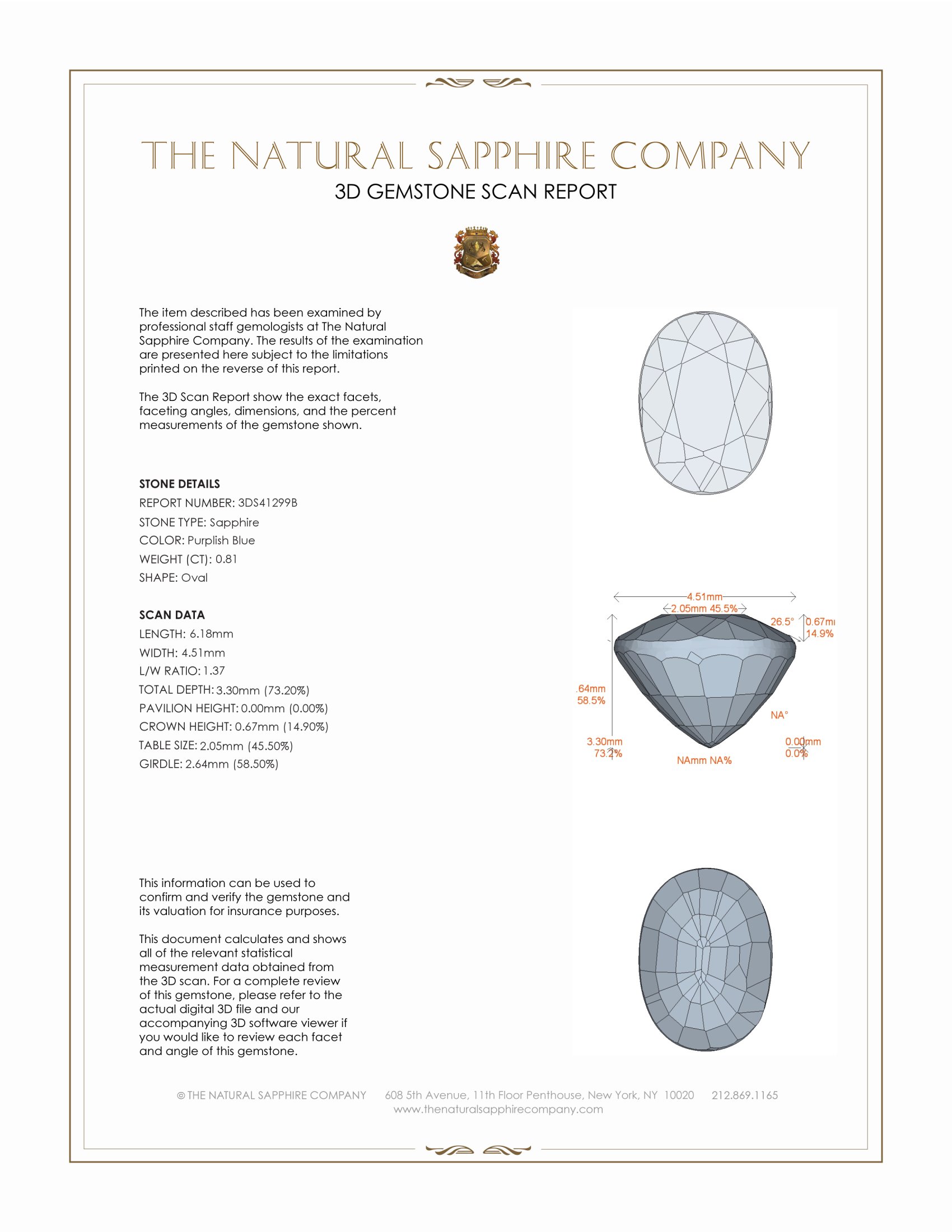
Dimensions (MM): help | Length: 6.18 Width: 4.51 Height: 3.3 |
Weight: | 0.81 Ct. |
Color: help | Purplish Blue |
Color intensity: help | Vivid |
Clarity: help | Very Slightly Included |
Shape: help | Oval |
Cut: | Mixed Brilliant Cut |
Cutting style: | Faceted |
Enhancements: help | Heat Treated |
Origin: help | Madagascar |
Per carat price: help | $1,700 |
This 0.81 carat oval purplish blue sapphire measures 6.18 by 4.51 by 3.30 millimeters and has been precision faceted in a mixed brilliant cut to maximize both table face performance and overall brilliance, offering a combination of a well proportioned shallow crown with brilliant style crown facets and a pavillion that balances large star and kite facets with a controlled step transition. The mixed brilliant configuration enhances the stone so the vivid color intensity reads consistently across viewing angles while preserving scintillation, and the excellent polish contributes to crisp facet junctions and minimal surface disruption. Clarity has been evaluated as very slightly included at eye level, indicating that the stone presents as visually clean to a normal unaided view and that the recorded inclusions are primarily identified under moderate magnification, a condition that allows the color and light performance to remain the dominant aesthetic qualities. This sapphire is heat treated, a stable enhancement widely accepted in the trade and used to optimize color saturation and clarity while retaining the integrity of internal growth features, and it is of Madagascar origin which imparts a regional character to its trace element profile related to iron and titanium that produces the appealing purplish blue hue.
Under 10 times magnification the inclusion suite in this sapphire becomes a signature map rather than a flaw list, and these internal features are part of what makes this gem unmistakable. Fine oriented rutile needles are present as a soft silk network in certain growth sectors, nodal concentrations of tiny reflective mineral crystals register as pinpoint bright crystals, and isolated two phase negative crystals show tiny entrapped fluid and gas phases that refract light differently from the host corundum, producing small localized flash points. There are localized growth zoning bands that display subtle modulation of color zoning from slightly more violet to slightly more blue, and these zones align with facet planes so that they become visible as delicate striated patterns when rotated under directional light. Where platelets of feathery crystal material intersect facet junctions they create micro reflective planes that add a three dimensional character to the stone when viewed microscopically, and a single tiny crystal inclusion situated just below the table acts as a reference point for the eye and under magnification becomes a consistent identifying feature that can be matched to documentation. These inclusion types are consistent with Madagascan corundum genesis and provide both forensic value for origin affirmation and an artisanal fingerprint that collectors and connoisseurs will appreciate, because the inclusion topology interacts with the mixed brilliant facet scheme to produce intermittent scintillation and soft internal flash that accentuates the vivid color without compromising face up cleanliness.
From a craftsmanship and setting perspective this sapphire is ideal for designs that emphasize color saturation and optical depth, and its oval proportions make it compatible with classic solitaire, halo, and three stone formats where the mixed brilliant cut will play with both accent stones and light sources. The heat treatment applied is stable at normal wear temperatures and does not alter the inclusion morphology, meaning the identifying internal features remain intact for future gemological verification. For combination pairings I recommend contrasting this purplish blue sapphire with White Opal, because a high quality white opal provides a luminous milky body tone and play of light that complements and softens the sapphire hue, creating an engaging contrast between the opal surface fire and the sapphire internal flash. When mounted, attention to prong clearance and orientation of the sapphire so the growth zoning aligns with the table will maximize the stone signature and ensure the inclusion fingerprint reads consistently when inspected. At The Natural Sapphire Company we document these characteristics in our gem reports and provide detailed images and description to support provenance and treatment disclosure, and we are available to advise on setting choices, grading references, and care guidance to preserve polish and minimize impact to facet junctions over time.


