
- Stone14
- Reports3

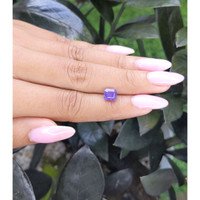
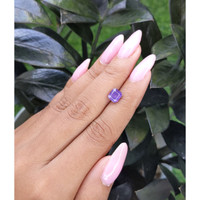
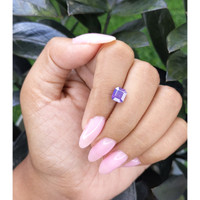
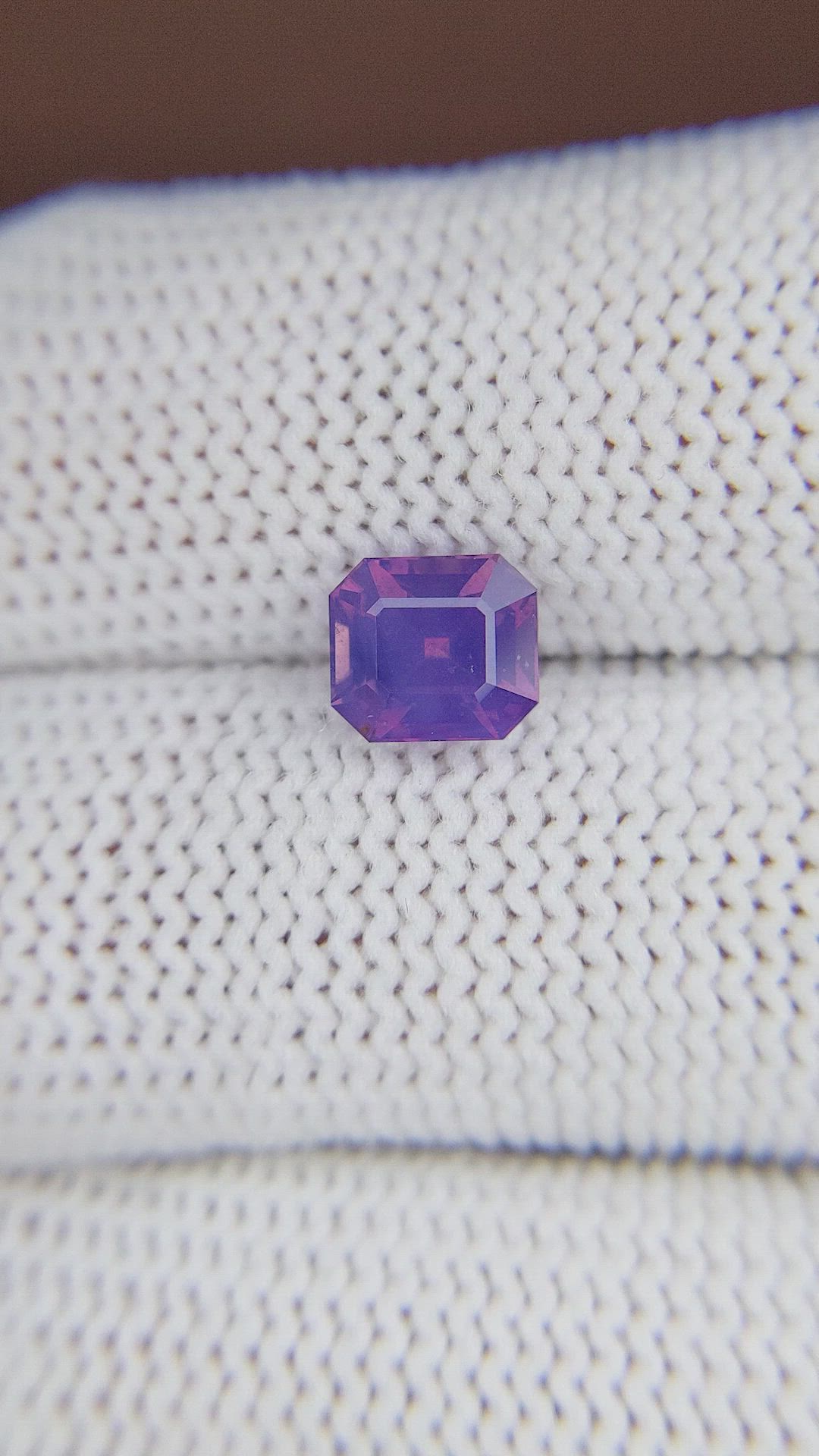
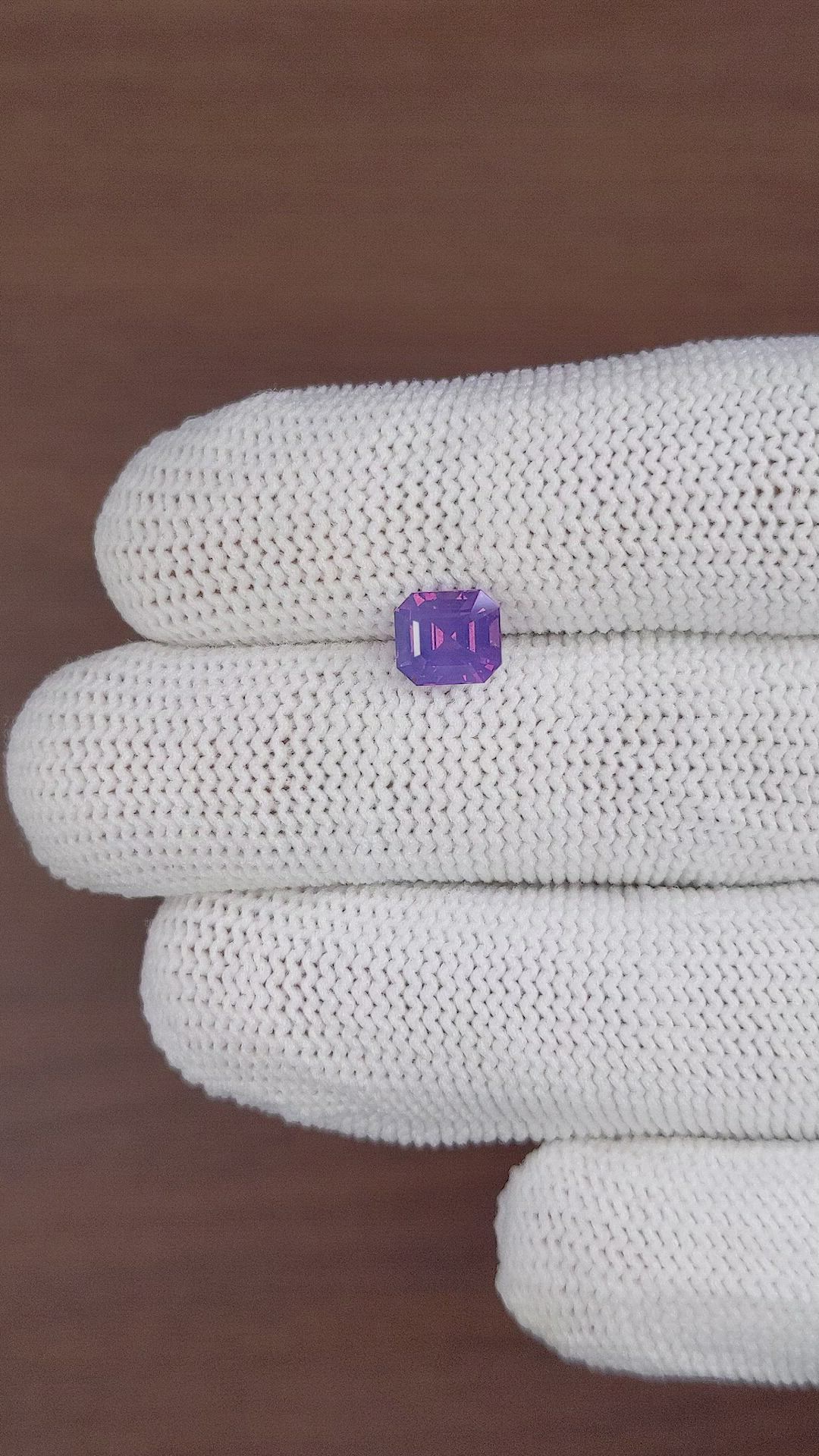
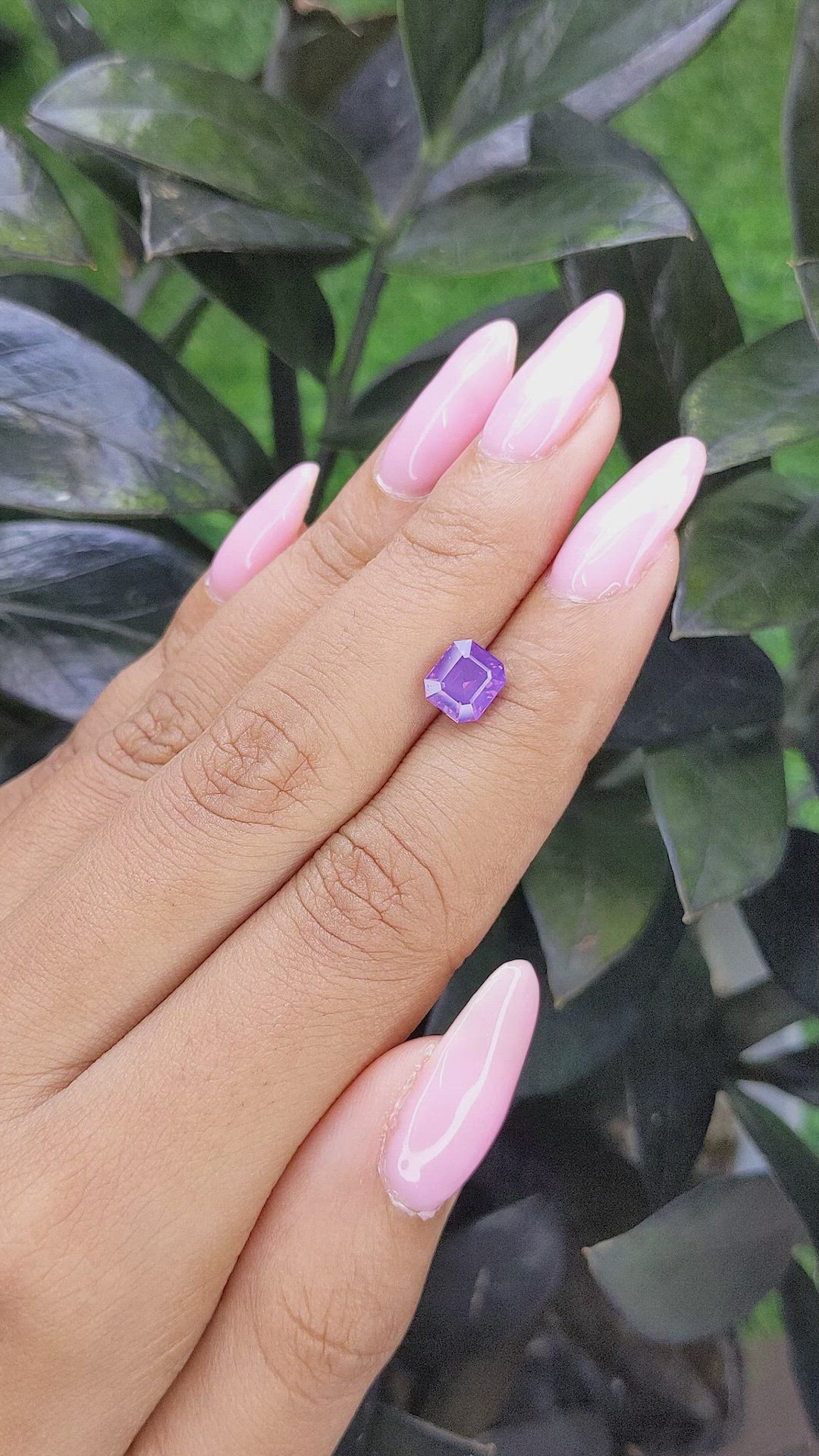

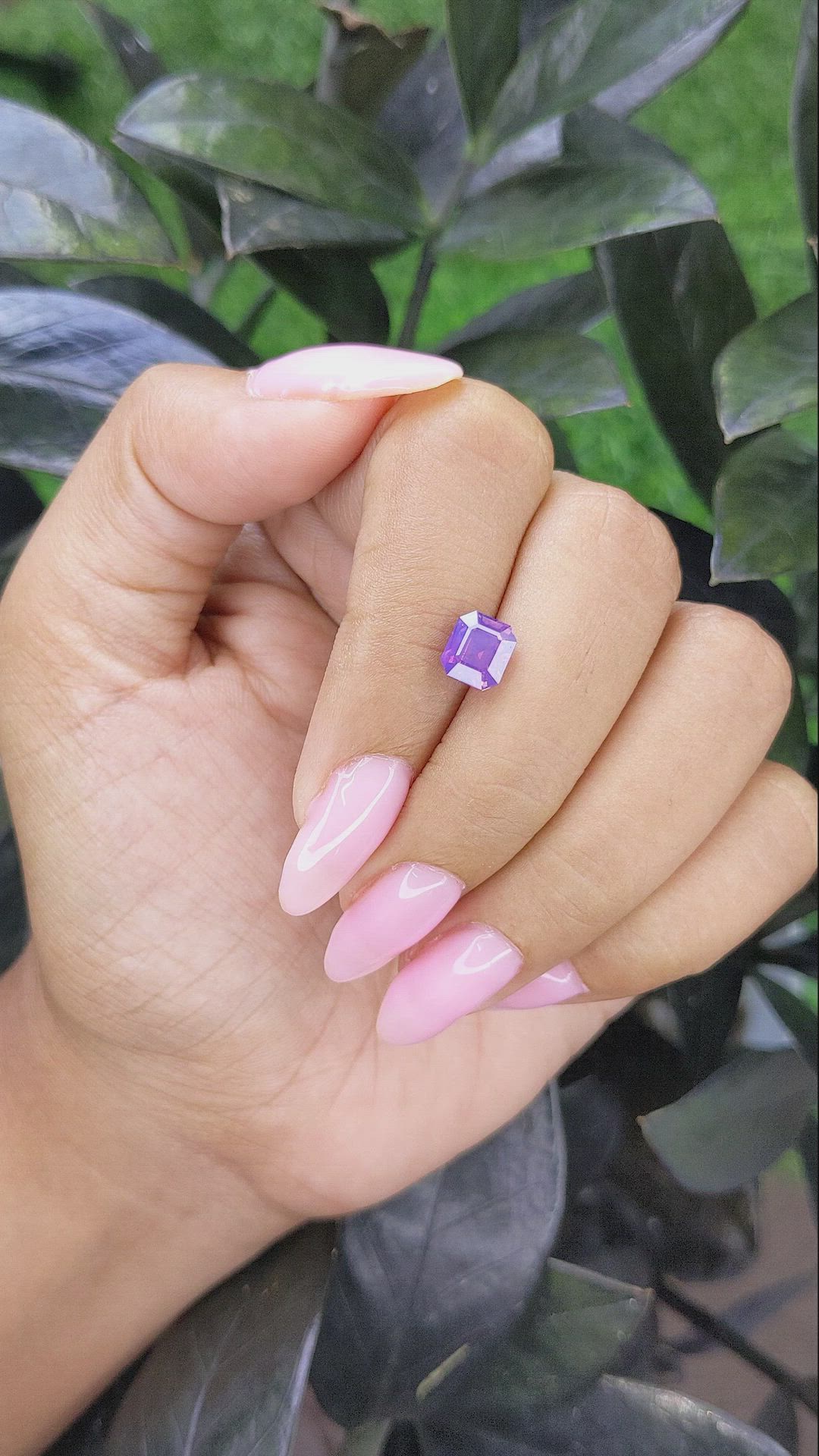


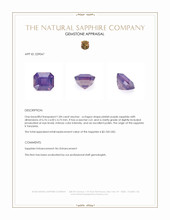

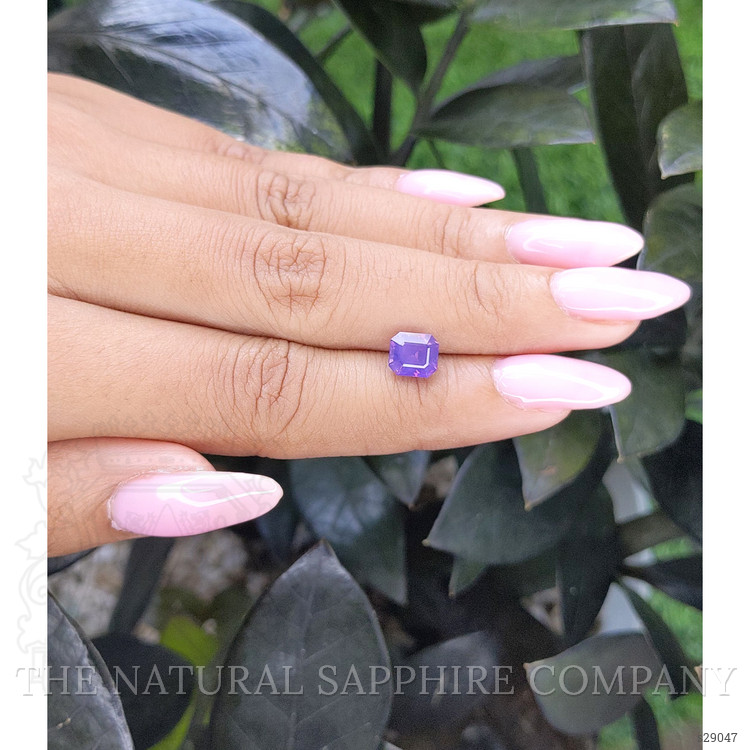
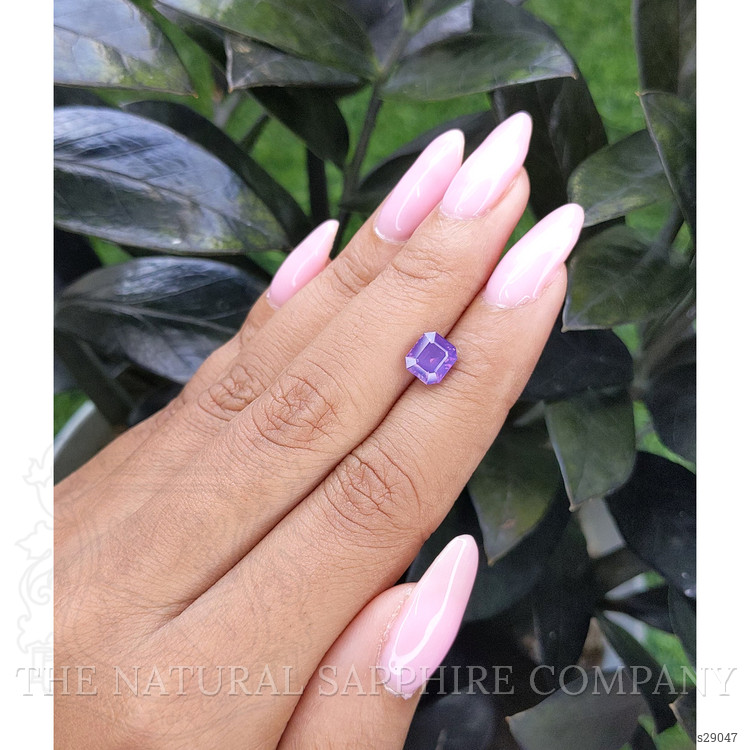
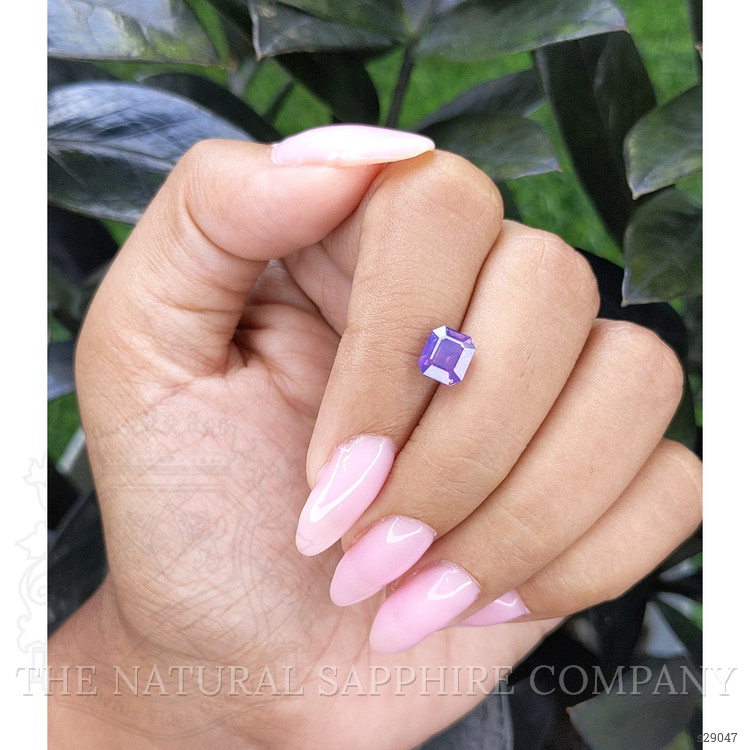


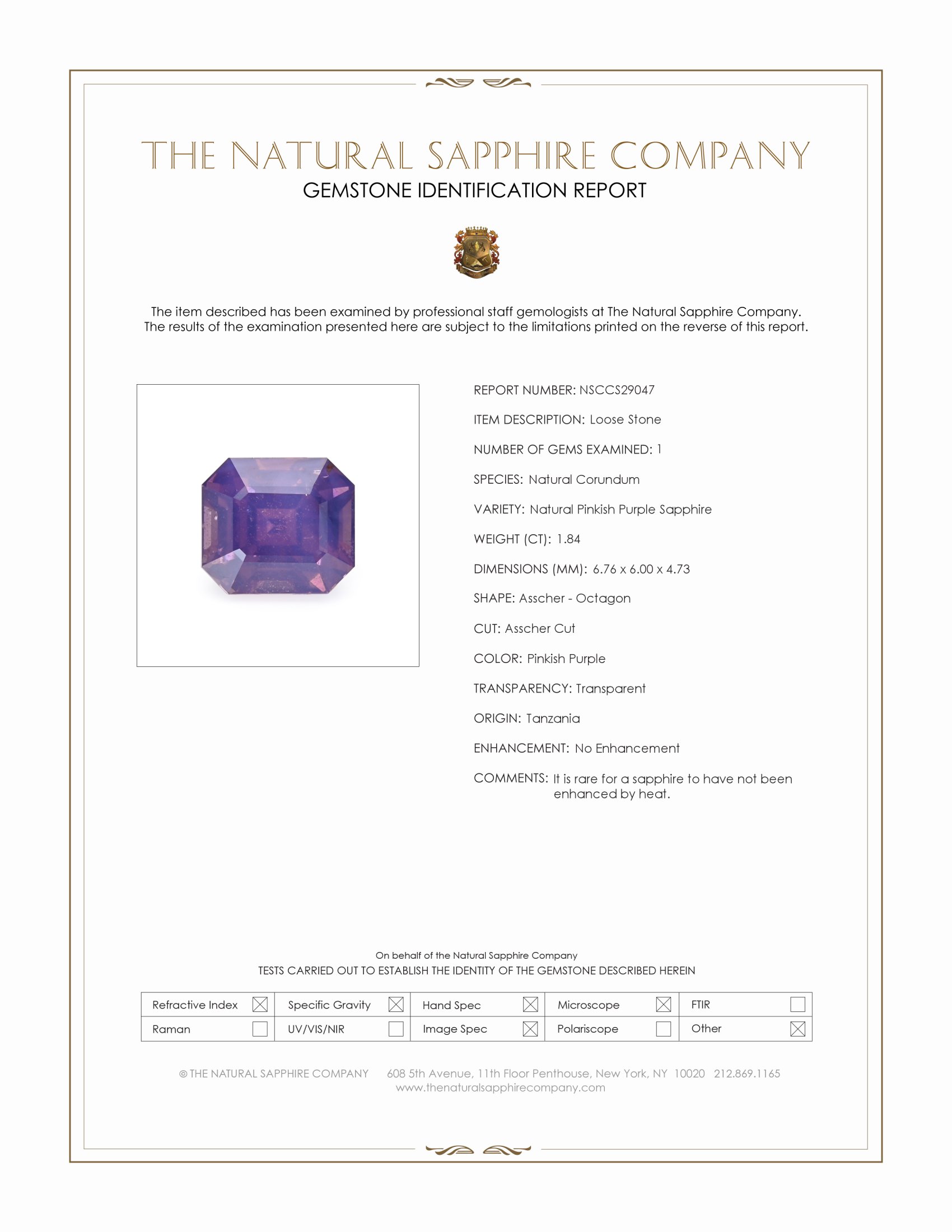
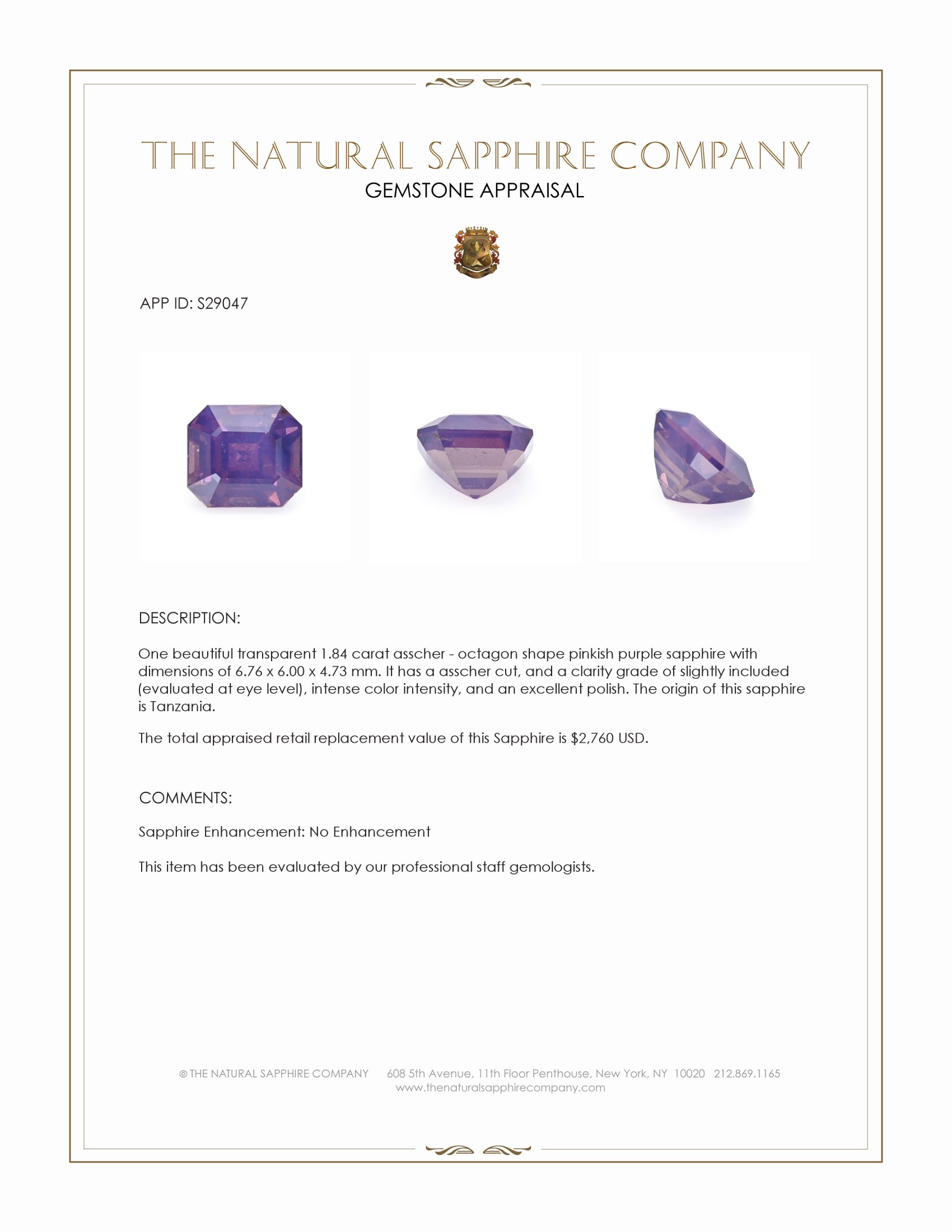
1.84 Ct. Pinkish Purple Sapphire from Tanzania
This loose stone ships by Oct 8
Item ID: | S29047 |
|---|---|
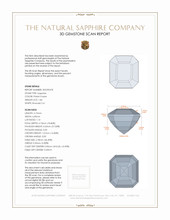
Dimensions (MM): help | Length: 6.76 Width: 6 Height: 4.73 |
Weight: | 1.84 Ct. |
Color: help | Pinkish Purple |
Color intensity: help | Intense |
Clarity: help | Slightly Included |
Shape: help | Asscher - Octagon |
Cut: | Asscher Cut |
Cutting style: | Faceted |
Enhancements: help | No Enhancement |
Origin: help | Tanzania |
Per carat price: help | $1,500 |
This transparent 1.84 carat asscher octagon shape sapphire measures 6.76 by 6.00 by 4.73 millimeters, presenting a distinctly geometric profile and balanced weight for its dimensions. The cutting style is faceted, executed in a traditional asscher arrangement with concentric step facets that converge toward a squared table and trimmed corners, creating the octagonal outline. The body color is a pinkish purple with an intense saturation that reads consistently through the stone, and the clarity is graded slightly included when evaluated at eye level. The polish is excellent, and the stone is natural with no enhancement, originating from Tanzania. These combined attributes establish a clear and objective baseline for assessing how the asscher cut amplifies the sapphire s intrinsic optical properties.
The asscher cut emphasizes the sapphire s interaction with light through a system of large, flat step facets that produce broad, mirror like flashes and a layered depth effect, rather than the point scintillation associated with brilliant cuts. The relatively deep profile of this gem, with a depth of 4.73 millimeters and dimensions that produce a depth proportion of about seventy four percent, concentrates light within the pavilion, enhancing the perception of color saturation and providing a pronounced internal glow. Corundum s vitreous luster and favorable refractive behavior allow these step facets to return strong, even flashes of light across each plane, creating the classic hall of mirrors effect. The octagonal outline preserves more of the gem s original rough shape, which in this specimen achieves efficient material retention while permitting the asscher facet arrangement to align symmetrically with the stone s crystal axes. This alignment assists in even light distribution across the surface, and it accentuates the stone s pleochroic tendencies, allowing the observer to perceive subtle shifts between pink and violet tones as the stone is rotated under light.
The slightly included clarity grade is typical for natural sapphires and does not materially detract from optical performance in this cut, because the step facets tend to mask small directional inclusions and integrate them into the stone s layered visual depth. In practice the inclusions observed at eye level remain unobtrusive, and the excellent polish minimizes surface scatter, maximizing transmitted and reflected light. The larger, well defined facet planes of the asscher design create long, broad flashes that showcase the intense pinkish purple color rather than fragmenting it into small dispersed sparks, thus preserving color integrity while still conveying a refined sense of brilliance. The absence of enhancement confirms that the color and clarity are inherent to the material, which is significant when considering how the cut and natural properties interact. Durable by virtue of corundum s hardness rating, the stone is suited to daily wear, and the asscher geometry frames the gem with a dignified, architectural presence that is both visually striking and technically efficient for light management.
At The Natural Sapphire Company we describe this sapphire with attention to measurable characteristics and observable optical behavior, because the value of a gemstone derives from the harmony between material properties and the decisions made in cutting. This asscher octagon sapphire exemplifies how a step facet design can be used to intensify a saturated color while maintaining clarity and delivering consistent, elegant light reflections. Its Tanzanian origin and untreated state provide context about provenance and natural formation, and the technical execution, seen in the excellent polish and facet symmetry, demonstrates the cutter s ability to balance color concentration with controlled light return. The result is a gemstone that communicates depth and refinement through its cut, color, and material integrity, a clear representation of the attributes we emphasize in our assessments and presentations.


