
- Stone11
- Reports3
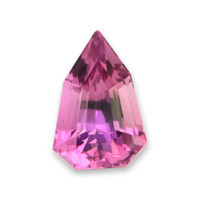
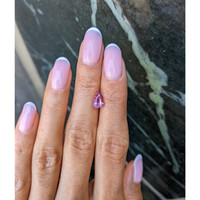

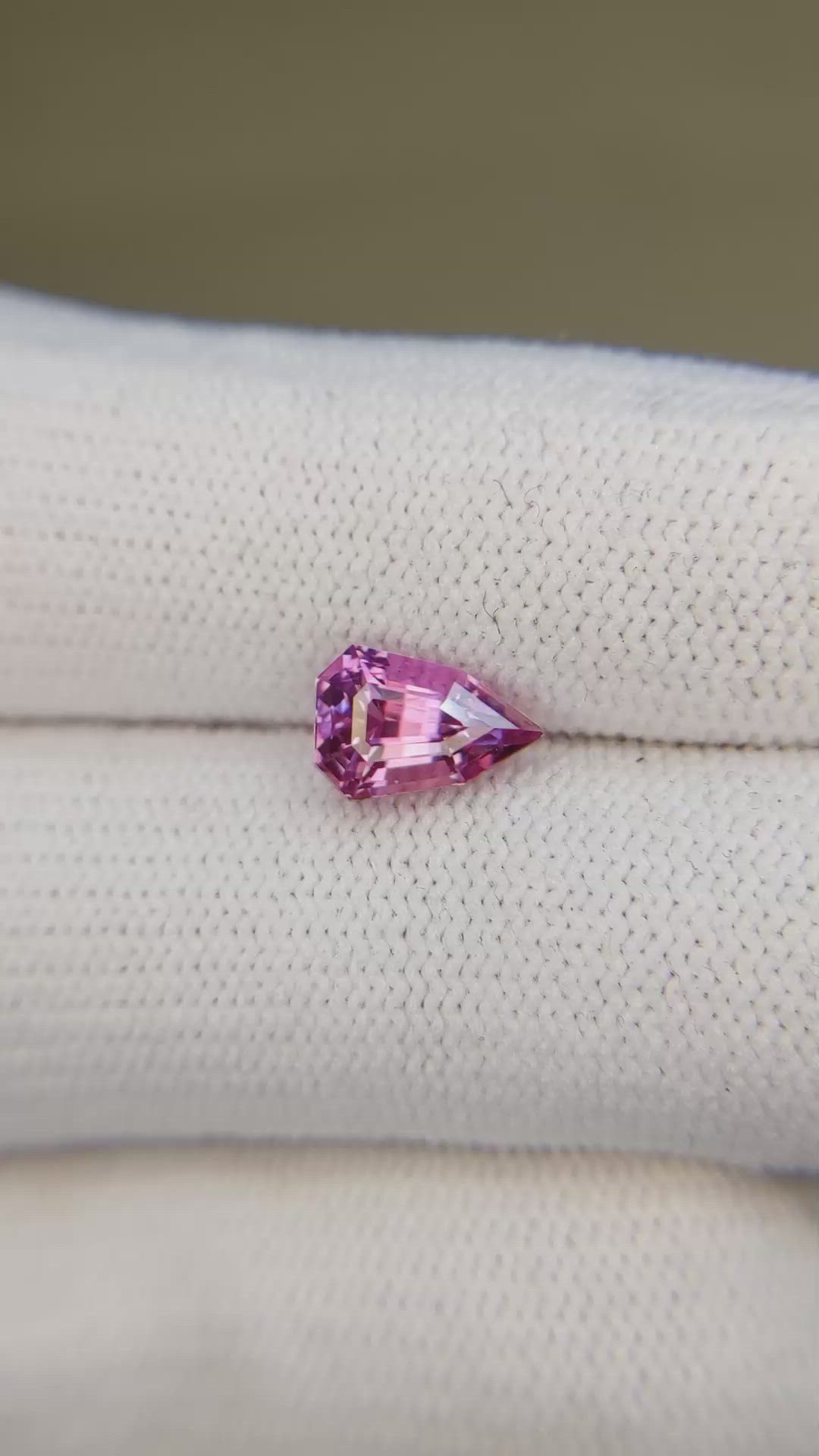
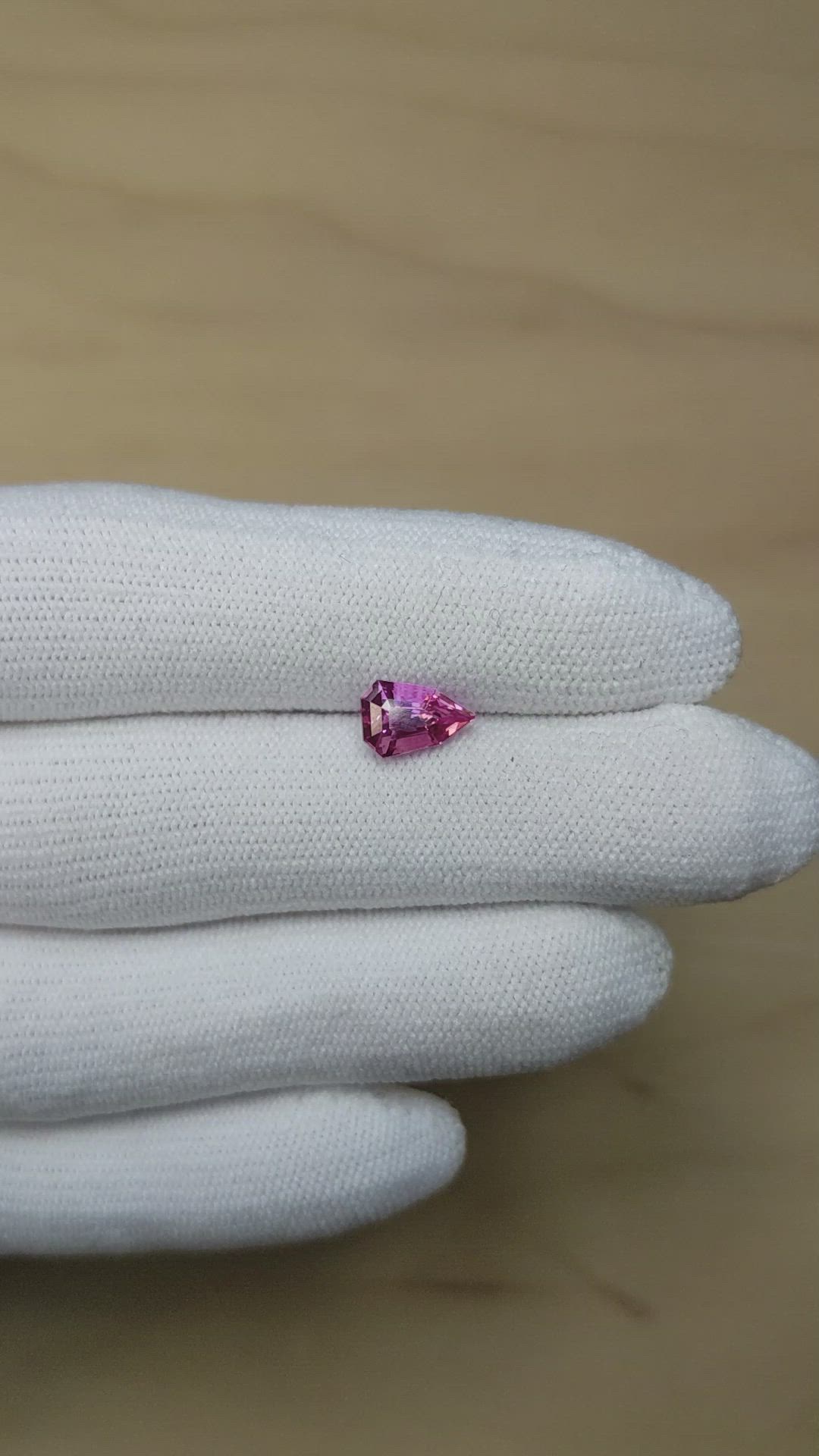
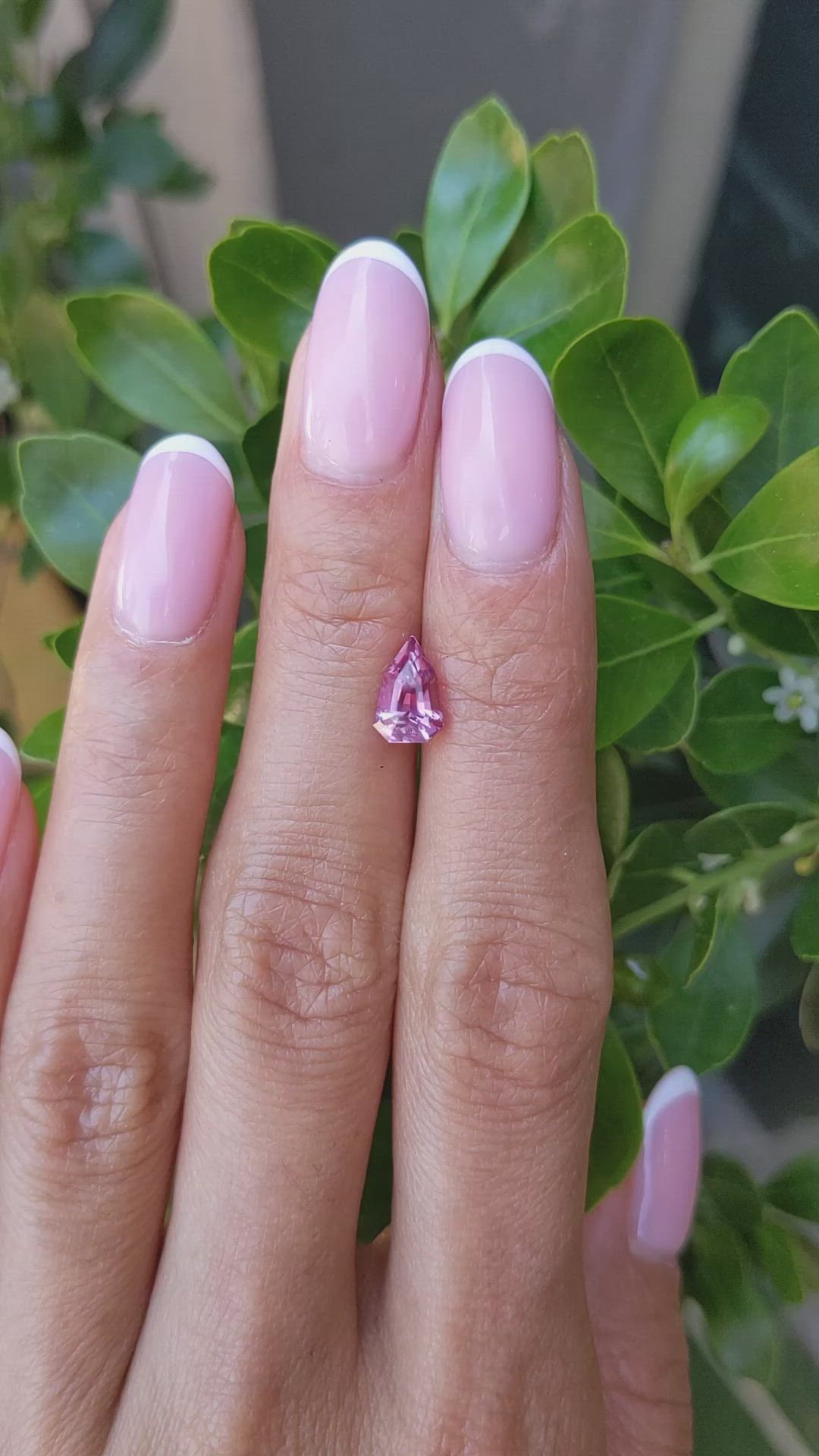


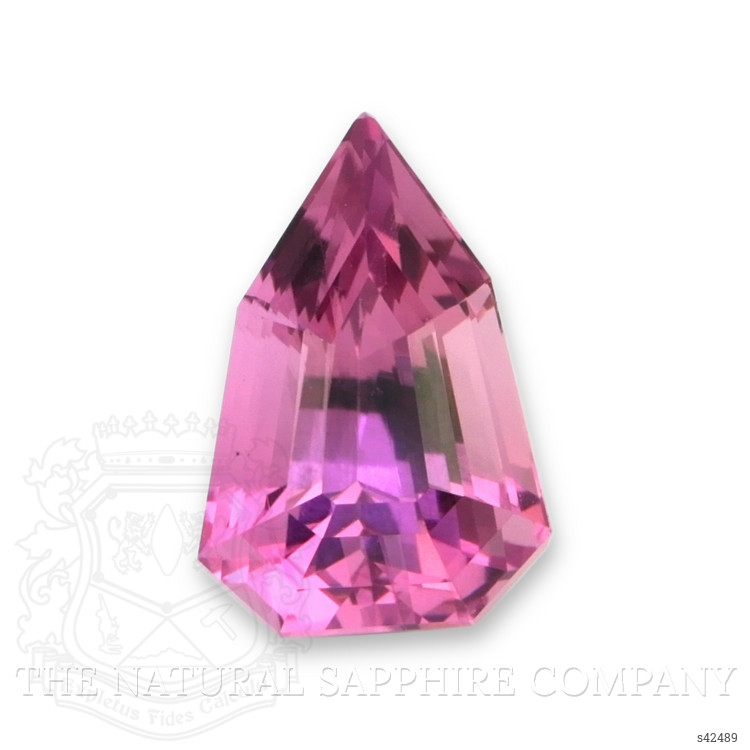
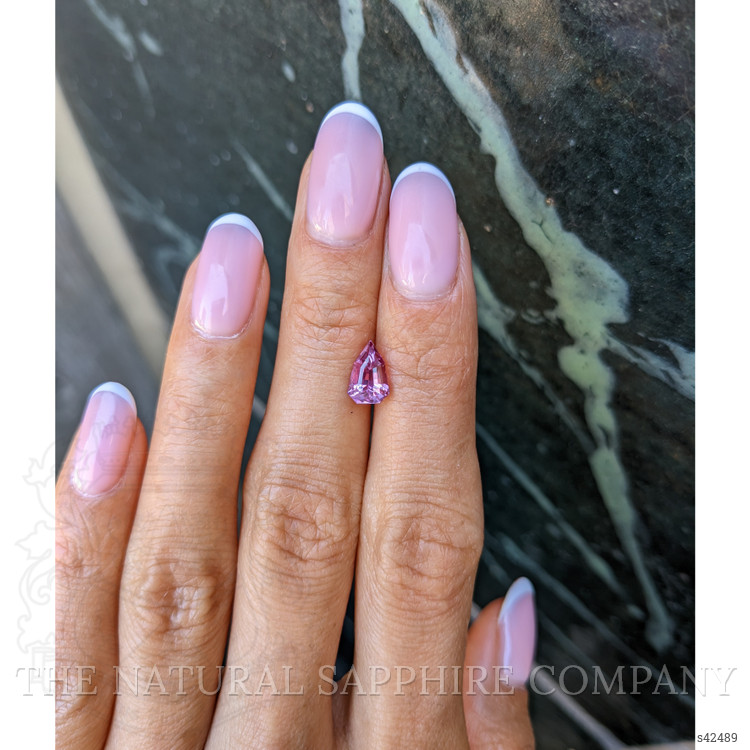
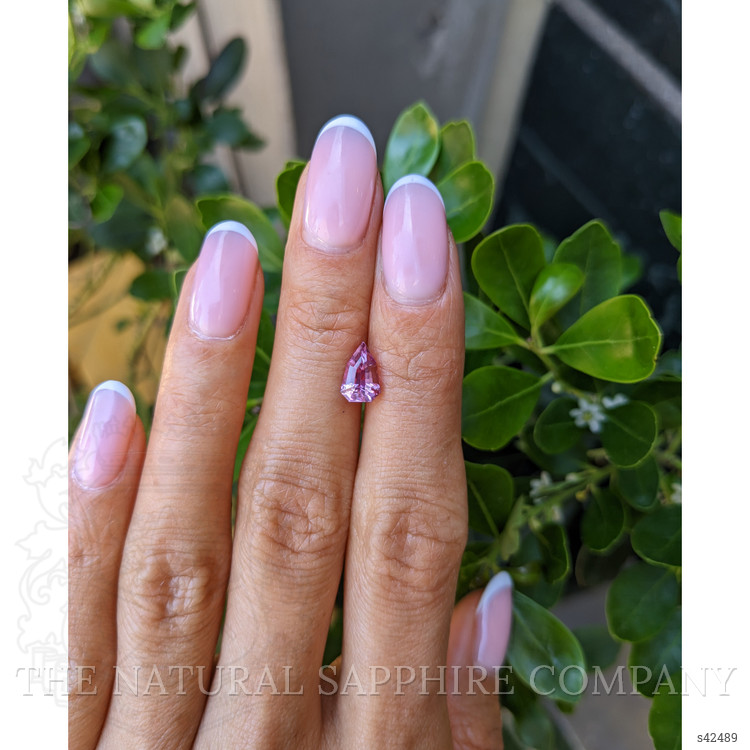


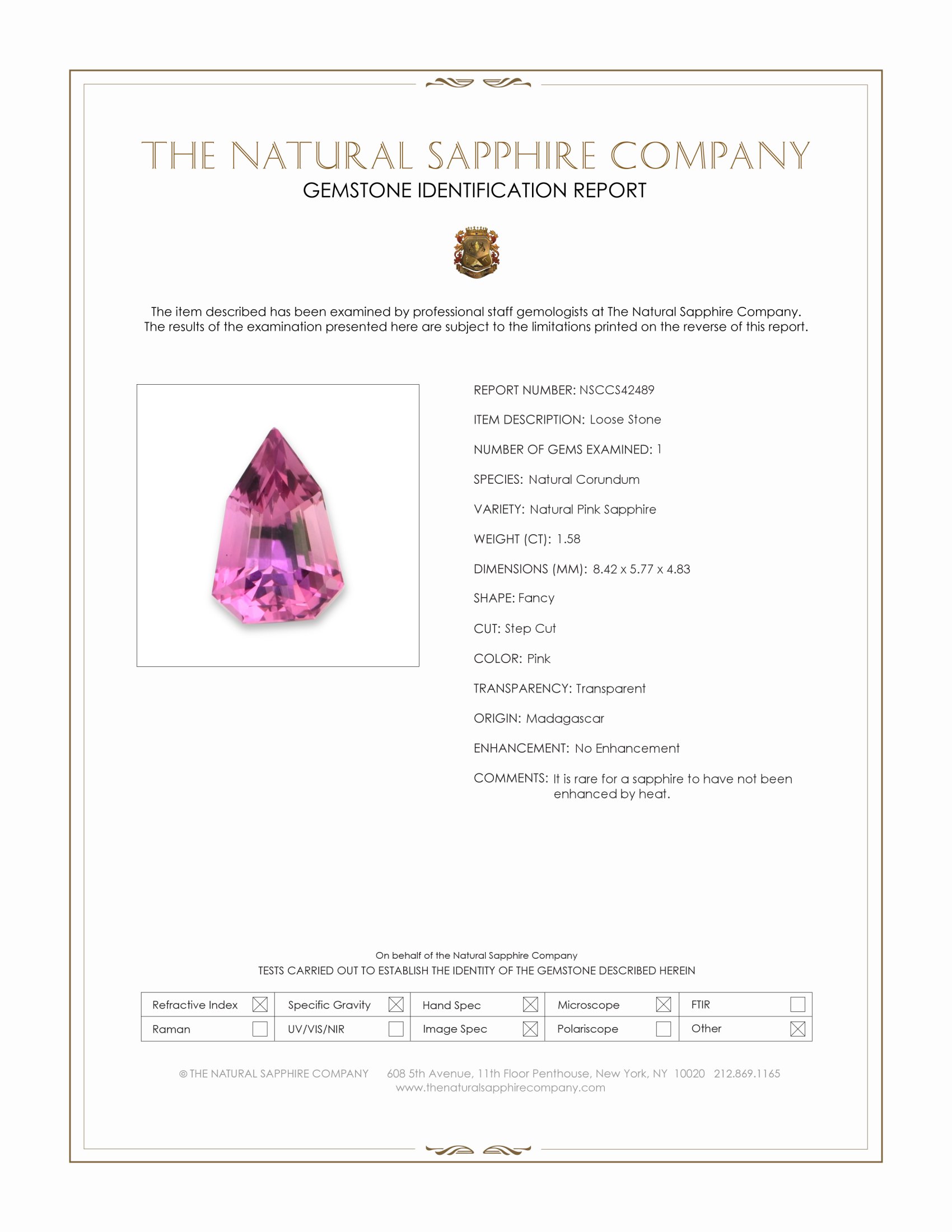
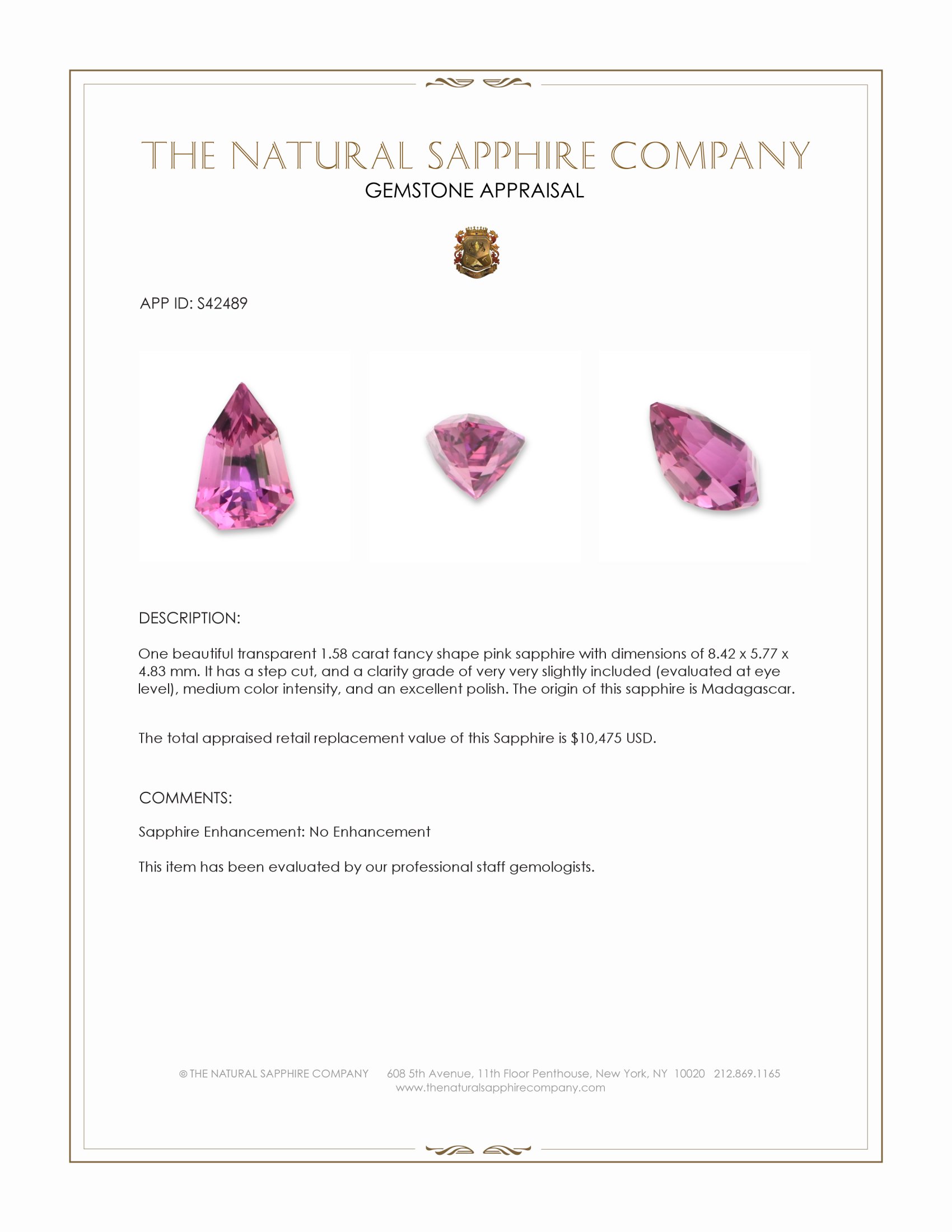
1.58 Ct. Pink Sapphire from Madagascar
This loose stone ships by Sep 10
Item ID: | S42489 |
|---|---|
Dimensions (MM): help | Length: 8.42 Width: 5.77 Height: 4.83 |
Weight: | 1.58 Ct. |
Color: help | Pink |
Color intensity: help | Medium |
Clarity: help | Very Very Slightly Included |
Shape: help | Fancy |
Cut: | Step Cut |
Cutting style: | Faceted |
Enhancements: help | No Enhancement |
Origin: help | Madagascar |
Per carat price: help | $6,630 |
This transparent, fancy shape pink sapphire weighs 1.58 carat, and measures 8.42 by 5.77 by 4.83 millimeters, a proportion that suits elegant settings, The Natural Sapphire Company presents this gem with a precision step cut, a facet architecture that emphasizes parallel pavilion and crown planes to produce crisp light corridors and a refined, architectural flash. The step cut, combined with an excellent polish, yields strong windowing of the internal color, allowing the medium color intensity to present as a pure, evenly distributed pink under controlled lighting. Clarity is graded as very very slightly included, evaluated at eye level, indicating only minute internal features that do not distract from the stone to unaided observation, and which in fact contribute to the gemological signature that confirms natural origin. No enhancement has been applied, the sapphire is untreated, and this preserves both the integrity of the crystal lattice and the original color saturation and distribution associated with high quality Madagascar material.
The geological narrative of this sapphire begins millions of years ago in the high grade metamorphic terrains of Madagascar, where aluminum rich protoliths underwent protracted metamorphism and recrystallization under elevated pressures and temperatures, allowing corundum to form as aluminum oxide crystals. Trace substitution of chromium into the corundum lattice is the chromophore mechanism responsible for the pink hue, with chromium ions absorbing specific wavelengths and producing the vivid pink that this specimen displays. Crystal growth occurred in slowly cooling environments, often associated with pegmatitic pockets and contact metamorphic zones, where hydrothermal fluids and slow diffusion permitted the development of euhedral crystals with well defined crystallographic faces. Tectonic uplift and erosion eventually exposed these pockets, enabling recovery by careful mining, after which experienced cutters optimized the step cut to balance weight retention with optical performance, and lapidaries achieved an excellent polish that maximizes light return and face up brilliance. When you select this stone from The Natural Sapphire Company, you are acquiring a documented, untreated Madagascar sapphire, whose formation history, precise dimensions, and meticulous finishing combine to offer a gem that appeals to collectors and connoisseurs who prioritize natural provenance and exacting craftsmanship.


