
- Stone14
- Reports3
-pear-pink-sapphire-1.1000-cts-s45651-1.jpg?d=200x200&v=20260729015551)


-pear-pink-sapphire-1.1000-cts-s45651-1.jpg?d=750x750&s=nsc&v=20260729015551)
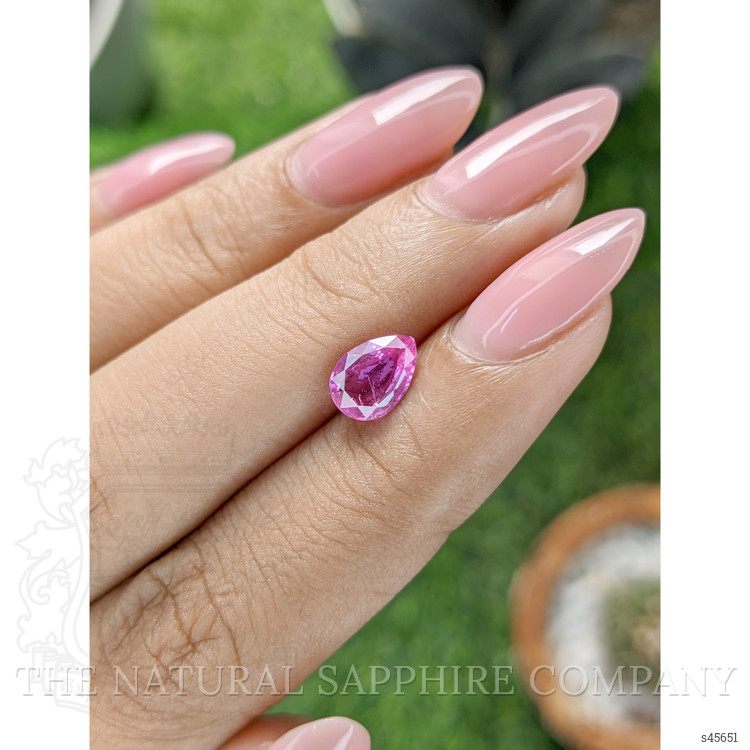
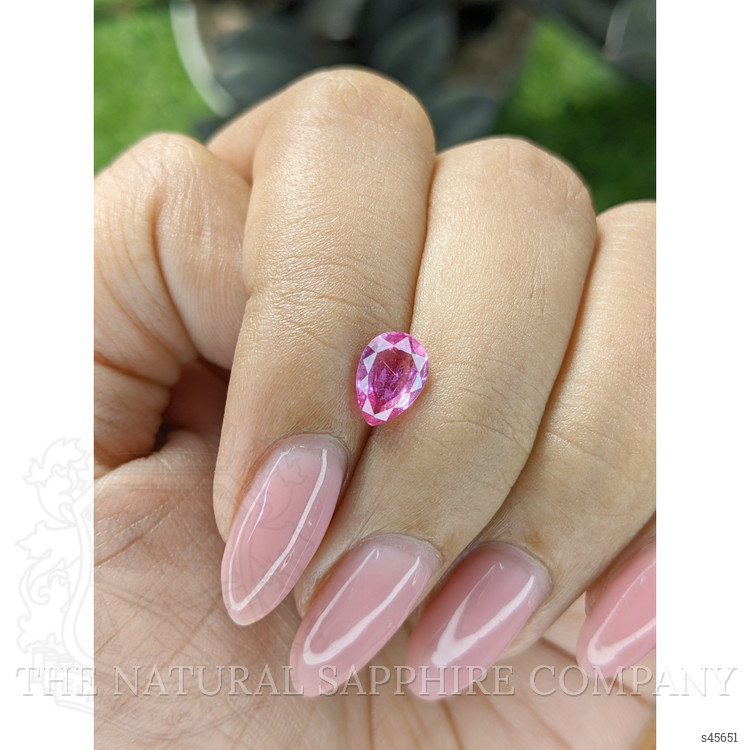
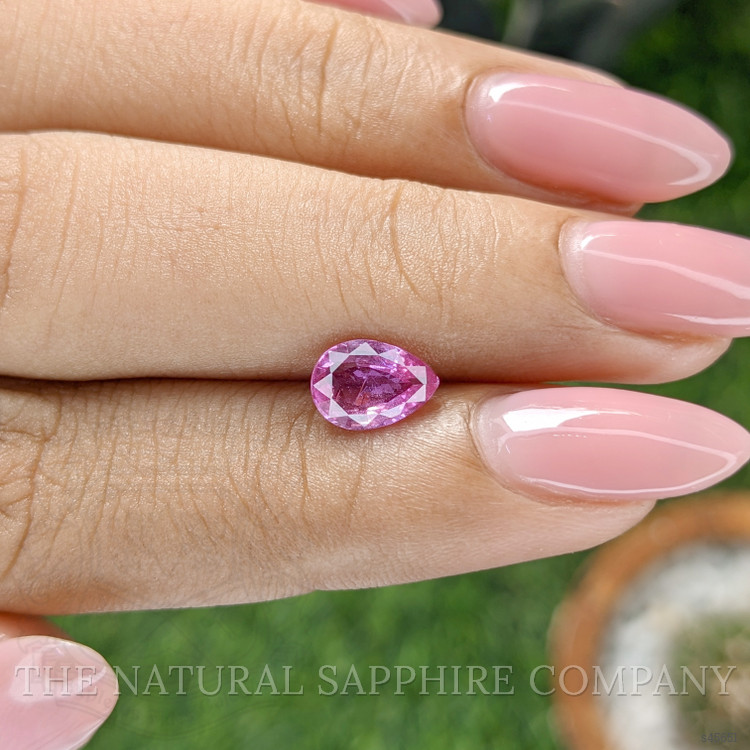

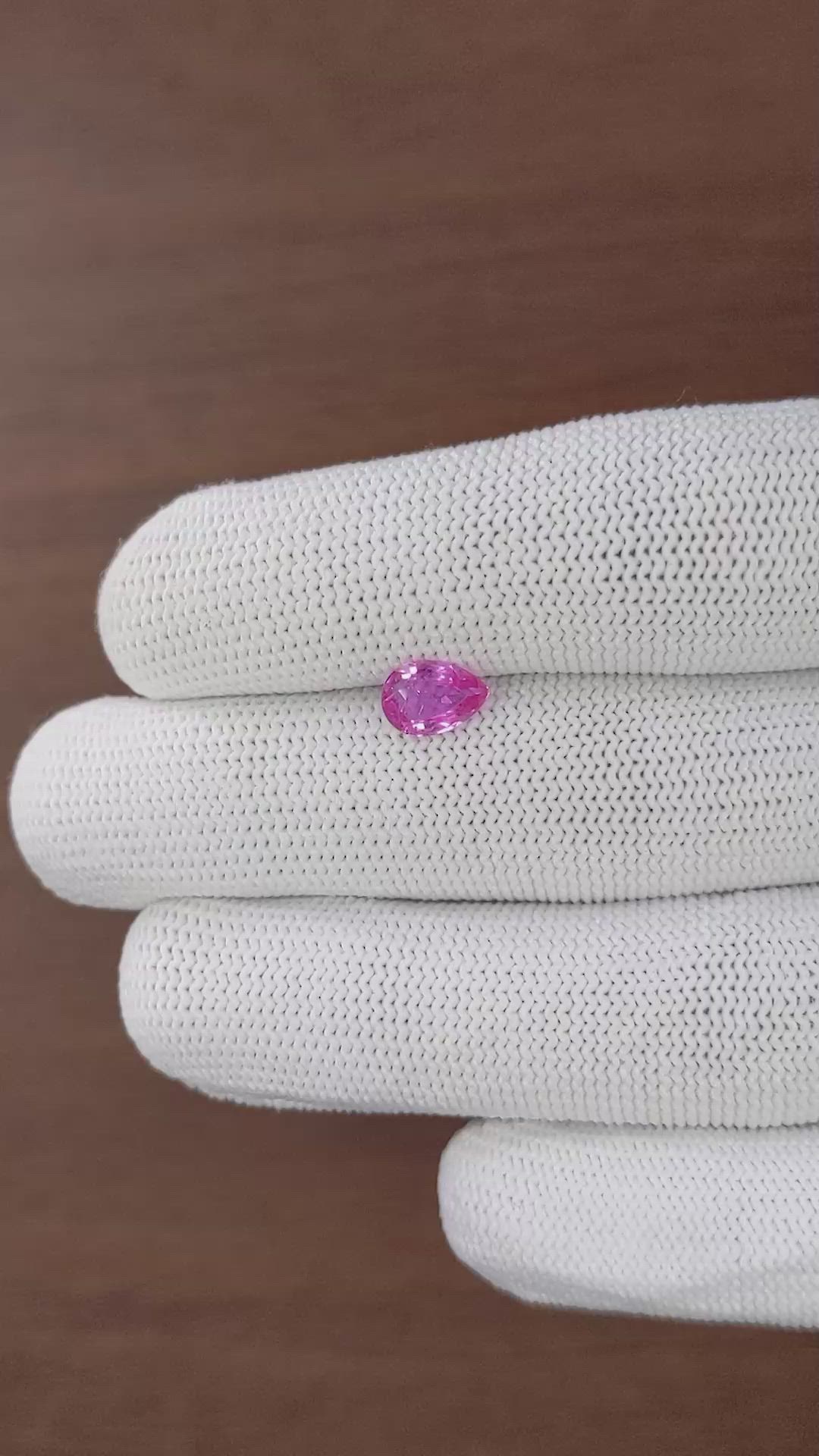
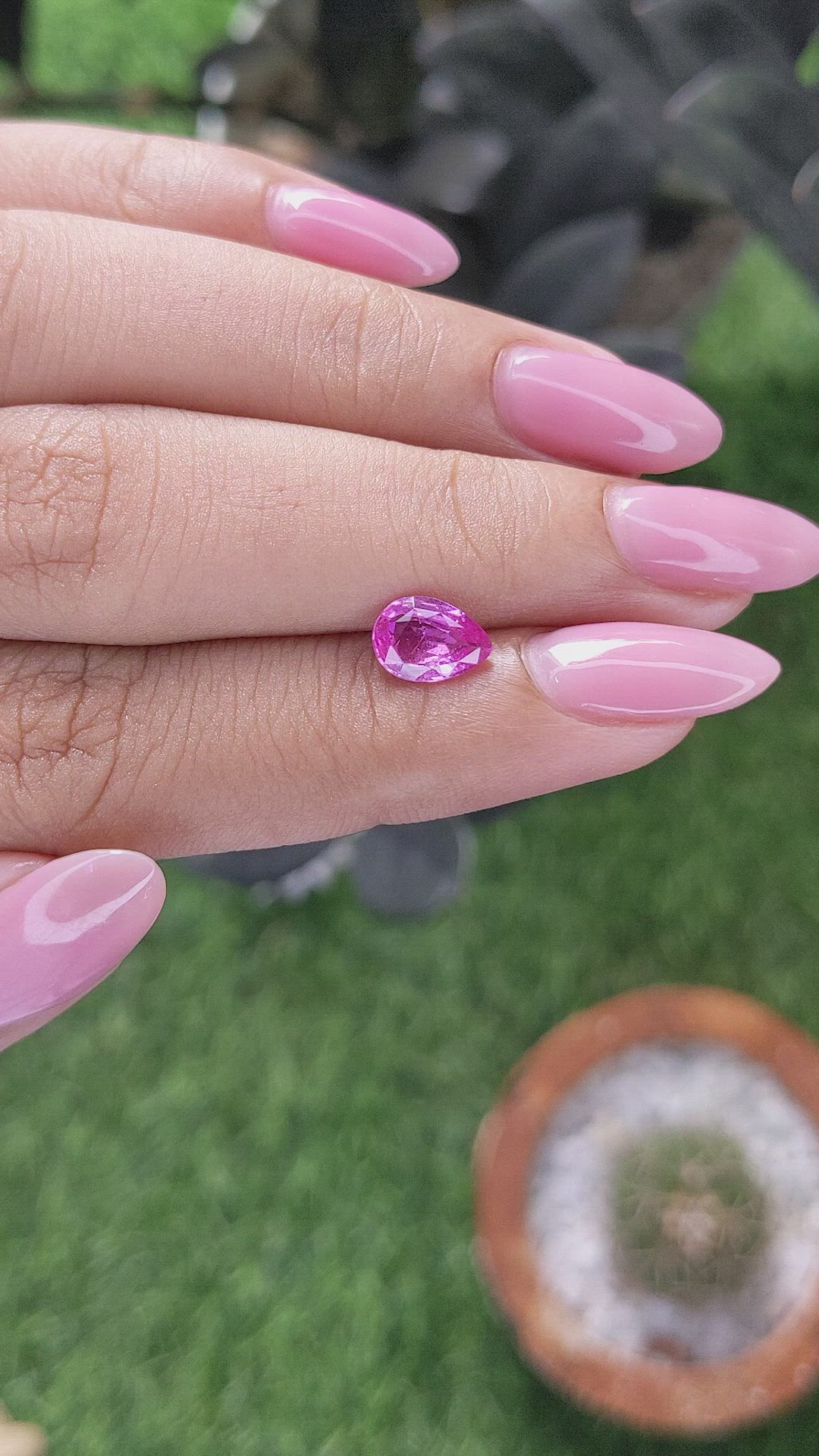
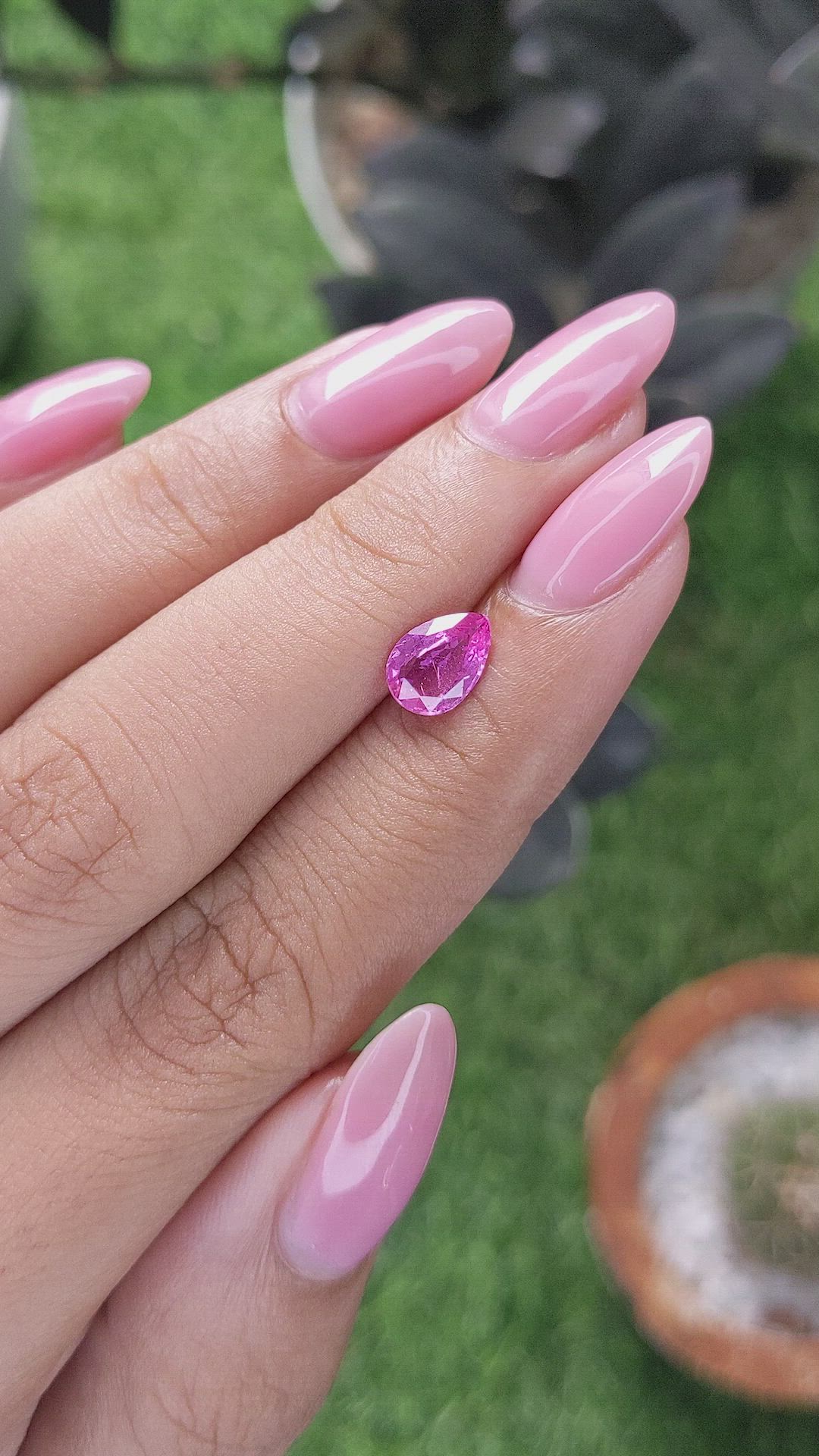
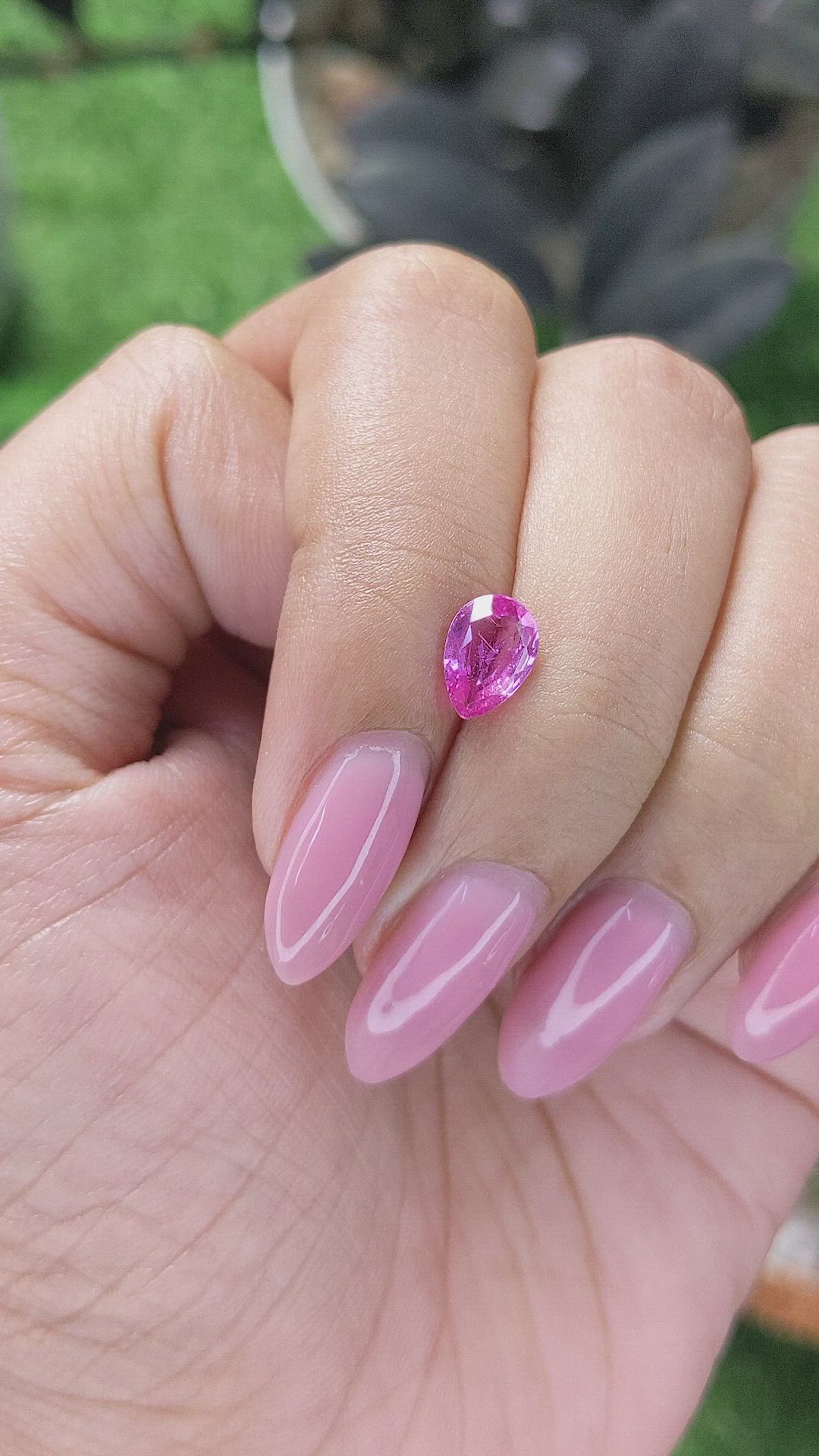
1.10 Ct. Purplish Pink Sapphire from Madagascar
This loose stone is available to ship now
Item ID: | S45651 |
|---|---|
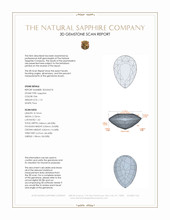
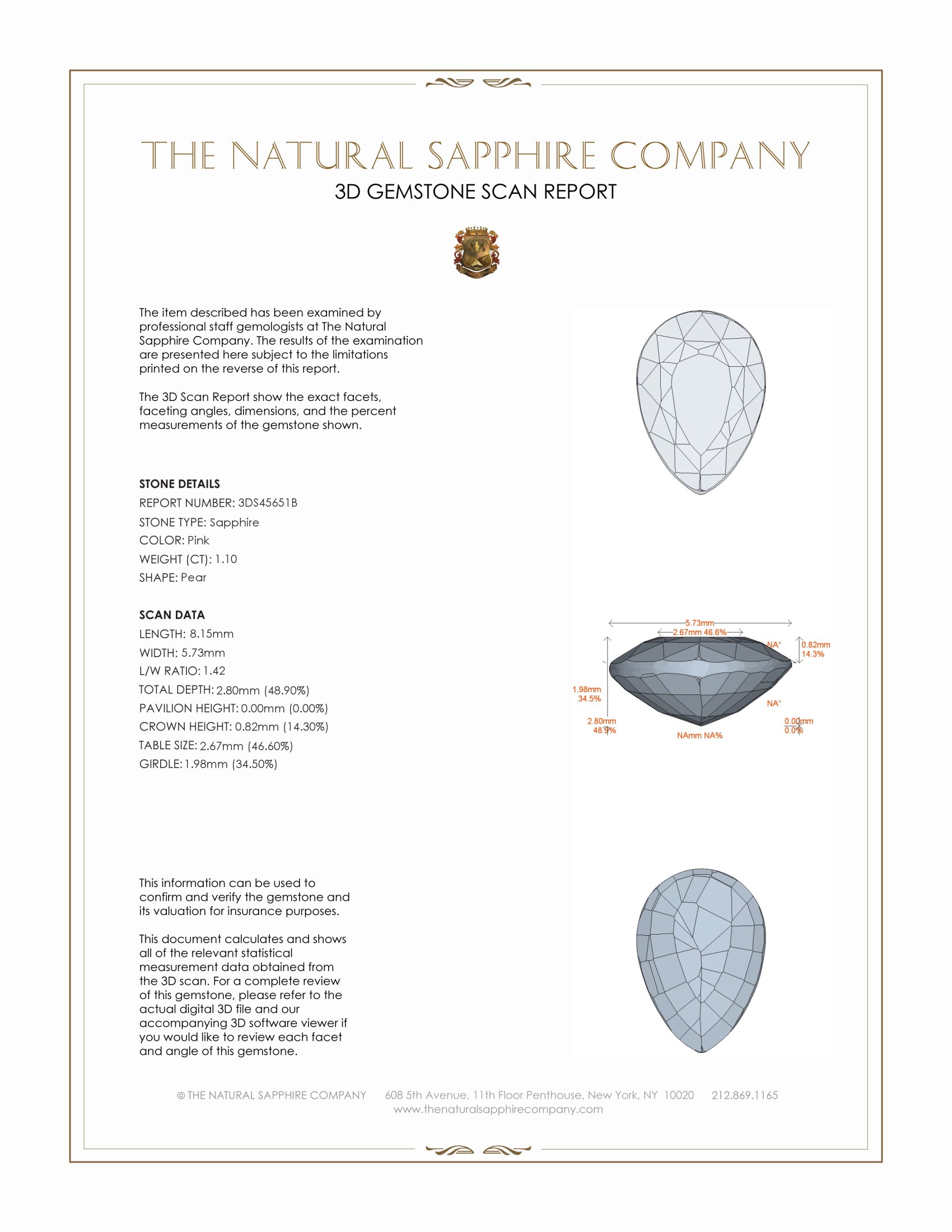
Dimensions (MM): help | Length: 8.15 Width: 5.73 Height: 2.8 |
Weight: | 1.10 Ct. |
Color: help | Purplish Pink |
Color intensity: help | Intense |
Clarity: help | Slightly Included |
Shape: help | Pear |
Cut: | Mixed Brilliant Cut |
Cutting style: | Faceted |
Enhancements: help | Heat Treated |
Origin: help | Madagascar |
Per carat price: help | $1,100 |
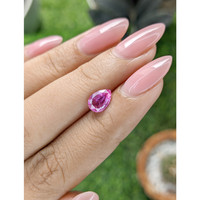
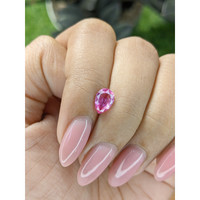
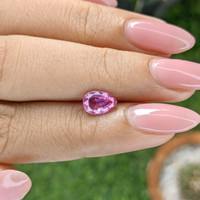
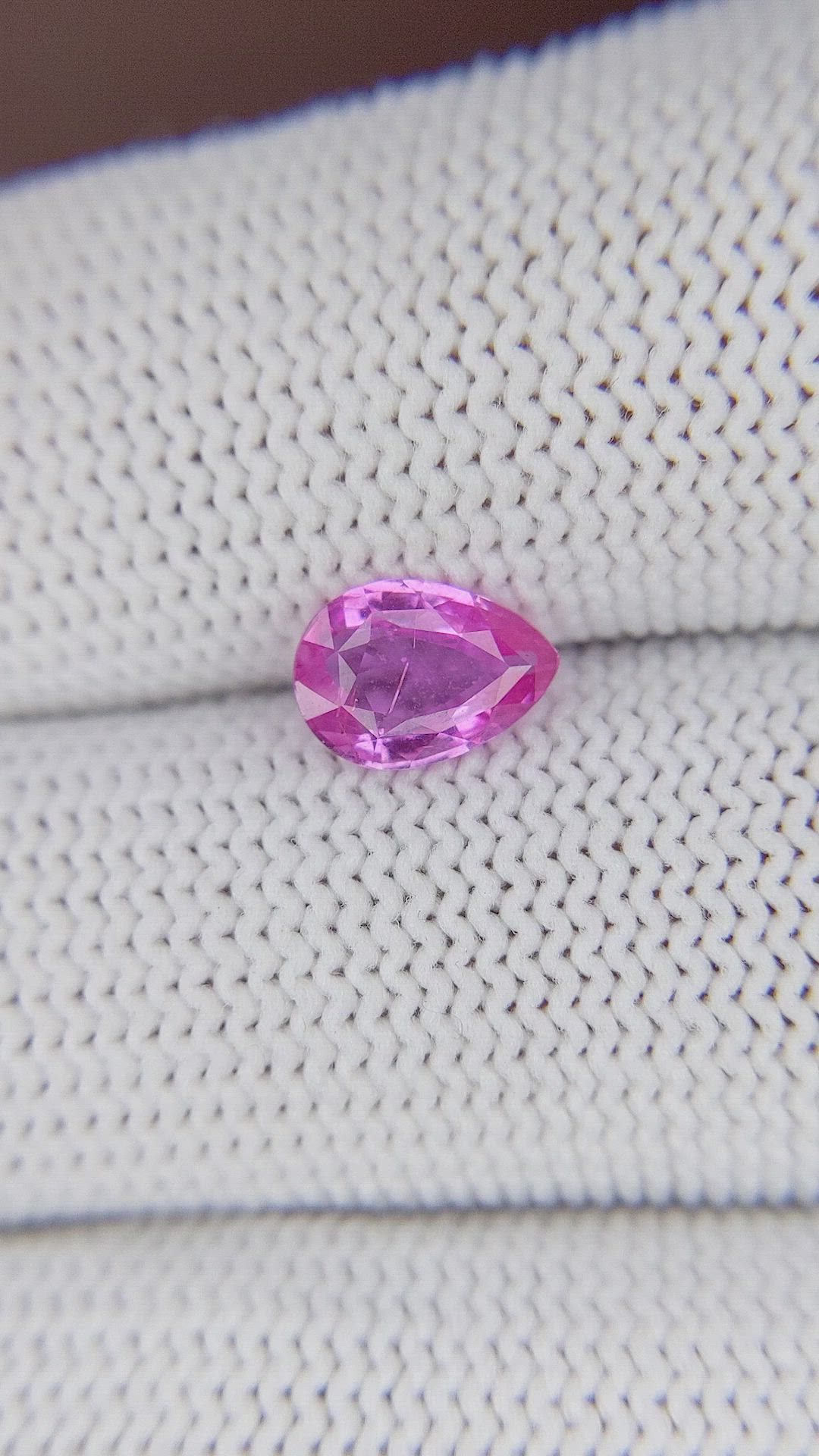
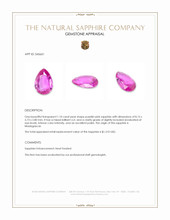
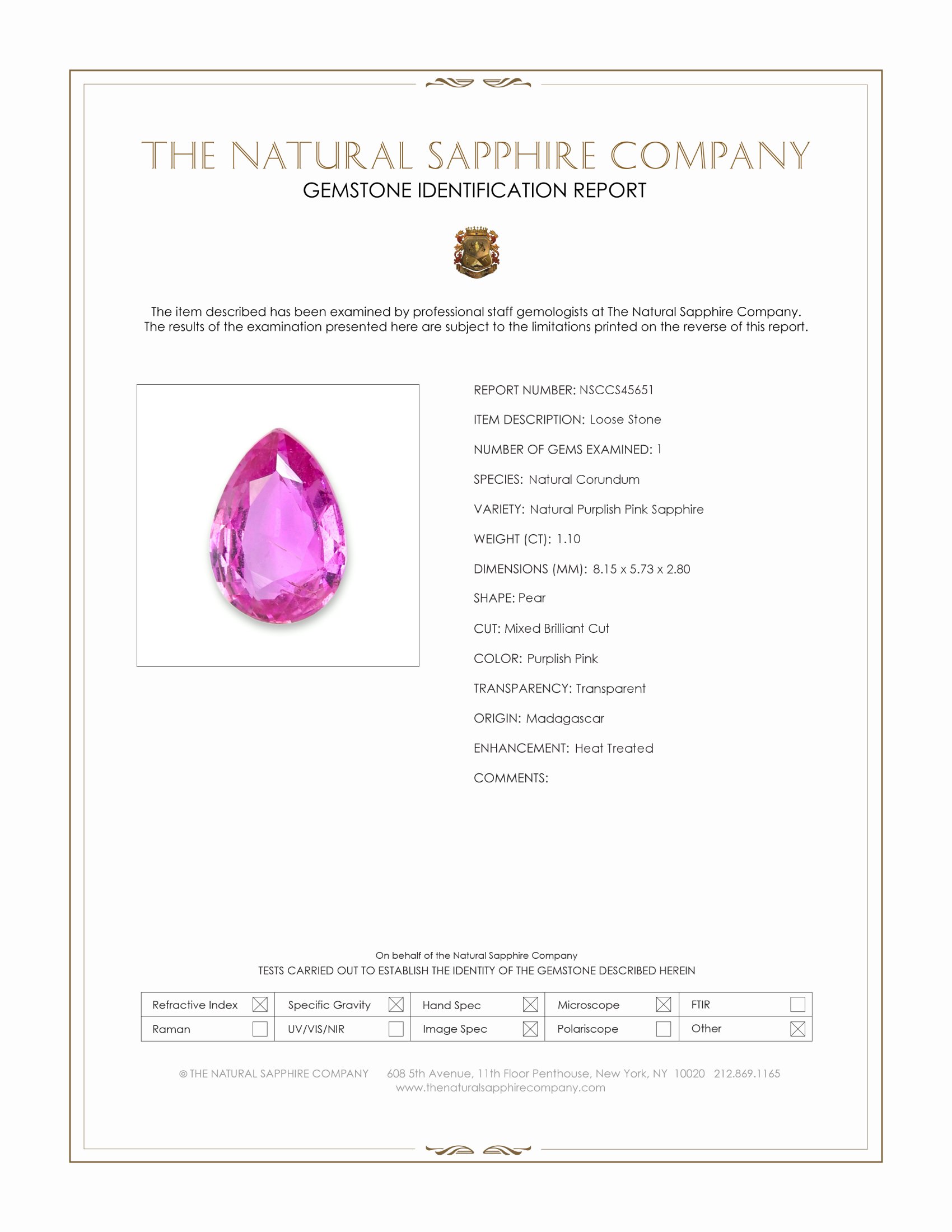
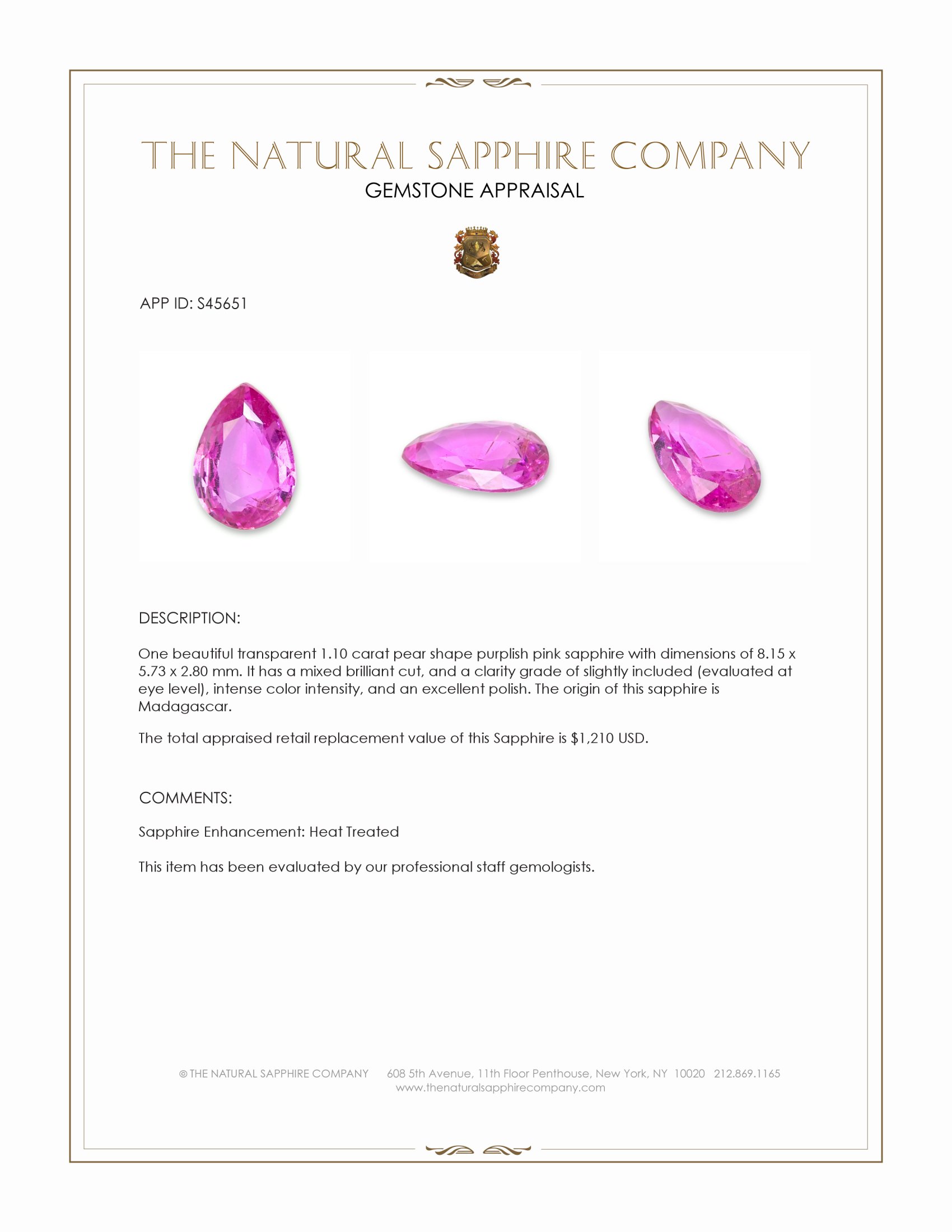
This pear shape purplish pink sapphire weighs 1.10 carat, and measures 8.15 by 5.73 by 2.80 mm, with a mixed brilliant cut that maximizes fire and scintillation, and an excellent polish that gives each facet crispness and mirror like reflections. The color intensity is described as intense, a saturation level that makes the purplish pink hue vivid and desirable without appearing overworked. Clarity has been evaluated as slightly included at eye level, meaning that a practiced observer can identify small natural inclusions without the need for magnification, and those inclusions do not detract from the gem being transparent and lively. This stone has been heat treated, a standard and stable enhancement that refines color and transparency while preserving the natural crystal structure. Origin is Madagascar, a source increasingly prized for producing vibrant corundum of fine color and character. The Natural Sapphire Company offers this sapphire with full disclosure of its treatment and origin, and with measurements and observations that reflect trade standard grading so that informed buyers can assess value with confidence.
To appreciate this gemstone one must travel back in time to the deep geological crucible where corundum crystals are forged, a process that took place over millions of years. In a region that would become Madagascar, aluminum rich rocks were subjected to intense heat and pressure during tectonic events, causing aluminum and oxygen to bond into the dense corundum mineral. Trace amounts of chromium entered growing crystals during formation, and those chromium atoms are the primary cause of pink color in corundum. At the same time, minor contributions from iron and titanium can shift hue toward purplish tones by subtly altering the way the crystal absorbs light. Over geologic timescales, these nascent sapphires were liberated from their primary hosts by erosion and transported into river systems, where they were further abraded and concentrated in alluvial gravels, or in some deposits they remained in altered igneous or metamorphic pockets. The mixed brilliant cut you see now is the result of human artistry applied to a stone that began as a microscopic crystal lattice in the deep crust. Heat treatment in the modern lapidary studio gently enhanced the color and reduced unwanted zoning, without compromising the crystal integrity that was established long before humans walked the landscape.
For the educated buyer who evaluates both scientific pedigree and visual impact, this purplish pink sapphire represents a compelling balance of rarity and market practicality. Intense color in pink sapphires is less common than more muted tones, and an evenly saturated purplish pink in a transparent 1.10 carat stone is particularly desirable because it reads strongly in a variety of jewelry settings while remaining wearable daily. The mixed brilliant cut contributes to superior light performance, offering lively scintillation from the crown and strong return from the pavilion, and the excellent polish ensures that light is not scattered by surface imperfections. Clarity described as slightly included at eye level is a transparent and honest grading term, indicating natural internal features that may be visible under certain lighting, but do not compromise structural integrity. From a gemological standpoint heat treatment is a widely accepted and stable enhancement when properly disclosed, and it often improves the visual appeal without altering durability. The Malagasy origin adds provenance value, since Madagascar has produced a notable range of high quality sapphires that combine attractive color with modern ethical sourcing practices. At The Natural Sapphire Company we document origin and treatment, and we provide precise measurements so buyers who are comparing stones can do so on an apples to apples basis.
In practical terms this sapphire is suited for a range of settings where its pear shape and dimensions can be showcased, and where the intense color will remain the focal point. A secure bezel or well proportioned prong setting will protect the pointed tip, and the stone is hard and durable enough for everyday wear when set responsibly. For collectors who value transparency in the supply chain, this stone comes with the kind of disclosure and assessment that supports confident purchasing decisions. The interplay of geological history, trace element chemistry, expert cutting, and responsible enhancement make this purplish pink sapphire a gem that will appeal to connoisseurs seeking an investment grade aesthetic and a clear record of origin and treatment. Purchases through The Natural Sapphire Company include this level of detail so that buyers know exactly what they are acquiring, and so that the beauty of this stone can be appreciated both emotionally and scientifically.


