- Stone14
- Reports3
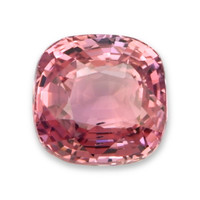
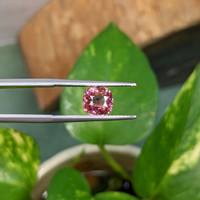
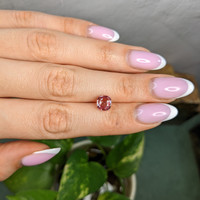
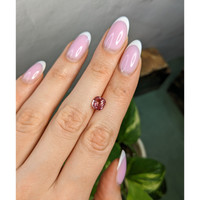
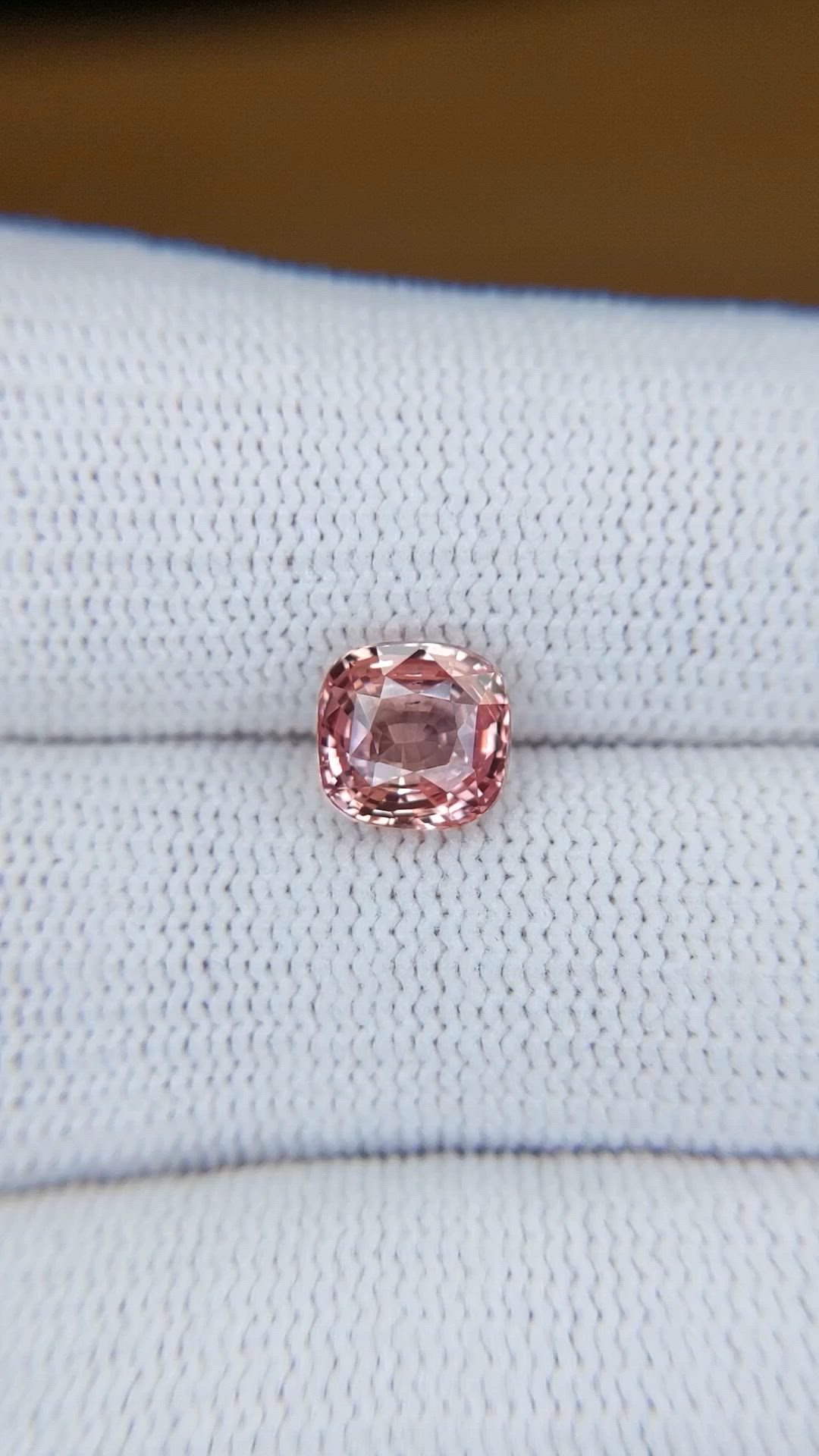
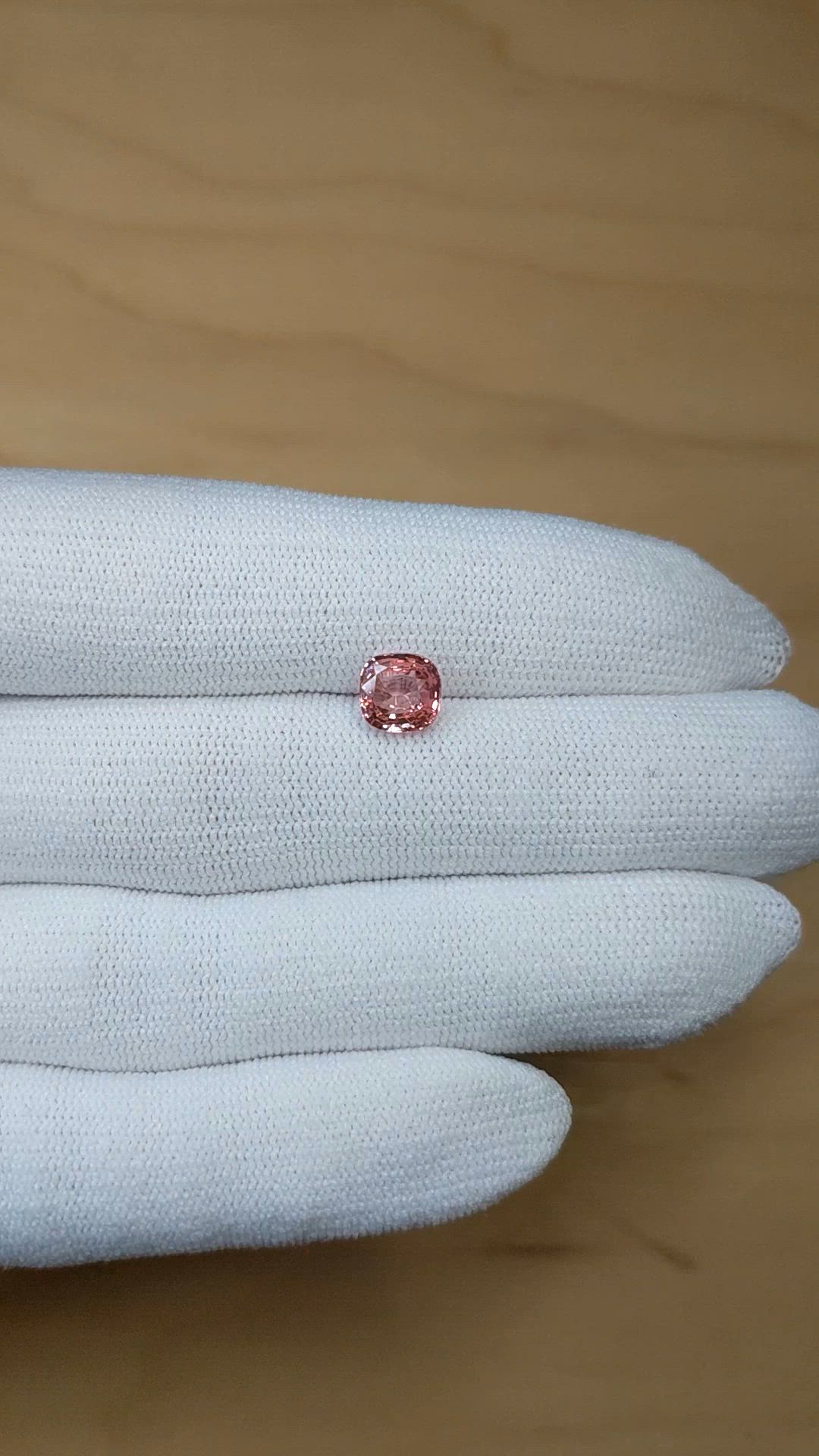
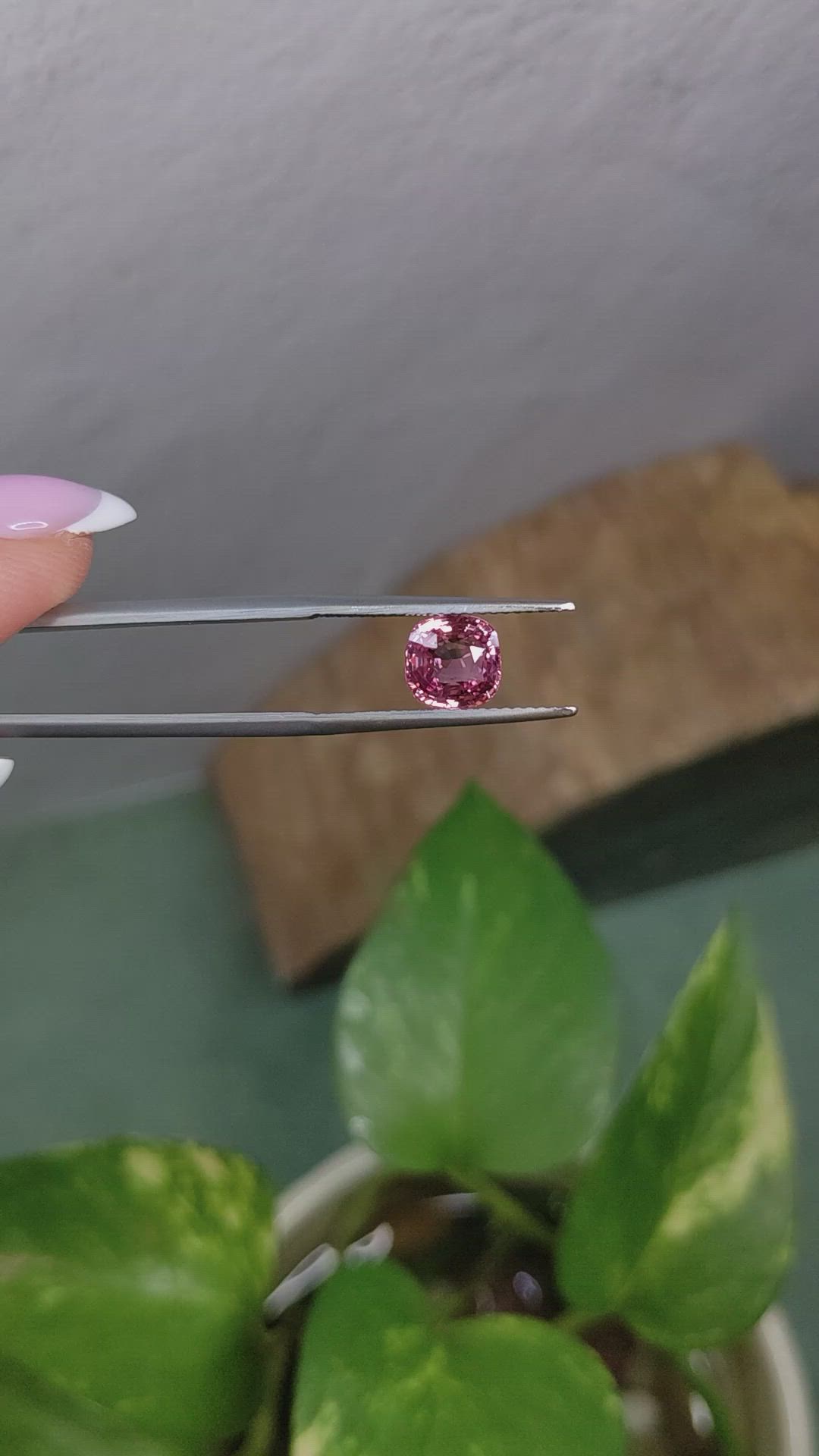
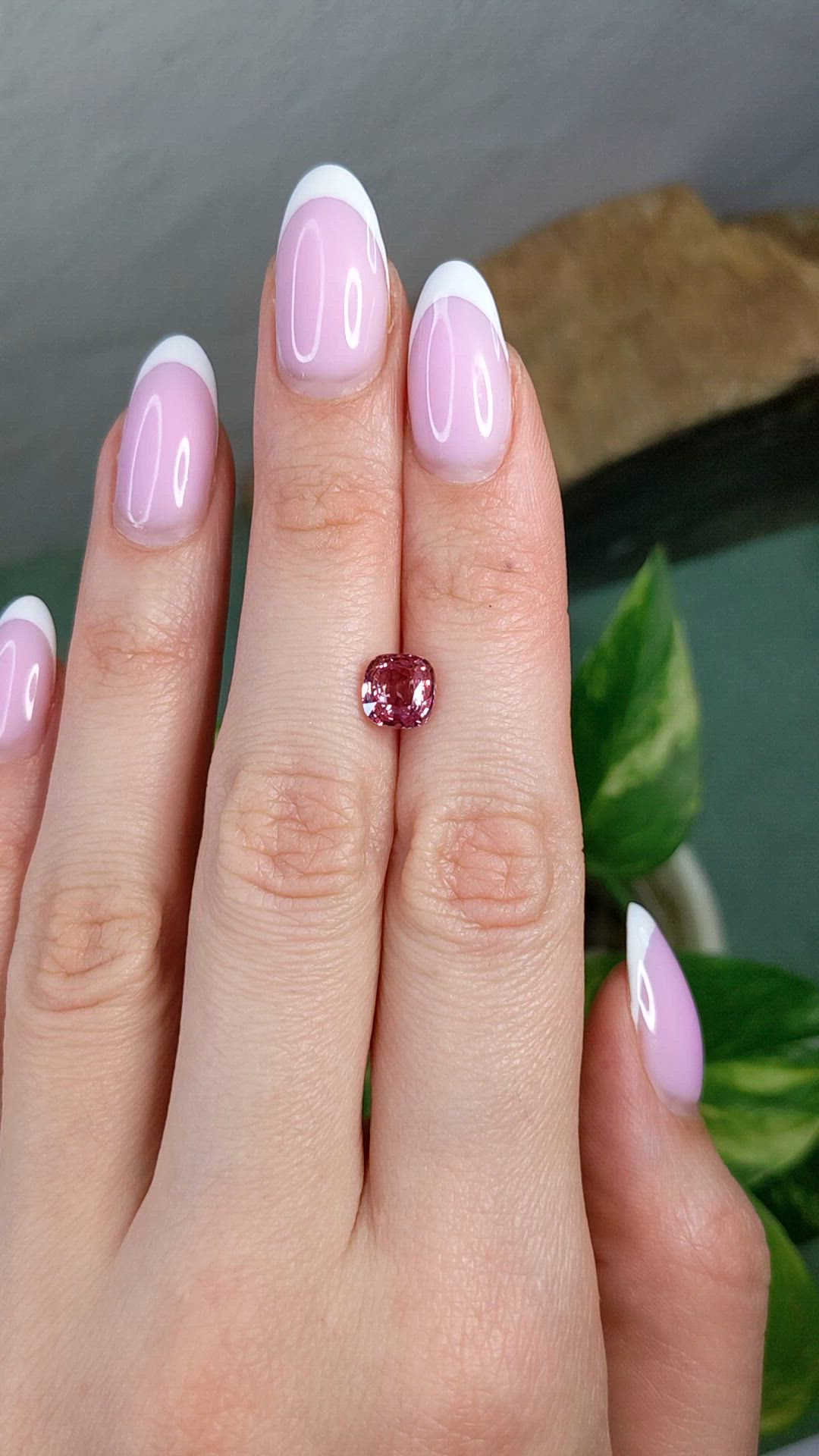
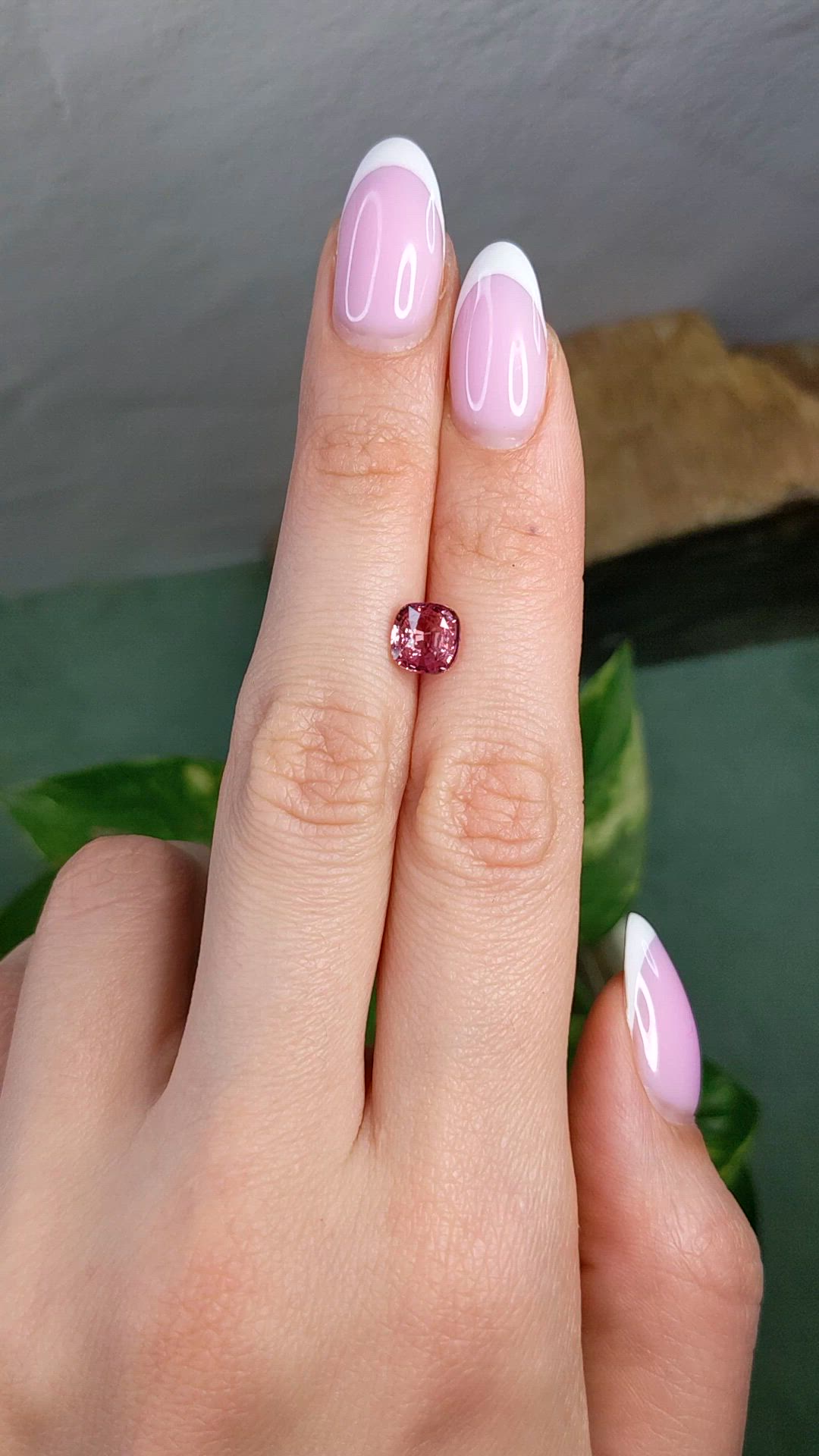


2.54 Ct. Padparadscha Sapphire from Madagascar
This loose stone ships by Oct 27
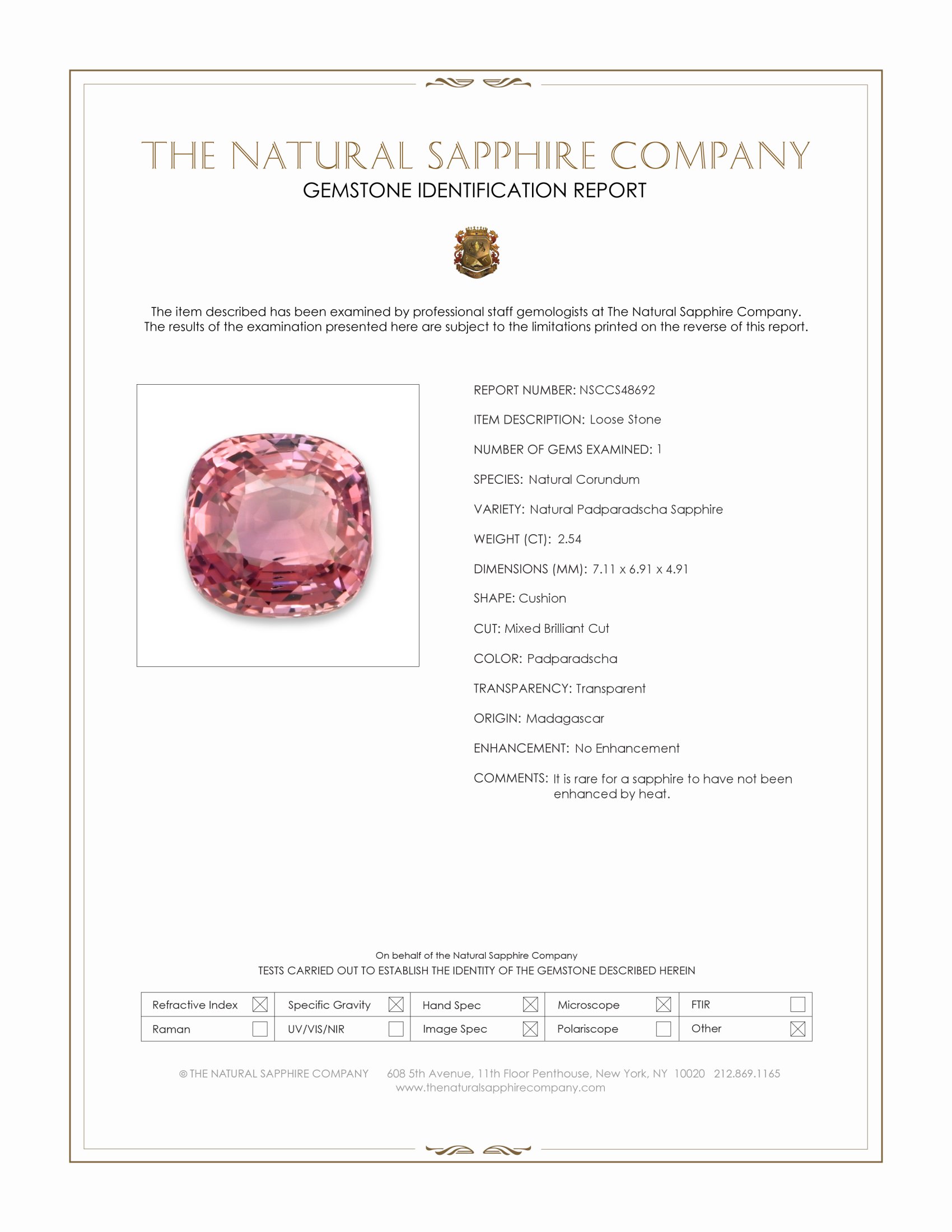
Item ID: | S48692 |
|---|---|
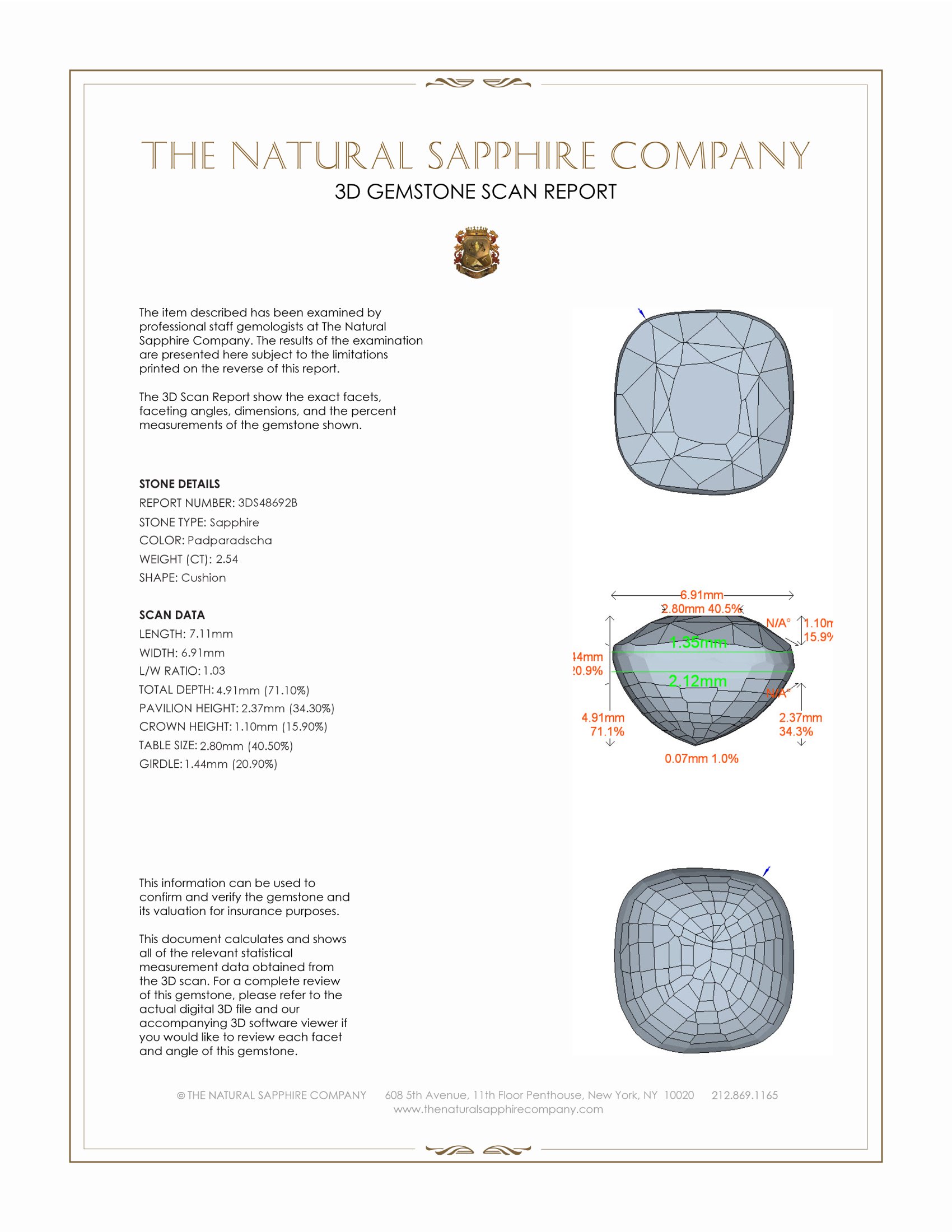
Dimensions (MM): help | Length: 7.11 Width: 6.91 Height: 4.91 |
Weight: | 2.54 Ct. |
Color: help | Padparadscha |
Color intensity: help | Intense |
Clarity: help | Very Slightly Included |
Shape: help | Cushion |
Cut: | Mixed Brilliant Cut |
Cutting style: | Faceted |
Enhancements: help | No Enhancement |
Origin: help | Madagascar |
Per carat price: help | $9,900 |
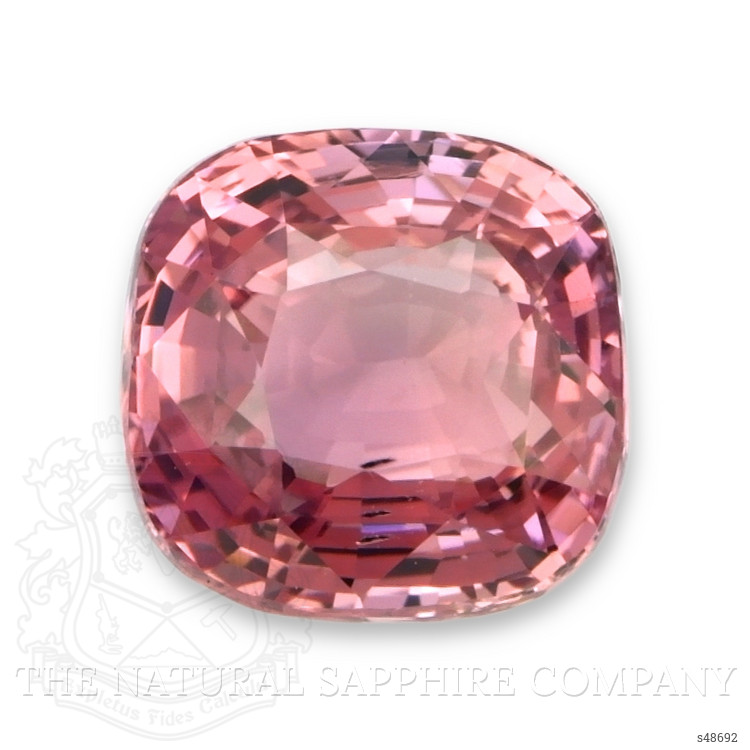
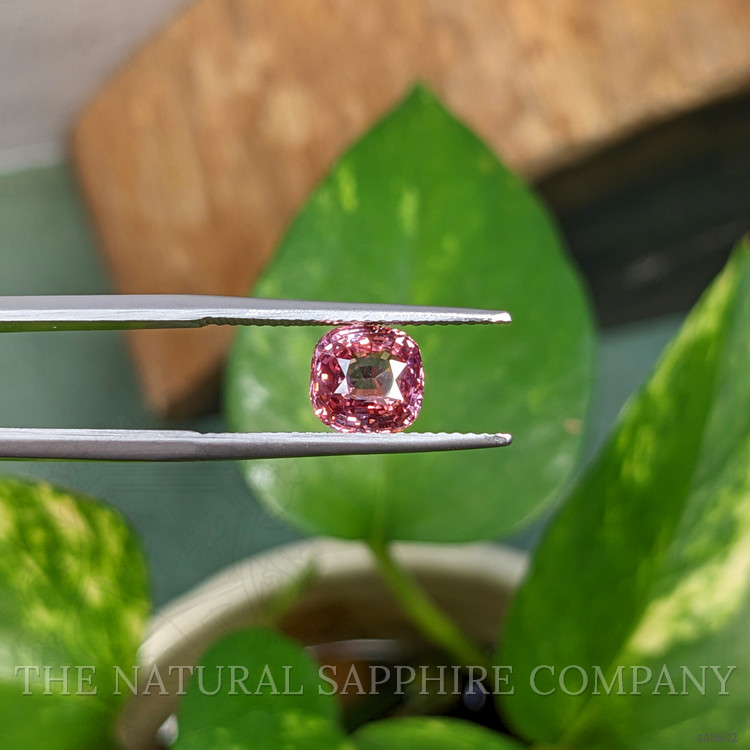
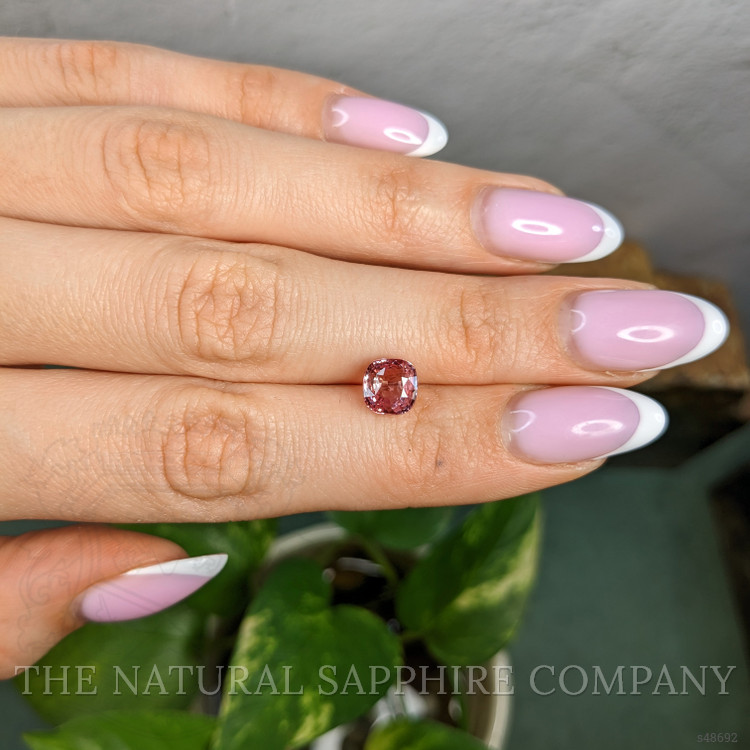
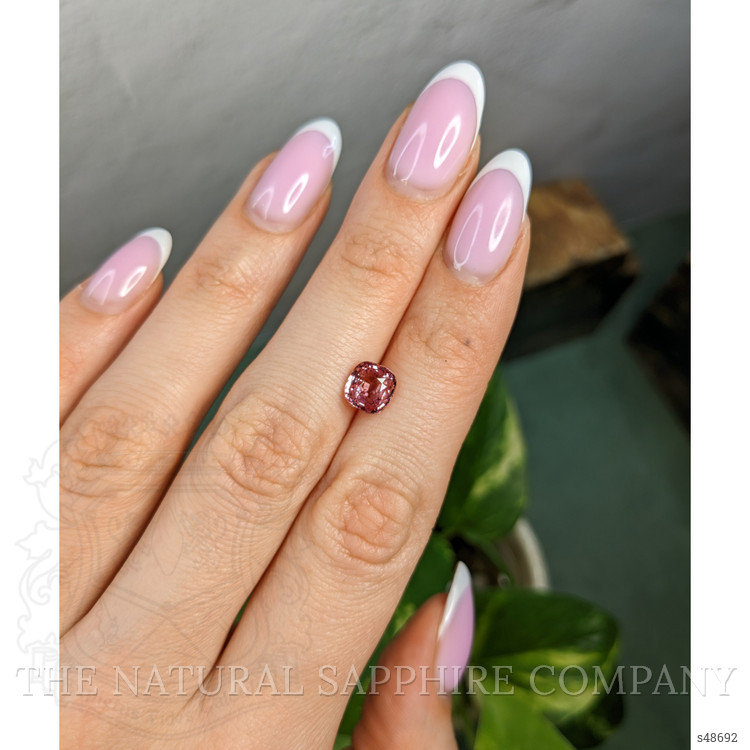
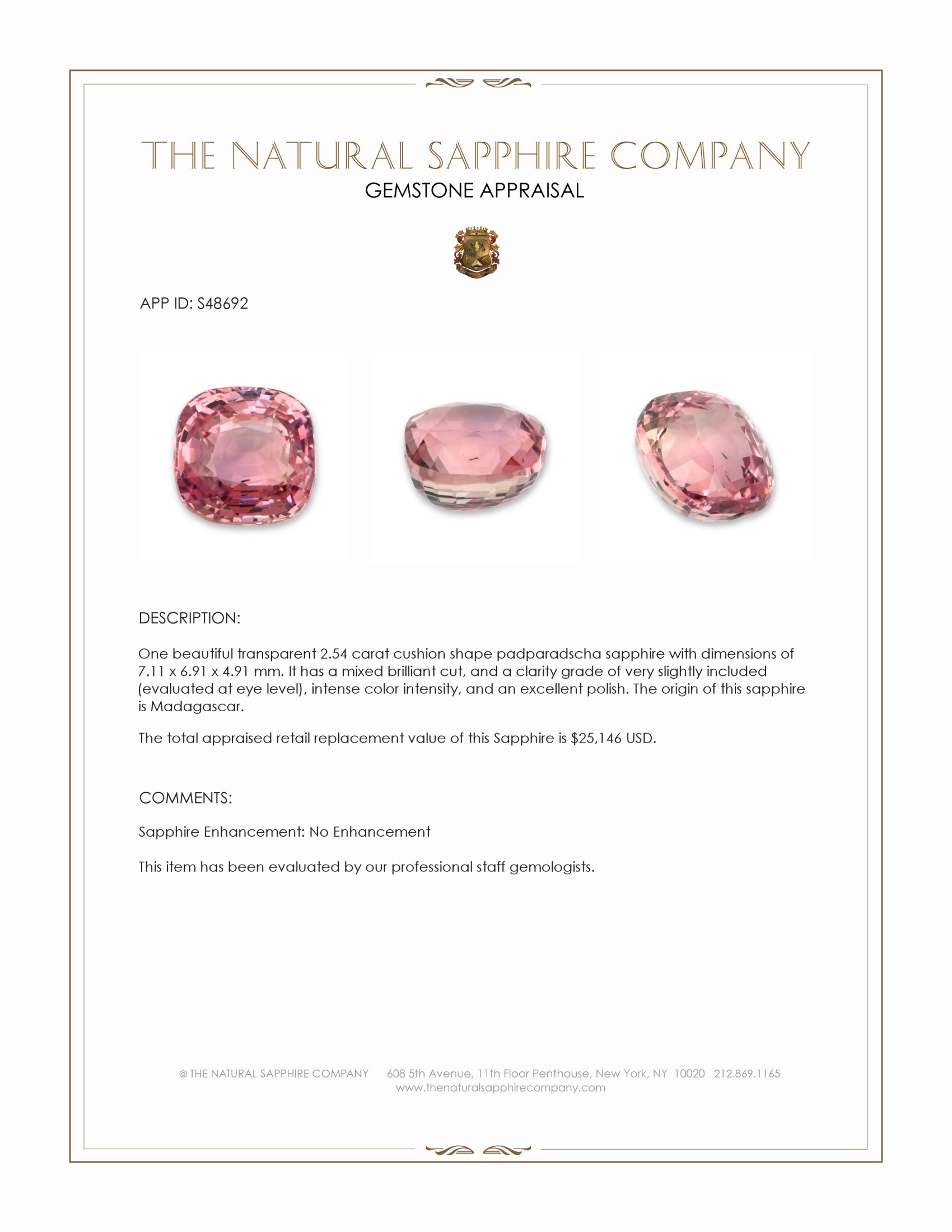
This cushion shaped padparadscha sapphire weighs 2.54 carats, and measures 7.11 by 6.91 by 4.91 mm, presenting a beautifully balanced girdle to depth ratio that the mixed brilliant faceted cutting style enhances into lively scintillation. The stone is transparent, and it shows intense color intensity with an excellent polish, producing crisp facet junctions and strong light return across the table. Clarity has been assessed as very slightly included at eye level, which for an experienced buyer means the stone displays only minor internal characteristics that do not materially affect brilliance or face up appearance under normal viewing conditions. There has been no enhancement, which is an important point for connoisseurs who prioritize natural state gems, and the origin is Madagascar, a locality known for producing padparadscha and pink orange sapphires that often rival classic sources in vibrancy and clarity.
The hue of this sapphire sits in the classic padparadscha range, a delicate but vivid fusion of pink and orange, leaning slightly toward a warm rose pink in certain lights, and toward a soft apricot orange in others, which is the hallmark of a well balanced padparadscha. When compared to Sri Lankan or Ceylon padparadschas, which frequently display a warmer, more orange dominant tone with a slightly deeper saturation, this Madagascar stone tends to exhibit a clearer pink component while retaining the orange influence that defines the variety. When compared to Umba Valley sapphires from Tanzania, which can show a stronger pink bias or occasionally a cooler tone, this gem demonstrates a more consistent, intense middle tone that reads as classic padparadscha in all lighting conditions. Compared to Montana sapphires, which are typically pastel and lower in saturation, and compared to many Australian pink sapphires that can carry brownish or greyish overtones, this Madagascar specimen shows a remarkably pure, bright hue and a medium to medium strong tone that reads lively and attractive to the naked eye.
From a grading perspective, the combination of intense color intensity, very slightly included clarity at eye level, and an excellent polish elevates this padparadscha into a category of stones that appeal to both collectors and jewelers seeking a high quality natural sapphire. The mixed brilliant cut used here is purposefully chosen to maximize scintillation while maintaining the cushion profile, and the facet arrangement creates strong return of light and color across the crown. The very slightly included clarity grading indicates that inclusions are present but minimal and largely confined to areas that do not interrupt the gem's overall visual performance, which is preferable to stones with significant included features that can dampen brilliance. In the market for natural sapphires, the absence of heat treatment or other enhancements is a major value driver, because untreated padparadschas with intense color are considerably rarer and more sought after than their heat treated counterparts, and they maintain value more robustly over time.
Provenance from Madagascar is an important attribute for informed buyers, because Madagascar has emerged over the past decades as a premier source for pink orange sapphires that often combine strong color with excellent clarity and minimal need for enhancement. For an educated buyer this means that the stone offers both aesthetic desirability and a clear, documented origin story that supports long term collectability. The Natural Sapphire Company stands behind the gem with detailed information, and we can assist with independent gemological testing and certification to substantiate the no enhancement statement when requested. Whether set as a signature engagement center stone or retained as part of a private collection, this 2.54 carat cushion padparadscha sapphire is notable for its balance of hue, tone, and clarity, and for being a natural, untreated example from Madagascar that compares favorably to padparadschas from Sri Lanka, Tanzania, and other well known sources. If you would like further technical detail, comparisons to specific documented stones, or assistance with settings and certification, our specialists at The Natural Sapphire Company are available to advise and to facilitate a custom mounting that preserves the stone's optical performance.


