- Stone9
- Reports3
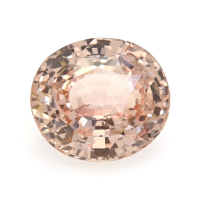
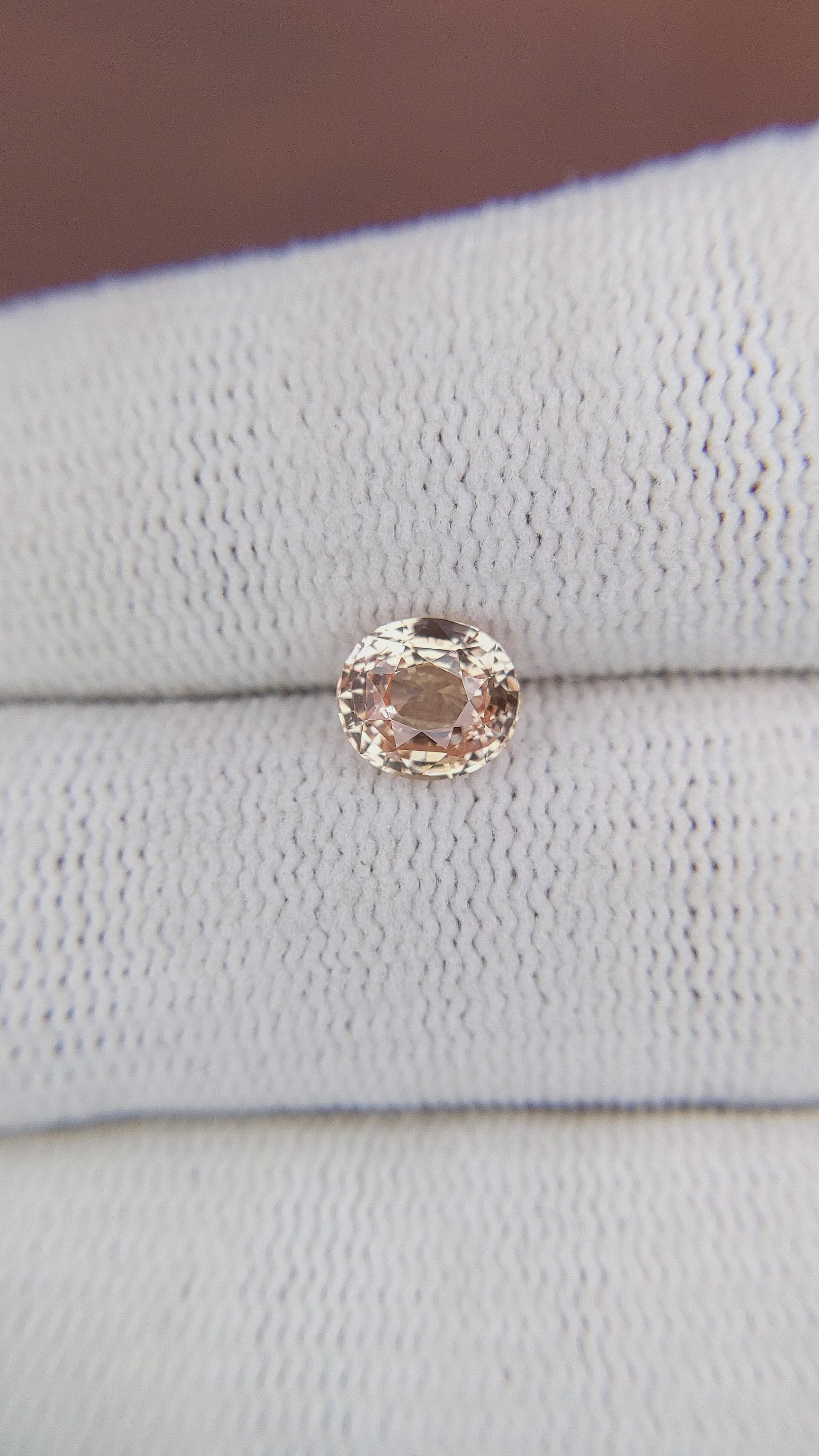
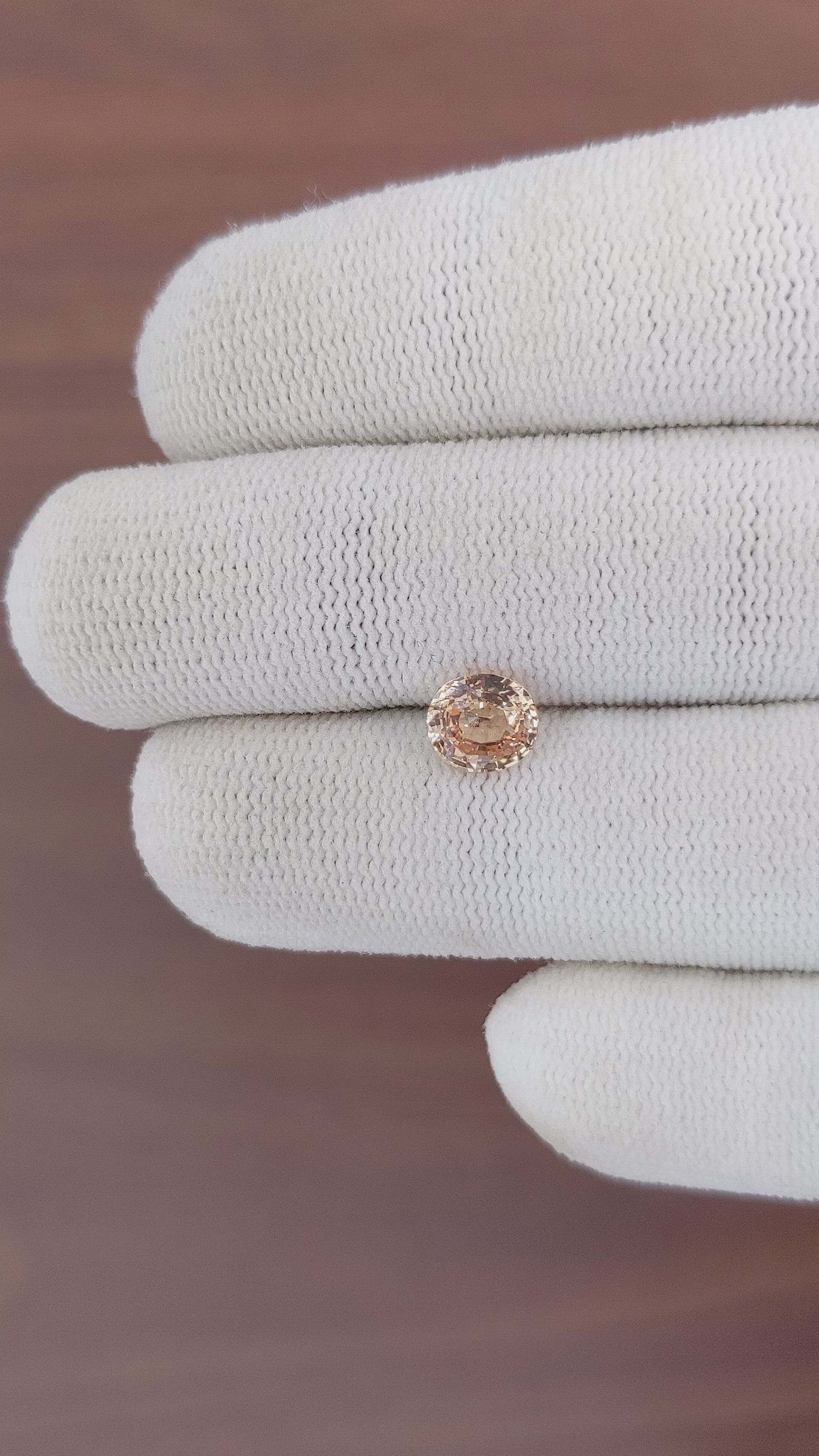



1.33 Ct. Padparadscha Sapphire from Tanzania
This loose stone ships by Nov 16
Item ID: | S19583 |
|---|---|
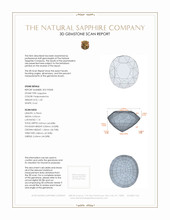
Dimensions (MM): help | Length: 6.7 Width: 5.95 Height: 3.87 |
Weight: | 1.33 Ct. |
Color: help | Padparadscha |
Color intensity: help | Light |
Clarity: help | Very Slightly Included |
Shape: help | Oval |
Cut: | Mixed Brilliant Cut |
Cutting style: | Faceted |
Enhancements: help | No Enhancement |
Origin: help | Tanzania |
Per carat price: help | $2,030 |
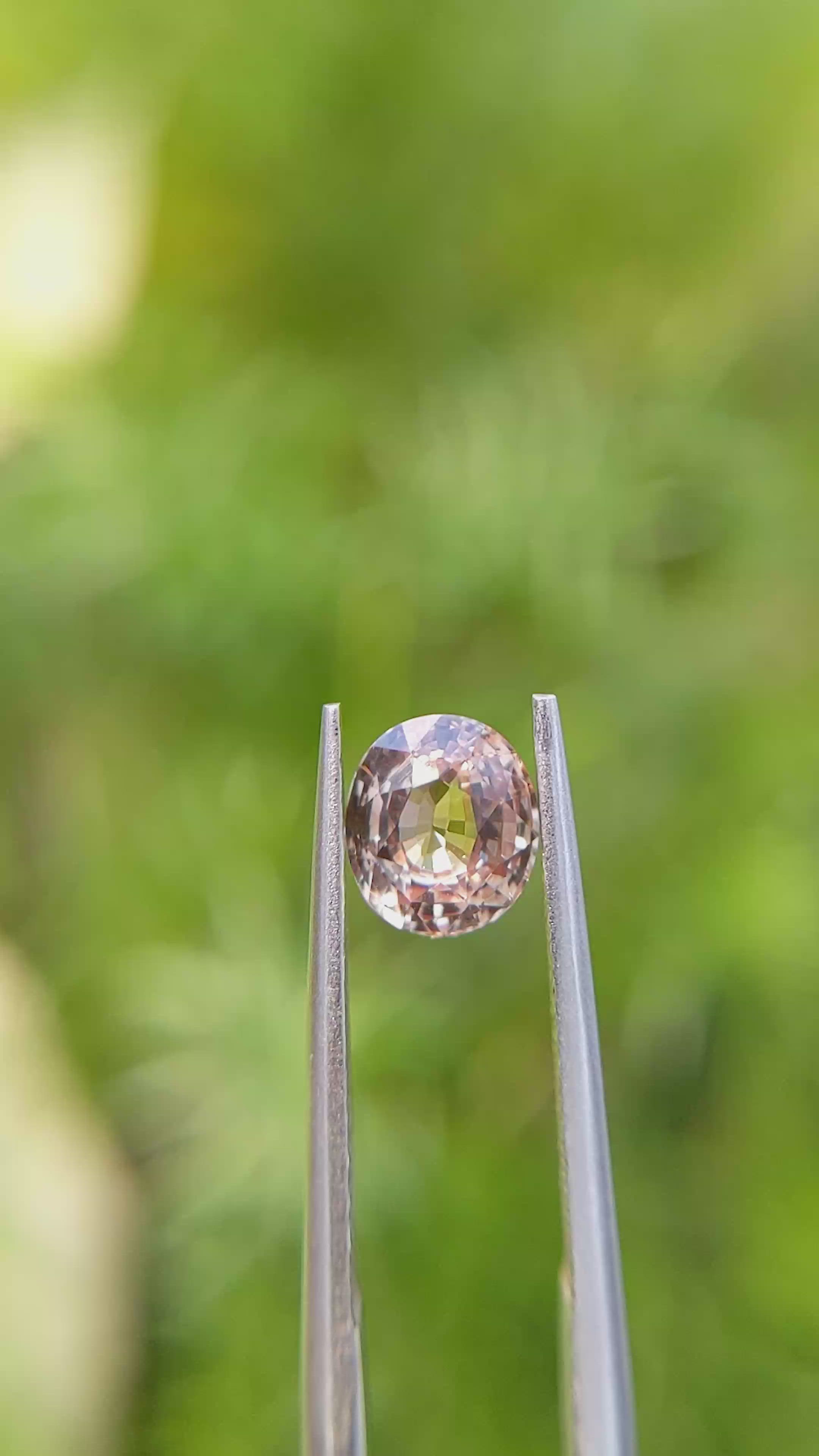
This padparadscha sapphire presents as a transparent, oval shaped gemstone weighing 1.33 carats, with precise dimensions of 6.70 x 5.95 x 3.87 millimeters, cut in a faceted format with a mixed brilliant cutting style, exhibiting a light color intensity and an excellent polish. The clarity has been evaluated as very slightly included at eye level, indicating the presence of minor inclusions that do not detract from the gem's overall visual appeal or performance. This stone is wholly natural and untreated, with no enhancement recorded, and it originates from Tanzania, a source that has produced notable sapphires in recent decades. As representatives of The Natural Sapphire Company we provide this information to support informed selection, and to place the gem within a clear technical and provenance context for collectors and clients who prioritize authenticity and traceable origin.
The term padparadscha carries a long heritage, historically associated with a rare and prized floral coppery pink to orange hue that evokes the color of a lotus blossom at sunset, and gemstones of this family have been valued across cultures for their poetic resonance and for their use in ceremonial and high status adornment. Traditionally, padparadscha and related pink orange sapphires were set into bespoke pieces intended to mark important life events, and they were occasionally reserved for talismans and amulets where color symbolism was paramount. This example, with its light intensity and balanced tone, aligns with the subtler end of the padparadscha spectrum, offering a gentle and refined presence that recalls historical uses of similar stones in heirloom jewelry, and that sits comfortably in both contemporary and classic design idioms that honor that heritage.
The mixed brilliant cut employed here combines facets intended to maximize both scintillation and color distribution, yielding a faceting scheme that enhances the stone's internal light return while maintaining a pleasing outline in the oval shape. At the stated proportions the stone offers an appealing face up appearance, with the length to width ratio lending itself to a variety of settings, and the depth supporting effective light performance without appearing shallow. The excellent polish contributes to surface brilliance and to the perceptible smoothness of the pavilion and crown facets, reducing light leakage and sharpening the gem's overall presence. The very slightly included clarity grade means that inclusions are minimal and generally not noticeable with the unaided eye in typical viewing conditions, preserving the gem's transparency and allowing the natural color to remain the primary visual attribute.
The Tanzanian origin of this sapphire situates it within a modern chapter of sapphire provenance, distinct from older traditional sources yet consistent with the geological processes that form corundum more broadly. Tanzanian sapphires have become known for producing stones with attractive color and good crystal quality, and this gem reflects the characteristic interplay of trace elements that yield the padparadscha hue. Where historical padparadscha material has often been associated with Sri Lanka and parts of Southeast Asia, Tanzanian examples are increasingly recognized for their contribution to the diversity of the market, and for offering natural, untreated color that appeals to connoisseurs seeking transparency of origin. At The Natural Sapphire Company we document source information as part of our commitment to provenance and responsible practice, and we provide full disclosure on enhancement status and other factors that influence long term value and desirability.
In practical terms this padparadscha sapphire is well suited to refined jewelry applications where its heritage and technical attributes can be appreciated, including engagement rings, pendants, and bespoke settings that reference classical motifs. The stone’s dimensions and mixed brilliant cut lend themselves to settings that showcase the oval table and permit light to interact with the stone from multiple angles, while the light color intensity offers adaptability to both warm yellow metals and cooler white metals depending on the design objective. Care is consistent with that for fine corundum, avoiding harsh mechanical shocks and prolonged exposure to extreme heat or chemicals, and routine cleaning with mild detergent and a soft brush will maintain its luster. For clients seeking further assurance we offer examination and documentation, and our team at The Natural Sapphire Company can assist with setting options, provenance documentation, and tailored recommendations to integrate this gem into a lasting piece that respects both its material qualities and its cultural lineage.


