- Stone11
- Reports4


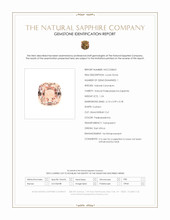
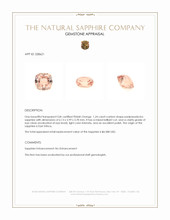


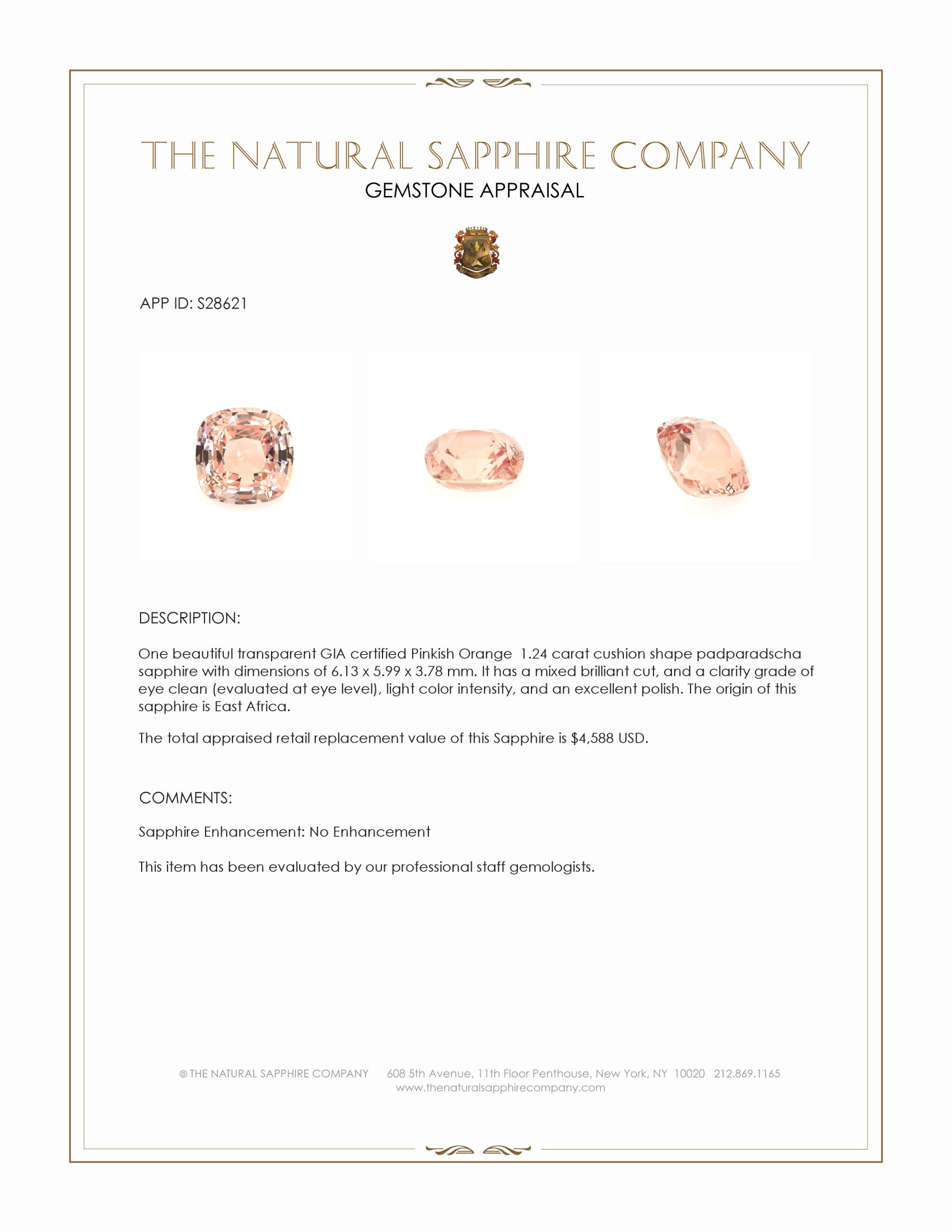
1.24 Ct. Padparadscha Sapphire from East Africa
This loose stone is available to ship now
Item ID: | S28621 |
|---|---|
Dimensions (MM): help | Length: 6.13 Width: 5.99 Height: 3.78 |
Weight: | 1.24 Ct. |
Color: help | Padparadscha |
Color intensity: help | Light |
Clarity: help | Eye Clean |
Shape: help | Cushion |
Cut: | Mixed Brilliant Cut |
Cutting style: | Faceted |
Enhancements: help | No Enhancement |
Origin: help | East Africa |
Per carat price: help | $3,700 |
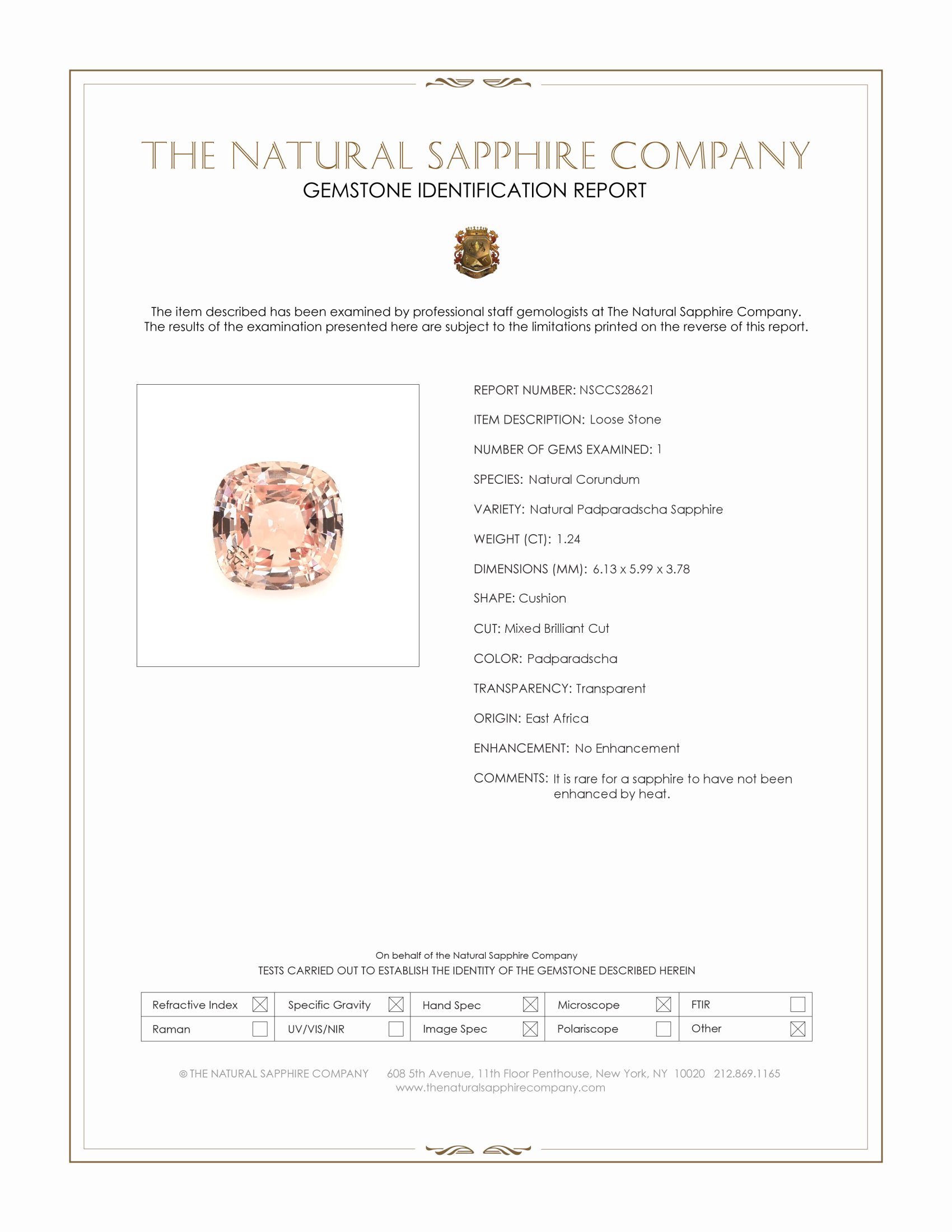
This GIA certified 1.24 carat cushion shape padparadscha sapphire is a distinguished example of what educated buyers seek when they search for authenticity and natural beauty. The gem measures 6.13 x 5.99 x 3.78 mm, and it is faceted in a mixed brilliant cut that balances fire and color retention. The GIA report confirms that the stone is transparent, with a clarity grade evaluated as eye clean at typical viewing distance, and it carries a light color intensity with a pinkish orange hue. Importantly, there is no enhancement reported, which places this sapphire in a rarified category among padparadscha examples because untreated stones with such appealing hue and clarity are considerably less common. The excellent polish and the precision of the cut further increase light return and color uniformity, features that substantially influence both aesthetic appeal and market value. At The Natural Sapphire Company we prioritize full disclosure, and the combination of GIA certification and unenhanced origin establishes provenance and trust for collectors and connoisseurs.
The mixed brilliant cut and cushion outline were selected to optimize the interaction between hue and brilliance for a stone of this size and tone. The cushion shape softens the way color is read across the gem, allowing the pink and orange components to blend attractively across the crown, while the mixed brilliant pavilion facets create scintillation that livens the face up appearance. For a 1.24 carat pavilion depth of 3.78 mm, the proportions are well balanced which helps maintain saturation without sacrificing sparkle. The excellent polish ensures that light is transmitted smoothly rather than scattered, which is particularly important for padparadscha sapphires because uneven surface finish can mute the delicate pink orange balance. Practical considerations for the buyer include the versatile millimeter dimensions which make this stone well suited for a range of settings, from a refined solitaire pendant to a more elaborate ring design that showcases the unique hue.
When comparing the hue and tone of this East African padparadscha to stones from other famous locations, several distinctions are informative. Classic Ceylon padparadscha sapphires from Sri Lanka are often considered the archetype for the color, typically exhibiting a delicate, lotus like pink orange with a slightly lighter tone that favors pink at certain angles. This East African example shares the same elegant pink orange blend, but it leans marginally warmer toward orange while maintaining that soft, light intensity which preserves the padparadscha identity. Madagascar has emerged in recent decades as a significant source, and many Madagascan finds display a stronger saturation and sometimes a deeper orange tone which can read more vivid and less pastel than Sri Lankan examples. Compared to Madagascan stones, the present sapphire registers a gentler saturation, offering a more restrained and refined appearance that many collectors associate with classic padparadscha aesthetics. If one contrasts this stone with sapphires from Kashmir or with rubies from Myanmar, the differences in hue become even more pronounced, because Kashmir sapphires are prized for deep cornflower blue tones and Burmese rubies for pure, vivid red, neither of which encroaches on the unique pink orange window that defines true padparadscha sapphires.
For an educated buyer evaluating long term desirability, this gemstone presents several compelling attributes. The combination of East African origin, eye clean clarity, light color intensity in a true pinkish orange hue, and no enhancement is particularly significant because untreated padparadscha sapphires of attractive color command a premium and are increasingly sought after by collectors. The mixed brilliant cut and excellent polish enhance both face up color and brilliance which means the gem will perform exceptionally in wearable jewelry while also retaining collector value. From a comparative perspective, buyers who favor the softer, more classical padparadscha look associated with Sri Lanka will find this East African stone appealing for its balance between pink and orange, whereas those who prefer a more vivid orange leaning example might look to select Madagascan pieces. At The Natural Sapphire Company we can provide the GIA documentation and high resolution imagery to assist with evaluation, and we offer guidance on mounting options that preserve the gems visual qualities while helping maintain its value over time. Proper care includes avoiding harsh chemicals and high heat, and regular professional inspections to ensure settings remain secure.


