- Stone15
- Reports4
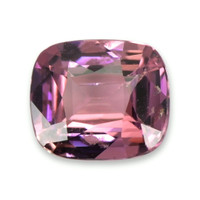
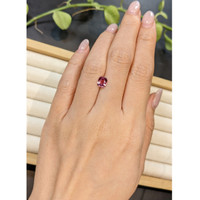
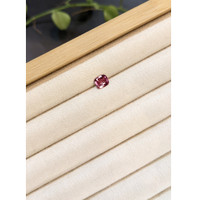
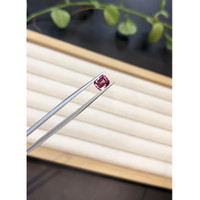
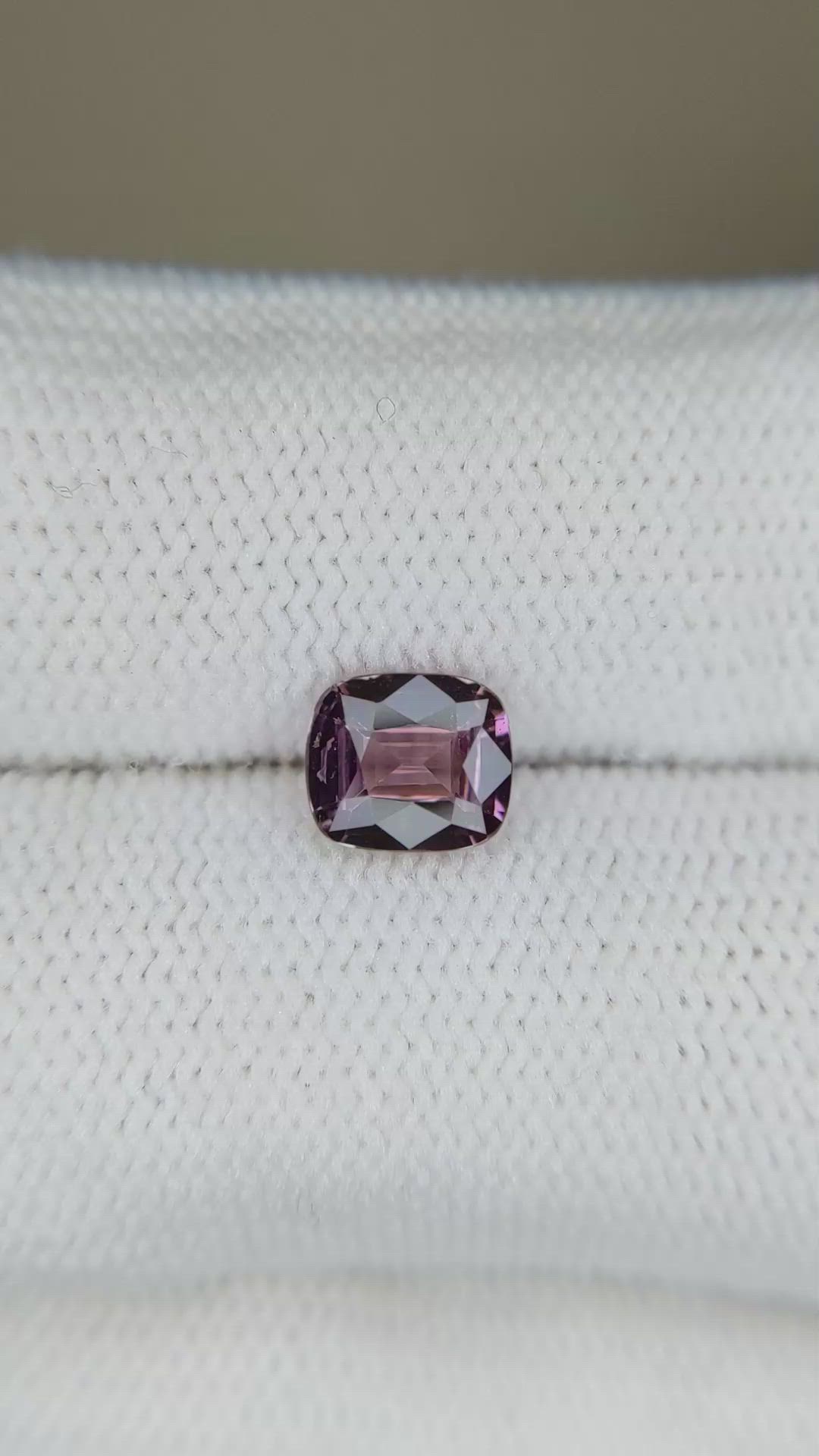
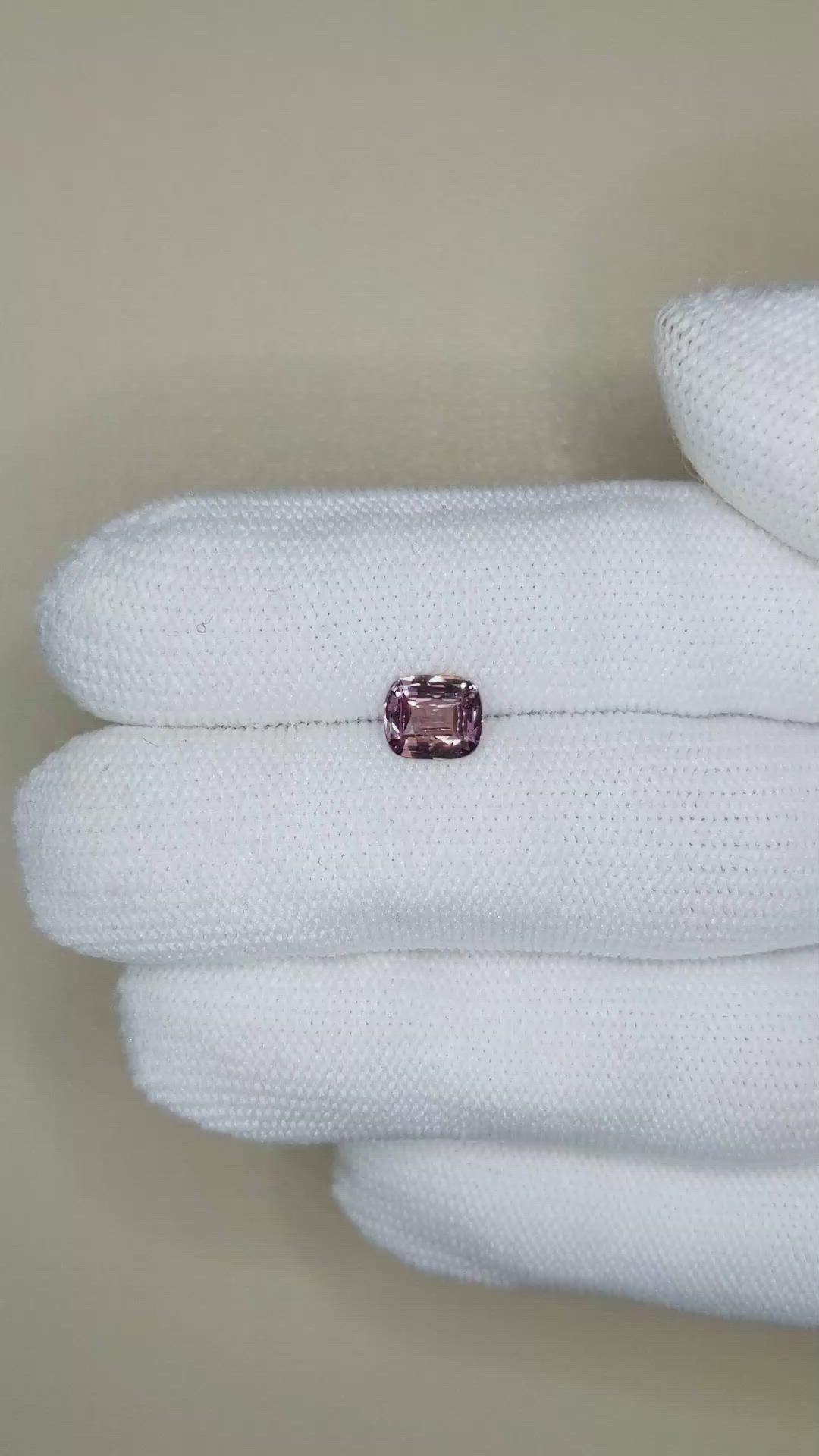
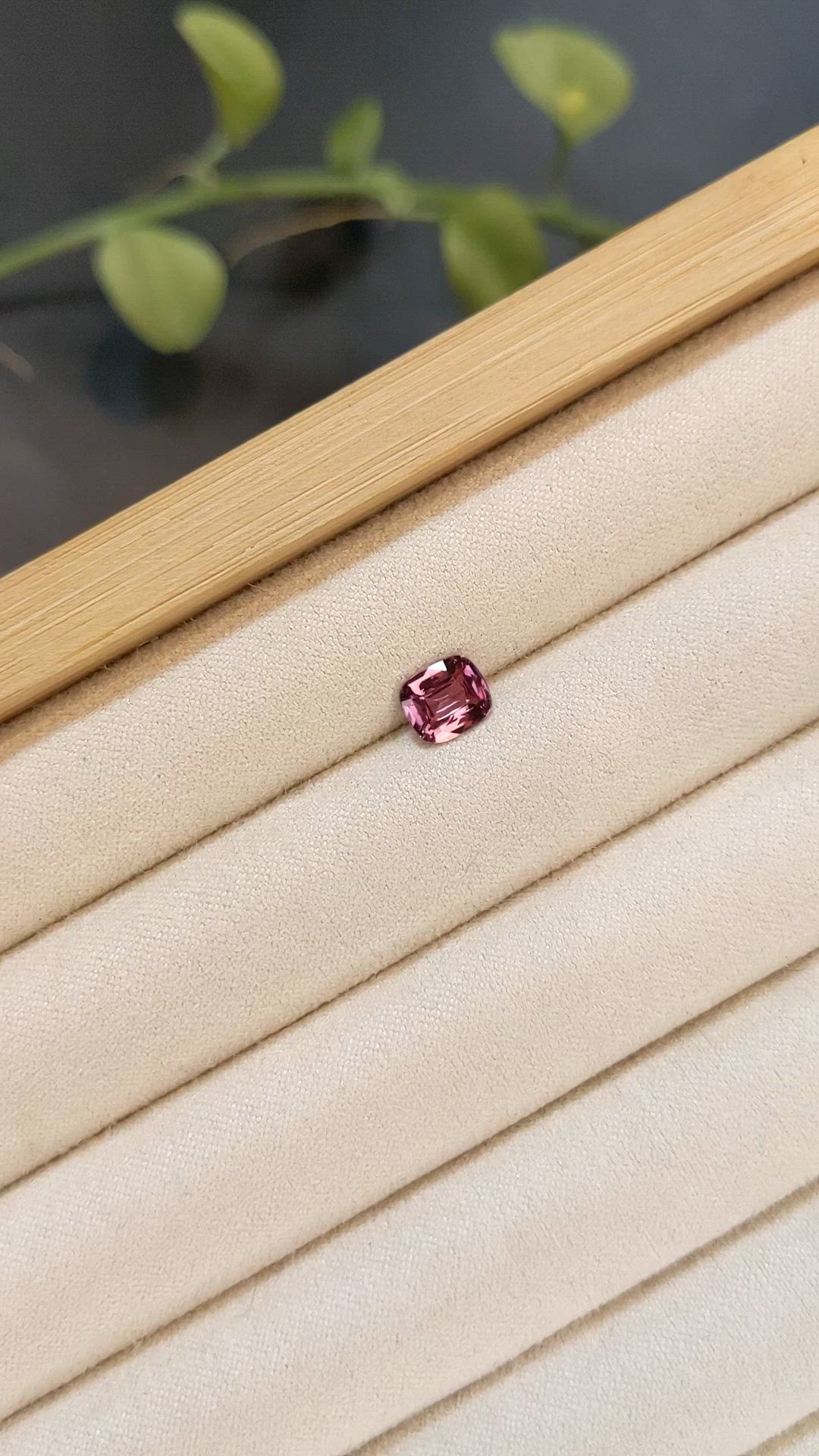
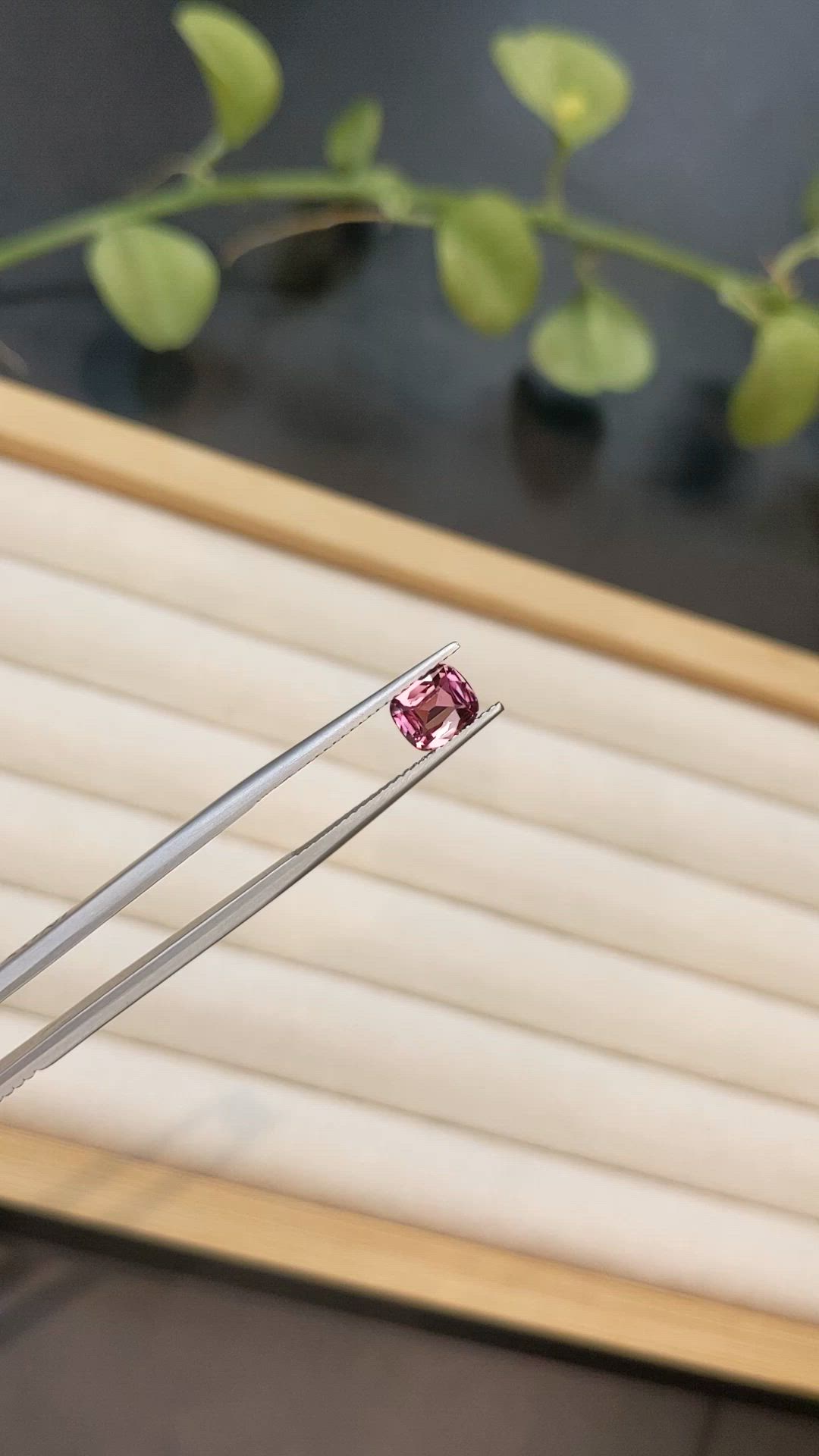
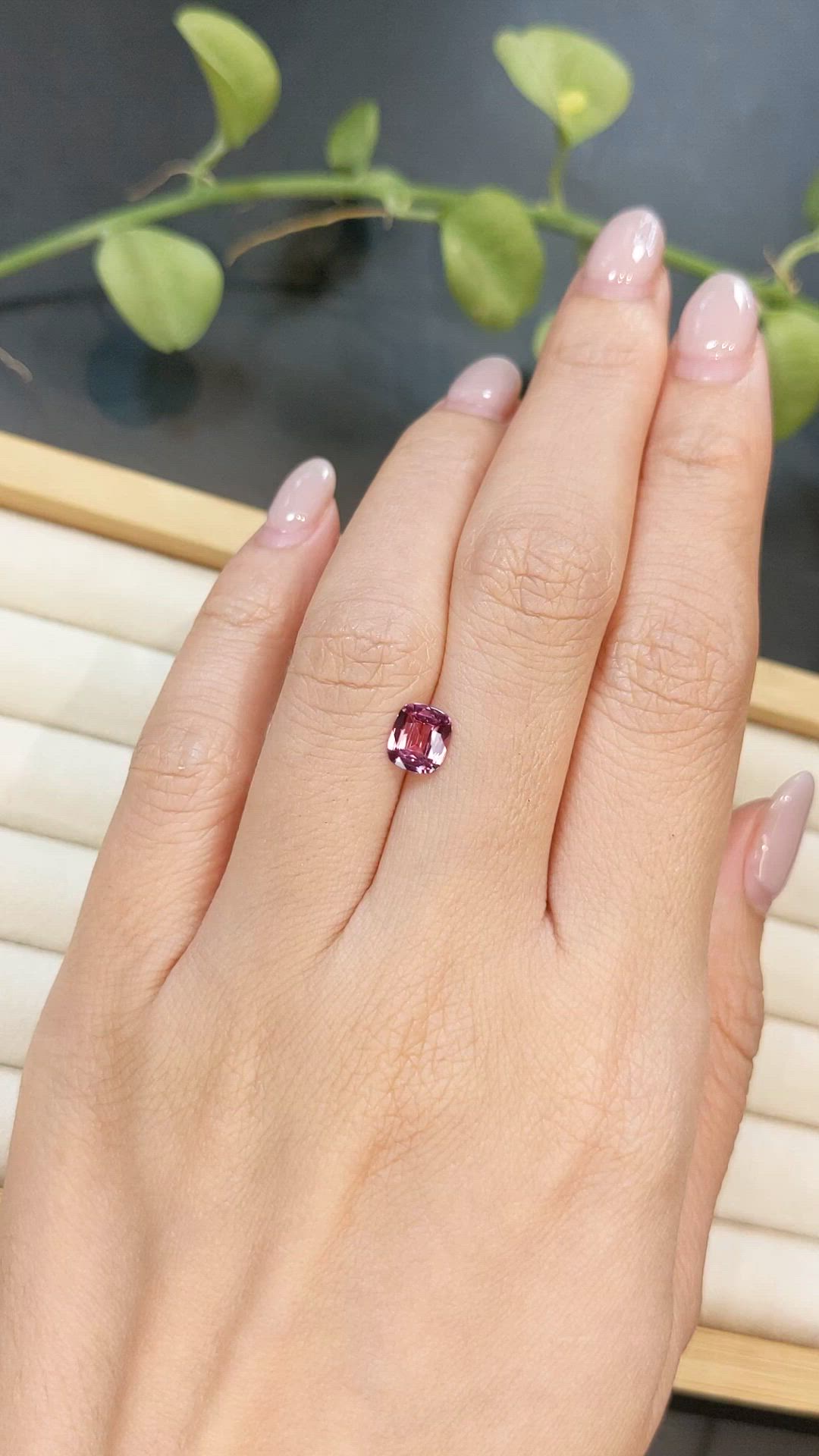

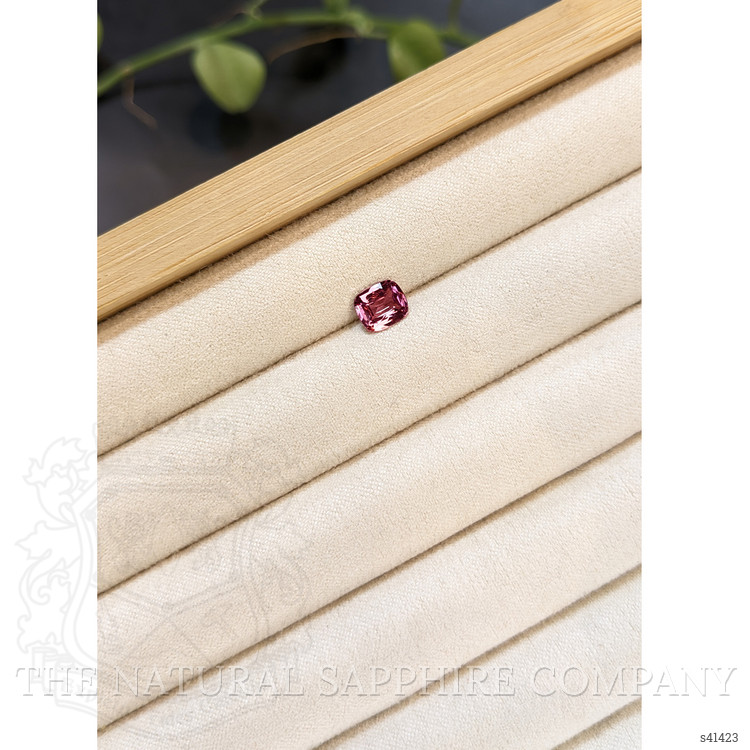
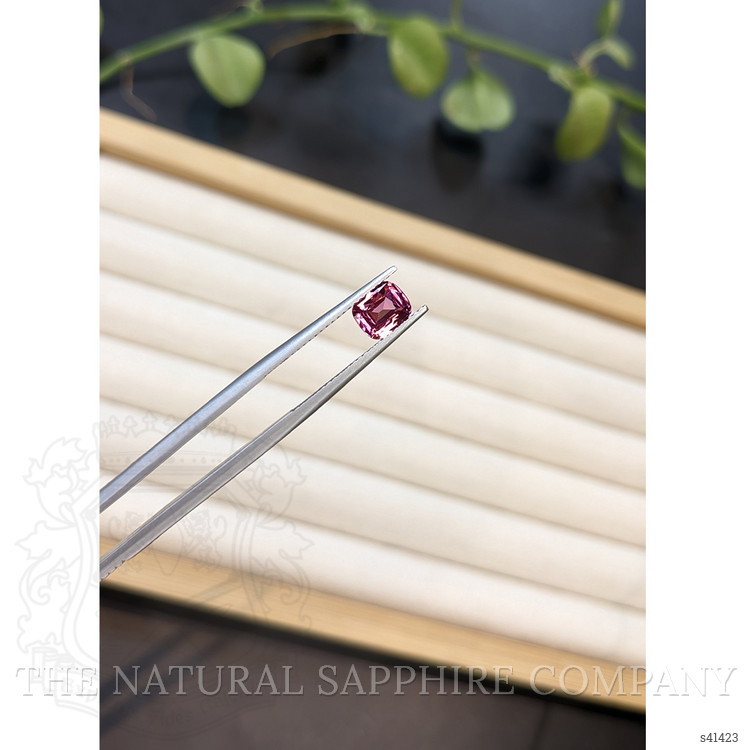

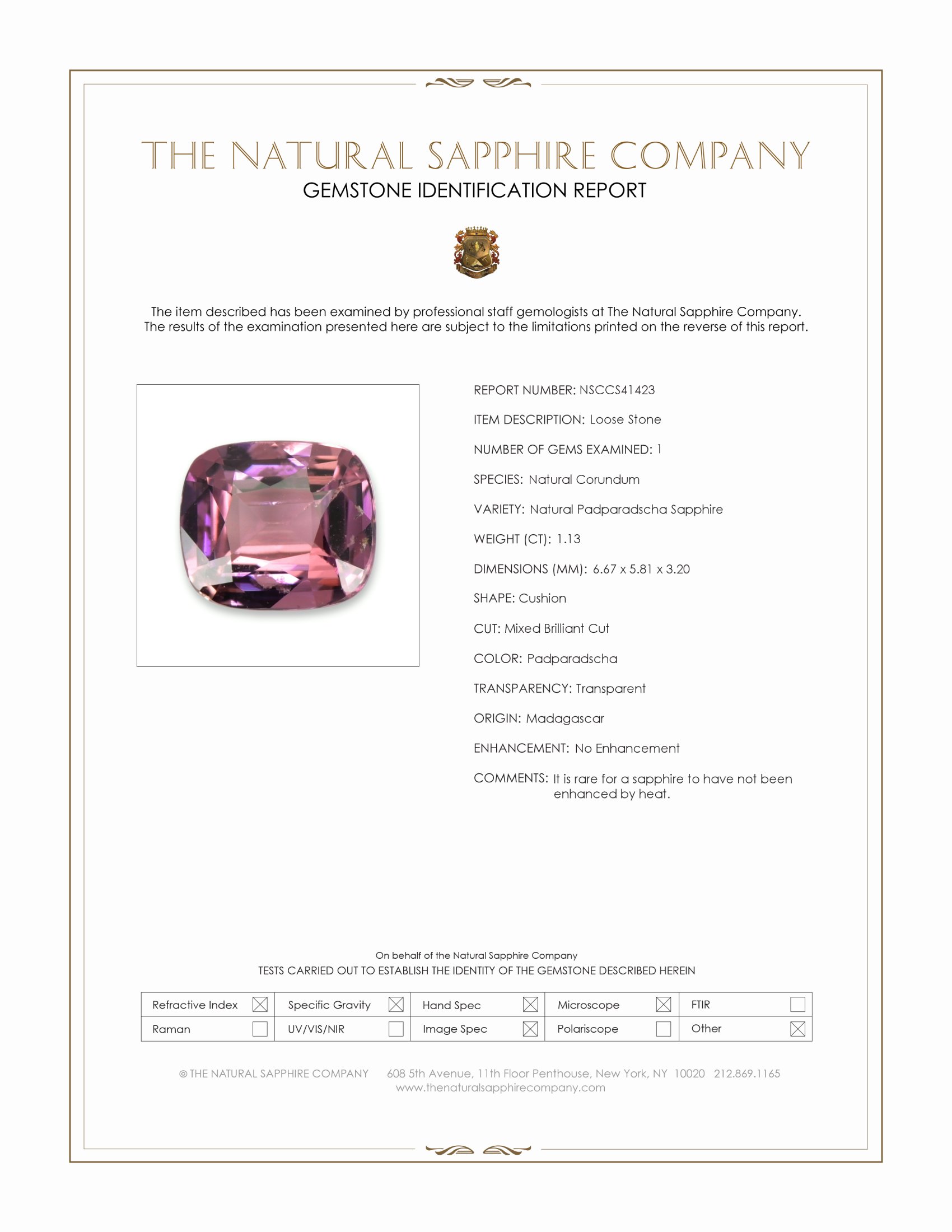
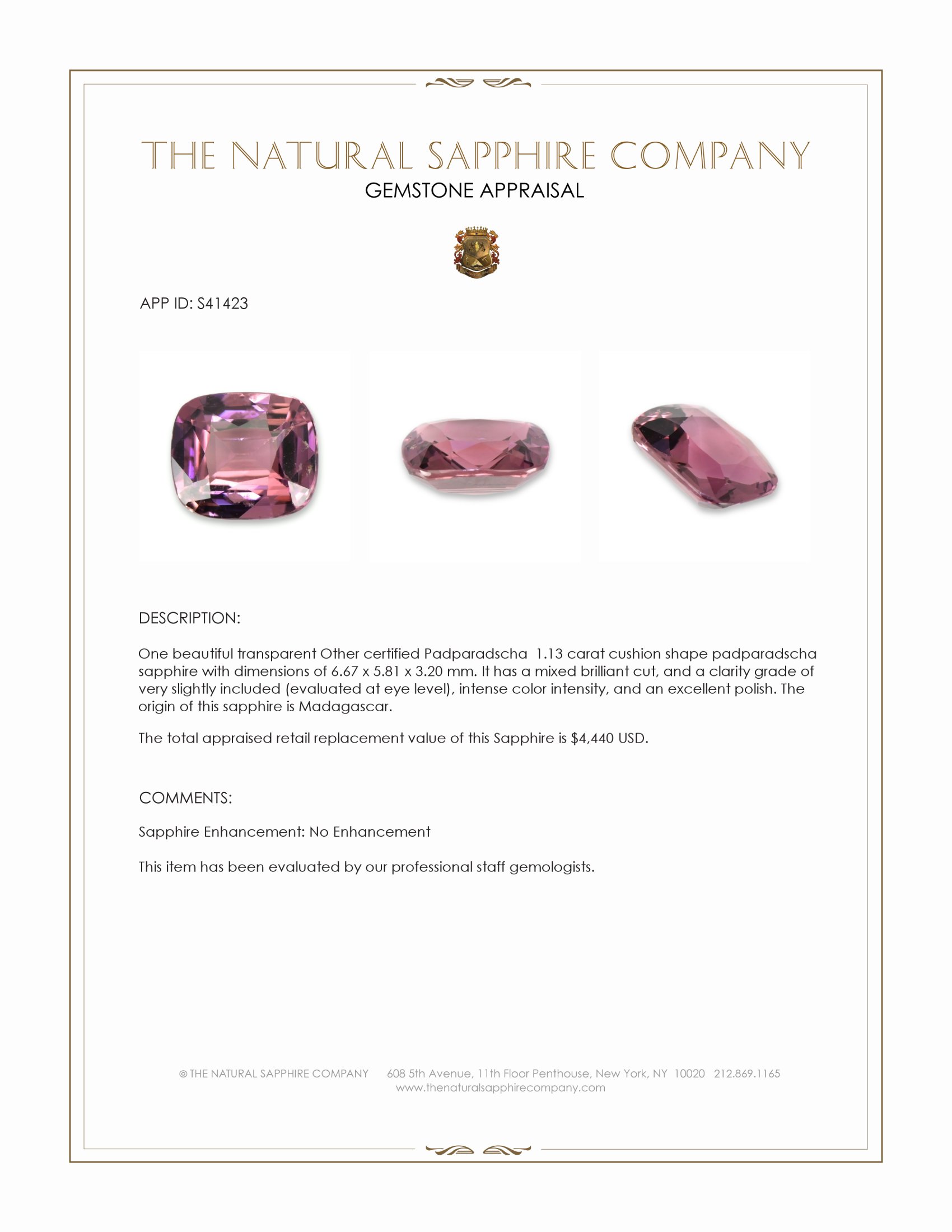
1.13 Ct. Padparadscha Sapphire from Madagascar
This loose stone ships by Nov 11
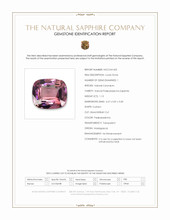
Item ID: | S41423 |
|---|---|
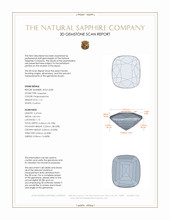
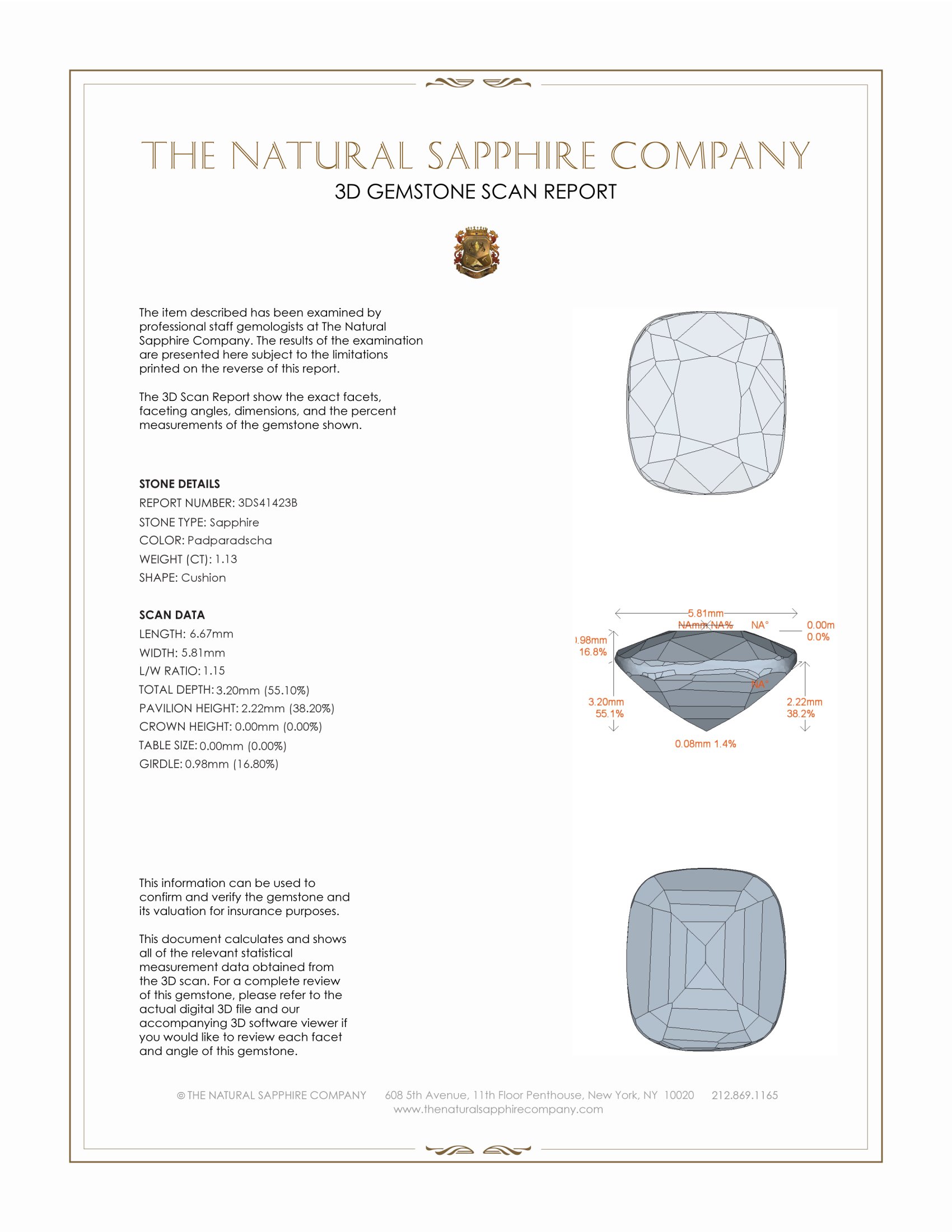
Dimensions (MM): help | Length: 6.67 Width: 5.81 Height: 3.2 |
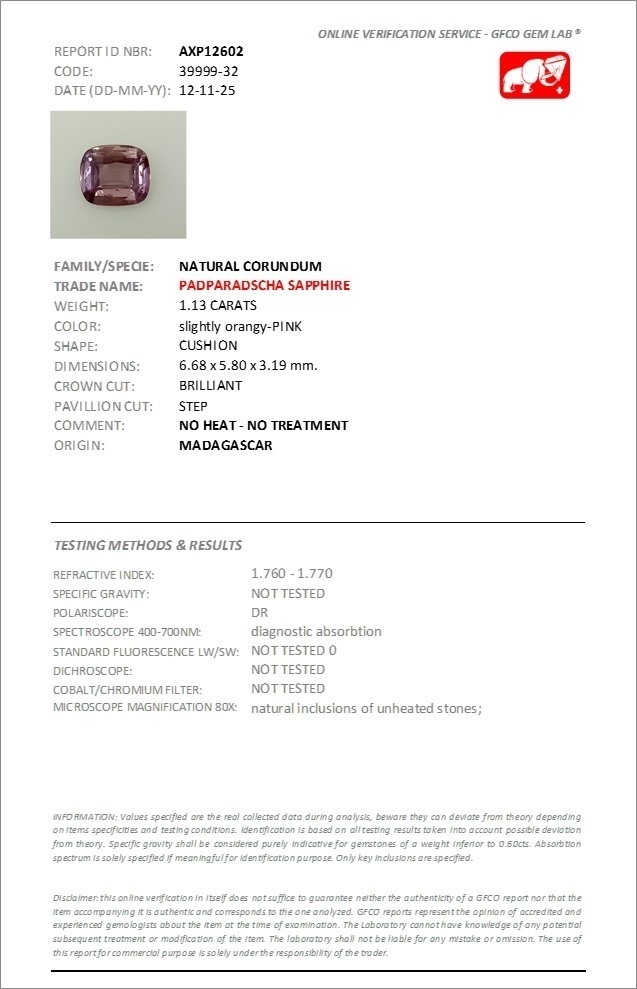
Weight: | 1.13 Ct. |
Color: help | Padparadscha |
Color intensity: help | Intense |
Clarity: help | Very Slightly Included |
Shape: help | Cushion |
Cut: | Mixed Brilliant Cut |
Cutting style: | Faceted |
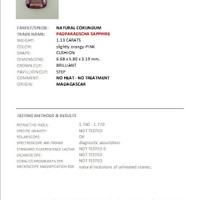
Enhancements: help | No Enhancement |
Origin: help | Madagascar |
Per carat price: help | $3,929 |
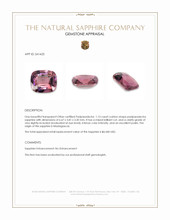
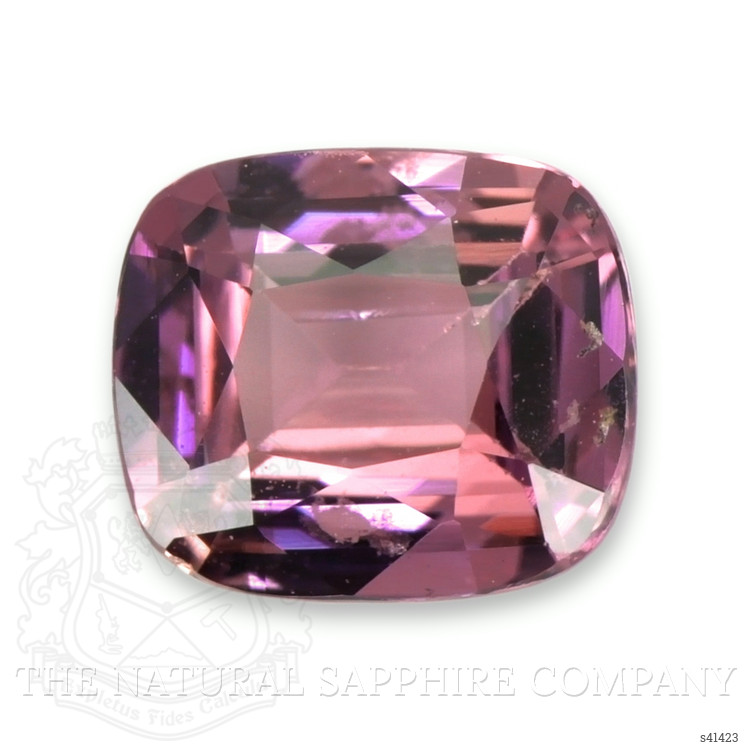
This Madagascar origin padparadscha sapphire offered by The Natural Sapphire Company is precisely measured at 1.13 carats, with dimensions 6.67 x 5.81 x 3.20 mm, presented in a classic cushion outline that favors both brilliance and color depth. The cutter employed a mixed brilliant faceting scheme to balance light return with chromatic saturation, combining a brilliant style crown that maximizes scintillation with a modified step pavilion that preserves the stone primary hue. The length to width ratio of approximately 1.15 yields a slightly elongated cushion silhouette that reads as elegant on the finger, while the table and crown proportions, as executed, maintain a depth approximately 51 percent of the mean girdle diameter, a proportionality that supports strong face up color without sacrificing return of light. The finish is noted as excellent polish across facet junctions, producing crisp facet reflections and minimal surface diffusion, a direct result of careful lapidary control during preforming and final polish stages.
Optical clarity for this padparadscha is graded as very slightly included at eye level, a practical clarity benchmark that indicates only minor natural features visible under direct scrutiny, which do not disrupt transparency nor appreciably interrupt the path of light through the pavilion. These inconspicuous inclusions serve as natural fingerprint indicators of untreated material, since the stone is confirmed to be free of any enhancement, and the inclusions are stable under normal wear conditions. Facet symmetry and alignment are engineered to contain light within the body color, the cushion facets creating broad color flashes across the crown, while smaller star and kite facets contribute to fine grain scintillation. The combined effect of the mixed brilliant architecture and high polish is a lively but color centric presentation, where the stone reads intense in saturation but still allows for lively facet play, a desirable equilibrium for padparadscha material aimed at fine jewelry.
Color description is central for padparadscha classification, and this specimen exhibits a hue blend anchored in pink and orange, with a subtle lavender overtone that is characteristic of certain Madagascan occurrences. The tone sits effectively in a medium category, supported by an overall intense color intensity that presents as robust and vibrant in daylight and incandescent sources. The hue centroid is toward pink with a pronounced salmon quality, yet the presence of a cool undertone shifts portions of the pavilion toward a mauve influence when viewed at oblique angles, producing a dynamic color shift that can read warmer or slightly cooler depending on ambient lighting. Saturation is strong, delivering a saturated padparadscha statement while retaining clarity, enabling gemologists and connoisseurs to appreciate both the chroma and the internal structure that governs color distribution.
Compare its hue and tone to gemstones from other famous locations. Sri Lanka padparadschas classically present a pure lotus or salmon orange with a clean, pastel leaning tone and often a softer saturation, making Sri Lankan stones appear lighter and more orange centric in direct comparison. In contrast, Umba Valley sapphires from Tanzania tend to skew toward vivid pinks with occasional orange warmth, exhibiting higher chroma and more uniform pinkness. Madagascan examples, including the present stone, commonly show a tendency toward a pink violet component that can introduce a cooler bias into the tone, producing that mauve or lavender hint not typically seen in the warmest Sri Lankan specimens. Compare its hue and tone to gemstones from other famous locations, as this comparison highlights the distinctive character of Madagascan padparadscha, which occupies an attractive middle ground between the soft, orange dominant Sri Lankan style and the intensely pink Umba examples, giving buyers a clear reference when selecting by hue nuance rather than by weight alone.
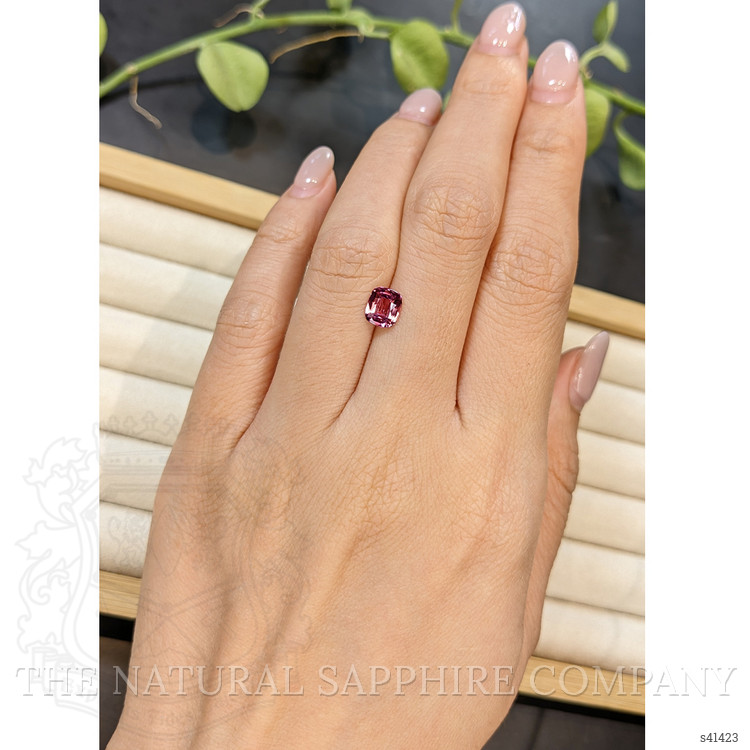
From a purchaser and setting perspective, the absence of enhancement in this 1.13 carat cushion padparadscha increases its desirability and market value, especially for collectors prioritizing provenance and natural state. The gemstone response to pavilion angles and crown height suggests it will perform optimally in a setting that allows light to enter the pavilion freely, such as a four prong or low bezel with open gallery, thereby maintaining both face up brilliance and the saturated padparadscha color. The stone size and cushion proportions are well suited for solitaire engagement settings or a halo configuration where the intense color can be contrasted with white melee for optical emphasis. At The Natural Sapphire Company we document origin and treatment status, and this stone is presented as natural Madagascar material, unheated, with excellent polish and a facet design intended to showcase both its unique hue complexity and its stable optical performance under varied lighting conditions.


