
- Stone11
- Reports4


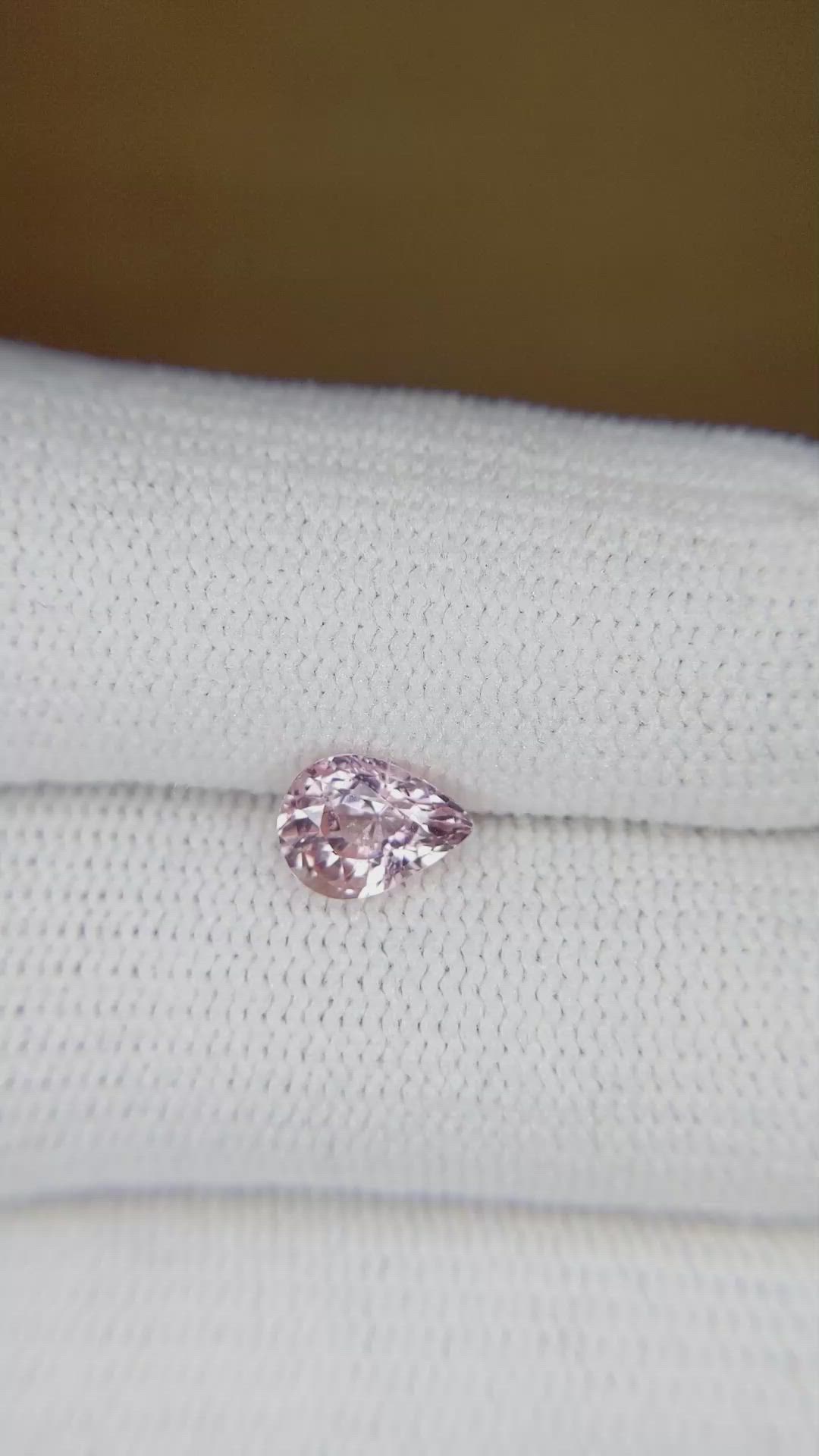
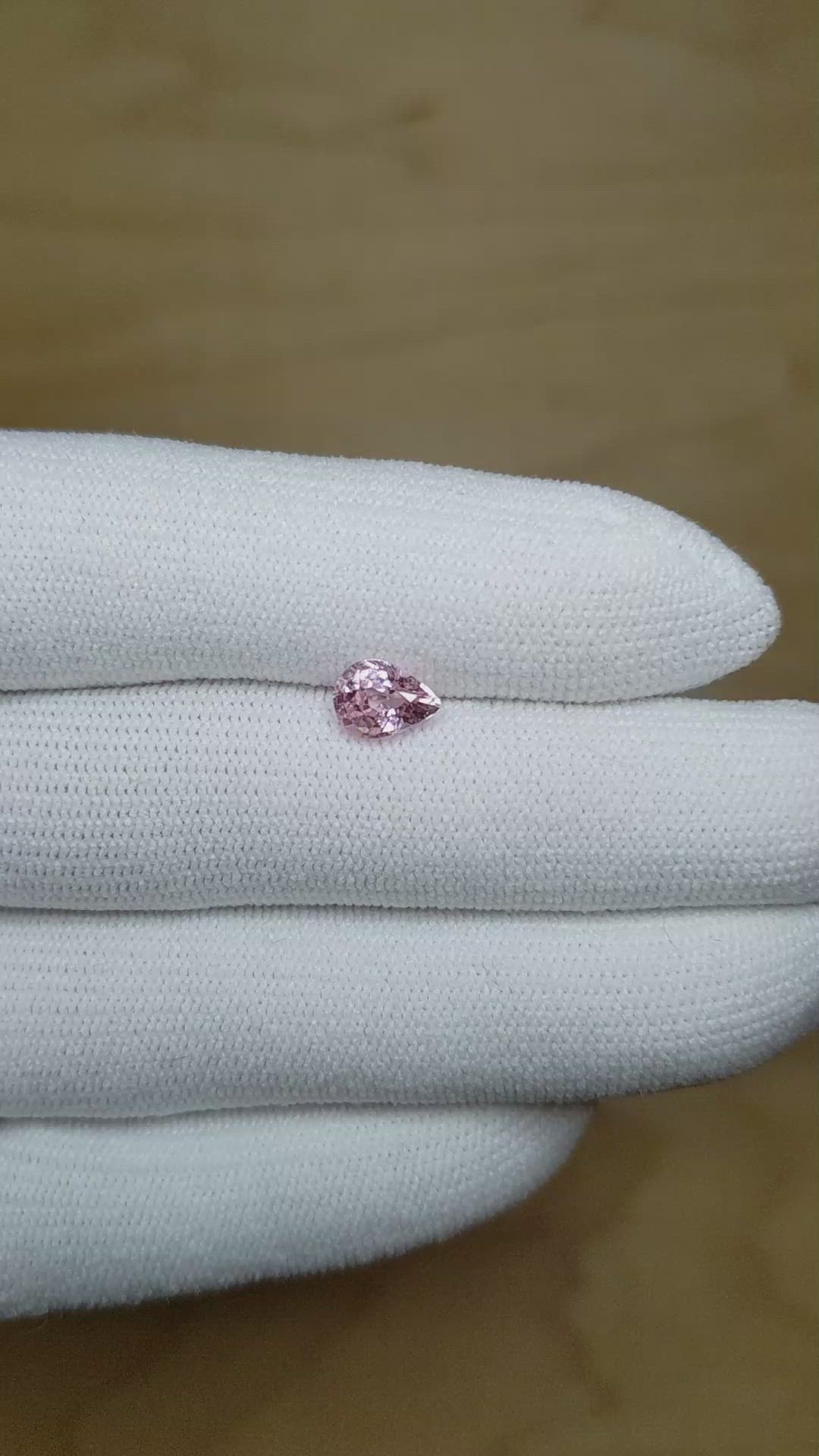
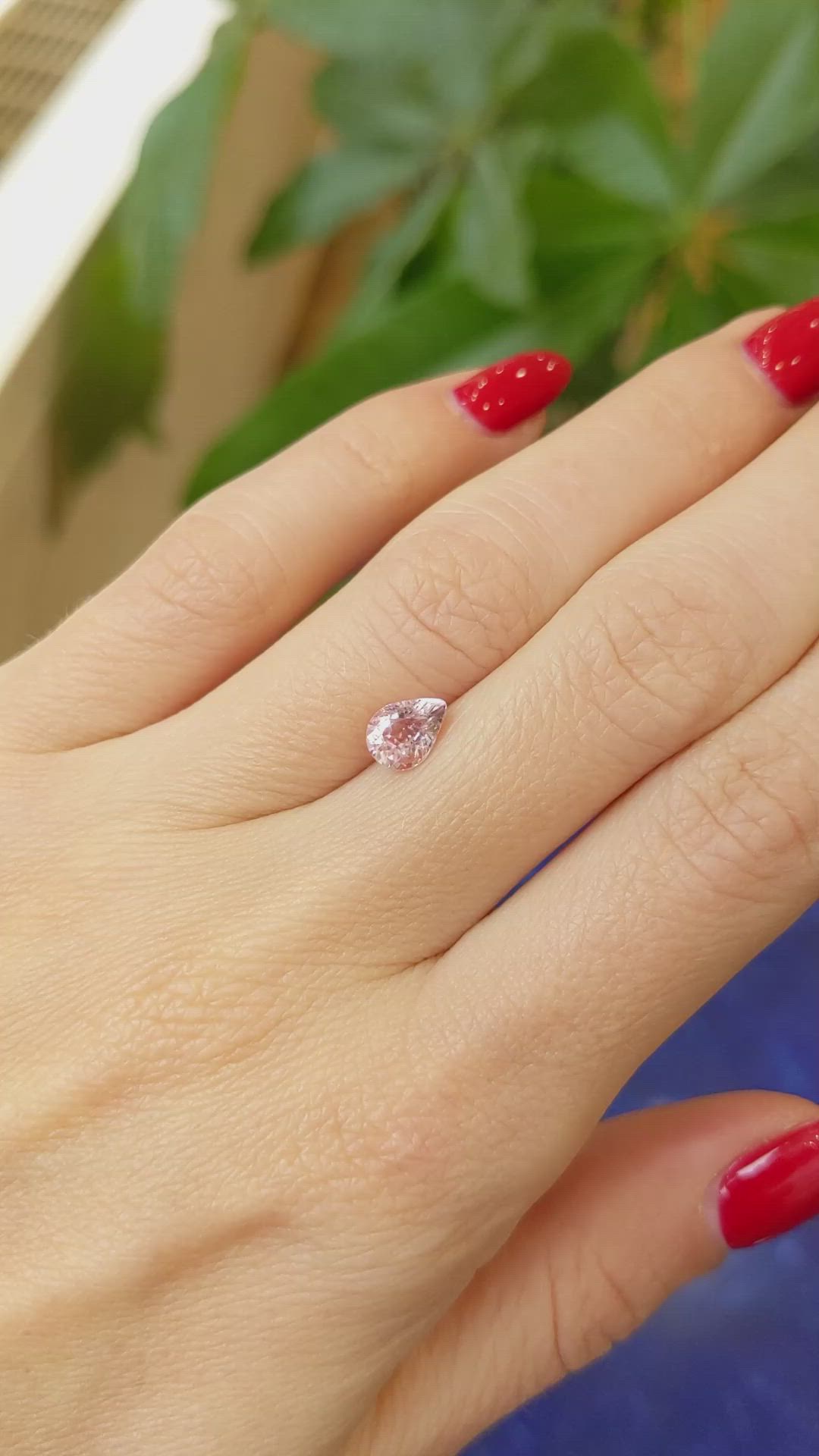




1.01 Ct. Padparadscha Sapphire from Ceylon (Sri Lanka)
This loose stone is available to ship now
Item ID: | S23322 |
|---|---|
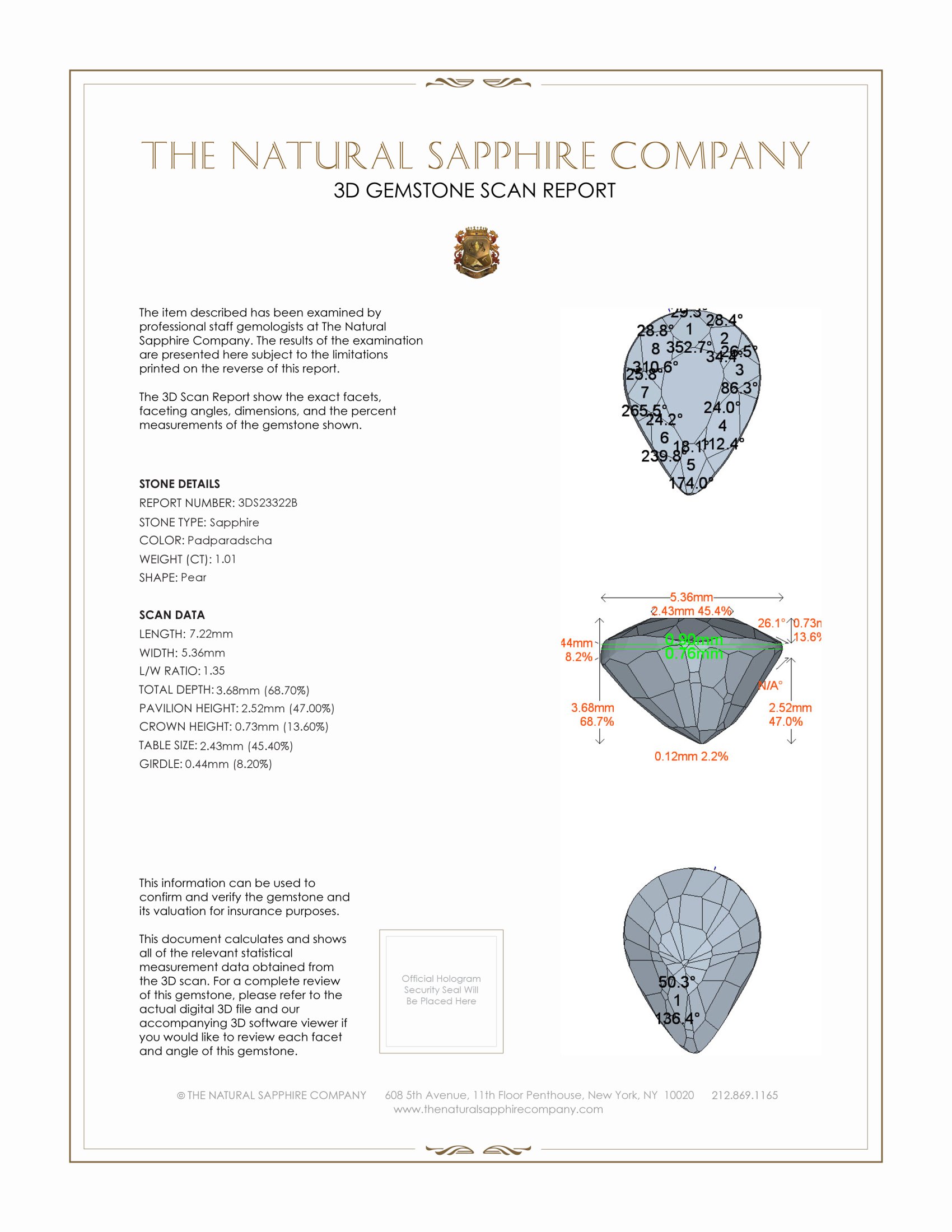
Dimensions (MM): help | Length: 7.22 Width: 5.36 Height: 3.68 |
Weight: | 1.01 Ct. |
Color: help | Padparadscha |
Color intensity: help | Light |
Clarity: help | Slightly Included |
Shape: help | Pear |
Cut: | Mixed Brilliant Cut |
Cutting style: | Faceted |
Enhancements: help | No Enhancement |
Origin: help | Ceylon (Sri Lanka) |
Per carat price: help | $2,000 |
This piece is a transparent Padparadscha sapphire certified by C.Dunaigre, weighing 1.01 carats, presented in a pear shape with precise measurements of 7.22 by 5.36 by 3.68 millimeters, and exhibiting a mixed brilliant cut. The length to width ratio of 1.35 gives a balanced pear outline that reads neither squat nor overly elongated, and the calculated depth of 3.68 millimeters results in a depth proportion of approximately 58.5 percent relative to the average of the length and width. Those proportions are immediately relevant to light performance and color distribution, because the mixed brilliant treatment typically combines a brilliant facet structure on the crown with a modified faceting scheme on the pavilion, thereby optimizing both scintillation and through stone color. The gem is graded as slightly included at the eye level, transparent in appearance, with a light color intensity and an excellent polish, and the Ceylon origin from Sri Lanka is documented on the certificate along with a declaration of no enhancement. The combination of certified origin, natural state, and exacting dimensions makes the material predictable for precision setting and for inclusion in an heirloom piece that will maintain stable optical behavior over generations.
Color analysis is central to the Padparadscha identity, and this example demonstrates a delicate balance between pink and orange hues that characterizes classic specimens, while remaining in the lighter tonal range as indicated by the reported light intensity. In gemological terms, the hue balance places it within the salmon to lotus spectrum that collectors and connoisseurs recognize as Padparadscha, and the saturation is restrained rather than vivid, which gives the stone an elegant, ethereal presence. The mixed brilliant cut is intentionally designed to distribute color evenly across the table and along the wings of the pear shape, with crown facet angles chosen to break light into fine flashes while the pavilion geometry preserves color depth without creating dark windows. The excellent polish and precise junctions at facet edges support high contrast scintillation, and the combination of corundum hardness of nine on the Mohs scale and an approximate specific gravity of 4.00 grams per cubic centimeter ensures that this sapphire is well suited to regular wear when set appropriately, a practical feature for a gem intended to be handed down and enjoyed rather than locked away.
From a clarity and craftsmanship perspective the slightly included grade at eye level signifies the presence of inclusions that are visible under direct inspection, yet these internal features are stable and do not compromise structural integrity. The mixed brilliant faceting allows many of these internal characteristics to be camouflaged by reflected light and scintillation, when the stone is viewed face up, and careful orientation in the setting can minimize the perceptibility of any inclusions in typical lighting environments. The excellent polish denotes a smooth facet surface and crisp facet junctions, which together maximize light return and maintain the intended optical signature of the padparadscha hue. The C.Dunaigre certificate documents that no thermal or chemical enhancement was applied, and the Ceylon origin is significant because Sri Lankan sapphires often display the subtle, lyrical color that defines desirable Padparadscha material. These combined attributes indicate meticulous lapidary work and responsible sourcing, factors that enhance provenance and collector confidence.
When considering this sapphire as the nucleus of a generational heirloom, the technical attributes translate directly into long term value and practical longevity. The inherent hardness of corundum, together with the documented absence of enhancement, means the color and structure remain stable under ordinary conditions, and the measured proportions and mixed brilliant faceting support consistent optical performance when set. For maximum preservation and daily wear considerations a secure setting such as a low profile bezel, a protective halo, or carefully placed prongs in platinum or eighteen karat gold will guard the girdle and apex of the pear against knocks while allowing the crown facets to display color and brilliance. The C.Dunaigre report supplied by The Natural Sapphire Company provides a traceable provenance document that can accompany appraisals and insurance records, which is critical for intergenerational transfer and for maintaining market recognition of quality. Periodic maintenance including prong checks, professional cleaning, and occasional repolishing as needed will ensure that the excellent polish and facet integrity remain intact. For clients seeking to create a bespoke family heirloom, The Natural Sapphire Company offers tailored design consultations, historic style adaptations, and secure documentation services, ensuring that this Padparadscha sapphire can be transformed into a ring, pendant, or brooch that not only celebrates current ownership, but reliably communicates authenticity and craftsmanship to the next generation.


