
- Stone14
- Reports3


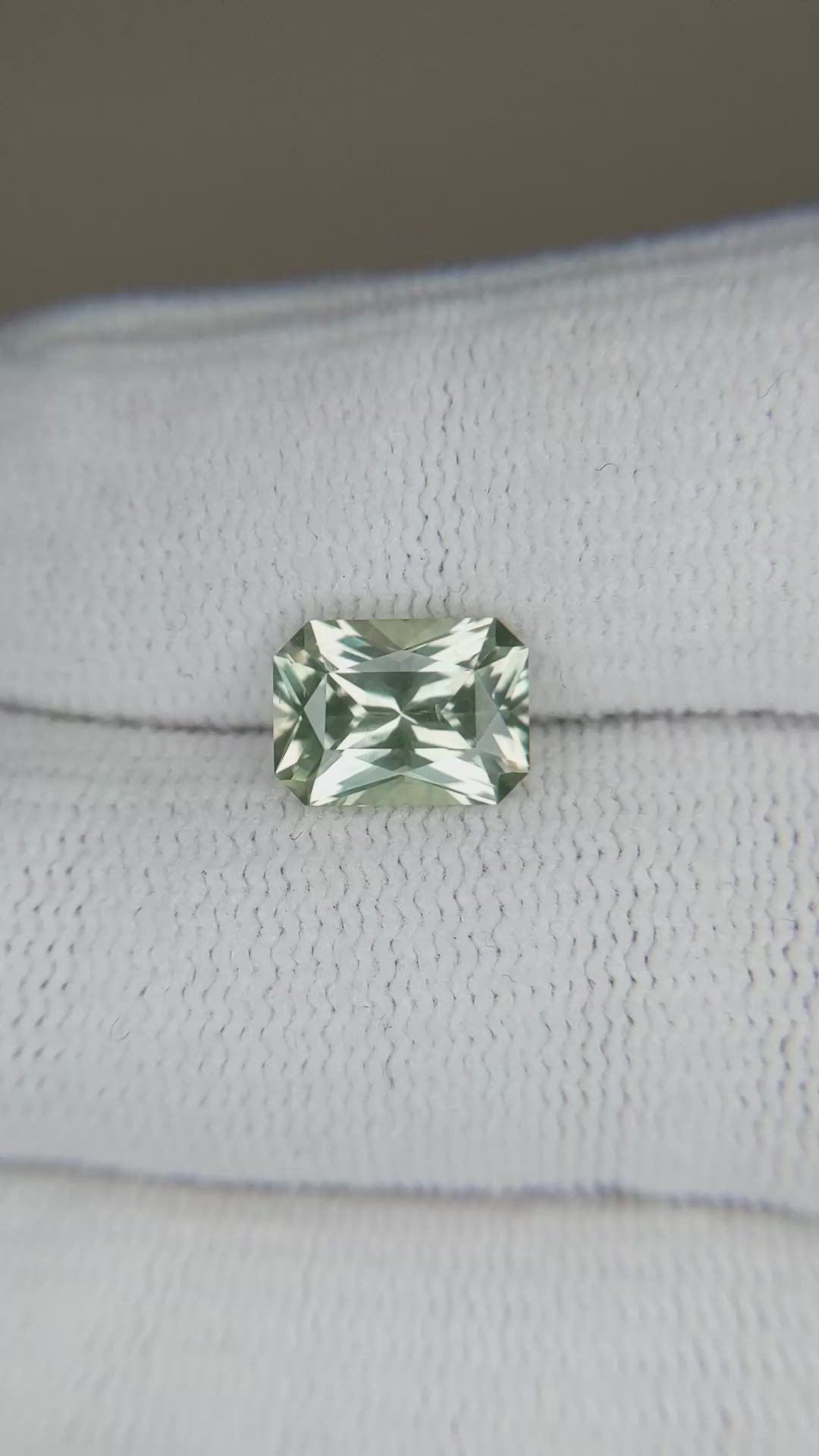
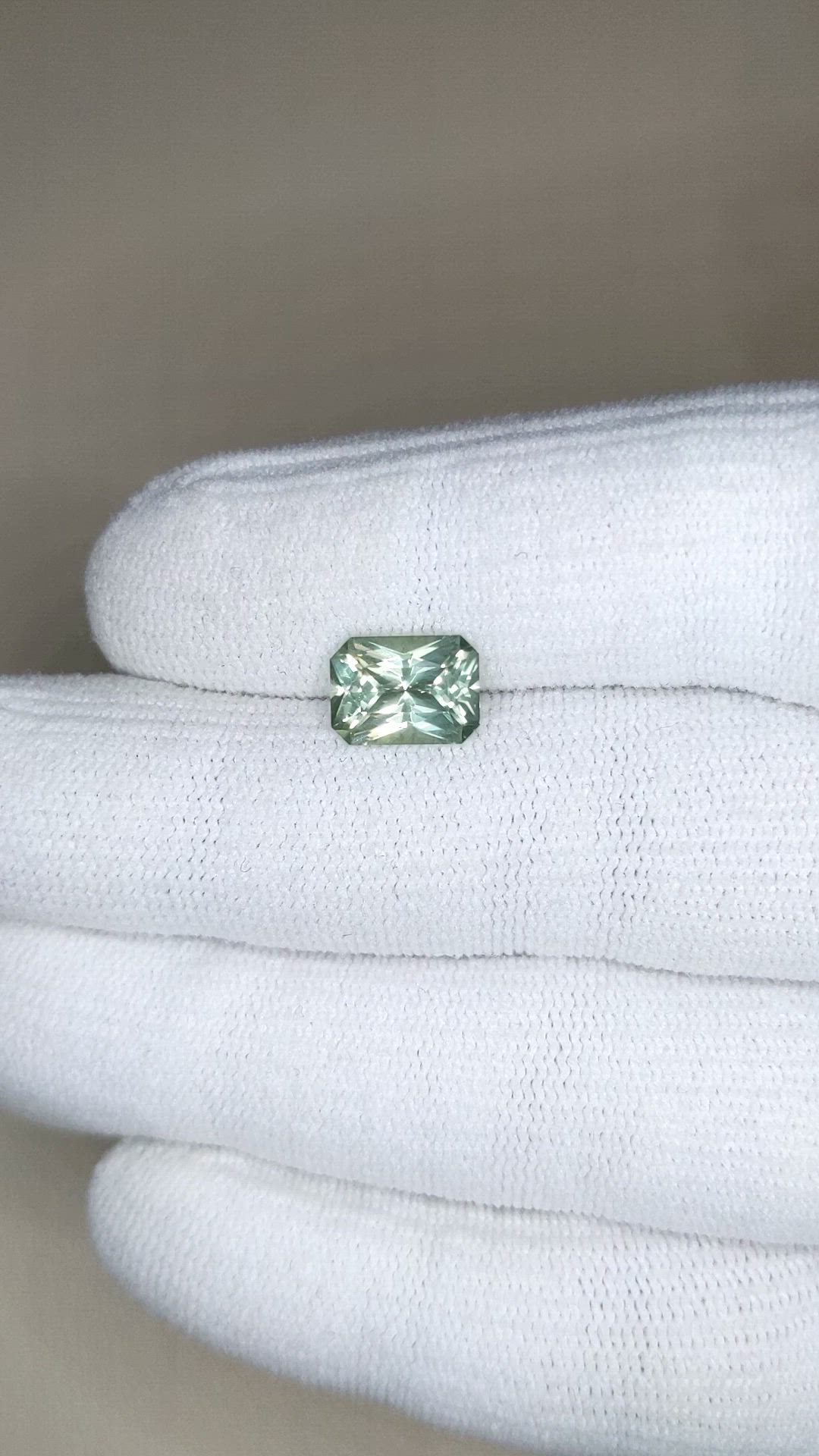
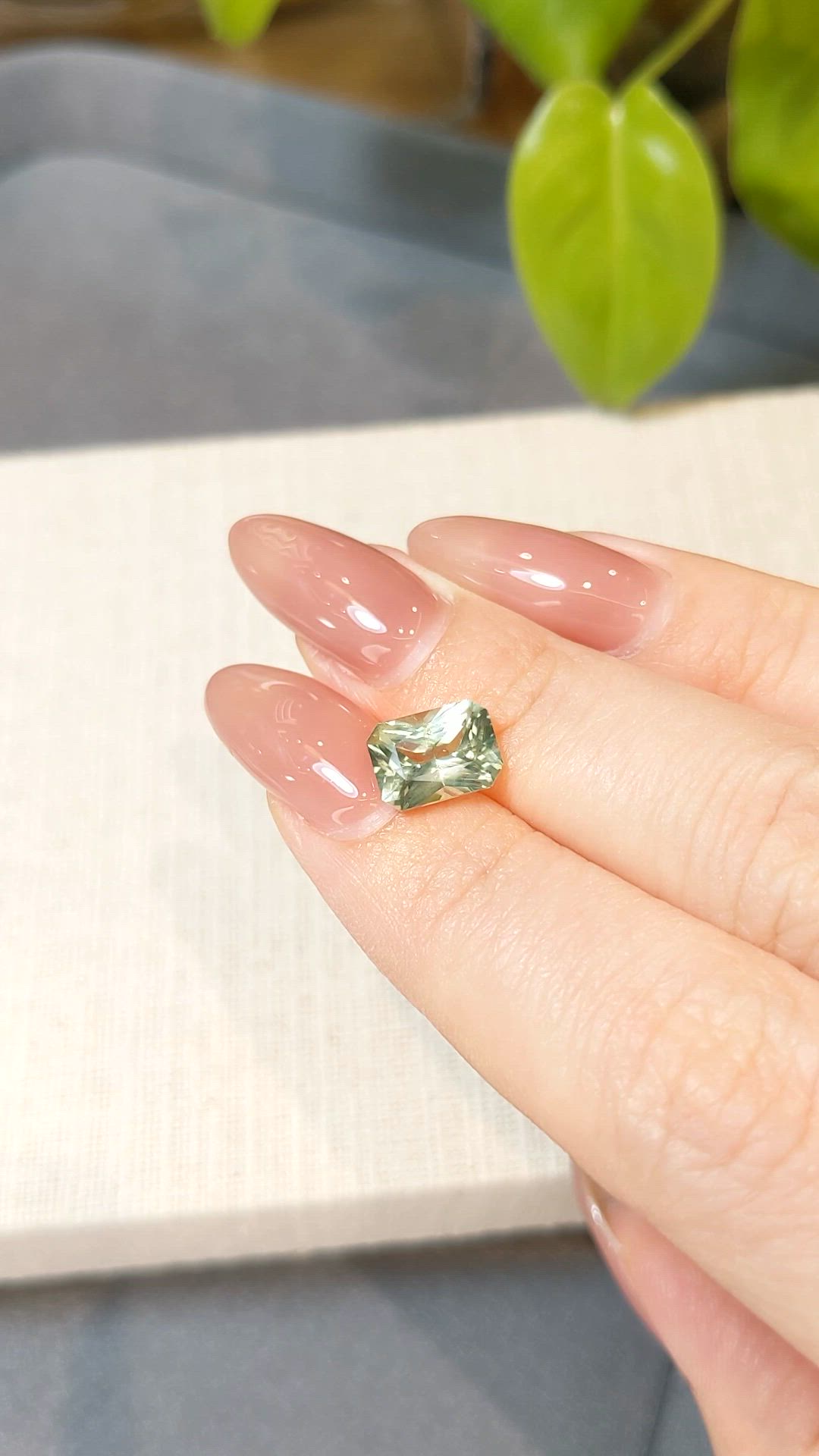
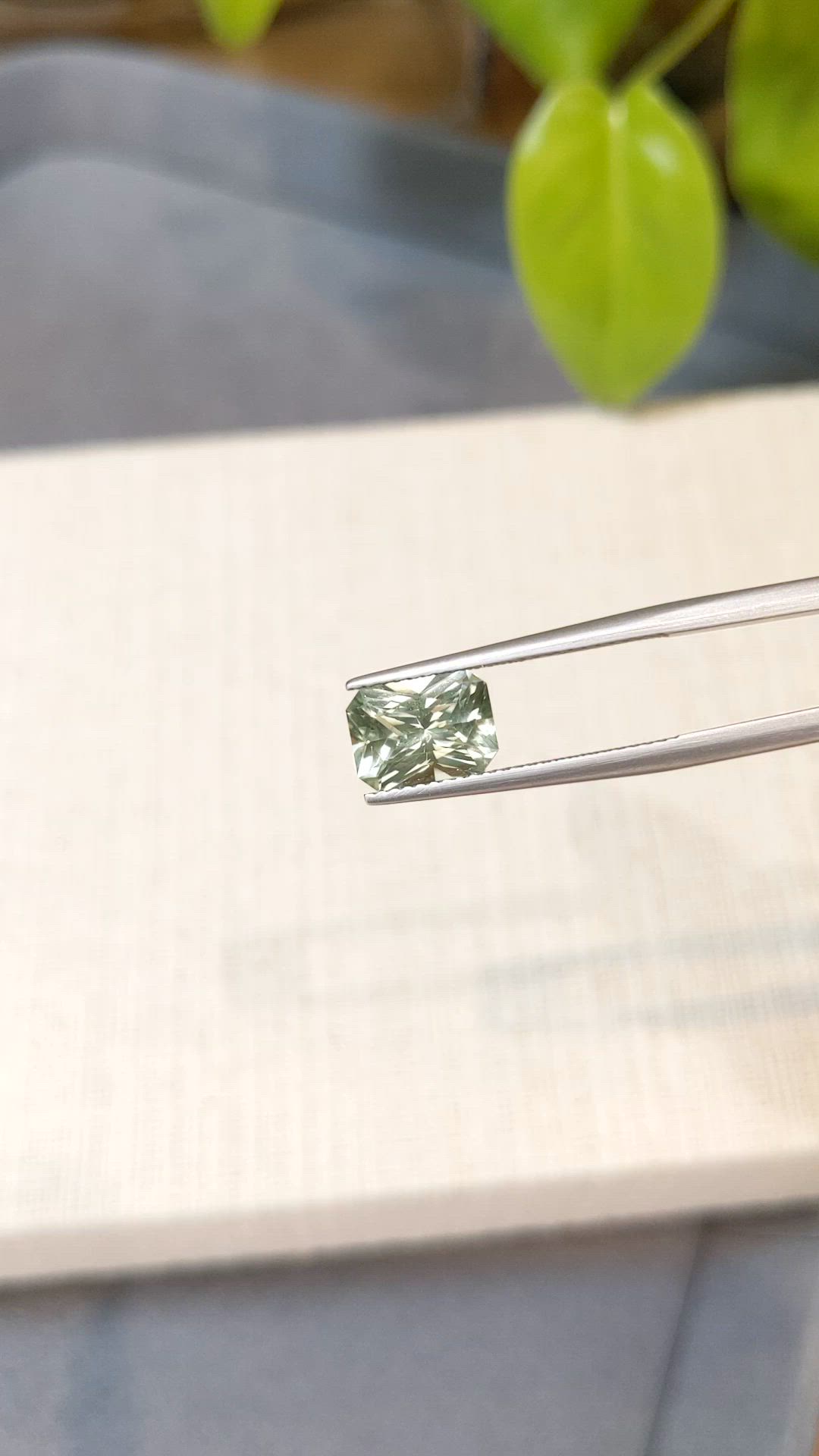
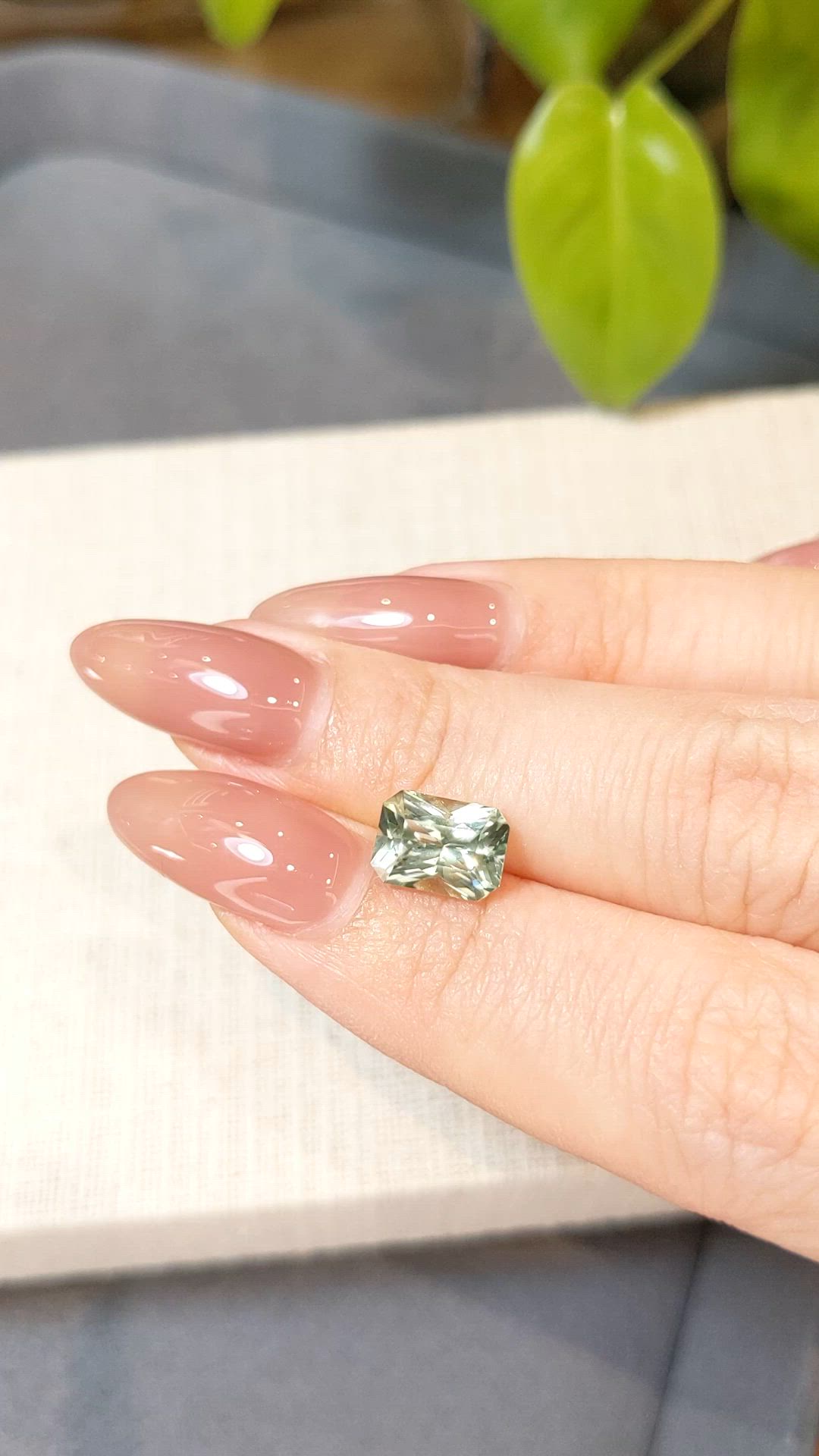




2.76 Ct. Yellowish Green Sapphire from Montana
This loose stone is available to ship now
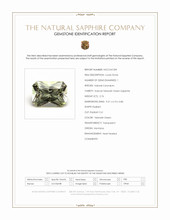
Item ID: | S41339 |
|---|---|
Dimensions (MM): help | Length: 9.21 Width: 6.74 Height: 4.86 |
Weight: | 2.76 Ct. |
Color: help | Yellowish Green |
Color intensity: help | Medium |
Clarity: help | Very Very Slightly Included |
Shape: help | Radiant |
Cut: | Radiant Cut |
Cutting style: | Faceted |
Enhancements: help | Heat Treated |
Origin: help | Montana |
Per carat price: help | $3,108 |
This 2.76 carat radiant shape yellowish green sapphire presents a combination of measured proportions and natural clarity, suitable for refined jewelry design and careful collectors. The stone measures 9.21 by 6.74 by 4.86 millimeters, and it exhibits a radiant cut engineered to balance color and light return. Clarity is described as very very slightly included when evaluated at eye level, indicating minimal visible inclusions that do not interfere with transparency. Color intensity is medium, allowing the yellow green tonal range to be clearly read without overpowering darkness. The surface shows an excellent polish, and the material is transparent, permitting internal facet reflections to contribute to its visual performance. The sapphire has been heat treated, a standard and stable enhancement for optimizing color and clarity, and it originates from Montana, a source known for producing well colored, clean corundum with characteristically cool to olive influenced hues.
The radiant cut is a key factor in the way this sapphire delivers brilliance, and its faceting pattern differs from more common shapes in ways that affect perceived light return. Unlike a traditional brilliant round that maximizes brilliance through a high number of triangular facets, or an emerald cut that emphasizes step facets and clarity, the radiant cut uses a hybrid arrangement of trimmed corners and a series of brilliant style facets to increase sparkle across a rectangular table. For a colored stone with medium color intensity, this trade off is advantageous, since the cut disperses light through multiple planes and reduces the likelihood of windowing or dead areas. When compared to diamond, sapphires have a lower refractive index and lower dispersion, therefore they do not exhibit the same level of fire that diamonds display, nevertheless, a well executed radiant cut compensates by creating strong scintillation and contrast, which results in lively flashes of light. Compared to emeralds and certain green tourmalines, which often show deeper saturation and softer brilliance due to step cutting or inherent inclusions, this Montana sapphire stands out for its clarity and its ability to render both color and sparkle without sacrificing one for the other.
Clarity and polish play a decisive role in the optical performance of this sapphire, and the very very slightly included grade at eye level speaks to the stone s capacity to transmit light cleanly. The combination of transparent material and excellent surface finish allows internal facet reflections to remain crisp, producing focused flashes that read as lively within the yellowish green palette. The stone s proportions, with a depth that produces an overall depth proportion of approximately sixty one percent relative to the average of length and width, support balanced light return without excessive windowing. In practical terms this means that when mounted the gem will present a consistent face up appearance, maintaining both color saturation and dynamic movement. The corundum structure of sapphire also contributes to brilliance through its natural luster, and its hardness of nine on the Mohs scale makes it resilient to everyday wear in a variety of settings, which is an advantage over softer green gems that may require more protective mounting.
Provenance and treatment are important considerations for collectors and designers, and this sapphire s Montana origin is part of its appeal, reflecting a geological source with a history of producing clean, attractive green to yellow green corundum. The heat treatment reported for this stone is a widely accepted method for improving color uniformity and reducing the visibility of certain inclusions, and when disclosed it allows for an accurate assessment of both current appearance and long term stability. The Natural Sapphire Company provides this information as part of a clear presentation of material attributes, so that designers and clients can make informed choices about setting type and metal pairing. In practical terms, the stone s radiant shape and measured dimensions make it suitable for engagement rings and fashion rings where a rectangular profile is desired, and it also adapts well to bezel and prong settings that protect the corners while allowing light to enter the pavilion. The result is a yellowish green sapphire that stands apart from more commonly encountered gemstones through a blend of transparency, precise cutting, and a distinctive hue, offering a refined balance of color, durability, and optical performance for considered jewelry applications.


