
- Stone10
- Reports3
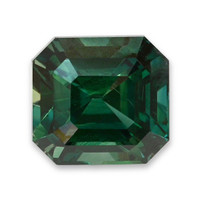
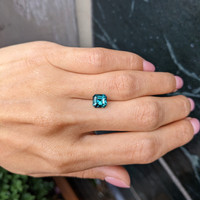
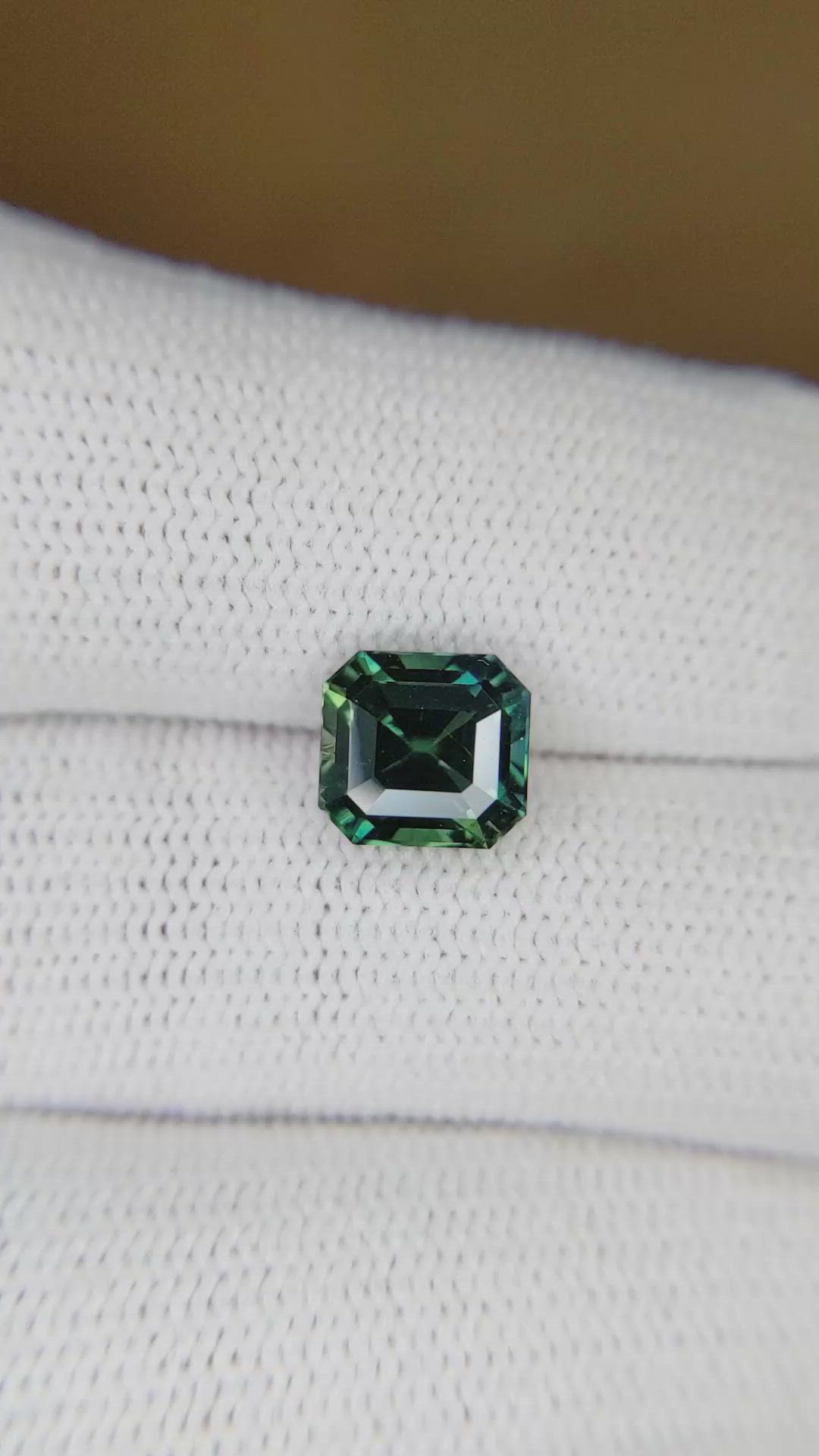
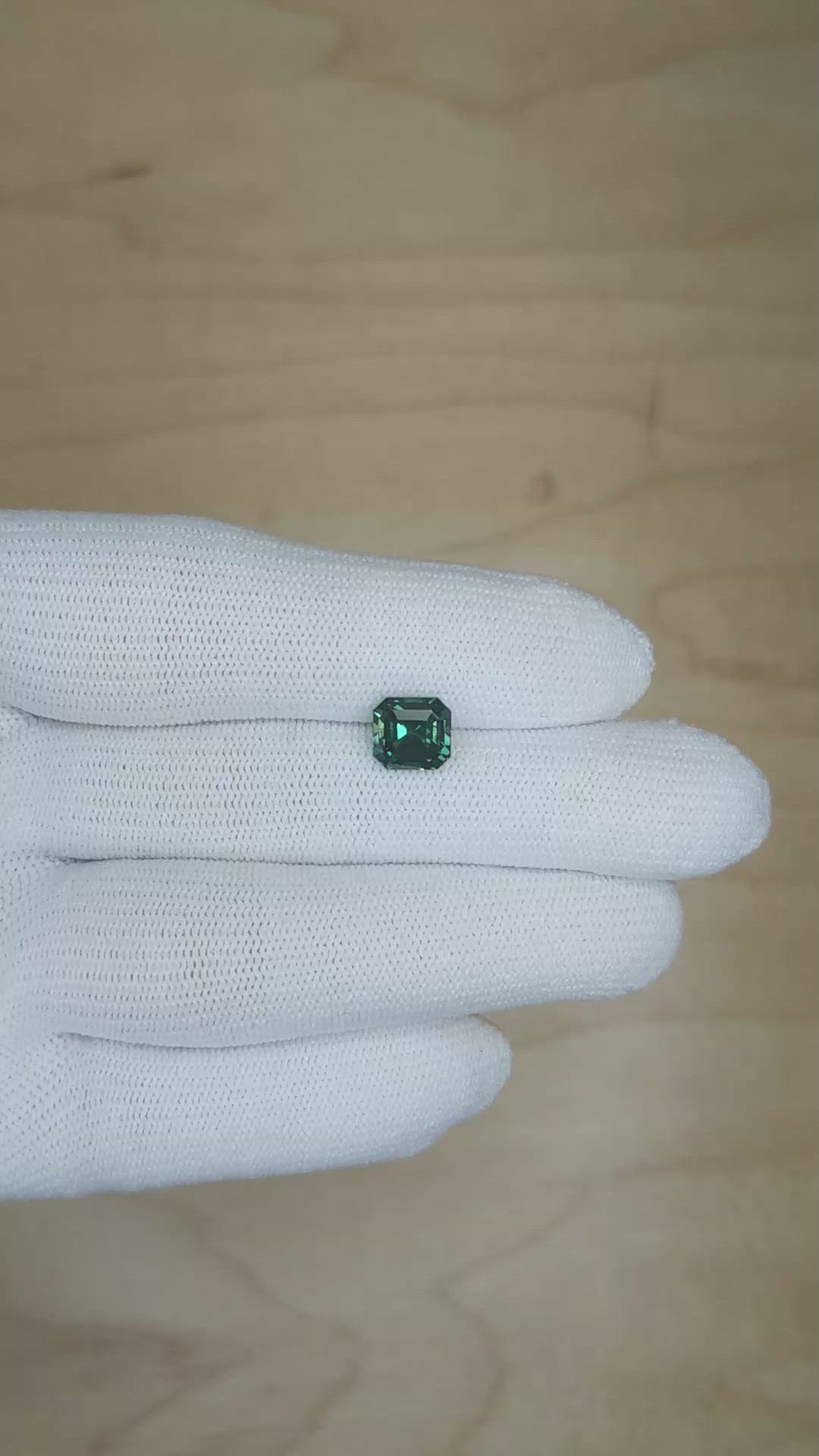
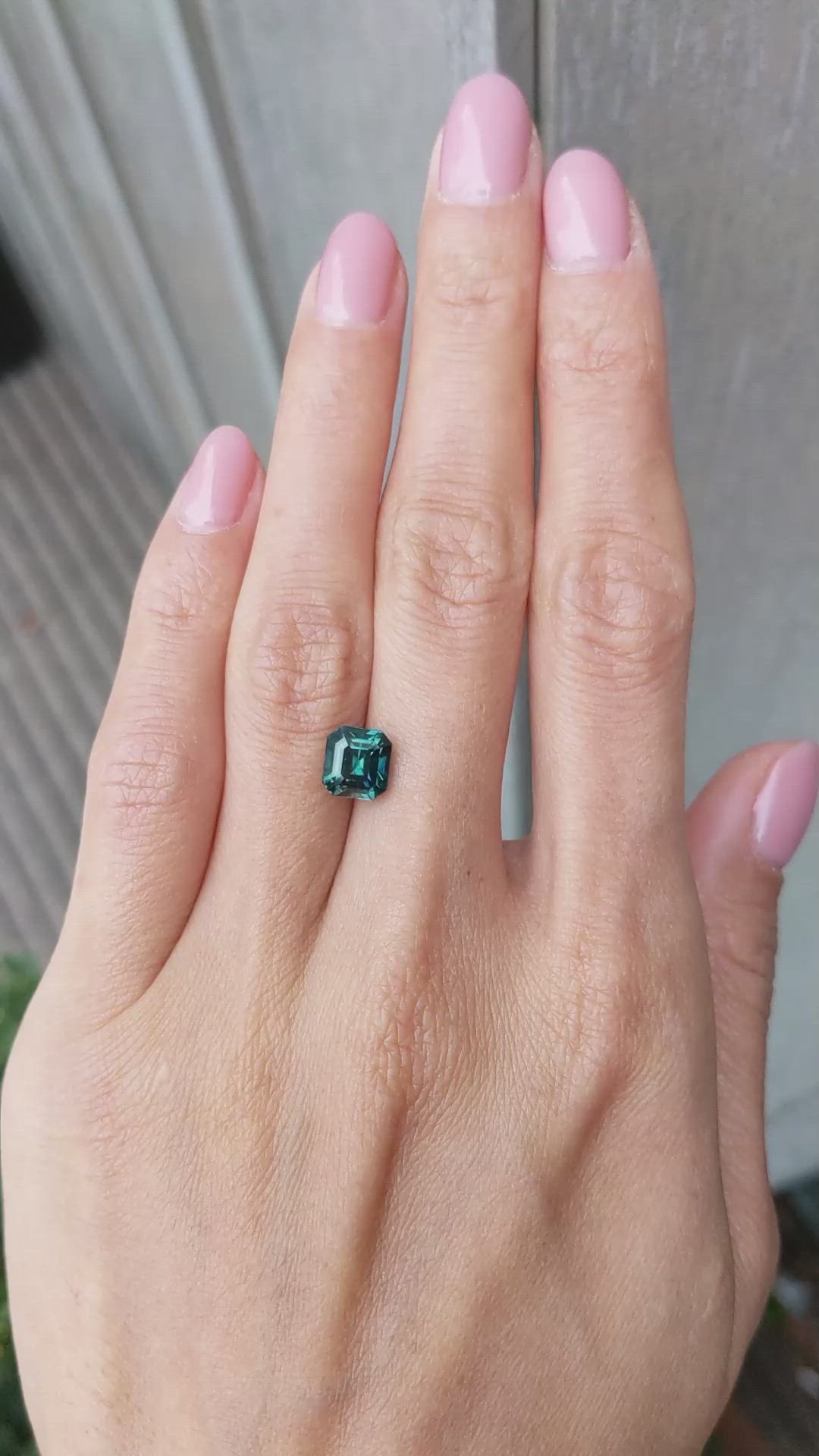


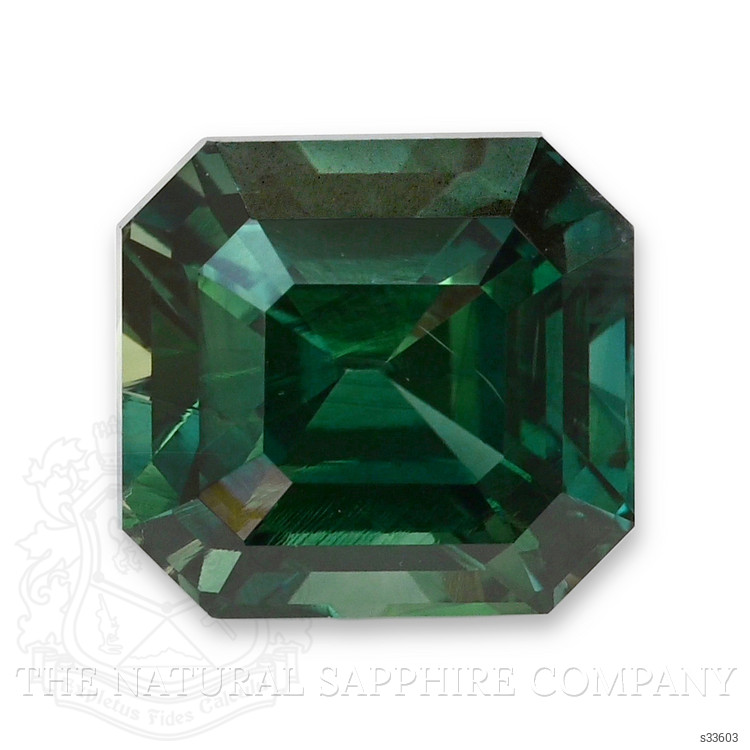
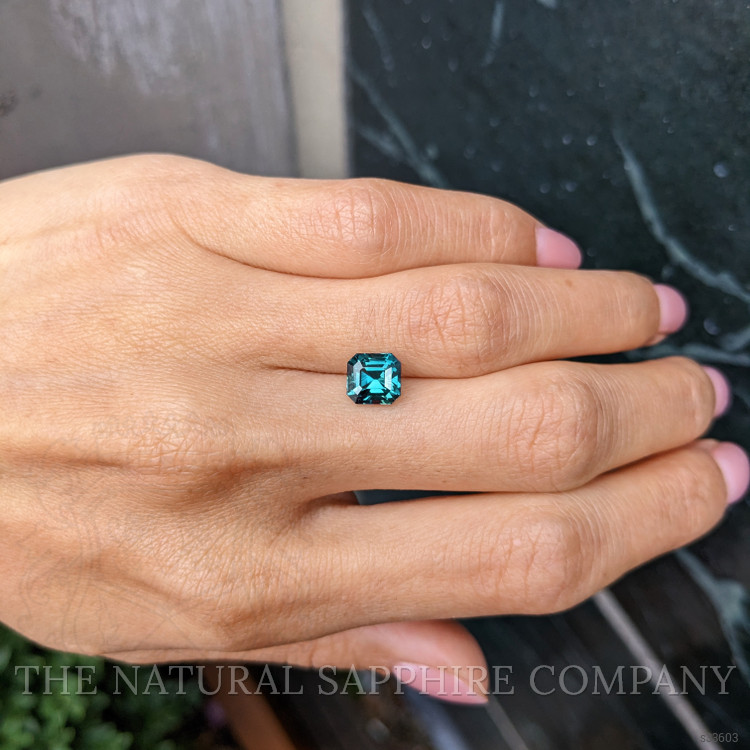


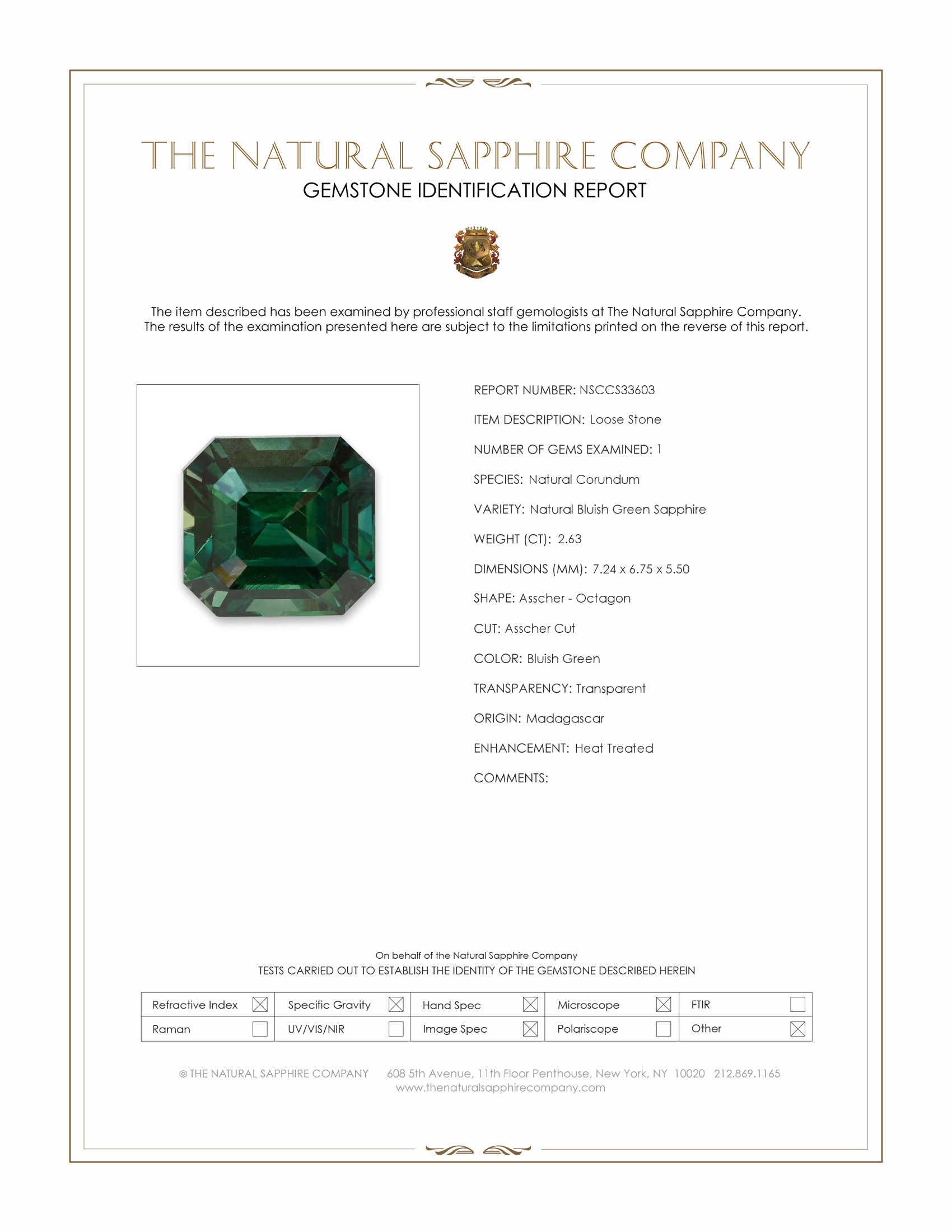

2.63 Ct. Bluish Green Sapphire from Madagascar
This loose stone is available to ship now
Item ID: | S33603 |
|---|---|
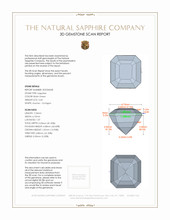
Dimensions (MM): help | Length: 7.24 Width: 6.75 Height: 5.5 |
Weight: | 2.63 Ct. |
Color: help | Bluish Green |
Color intensity: help | Intense |
Clarity: help | Very Slightly Included |
Shape: help | Asscher - Octagon |
Cut: | Asscher Cut |
Cutting style: | Faceted |
Enhancements: help | Heat Treated |
Origin: help | Madagascar |
Per carat price: help | $1,500 |
This transparent, 2.63 carat asscher octagon sapphire presents a bluish green hue with dimensions of 7.24 x 6.75 x 5.50 mm, a faceted asscher cut, and an overall appearance defined by intense color intensity and excellent polish. Clarity is graded as very slightly included, evaluated at eye level, indicating that the stone is notably clean to the naked eye with inclusions that do not interrupt the gemological presence or optical performance. The step faceting inherent to the asscher style produces broad, elegant planes that emphasize color depth and internal structure rather than the scintillation associated with brilliant cuts. The stone has undergone standard heat treatment, a stable and commonly accepted enhancement within the trade, and its documented origin is Madagascar. The combination of weight, cut, and polish yields a gem that reads as both substantial and refined when set into fine jewelry.
In hue and tone this bluish green sapphire occupies a position distinct from more classically blue sapphires from other renowned sources, and this distinction is readily apparent in direct comparison. Compared with Kashmir sapphires, which are celebrated for their velvety cornflower blue with medium to medium dark tone and a subtle diffusion that softens brilliance, this Madagascar stone shows a stronger green component and a more vivid saturation, with a tone that remains lively and intense rather than velvety muted. Compared with Burmese sapphires, which often present a deeper, royal blue with a cooler blue saturation and a tendency toward greater darkness, the present gem is lighter in tone and carries a warmer, greener bias that changes the perceived depth and emotional character of the stone. Compared with Sri Lankan sapphires, which frequently display lighter, brighter blue tones with higher brilliance at equivalent sizes, the asscher cut bluish green sapphire from Madagascar appears richer and more concentrated in color, the step facets concentrating color rather than spilling light, so the overall effect is one of concentrated hue rather than airy brilliance. The comparison to Montana sapphires is instructive, because Montana material often shows a distinct teal or bluish green character with a lighter to medium tone, yet those stones commonly exhibit a more muted saturation. This Madagascar example combines the teal leaning seen in Montana stones with a noticeably greater color intensity, resulting in a bluish green that is both vivid and legible under varied lighting conditions.
Clarity, cut, and treatment considerations are integral to understanding how this sapphire will perform visually and structurally in finished settings. The asscher cut, with its square octagonal outline, emphasizes transparency and color zoning, therefore a clarity grade of very slightly included evaluated at eye level is advantageous, allowing the large table and stepped pavilion facets to present a clean field of color without distracting reflections from internal features. Excellent polish enhances facet junctions and edge definition, contributing to crisp facet contrast within the step design and aiding the accurate read of hue and tone. Heat treatment in sapphires from Madagascar is a routine practice aimed at improving color uniformity and clarity, stability that conforms with standard market expectations when fully disclosed. From a practical standpoint the material retains the hardness and toughness characteristic of corundum, and the asscher shape suits secure bezel and four prong settings where the geometry can be highlighted without compromising protection. The Natural Sapphire Company documents origin and treatment to support informed selection, and the present stone offers a clear example of how source, cut, and clarity combine to produce a bluish green sapphire with both visual presence and gemological transparency.


