
- Stone14
- Reports3
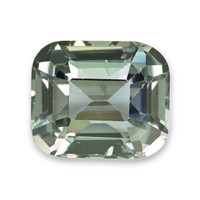
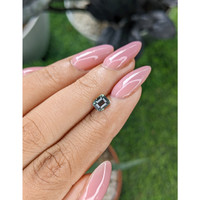
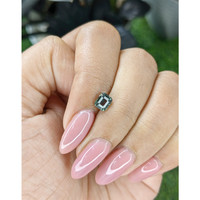
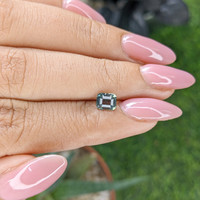
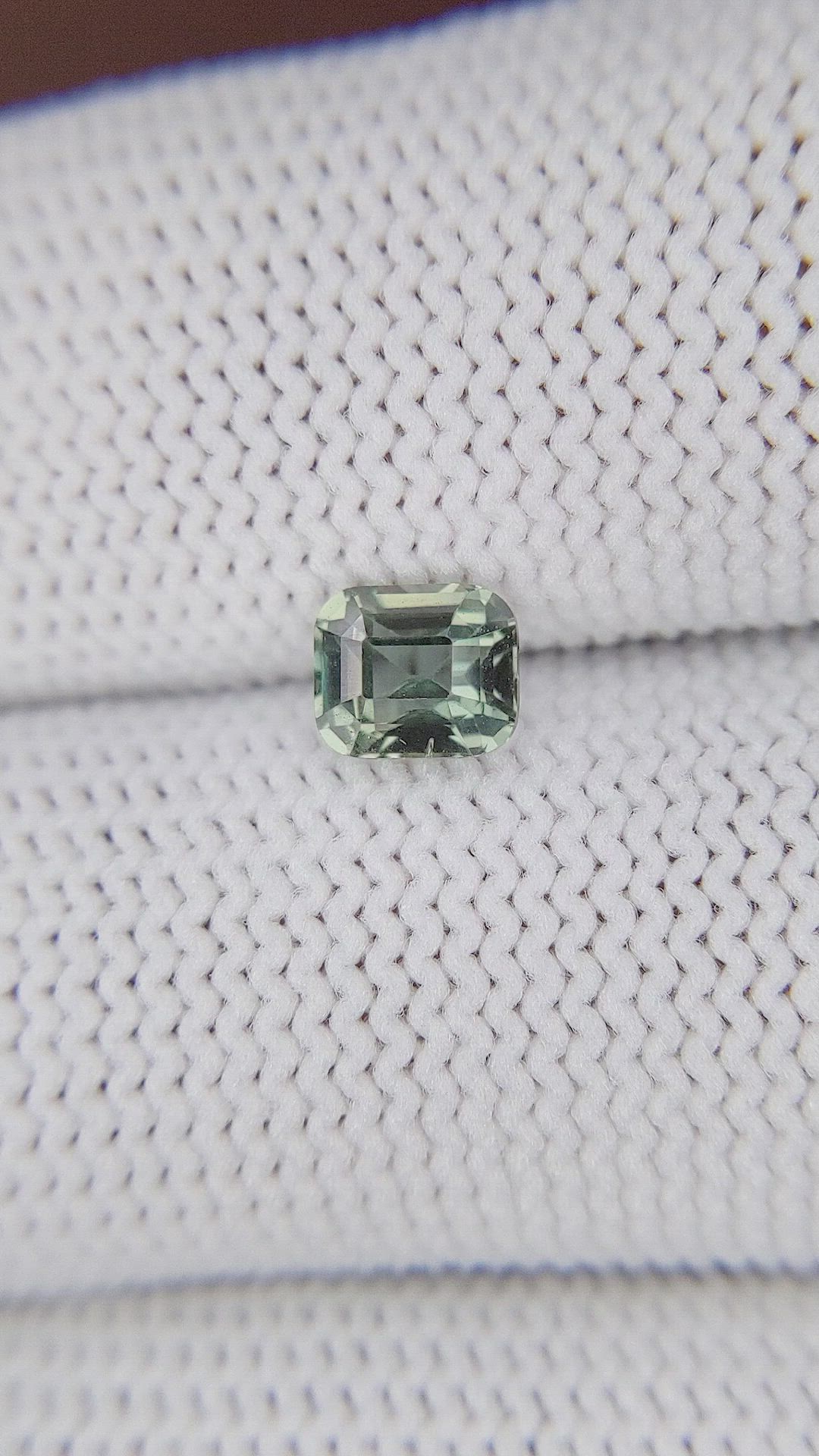
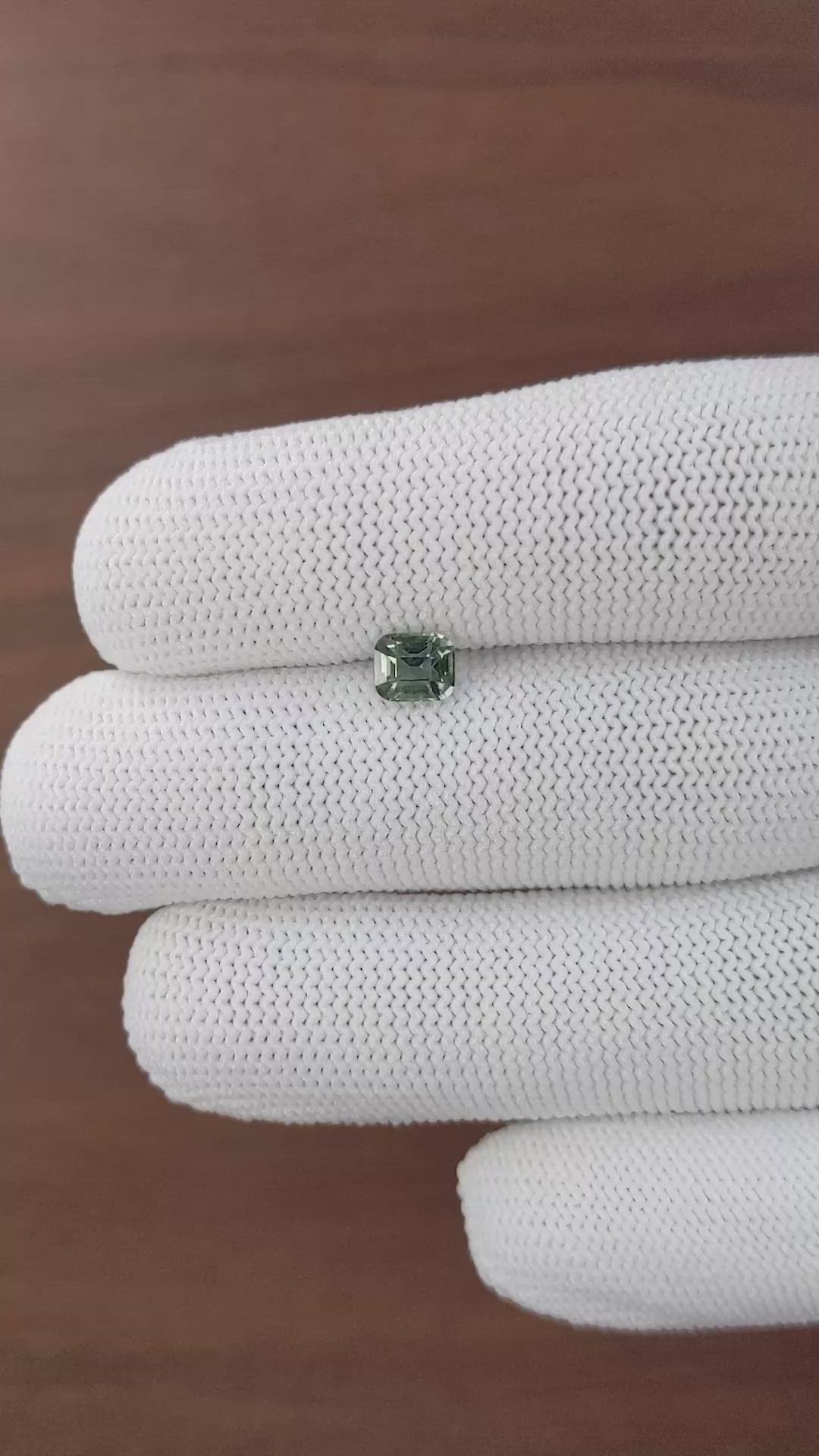
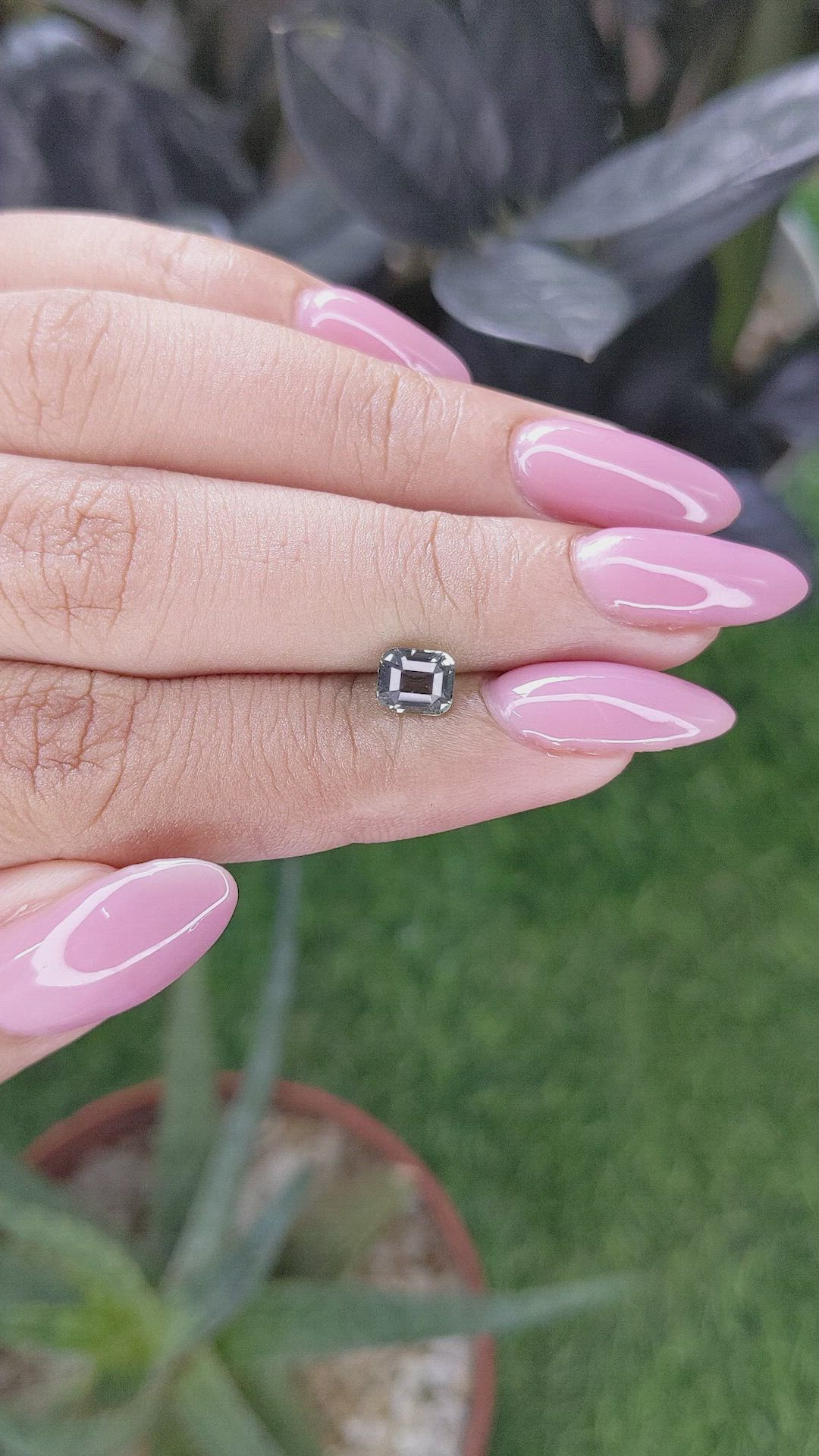
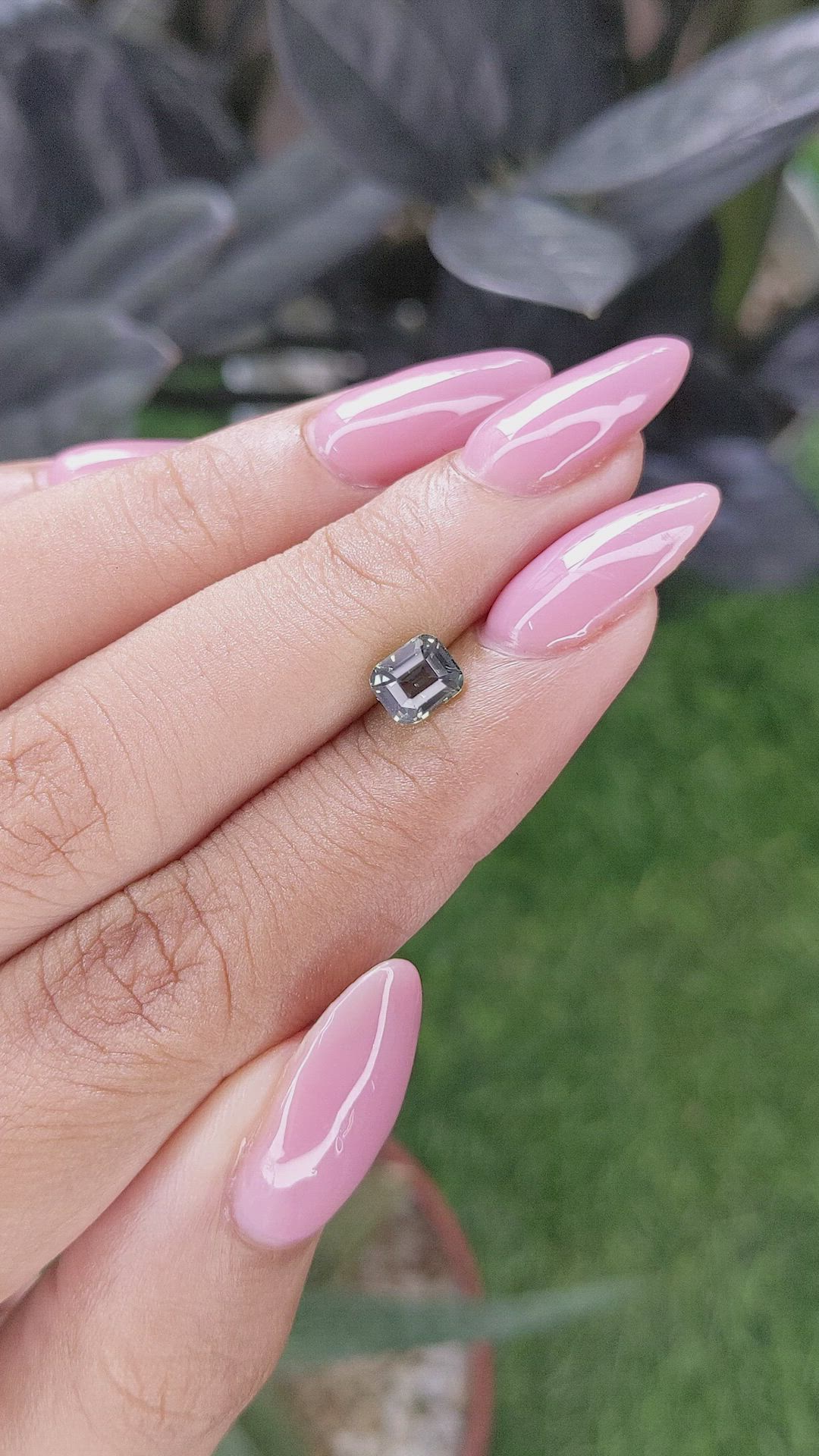
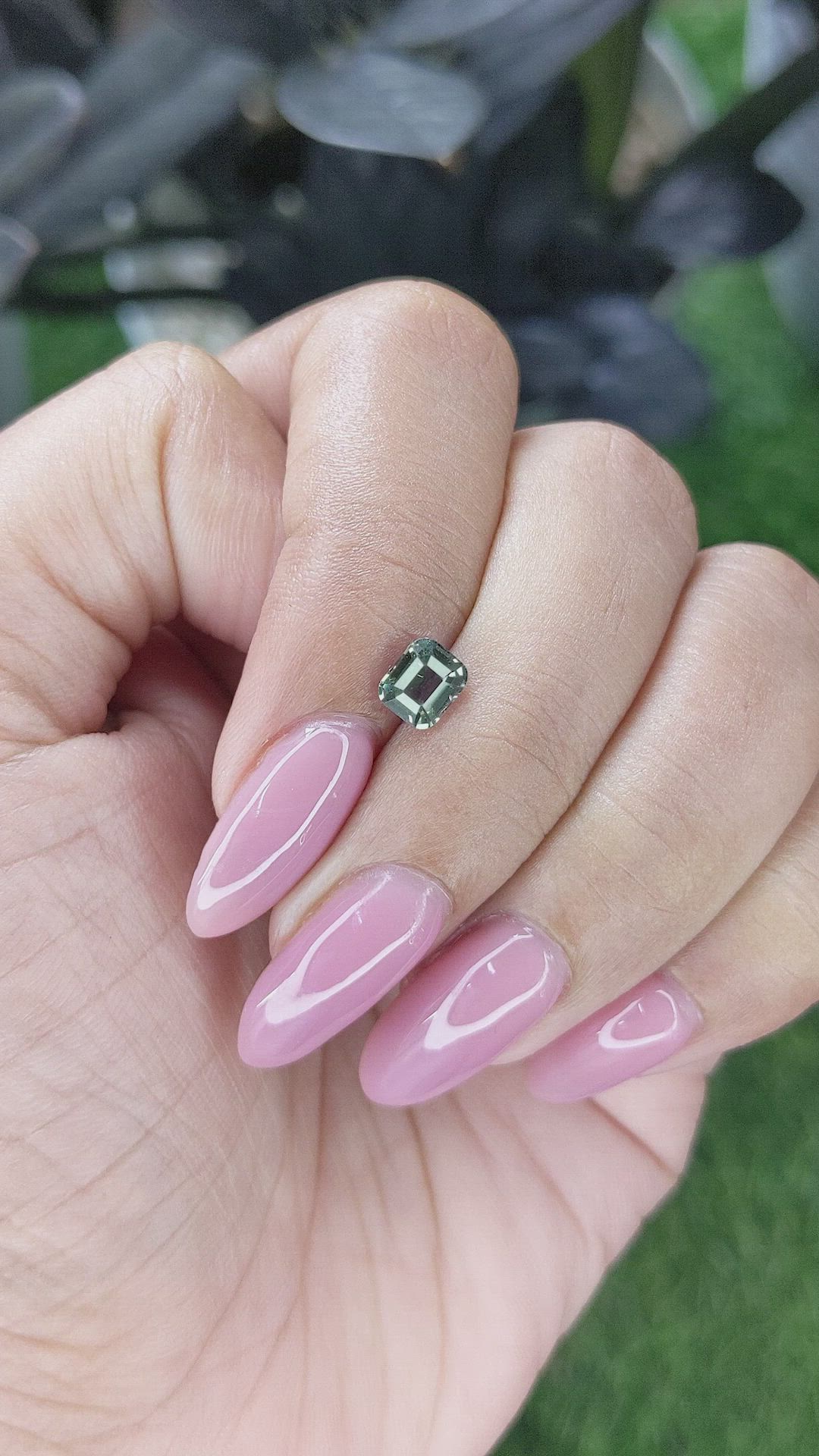

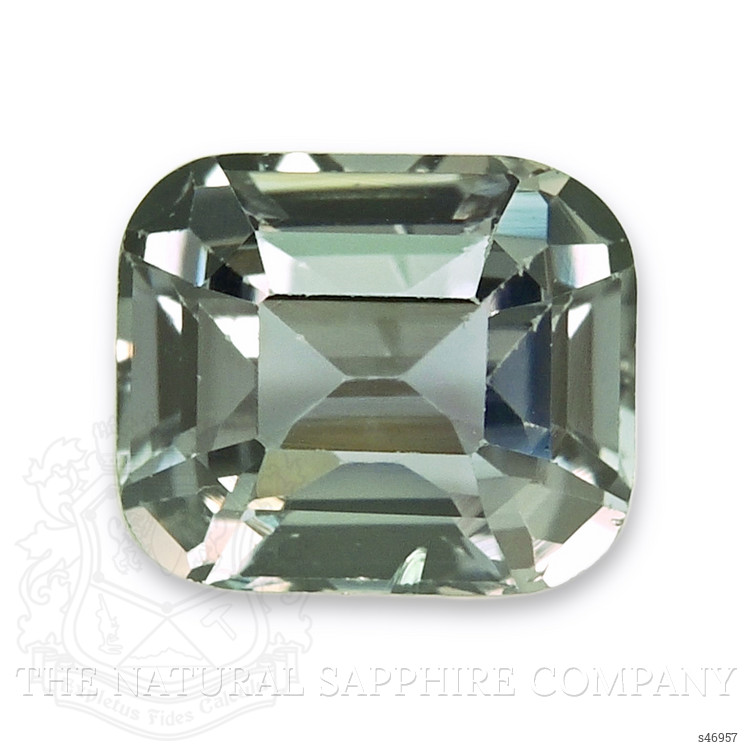
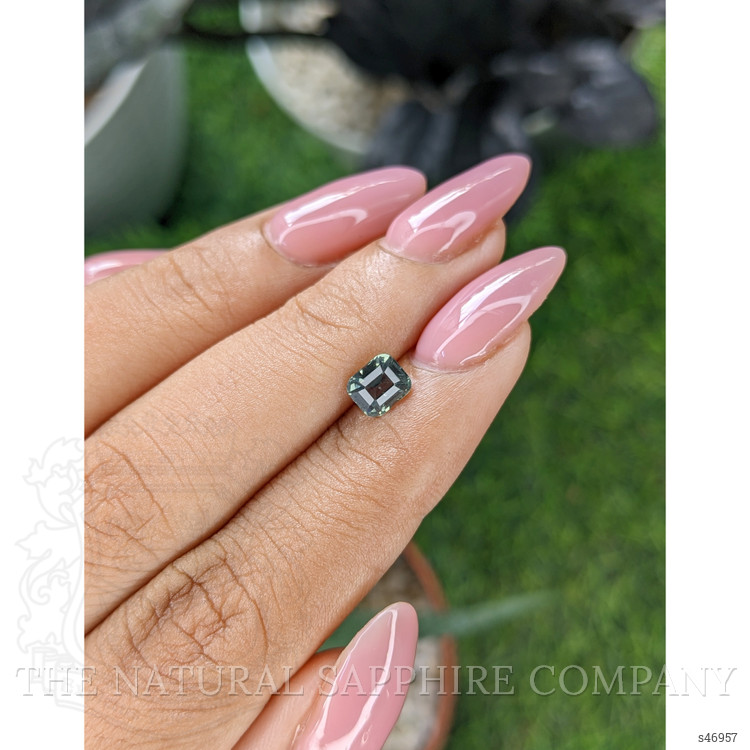
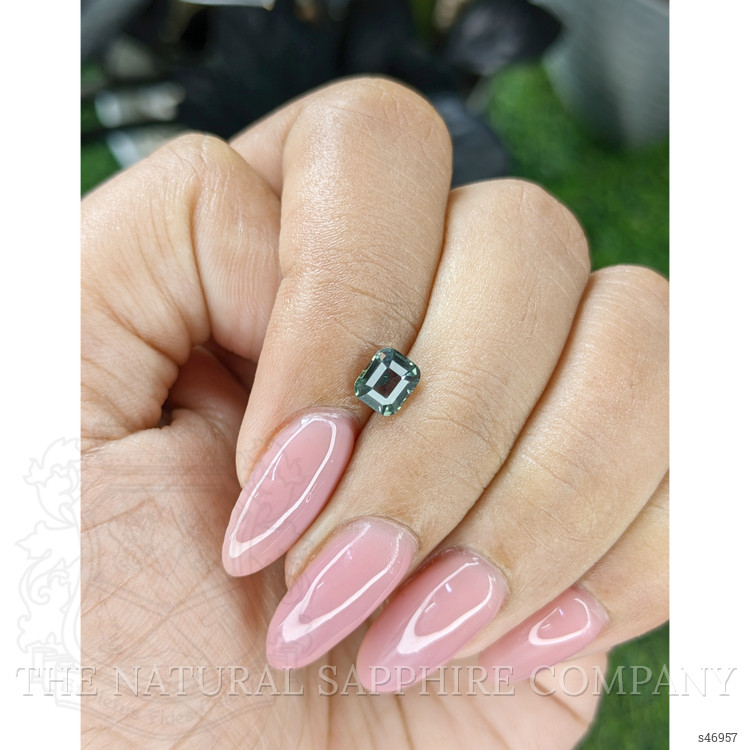
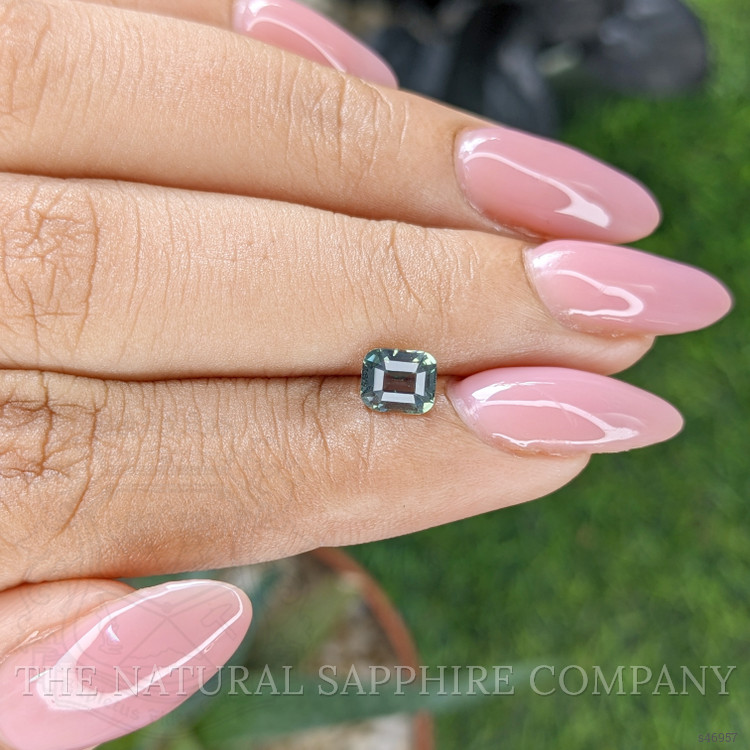

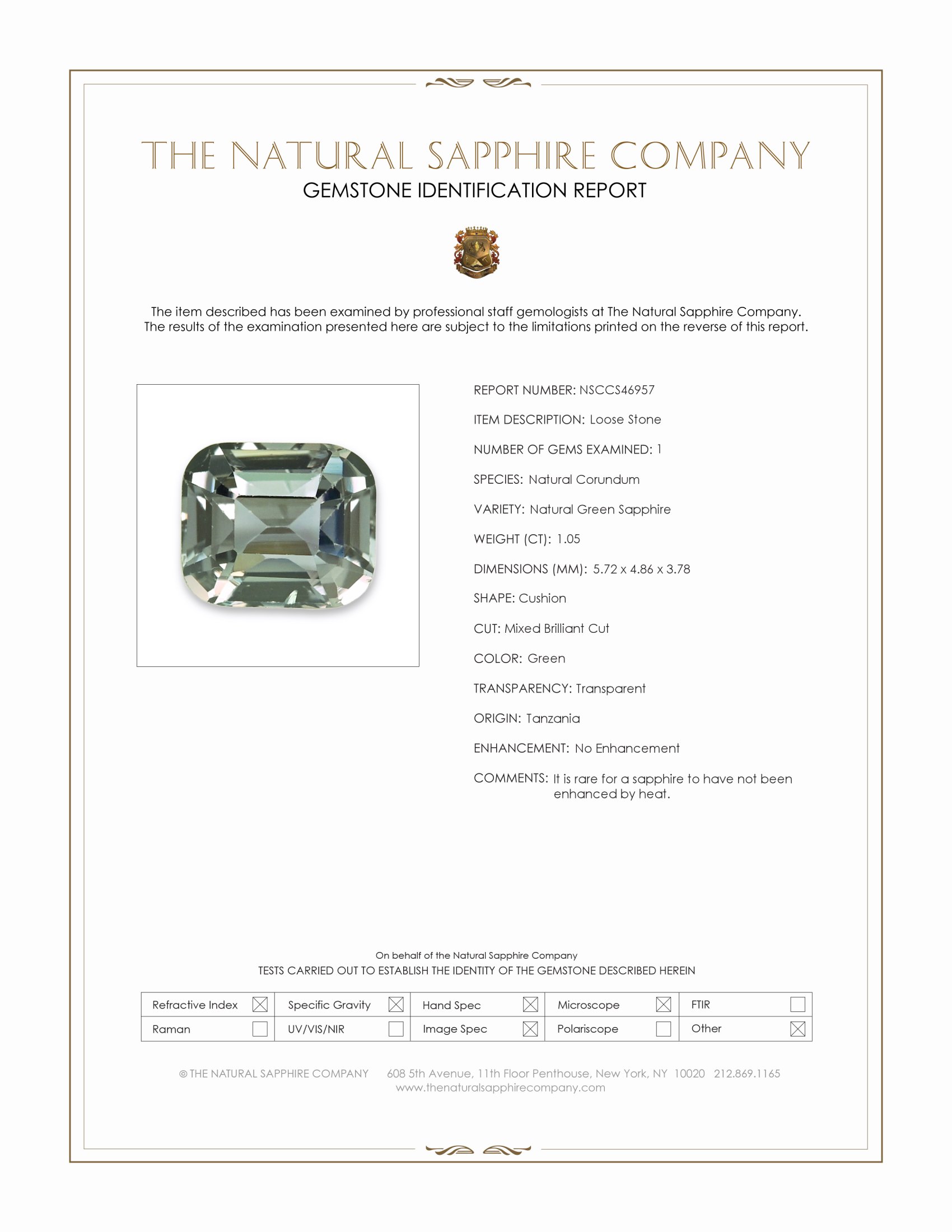
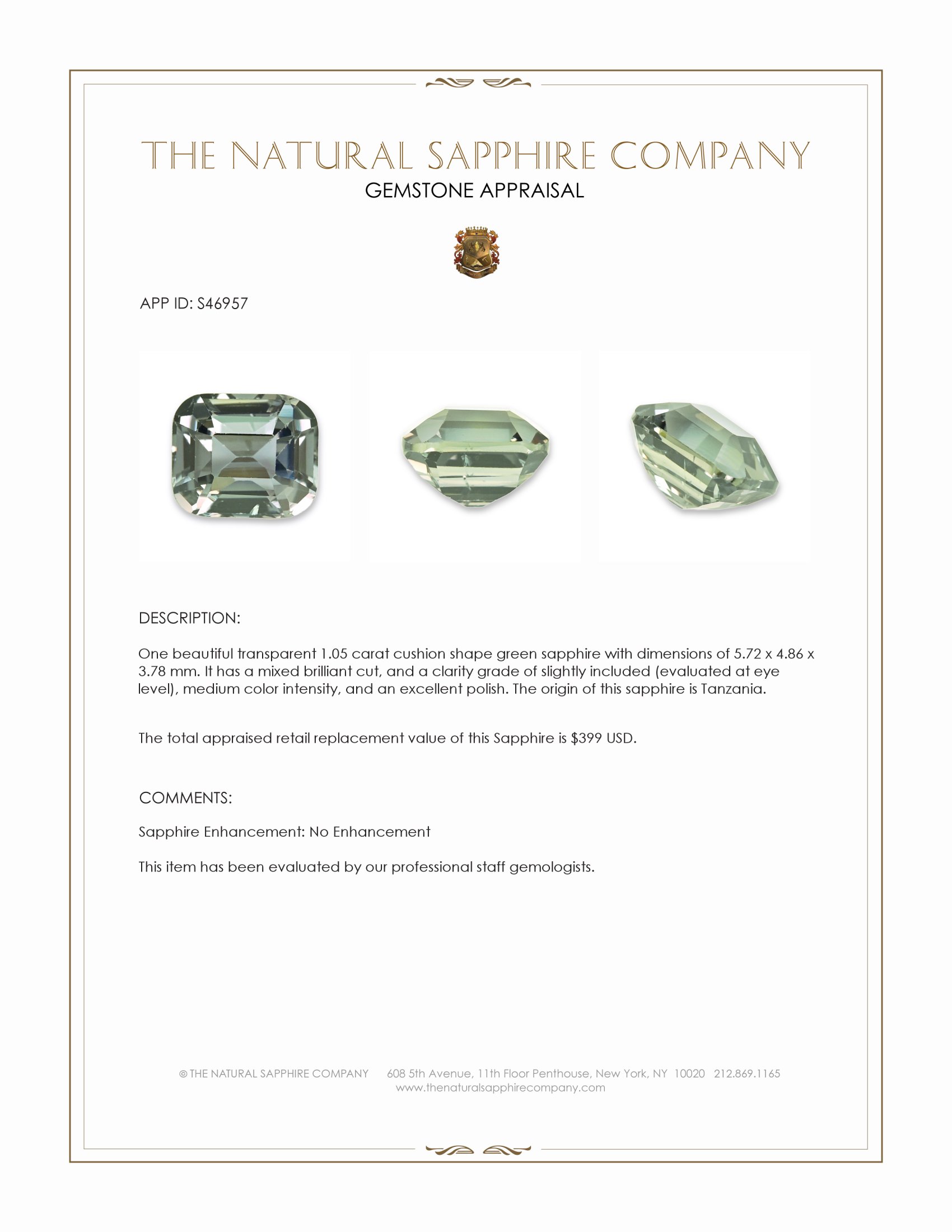
1.05 Ct. Green Sapphire from Tanzania
This loose stone ships by Nov 2
Item ID: | S46957 |
|---|---|
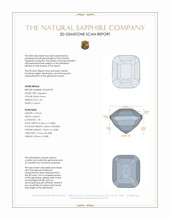
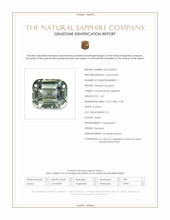
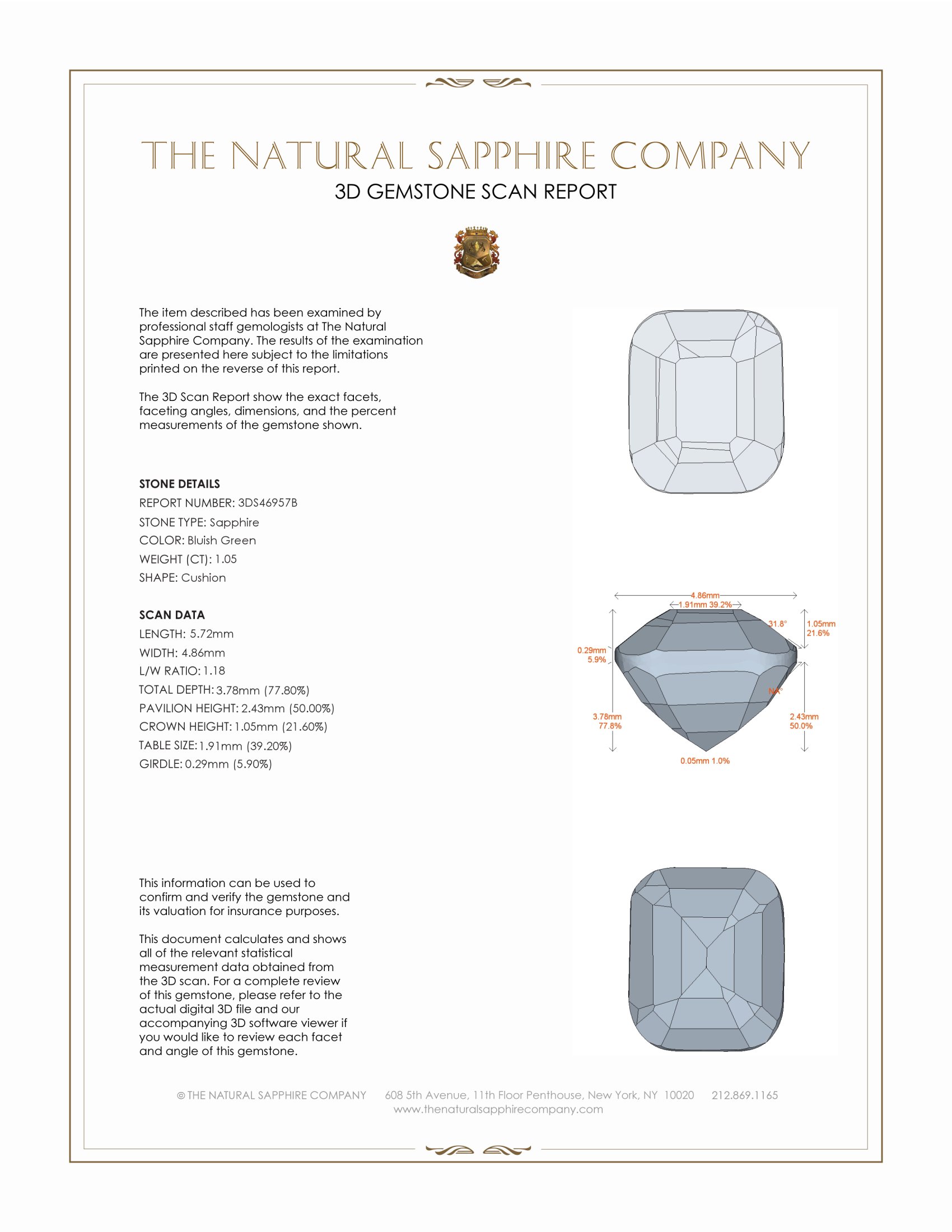
Dimensions (MM): help | Length: 5.72 Width: 4.86 Height: 3.78 |
Weight: | 1.05 Ct. |
Color: help | Green |
Color intensity: help | Medium |
Clarity: help | Slightly Included |
Shape: help | Cushion |
Cut: | Mixed Brilliant Cut |
Cutting style: | Faceted |
Enhancements: help | No Enhancement |
Origin: help | Tanzania |
Per carat price: help | $380 |
This transparent 1.05 carat cushion shape green sapphire measures 5.72 x 4.86 x 3.78 mm, cut in a faceted mixed brilliant style designed to marry the depth and color saturation of the pavilion with the scintillation and optical return of a brilliant crown. The mixed brilliant cut here combines well defined step girdle facets on the pavilion with a full brilliant crown, producing a balance of sparkle and broad flash that is particularly effective in mid sized stones. Proportions have been carefully executed to maintain a lively table facet while preserving depth for color saturation, and the excellent polish ensures that facet junctions remain crisp for maximum light transmission. As corundum, this sapphire benefits from a refractive index near 1.76 and a Mohs hardness of 9, properties that translate to pronounced brilliance and excellent wearability for daily jewelry applications.
At a clarity grade of slightly included evaluated at eye level, this sapphire presents minor internal features that are visible under careful inspection but do not interrupt the overall visual appeal or transparency. Typical inclusions in green sapphires from Tanzania can include fine rutile needles and minute crystals, sometimes arranged in feathery or silk like structures, and these become part of the gem story rather than detractors when they remain light and localized. The medium color intensity is a well judged midpoint where the green hue reads clearly without overwhelming darkness, and viewers will observe subtle pleochroism when the stone is tilted, registering green with secondary bluish or yellowish traces depending on orientation. Crucially this sapphire is without enhancement, noting that no heat treatment or diffusion has been applied, a condition that elevates its gemological integrity and market desirability among collectors who prize natural state material. Origin is Tanzania, a source known for producing sapphires with distinctive secondary tones and attractive crystal habit, and this provenance contributes to the stone archetype we see here.
When set beside famous gemstones from history the qualities of this piece are best appreciated through comparative facets rather than size alone. The Logan Sapphire is renowned for its deep cornflower blue saturation and monumental scale, traits that speak to classic royal presentation, whereas the clearest value of this Tanzanian green sapphire lies in its balance of color purity and modern cutting philosophy, offering lively brilliance in a size ideal for personal wear. The Star of India is celebrated for its large star effect in an asteriated blue grey material, an entirely different optical phenomenon, while historic emeralds such as the Chalk Emerald demonstrate the lush green saturation prized in beryls, but with lower hardness and different facet behavior. In contrast this green cushion sapphire presents a rare intersection of durable corundum hardness, transparent clarity, and a mixed brilliant cutting scheme that amplifies scintillation. Its untreated status places it in a rarified class akin to collectors pieces that emphasize provenance and natural color over enhancement, and in practical terms the 1.05 carat weight and compact dimensions make it versatile for a refined solitaire, a precision halo mounting, or as the centerpiece in custom modern jewelry.
The Natural Sapphire Company stands behind the gemological description and the documented origin of this stone, and the piece is a compelling option for buyers who require technical excellence alongside aesthetic refinement. For connoisseurs who compare tone, hue, and cutting philosophy to historical benchmarks, this Tanzanian green sapphire offers a distinct profile, combining mixed brilliant faceting to optimize light return, a medium color intensity that reads as true green at face up, slightly included clarity that preserves transparency and character, and an untreated condition that affirms its rarity. In display or worn, the gem will respond with clean flashes and a steady color presence, offering a unique value proposition when compared to larger historic gems that trade on scale or singular phenomena, and it represents an opportunity to own a piece that balances gemological integrity with wearable elegance.


