
- Stone14
- Reports3


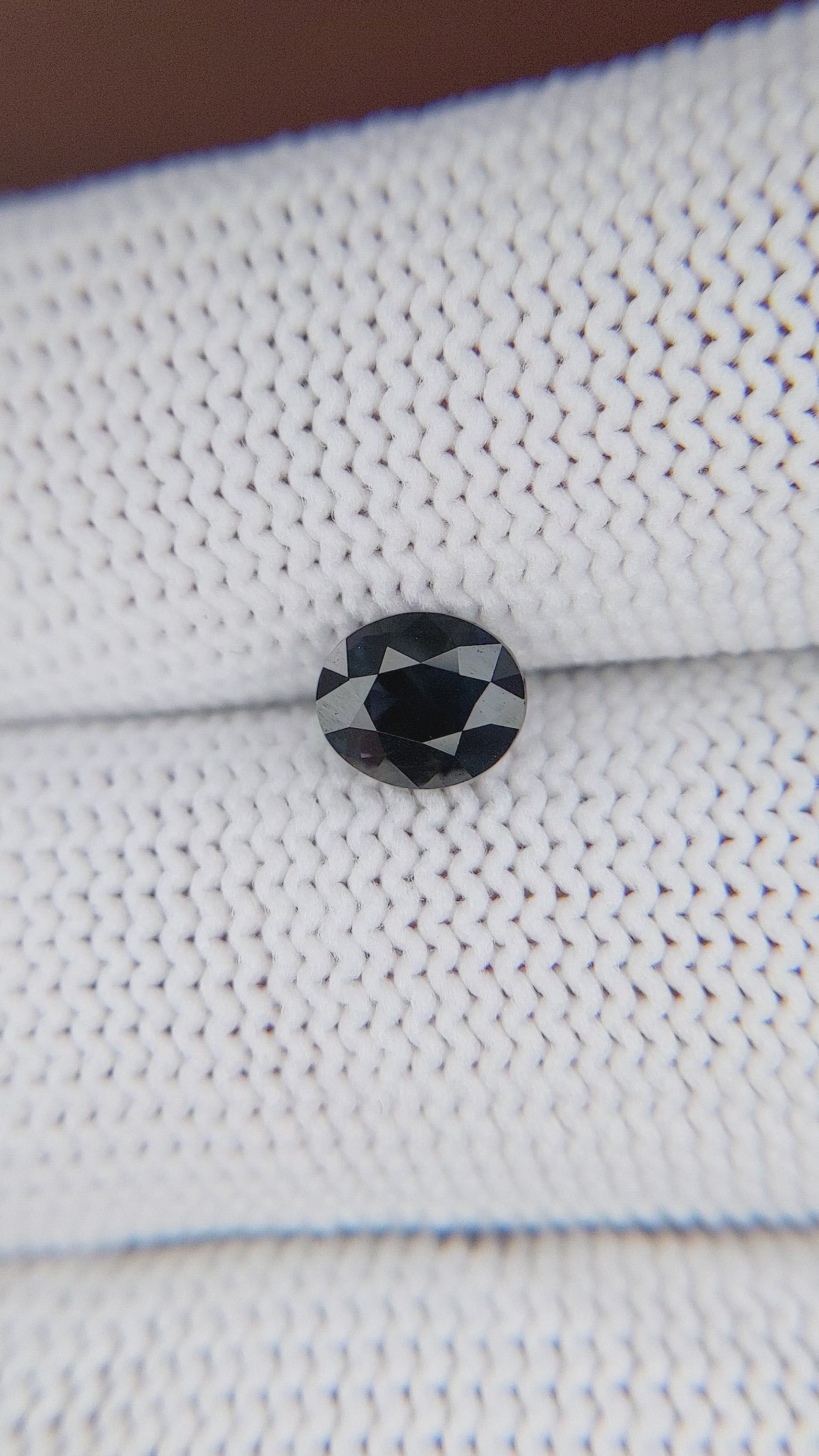
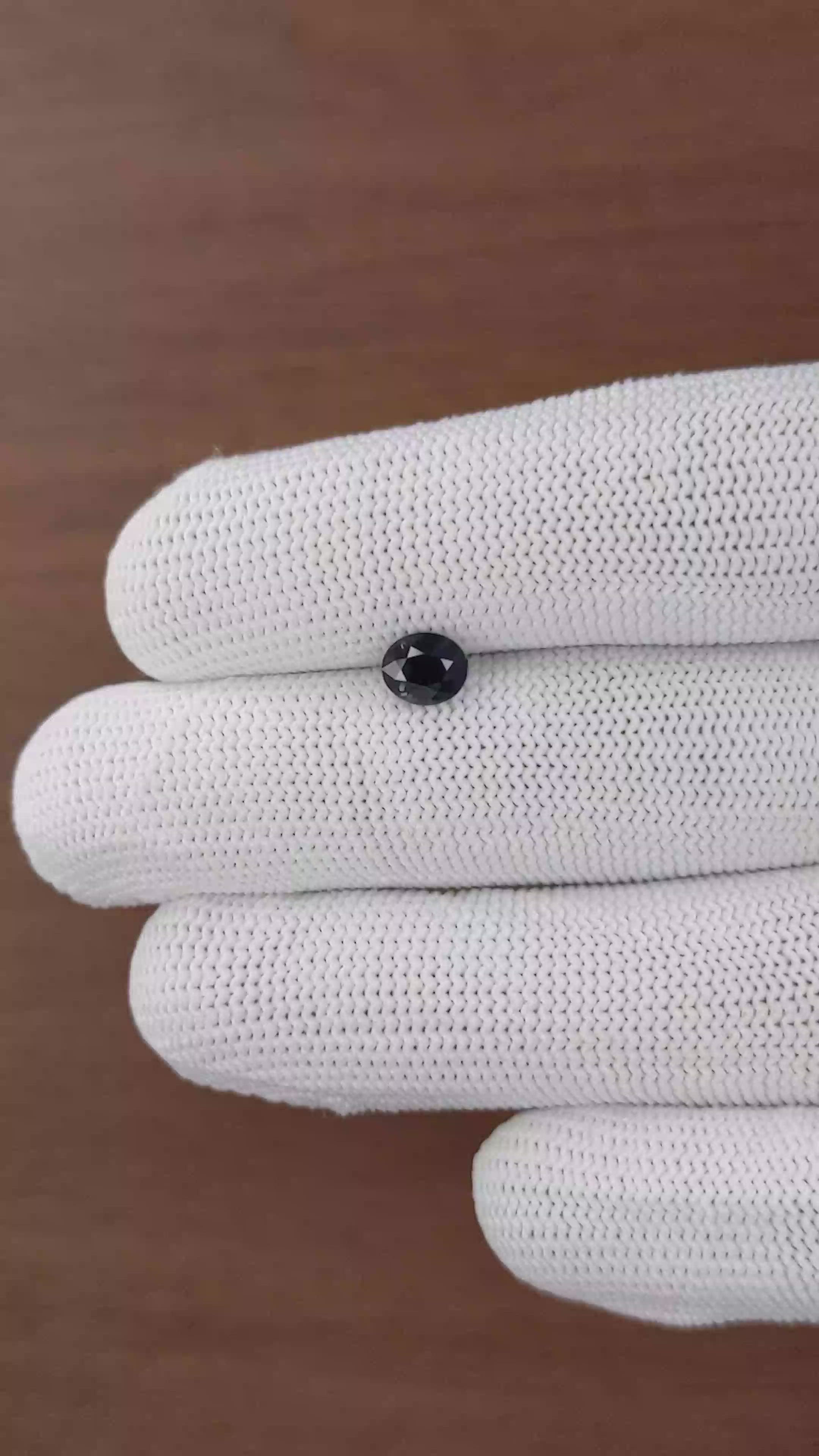
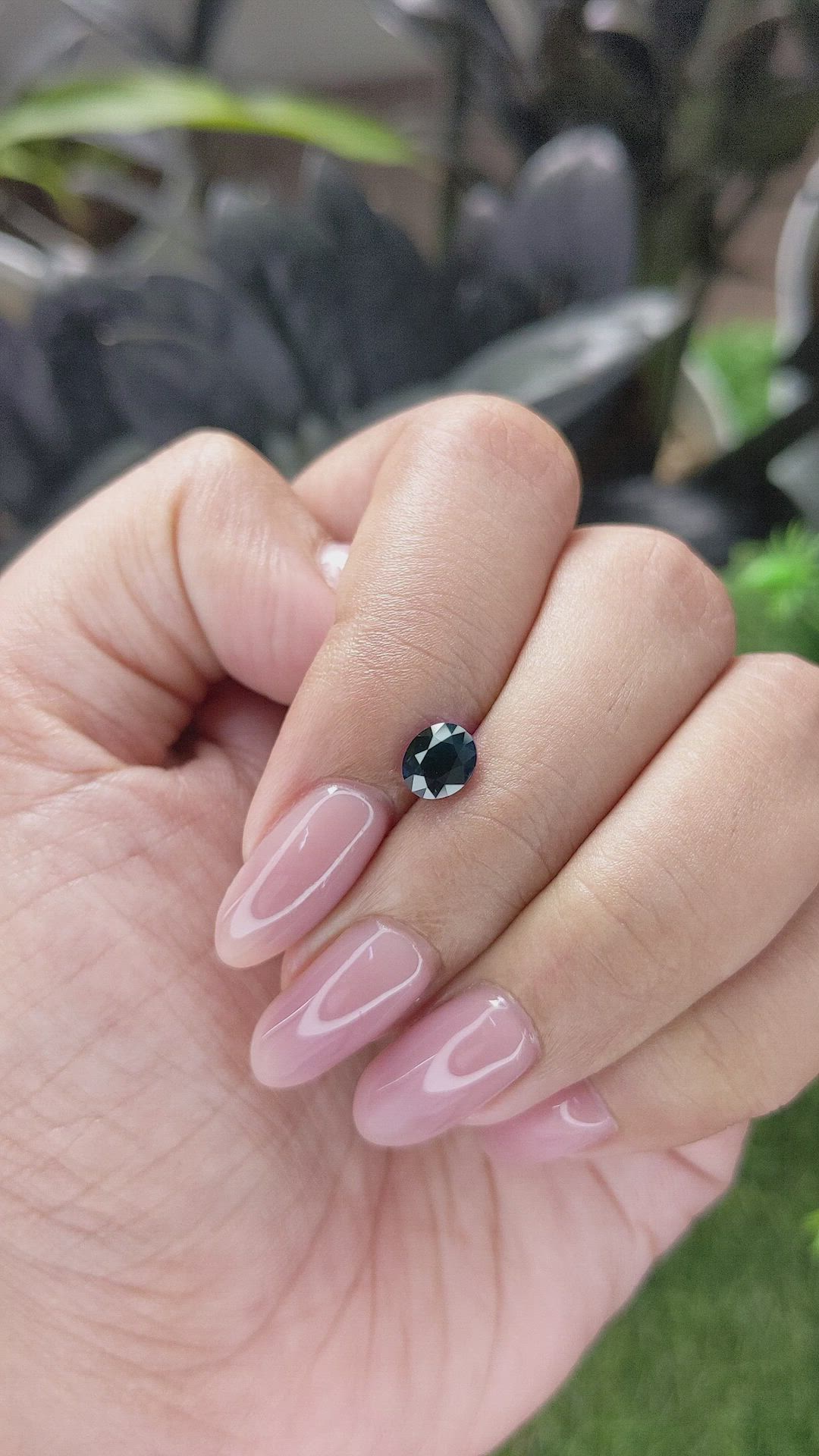
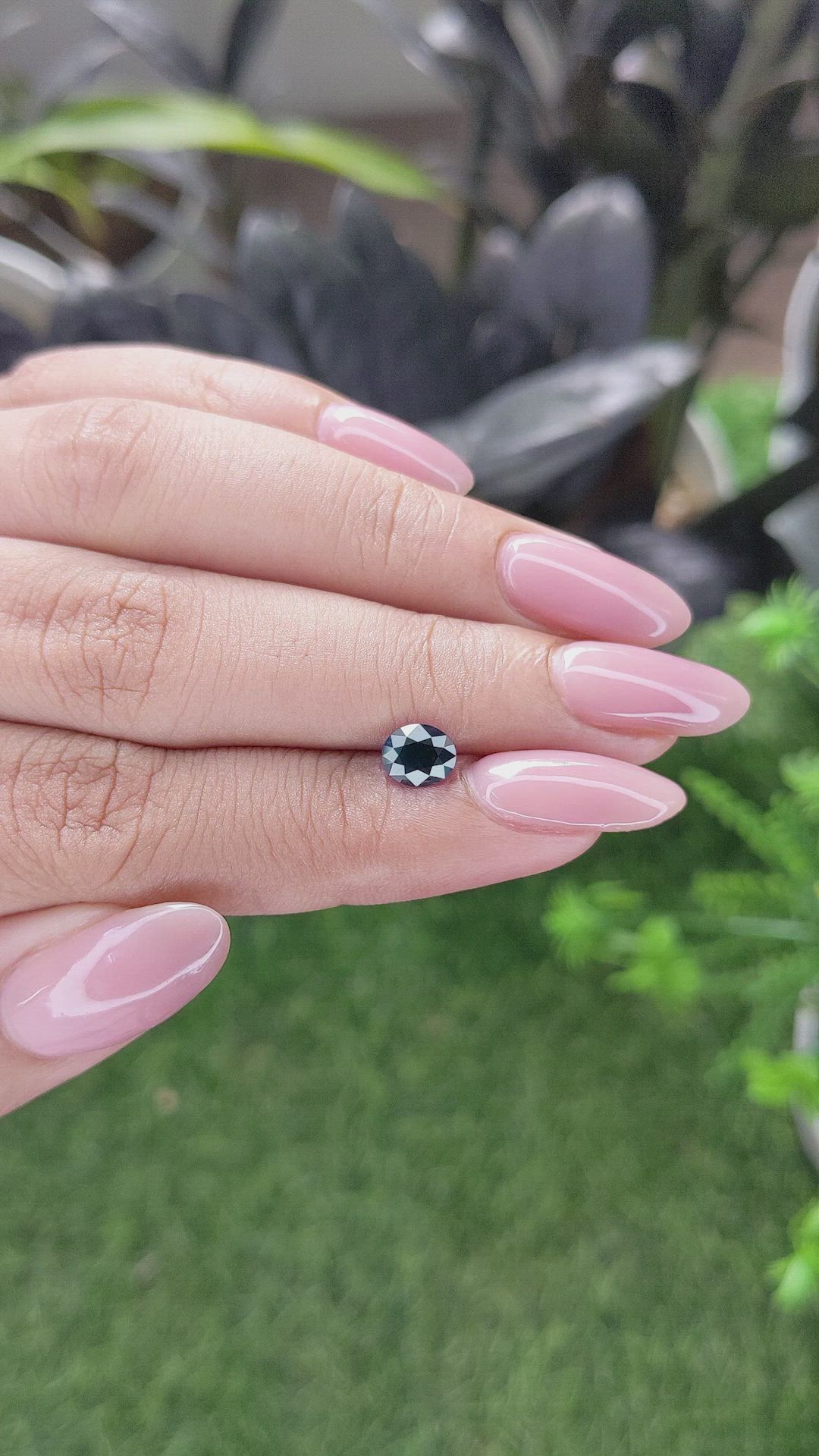
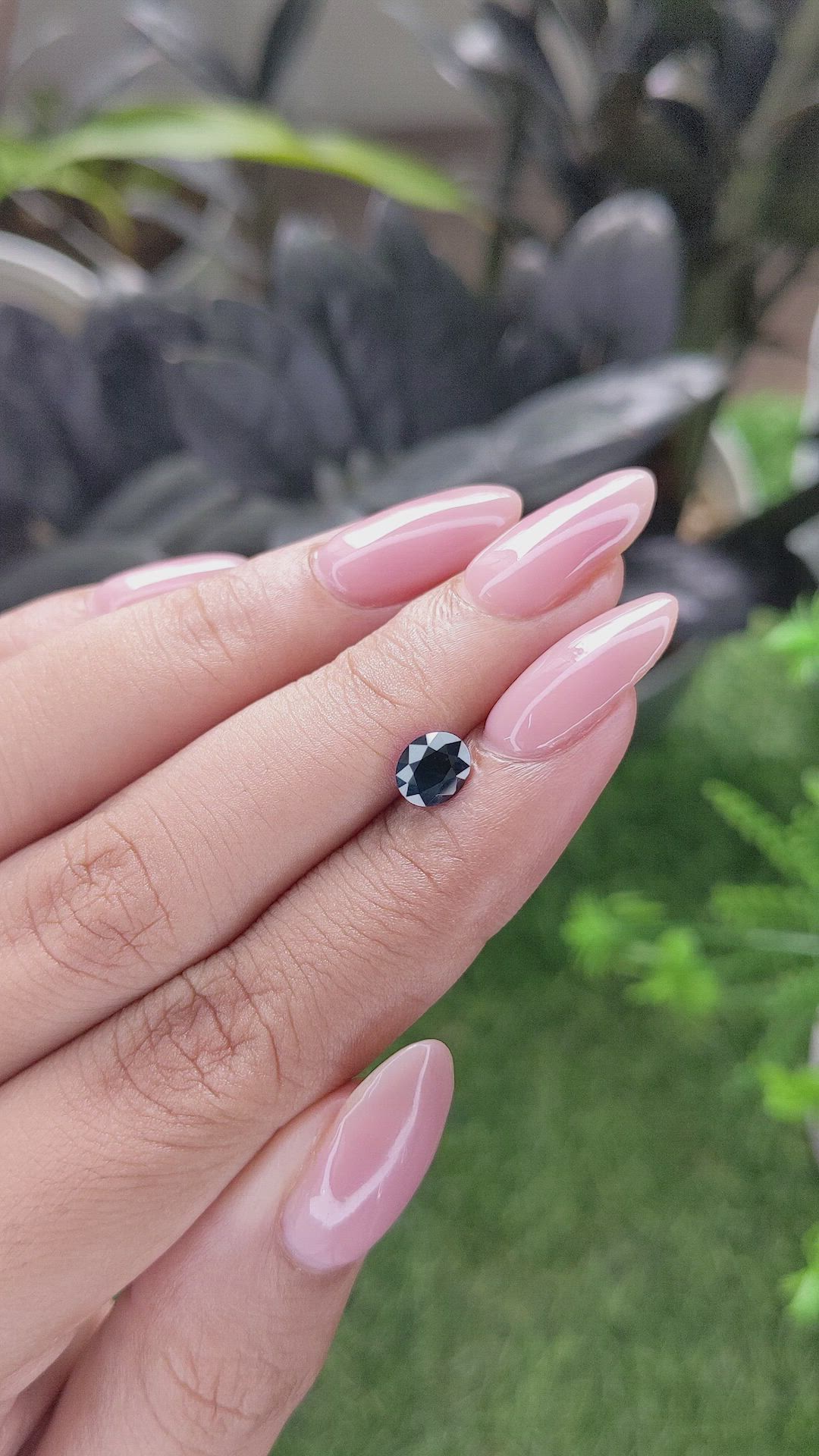


1.03 Ct. Greenish Blue Sapphire from Tanzania
This loose stone ships by Nov 10
Item ID: | S46626 |
|---|---|
Dimensions (MM): help | Length: 6.32 Width: 5.31 Height: 3.54 |
Weight: | 1.03 Ct. |
Color: help | Greenish Blue |
Color intensity: help | Dark |
Clarity: help | Slightly Included |
Shape: help | Oval |
Cut: | Mixed Brilliant Cut |
Cutting style: | Faceted |
Enhancements: help | Heat Treated |
Origin: help | Tanzania |
Per carat price: help | $400 |
This oval greenish blue sapphire weighs 1.03 carat and measures 6.32 by 5.31 by 3.54 mm, producing an overall depth of approximately 61 percent, a proportion that balances face up presence with optical performance. The stone was fashioned as a faceted gem using a mixed brilliant cut, a cutting philosophy that combines a brilliant style crown with a modified pavilion, tuned to return the maximum amount of scintillation while preserving weight from the rough. In practice this mixed approach yields a tight contrast pattern across the crown facets, precise facet junctions, and a lively play of small white flashes on movement, characteristics that are amplified by an excellent polish. The oval outline and optimized depth emphasize the gem's table and crown angles, controlling light leakage through the pavilion and producing a concentrated center eye that reads slightly darker in tone, a desirable effect for a gem with dark color intensity. The cutter has prioritized symmetry of the main axes and consistent pavilion culet alignment, so the oval sits true in a mounting and resists optical lopsidedness. Overall the cutting style trades a small amount of size for superior light management, a deliberate choice that increases long term appeal for a knowledgeable buyer.
Color and clarity are central to this sapphire's character. The hue is a greenish blue with a dark intensity that gives the gem a dignified, deep face up appearance under daylight and electric lighting, and subtle pleochroic behavior can be observed as the stone moves, with slightly greener and bluer directions becoming evident. The clarity is graded slightly included when evaluated at eye level, which indicates small, stable internal features that do not compromise the stone structurally, and which are often masked by the stone's darker tone and the mixed brilliant facet architecture. This sapphire has been heat treated, a standard and stable enhancement for corundum, applied to improve color saturation and clarity without compromising durability, and consistent with market expectations for natural commercial sapphires. Origin is Tanzania, a source known for producing stones with complex blue green palettes and well defined zoning. From a gemological perspective the chromophore balance responsible for the greenish blue color is consistent with minor iron content working in concert with the intrinsic titanium driven blue, and the stone exhibits the kind of stable, natural color that responds well to a carefully calibrated heat treatment.
When considered as a generational heirloom, this sapphire offers the combination of material durability, crafted proportions, and documented provenance that collectors and families value. Corundum has a Mohs hardness of nine, making it resistant to everyday wear and suitable for rings, pendants, and other worn jewelry, and the excellent polish and stable clarity features reduce the need for frequent reworking. The oval 1.03 carat size reads larger when set in a halo or with a well matched setting, and the mixed brilliant cutting maximizes scintillation which creates visual engagement across decades. For long term preservation choose a protective mounting style, such as a low bezel with a well engineered crown opening to preserve brilliance while shielding the girdle, or a secure prong design that keeps the stone's profile safe from knocks. Maintain provenance by retaining documentation from The Natural Sapphire Company, including origin notes and treatment disclosure, and consider a professional inspection every two to three years to verify prong security and polish condition. Future generations will appreciate the jewel not only for its material qualities but for the intentional craftsmanship decisions evident in the cut, polish, and proportion, and the traceable origin and treatment history ensures transparency for legacy transfers and appraisal processes.


