
- Stone16
- Reports3
-pear-blue-sapphire-0.9900-cts-s40718-1.jpg?d=200x200&v=20260416072011)
-pear-blue-sapphire-0.9900-cts-s40718-lifestyleimage-1.jpg?d=200x200&v=20260423080253)
-pear-blue-sapphire-0.9900-cts-s40718-lifestyleimage-2.jpg?d=200x200&v=20260423080253)
-pear-blue-sapphire-0.9900-cts-s40718-lifestyleimage-3.jpg?d=200x200&v=20260423080253)
-pear-blue-sapphire-0.9900-cts-s40718-lifestyleimage-4.jpg?d=200x200&v=20260423080253)


-pear-blue-sapphire-0.9900-cts-s40718-1.jpg?d=750x750&s=nsc&v=20260416072011)
-pear-blue-sapphire-0.9900-cts-s40718-lifestyleimage-1.jpg?d=750x750&s=nsc&v=20260423080253)
-pear-blue-sapphire-0.9900-cts-s40718-lifestyleimage-2.jpg?d=750x750&s=nsc&v=20260423080253)
-pear-blue-sapphire-0.9900-cts-s40718-lifestyleimage-3.jpg?d=750x750&s=nsc&v=20260423080253)
-pear-blue-sapphire-0.9900-cts-s40718-lifestyleimage-4.jpg?d=750x750&s=nsc&v=20260423080253)


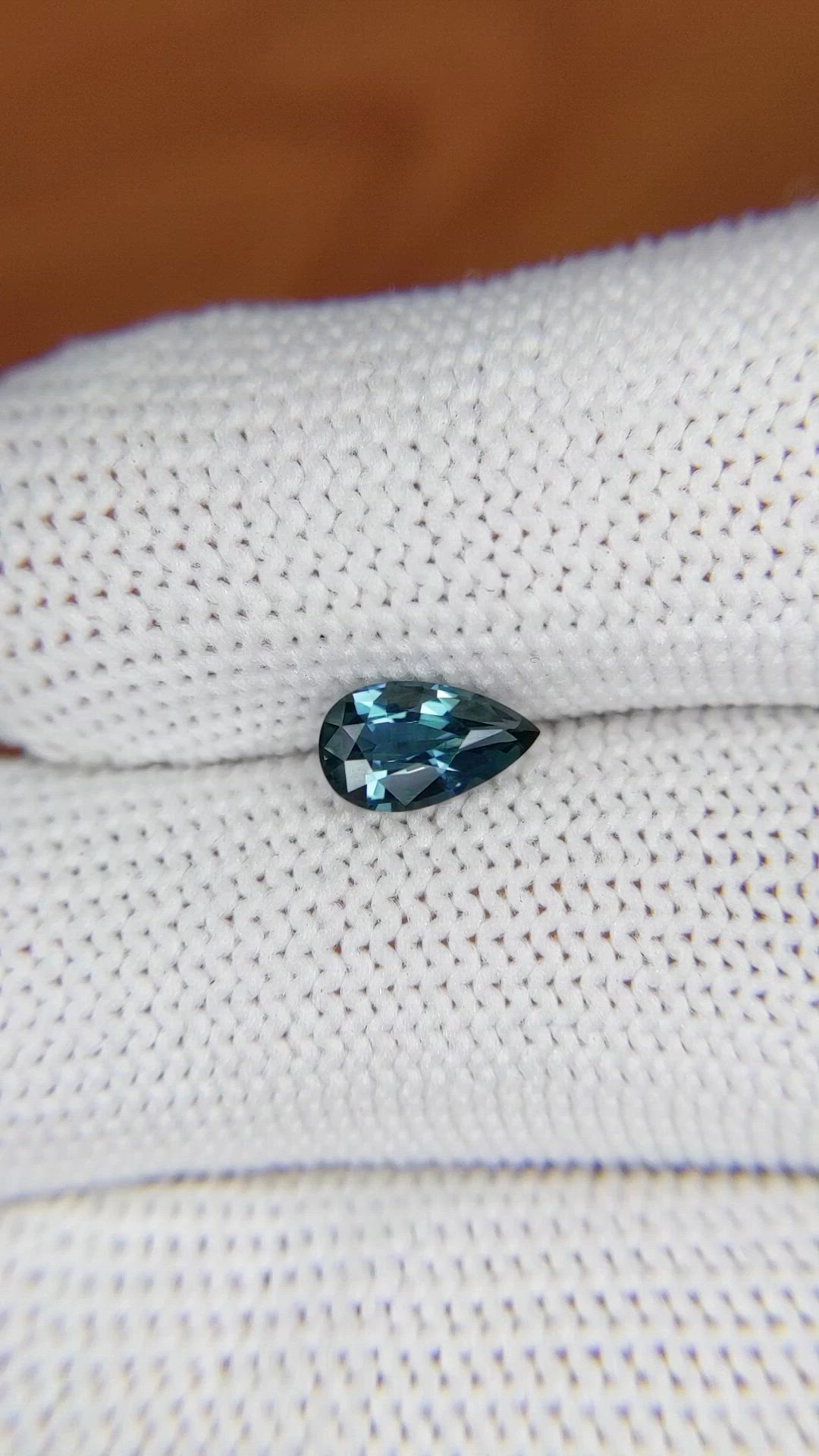
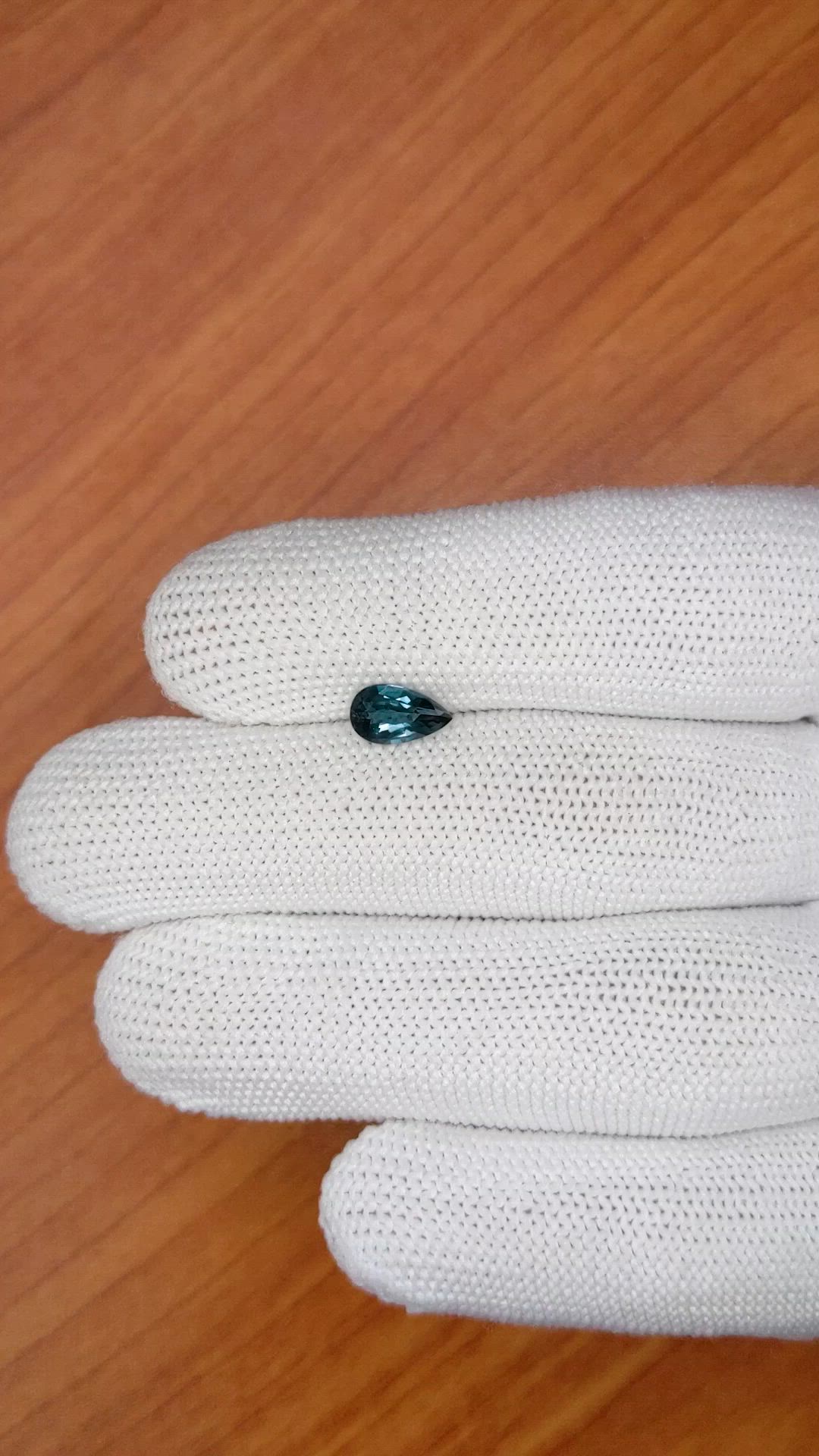
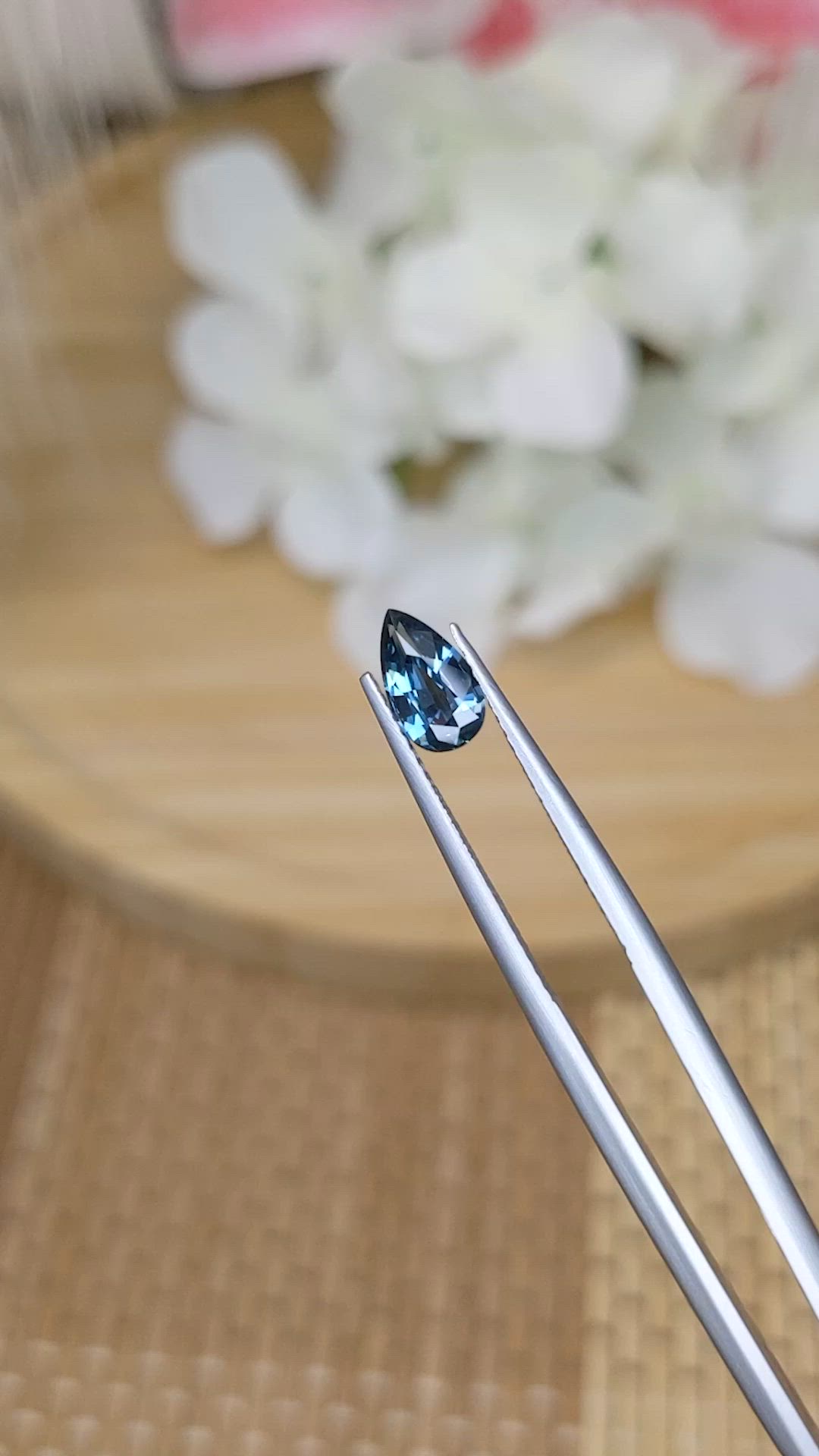
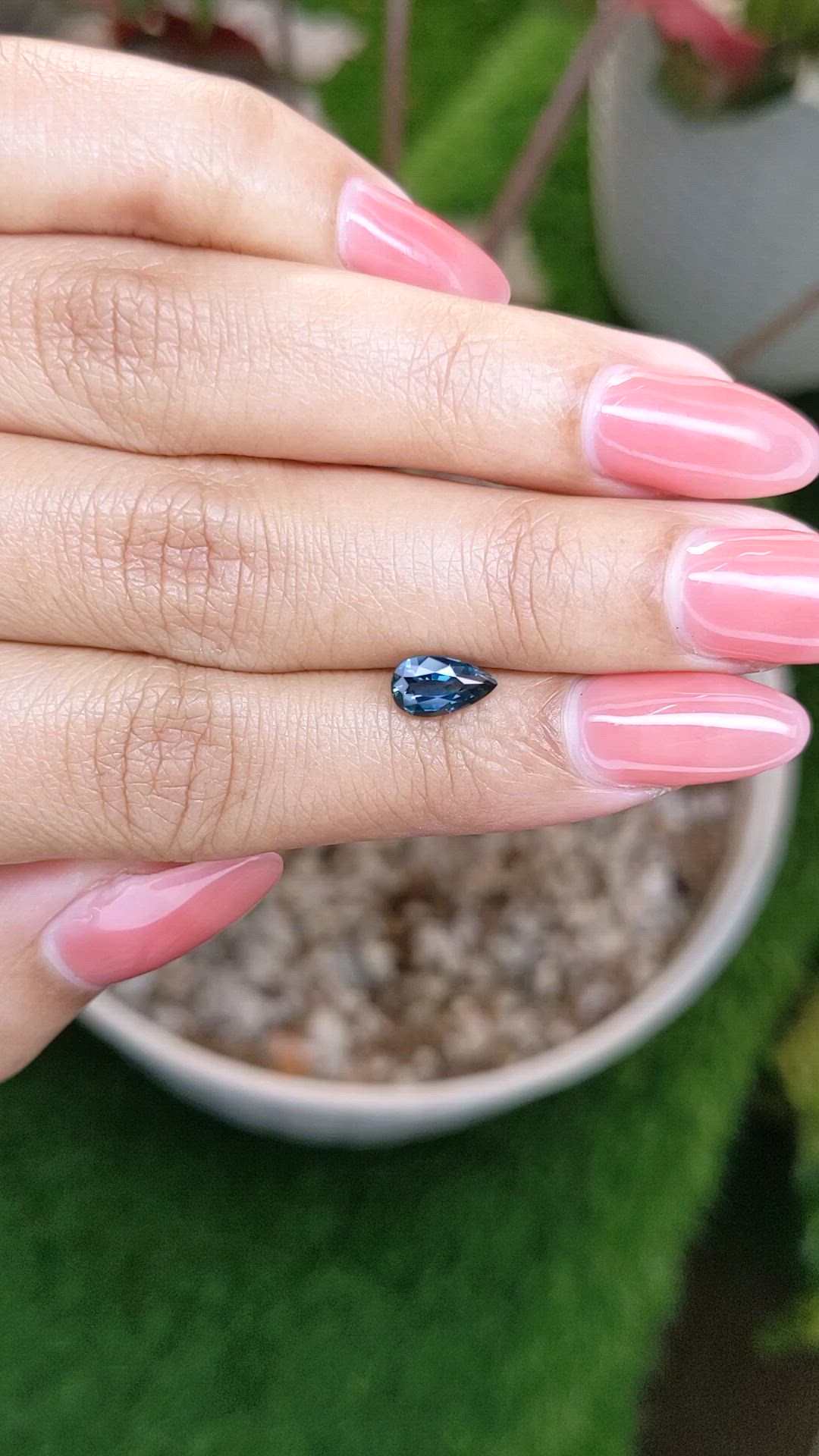
0.99 Ct. Greenish Blue Sapphire from Ceylon (Sri Lanka)
This loose stone is available to ship now
Item ID: | S40718 |
|---|---|
Dimensions (MM): help | Length: 8.22 Width: 4.84 Height: 3.08 |
Weight: | 0.99 Ct. |
Color: help | Greenish Blue |
Color intensity: help | Intense |
Clarity: help | Very Very Slightly Included |
Shape: help | Pear |
Cut: | Mixed Brilliant Cut |
Cutting style: | Faceted |
Enhancements: help | No Enhancement |
Origin: help | Ceylon (Sri Lanka) |
Per carat price: help | $485 |
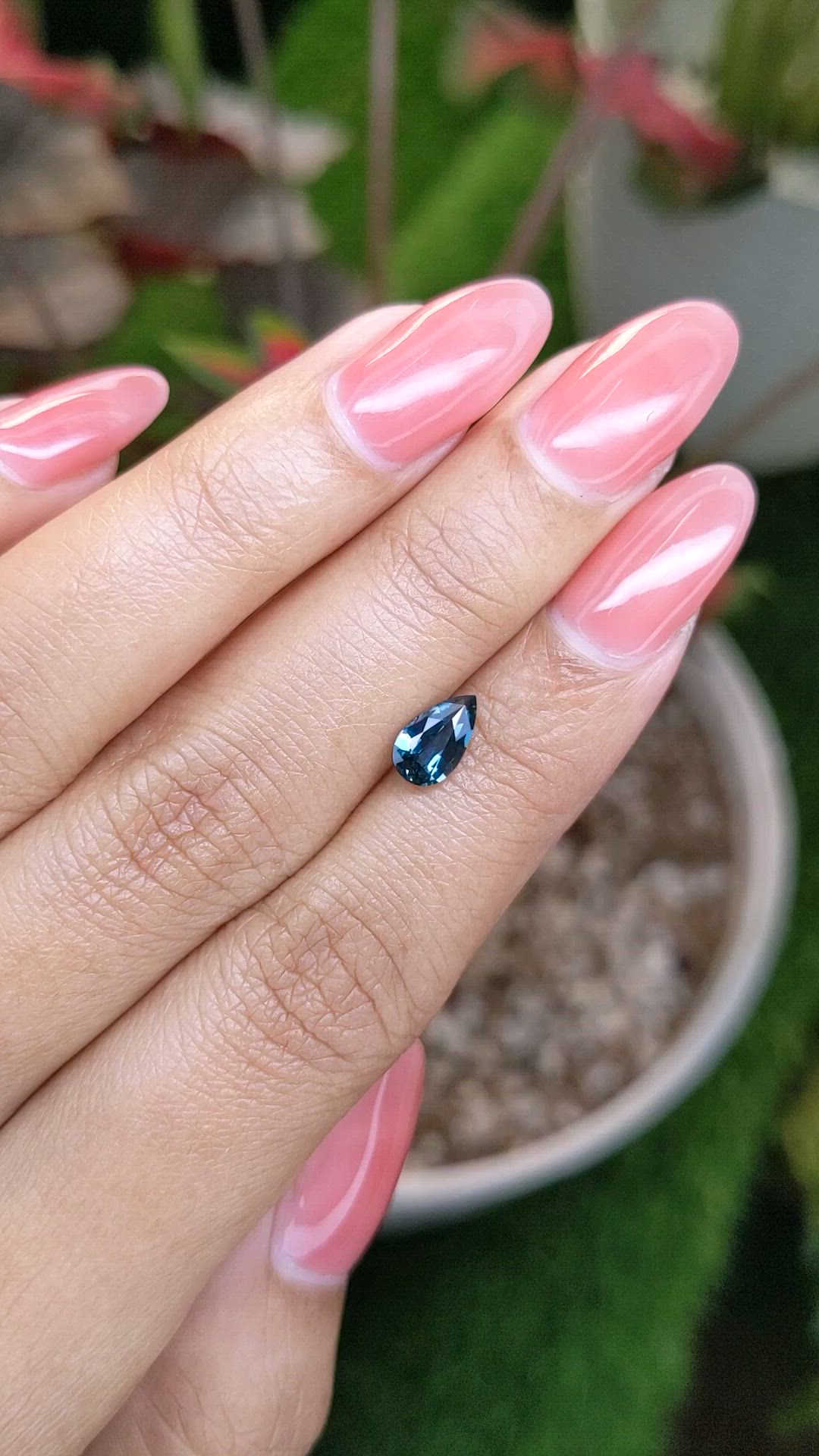
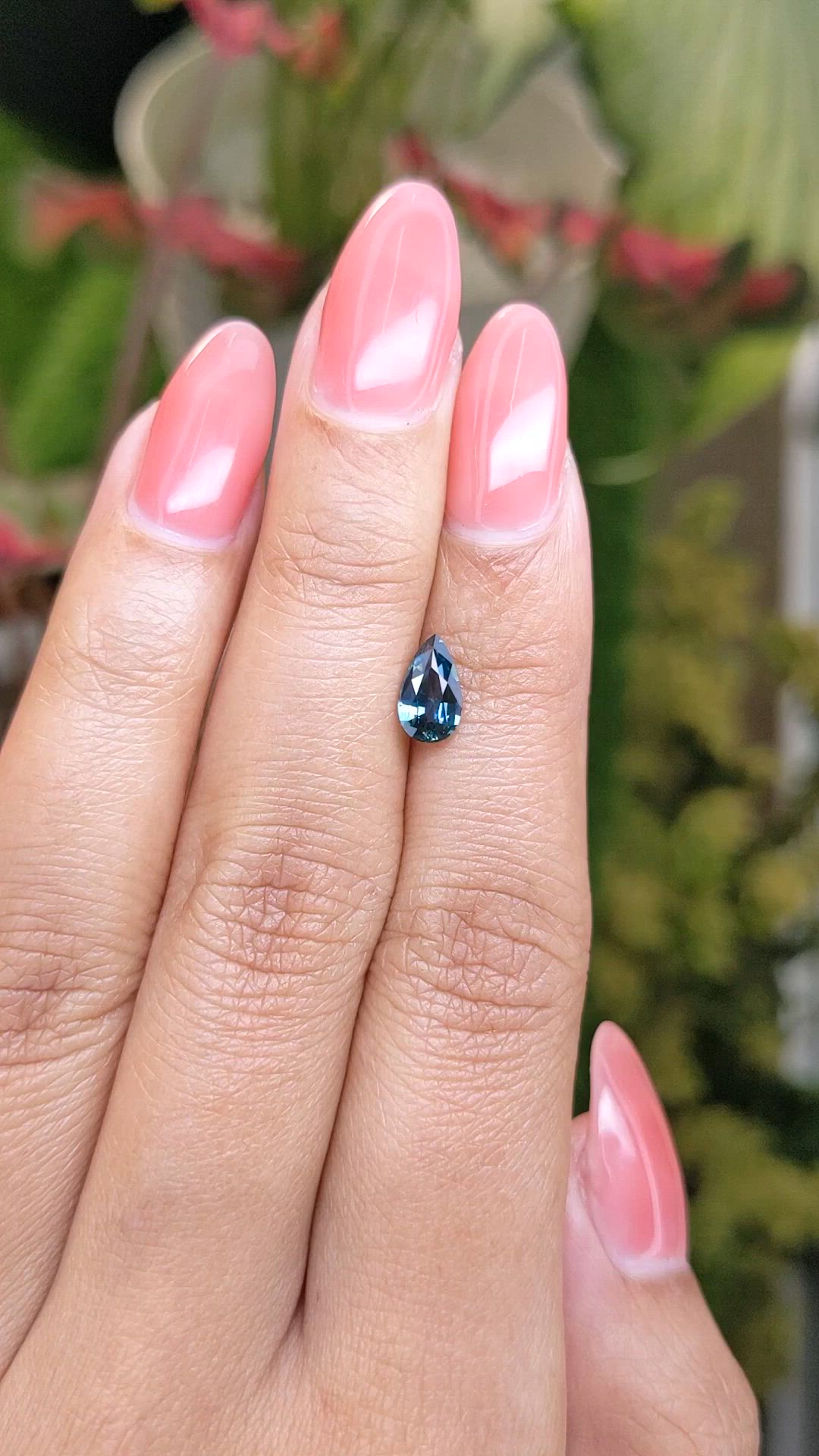
This pear shaped, transparent greenish blue sapphire weighs 0.99 carat, and measures 8.22 by 4.84 by 3.08 millimeters. The gem is fashioned in a mixed brilliant cut, combining a brilliant style crown with a faceted pavilion that maximizes scintillation while preserving a refined pear silhouette. Clarity has been assessed as very very slightly included at eye level, indicating that the stone reads as eye clean under normal viewing conditions, with only minute internal characteristics that do not materially affect transparency or light performance. Color intensity is classified as intense, yielding a saturated green blue hue that shifts subtly with viewing angle due to pleochroic behavior typical of corundum. Polish quality is excellent, providing crisp facet junctions and mirror like facet planes that aid strong light return. The sapphire is natural, without enhancement, and its origin is Ceylon Sri Lanka, provenance that contributes to its distinctive color character and market desirability. The Natural Sapphire Company presents this gem as a technically refined example of classic Sri Lankan material, suitable for collectors and connoisseurs who value unenhanced natural color and meticulous cutting.
The mixed brilliant cut on this pear shape is executed to balance contrast and brilliance, pairing triangular and kite shaped crown facets with a modified pavilion facet architecture that encourages internal reflection and lively scintillation. The crown facets have been proportioned to control light entry and to distribute color, while the pavilion facets have been angled to promote total internal reflection across the longitudinal axis of the pear. The result is oriented sparkle, a play of bright flashes and smaller pinfire scintillation that enlivens the greenish blue body color without washing it out. Faceting symmetry has been maintained to minimize light leakage from the girdle and to preserve an evenly saturated color field at typical mounting depths. The polished girdle and well terminated culet plane, combined with tight facet junctions, reduce surface light scatter and support a clean reflective behavior under both spot and diffuse lighting. For buyers who evaluate cut metrics, this stone demonstrates how mixed brilliant designs can extract maximum visual performance from sub one carat material while complimenting the inherent pleochroism of Ceylon corundum.
Color evaluation of this sapphire emphasizes tone, saturation, and hue distribution, all of which are influenced by origin and crystal chemistry. The greenish blue hue here falls within an intense saturation band, where the chromophore balance produces a teal leaning blue that reads deeper in indoor incandescent light and fresher under daylight. Compared with classic cornflower blue sapphires, which typically display purer blue dominance, this gem exhibits a more complex blue green interplay that can appear greener in certain orientations due to dichroism. Against aquamarine, which has a lower refractive index and a paler pastel tone, this sapphire offers richer color depth and stronger contrast between light and dark facets. Versus spinel, which can rival sapphire in brightness but tends to lack strong pleochroism, this Ceylon sapphire delivers color dynamism that changes with movement and light angle. Reflectivity relative to other sapphires in the category is excellent, owing to both the cut and the unenhanced natural saturation, producing a clean, lively surface flash and sustained internal return that reads as three dimensional rather than flat.
Clarity and surface finish play a substantial role in perceived reflectivity, and this stone benefits from both a favorable internal condition and an excellent polish. The very very slightly included grade at eye level indicates inclusions that are minute and well oriented, allowing uninterrupted light pathways and efficient reflection back to the viewer. These internal features are not concentrated in the table area, which preserves the integrity of the principal light return zone, and they do not create dead spots or colorless windows. The excellent polish ensures that facet planes act as effective mirrors, enhancing both specular highlights and the small scale scintillation that defines mixed brilliant performance. The dimensions yield a pleasing length to width ratio that emphasizes the pear form without excessive thickness or shallow dispersion, supporting stable setting options that also allow for protective bezel or prong work. From a practical perspective, the lack of enhancement means the surface and internal structure are original, so performance under heat and in everyday wear is predictable, and the gem will age and respond to light in a manner consistent with untreated Ceylon material.
When comparing reflective qualities to other gemstones in the sapphire family and adjacent categories, consider refractive index, pleochroism, and facet interaction. Sapphire, with a refractive index around 1.76 to 1.77, returns light with greater brilliance than beryls and many quartz varieties, and when cut as a mixed brilliant, it can show lively contrast and attractive scintillation at close range. Compared with Kashmir origin stones, which are prized for velvety saturation and a softer diffused light return, this Ceylon piece presents a brighter, more crystalline reflection, emphasizing pinpoint flashes and a defined facet pattern. Against Burmese or Australian sapphires, which may vary in hue and saturation, the Ceylon origin here is notable for its clean green blue tonality and a spectral clarity that benefits the mixed brilliant architecture. For designers and technical buyers evaluating mounting choices, the gem will perform best in settings that allow light access to the crown, such as open prong or partial bezel designs, so that the facet geometry can interact fully with ambient illumination. The Natural Sapphire Company stands behind the documented origin and untreated condition of this gem, and we recommend inspection under multiple light sources to appreciate the full range of its reflective and color shifting behavior. For customers seeking a technically crafted, naturally saturated pear sapphire with excellent polish and honest clarity, this stone is an exemplary offering.


