
- Ring19
- Stone5
- Setting5
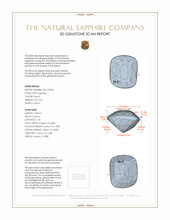
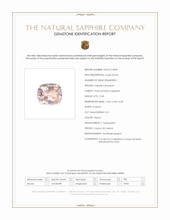
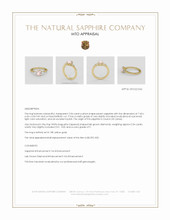
- Reports4


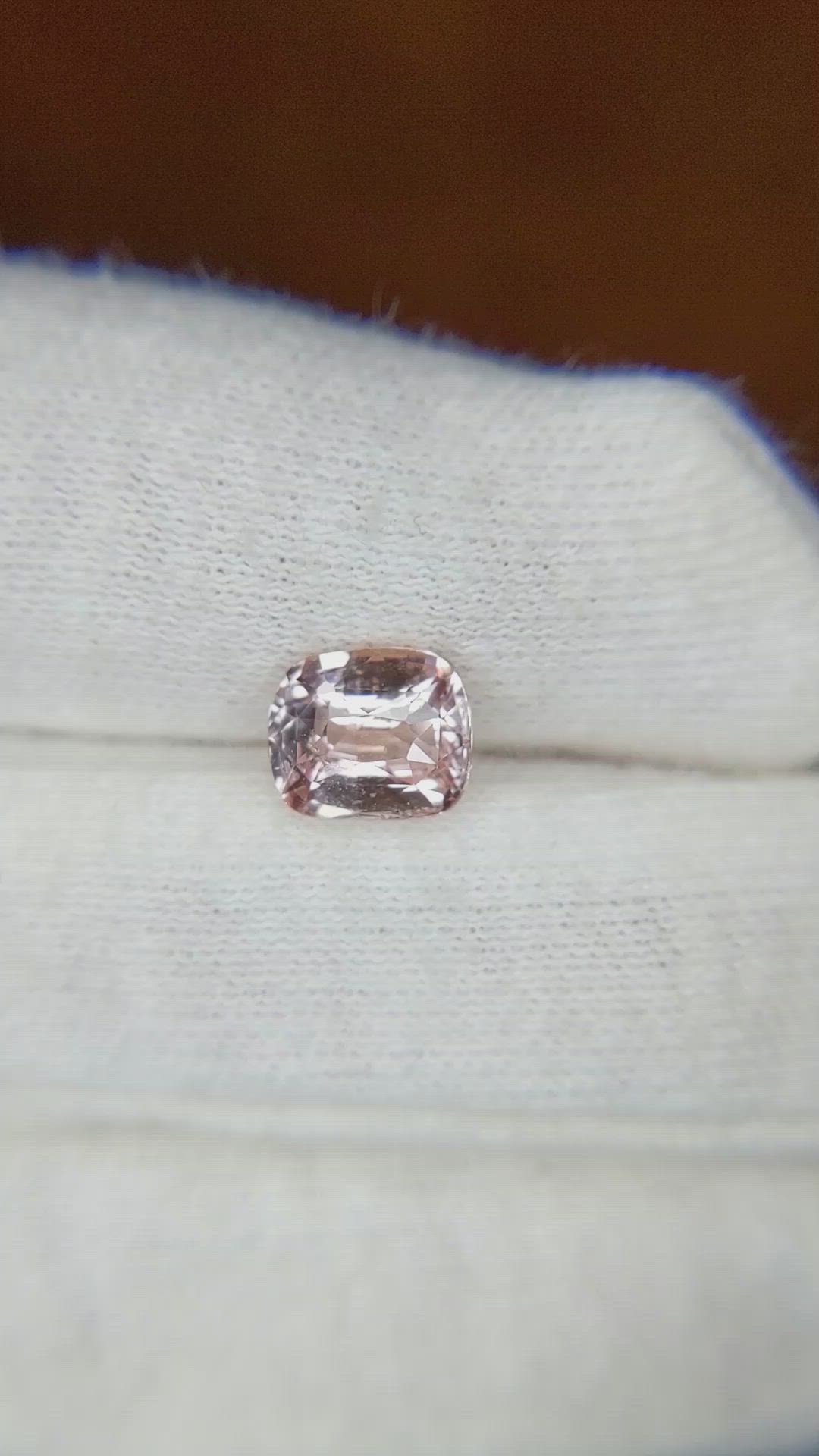
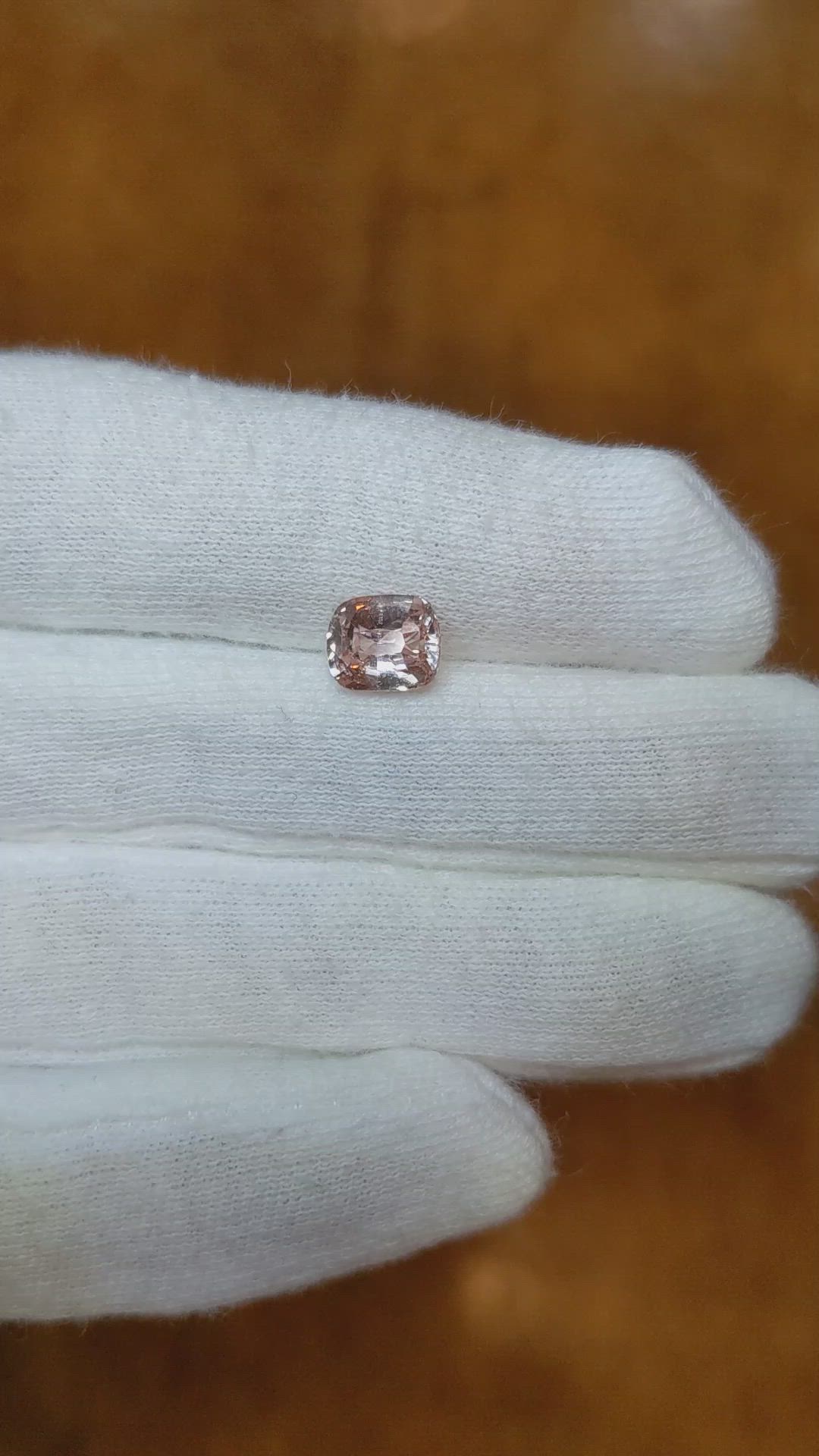

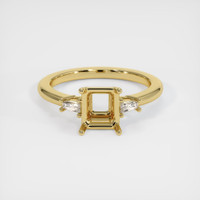
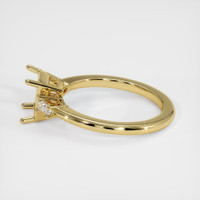
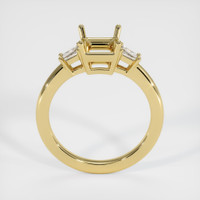


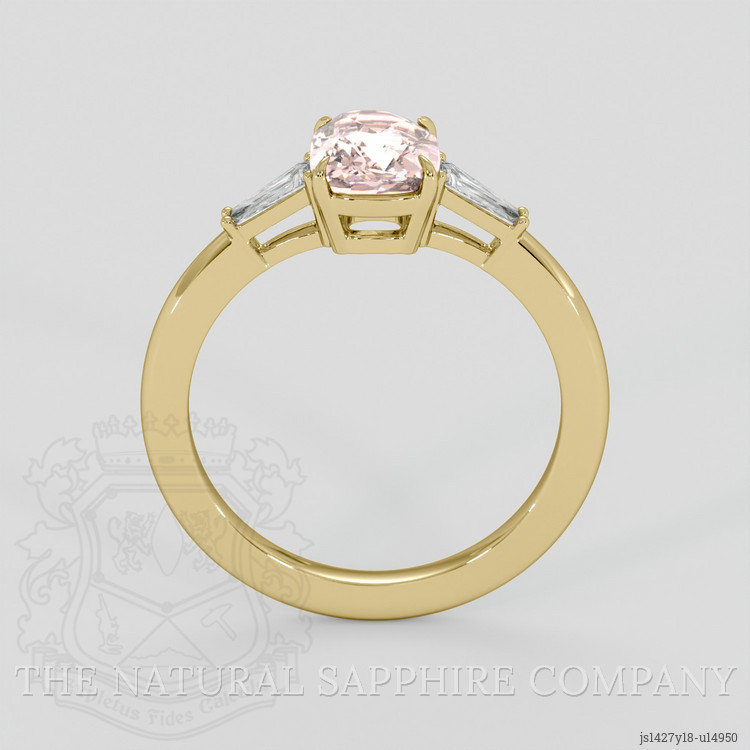


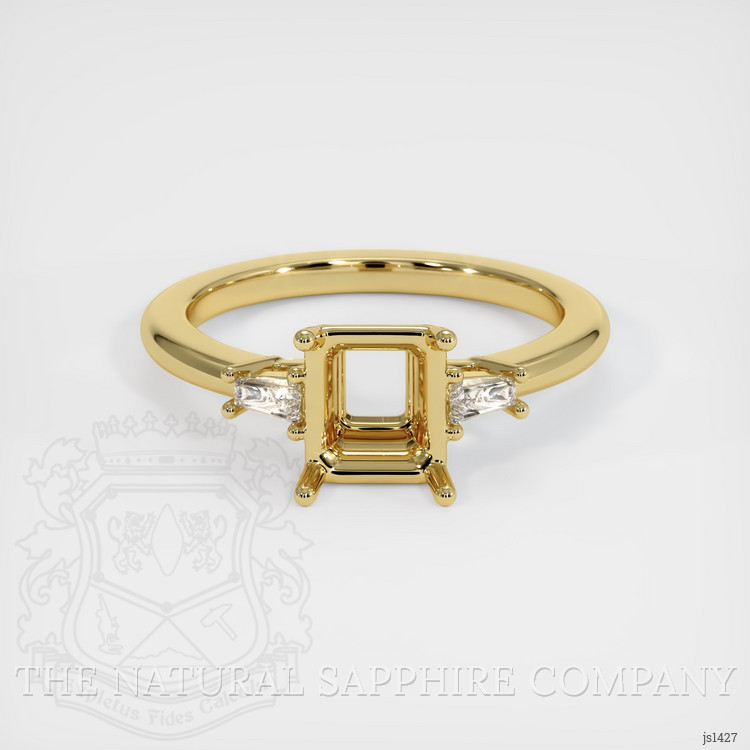

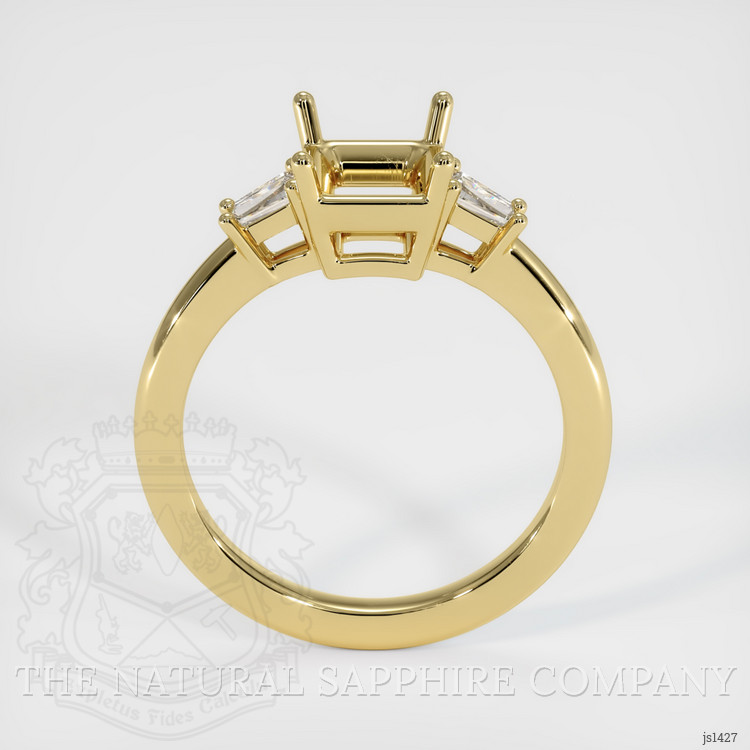

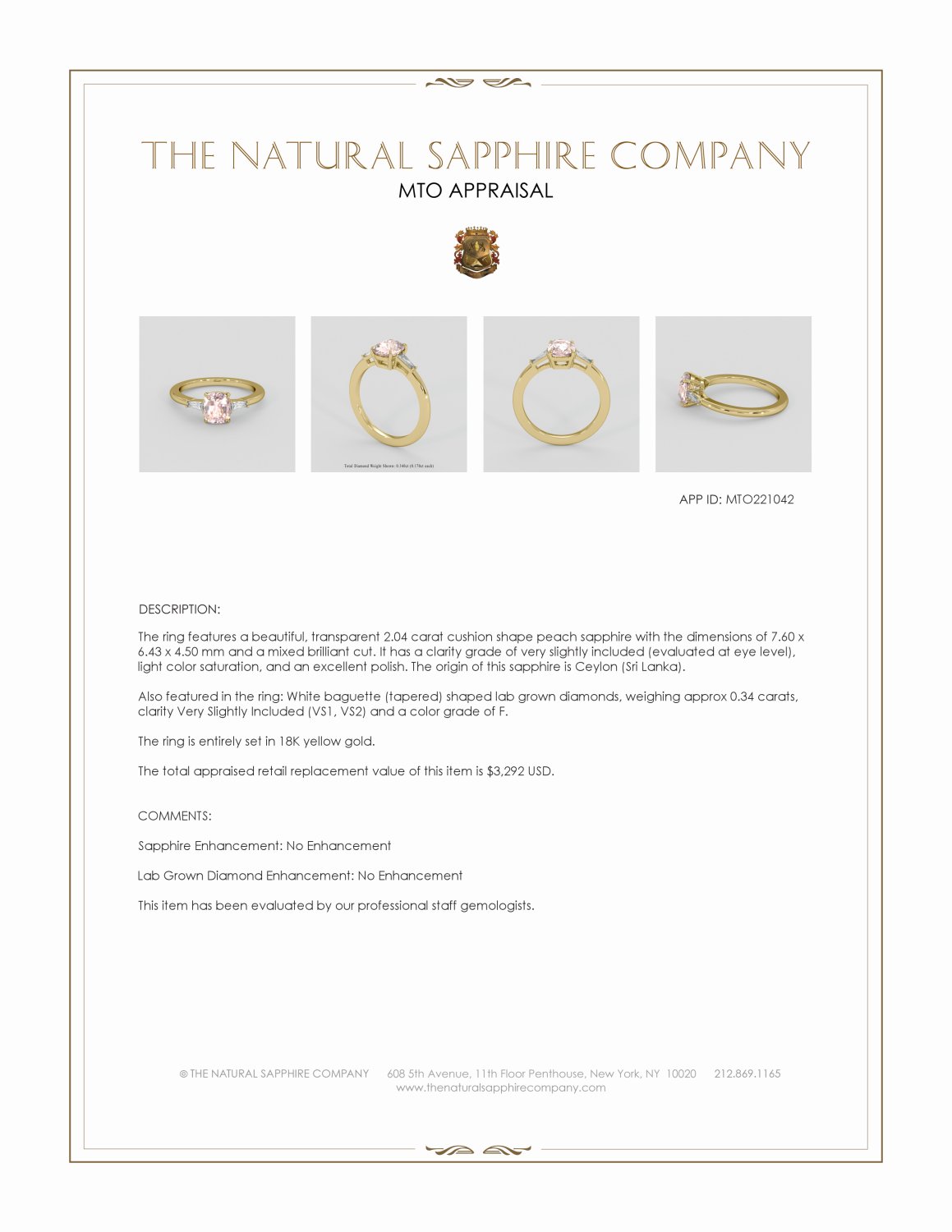
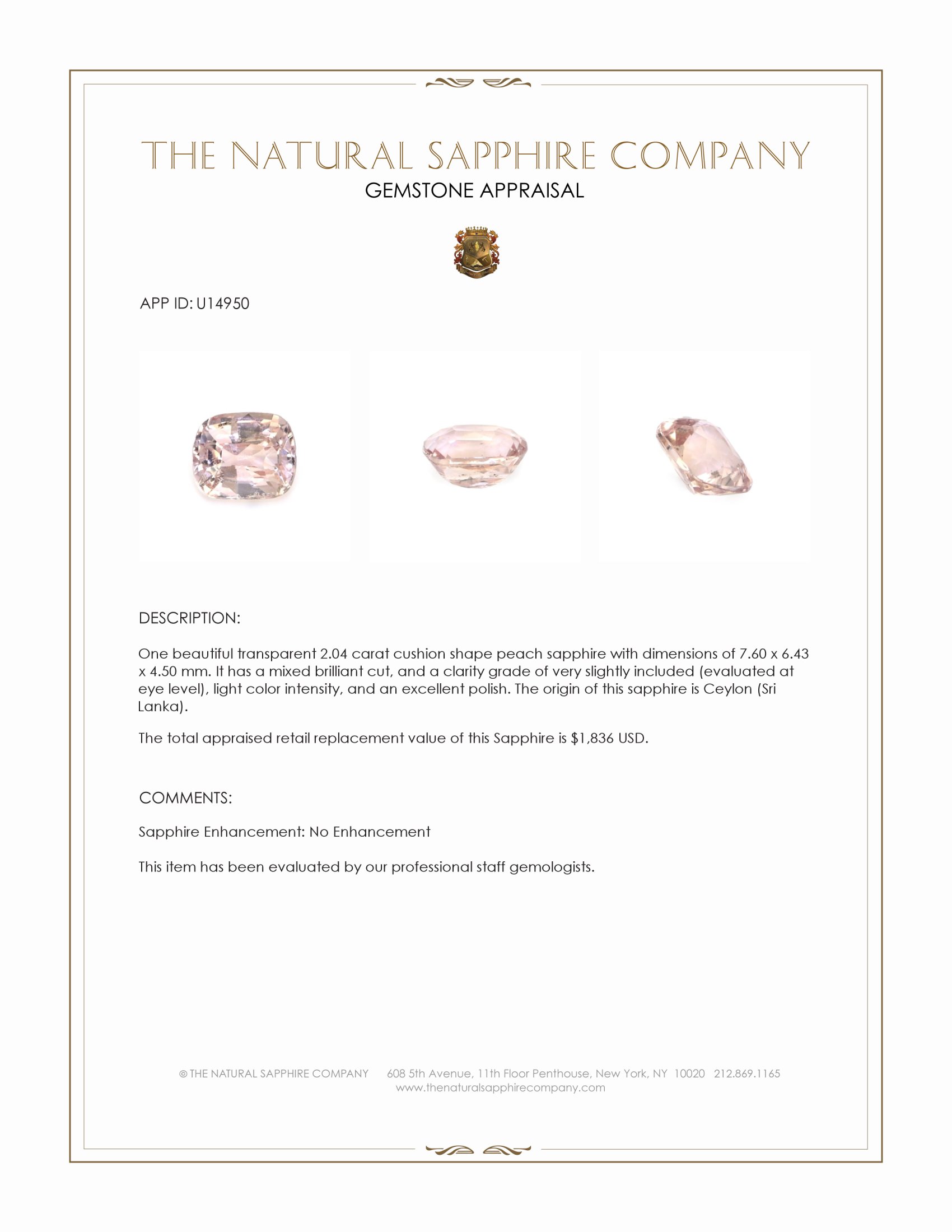
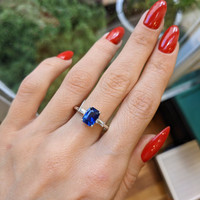
Three Stone Peach Sapphire Ring 2.04 Ct., 18K Yellow Gold



Wax Polymer Replica
Model of your Completed
Setting Design!

View 360° media
Item ID: | U14950 |
|---|---|
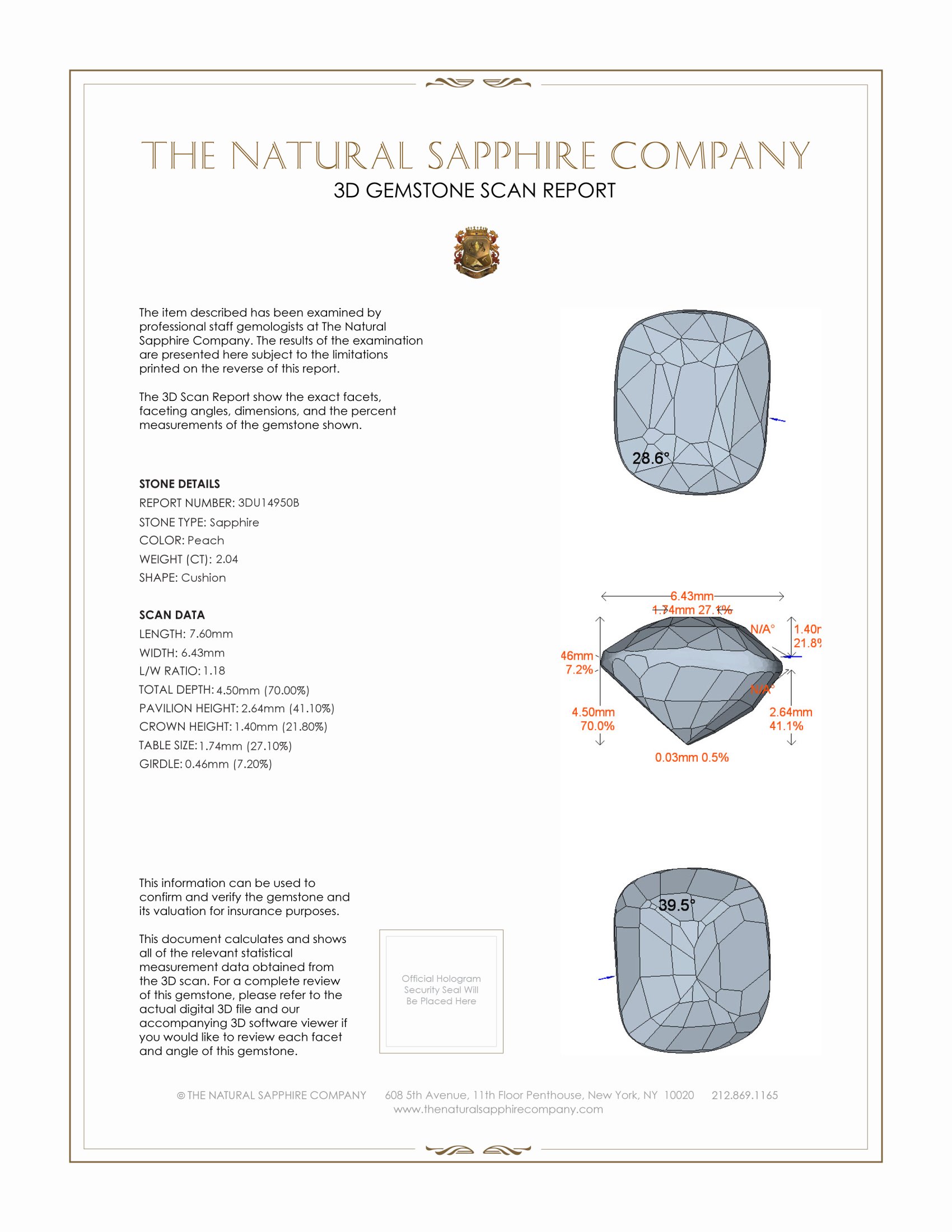
Dimensions (MM): help | Length: 7.6 Width: 6.43 Height: 4.5 |
Weight: | 2.04 Ct. |
Color: help | Peach |
Color intensity: help | Light |
Clarity: help | Very Slightly Included |
Shape: help | Cushion |
Cut: | Mixed Brilliant Cut |
Cutting style: | Faceted |
Enhancements: help | No Enhancement |
Origin: help | Ceylon (Sri Lanka) |
Per carat price: help | $900 |
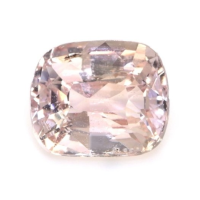
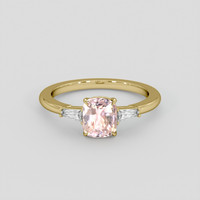
This ring centers on a transparent 2.04 carat cushion shape peach sapphire, with precise measurements of 7.60 x 6.43 x 4.50 mm, cut to a mixed brilliant style to balance scintillation with face up spread. The sapphire is graded as very slightly included when evaluated at eye level, which means the stone presents as eye clean to most viewers while retaining the natural internal features that confirm its origin and authenticity. The gem displays a light color saturation, giving a delicate peach tone that reads as a refined pastel rather than an intense color, and the polish is excellent which enhances surface reflection and overall brightness. Flanking the center stone are tapered baguette white lab grown diamonds, with a total diamond weight of approximately 0.34 carats, clarity graded as very slightly included across VS1 and VS2, and a color grade of F, providing a bright, near colorless contrast. The entire composition is set in warm 14 karat yellow gold, a metal choice that harmonizes with the peach hue and emphasizes the vintage inspired cushion silhouette. This piece is offered by The Natural Sapphire Company, where we document both the gemological details and the artisanal setting to help informed buyers make confident decisions.
From a gemological perspective the most important attributes to consider are carat weight, cut, clarity, color and origin. The 2.04 carat weight is significant for a sapphire of this hue and cut, providing a pleasing table size without overwhelming the finger. The mixed brilliant cut combines crown facets designed to maximize fire with pavilion facets that preserve weight and depth, which is particularly valuable for stones with lighter saturation because facet design can influence perceived color intensity. The very slightly included clarity grade, assessed at eye level, indicates small natural inclusions that do not detract from the stone when worn, and these inclusions are often a useful fingerprint of natural formation. The light saturation is a defining aesthetic quality here, producing an elegant pastel peach that can complement a variety of skin tones and styling choices. Origin is a key factor in valuation, and this sapphire is from Ceylon Sri Lanka, a source historically associated with high quality sapphires that often display a luminous, delicate palette and fine clarity.
When comparing this natural Ceylon peach sapphire to lab grown sapphire alternatives it is important to separate scientific equivalence from market and aesthetic considerations. Chemically and physically a lab grown corundum can be virtually identical to a natural sapphire, and modern growth techniques can produce stones with excellent color and minimal inclusions at a lower cost per carat. However, natural sapphires carry characteristics that many educated buyers prize, including unique internal growth patterns, natural inclusions that attest to formation over geological time, and the provenance story tied to a specific locality. The peach hue in natural Ceylon sapphires is typically influenced by trace elements interacting during complex geological processes, often involving iron and titanium, which can produce subtle color zoning and variability that is visually appealing and collectible. Lab grown sapphires may exhibit more uniform color and fewer or different types of inclusions, which can be desirable from a purity standpoint, but they do not offer the same rarity premium or the same long term market perception that natural, documented origin stones often retain. For buyers who prioritize natural origin, historical value and the nuanced character of naturally formed gems, a Ceylon sapphire like this one presents an advantage. For buyers prioritizing cost efficiency, consistent color and perfectly clean appearance, a lab grown sapphire may be the more practical choice.
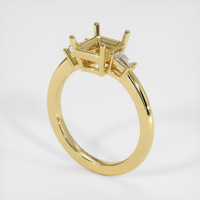
The accompanying tapered baguette lab grown diamonds are an intentional design decision, offering crisp side light and a modern geometric contrast to the cushion center, while providing ethical provenance and excellent clarity and color for the total diamond weight of approximately 0.34 carats. The 14 karat yellow gold setting not only complements the peach tone, it provides a durable and wearable mounting that will hold the gemstone securely over time. For an educated buyer considering long term value and wearability, this ring balances natural rarity with responsibly sourced accent diamonds, and it is presented by The Natural Sapphire Company with full details on grading, dimensions and origin to support provenance and authentication. We recommend viewing the stone in both daylight and indoor lighting to appreciate the range of peach tones, and we are pleased to provide supplemental imagery, gemological reports and customization options upon request, to ensure that your choice aligns with both your aesthetic preferences and investment considerations.


