


- Ring23
- Stone9
- Setting5
- Reports4
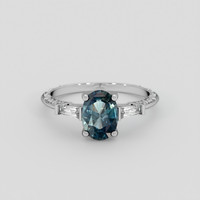
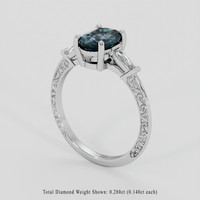
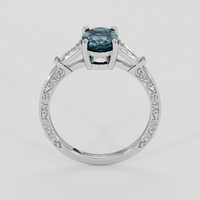
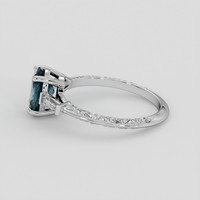





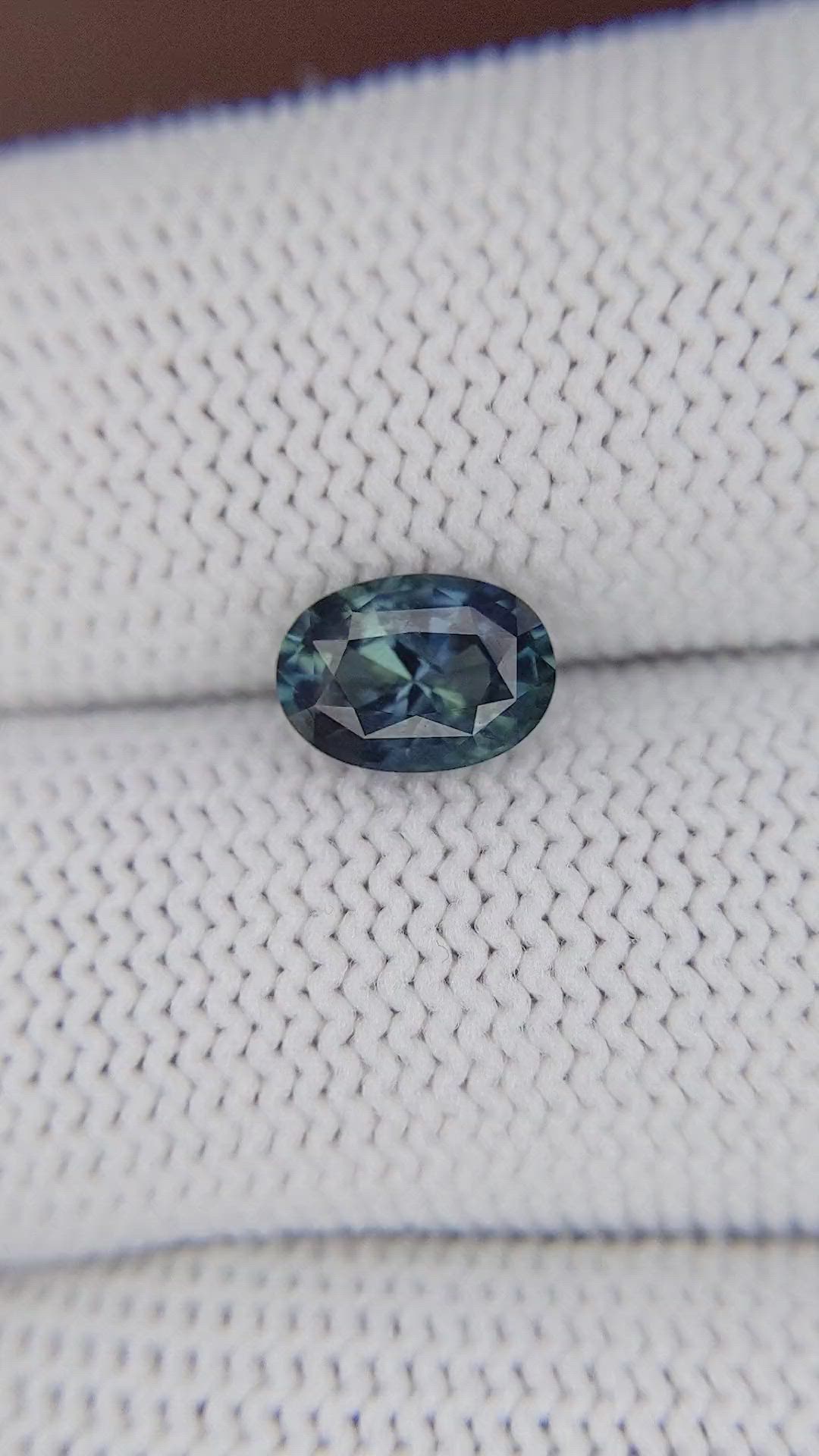
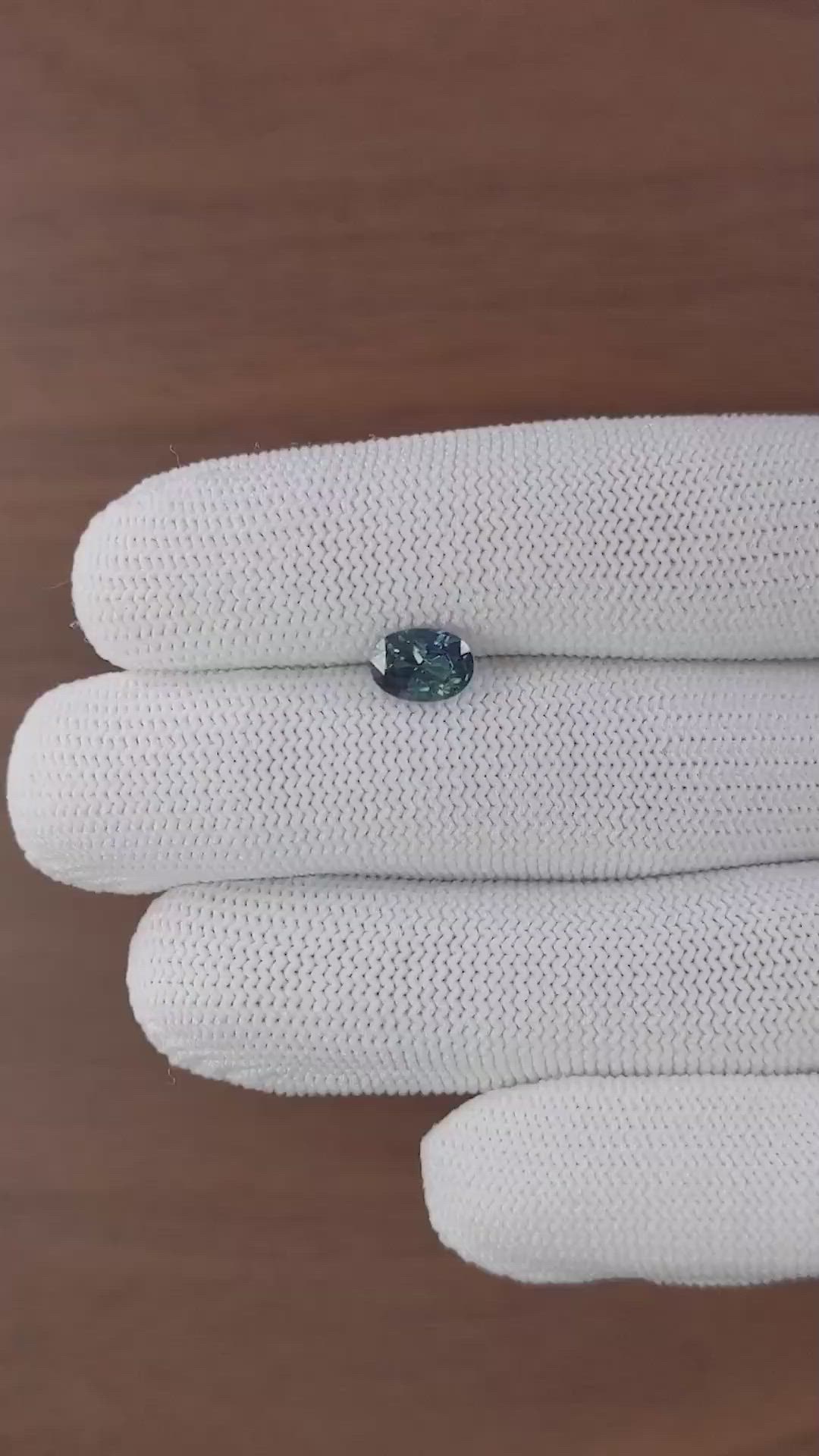
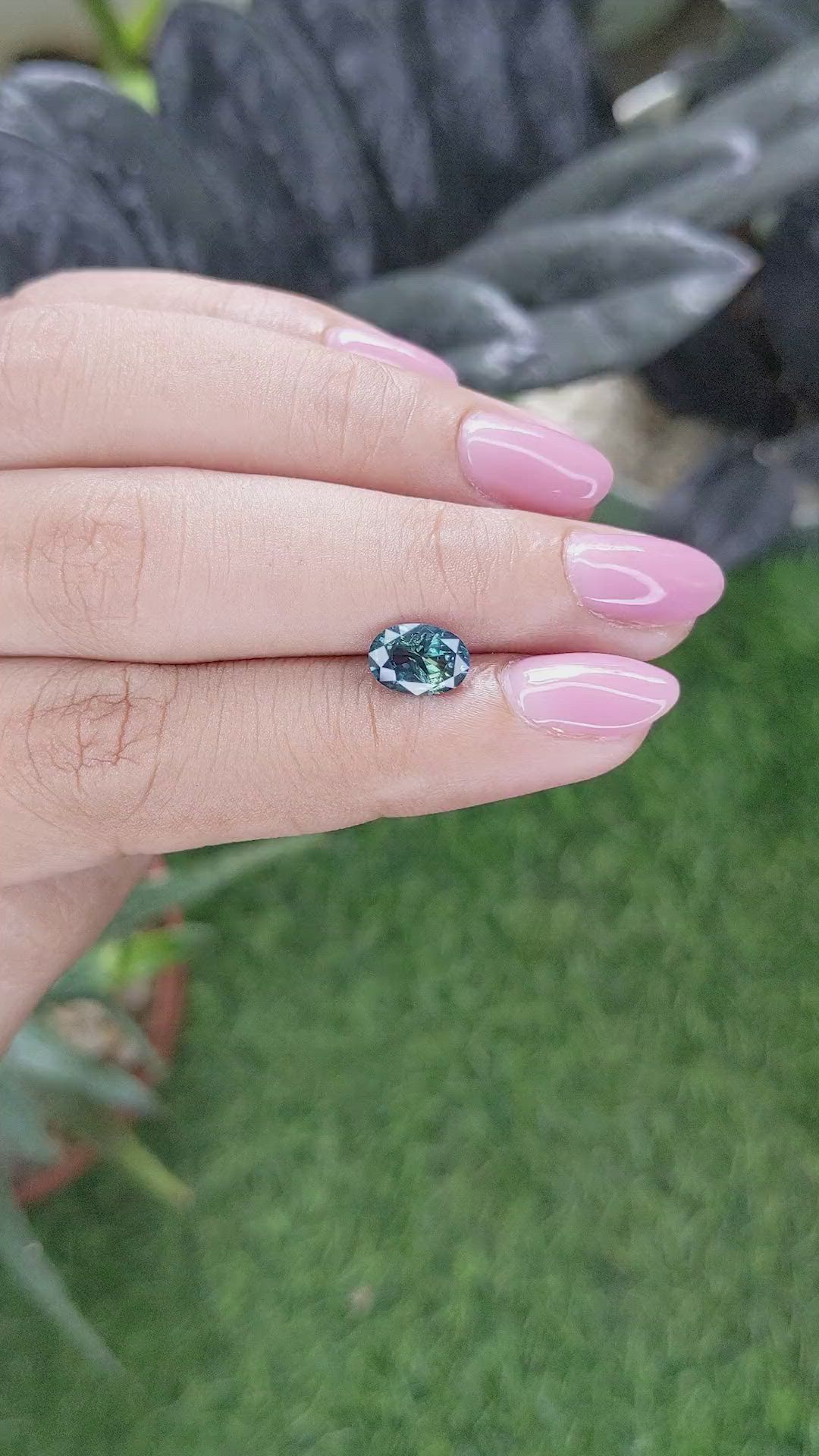
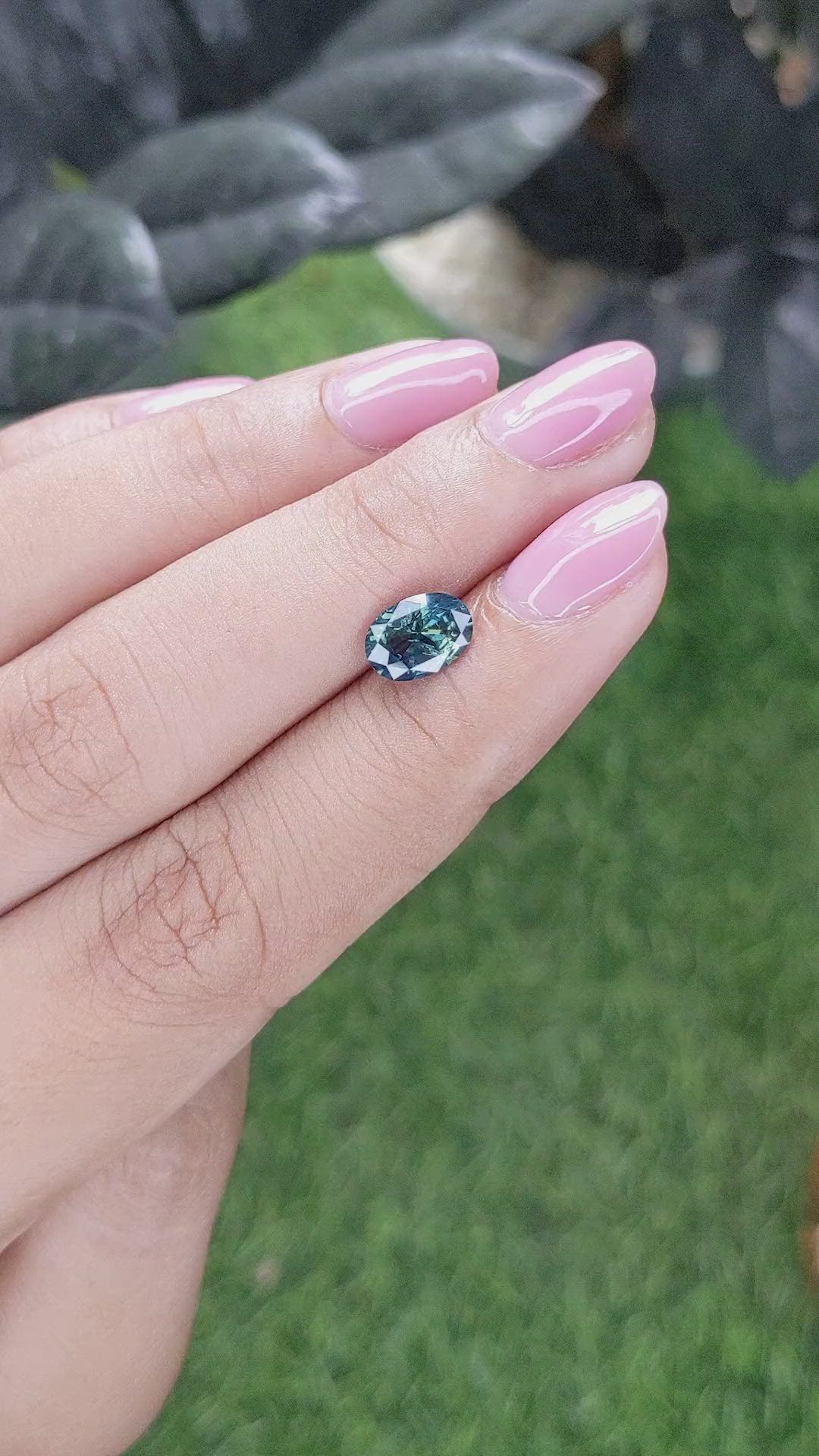




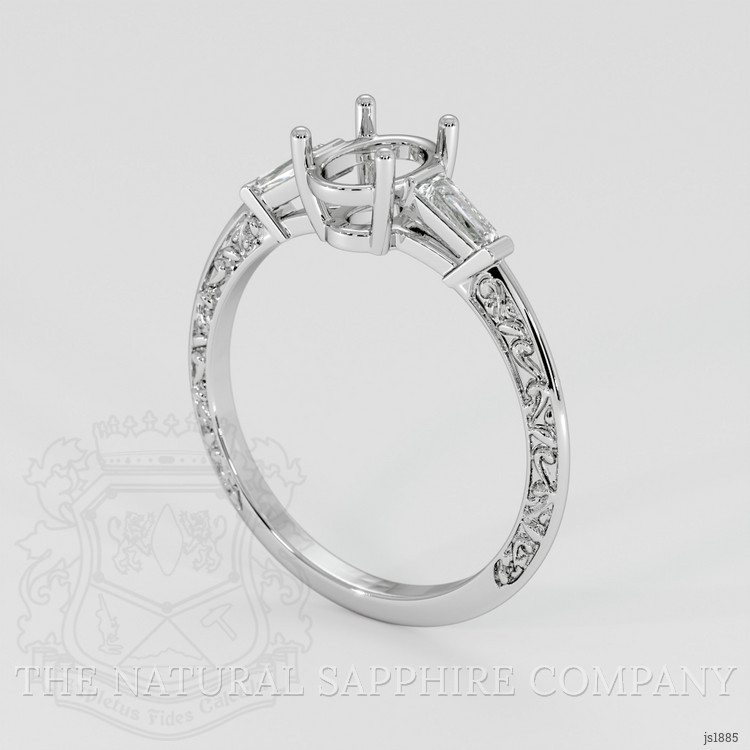



Antique Style Greenish Blue Sapphire Ring 1.53 Ct., 10K White Gold





Wax Polymer Replica
Model of your Completed
Setting Design!

View 360° media
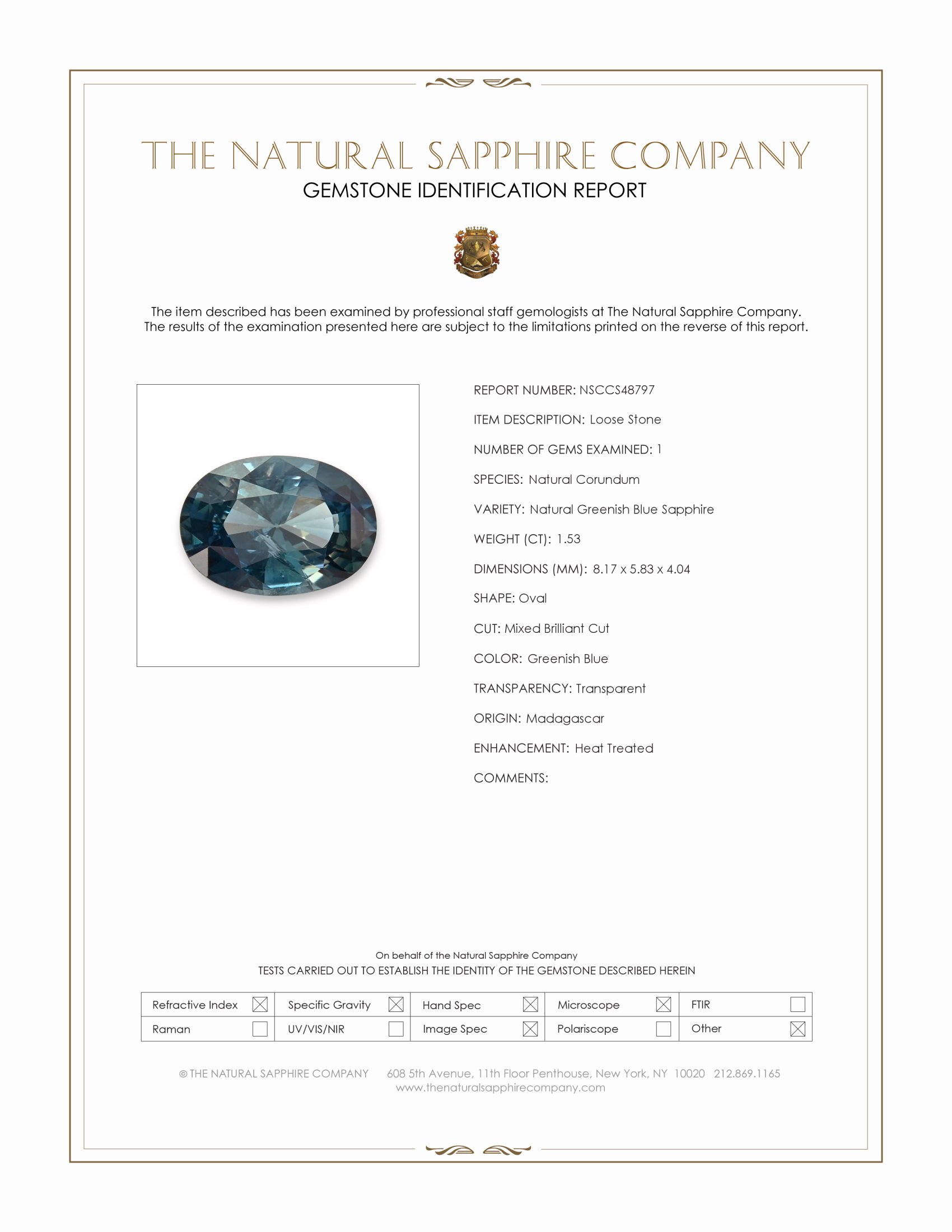
Item ID: | S48797 |
|---|---|
Dimensions (MM): help | Length: 8.17 Width: 5.83 Height: 4.04 |
Weight: | 1.53 Ct. |
Color: help | Greenish Blue |
Color intensity: help | Intense |
Clarity: help | Slightly Included |
Shape: help | Oval |
Cut: | Mixed Brilliant Cut |
Cutting style: | Faceted |
Enhancements: help | Heat Treated |
Origin: help | Madagascar |
Per carat price: help | $370 |
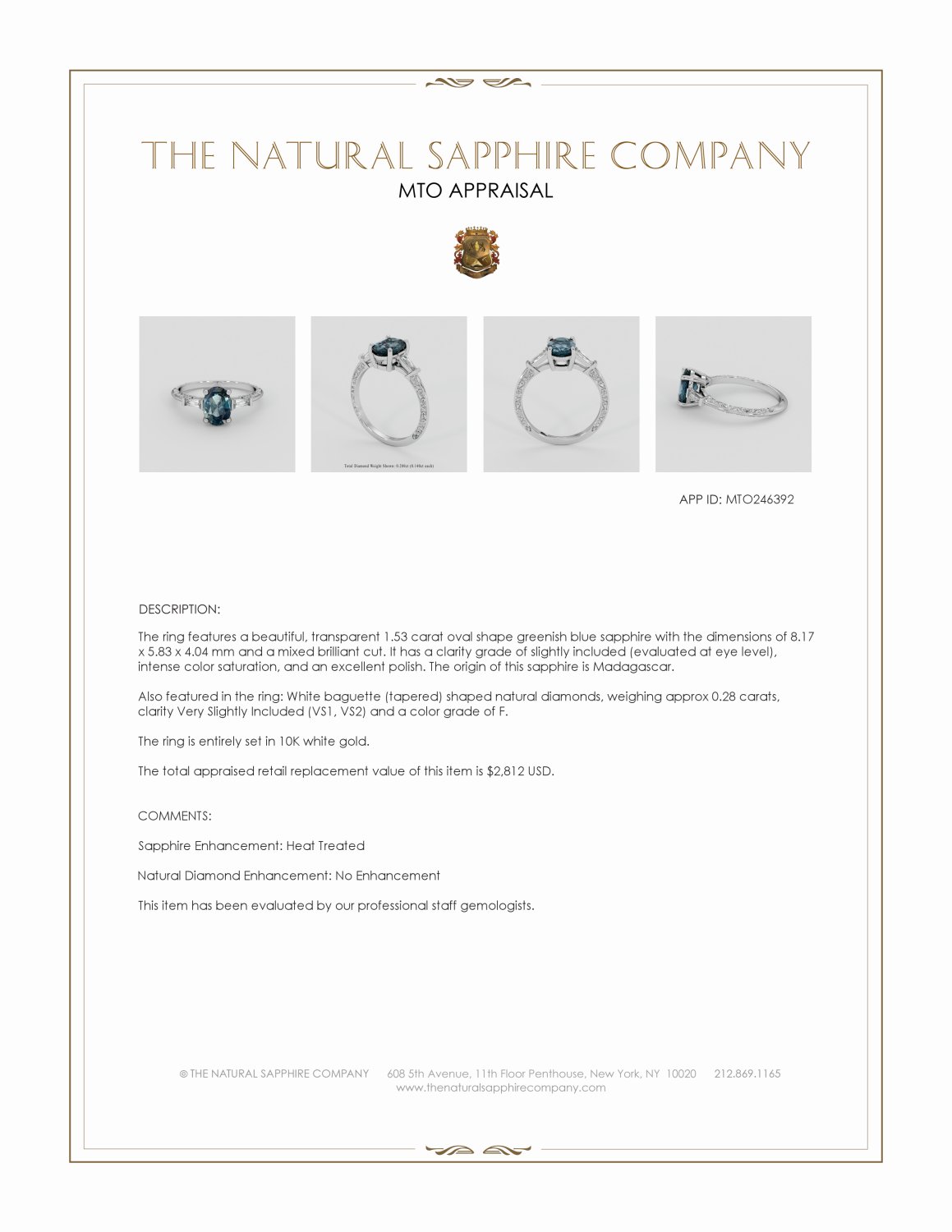
This ring centers on a transparent 1.53 carat oval greenish blue sapphire, measuring 8.17 x 5.83 x 4.04 mm, cut in a mixed brilliant style and exhibiting intense color saturation with an excellent polish. The sapphire is graded as slightly included when evaluated at eye level, and its origin is Madagascar. Flanking the sapphire are white tapered baguette diamonds with a combined weight of approximately 0.28 carats, graded Very Slightly Included in the range VS1 to VS2, and carrying a color grade of F. The entire composition is set in Platinum 950, selected for its strength and natural white sheen, and executed with prong settings that allow the sapphire to receive direct light while the tapered baguette diamonds visually elongate and balance the central stone.
From a gemological perspective the sapphire displays qualities that are valued for natural gemstones, namely notable depth of color and an internal character consistent with origin from Madagascar. The mixed brilliant cut is designed to combine facial brightness with internal scintillation, and the excellent polish enhances surface reflection and overall finish. The clarity description slightly included indicates small inclusions that are visible to a trained eye at normal viewing distances, but do not materially reduce the stone s transparency or its ability to display color. The tapered baguette diamonds are chosen for their crisp, linear geometry, and their VS clarity grades and F color give them a bright white appearance that complements the sapphire without competing for attention. Platinum 950 provides a secure and durable mounting, and is commonly chosen for settings intended for daily wear and long term stability.
When compared to lab grown sapphire alternatives there are several technical and qualitative considerations to take into account. Chemically and physically a lab grown sapphire is the same species as a natural corundum, and under many tests it will display the same hardness, refractive index, and basic optical properties. Differences arise primarily in internal characteristics and provenance. Natural sapphires acquire a complex array of inclusions and growth features during formation that can produce subtle optical effects, color zoning, and individuality of hue. Lab grown material is typically produced by methods such as flame fusion or hydrothermal growth, which often yield stones with more uniform color distribution and fewer natural inclusions. For buyers who prioritize absolute uniformity and lower cost per carat, lab grown stones present a compelling alternative. For those who value natural origin, geological history, and the nuanced color variations that can result from natural formation, a natural sapphire from Madagascar such as the one in this ring offers attributes that are distinct and difficult to replicate in synthetic material.
Beyond optical and structural comparisons there are also differences in market considerations and traceability. Natural sapphires, especially those with confirmed origins and documented treatment history, generally retain traditional market recognition and may hold value differently over time compared to lab grown equivalents. Lab grown stones are often sold at a lower price point relative to comparable natural stones, reflecting differences in supply dynamics and production costs. Many consumers also consider aspects of provenance and sustainability, and may prefer a natural stone whose origin can be traced to a specific locality such as Madagascar. Conversely buyers who are focused on cost efficiency or on minimizing environmental impact through controlled laboratory production may prefer lab grown options. The Natural Sapphire Company provides detailed information on origin and grading to support informed decisions, and we can supply certification and further comparative data on request, including discussion of typical treatments and disclosure practices that apply to natural sapphires, and documented characteristics typical of lab grown material.


