
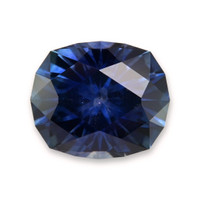

- Ring25
- Stone11
- Setting5
- Reports4
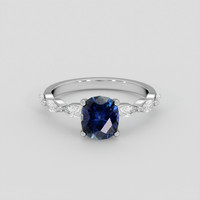

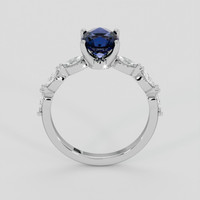



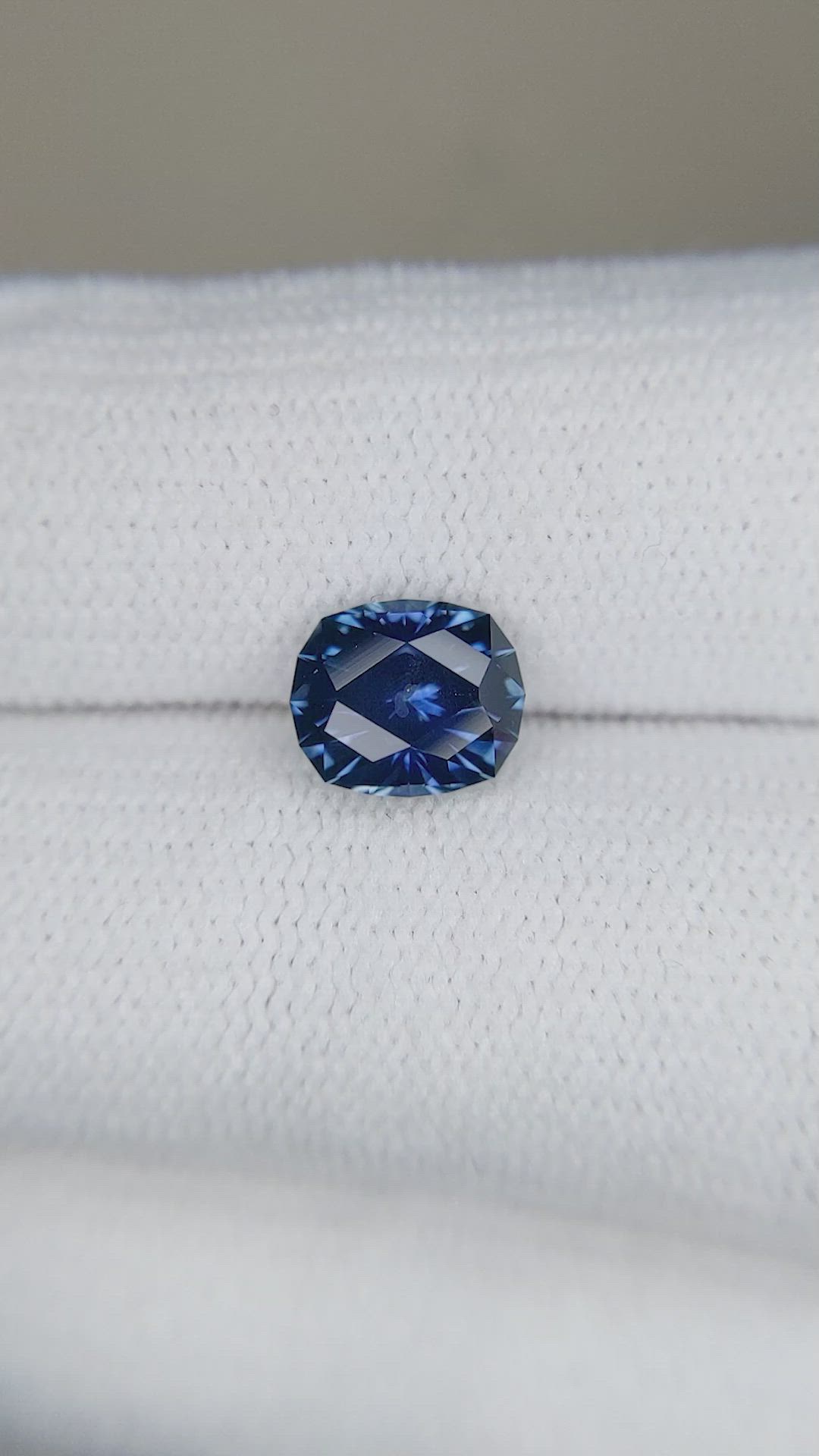
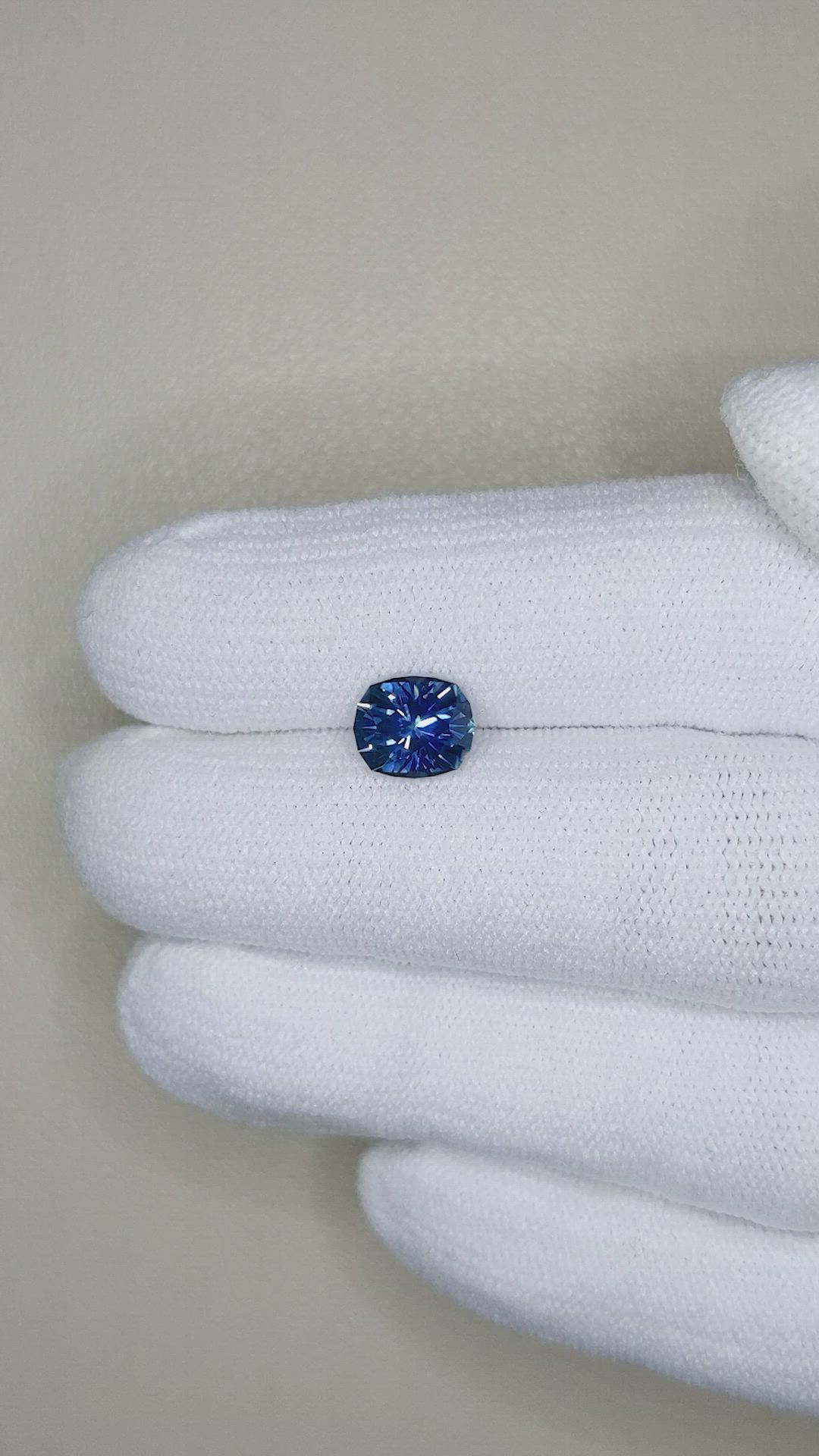
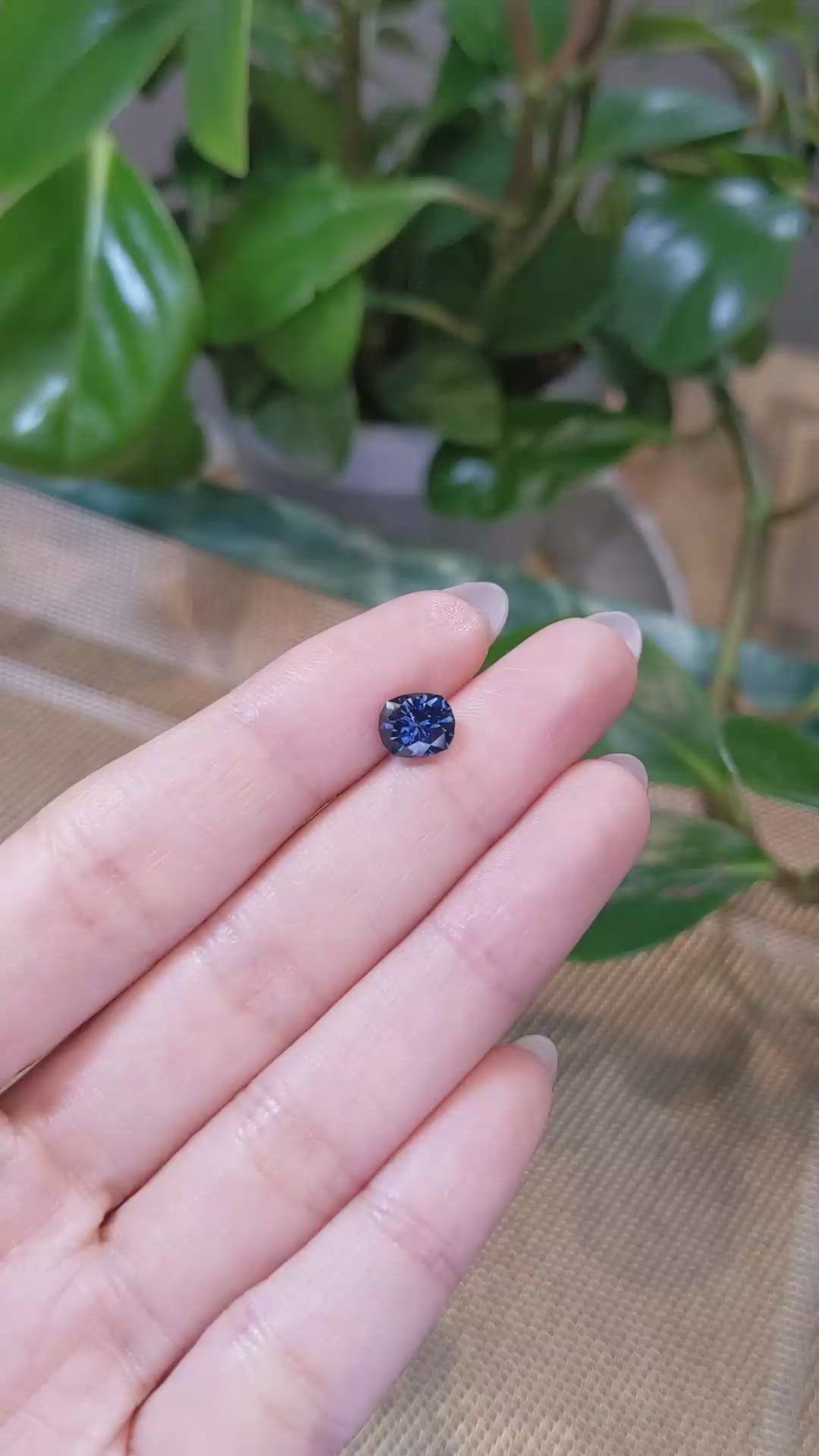
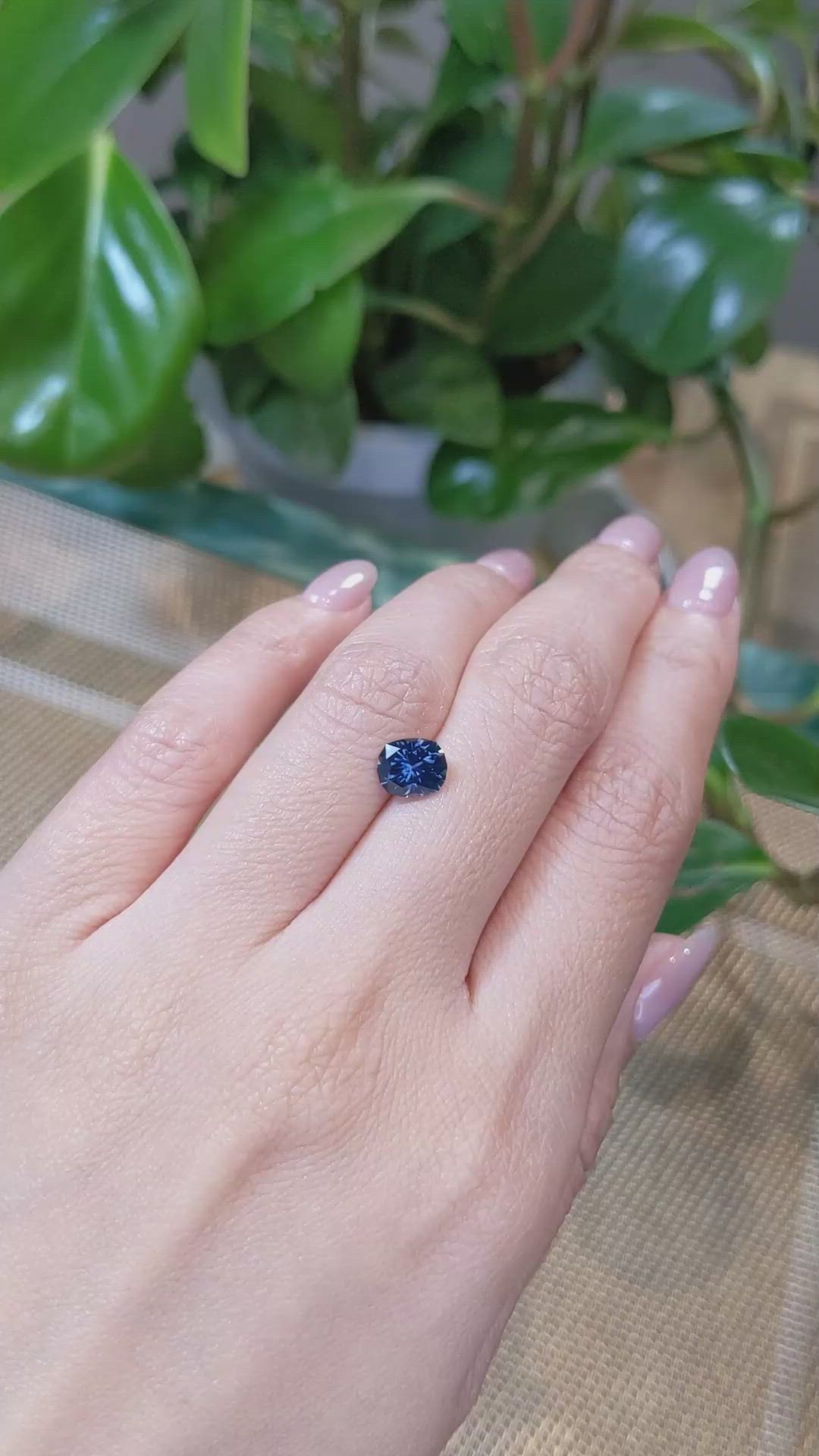
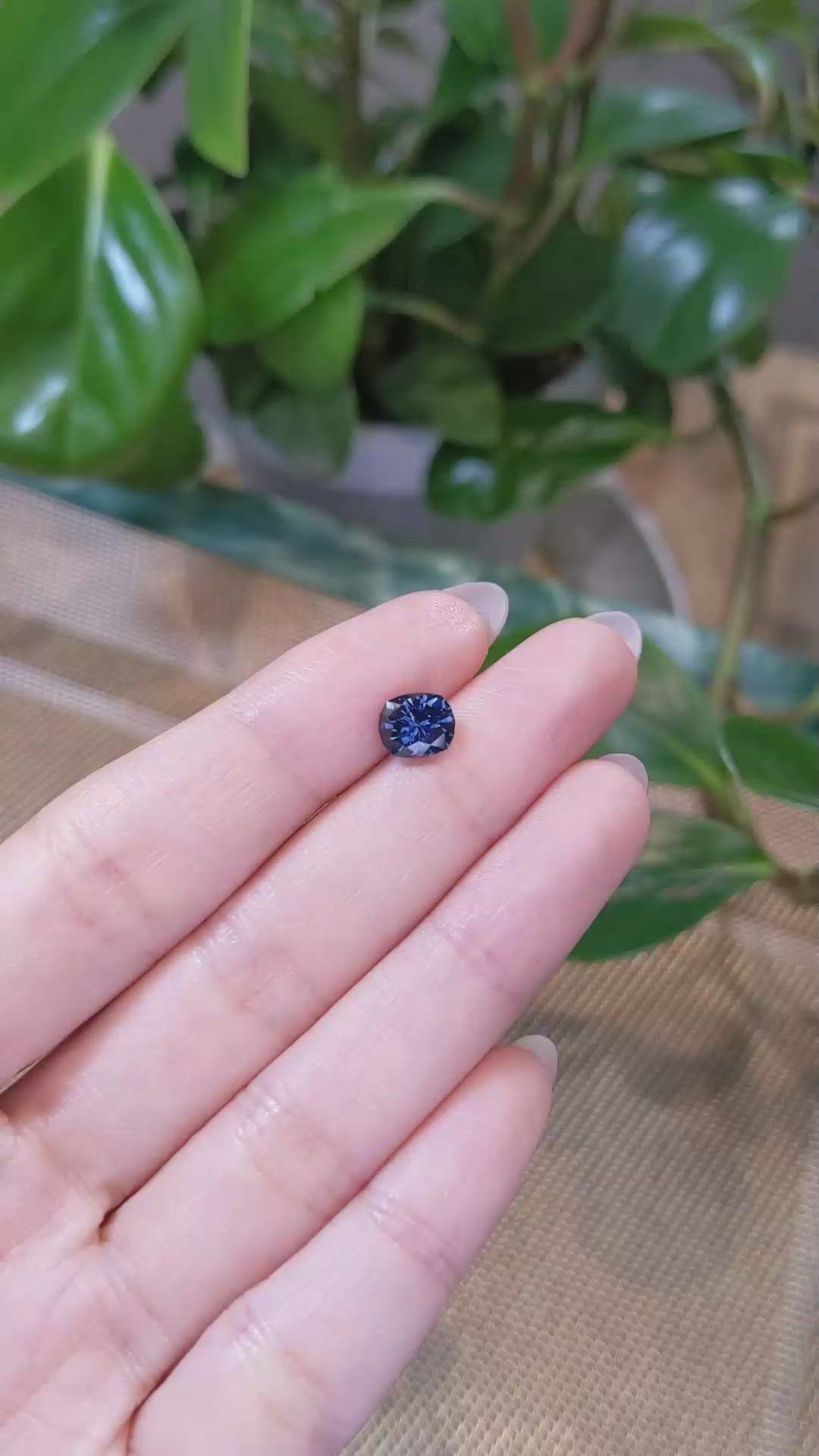


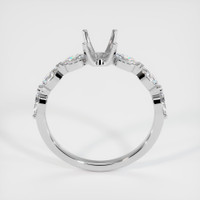


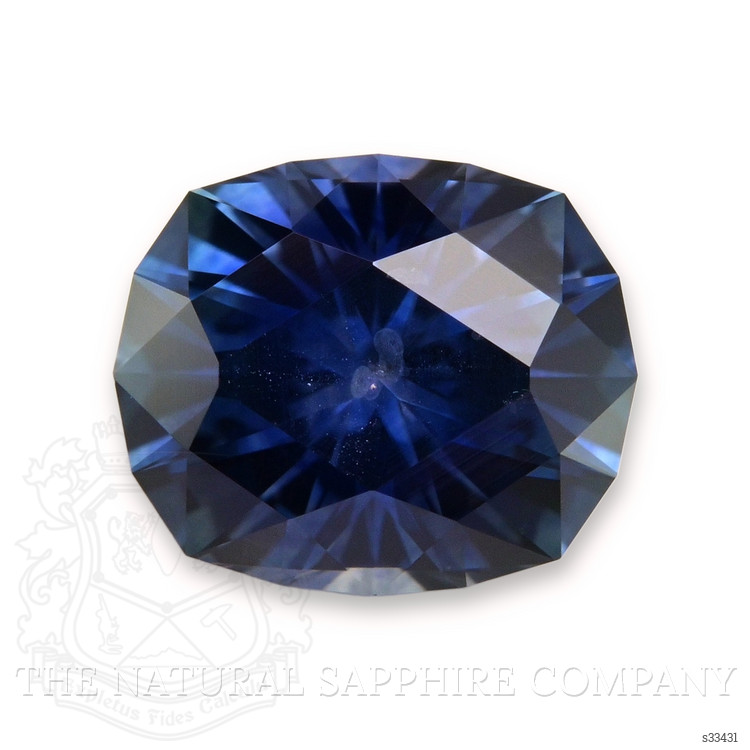
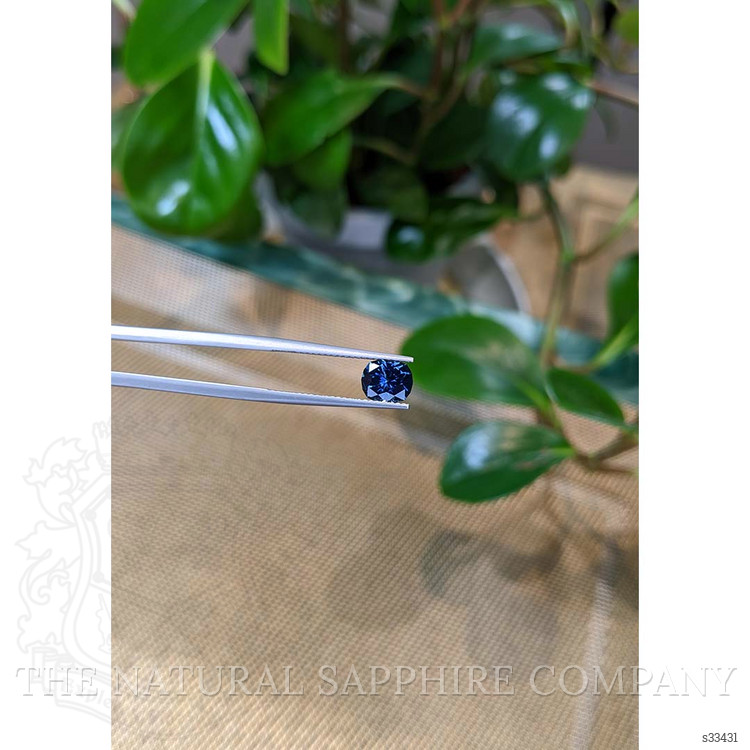
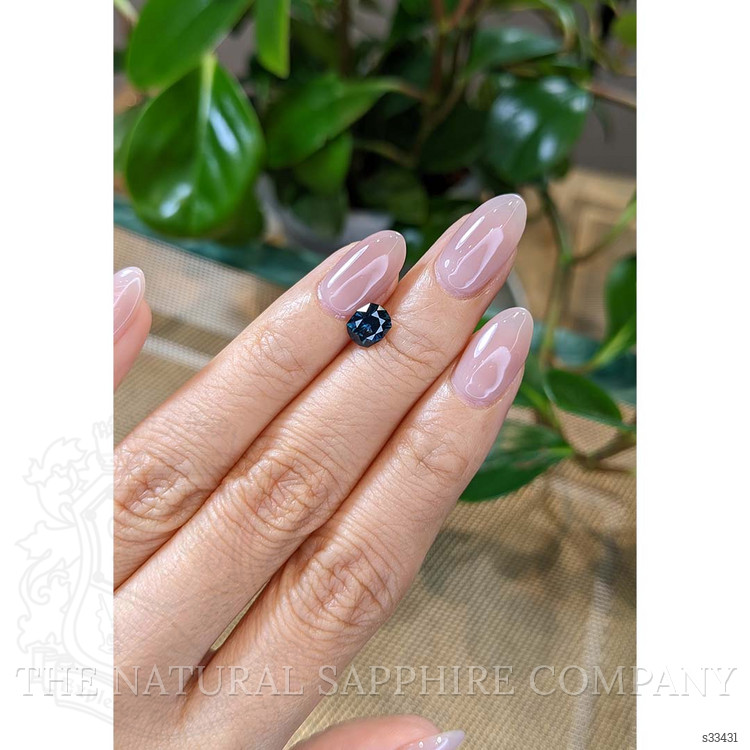
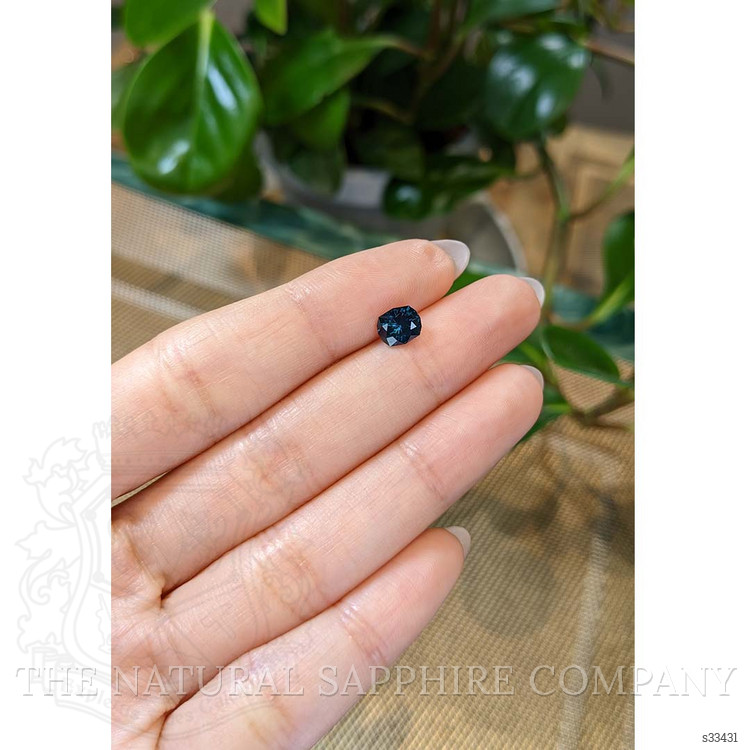


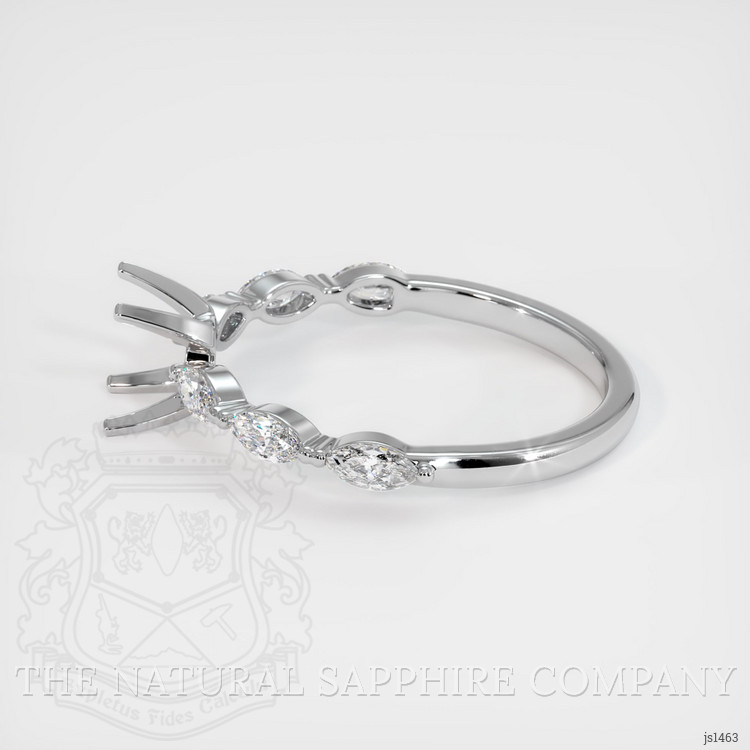



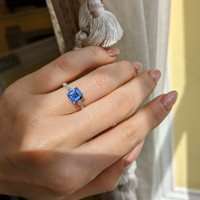
Accent Stones Greenish Blue Sapphire Ring 1.64 Ct., 10K White Gold


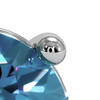
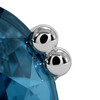
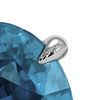
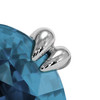
Wax Polymer Replica
Model of your Completed
Setting Design!

View 360° media
Item ID: | S33431 |
|---|---|
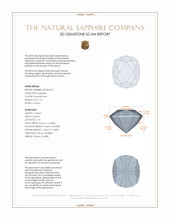
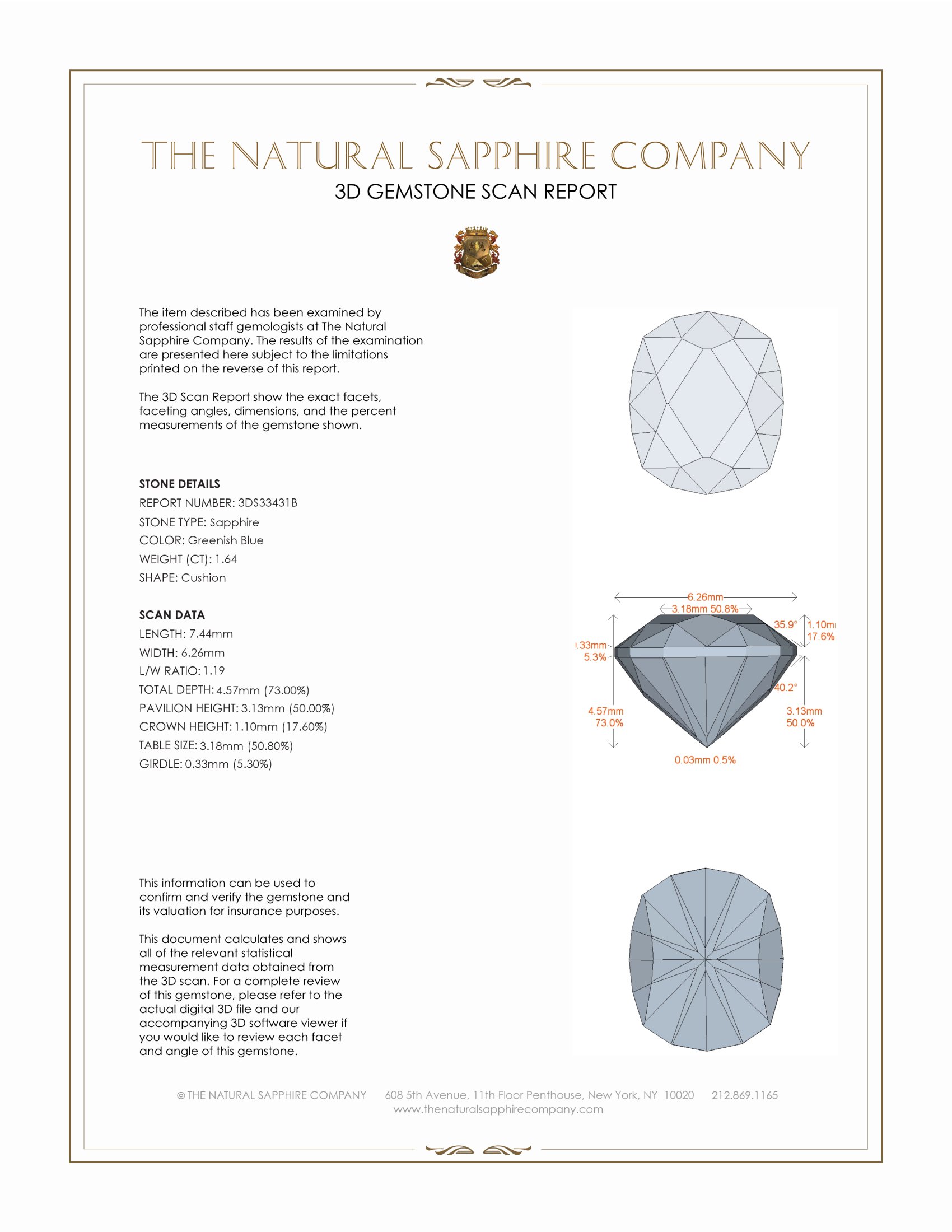
Dimensions (MM): help | Length: 7.44 Width: 6.26 Height: 4.57 |
Weight: | 1.64 Ct. |
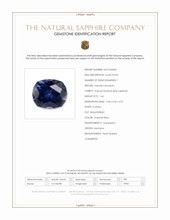
Color: help | Greenish Blue |
Color intensity: help | Vivid |
Clarity: help | Very Slightly Included |
Shape: help | Cushion |
Cut: | Mixed Brilliant Cut |
Cutting style: | Faceted |
Enhancements: help | Heat Treated |
Origin: help | Montana |
Per carat price: help | $2,085 |
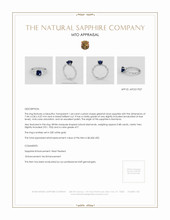
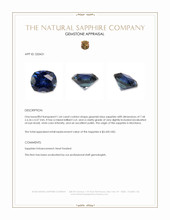
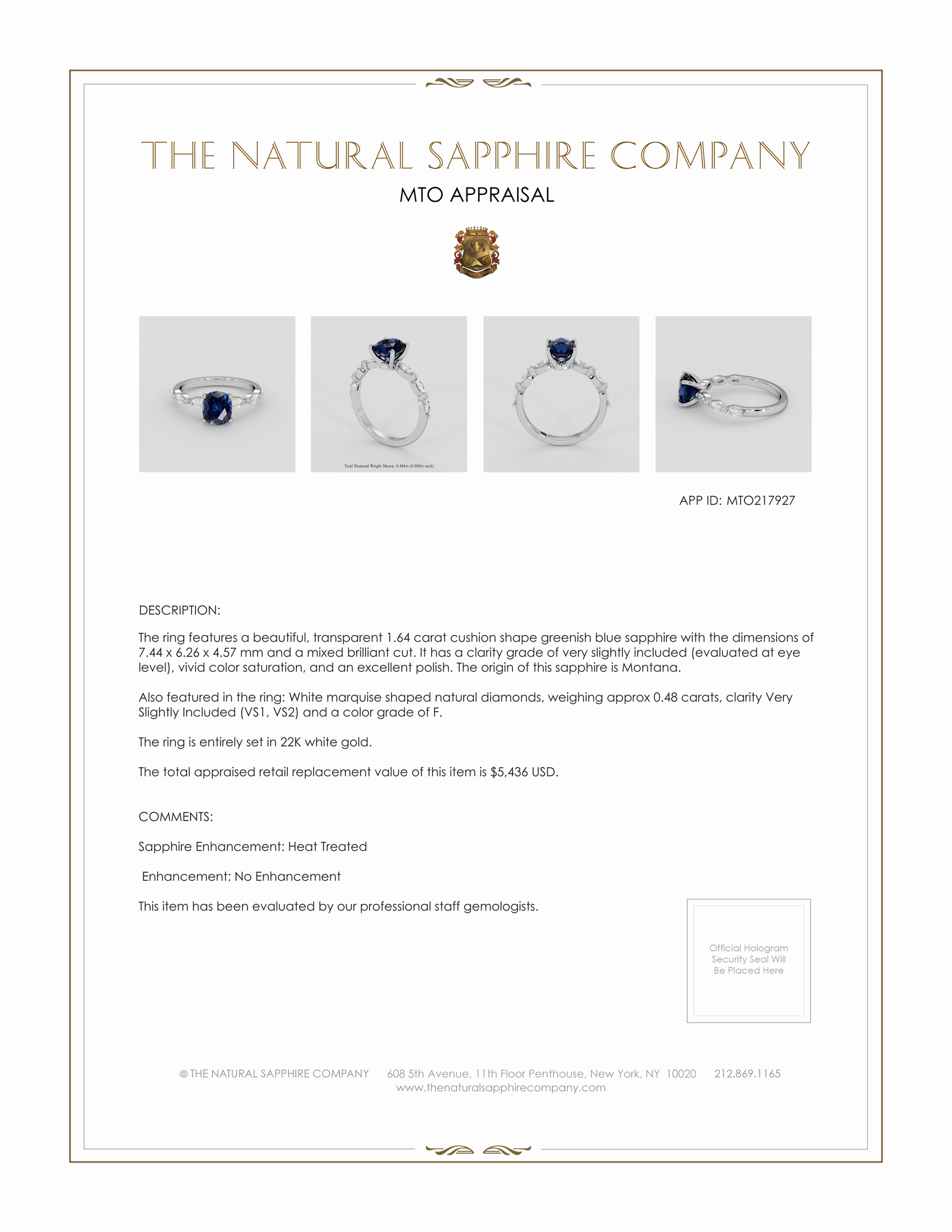
This ring centers a transparent 1.64 carat cushion shape greenish blue sapphire, measuring 7.44 x 6.26 x 4.57 mm, cut in a mixed brilliant style to balance table brightness and pavilion fire. The sapphire displays vivid color saturation and an excellent polish, and was evaluated as very slightly included at eye level, which means the inclusions do not distract to the unaided eye while they serve as natural fingerprinting for provenance. Origin is Montana, a source known for producing sapphires with distinctive tones and natural growth features, and that origin adds both character and collector interest. Flanking the center are white marquise shaped natural diamonds totaling approximately 0.48 carats, with clarity grades of Very Slightly Included in the VS1 to VS2 range, and a top tier color grade of F, chosen to provide crisp contrast and optical balance. The entire assembly is set in 22K white gold, a high gold content alloy that enhances the warm hue and luxury feel of the mounting, with careful craftsmanship to ensure the setting is secure while acknowledging the need for mindful wear because higher karat gold is softer than lower karat alternatives.
When compared to lab grown sapphire alternatives, this Montana gemstone offers attributes that appeal to informed buyers who value natural origin and long term scarcity. Chemically and optically, a high quality lab grown sapphire can match or exceed a natural stone in clarity and uniformity, and those laboratory stones typically command lower prices due to controlled production and greater supply. However what distinguishes this natural Montana sapphire is the combination of its documented origin, natural inclusion characteristics, and historical rarity, factors that support stronger value retention and collector demand over time. Lab grown stones will often be eye clean with very uniform color, which is advantageous for consistency, but they lack the geological story and microscopic growth features that many connoisseurs seek. For buyers interested in natural provenance, enduring resale potential, and the subtle individuality of natural inclusions and zoning, this ring offered by The Natural Sapphire Company represents a measured investment in both beauty and gemological authenticity, and we can provide detailed assessment information to support informed purchase decisions.


