
-cushion-green-sapphire-1.3800-cts-s33555-1.jpg?d=200x200&v=20251124064658)
- Ring25
- Stone11
- Setting5
- Reports4




-cushion-green-sapphire-1.3800-cts-s33555-lifestyleimage-1.jpg?d=200x200&v=20251125024850)
-cushion-green-sapphire-1.3800-cts-s33555-lifestyleimage-2.jpg?d=200x200&v=20251125024850)
-cushion-green-sapphire-1.3800-cts-s33555-lifestyleimage-3.jpg?d=200x200&v=20251125024850)






-cushion-green-sapphire-1.3800-cts-s33555-1.jpg?d=750x750&s=nsc&v=20251124064658)
-cushion-green-sapphire-1.3800-cts-s33555-lifestyleimage-1.jpg?d=750x750&s=nsc&v=20251125024850)
-cushion-green-sapphire-1.3800-cts-s33555-lifestyleimage-2.jpg?d=750x750&s=nsc&v=20251125024850)
-cushion-green-sapphire-1.3800-cts-s33555-lifestyleimage-3.jpg?d=750x750&s=nsc&v=20251125024850)



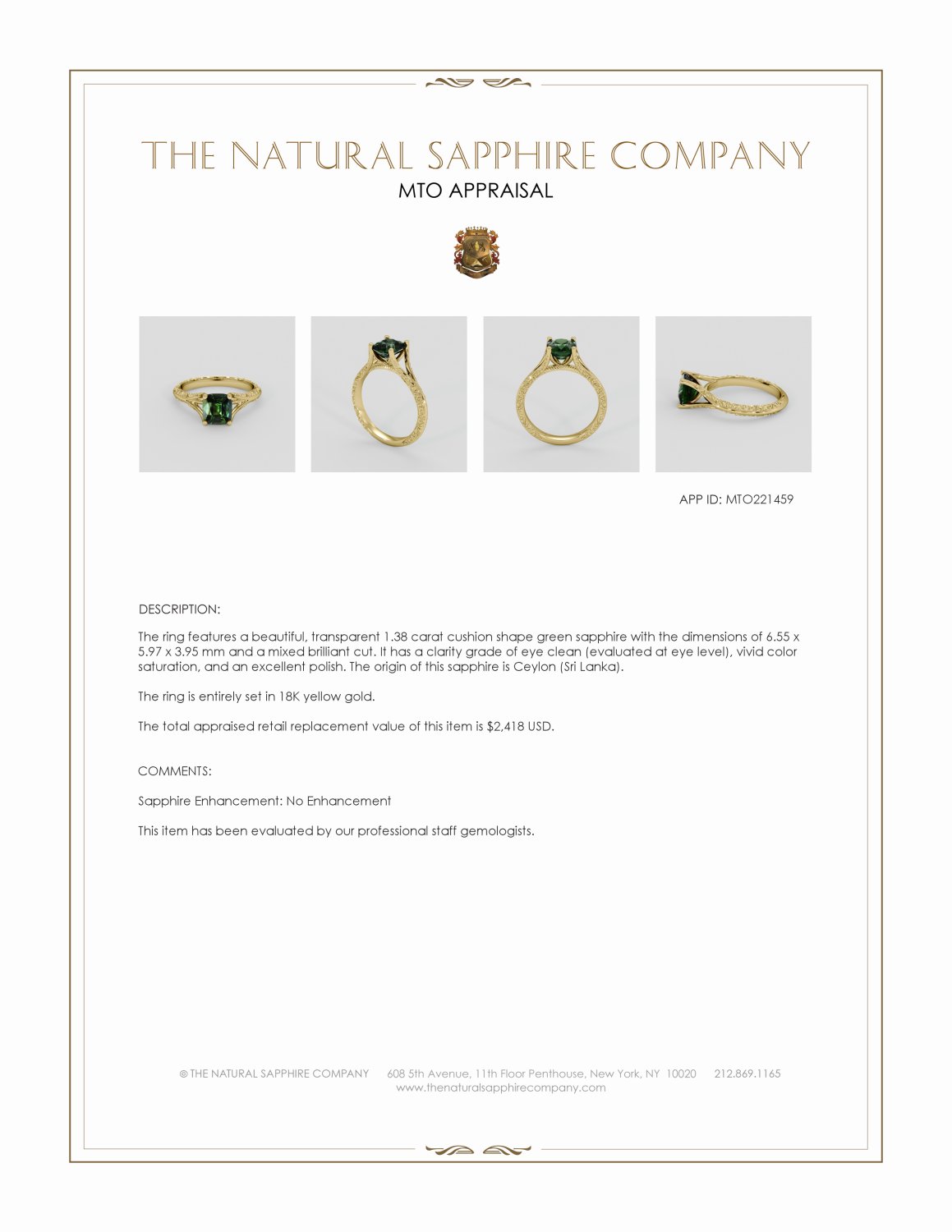

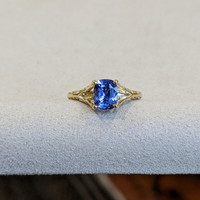
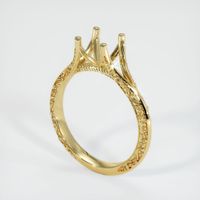
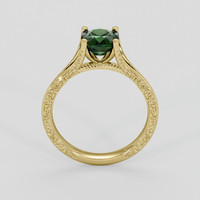
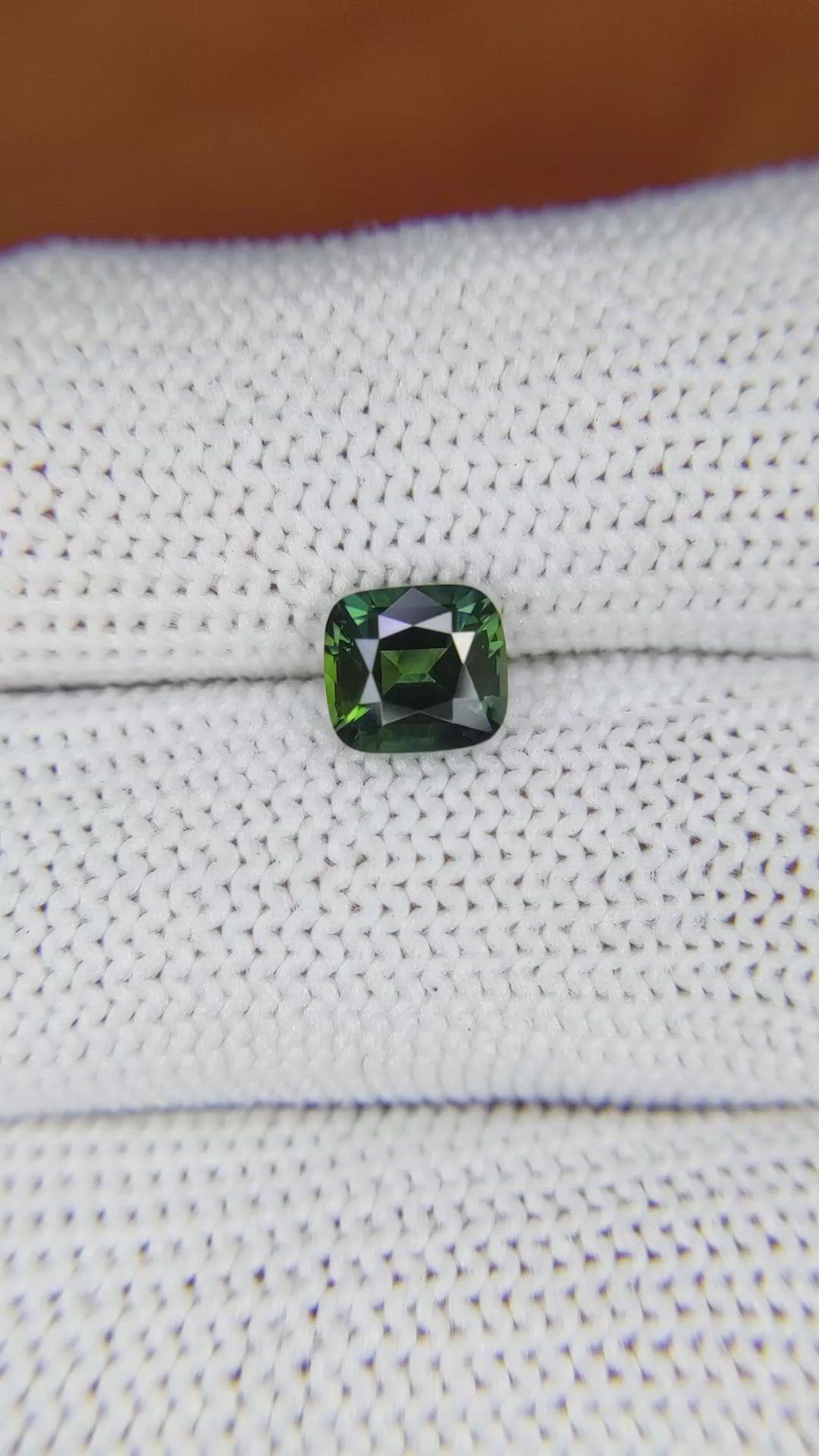
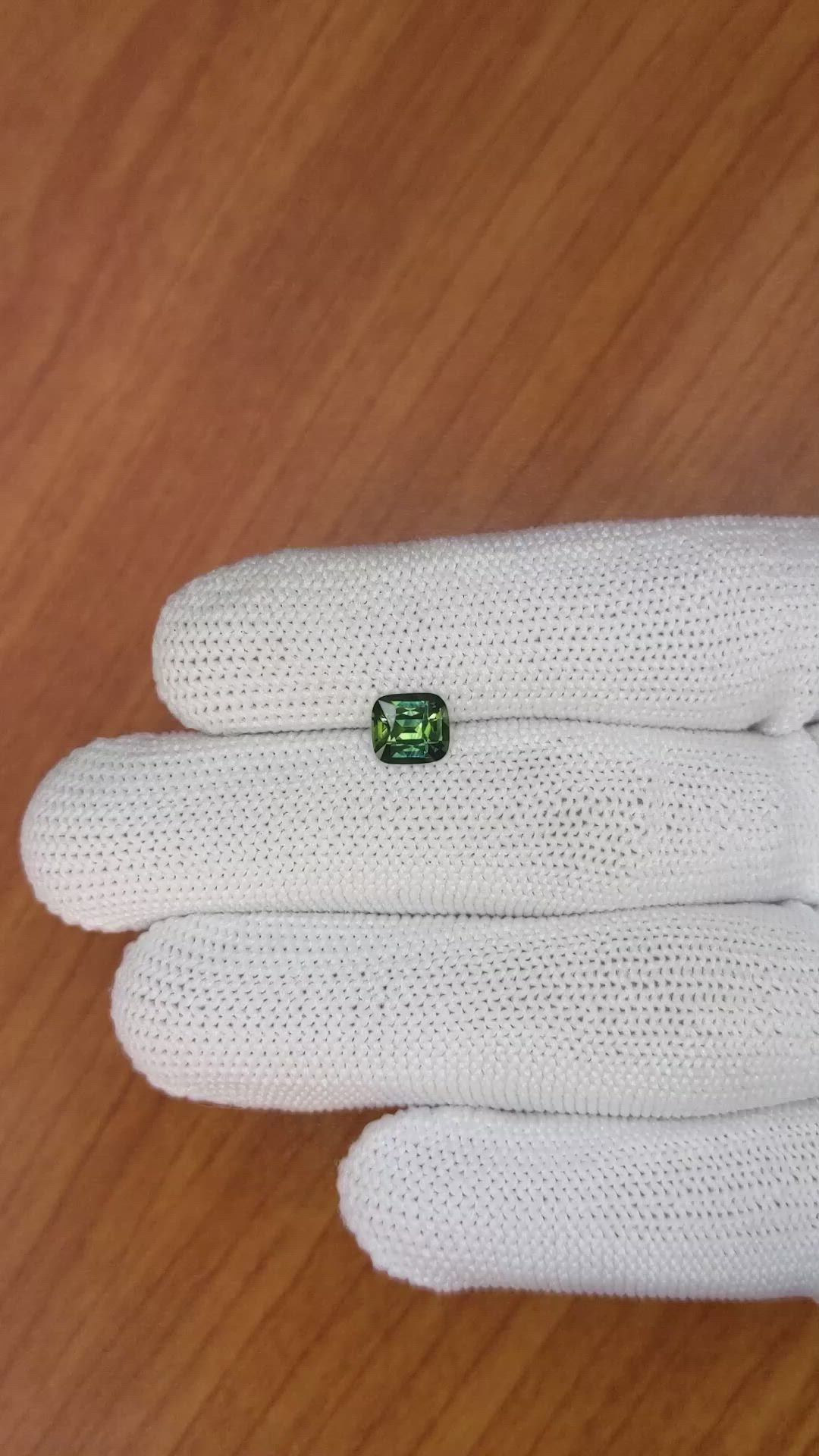
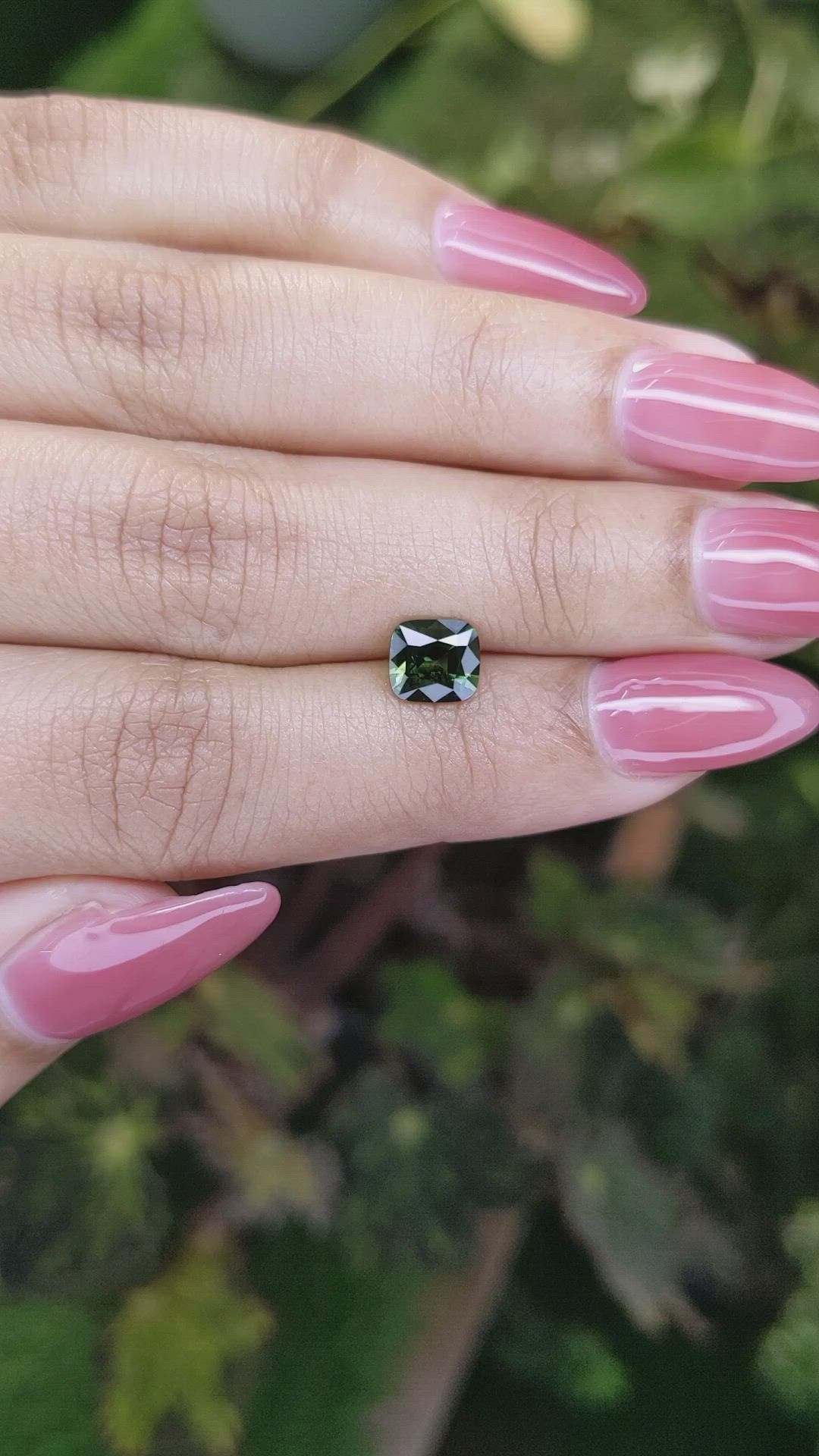
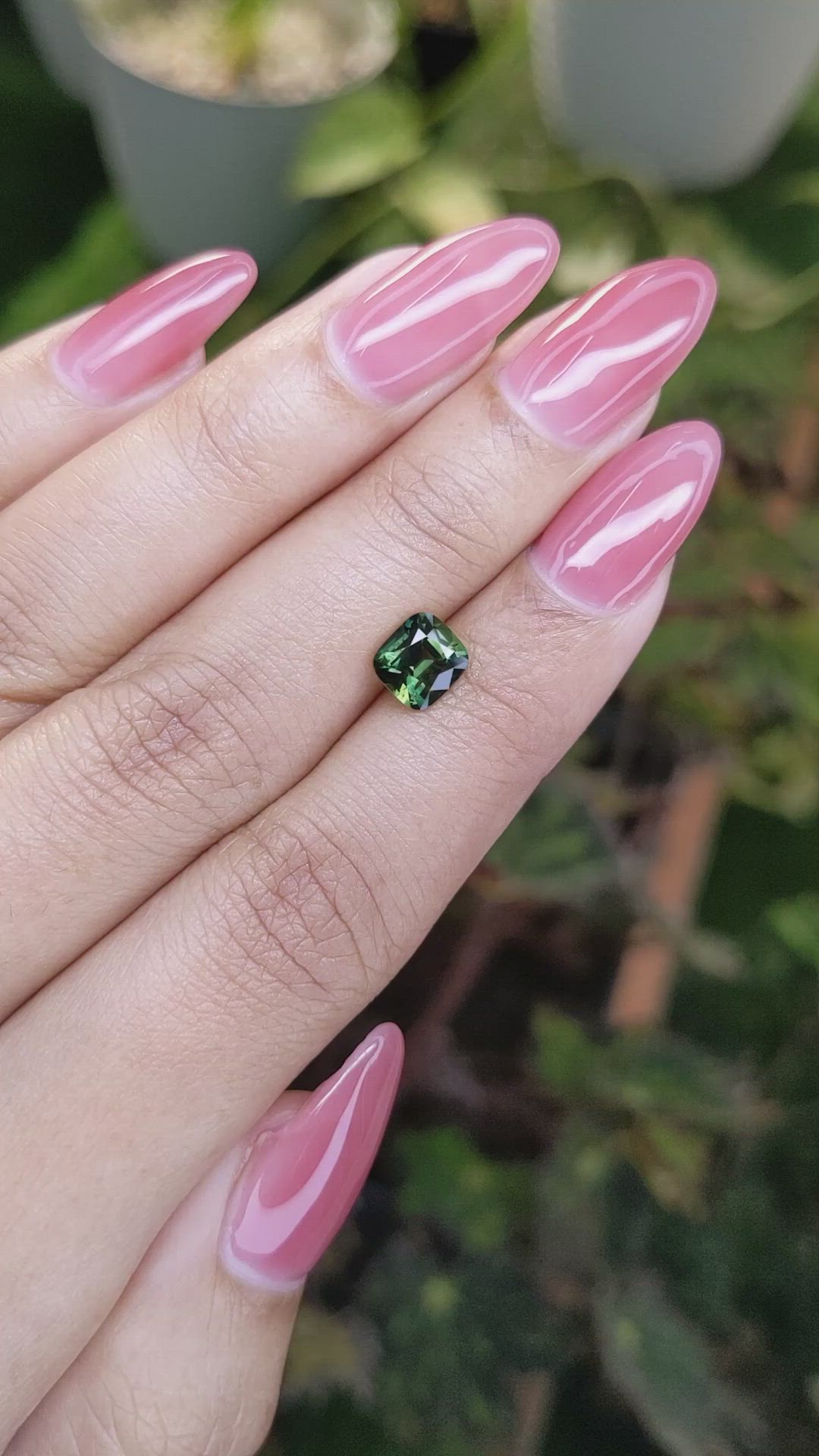
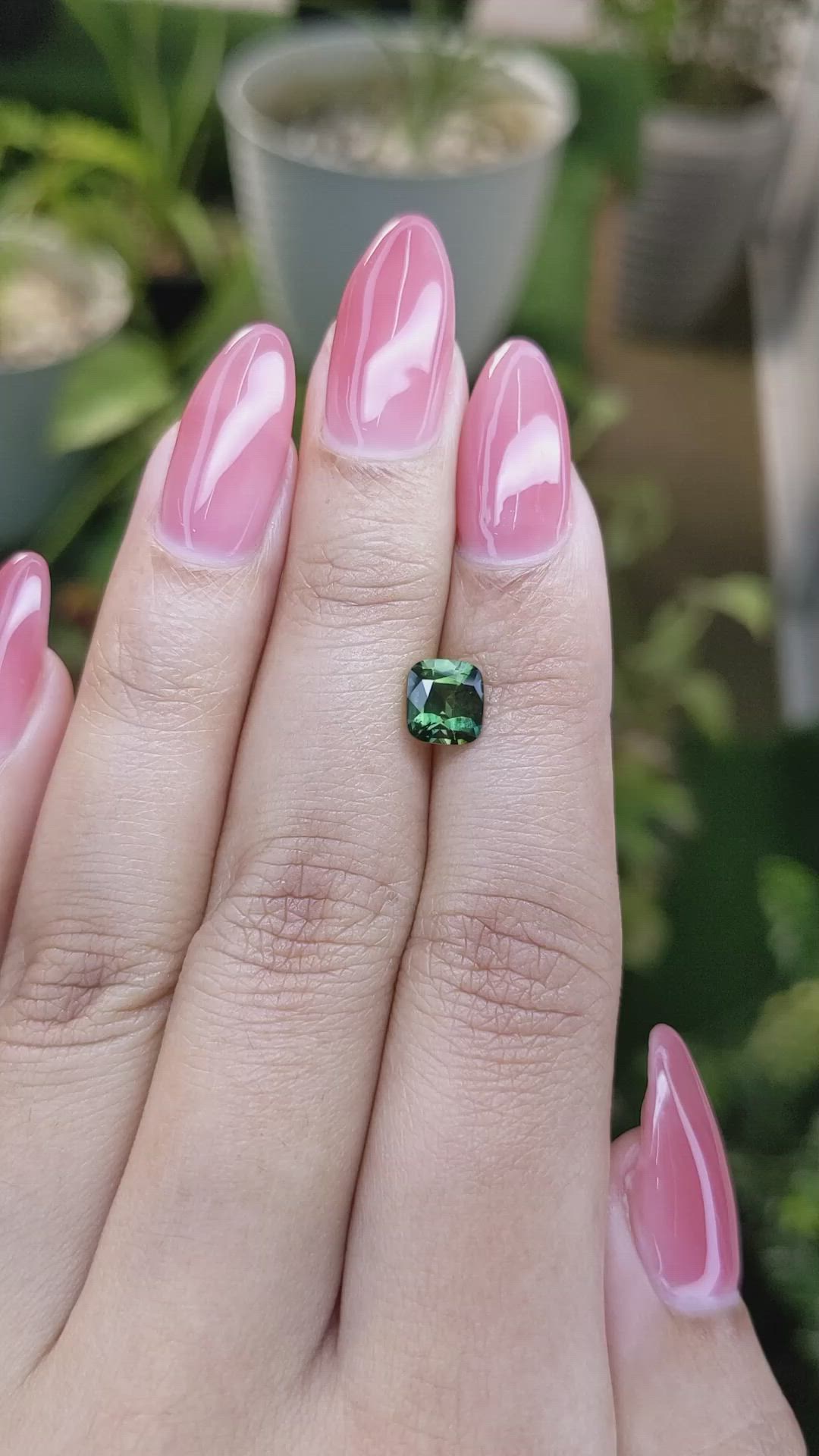
Antique Style Green Sapphire Ring 1.38 Ct., 18K Yellow Gold


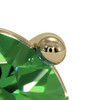
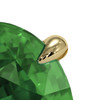
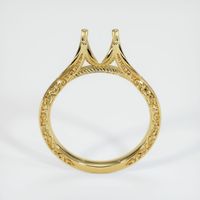
Wax Polymer Replica
Model of your Completed
Setting Design!

View 360° media
Item ID: | S33555 |
|---|---|
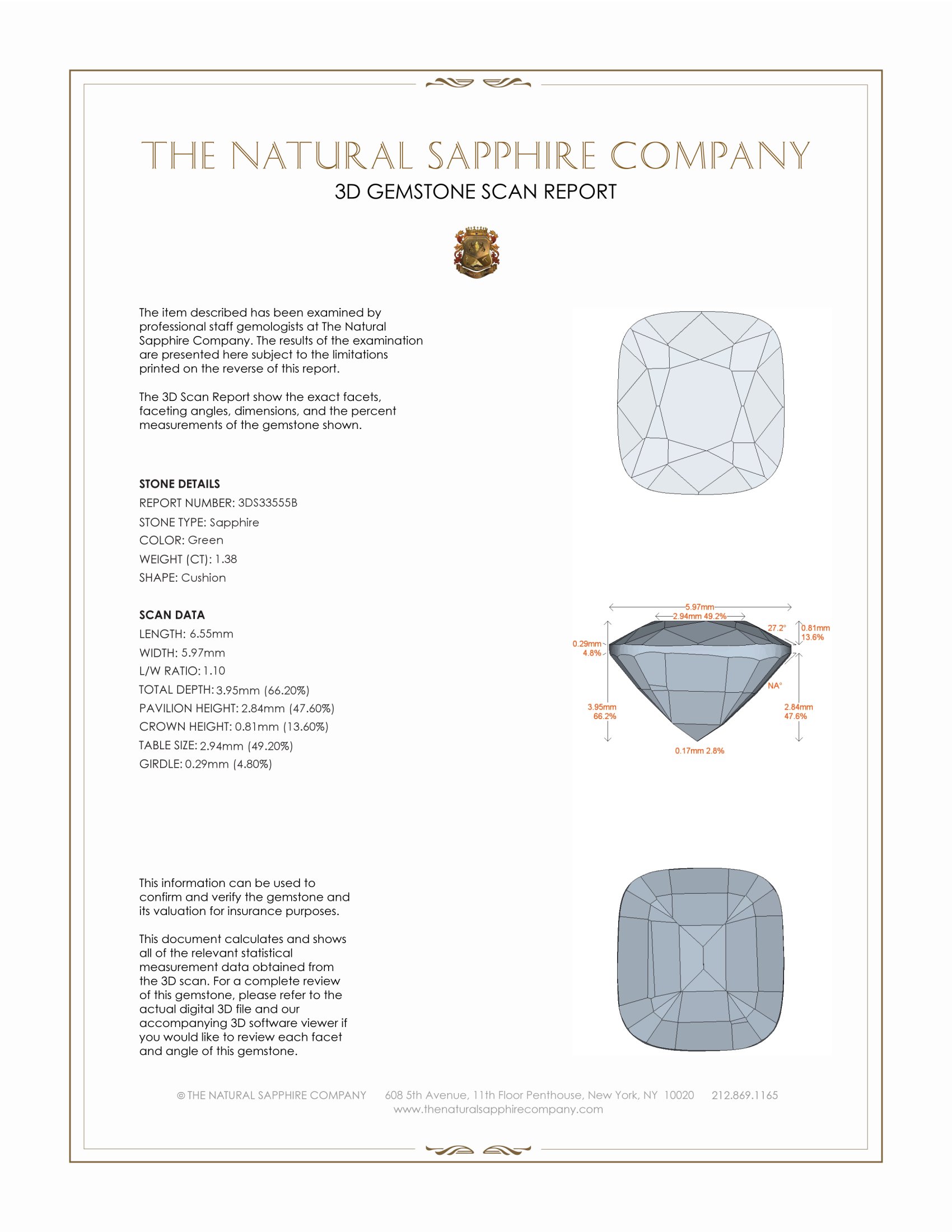
Dimensions (MM): help | Length: 6.55 Width: 5.97 Height: 3.95 |
Weight: | 1.38 Ct. |
Color: help | Green |
Color intensity: help | Vivid |
Clarity: help | Eye Clean |
Shape: help | Cushion |
Cut: | Mixed Brilliant Cut |
Cutting style: | Faceted |
Enhancements: help | No Enhancement |
Origin: help | Ceylon (Sri Lanka) |
Per carat price: help | $725 |
This ring centers a 1.38 carat cushion shape green sapphire, precisely measured at 6.55 by 5.97 by 3.95 millimeters, cut in a mixed brilliant style to balance color saturation and scintillation. The mixed brilliant cut here combines a brilliant facet array on the crown with a modified pavilion, producing return of white light and contrast facets that animate the vivid green body color. At an effective depth of approximately 63 percent, the pavilion proportions preserve saturation while allowing lively light return, avoiding the washed out look of overly shallow cuts and the overly dark effect of excessive depth. Clarity is graded as eye clean at typical viewing distance, so the stone presents a clean face up appearance without obvious inclusions, and the excellent polish delivers crisp facet junctions and strong facet reflections. Origin is Ceylon Sri Lanka, a source known for sapphires with bright, lively hues and good saturation, and this specimen exhibits even color distribution with attractive pleochroic behavior that adds dimension as the stone moves.
The mounting and finish are engineered to both protect and showcase the sapphire, the entire ring executed in 18K yellow gold which complements and slightly warms the green tone, enhancing perceived depth without masking the stone character. The design employs a four claw prong setting to secure the cushion corners, with an open pierced gallery that permits unobstructed light access to the pavilion, optimizing brilliance and color transmission. Hand executed engraving along the shoulders and subtle millgrain detailing increase surface texture, creating micro contrasts that direct attention to the centre stone while also serving as practical hard points that resist surface wear. The crown height and prong architecture are calibrated to cradle the sapphire securely, while the band profile is contoured for comfort and to distribute stress evenly, preserving the gem setting alignment through normal wear. The overall finish is meticulous, with consistent surface polish on the metal and tight, even prong heads that marry durability with refined aesthetics.
When comparing this natural Ceylon sapphire to lab grown alternatives, there are several technical distinctions that matter to discerning buyers. Both natural and lab grown corundum share the same fundamental hardness and wearability, Mohs hardness nine, meaning either will perform well in daily wear. Color and clarity however can arise from different formation processes. Natural sapphires from Ceylon develop their vivid green hues through trace element chemistry and complex geological growth conditions, often producing subtle zoning, silk inclusions, and mineral crystals that interact with light to produce depth and character. These internal features are not flaws in the way a gem grader would classify them, they are diagnostic of natural formation and contribute to the gemology and provenance story that many collectors value. Lab grown sapphires can be produced with exceptional uniformity in color and with very high clarity, especially when grown by flux or hydrothermal methods, and flame fusion can produce large, economical material. Lab growth signatures differ from natural signatures, for example curved growth lines or specific patterns of inclusions in flame fusion material, or distinct growth zoning in hydrothermal pieces, and these features are readily distinguishable under gemological examination.
From a value perspective, lab grown stones offer cost efficiency and can be engineered to achieve striking visual qualities, but they lack the geological rarity and the trace element fingerprint tied to a specific origin such as Ceylon. For buyers prioritizing natural provenance, the Ceylon origin combined with eye clean clarity, vivid saturation, and excellent polish delivers both gemological interest and aesthetic performance, qualities we highlight at The Natural Sapphire Company. For those who prefer engineered consistency at a lower price point, lab grown options remain a practical alternative, and we provide transparent comparative information and certification so clients can make an informed choice. Full gemological reporting and treatment disclosure are available on request, and our team can assist with side by side comparisons of natural and lab grown examples, to match technical preferences with budget and long term collecting goals.


